



Small details can change the way a staircase looks and functions. Stair dust corners are decorative metal fittings designed for the inside corners where a stair tread, riser, and stringer meet. They offer a traditional accent while covering a spot that can be awkward to clean. If you are considering them for your home, it helps to know what they do, how they are fitted, and what to check before installation.
What Are Stair Dust Corners?
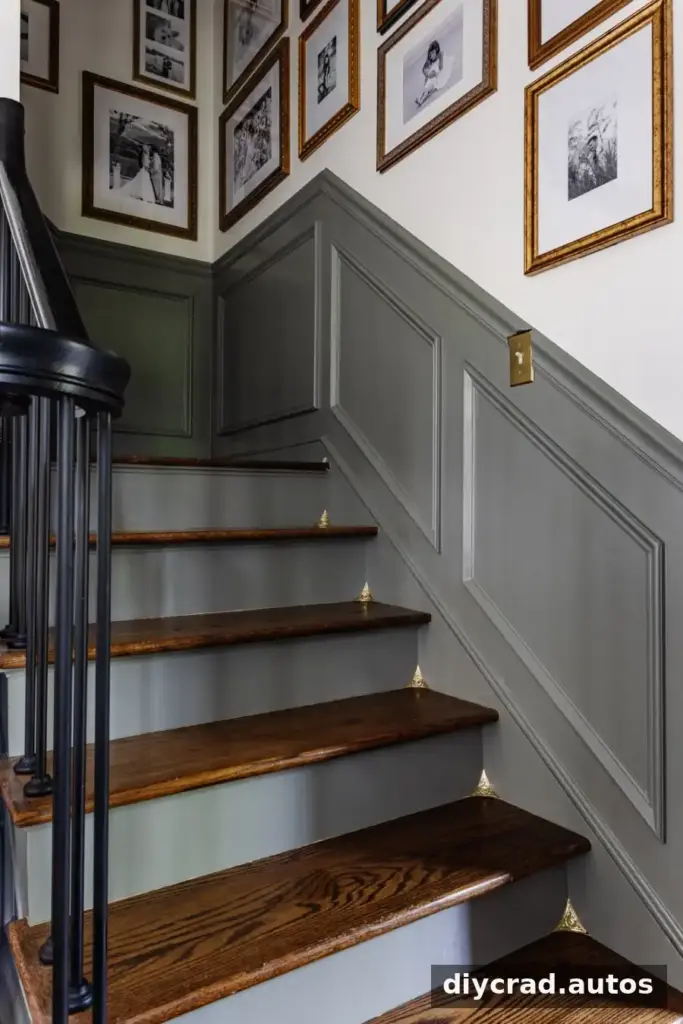
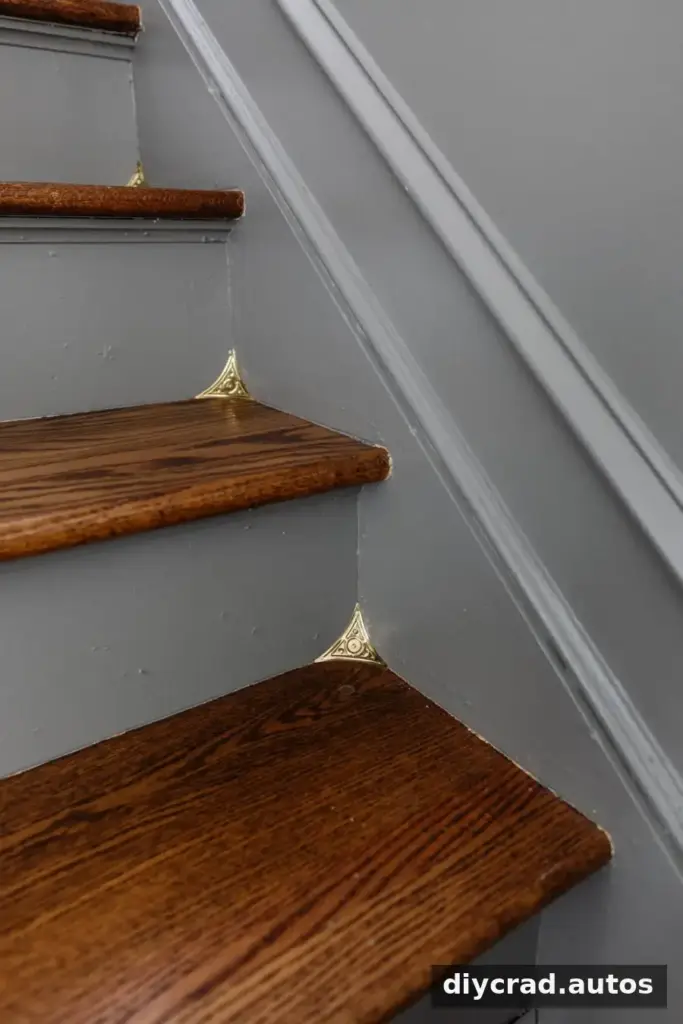
Stair dust corners are small, typically triangular pieces of metal installed at the inner corners of a staircase. Their shape is designed to fit where the tread and riser meet the stair stringer. The fitting covers part of the junction, giving the stair a finished, decorative look.
These pieces are often associated with older homes and Victorian-era hardware. They were intended to address the dust that can collect in tight stair corners, where a vacuum attachment or cloth may be difficult to position. They do not remove dust on their own, but a well-fitted corner piece can make the area easier to wipe during routine cleaning.
Practical tip: Check the shape and dimensions of your stair corners before ordering. Stair details can vary, so a fitting that looks right in a photo may not sit flush on every staircase.
A Brief History of Stair Dust Corners
Stair dust corners are commonly linked to the late 19th century, with the style reportedly becoming popular in the 1880s. This was a period when household cleanliness received growing attention, alongside wider public interest in germ theory. The precise origins of the fittings are not firmly established, so it is best to treat specific origin stories as historical accounts rather than confirmed facts.
Some accounts also associate dust corners with Sarah Winchester and the Winchester Mystery House. The house is famously large, but that connection should be understood as a reported association, not proof that she invented or popularized the hardware.
Today, reproduction versions let homeowners use a period-inspired detail without needing original antique pieces. For a cohesive look, consider how the finish relates to nearby stair hardware, lighting, and door fittings.
Why Add Stair Dust Corners?
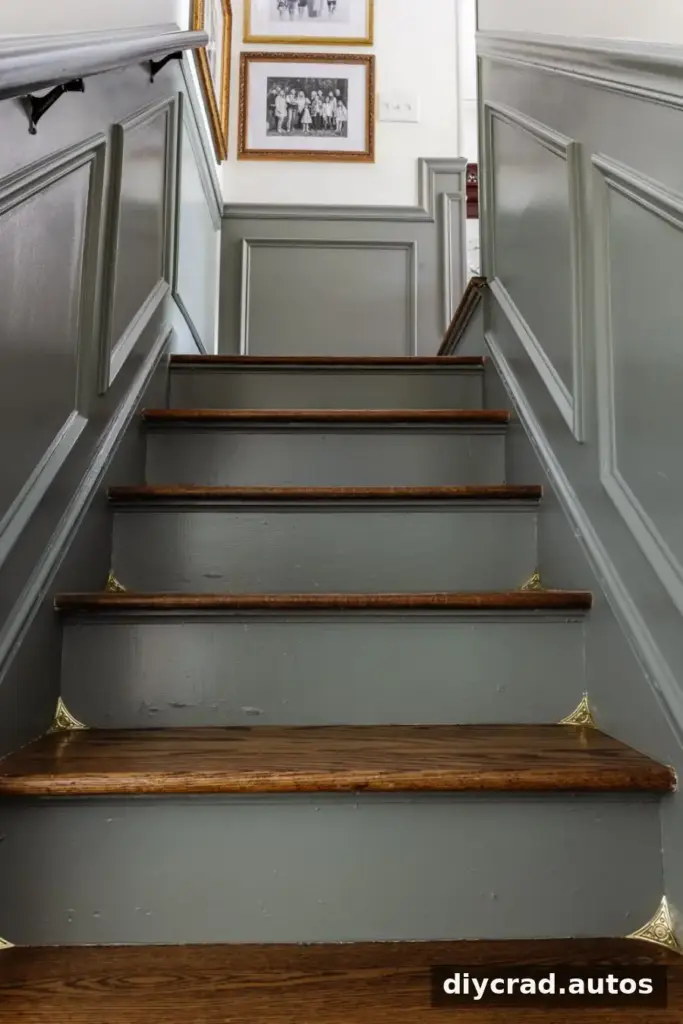
The appeal is both visual and practical. A small metal accent can make plain stairs feel more considered and complement traditional, vintage, or eclectic interiors. Depending on the design and finish, dust corners can blend into existing hardware or stand out as a subtle decorative feature.
They may also cover a difficult-to-reach corner, which can make that part of the stair easier to wipe. However, they are not a substitute for regular cleaning, and the result depends on how closely each piece fits. Gaps, loose fittings, or uneven surfaces can still collect dust.
Before choosing a finish: Compare samples or product photos with the colors already in the room. Brass, copper, and nickel finishes can vary in tone, and different metals may age differently over time.
How to Install Stair Dust Corners
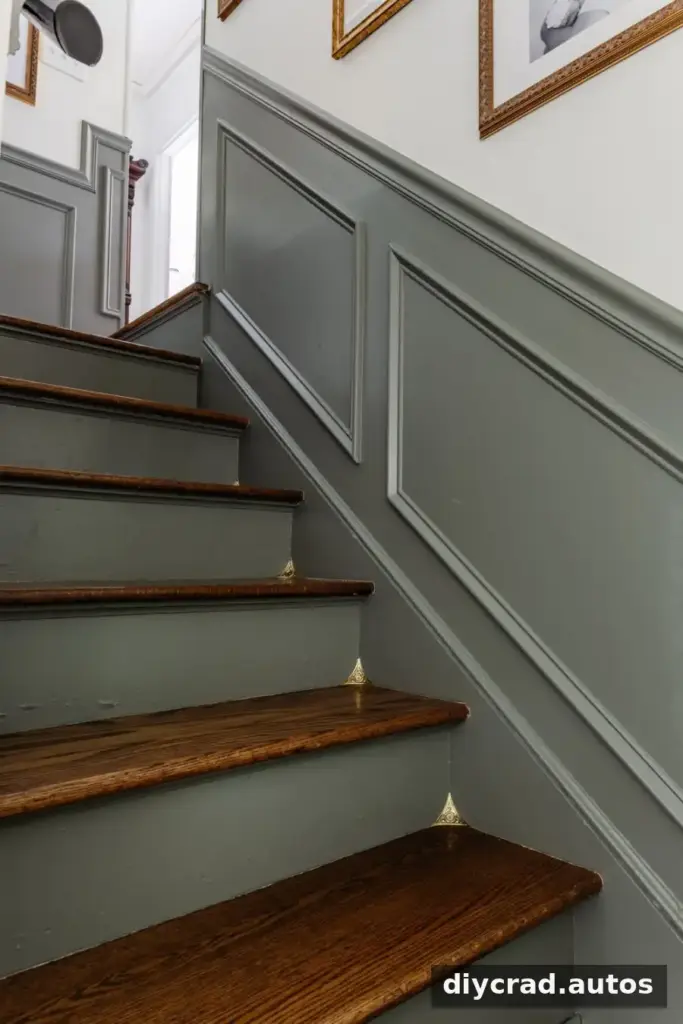
Installing stair dust corners is a small hardware project, but careful positioning helps the finished result look neat. Follow the fitting instructions provided with your hardware, and use tools appropriate for the stair material.
- Clean the area. Remove dust and loose debris from the corner where the tread, riser, and stringer meet. A clean surface helps the piece sit flat.
- Position the fitting. Place the dust corner in the intended spot and check that it sits flush without rocking or covering an area it should not.
- Secure it carefully. Use the supplied nail or a suitable small finish nail, if appropriate for the product and stair material. Avoid striking the fitting hard enough to bend or mark it.
- Check the result. Confirm that the piece is firmly attached and does not create a raised edge that could catch a shoe or sock.
DIY tip: If the nail is difficult to drive into the wood, a small pilot hole may help. Use a drill bit sized appropriately for the nail and take care not to drill too deeply. If the stair is painted, damaged, or made from an unfamiliar material, test discreetly or ask a qualified professional for advice.
Choosing and Caring for Dust Corners
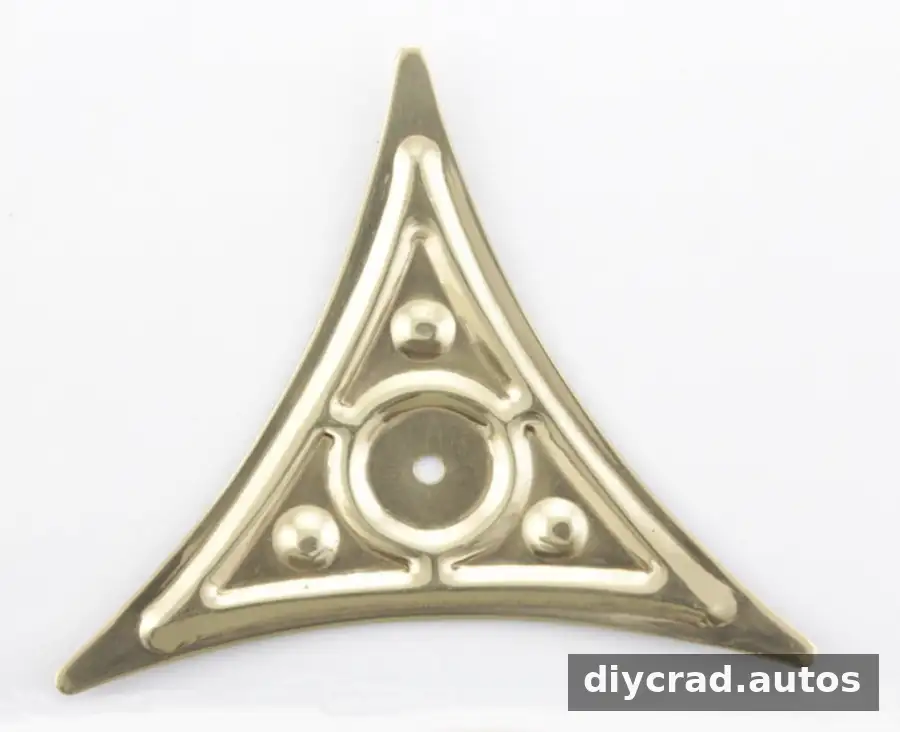
Stair dust corners are available from sellers of reproduction and antique-style hardware. Common finishes include brass, copper, and nickel, though the exact choices depend on the supplier. Check the listed measurements, installation method, and included fasteners before purchasing.
For maintenance, wipe the fittings with a soft cloth and use a cleaning product suitable for the specific finish. Avoid abrasive pads or harsh cleaners unless the manufacturer says they are safe, as these can scratch or discolor metal. Periodically check that the nails or other fasteners remain secure.
Conclusion
Stair dust corners are a compact way to add a vintage-inspired detail to a staircase while covering a tricky inside corner. They can make routine wiping more convenient, but they will not eliminate dust or replace regular cleaning. Measure the stair junction, choose a finish that suits the space, and install each piece securely for a tidy, practical update.

