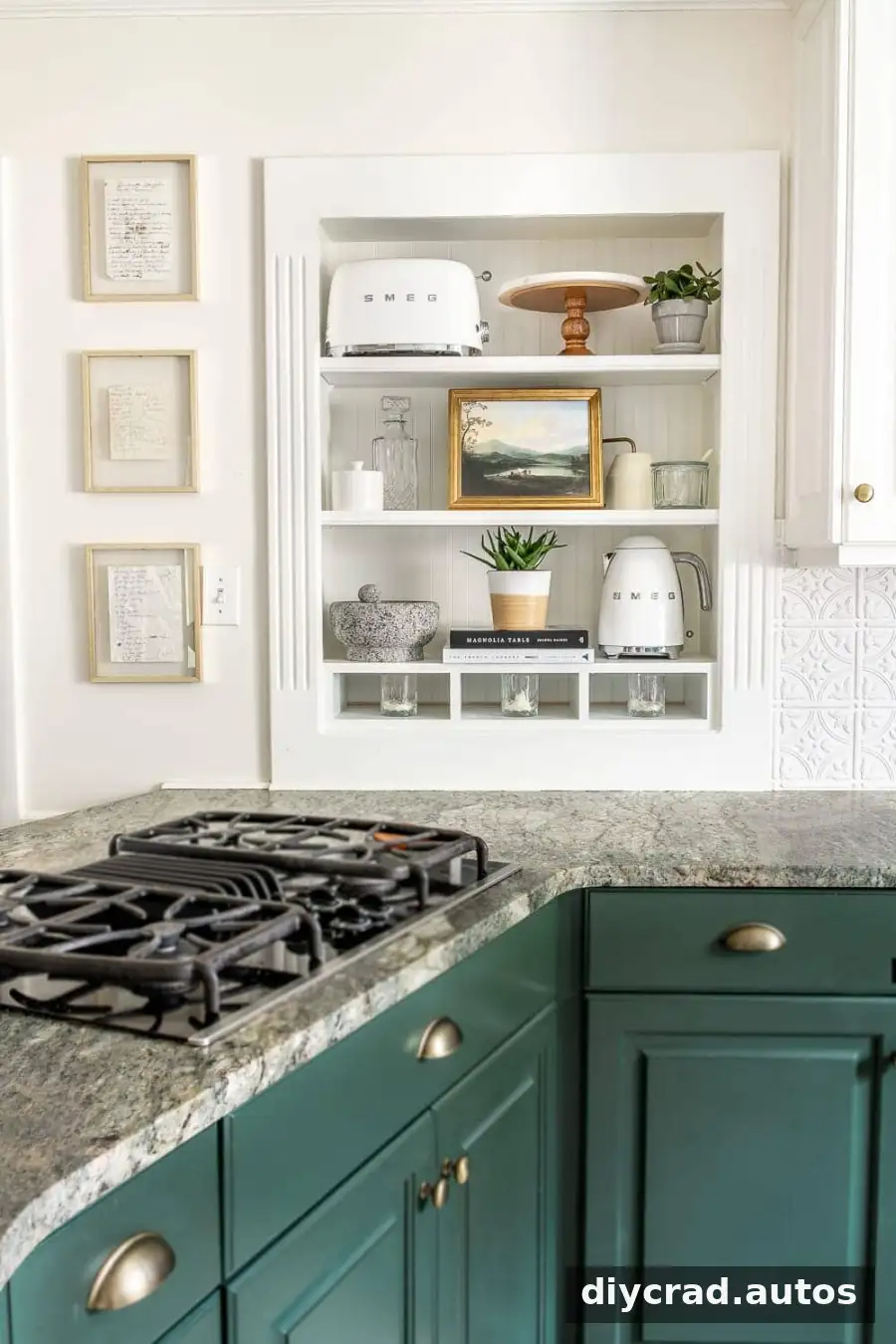
Learning how to decorate shelves can make a kitchen, living room, or office feel more considered without requiring a complete redesign. A balanced arrangement usually combines a few larger focal pieces with books and smaller accents, while leaving enough open space for each item to stand out. These eight practical steps can help you create a shelf display that feels cohesive and still works for everyday life.
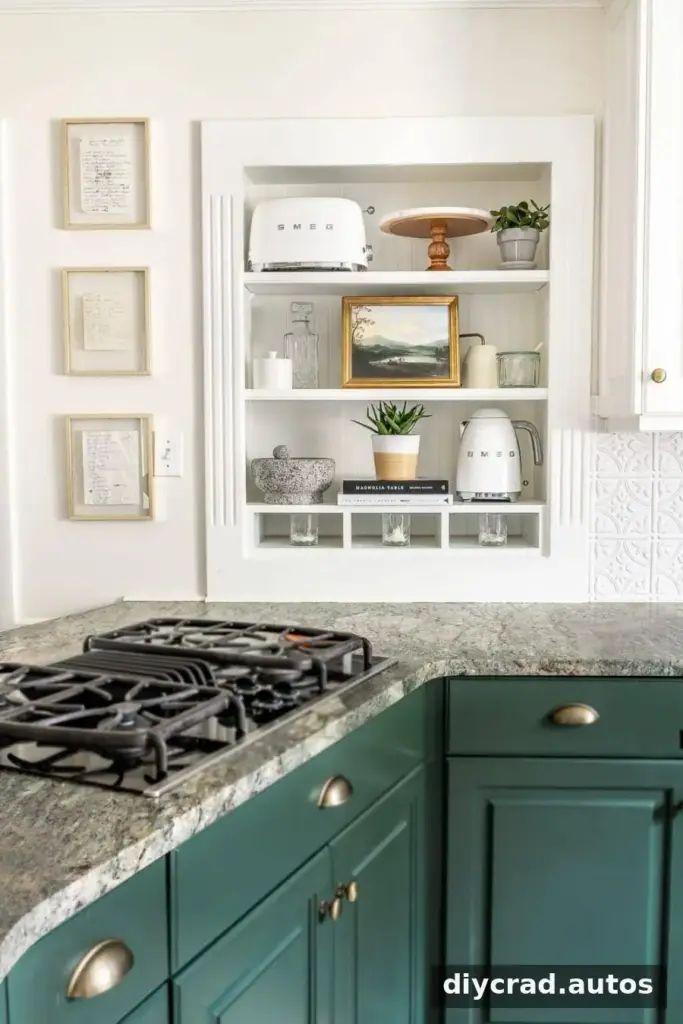
How to Decorate Shelves: 8 Simple Steps
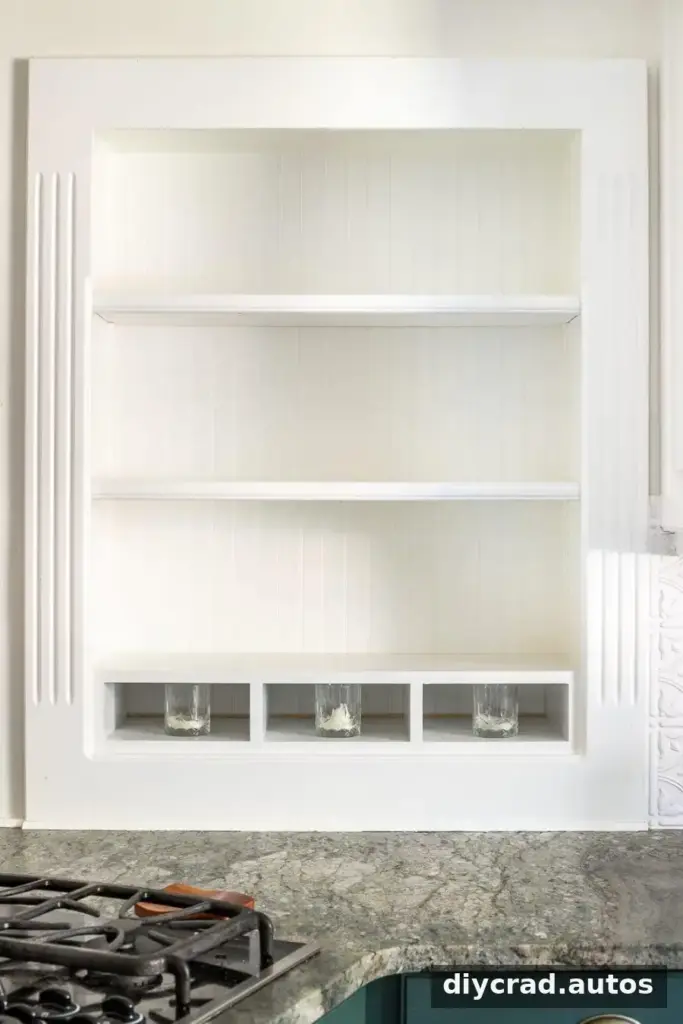
1. Clear the shelves before you begin
Remove everything so you can see the full shape and available space of each shelf. Starting with a blank surface makes it easier to plan the arrangement instead of simply adding new pieces around old ones. Wipe the shelves and decide which items genuinely belong in the display.
2. Gather a mix of textures, colors, and heights
Collect possible decor from around your home before buying anything new. Try combining materials such as wood, glass, ceramic, metal, and woven textures. A range of shapes and heights adds visual interest, while a limited color palette helps the collection feel connected. Lay the pieces out nearby so you can compare them before arranging the shelves.
3. Work one shelf at a time and choose a focal point
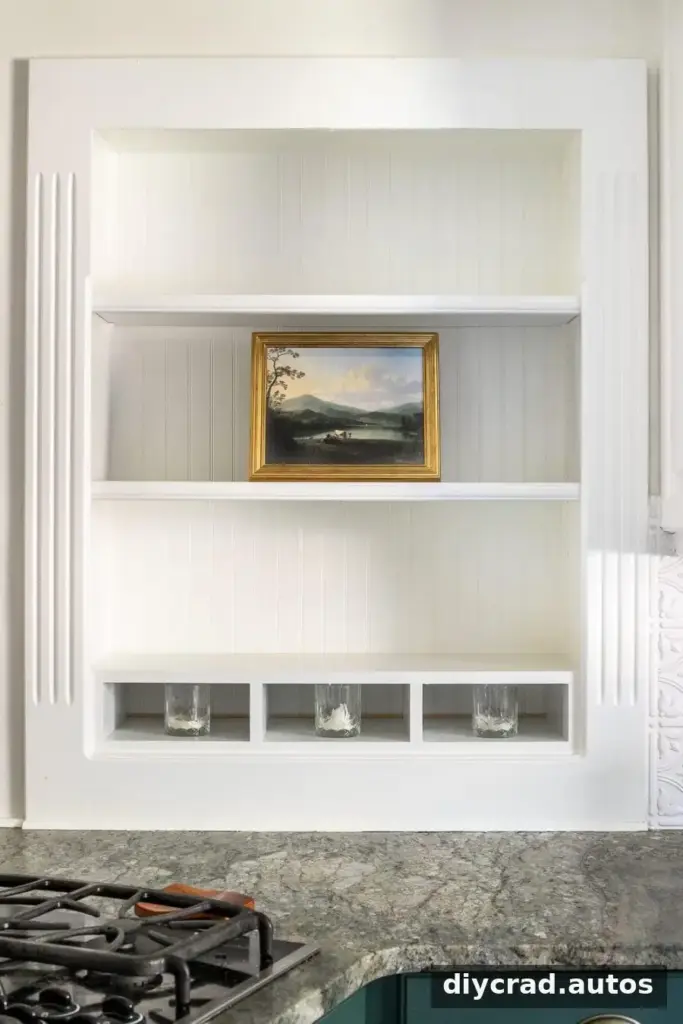
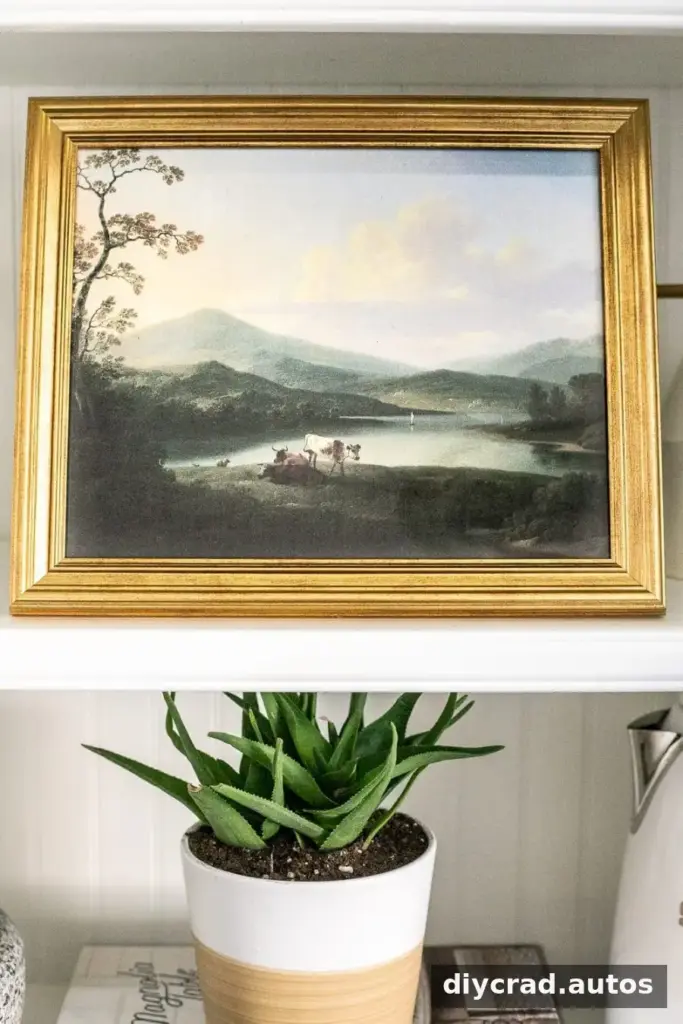
Begin on a single shelf to keep the task manageable. Alternatively, start with one distinctive piece—such as framed art or a sculptural object—and build the arrangement around it. A focal point gives the display direction, but avoid surrounding it with too many equally prominent items.
4. Separate similar objects
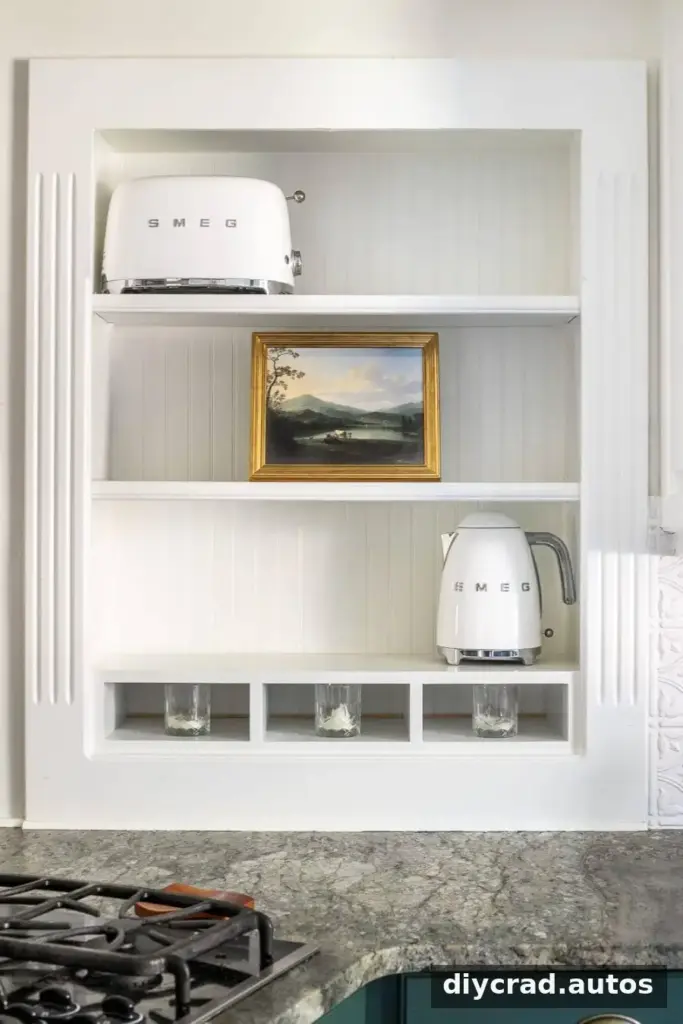
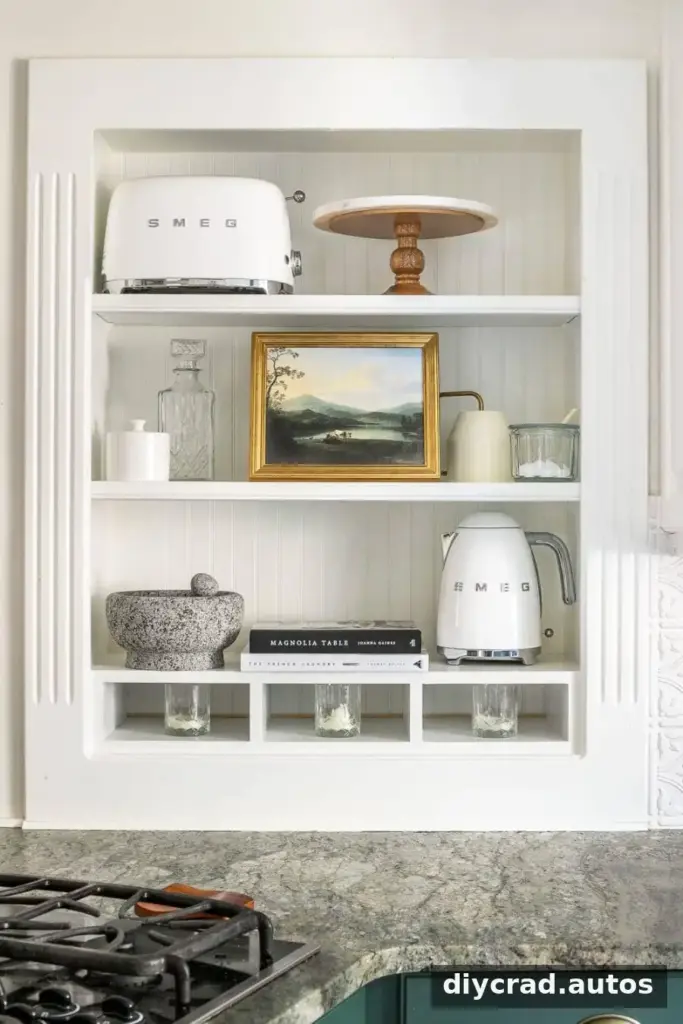
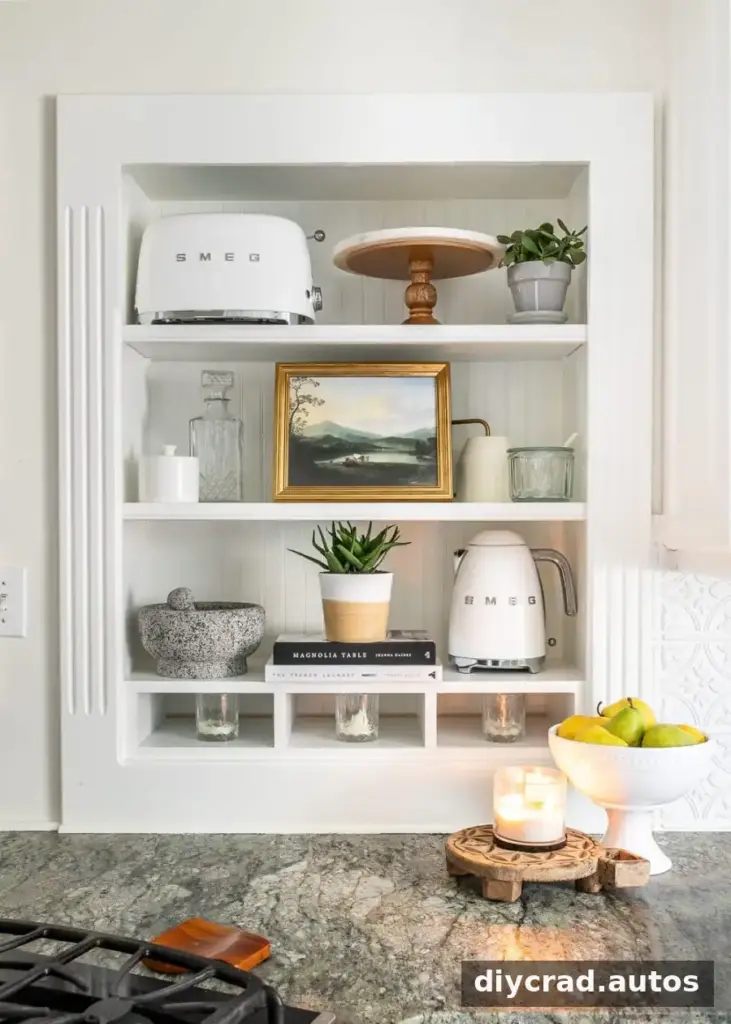
When two pieces have a similar color, shape, or function, place them apart rather than side by side. For example, matching small appliances can sit at opposite ends of a shelving unit. This distributes visual weight across the display and helps each object feel intentional. If the shelves are narrow, separate similar pieces vertically instead.
5. Distribute larger pieces to create balance
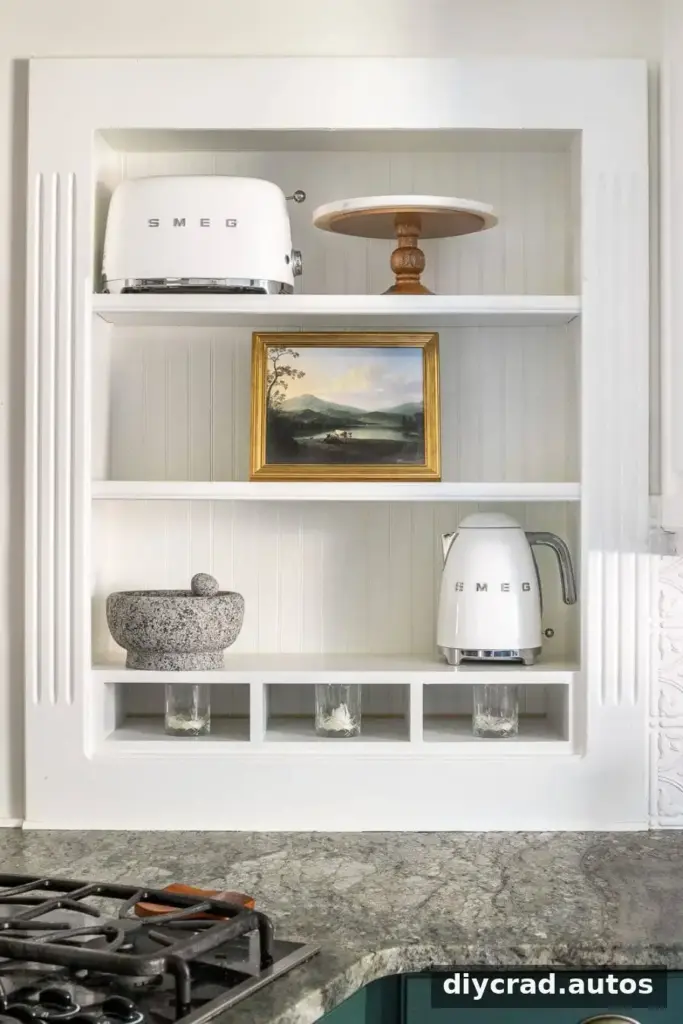
After positioning the focal item, place other substantial objects in different areas of the shelves. Think about the overall visual weight, not just the number of objects: a wide bowl can feel as prominent as a taller vase. Step back occasionally and check whether one side looks noticeably heavier than the other. Adjust placement before adding small accessories.
6. Use books for color, structure, and height
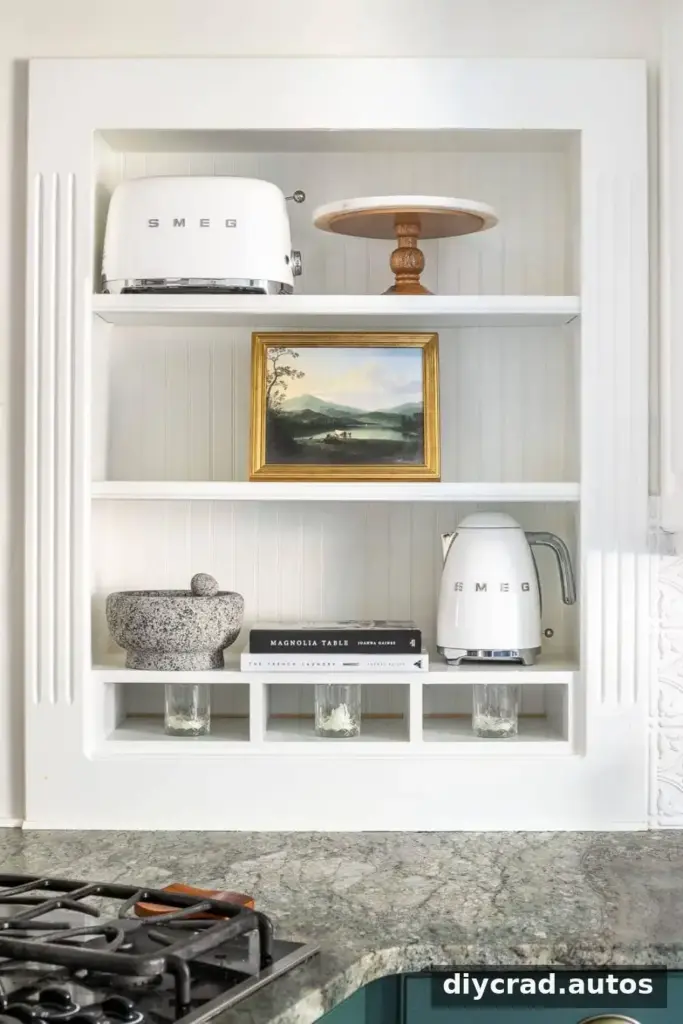
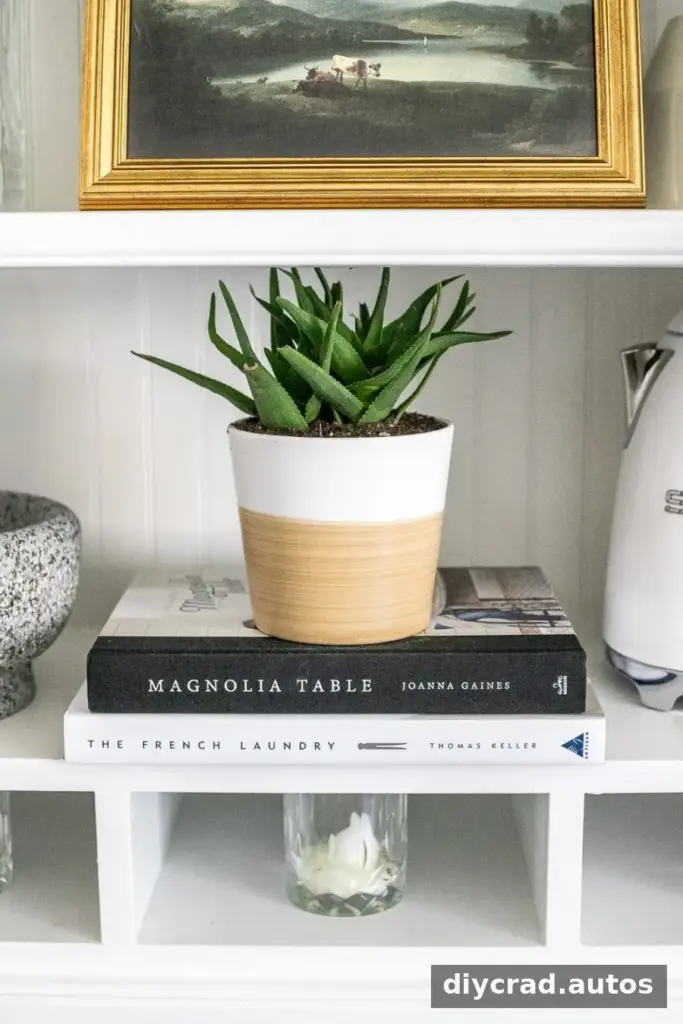
Books add useful variation and can help anchor a display. Stand a few upright beside a bookend, or stack a small group horizontally to create a stable riser for a lightweight accent. Mix horizontal and vertical arrangements to avoid a repetitive look. Check that stacked objects are secure and that frequently used books remain easy to reach.
7. Fill selected gaps with smaller accents
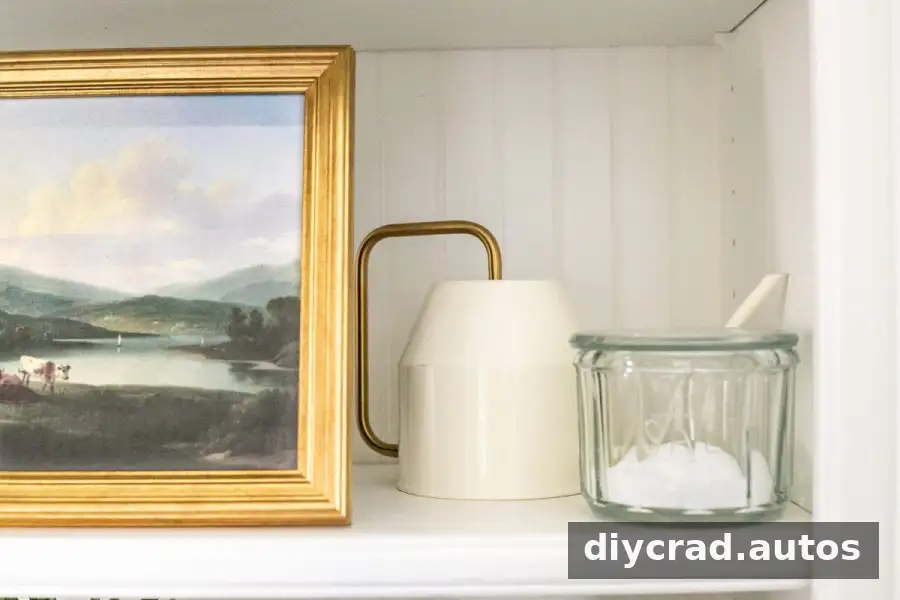
Add compact objects after the larger pieces are in place. Small bowls, glass containers, candle holders, and decorative boxes can fill gaps without competing with the focal point. Repeat a material or color in more than one area to create a visual connection. Leave some open space, too; filling every gap can make shelves appear cluttered.
8. Add greenery for a natural contrast
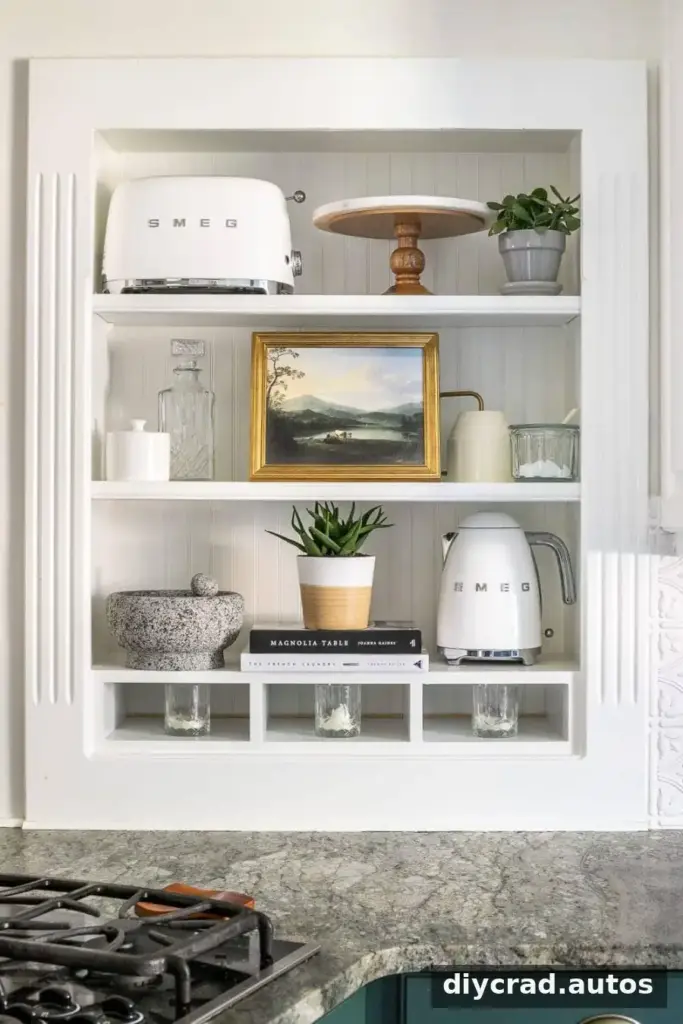
A plant or a small arrangement of flowers introduces a fresh color and softens the lines of books, frames, and containers. Choose a plant that suits the available light and the amount of care you can provide. On a high shelf, consider access for watering and make sure the pot is stable and protected from moisture.
Use a visual triangle to check the arrangement
For a longer shelf or a group of shelves, imagine a triangle formed by three prominent objects. Their different heights can guide the eye across the display and help distribute attention. You can also create balance by repeating colors, greenery, or materials in separate areas. Symmetry can be a useful starting point, but an arrangement does not need to match on both sides to feel balanced.
Step back and look at the whole shelving unit rather than judging each shelf in isolation. If one area feels crowded, remove an item or shift it to a different shelf. These simple adjustments often improve the composition more than adding another decorative piece.
Make shelf decor practical for everyday use
Decorative shelves can still hold useful objects. A mortar and pestle, serving stand, or cookbook can be part of the display if it is something you actually use. Place everyday items where they are easy to reach, and keep fragile or heavy objects away from edges. Leave enough room to take pieces down without disturbing the rest of the arrangement.
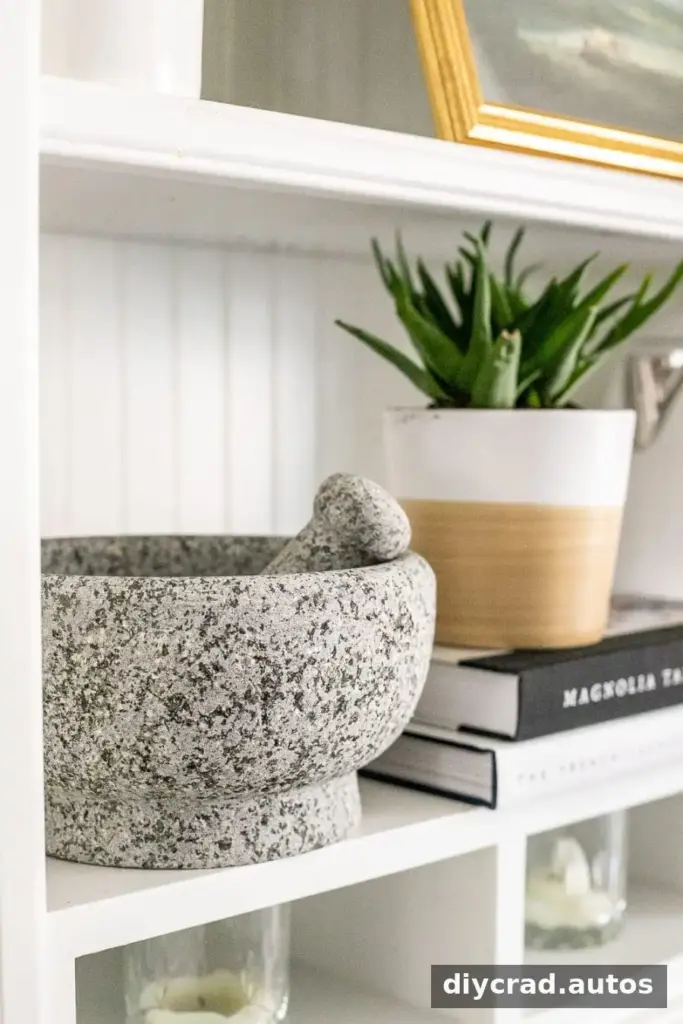
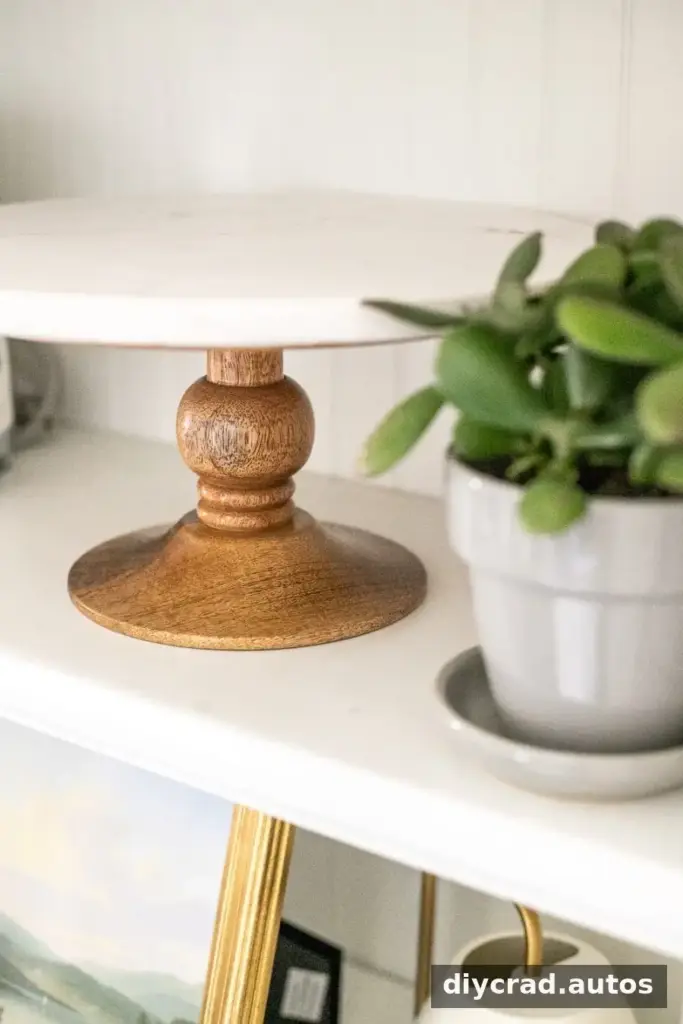
For a kitchen shelf display, possible elements include a framed landscape print in a gold frame, glass containers, a watering can, cookbooks, a cake stand, a pedestal bowl, and a candle pedestal. Similar pieces can work in other rooms, too, as long as their scale and materials suit the space.
More ideas for what to put on shelves
If you need additional options, consider using a small selection of these items:
- Bowls and decorative dishes
- Vases and glass containers
- Small sculptural objects
- Decorative boxes
- Candle holders
- Framed art or photographs
- Houseplants or flowers
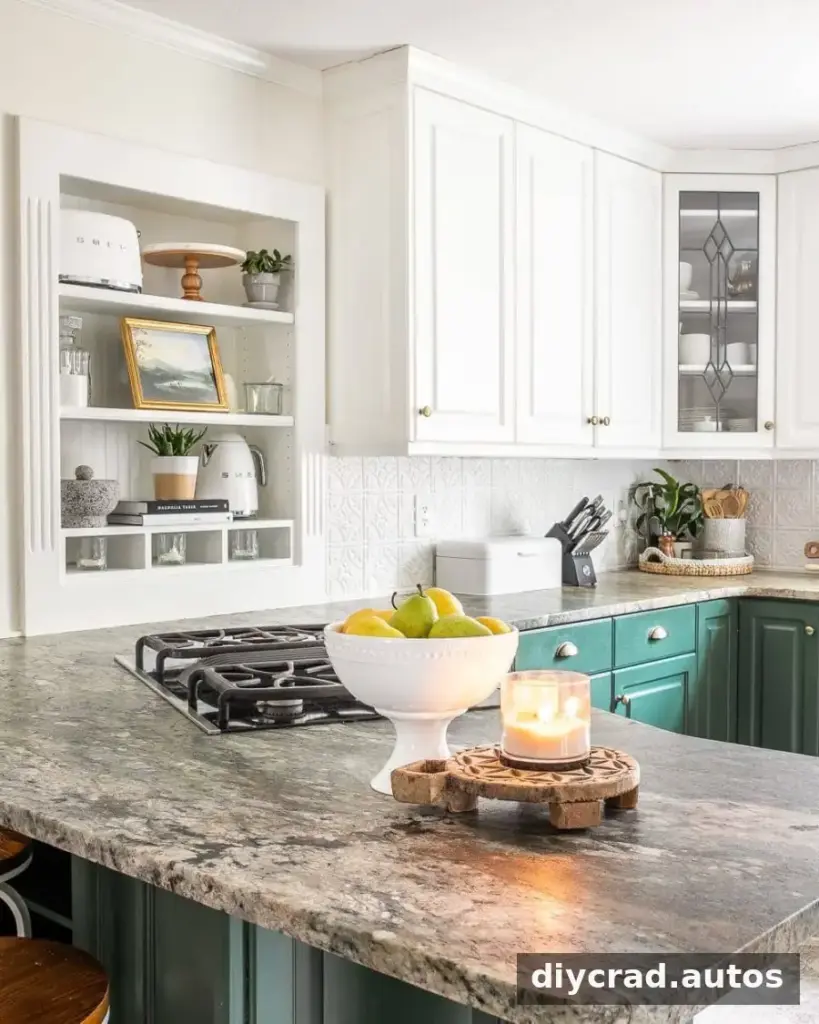
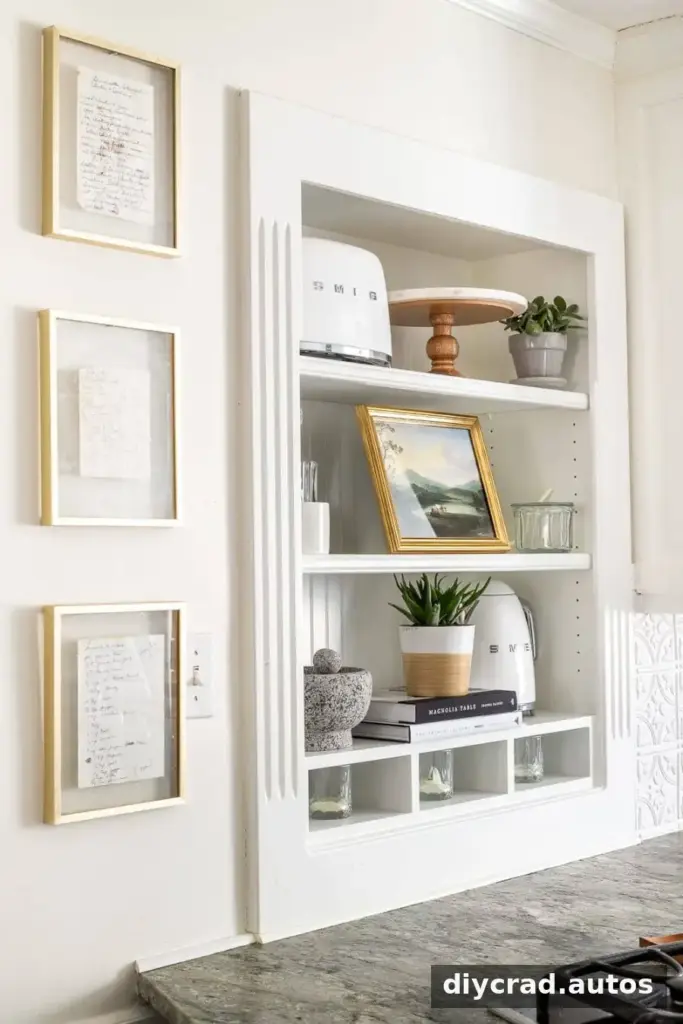
The most reliable approach to how to decorate shelves is to begin with a clear surface, build around a focal point, and balance larger pieces with books, smaller accents, and greenery. Use these steps as a guide, then adjust the arrangement to suit your room, storage needs, and personal taste. A little empty space and a final check from across the room can make the finished display feel polished without looking overworked.