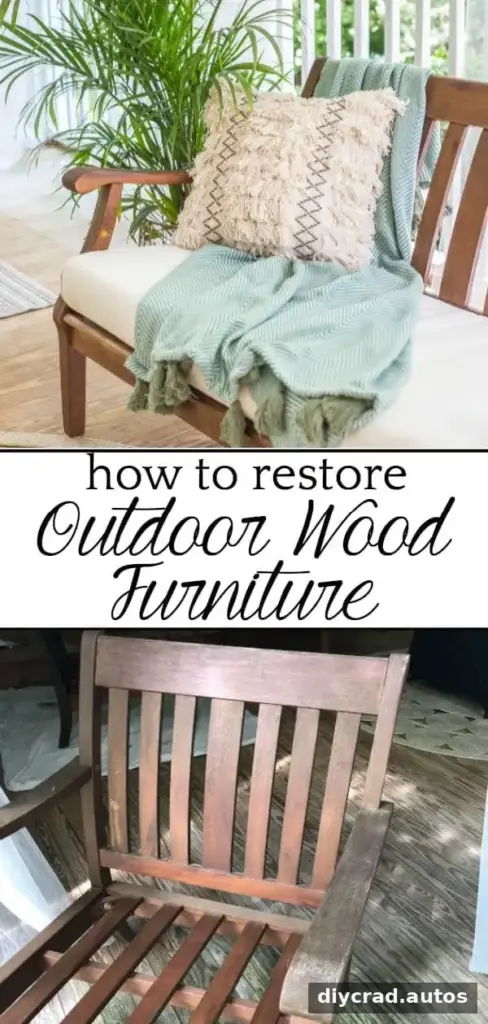
Weather, sun, pollen, and everyday use can leave patio chairs and tables looking dry and worn. In many cases, a thorough clean and a suitable wood treatment can refresh outdoor furniture without replacing it. This guide explains how to restore wood outdoor furniture, care for removable cushions, and check the pieces before putting them back into regular use.
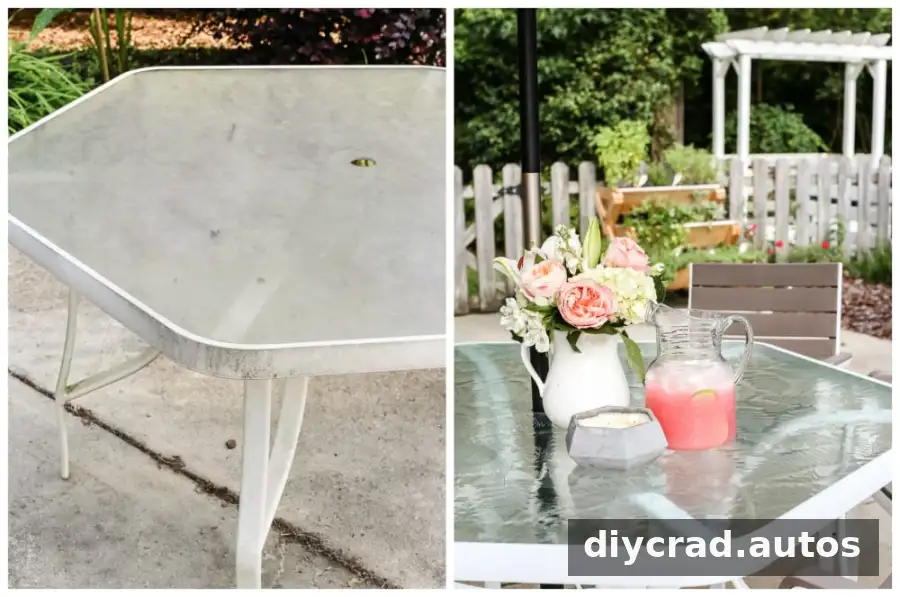
Start by assessing the furniture. Look for loose screws, cracks, splinters, or signs of rot, and check whether the existing finish is peeling. Cleaning and oiling can improve the appearance of sound wood, but damaged or unstable parts may need repair before the furniture is used.
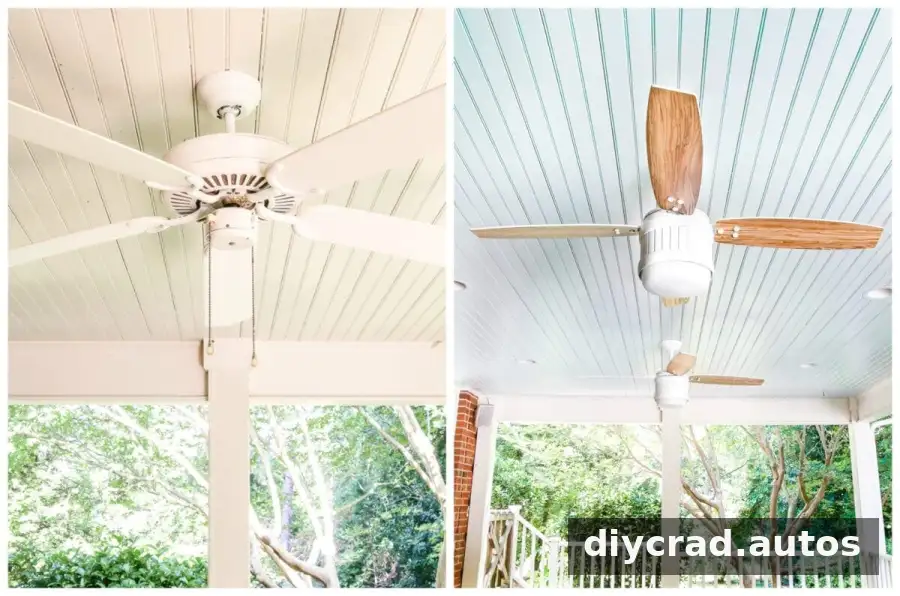
For a covered porch or patio, clean the surrounding area as well so dust and pollen do not settle back onto freshly treated furniture. Simple outdoor lighting and washable curtains can also make a seating area more comfortable, but keep fabrics and electrical items away from wet cleaning and treatment products.

How to Restore Wood Outdoor Furniture
A four-year-old set of wooden outdoor chairs may look tired after several seasons outside, even when the structure remains sturdy. The basic refresh described here took about an hour or two, although drying time can vary with the product, weather, and condition of the wood.
Supplies to Prepare
- Teak oil, if it is suitable for the furniture’s wood and existing finish
- Clean, dry rags
- A steam cleaner for cushions, only if their care instructions allow it
- Carpet shampoo intended for the cleaning method and fabric
Check the furniture maker’s care guidance, if available, before applying oil or using a steam cleaner. Products that work on one type of wood or fabric may not be appropriate for another. Test any cleaner or treatment on a small, inconspicuous area first.

Clean and Inspect the Wood
Remove loose dirt and debris from the furniture, then wipe the surfaces with a clean cloth. Let the wood dry fully before applying a treatment. If the surface is rough or has a damaged coating, identify the wood and finish before sanding or stripping it; those steps are not necessary for every piece.
While the furniture is dry, check the joints and hardware. Tighten loose screws carefully, taking care not to overtighten them or damage the wood. Replace missing or badly corroded fasteners with suitable outdoor-rated hardware.
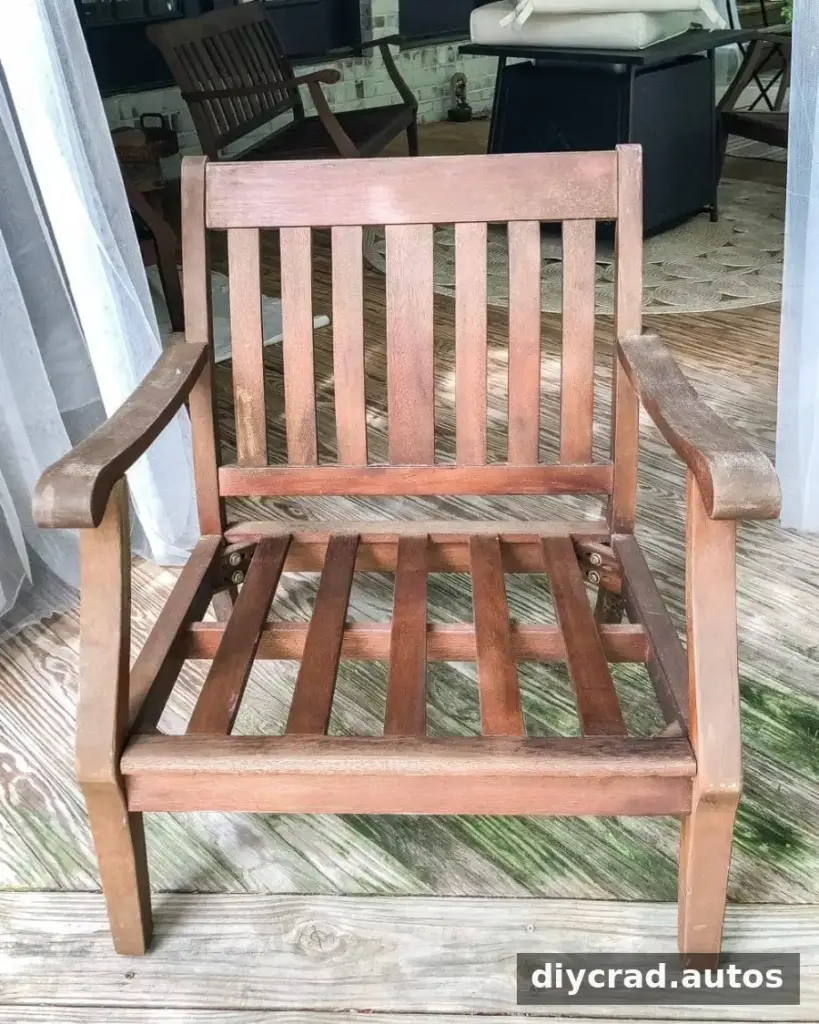
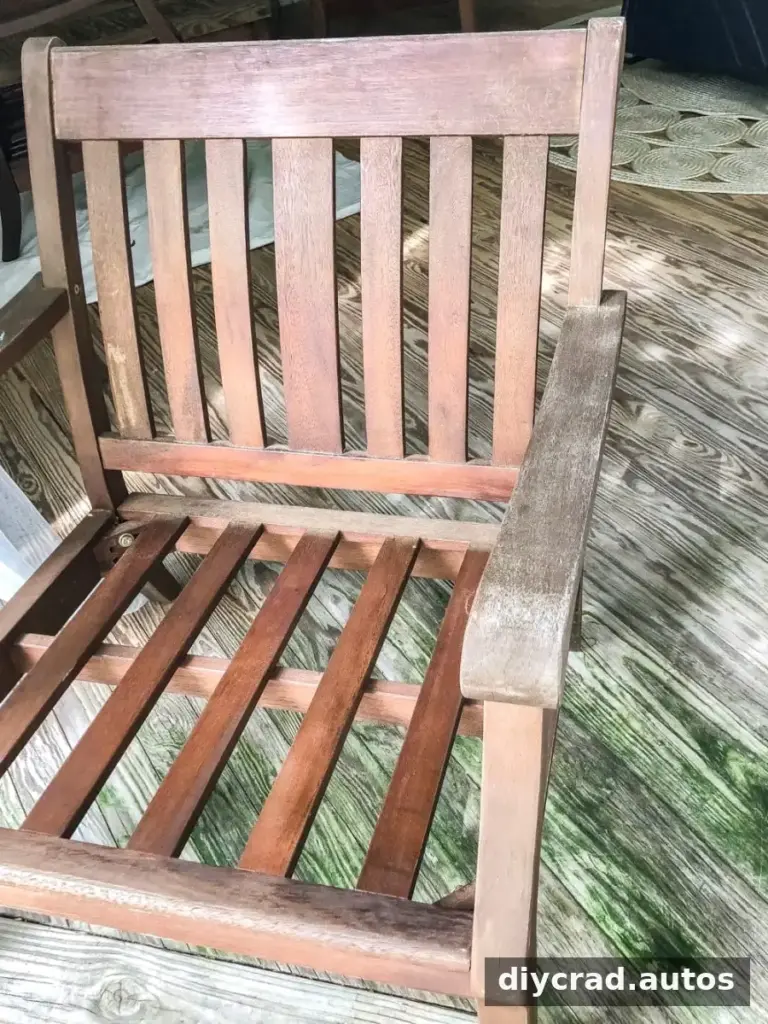
Apply Teak Oil Carefully
If teak oil is appropriate for the furniture, follow the directions on its label. Apply a modest amount with a clean rag, working evenly over the surface, and allow the wood to absorb the treatment as directed. Wipe away excess product if the instructions call for it. Applying more than the wood can absorb may leave a sticky or uneven finish.
Work outdoors or in a well-ventilated area, and protect nearby paving from drips. Oil-soaked rags can present a fire hazard: handle and dispose of them exactly as the product label instructs, and never leave them crumpled in a pile.
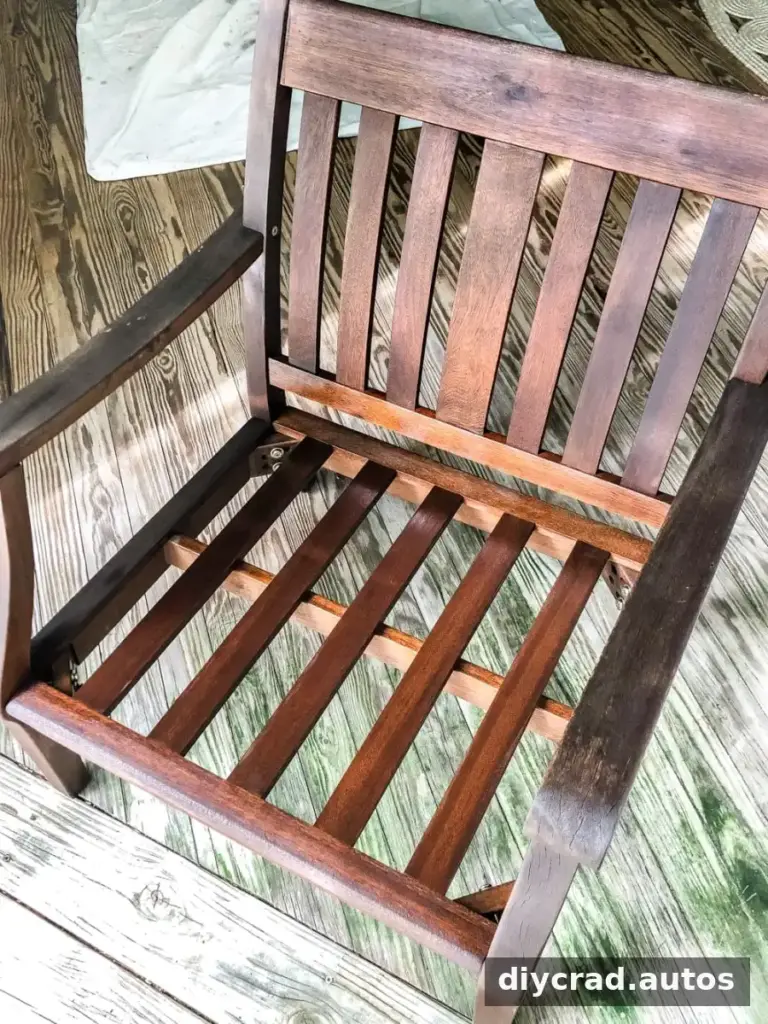
Refresh Outdoor Cushions
For cushions, use a steam cleaner and carpet shampoo only when the care label permits those methods. Follow the cleaner’s instructions, avoid soaking the filling, and allow cushions to dry completely in a well-ventilated place before putting them back on the furniture. If steam cleaning is unsuitable, use a fabric-safe cleaning method recommended by the cushion manufacturer.
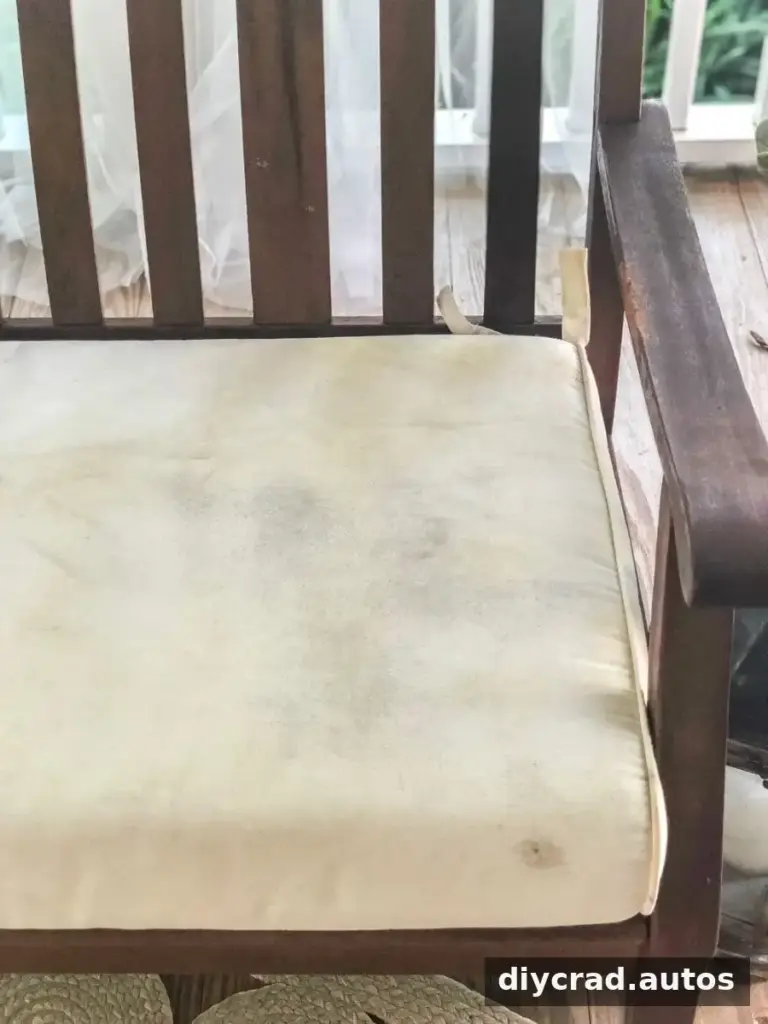
Outdoor cushions can hold a surprising amount of pollen and dirt. Remove dry debris first, and empty or clean the steam cleaner as directed after use. This helps prevent residue from being spread onto other fabrics during the next cleaning task.
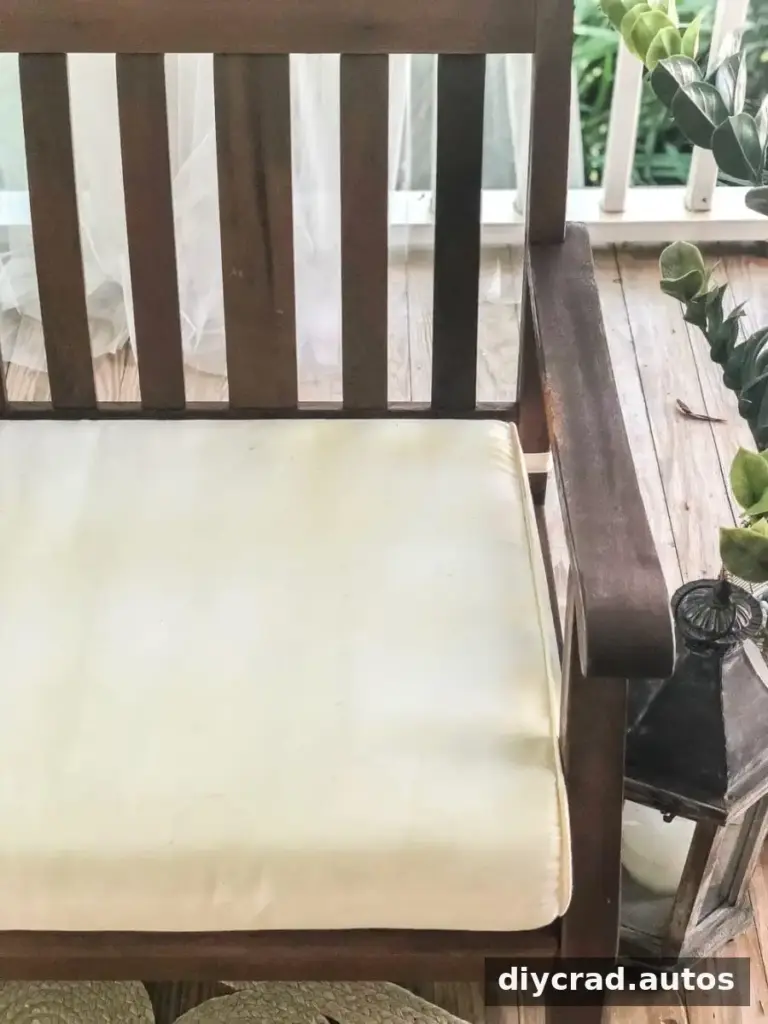
Do not use cushions while they are damp. Full drying helps reduce musty odors and keeps moisture from lingering against the furniture. Check seams and undersides as well, since these areas may take longer to dry.
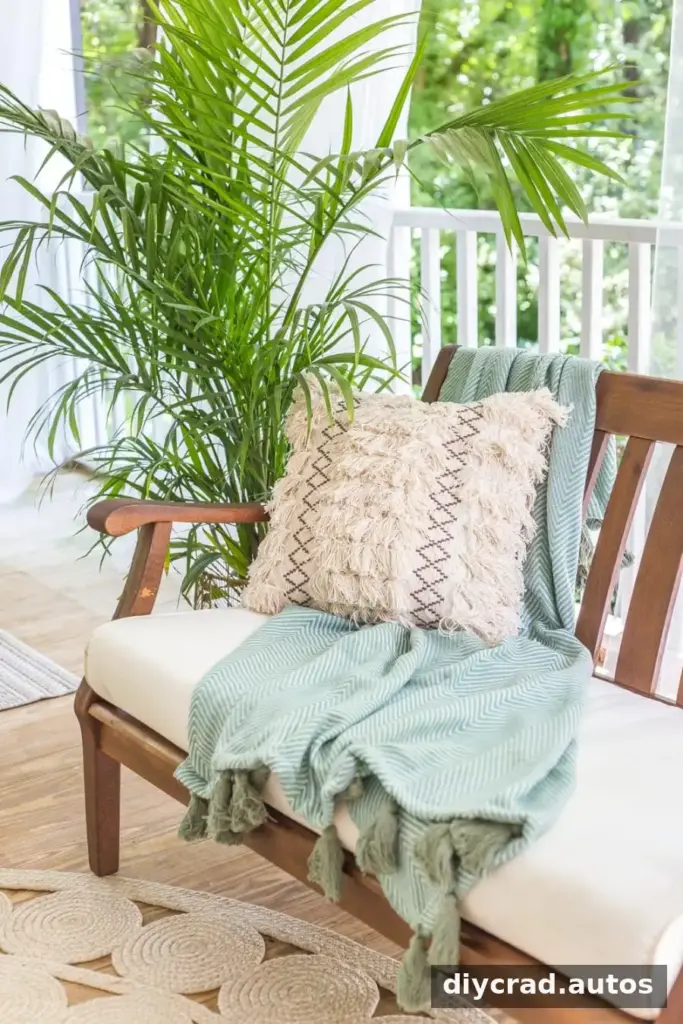

Keep Restored Furniture Looking Its Best
Once the furniture is clean and dry, place it back on a stable surface and keep it protected when it is not in use. A suitable cover or sheltered storage can limit exposure to rain, direct sun, and seasonal debris. Periodically inspect the wood and hardware so small maintenance needs do not become larger repairs.
Restoring wood outdoor furniture is most effective when the treatment matches the material and the care instructions are followed. A careful clean, appropriate oil, tightened hardware, and fully dried cushions can give a serviceable patio set a fresh start while helping extend its useful life.