

Looking for a manageable way to refresh your home? These things to declutter in the New Year include everyday items that often take up space in closets, kitchens, and shared areas. Work through one category at a time, and decide whether each item is useful, in good condition, or genuinely needed.
You do not have to tackle the entire house in one day. Choose a small area, set aside items to keep, donate, recycle, or discard, and make sure usable items are stored where they are easy to find. The goal is a home that works better for the people who live in it.
Things to Declutter in the New Year: 14 Places to Start
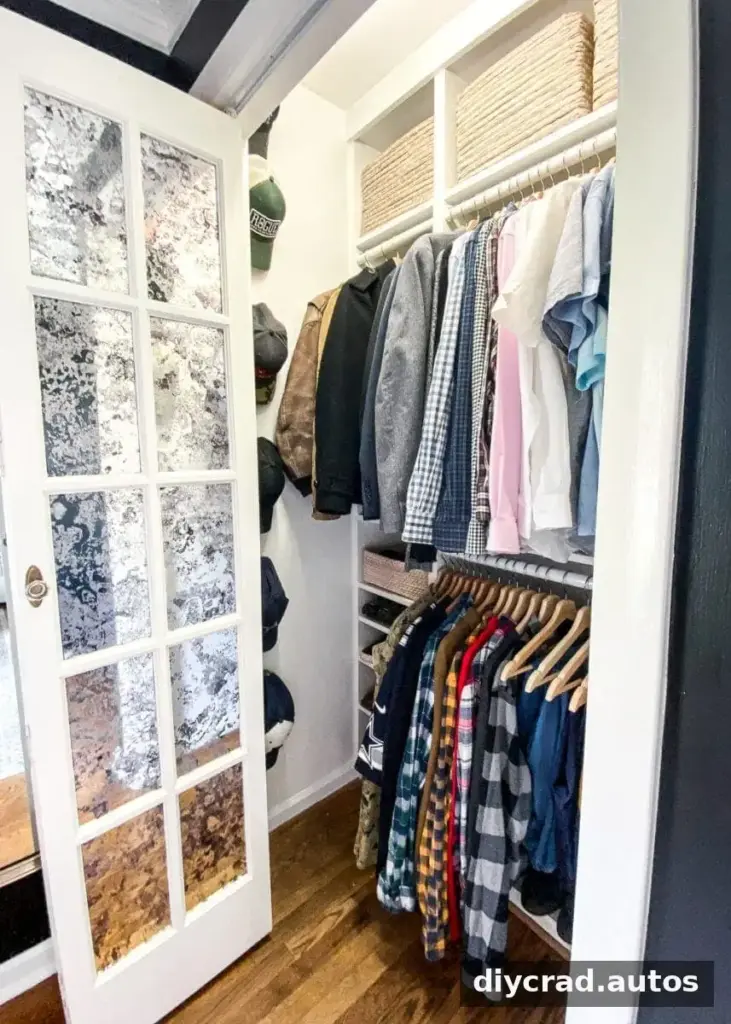
1. Clothing in closets
Review clothes you have not worn in a long time, no longer fit, or do not suit your current needs. Rather than keeping something for every possible occasion, consider whether you would choose to wear it today. Donate clean, wearable clothing and recycle or discard items that are too worn to use.
Practical tip: Keep frequently worn pieces easy to reach so getting dressed takes less time.
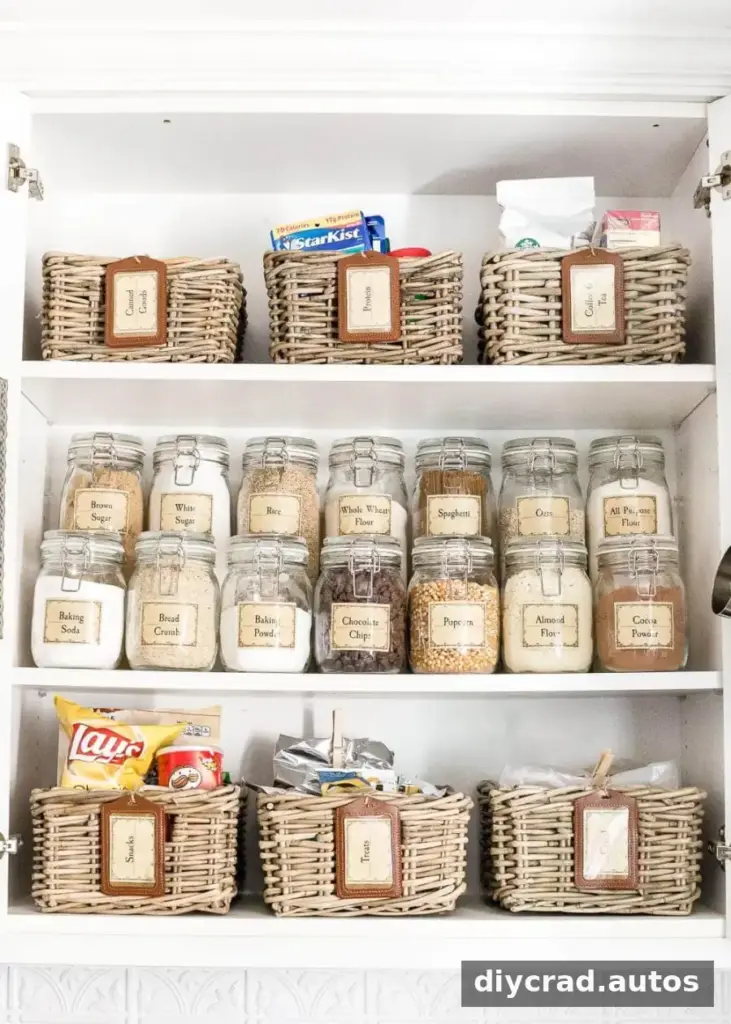
2. Kitchen pantry items
Check the back of shelves for food that has passed its date, has damaged packaging, or is no longer suitable to eat. Follow the product label and local food-safety guidance when deciding what to keep. Wipe the shelves before returning remaining items, grouping similar ingredients together.
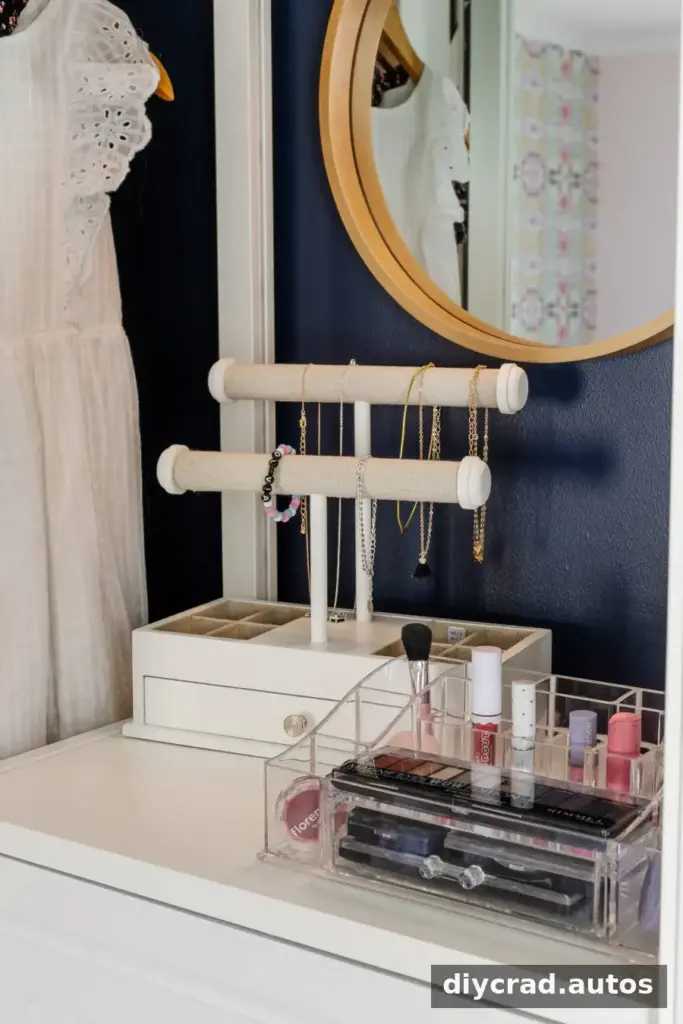
3. Makeup and toiletries
Sort through samples, products, and brushes. Discard items that have changed in appearance or smell, are past their recommended use period, or cause irritation. Clean reusable tools and keep the products you use regularly together.
Practical tip: Avoid opening several similar products at once; using one up before replacing it can help prevent another crowded drawer.
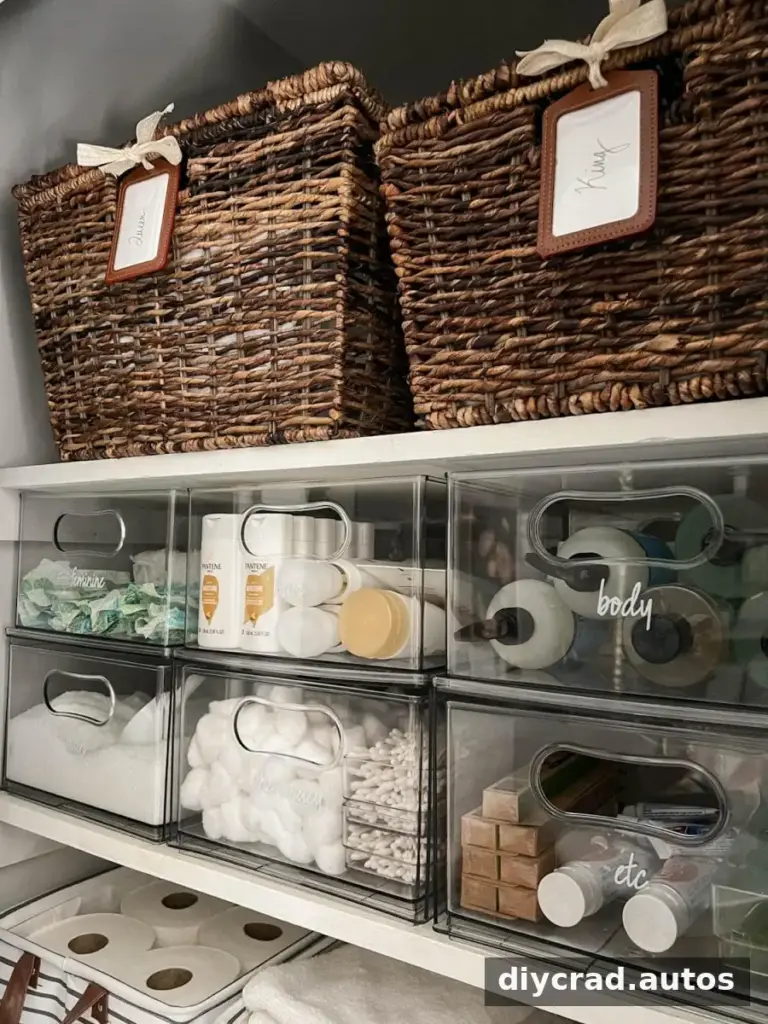
4. Medicine cabinet
Review medicines and remove products that are expired or no longer needed. Do not flush or casually discard prescription medicines; check local guidance or an authorized medicine take-back option for safe disposal. Store medicines securely and follow their packaging instructions.
5. Subscriptions and email
Review recurring subscriptions and cancel services you no longer use or need. Unsubscribe from unwanted mailing lists and archive or delete messages that are no longer useful. A few minutes of digital organizing can make important messages easier to find.
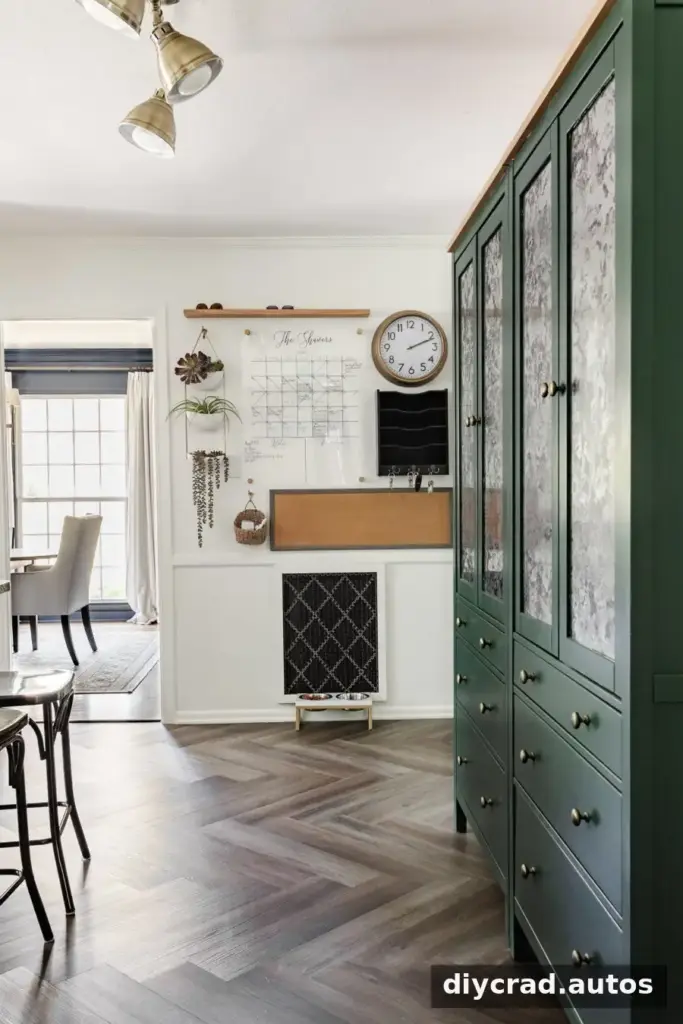
6. The mail drop zone
Sort the accumulated mail into items to act on, file, recycle, or shred. Keep a small tray for papers that need attention and avoid letting it become a permanent storage spot. Review it regularly so deadlines and important documents do not get buried.
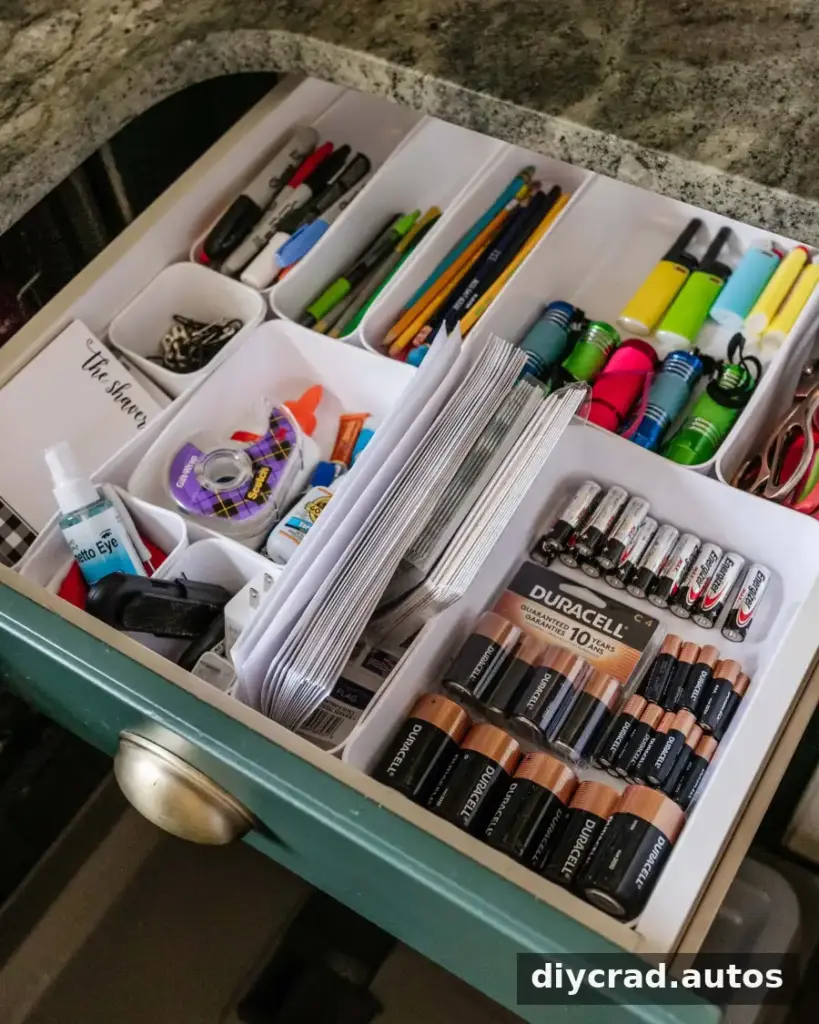
7. The junk drawer
Empty the drawer and separate useful items from duplicates, broken objects, and things that no longer have a purpose. Return only what belongs there, using a small divider or container to keep similar items together.

8. Craft supplies
Check supplies for dried-out materials, unusable scraps, and projects you are unlikely to continue. Keep materials you use and consider offering clean, usable extras to a school, community group, or another person who can use them.
Practical tip: Ask when you last used each item and whether you have a realistic plan to use it again.
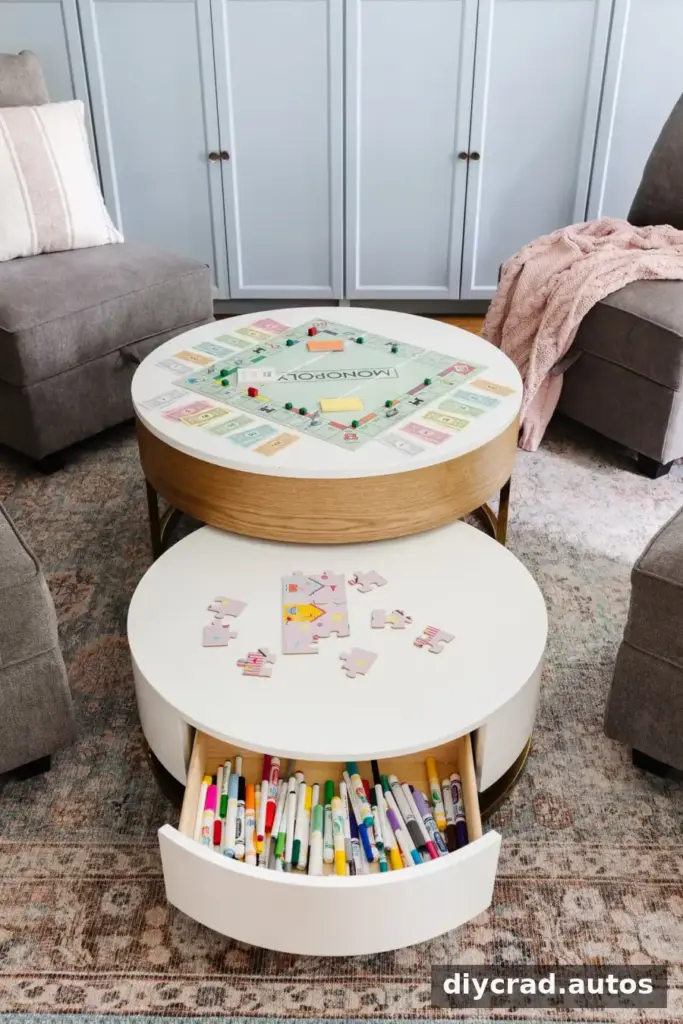
9. Board games and puzzles
Set aside games and puzzles that your household no longer enjoys. Check that pieces and instructions are present before donating them; incomplete sets may not be useful to another family.
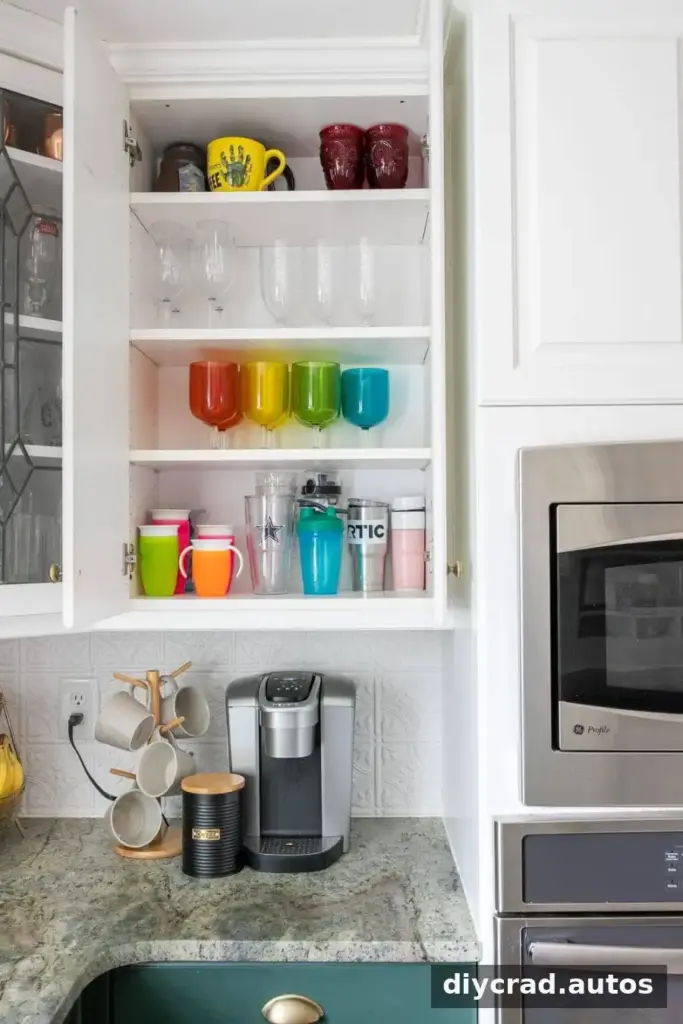
10. Cups and glasses
Keep a practical number of cups, glasses, and reusable bottles for your household, and pass along clean items you rarely reach for. Recycle or discard damaged items according to local rules.
Practical tip: Before bringing home another cup, check whether you already have one that serves the same purpose.
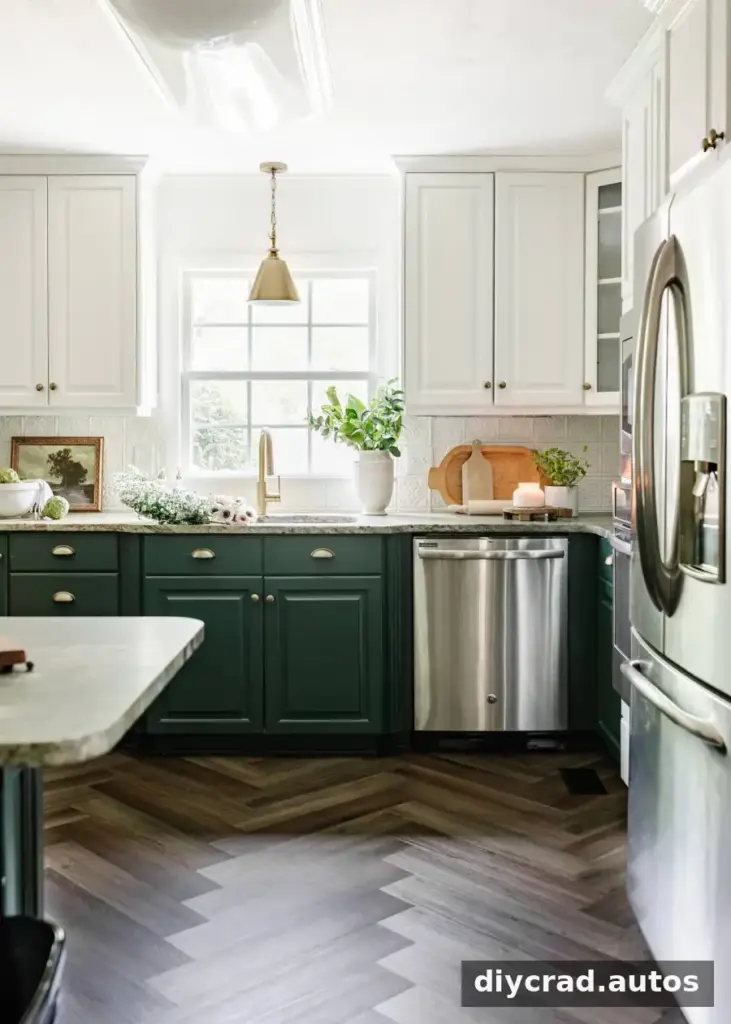
11. The refrigerator
Check sauces, condiments, and leftovers for signs of spoilage and review dates on packaged products. Dispose of food safely, then wipe shelves and drawers before restocking. You can also remove old papers and magnets from the refrigerator door.
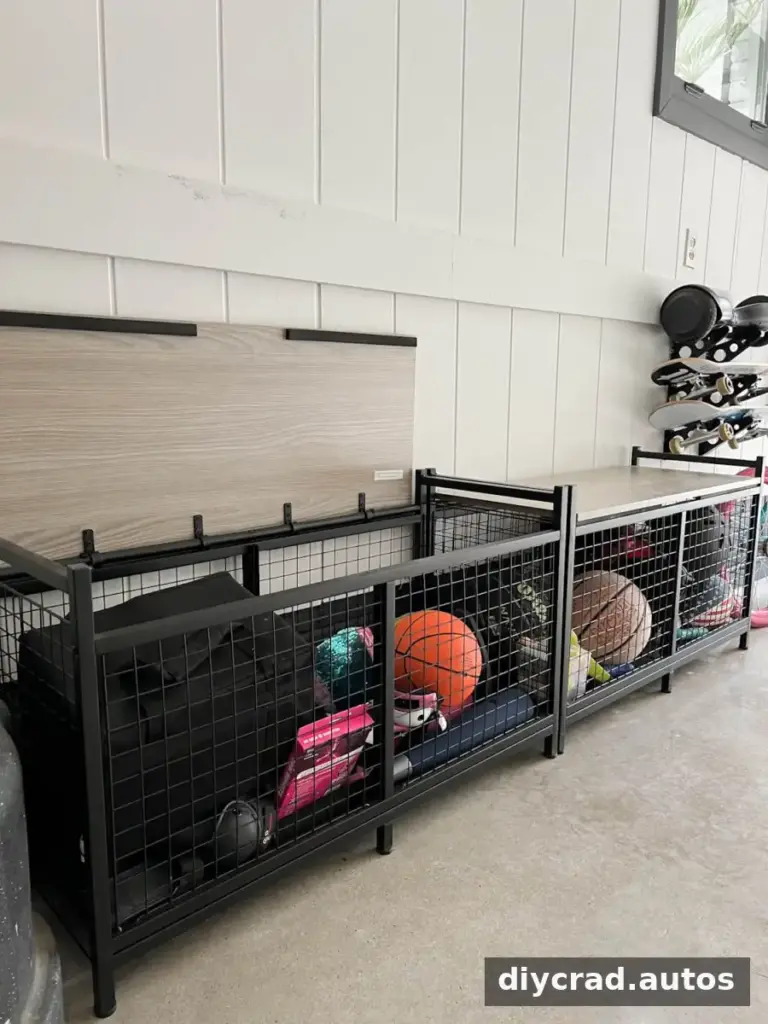
12. Sports equipment
Look over balls, bicycles, and outdoor gear. Donate equipment that is still safe and usable, and set aside repairable items for maintenance. Do not pass on damaged safety equipment that could put someone at risk.
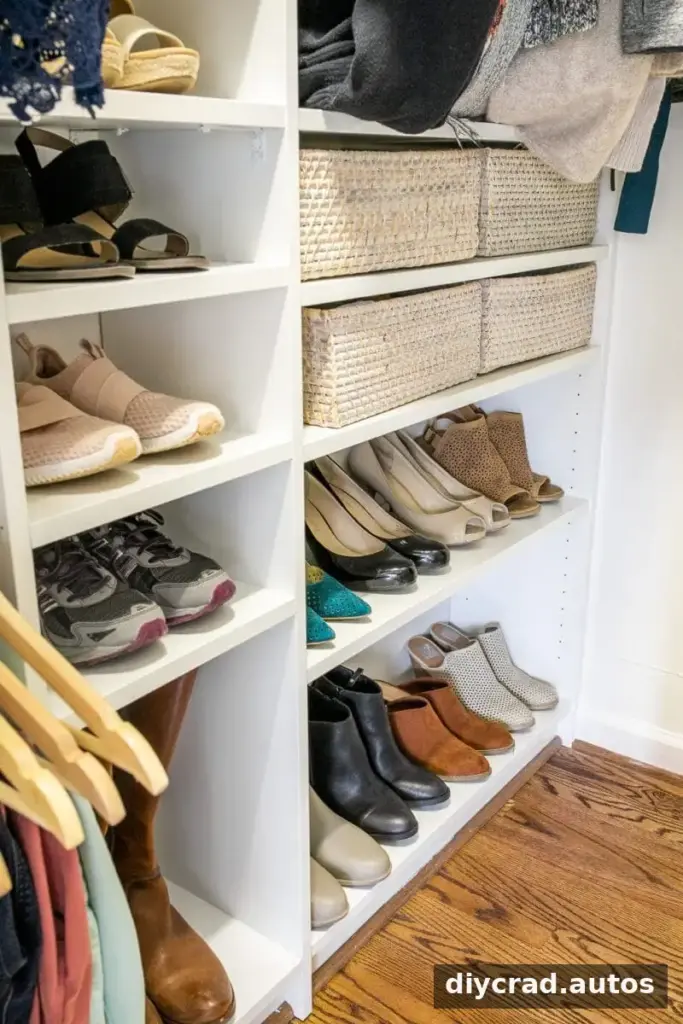
13. Shoes
Let go of shoes that are uncomfortable, badly worn, or no longer suitable for your needs. Donate pairs that are clean and in wearable condition; recycle or discard those that are not. Store the shoes you use most often where they are easy to access.
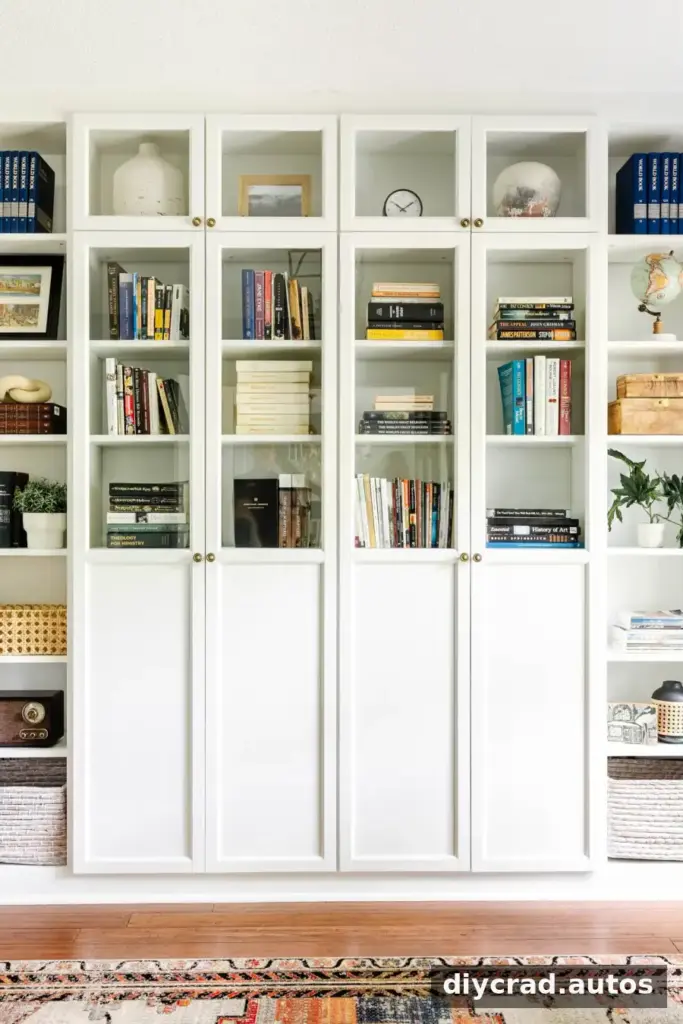
14. Bookshelves
Consider donating duplicate books, titles you do not plan to read again, outdated reference books, and old magazines. Keep favorites and useful references, while leaving enough room to find and return books without crowding the shelves.

Make Decluttering a Simple Routine
Decluttering is easier to maintain when it is divided into short, repeatable tasks. Pick one area each week, involve household members where practical, and decide in advance where donations and recycling will go. Avoid setting aside items indefinitely; make a clear plan to remove them from the home.
Starting with these things to declutter in the New Year can help create more usable space and make everyday routines simpler. Continue at a pace that feels manageable, and revisit the areas that tend to collect clutter so your progress lasts beyond January.

