

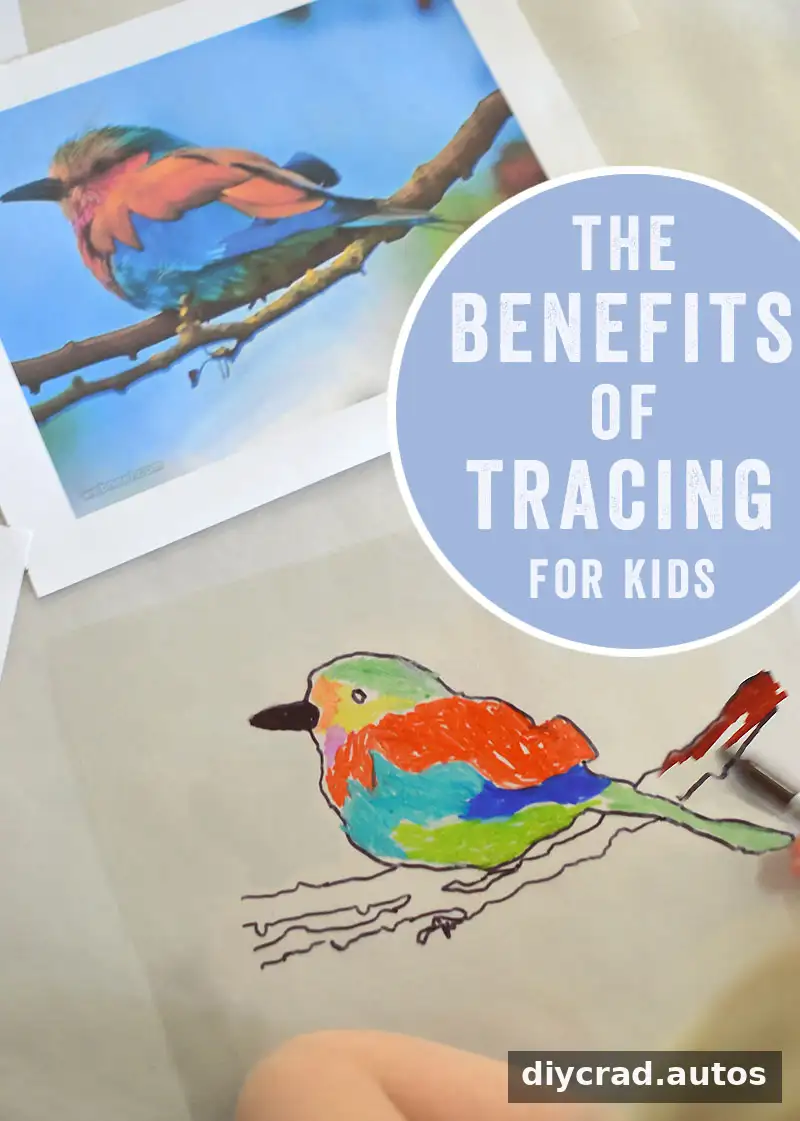
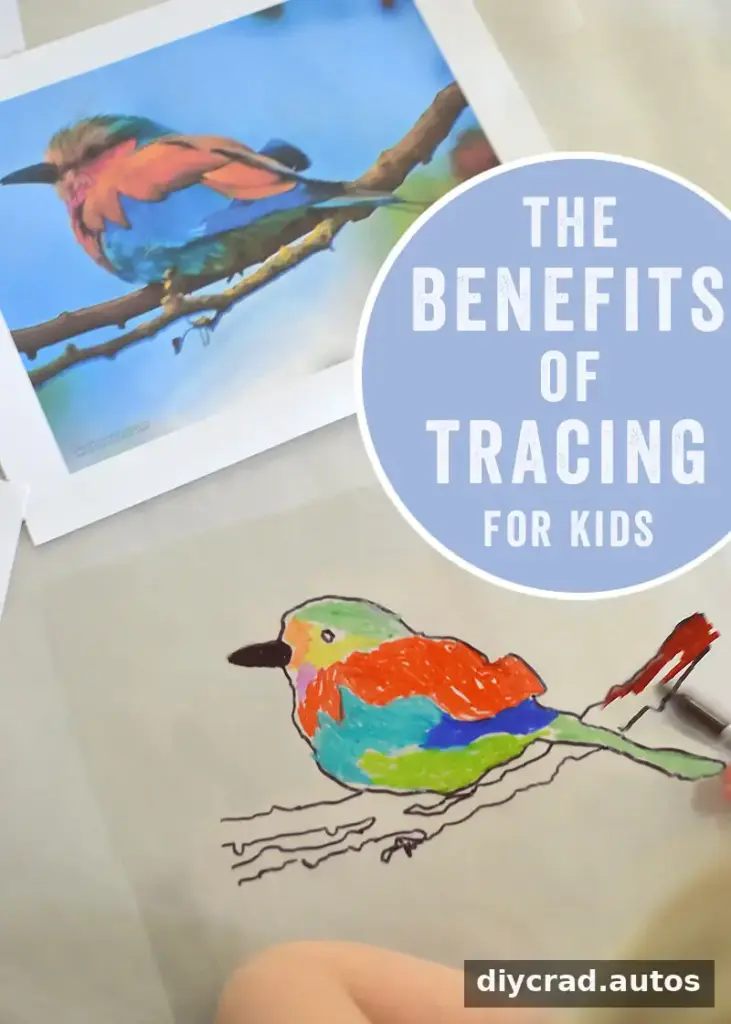
Tracing activities for kids are an easy way to explore drawing with a few simple materials. A sheet of transparency film placed over a printed picture gives children a clear outline to follow, while leaving room to add colors, patterns, and their own creative touches. The activity can suit different ages, and children can repeat it with new images or ideas.
With a small amount of preparation, tracing can become a focused art activity at home, in a classroom, or at a group gathering. It is best viewed as one option in a wider mix of creative activities—not a replacement for drawing freely or inventing pictures from scratch.
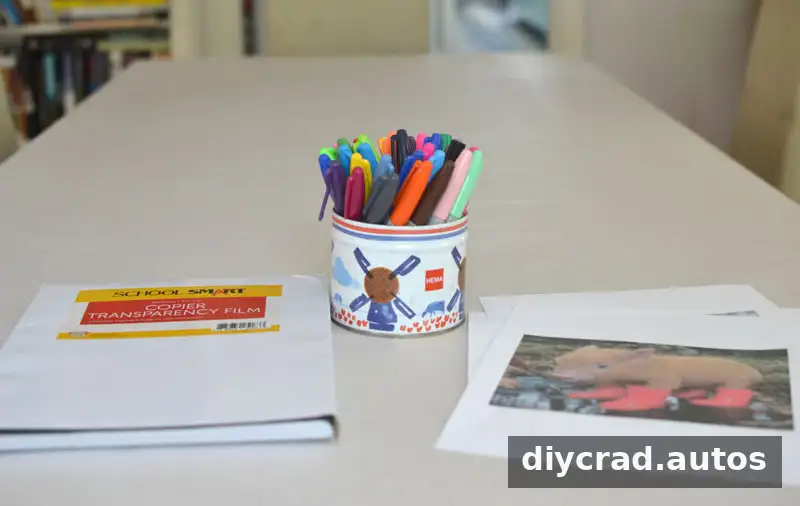
Supplies for tracing activities for kids
Gather the materials before children begin so they can start without interruption:
- Transparency film
- Sharpies
- Printed pictures, such as cute animals or subjects the children enjoy
Choose clear, recognizable images with outlines that are easy to follow, especially for younger children. A few different pictures can offer choice without making the setup feel overwhelming. Since Sharpies are permanent markers, an adult should supervise their use, protect the table, and follow the product’s label instructions.
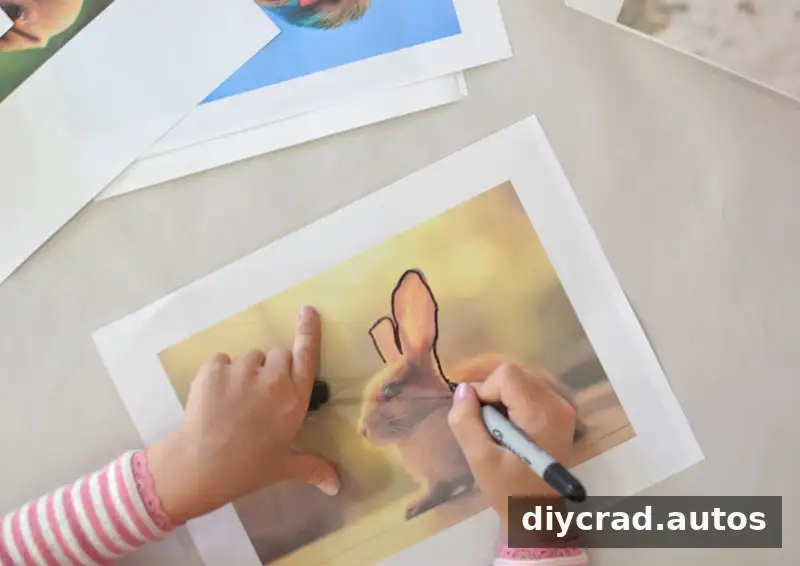
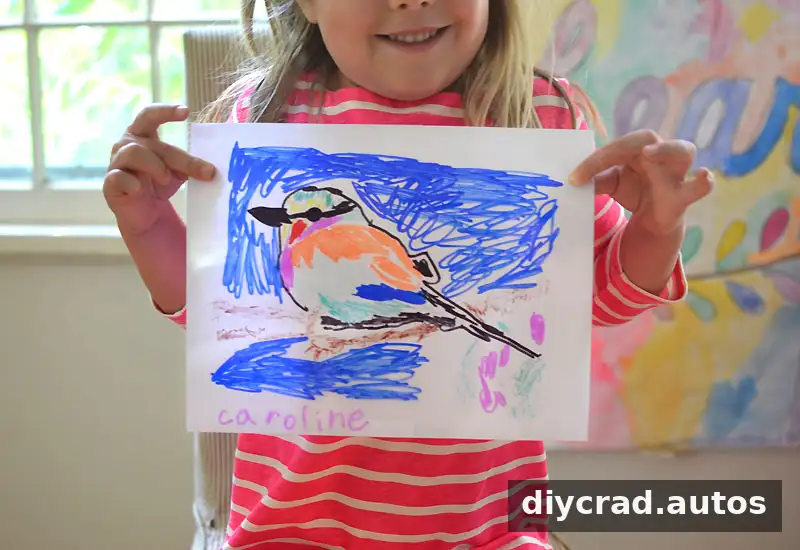
How to set up the activity
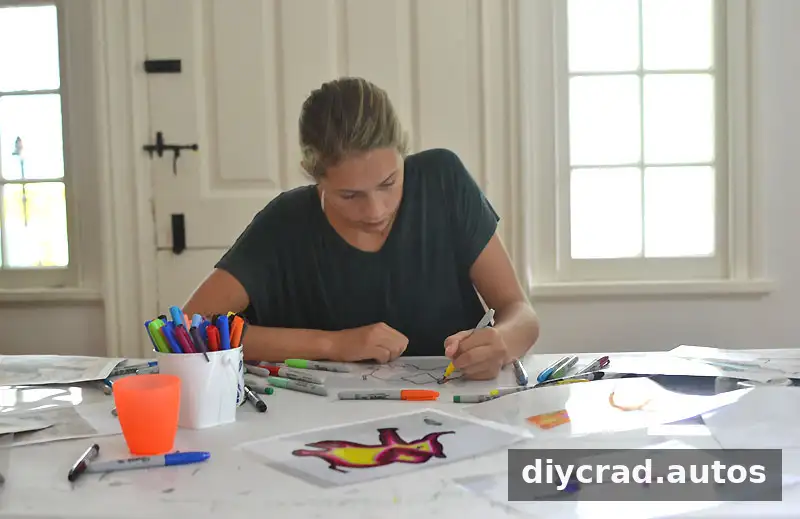
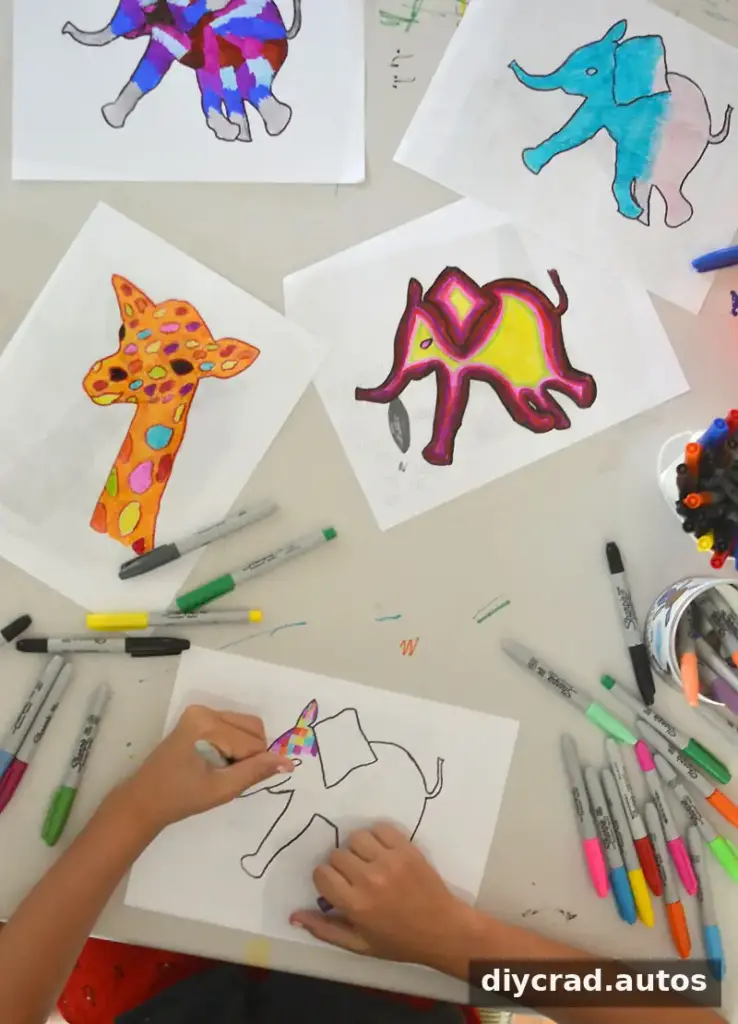
Spread the printed pictures across a table and show children how to place the transparency film over an image. Demonstrate tracing the visible lines with a marker, then let them choose a picture and work at their own pace. Children may enjoy coloring their outlines or adding details once the tracing is complete.
Keep extra sheets of film or several pictures available if the group is large or children want to make more than one version. When the clear film is lifted from the table, the drawing can be harder to see. Taping a piece of white paper behind it can make the finished lines more visible and easier to carry or display.
What children may gain from tracing
Tracing can be enjoyable in its own right, and a positive experience is a good reason to include it in an art routine. It may also give children a chance to practice useful skills as they work:
- Fine motor practice: Following outlines involves controlled hand and finger movements that are also used in tasks such as writing.
- Visual attention: Children look closely at shapes, lines, and details as they move the marker across the image.
- Concentration: Completing a picture can give children time to focus on one activity and work through it at their own pace.
- Confidence: A recognizable result can encourage children who feel unsure about drawing independently.
- Communication and storytelling: Pictures of animals or familiar subjects can prompt conversation, questions, and imaginative stories.
- Creative exploration: Children can change colors, add patterns, or use a traced shape as the starting point for a new character or scene.
These are opportunities for practice and exploration, not guaranteed outcomes. Children develop at different rates, so keep the task relaxed and focus on the process rather than judging how accurately a picture is copied.
Balance tracing with drawing from imagination
One possible drawback is that some children may prefer the predictable result of tracing and choose it over drawing without a guide. To keep a range of creative skills in play, pair tracing with open-ended choices: invite children to add an imagined background, invent a new animal, or draw something of their own after finishing the outline.
There is no need to treat tracing and original drawing as competing activities. Tracing can be a starting point for experimenting with shapes and details, while free drawing gives children a different kind of creative challenge. A mix lets children choose what feels engaging on a given day.
Conclusion: Make tracing one option in the art mix
Tracing activities for kids are simple to prepare and can combine focused hand movements with color, conversation, and imaginative additions. Use clear pictures, supervise permanent markers, and place white paper behind the film if the drawing needs more contrast. For a balanced art routine, enjoy tracing while also offering chances to draw freely, tell stories, and create original pictures.
— Bar
Idea note: Inspired by Merry Cherry’s e-book, Art Secrets Every Teacher Should Know, A Reggio Inspired Approach.

