

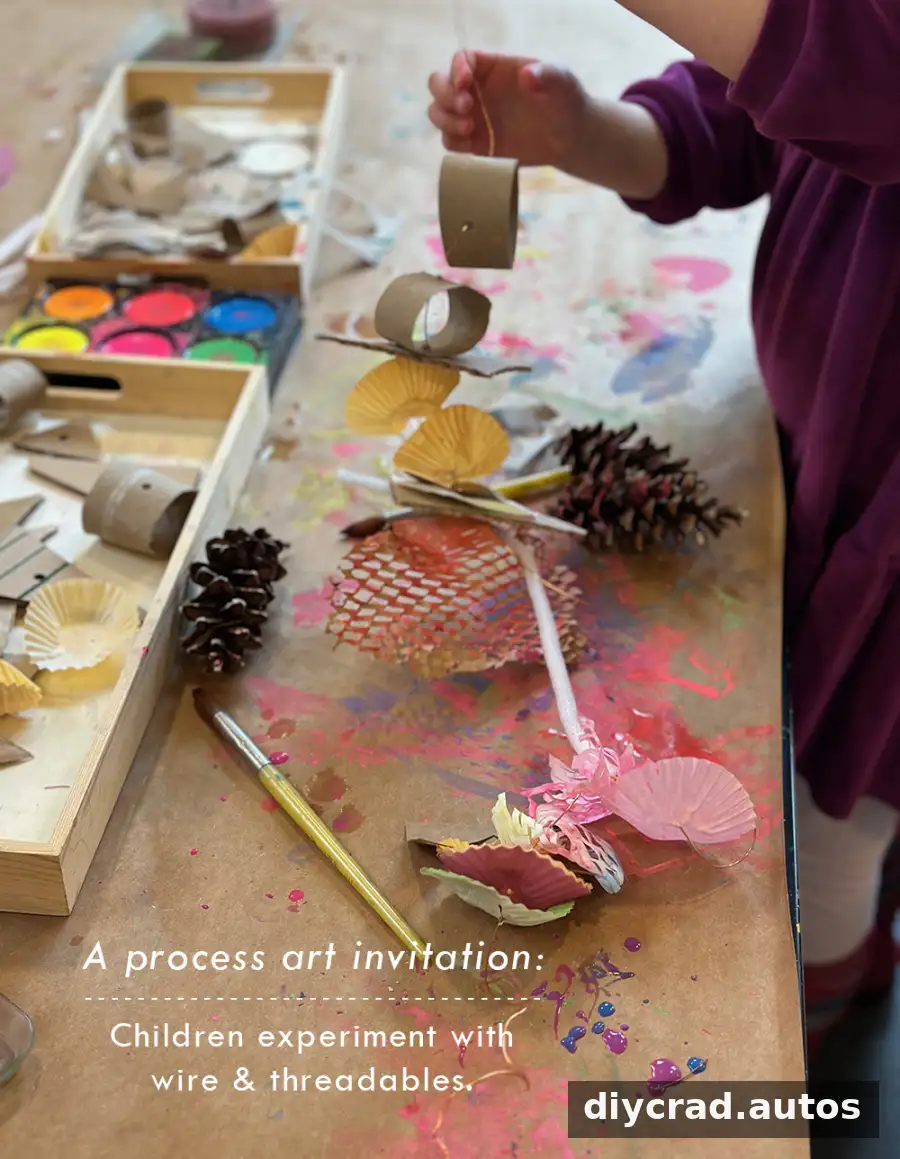
Wire and threadable materials invite children to connect, wrap, twist, and transform everyday objects into original art. In this open-ended activity for kindergarten and first-grade students, pinecones, recycled paper, cupcake liners, and other materials offered plenty of ways to experiment. The goal is not to produce one particular project, but to give children time and choice to explore how materials behave and how their ideas can change.
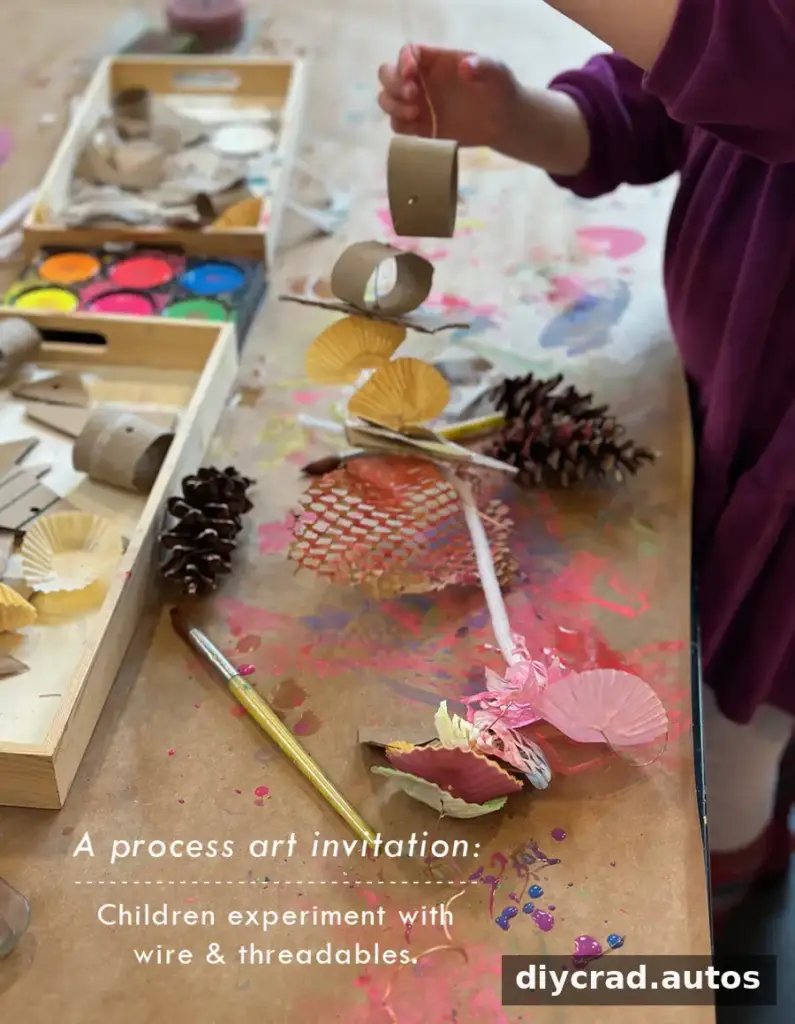
A range of textures and shapes helps keep the activity engaging. Pinecones are especially useful because their natural surfaces provide places to loop or wrap wire, while paper and packaging materials can be threaded, layered, or attached. Set out more than one kind of material so children can choose their own combinations.
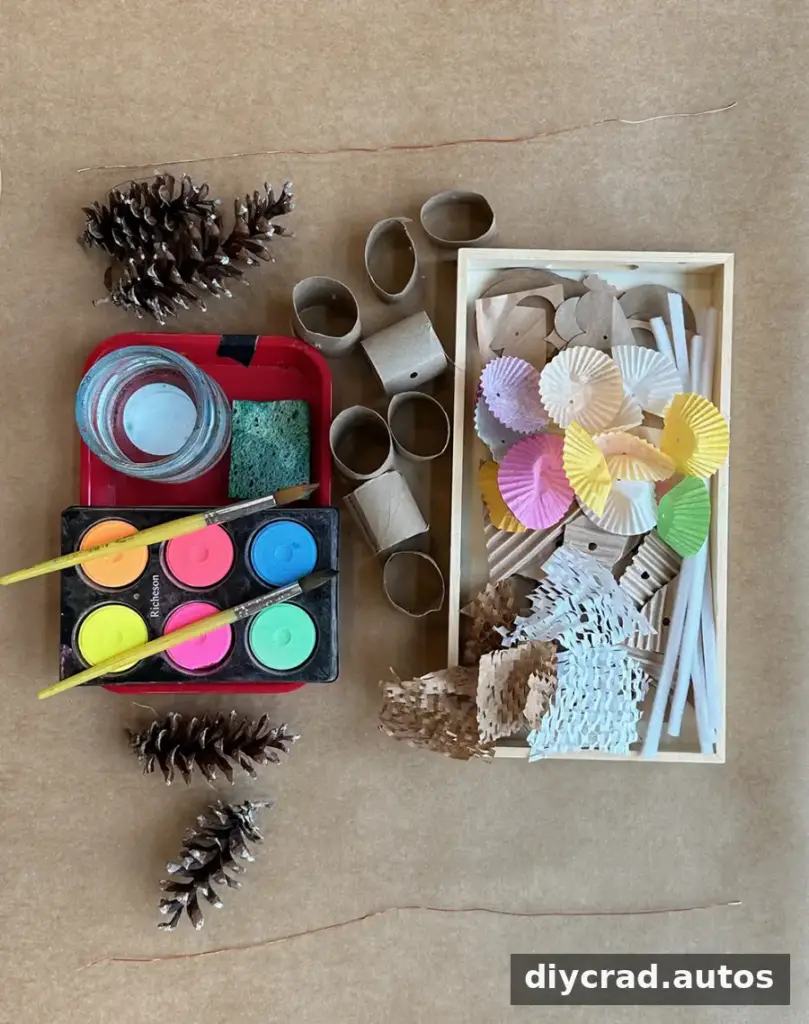
Supplies for exploring wire and threadable materials
Gather a flexible selection of materials. The activity can be adapted to what is available, including paper shapes with holes punched in advance or materials that children can safely punch themselves.
- 18-gauge wire
- Scissors and hole punches
- Fluorescent tempera cakes and brushes
- Pinecones; oak leaves with holes punched in them are another option
- Mini cupcake liners
- Recycled materials such as brown paper bags, cardboard, corrugated cardboard, honeycomb packing paper, and strips of styrofoam packaging
- Paper punches, such as circle and heart shapes
Leave some materials whole and prepare others in manageable pieces. A hole punch can also give children a chance to practice hand strength and make their own design decisions. For young children, an adult should supervise the use of scissors, hole punches, and wire; check wire ends and bend or trim any sharp points before the activity begins.
How to introduce the activity
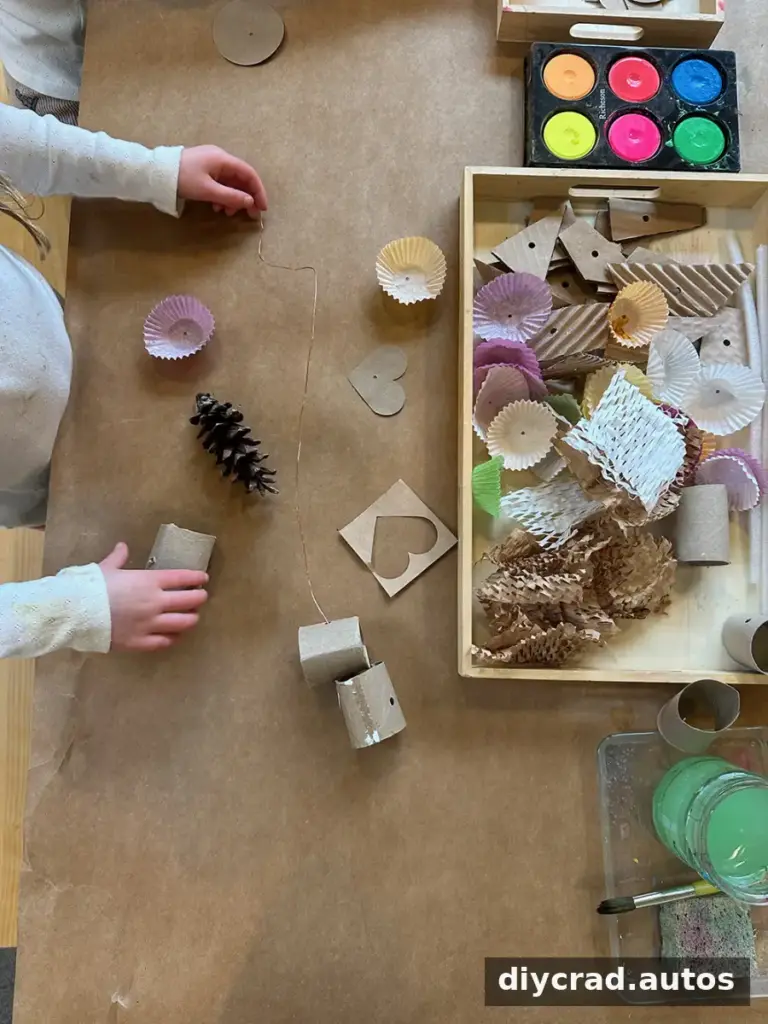
For a short session, a simple demonstration can help children understand what wire can do without prescribing what they should make. Hold a piece of wire and show how it bends and twists, then invite children to explore the materials in their own way. Keep the introduction brief: too many instructions can narrow an activity that benefits from experimentation.
In one school workshop, the activity was offered in four consecutive 45-minute blocks for kindergarten and first-grade students. A tidy table at the start is convenient, but a perfectly arranged setup is not essential. Prepare clean water for painting, replenish useful supplies between groups, and leave enough time for children to explore at their own pace.
What children can discover through wire
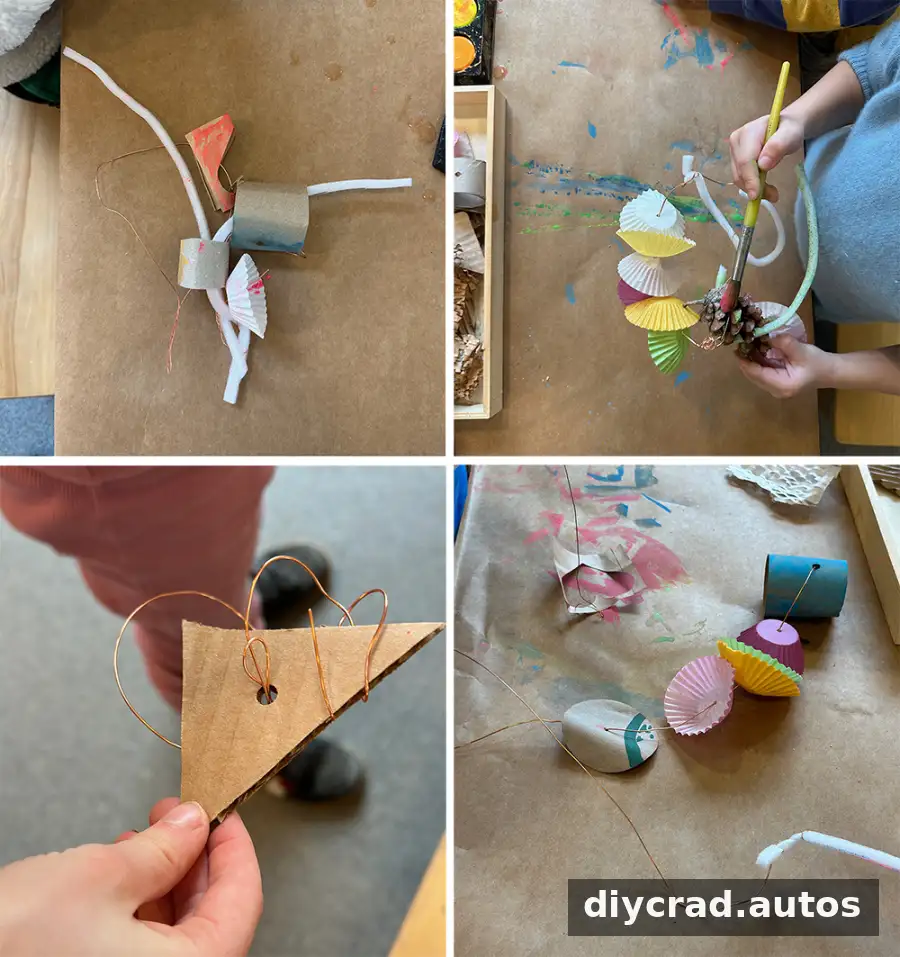
Children often thread, wrap, and twist wire through or around the materials. Some pieces become connected strings of objects, while others develop into small sculptures. Wire works as an attaching material, much like tape, glue, rubber bands, toothpicks used with styrofoam, or yarn and string. It allows children to test how pieces stay together and how changing a connection can change the whole design.
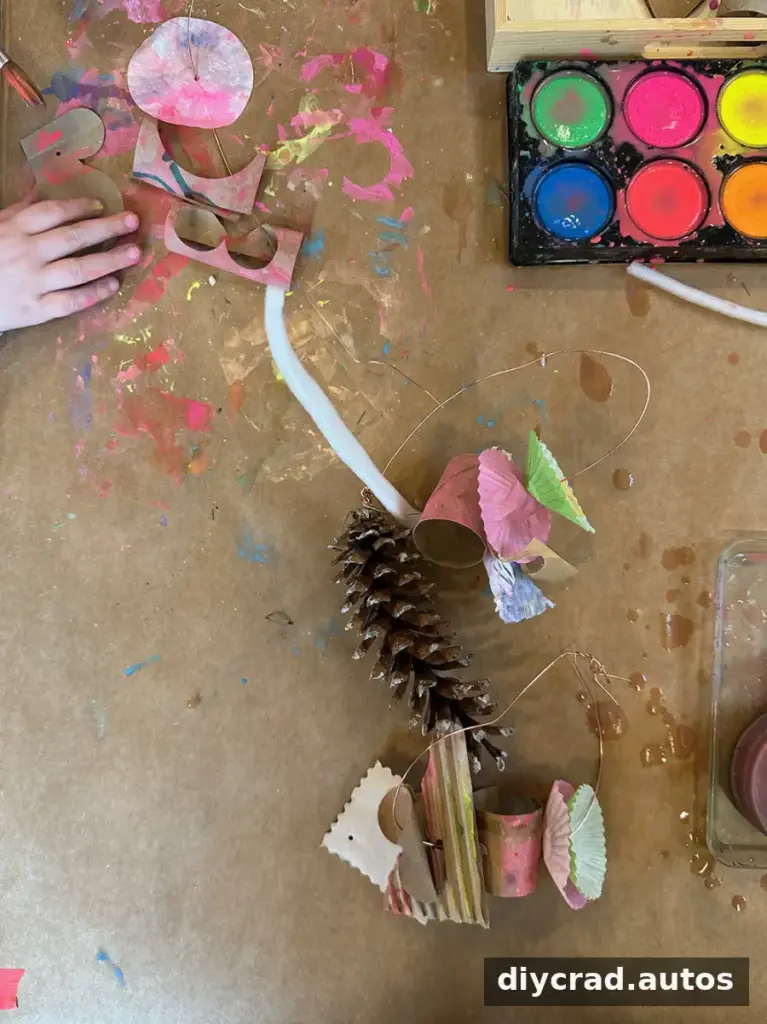
Painting is an optional part of the experience. Some children may focus on building, while others may enjoy applying color to different surfaces. Fluorescent tempera cakes can show up vividly on dark materials, and the colors may appear especially bright once dry. If paint is included, provide brushes and space for painted pieces to dry.
Let ideas develop as children work
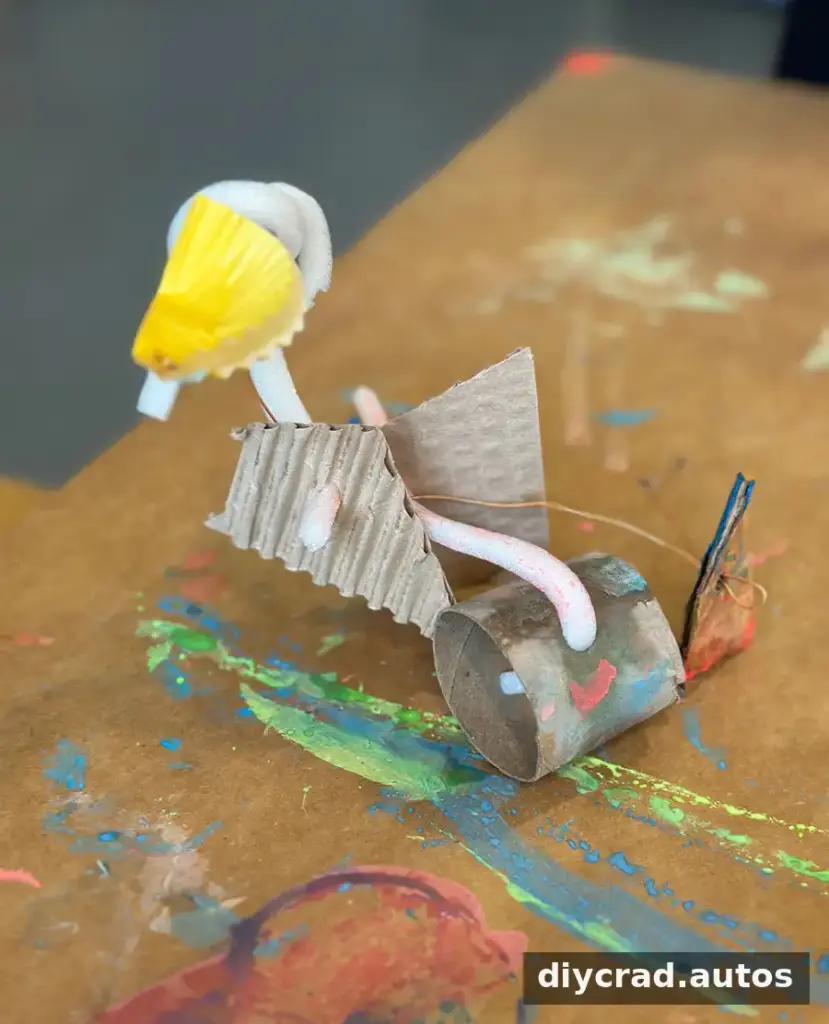
Open-ended art gives children room to revise their ideas. A piece that begins as an abstract design may later become something recognizable, such as a bird. This change is part of the process: children can add, remove, and rearrange materials as they decide what their work might become. Avoid insisting that a project match an adult’s interpretation.
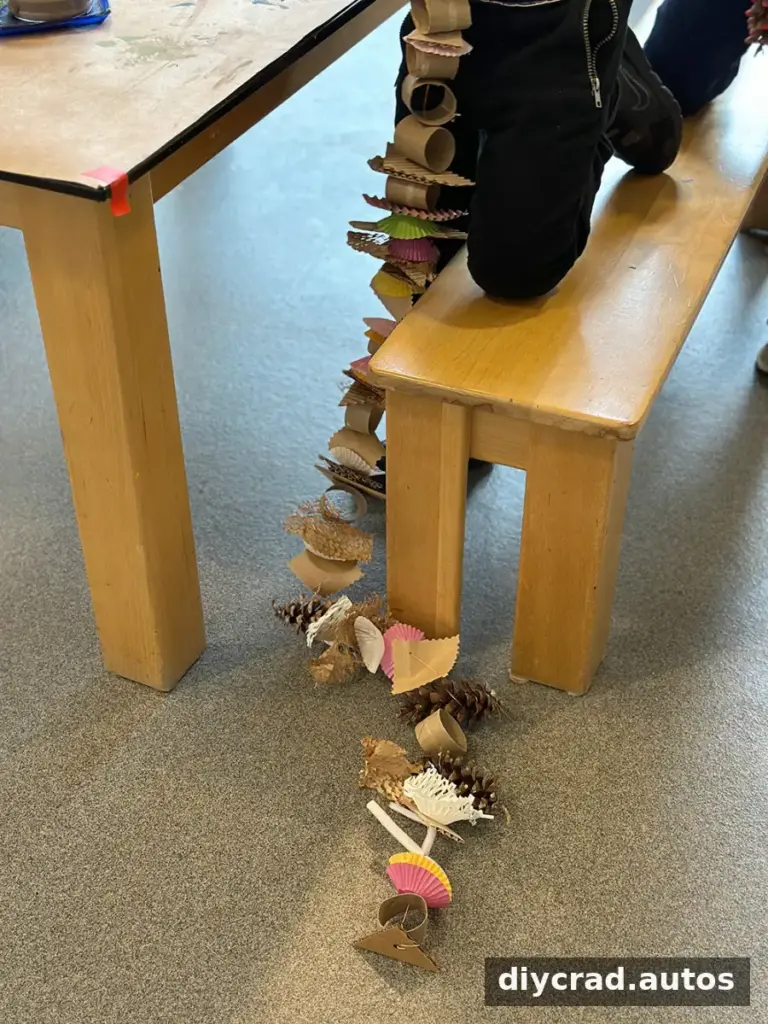
Some children will want to make a long chain or use many materials quickly. Prepare a generous supply when possible so each child has room to follow an idea. If materials are limited, set out a shared reserve and encourage children to select what they need as they build.
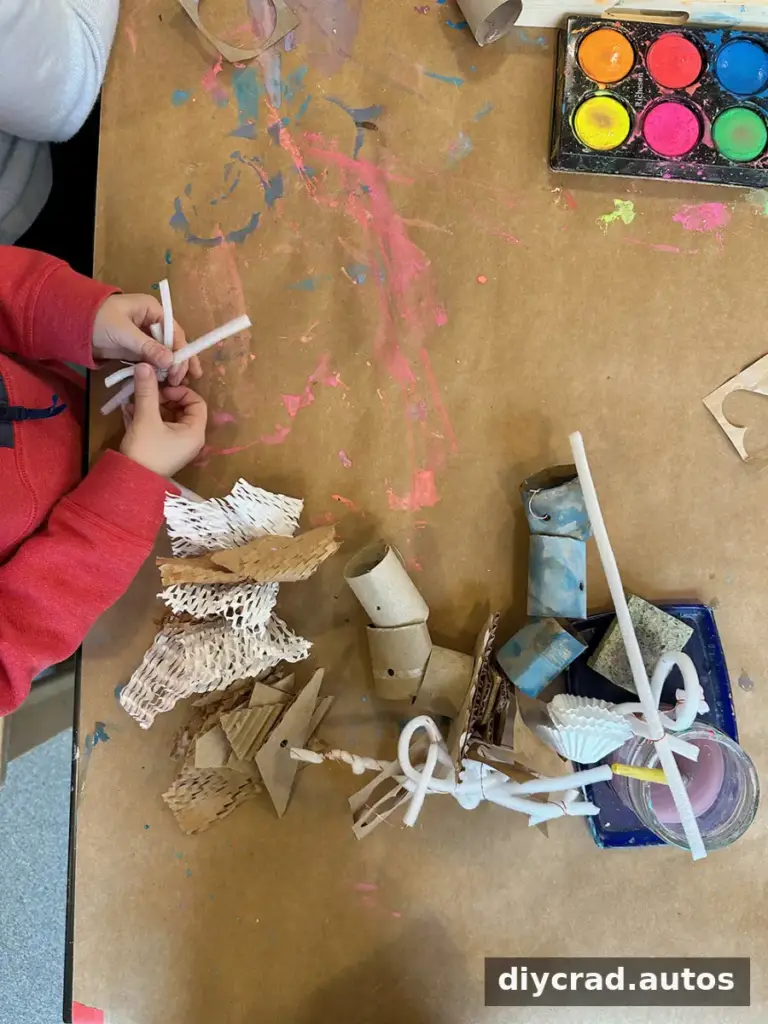
Wire and foam strips can be twisted around one another in different directions. This simple combination encourages children to explore how flexible materials bend, cross, and extend a sculpture. Offer enough working space for larger pieces to spread out.
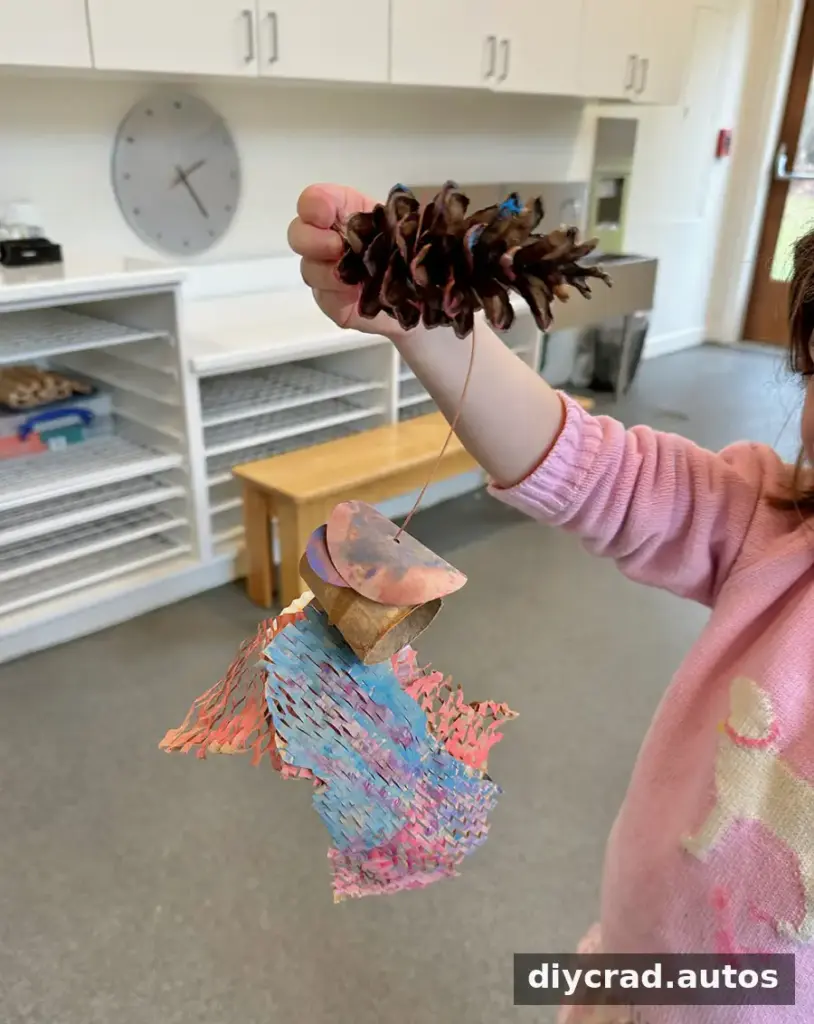
A mobile can begin with a pinecone and grow into a hanging arrangement of painted honeycomb paper. Before displaying mobiles, check that each piece is securely attached and choose a suitable place to hang it.
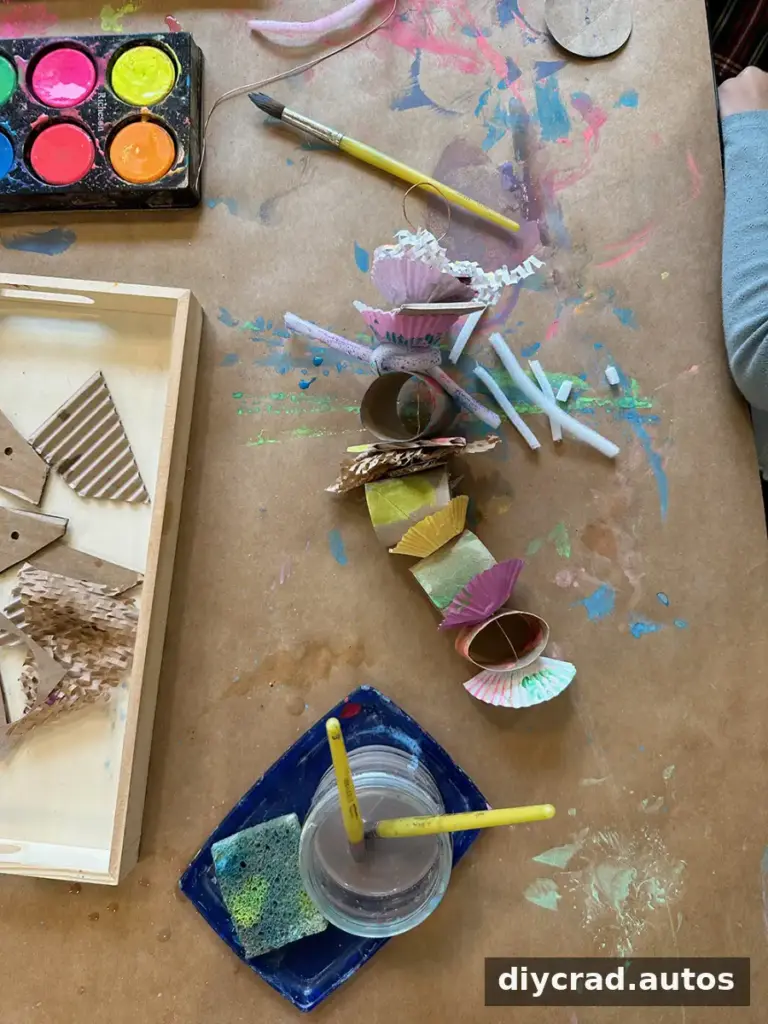
Children can also make work intended to hang. Invite them to think about where a loop or hook might go, while allowing them to decide the shape and materials of the finished piece.
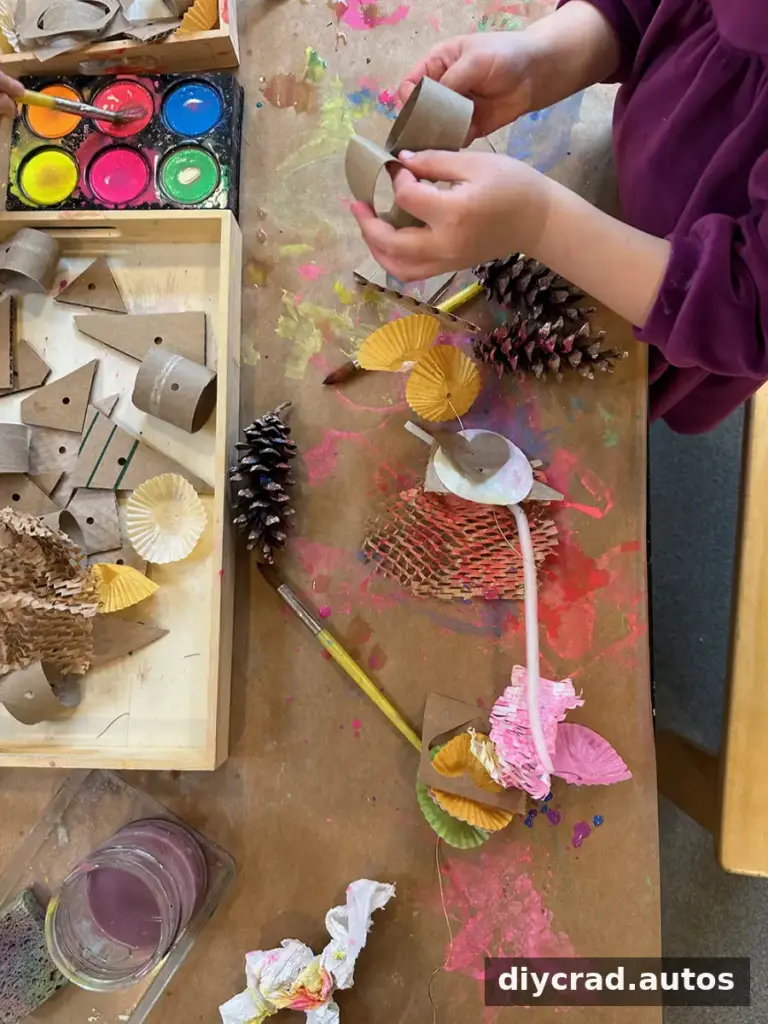
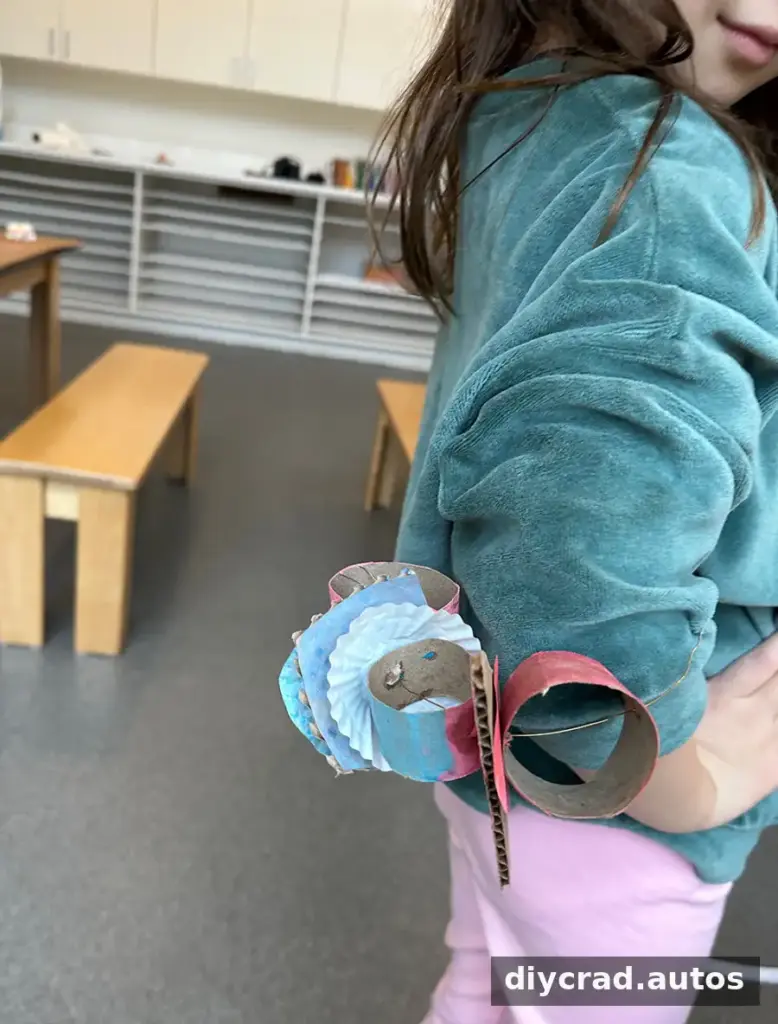
Some children may choose to make a wearable creation and show it to others. If a project will be worn, check that it is comfortable, lightweight, and free from exposed wire ends. This activity offers many possibilities for children to make, test, and share their own ideas.
— Bar
More process art experiences for children
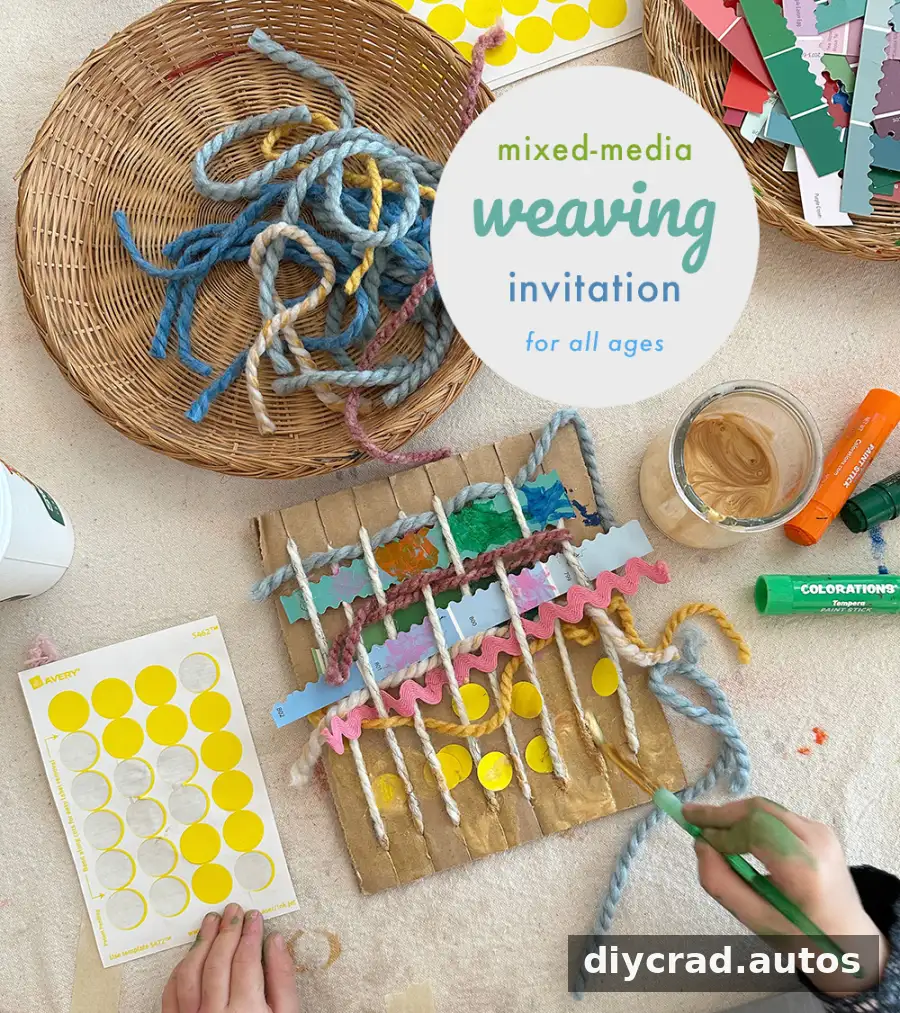
- Mixed Media Weaving Invitation
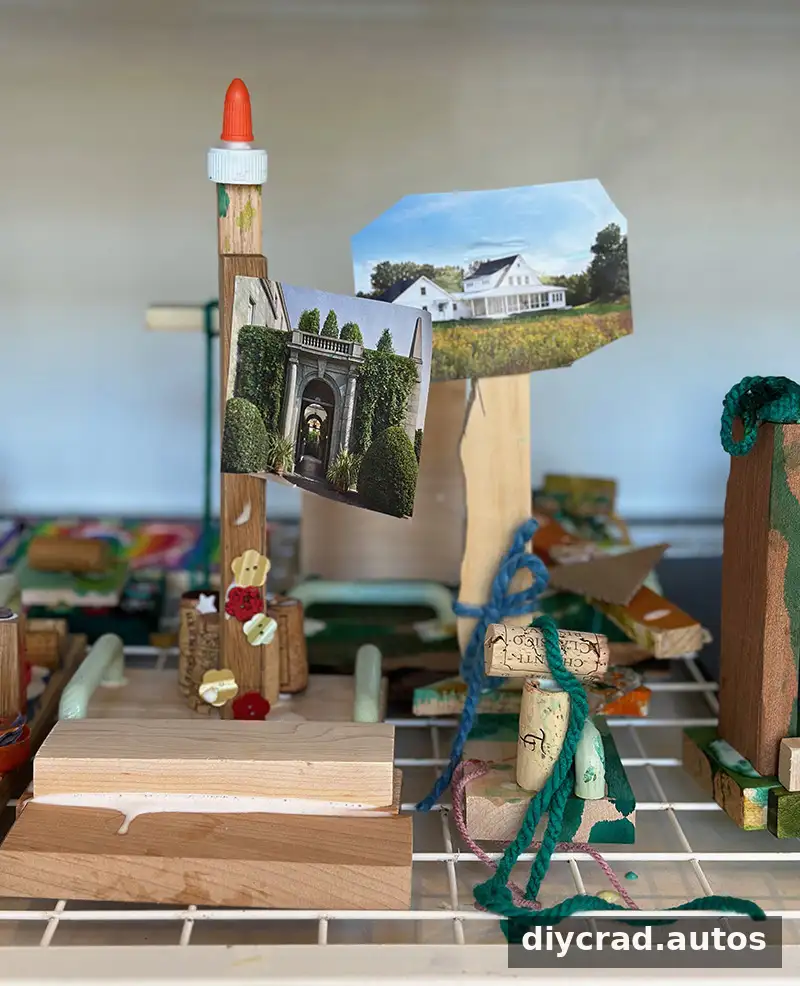
- Mixed-Media Wood Exploration
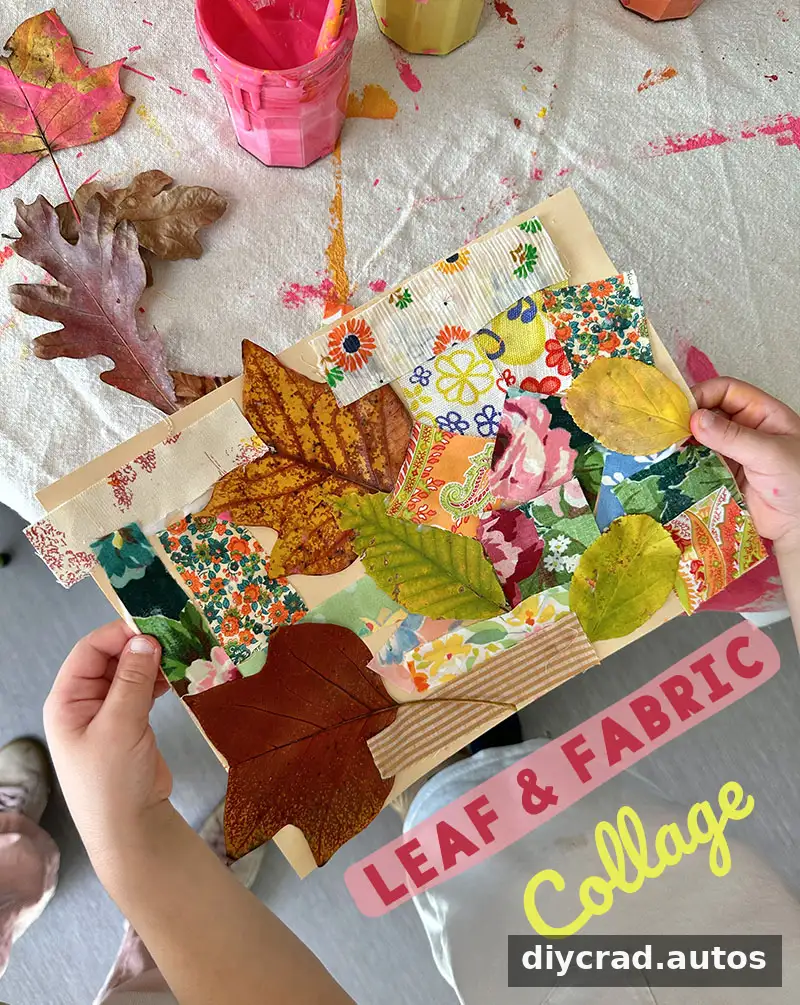
- Process Art Leaf & Fabric Collage
Conclusion
Wire and threadable materials make a flexible starting point for children’s process art. With a thoughtful selection of recycled and natural materials, children can practice connecting, shaping, and revising while creating work that reflects their own ideas. Keep the invitation open-ended, prepare enough supplies, and supervise tools and wire so children can explore safely.

