

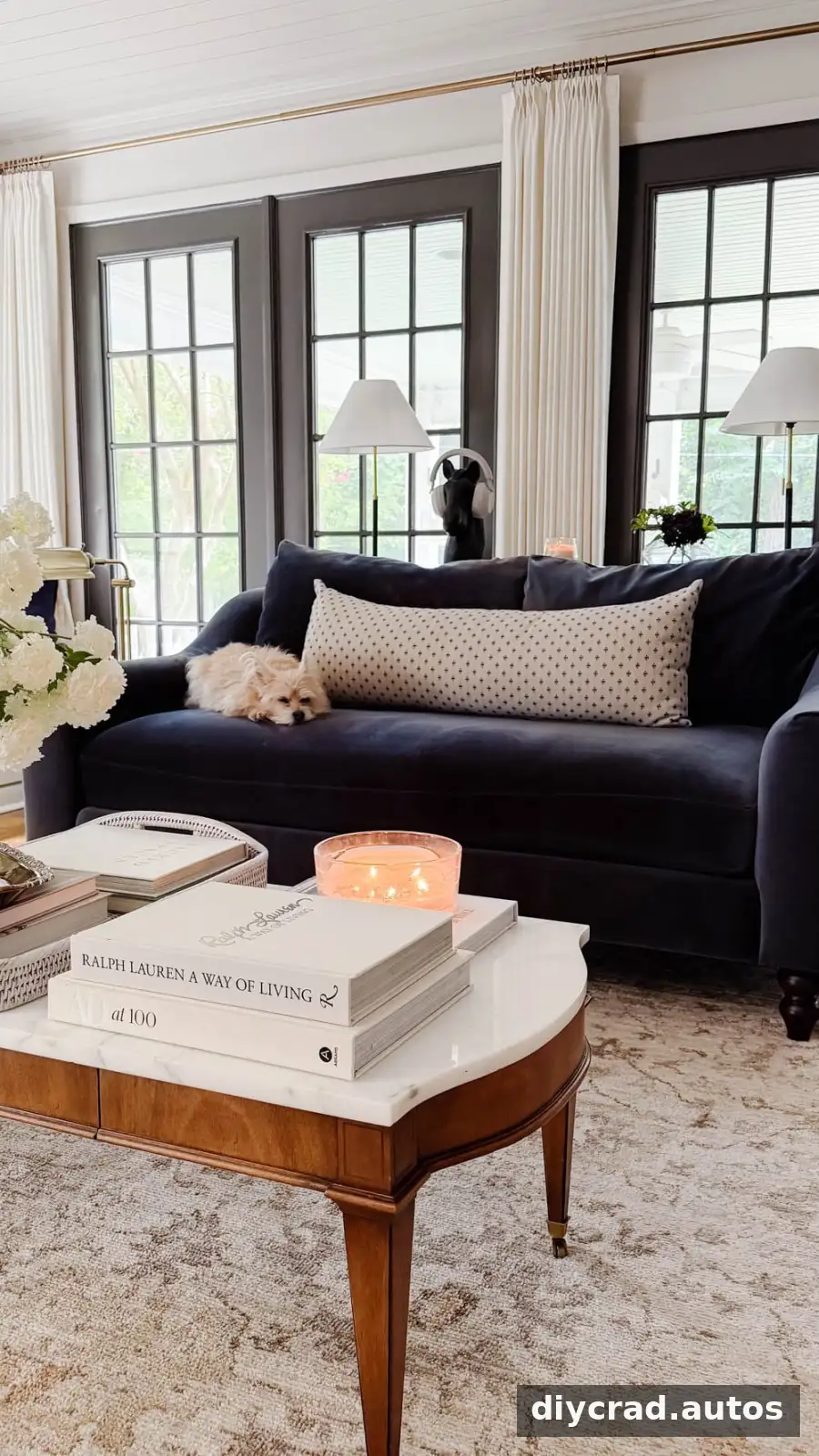
Easy furniture upgrades can make a familiar sofa, dresser, or cabinet feel more polished without the cost of replacing it. Often, the issue is one detail—such as short legs, plain hardware, or a tired finish—rather than the whole piece. Before starting a major makeover, identify what you would change and consider a small, practical update first.
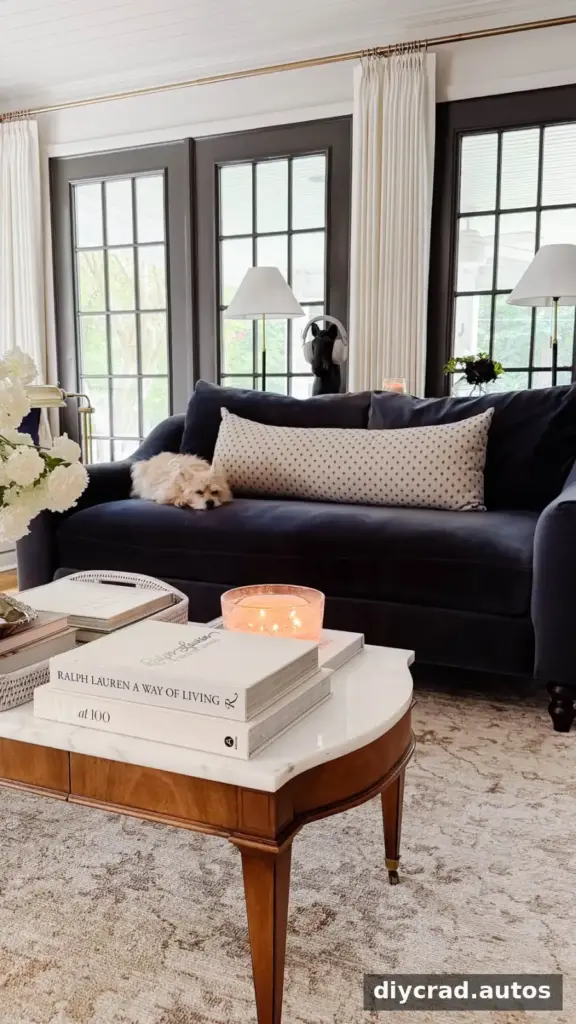
For example, replacing short plastic sofa legs with taller, traditional turned wood legs can change the sofa’s appearance and seating height. Check the construction and measurements before choosing replacement parts, and make sure the furniture remains stable and safe to use.
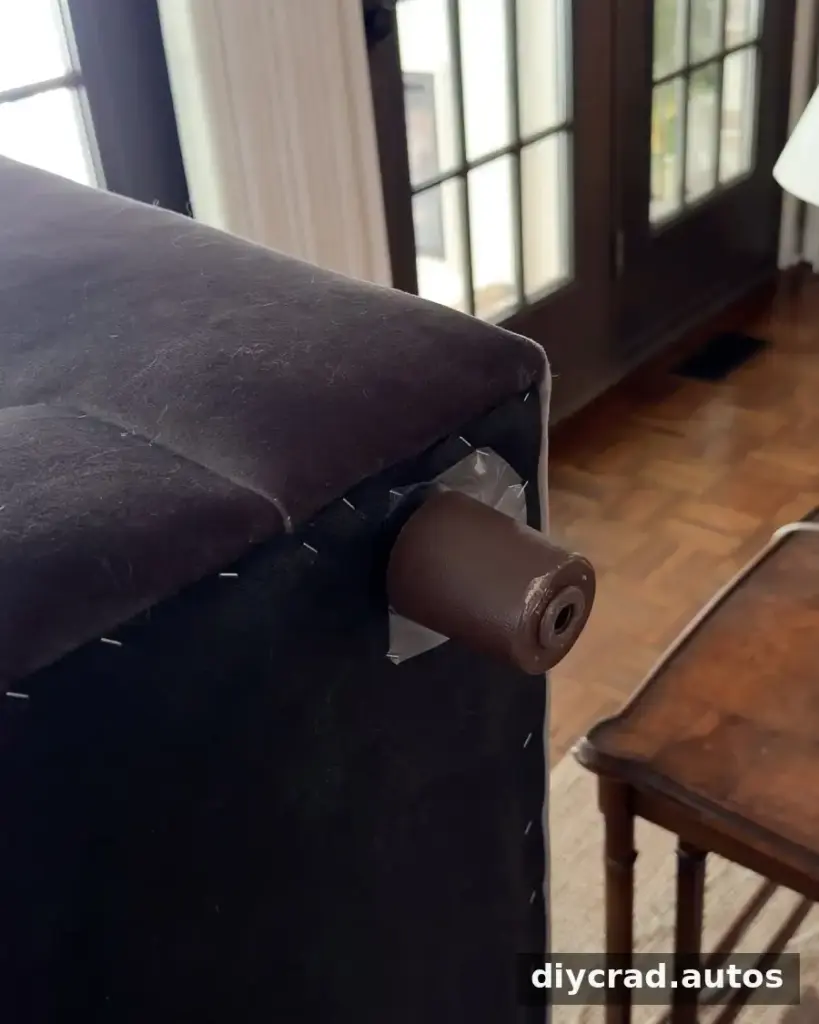

A quick clean can also help reveal the condition of upholstery and wood before you decide what to update. For fabric, use a method suitable for the material and test it on an inconspicuous area.
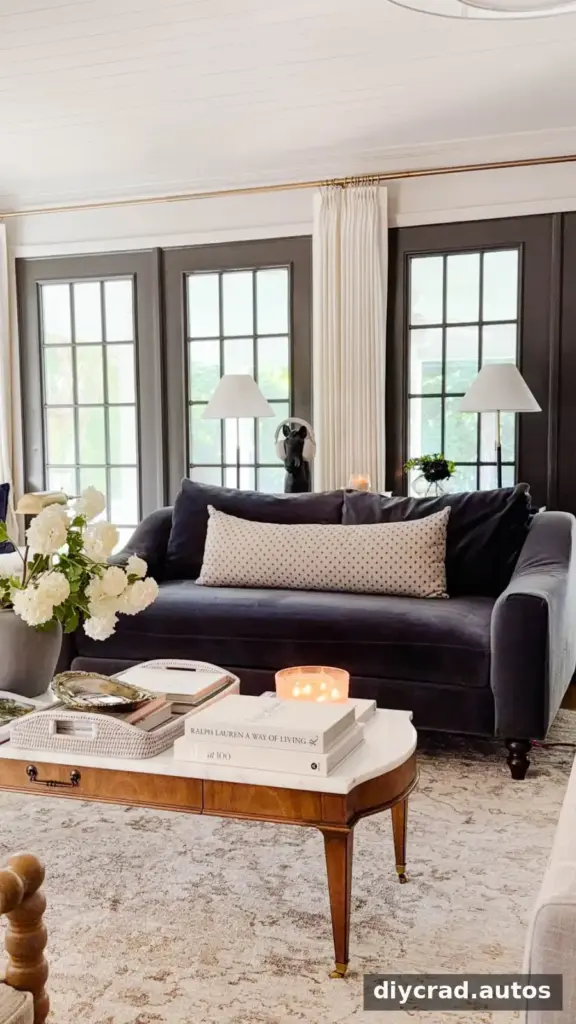
12 Easy Furniture Upgrades That Look Expensive
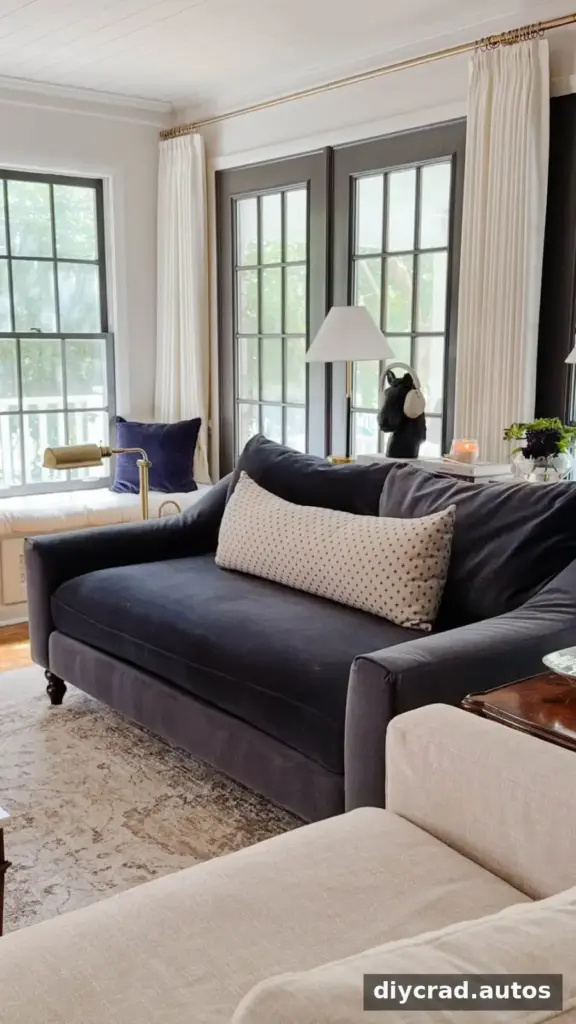
1. Replace sofa legs
Many sofa legs screw into threaded inserts underneath the frame, making them relatively simple to replace. Choose a style that complements the sofa: turned wood legs can feel traditional, while tapered legs often suit midcentury-inspired designs.
New legs can also adjust the sofa’s height. Before buying, confirm the bolt size, attachment method, and weight capacity. If the sofa sits unevenly after installation, stop using it until the legs are secured correctly.
2. Add or change legs on a dresser or buffet
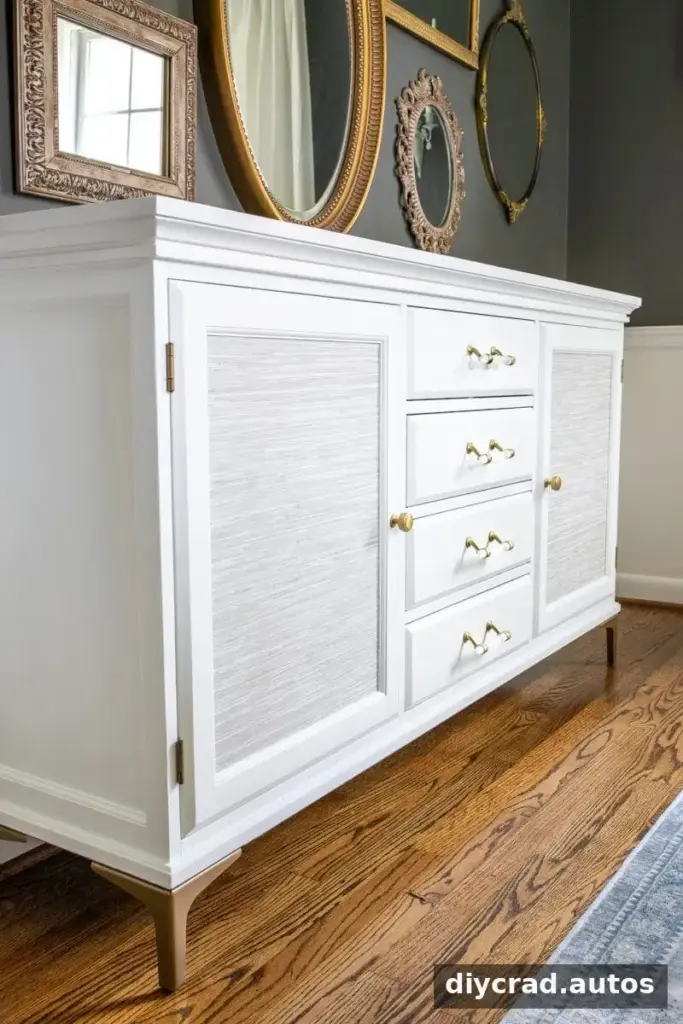
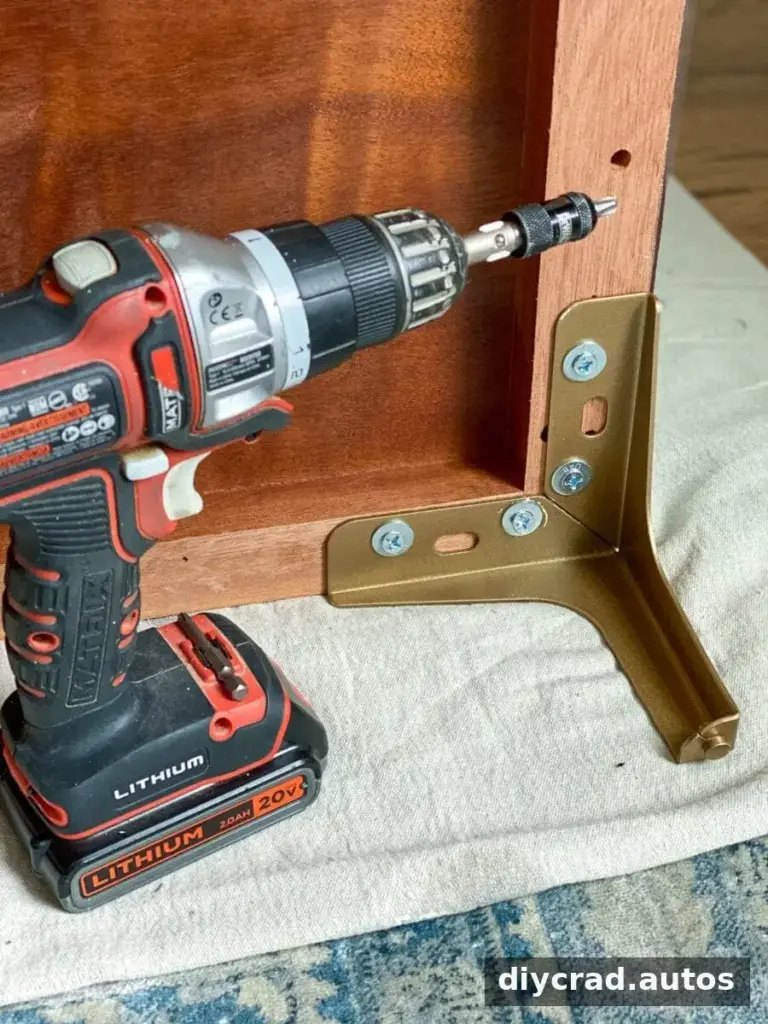
Adding furniture feet or replacing existing legs can make a boxy dresser, cabinet, or buffet look lighter and more distinctive. Options include bun feet, turned legs, tapered styles, and decorative metal legs. Raising a piece by 3–5 inches can noticeably change its proportions.
Check that the cabinet’s base can support the new legs and that the added height will not make a tall or heavily loaded piece unstable. Anchor tall furniture to the wall when appropriate.
3. Add gathered fabric behind glass doors
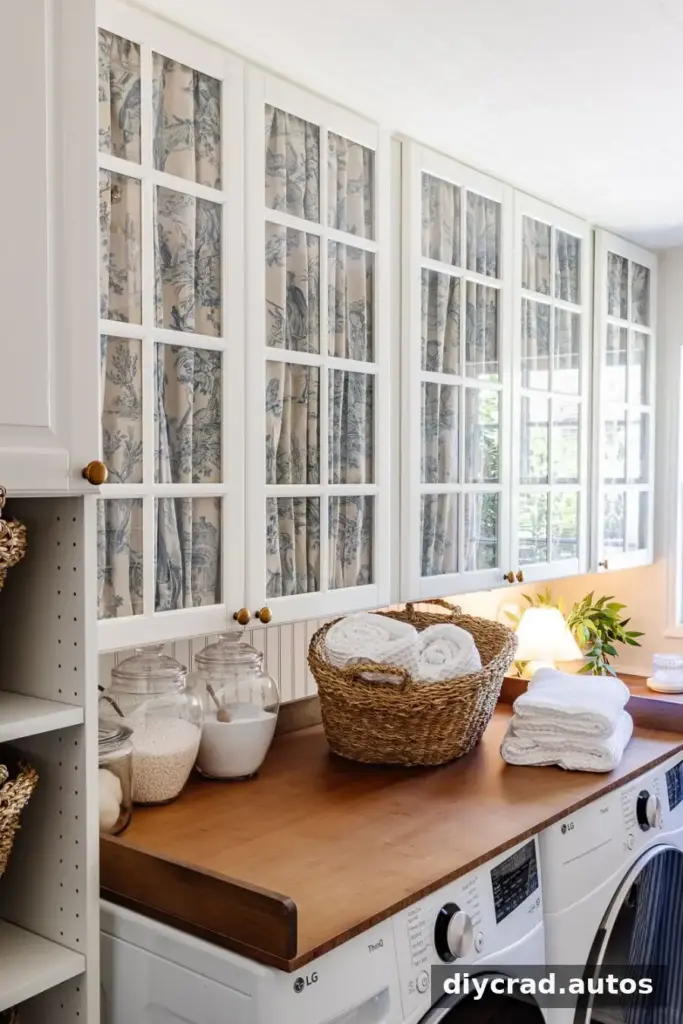
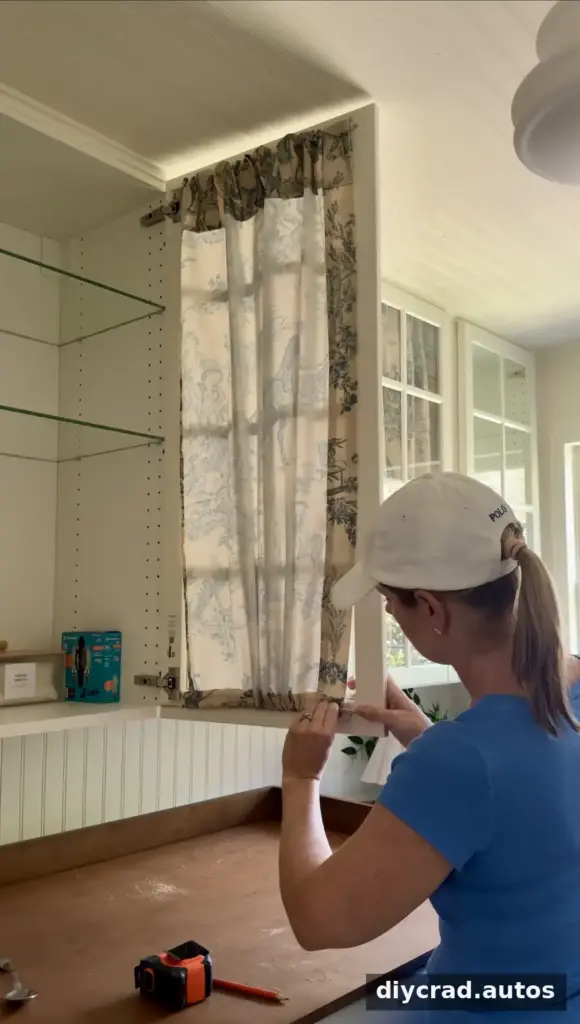
Gathered fabric attached to the inside of glass cabinet doors can soften the look of a cabinet and conceal stored items. Choose a small-scale print, stripe, gingham, or linen-look fabric that works with the room.
For a removable option, attach the fabric to small rods and secure them discreetly inside the doors. Measure each panel first, and keep fabric clear of hinges and door mechanisms. Removable panels can be taken down if your style or storage needs change.
4. Replace knobs and pulls
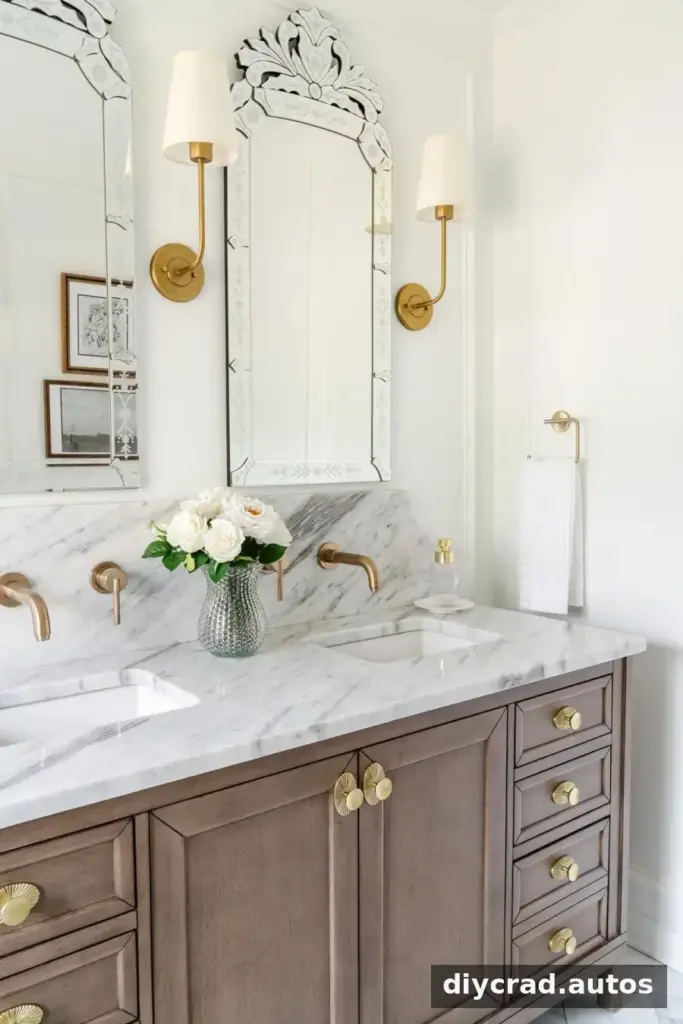
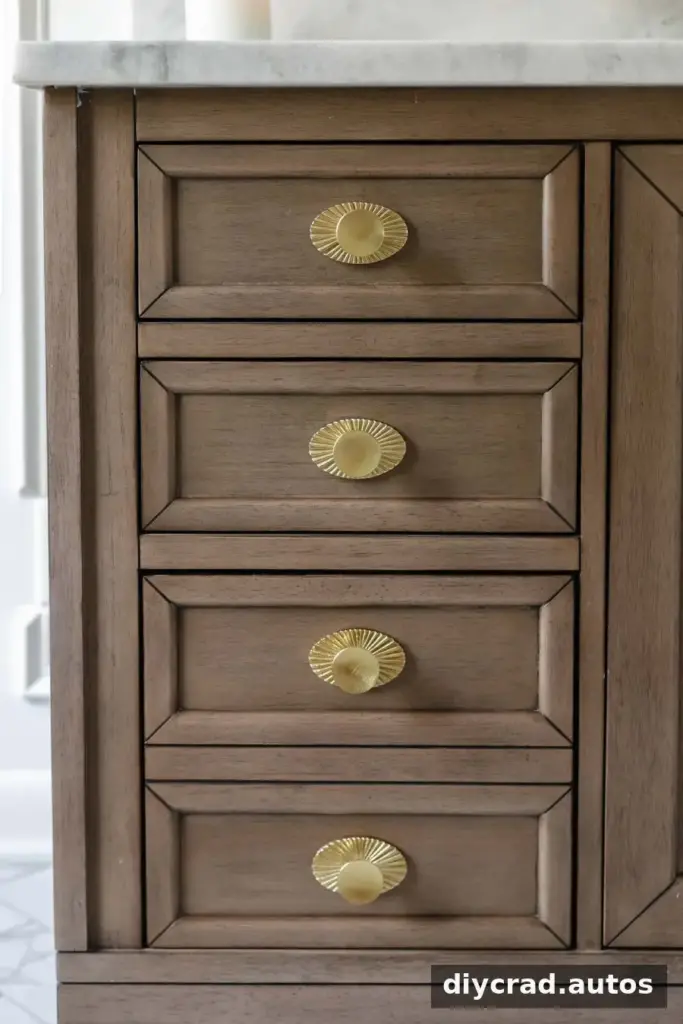
New hardware can give a bathroom vanity, dresser, desk, or cabinet a more considered appearance. Brass, nickel, wood, and traditional bail-style pulls each create a different effect.
Measure the distance between existing screw holes before ordering replacement pulls. Matching that measurement can let you swap hardware without drilling new holes or filling the old ones.
5. Add fringe to an upholstered piece
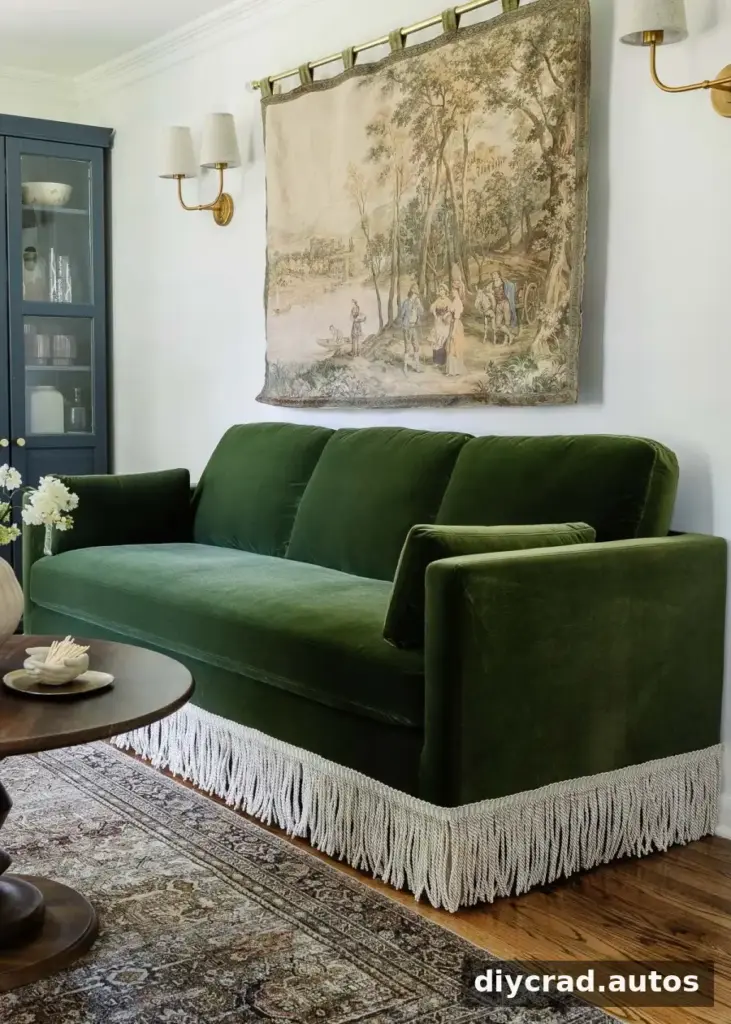
Bullion fringe or another upholstery trim can add a decorative edge to a sofa, chair, or ottoman. It works especially well when the furniture has a simple shape and the trim suits the fabric and overall style.
Depending on the furniture’s construction, trim can be attached with upholstery pins, hand stitching, or a suitable fabric adhesive. Test the method on a hidden area, and avoid pins or adhesives that could damage delicate upholstery. A removable attachment is useful if you may want to change the look later.
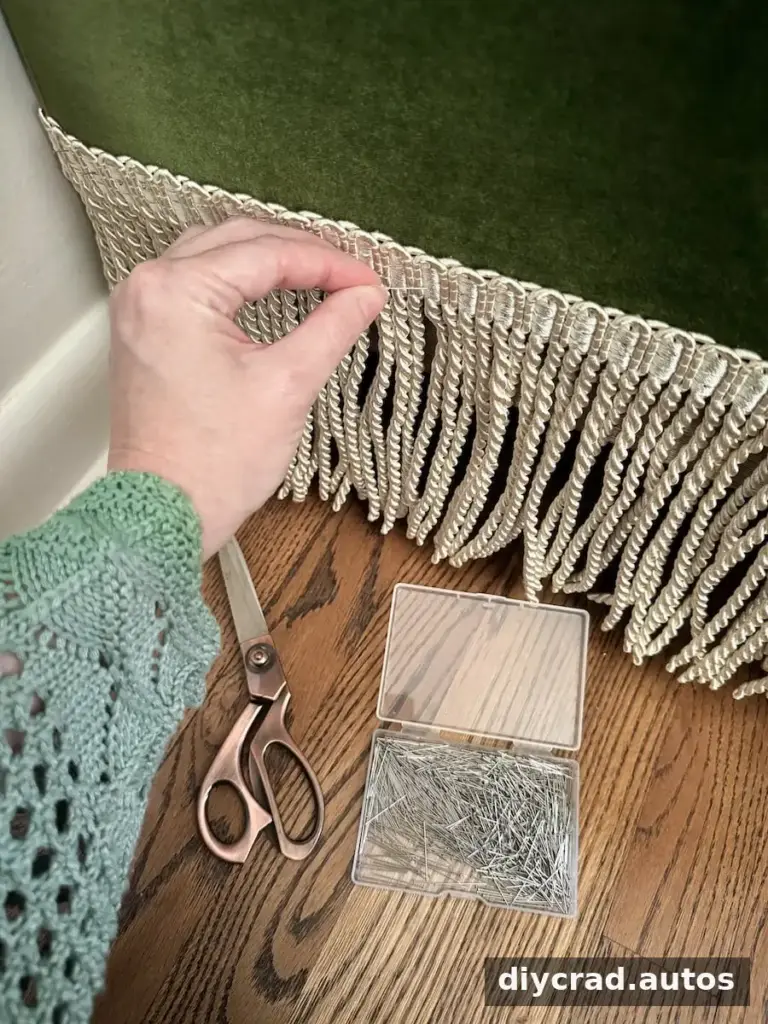
6. Apply window film to glass-front furniture
Removable window film can change the look of glass cabinet doors while obscuring what is stored inside. Reeded film adds texture, frosted film offers more privacy, and leaded or mirrored styles create different decorative effects.
Clean and dry the glass before application, and follow the film’s instructions to reduce bubbles. Check that the film is suitable for the glass and can be removed without leaving residue before applying it to an older or valuable piece.
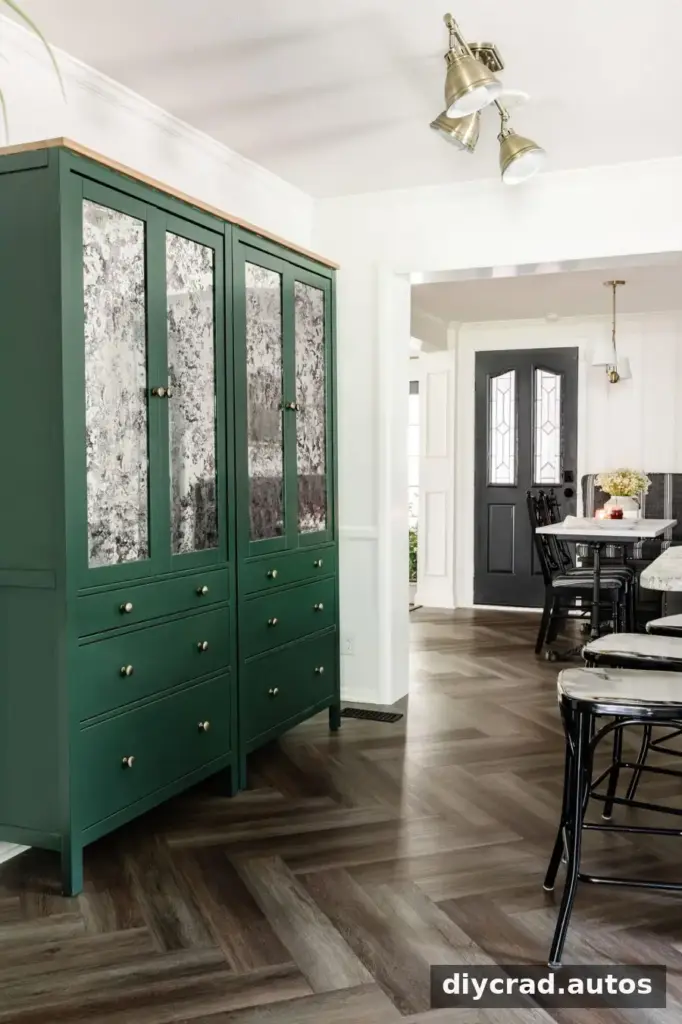
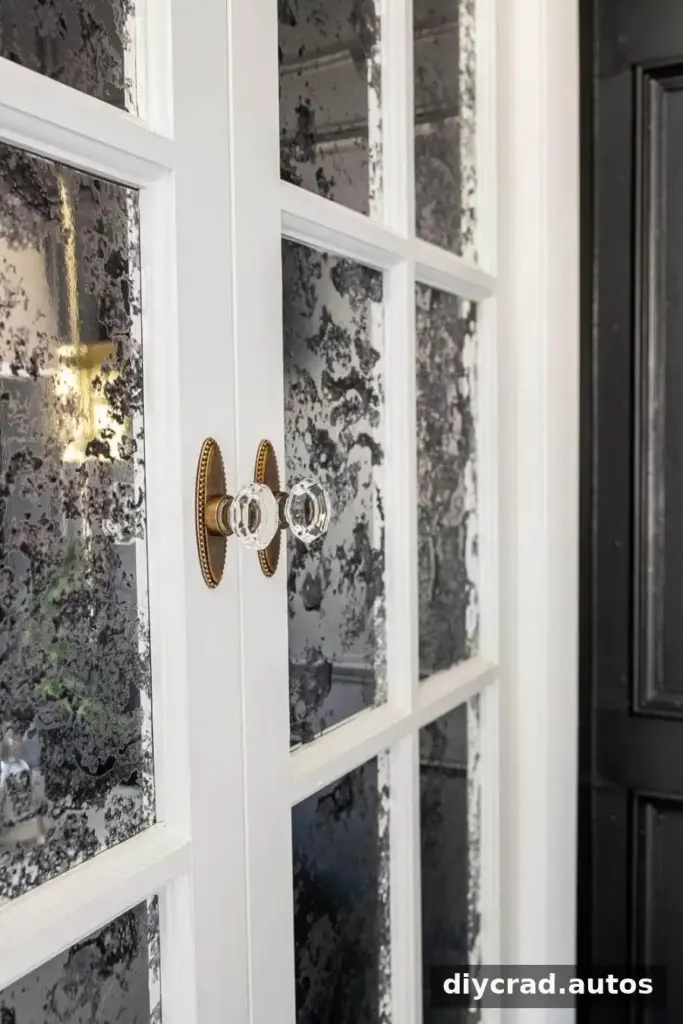
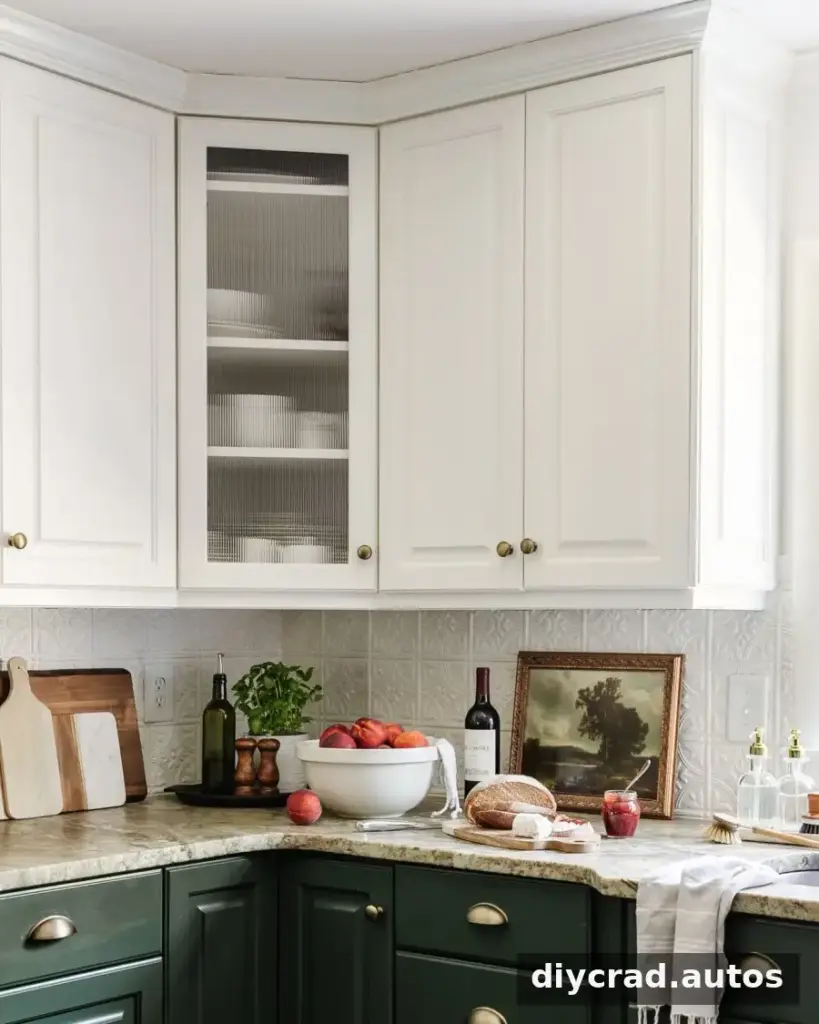
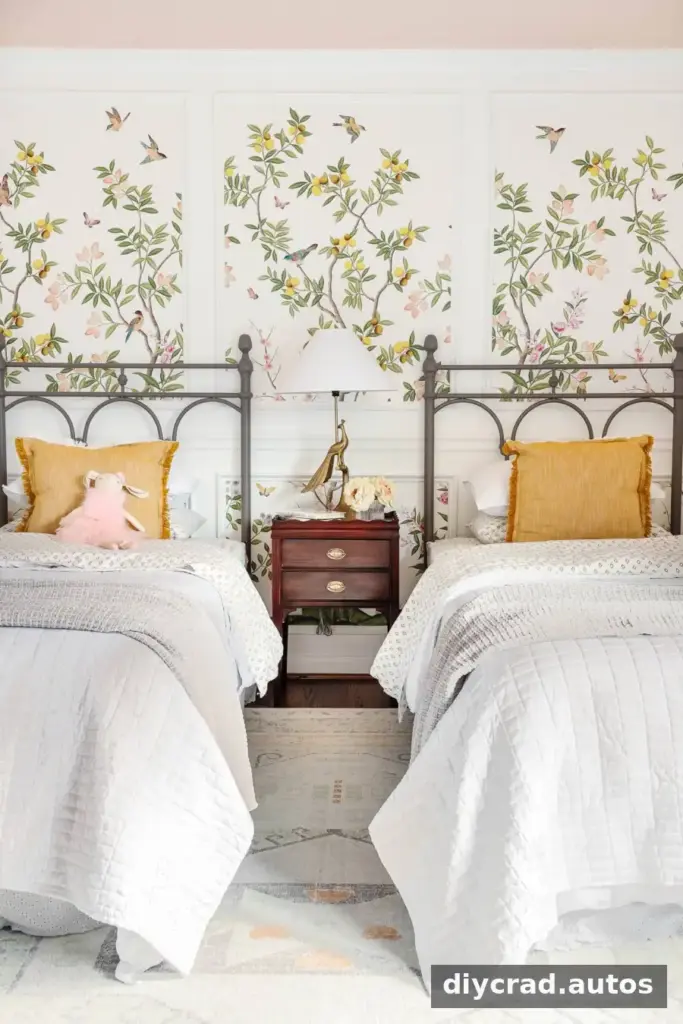
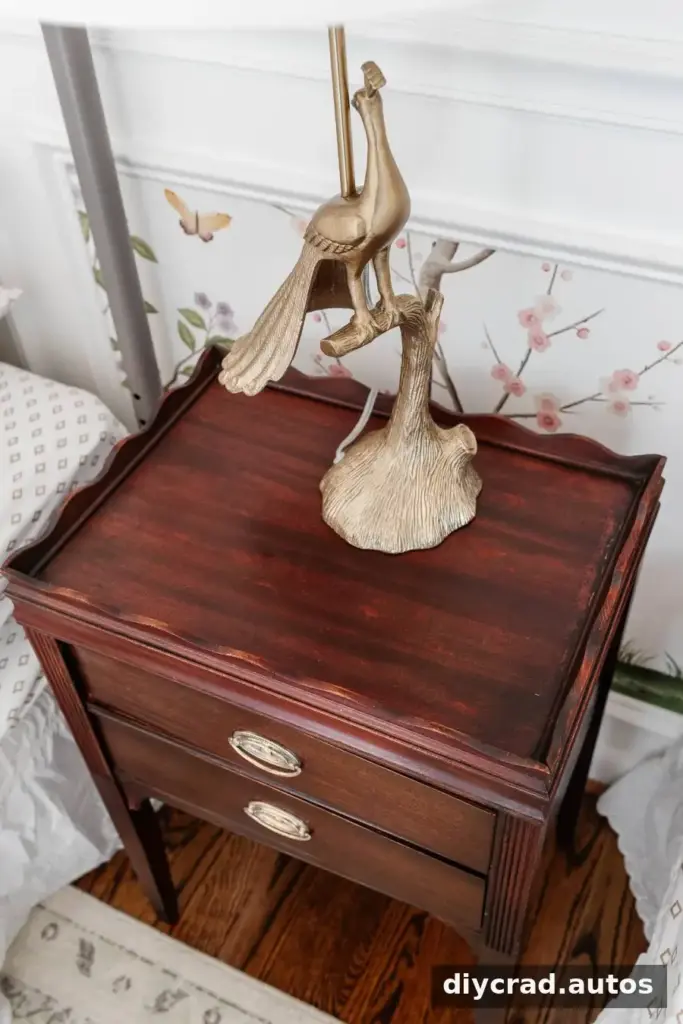
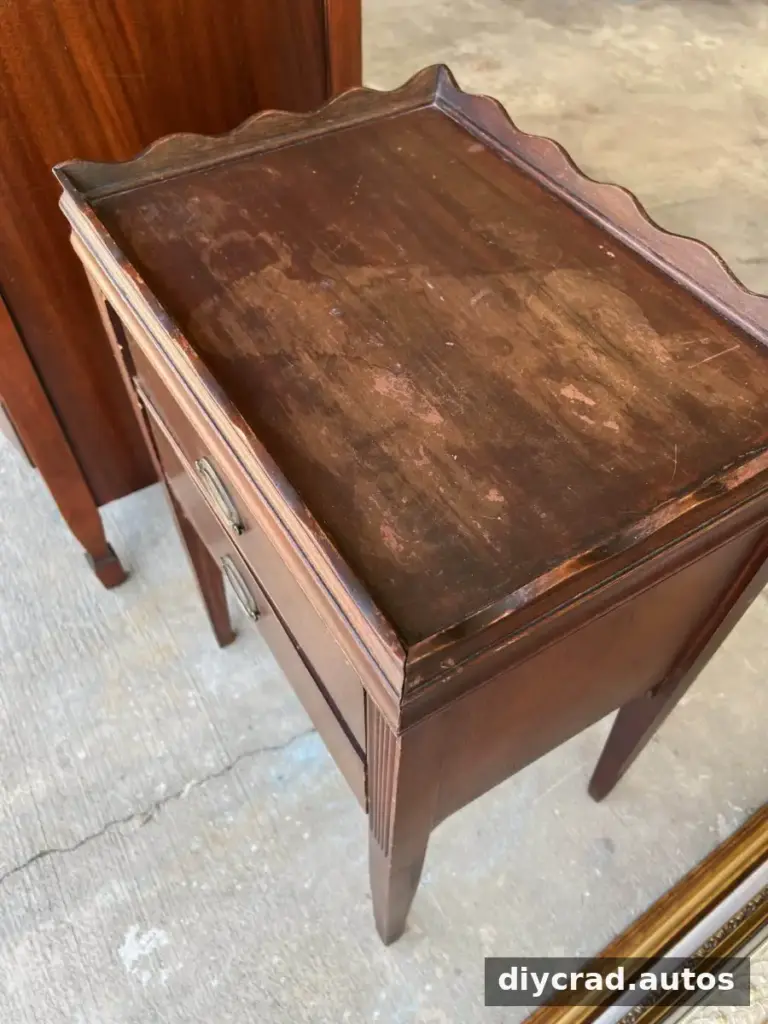
7. Clean and polish old wood furniture
Before sanding or painting an older wood table, dresser, or cabinet, clean it using a method appropriate for its finish. Built-up dust and grime can make wood look dull, while cleaning may reveal attractive grain and natural patina.
Test any cleaner or restorative product in a hidden spot and follow its label. Water rings and other marks can have different causes, so choose a treatment suited to the finish rather than applying an untested household remedy. If the finish is flaking or the piece is valuable, seek specialist advice before proceeding.
8. Use contact paper on drawer fronts
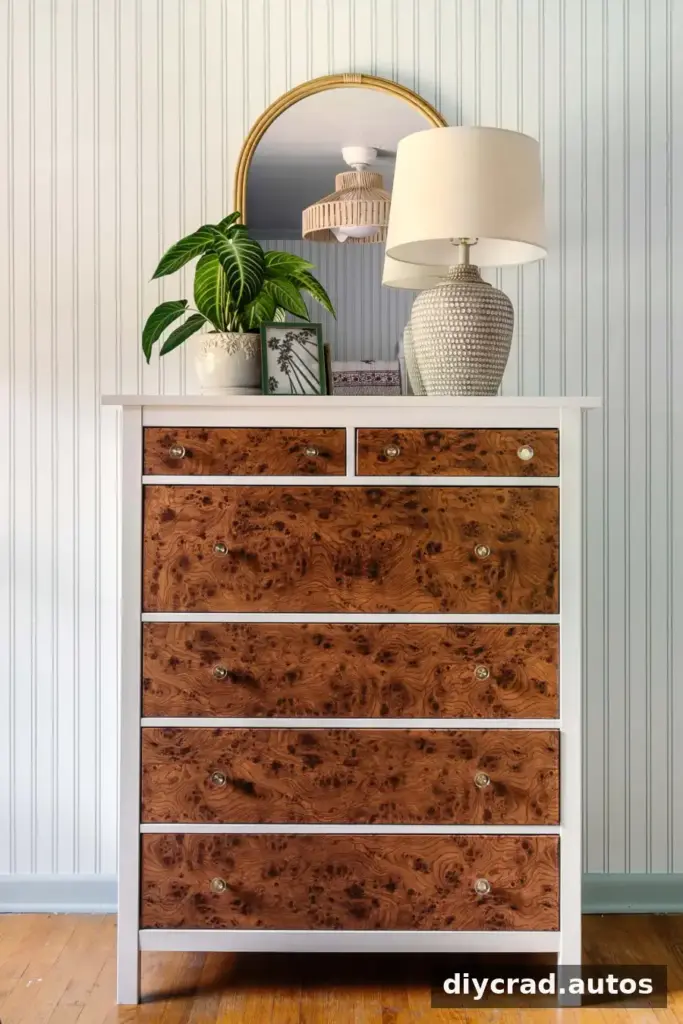
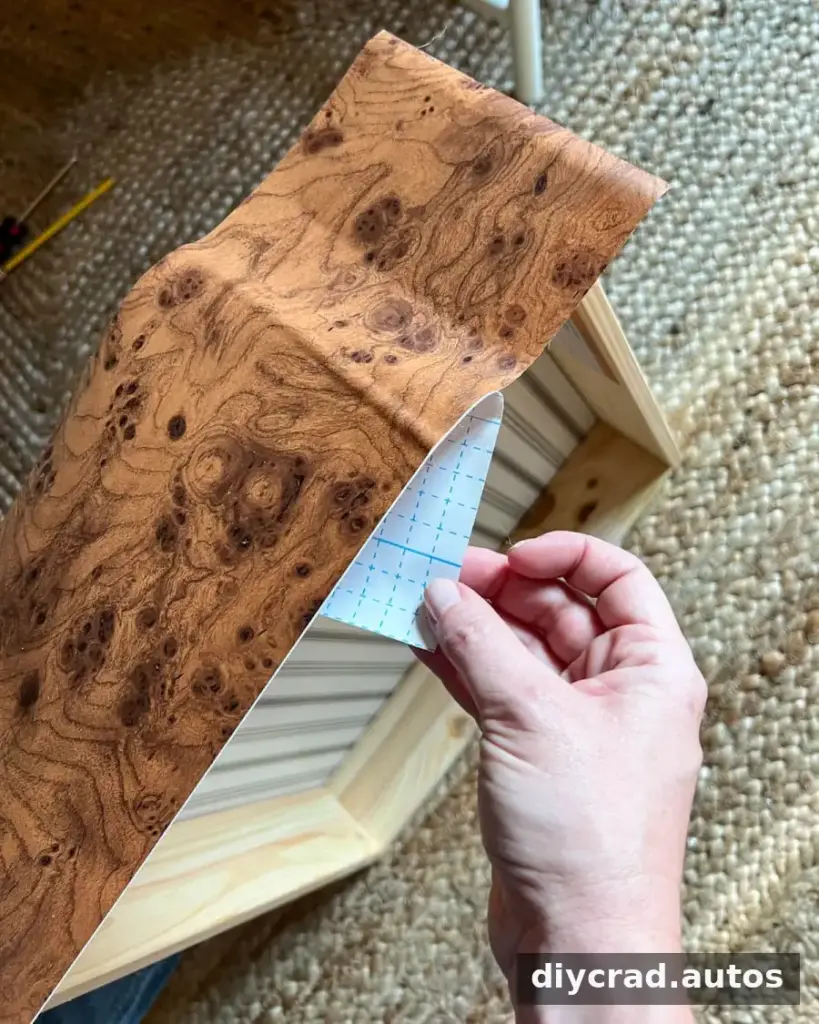
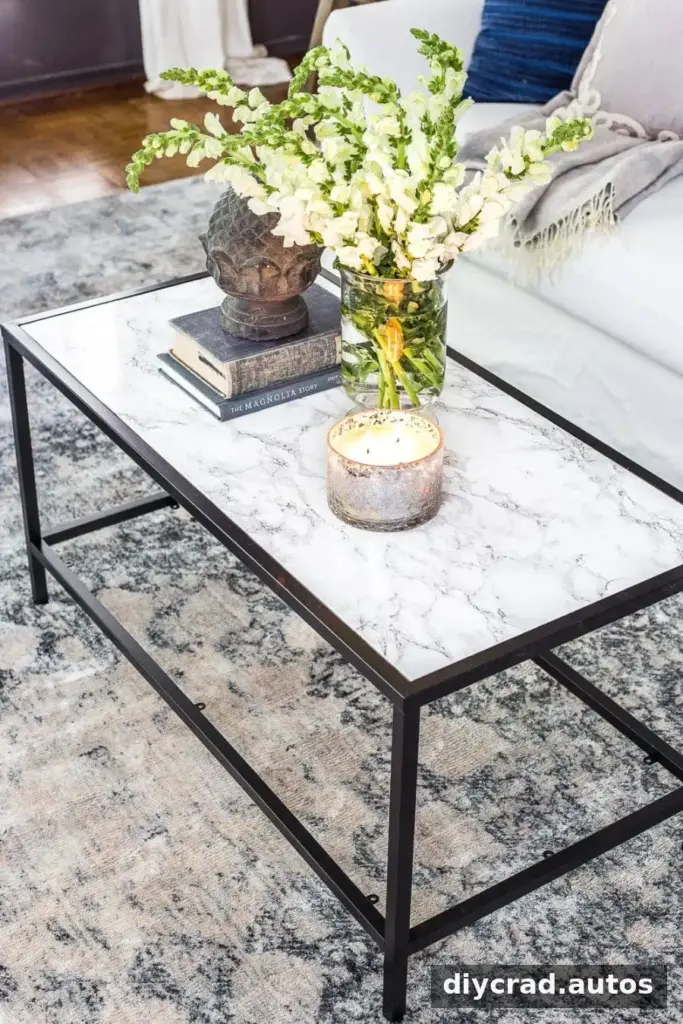
Peel-and-stick contact paper is available in textures and patterns that resemble linen, grasscloth, wood, marble, or cane. Applying it to drawer fronts rather than the entire dresser creates a smaller, lower-commitment change.
Measure each surface carefully, clean it, and apply the paper slowly to limit bubbles and creases. Check that the material is removable and test it in an inconspicuous place, especially on delicate or older finishes.
9. Add decorative appliqués
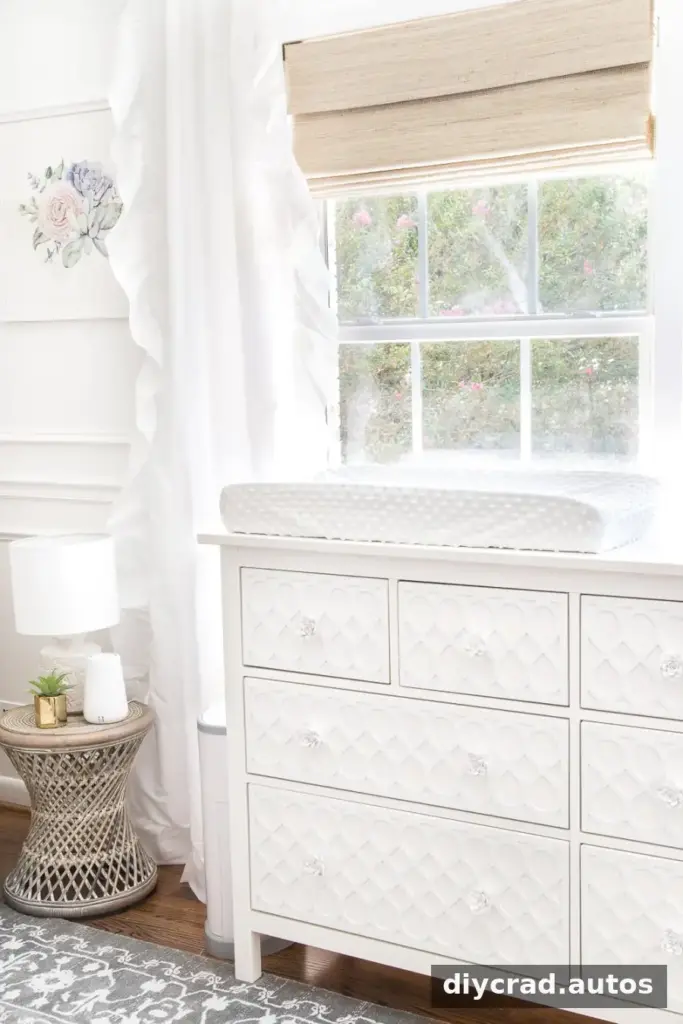
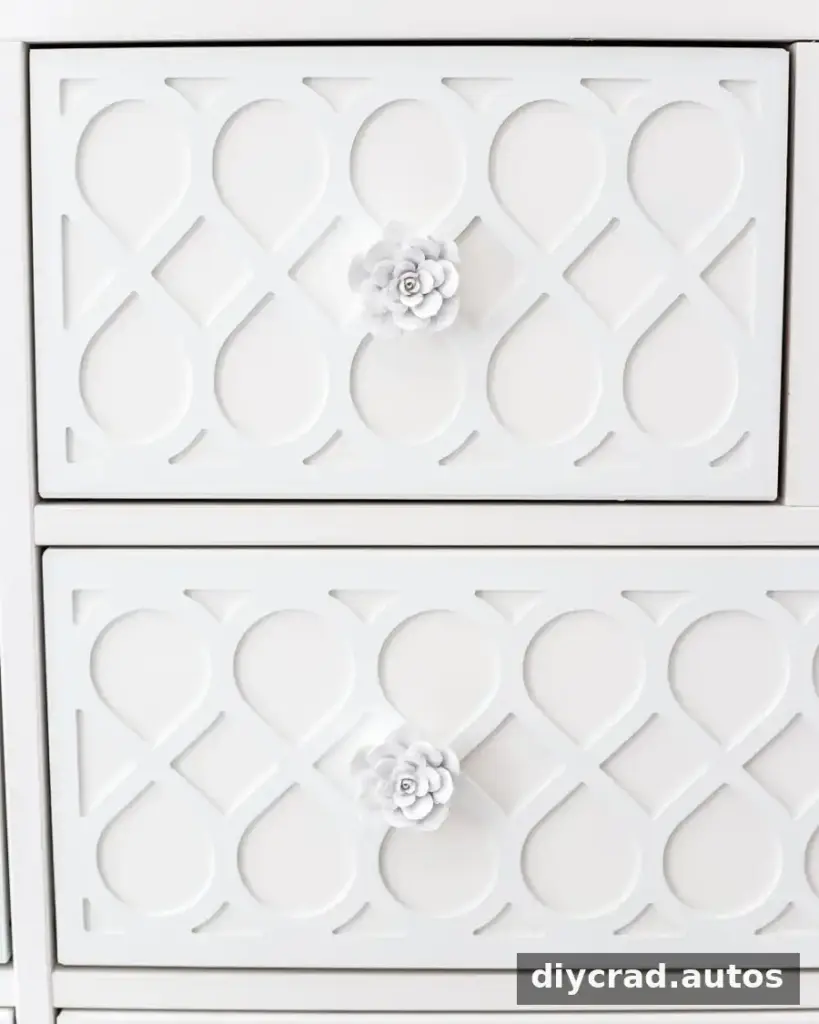
Wood appliqués and furniture mouldings can add architectural detail to plain drawer fronts. Choose flourishes, floral shapes, bows, medallions, or simple moulding that suits the furniture’s proportions.
Use an adhesive intended for the materials involved, follow the product directions, and allow it to cure before moving or using the furniture. Painting the applied detail to match the piece can create a cohesive finish.
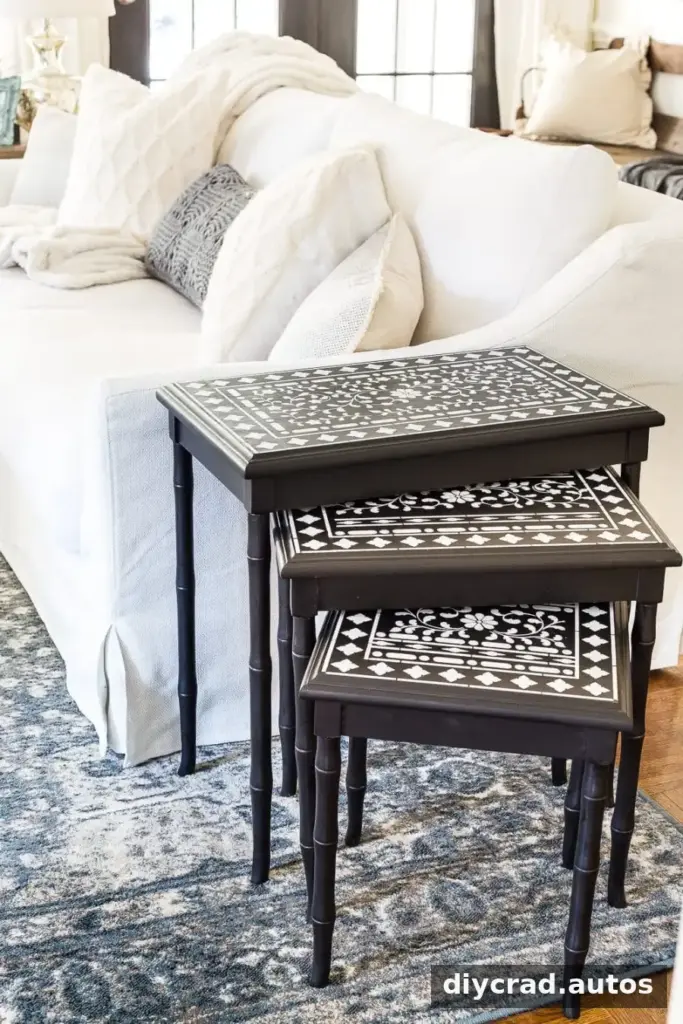
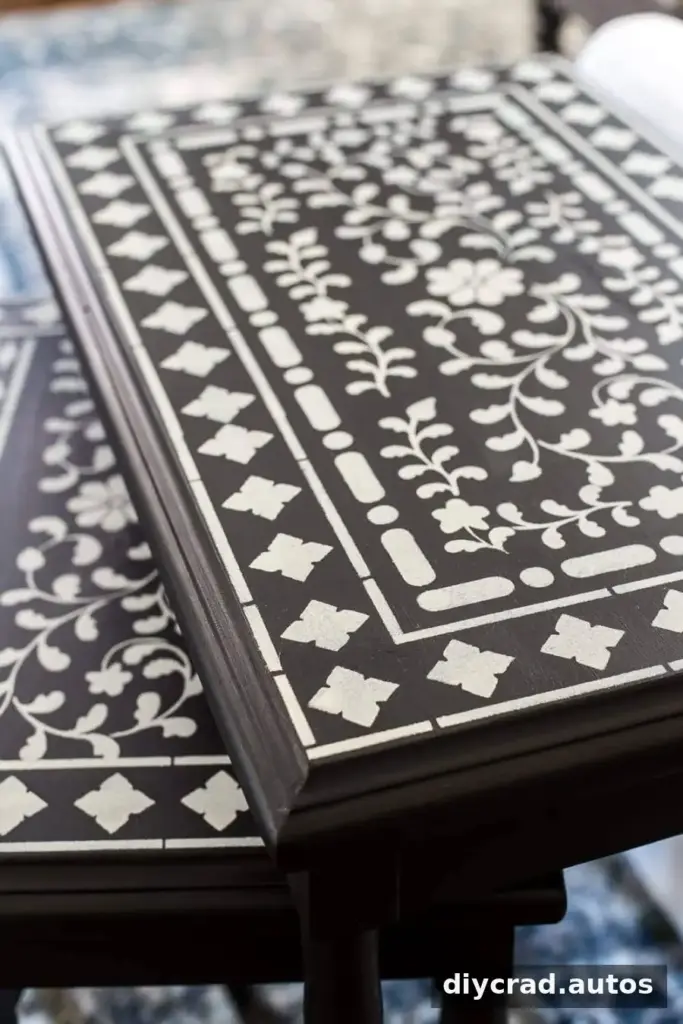
10. Stencil a decorative pattern
A stencil can give a side table or dresser a patterned, inlaid-inspired appearance without the cost or complexity of detailed woodworking. Geometric borders and repeating motifs are useful options for a small surface.
Secure the stencil so it cannot shift, use a small amount of paint at a time, and test the design on scrap material first. More intricate patterns may take close to an hour, but a small project is still manageable for many beginners.
11. Re-cover a removable chair seat
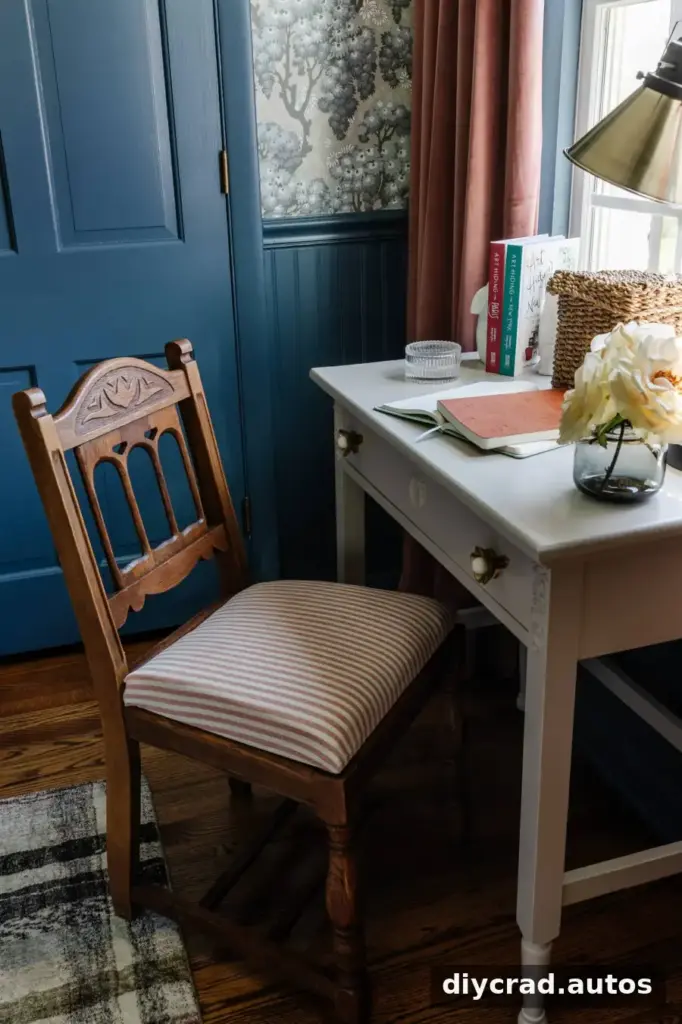
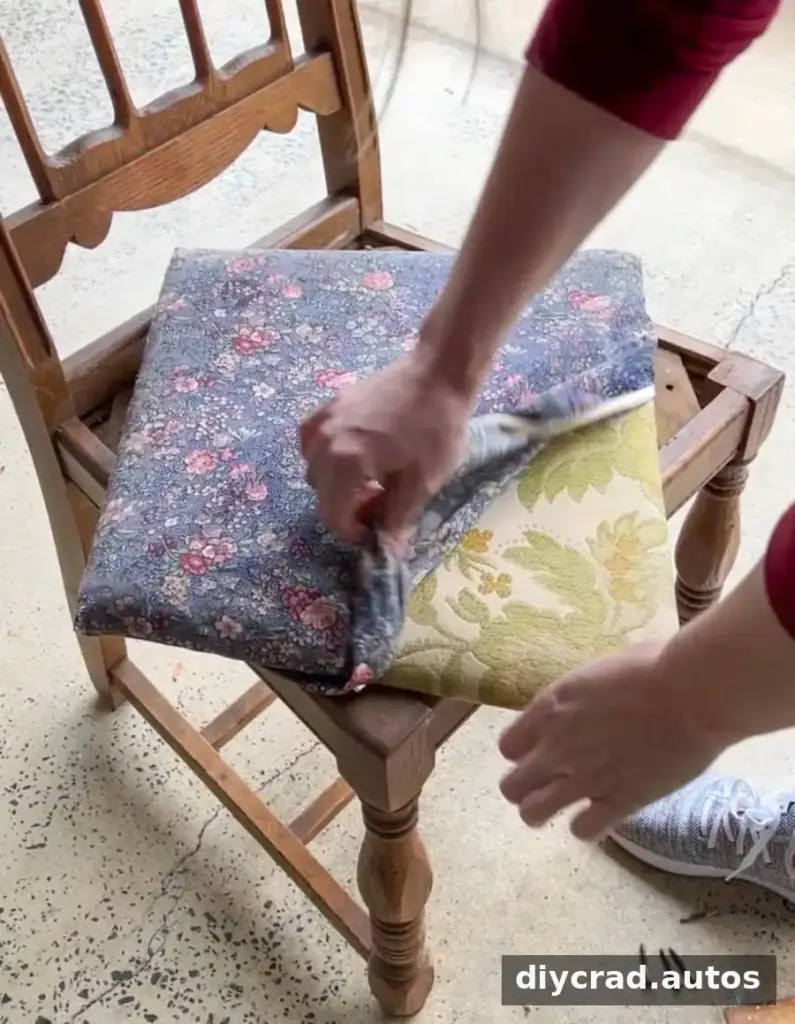
A dining chair seat that unscrews from its frame is a practical beginner upholstery project. Remove the seat, place new fabric over the cushion, staple it underneath, and reattach the seat once the fabric is smooth and secure.
Use upholstery fabric or another durable material, keep the fabric clear of screw holes, and avoid covering the chair’s structural parts. A small remnant may be enough, and even an inexpensive $5 tea towel can work for a suitable small seat if its fabric is strong enough.
12. Change a sofa or chair slipcover
A replacement slipcover costs more than many of the other updates on this list, but it can still be less expensive than buying a new sofa or armchair. It is also a practical option when the existing upholstery is damaged or you want a different color.
Check that the cover is designed for your furniture’s model and dimensions. Review the fabric care instructions and measure carefully before ordering, since a poor fit can affect both appearance and comfort.
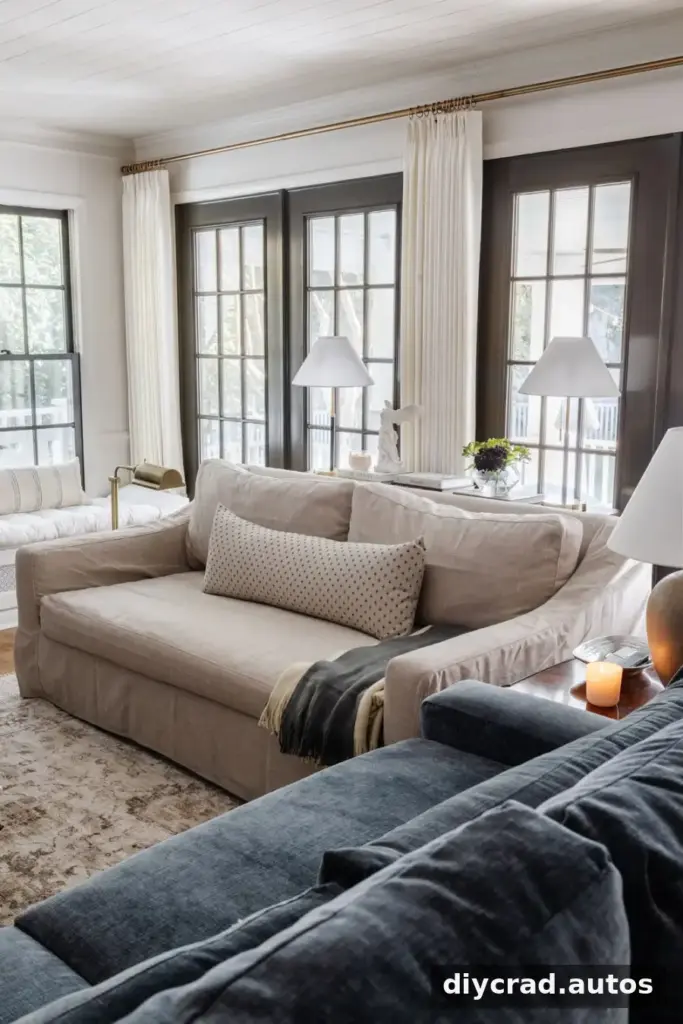

Choose Easy Furniture Upgrades Before Replacing a Piece
Before replacing furniture, pinpoint the detail that is not working. Is the piece too low, does it need different hardware, or is the finish simply dirty? Would fabric, trim, or added detail make it feel more at home in the room?
Start with the smallest change that addresses the problem, and check measurements, stability, and material compatibility before buying supplies. Easy furniture upgrades can help a useful piece feel fresh again, while saving the time and expense of a full makeover or replacement.

