
With a little planning, thrift shopping can help you find useful home furnishings and distinctive decor at lower prices. These Goodwill thrift shopping tips cover when to visit, what to check before buying, and how to decide whether a secondhand find is worth bringing home. Inventory, opening hours, discounts, and donation patterns can differ by location, so use these ideas as a guide and confirm local details before you go.

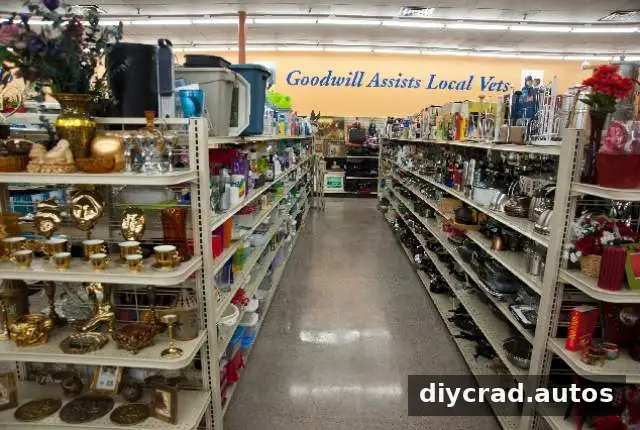
Image: Rappahannock Goodwill
Goodwill Thrift Shopping Tips for Finding Better Deals
Thrift stores can offer furniture, household goods, lighting, books, and decorative pieces at a range of prices. The selection changes often, and there is no guarantee that every visit will turn up something suitable. A regular, focused approach can make it easier to notice new items and avoid buying things just because they are available.
1. Visit regularly and notice inventory patterns
Stopping by about once a week—or more often if the store is nearby and convenient—gives you more chances to see fresh stock. Some visits may produce a great find, while others may not. Over time, you may notice which days tend to have more new merchandise at your local store.
Restocking schedules vary between locations, so a pattern at one store may not apply elsewhere. If you have not found anything on an earlier visit, try another day before deciding that the store is not a good fit.
Practical tip: Keep a brief note of the dates and times you visit. This can help you identify local patterns without relying on a schedule that may change.
2. Choose your timing strategically
Donation volumes may rise during periods when people are clearing out their homes. Spring cleaning and weekends with yard sales can coincide with more donations, although the timing depends on the community and the store’s processing schedule.
Try spring cleaning season
Many households sort closets and storage areas during spring cleaning. Since garage and yard sales often take place on weekends, checking in on Sunday evening or Monday morning may be worthwhile in some areas. Ask staff when newly processed items are usually put on the sales floor.
Check after holiday weekends
Long weekends can give people extra time to organize and donate belongings. If a Monday holiday affects normal store routines, Tuesday may be worth checking. These are possibilities rather than guarantees, so verify opening hours and local practices before making a special trip.

Consider arriving near opening time
Early visits can provide a first look at items available that day. Some shoppers and resellers may also arrive early, and sought-after pieces can sell quickly. Decide in advance what you need and what you are willing to pay so that you can make a considered choice without feeling pressured.
3. Make a shopping list and prioritize departments
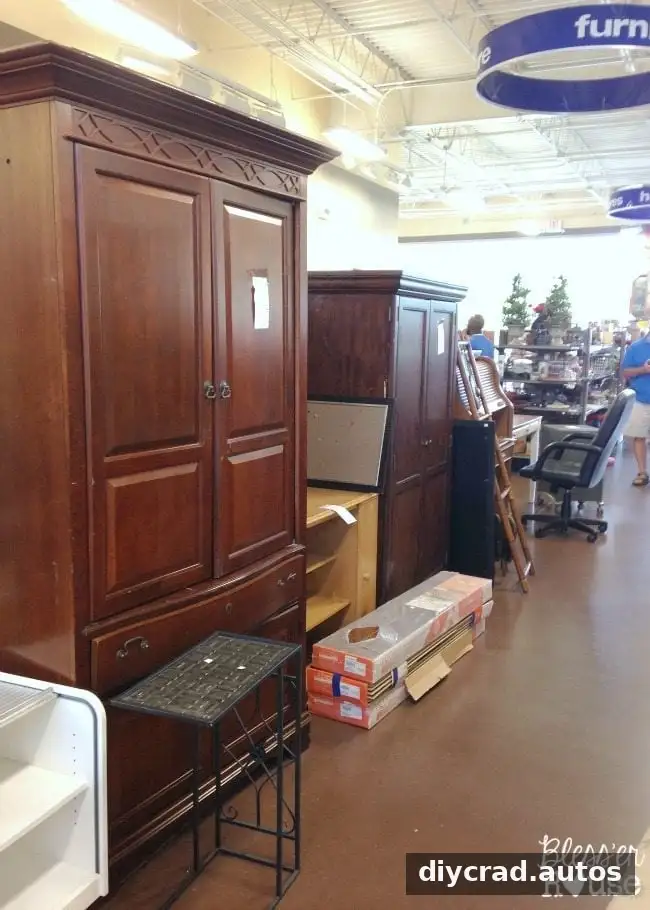
A simple wish list on your phone can keep a browsing trip focused. Note the items you need, the approximate dimensions that will fit your space, and any features that matter. This is especially useful when shopping for furniture, where measurements and room layout can affect whether a piece is practical.
Plan a route through the departments you care about most. One possible order is furniture, frames and mirrors, home decor, lighting, household goods, and seasonal items. Holiday decorations can appear throughout the year, so checking that section outside the holiday season may turn up useful options.


Look beyond obvious decor. Items such as a vintage typewriter, desk lamp, globe, clock, books, sheet music, and prints may work well in a home or office. Before buying, check that each item is complete, functional where relevant, and suitable for your intended use.
4. Look for potential, but assess the work involved
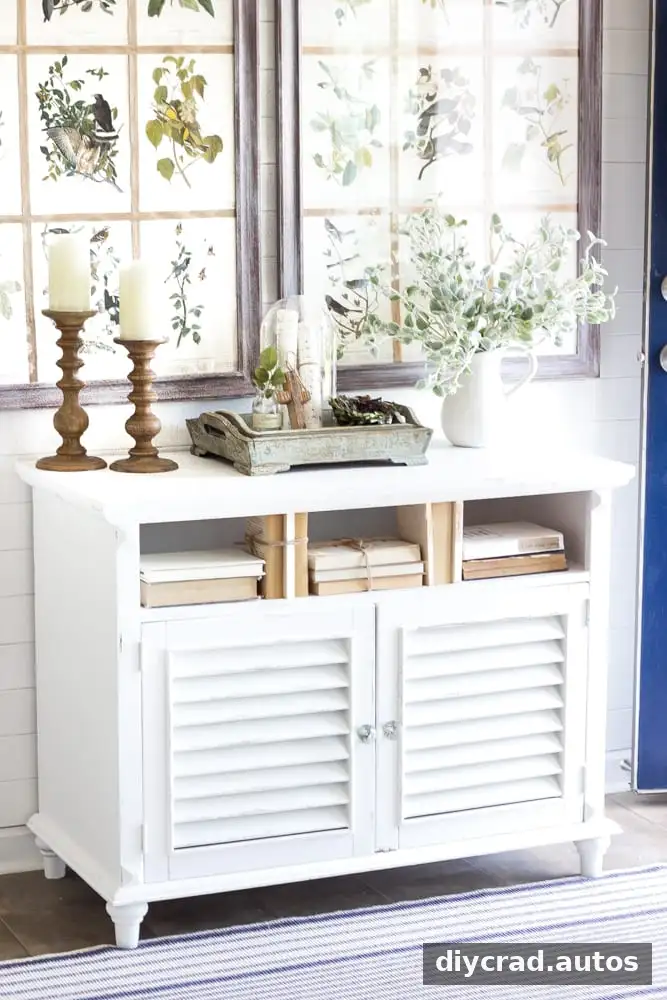
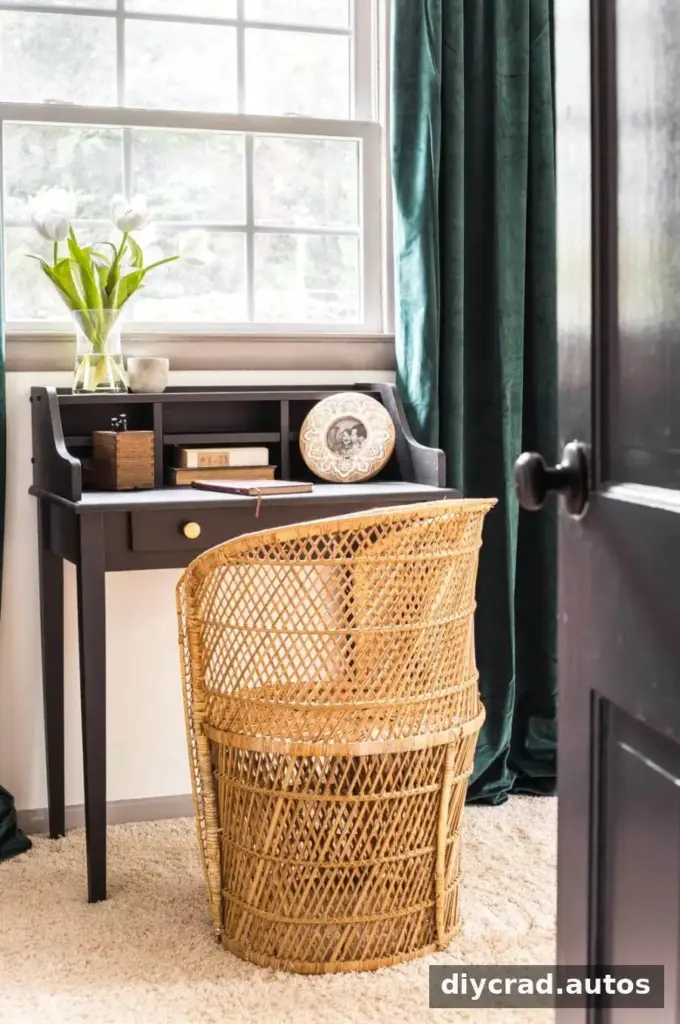
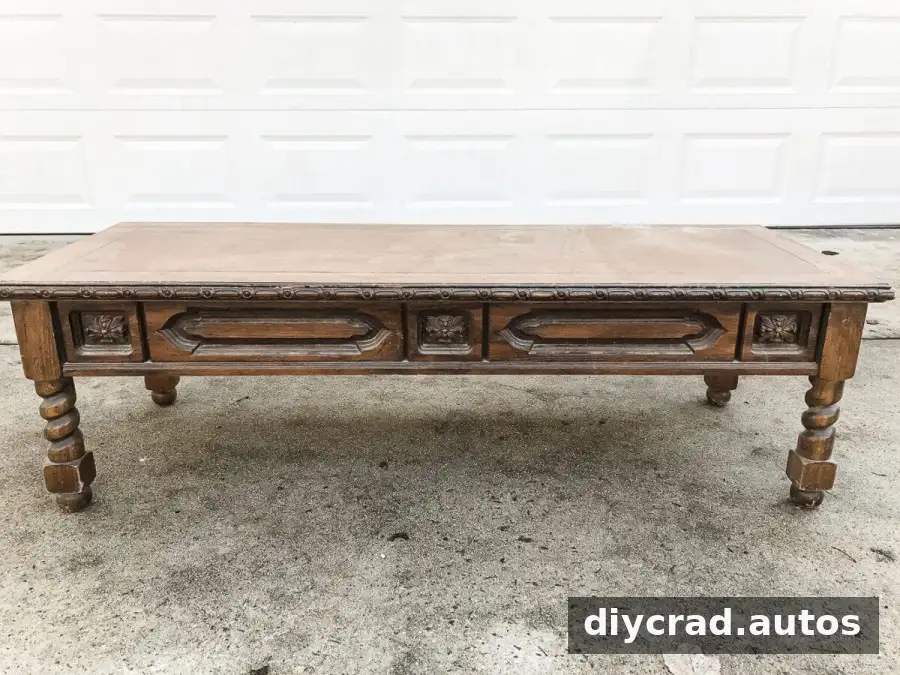
Some secondhand pieces can be refreshed with sanding, paint, or new hardware. A cabinet with an appealing shape may have potential even if its current finish or decorations are not to your taste. At the same time, estimate the time, materials, and effort a makeover will require.
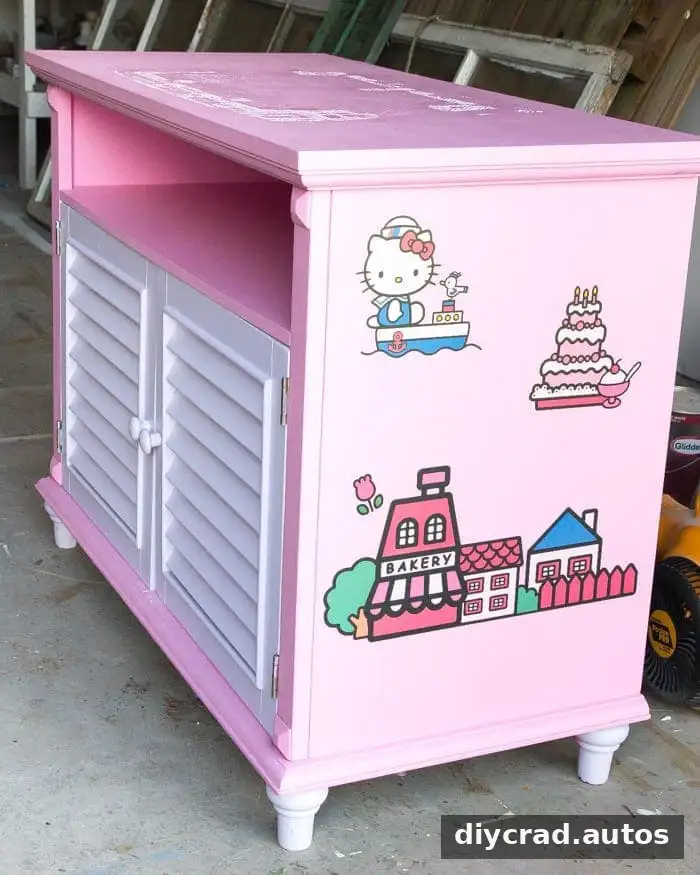
A modest cosmetic update can change the appearance of a piece, but it will not correct every structural problem. Check drawers, joints, doors, and surfaces before deciding whether a project is manageable.
5. Set aside promising items while you decide
Popular items may not remain on the sales floor for long. If store rules allow, take the item or its furniture tag while you consider the purchase, then return it if it does not meet your needs. Policies differ, so ask staff rather than assuming an item can be held.
Before buying, check the measurements, condition, and price. A quick decision should still be an informed one, particularly for large furniture or items that may need repair.
6. Decide whether the price is fair
Not every thrift-store price is automatically a bargain. Compare the price with the item’s condition, quality, and usefulness to you. If something seems overpriced, you can leave it behind and check again later; markdown timing and availability are not guaranteed.
Prices on household goods can vary because staff assess many different donations. For furniture, inspect the item carefully and consider any cleaning, repair, or refinishing costs before making a decision.

7. Donate items you no longer need
Consider taking a clean, usable item to donate when you shop, if the store accepts it. Donating can help make space at home and keep your purchases in perspective. Check the location’s donation guidelines and drop-off arrangements in advance, especially for furniture or larger items.

8. Compare more than one location
Inventory can differ substantially between stores. If several locations are convenient, visiting more than one may reveal different styles and types of merchandise. Some stores in higher-income neighborhoods may receive different donations, while rural locations may have more rustic or traditional pieces. These are general possibilities, not rules.
Include travel time and fuel costs in your plans. A store with a promising selection is most useful when the trip remains practical.

9. Buy only what you genuinely want
It is fine to leave without purchasing anything. A piece should suit your home, budget, and needs—or be a project you are genuinely prepared to complete. Avoid buying an item solely because it is inexpensive or because you worry another shopper may take it.
For larger purchases, take a moment to picture where the item will go and whether it will fit through doorways and into the room. A good deal is only useful if the item works for your space.

10. Consider paint and other simple updates
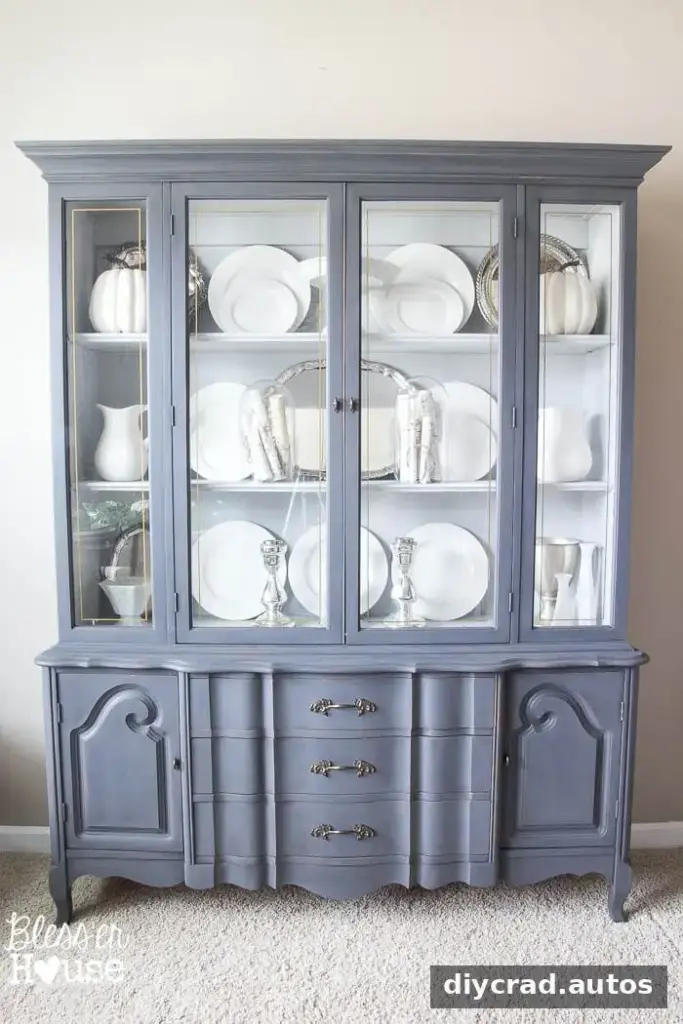
Paint can refresh some scratched furniture, picture frames, and light fixtures, but first check whether the item is suitable for refinishing. Follow product instructions and use appropriate preparation and ventilation. For electrical fixtures, do not attempt installation unless it is safe and you are qualified to do so; have a professional handle electrical work when needed.

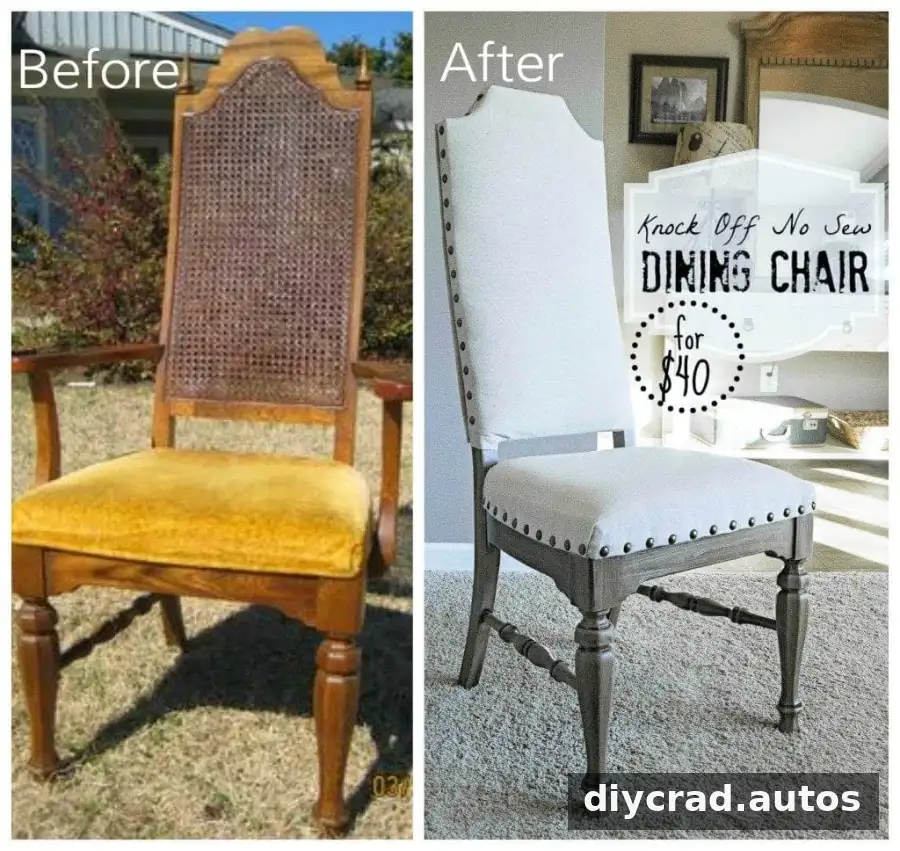
Color alone does not have to rule out a piece, but condition matters. Upholstery should be checked for damage, persistent odors, and signs of pests before purchase. Fabric paint may be an option for some materials, but confirm that the product is intended for the upholstery and follow its directions.


11. Look for signs of quality
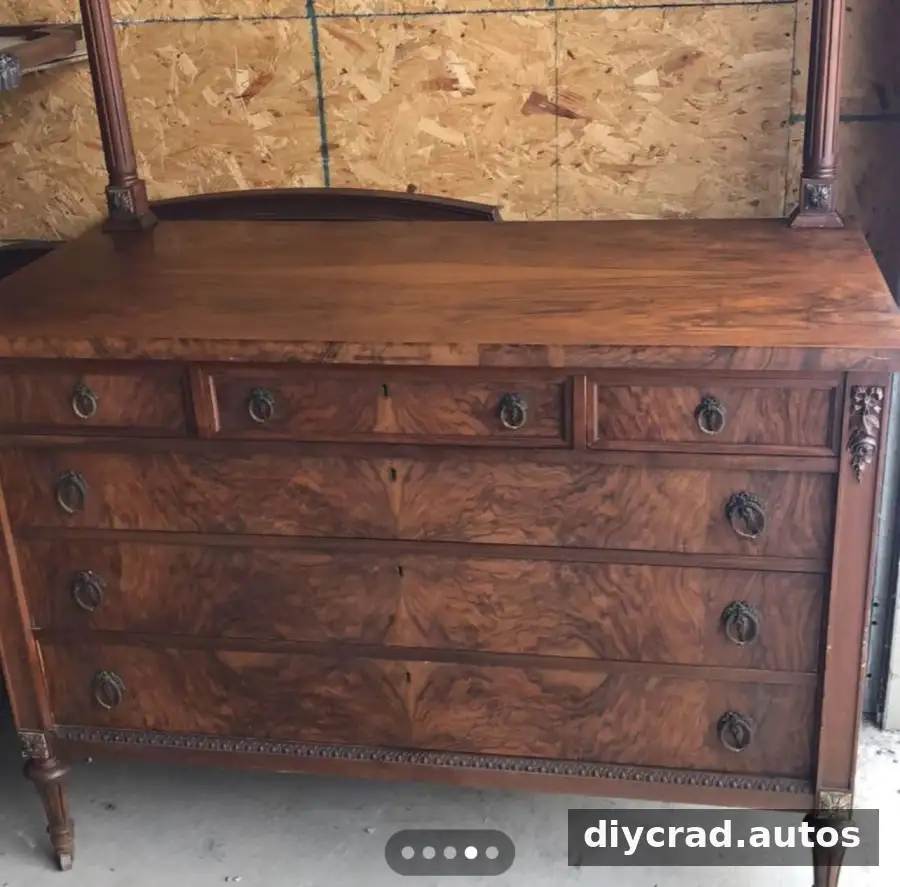
Inspect furniture for stability, sturdy joints, smooth drawer movement, and damage that could affect safe use. Dovetail drawer construction can be one useful quality clue, but it is not a substitute for checking the whole piece. A recognizable maker can provide helpful context, though condition and price still matter.
For smaller goods, check for chips, cracks, missing parts, and clear signs of wear. For example, a set of eight Crate & Barrel white coffee mugs was found for 50 cents each; prices and availability will vary by store and visit.

12. Check local discount days and programs
Discount schedules and eligibility rules vary by region and location. One example is a Tuesday student or military discount of 20% with ID, and a Wednesday discount of 20% for seniors aged 55 and older. These offers may not be available at every store, so confirm the current terms before relying on them.
Ask about available savings
Some locations may also offer a Customer Value Program, email club, coupons, or other promotions. Check whether discounts can be combined and whether any product categories are excluded.
13. Browse the online selection too
An online store can be useful when you cannot visit in person or want to see what is available from home. Online prices may not always be lower than in-store prices, and shipping or pickup arrangements can affect the total cost. Review item descriptions, condition details, and fees before ordering.
Conclusion: Use Goodwill thrift shopping tips with a plan
The most useful Goodwill thrift shopping tips are simple: visit regularly, learn your local store’s routines, bring a focused list, inspect condition and quality, and set a budget before you shop. Stay open to creative reuse, but buy only items that genuinely suit your needs. With patience and a practical plan, each visit can be worthwhile—even when you leave empty-handed.