

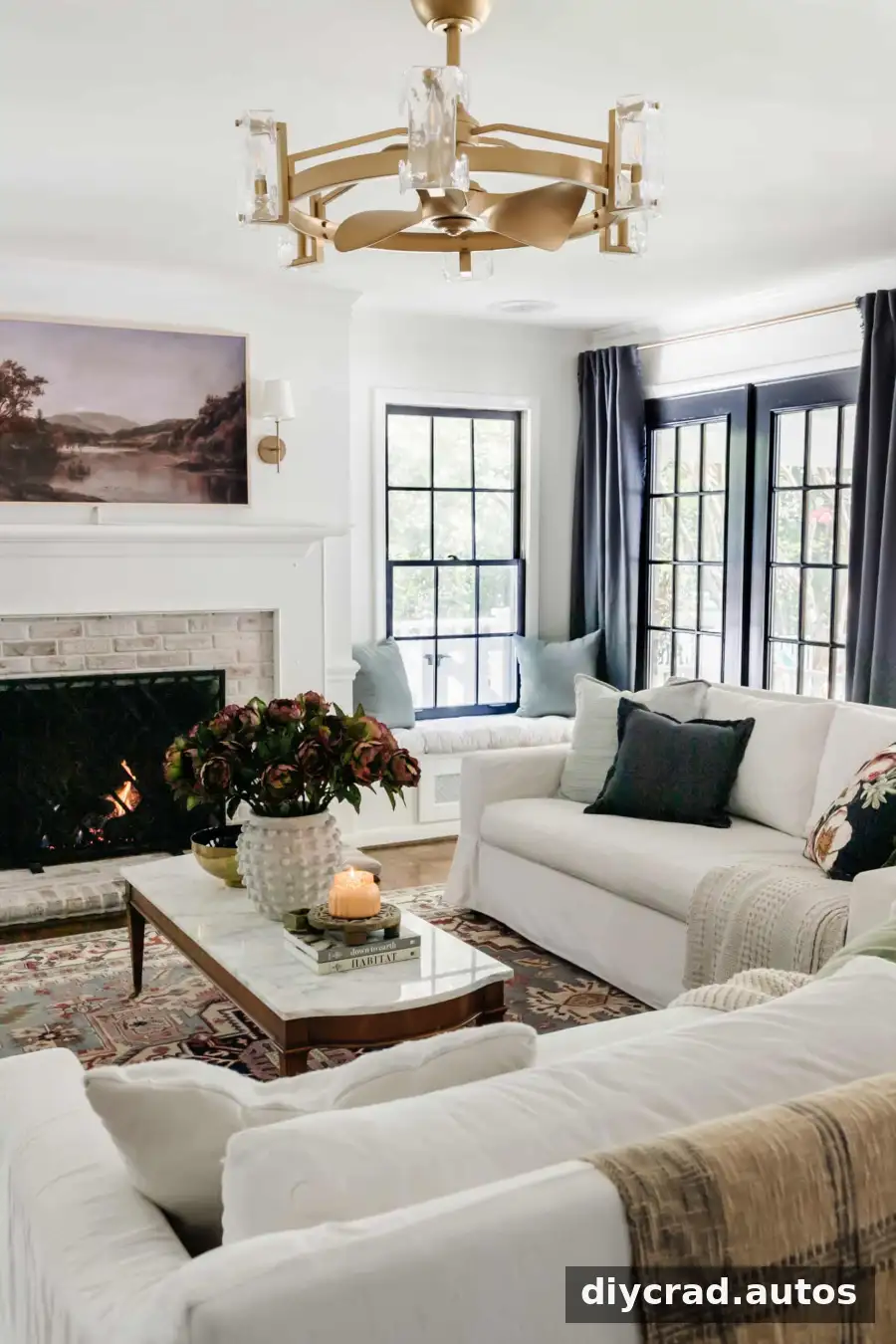
Knowing how to start decorating a living room can make a big project feel manageable. Rather than buying furniture and accessories all at once, begin with a clear plan and one element you love. A rug, artwork, wallpaper, or patterned fabric can provide colors and textures to guide the rest of the room.
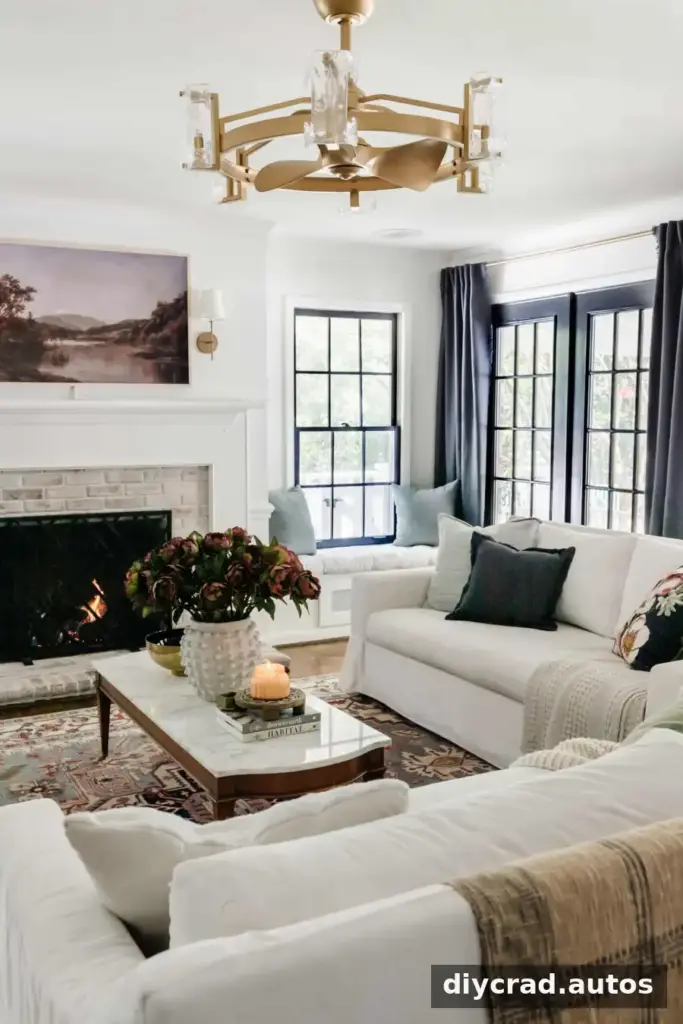
A living room needs to work for everyday activities as well as look inviting. Planning its style, layout, lighting, and budget before making major purchases can help you create a cohesive space while avoiding choices that do not suit the room.
How to Start Decorating a Living Room
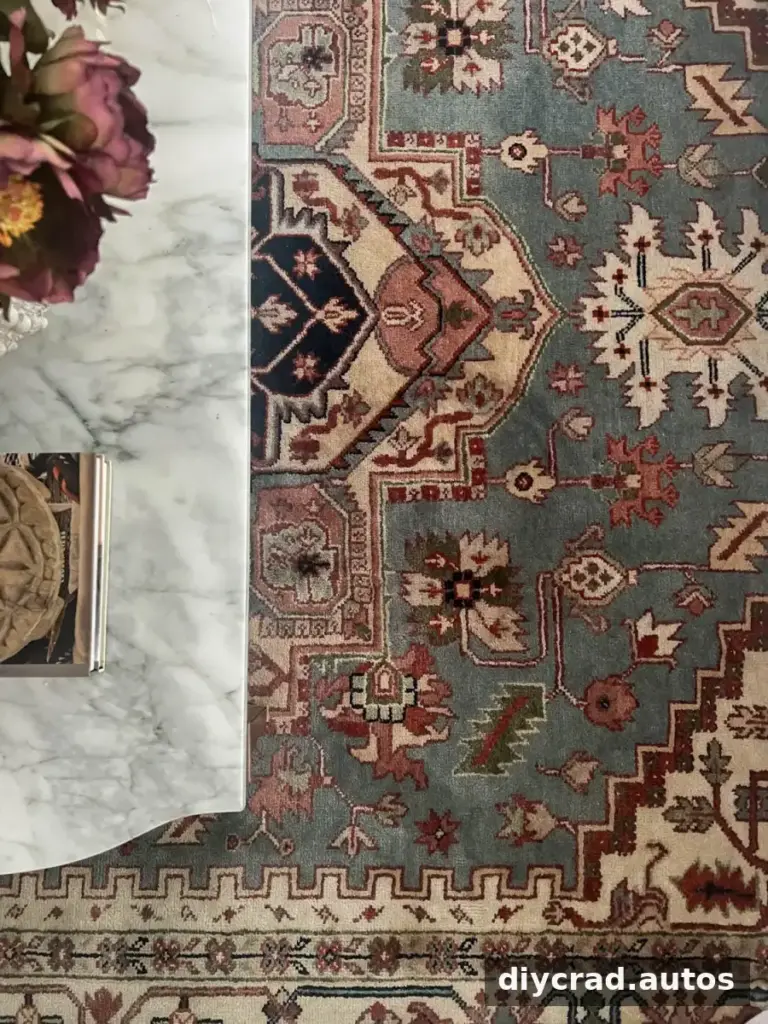
Choose a starting point that feels meaningful to you, then use it to inform other decisions. For example, a patterned rug can suggest a color palette, while a piece of art may help establish the room’s mood. You do not need to match every detail; repeating a few colors or materials is often enough to create a sense of connection.
Before shopping, consider how the room is used. A space for conversation may need seating arranged around one another, while a room used for watching television may need a clear view of the screen. Let your daily routines guide the design.
Step 1: Define Your Style
Decide what kinds of rooms appeal to you. You might prefer modern minimalism, a cozy farmhouse look, or a mix of styles. Save images that show details you like, such as furniture shapes, colors, materials, or lighting. A mood board can help you spot common themes and narrow down your choices.
Practical tip: Look for repeated features across your saved images rather than trying to copy an entire room. This makes it easier to develop a style that suits your own home.
Step 2: Set a Budget
Set a realistic spending limit before choosing furniture or decor. Include large purchases such as seating, along with smaller costs for paint, window treatments, lighting, and accessories. If you may need professional help, account for that too.
Prioritize the items that affect comfort and daily use, and leave room in the budget for unexpected costs. You can also decorate in stages instead of buying everything at once.
Step 3: Assess and Measure the Space
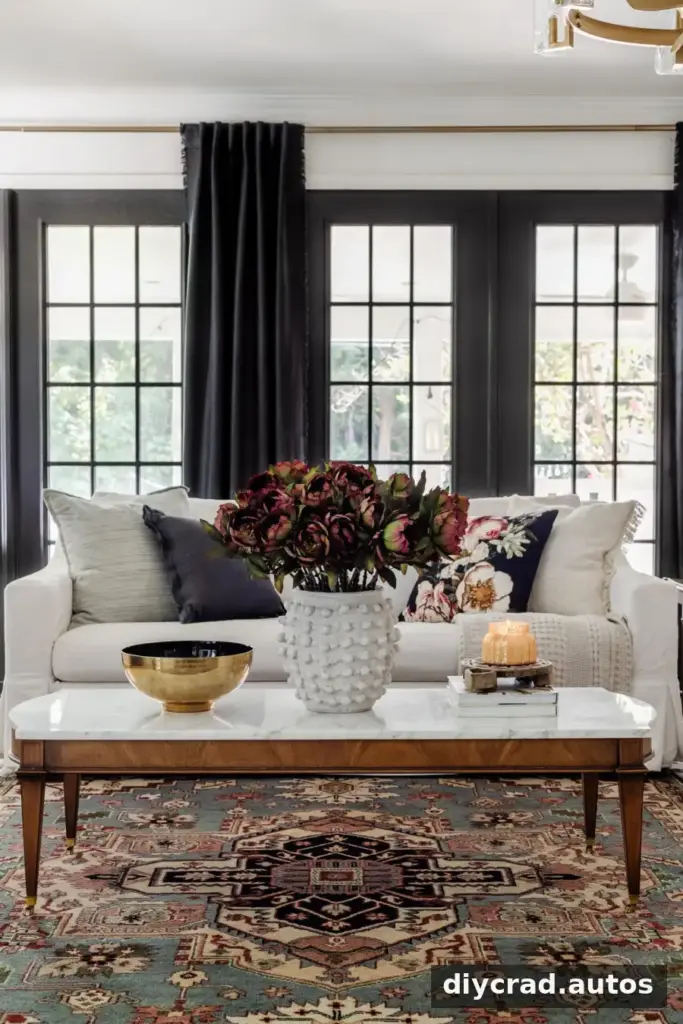
Measure the room, doorways, windows, and existing furniture. Note the locations of outlets and features such as a fireplace, then consider how people will move through the space. These details help you select furniture that fits and avoid blocking natural pathways.
In a small living room, look for furniture that serves more than one purpose and plan for storage. Whatever the room’s size, check measurements before purchasing and make sure large pieces can be brought through the entryway.
Step 4: Choose a Color Scheme
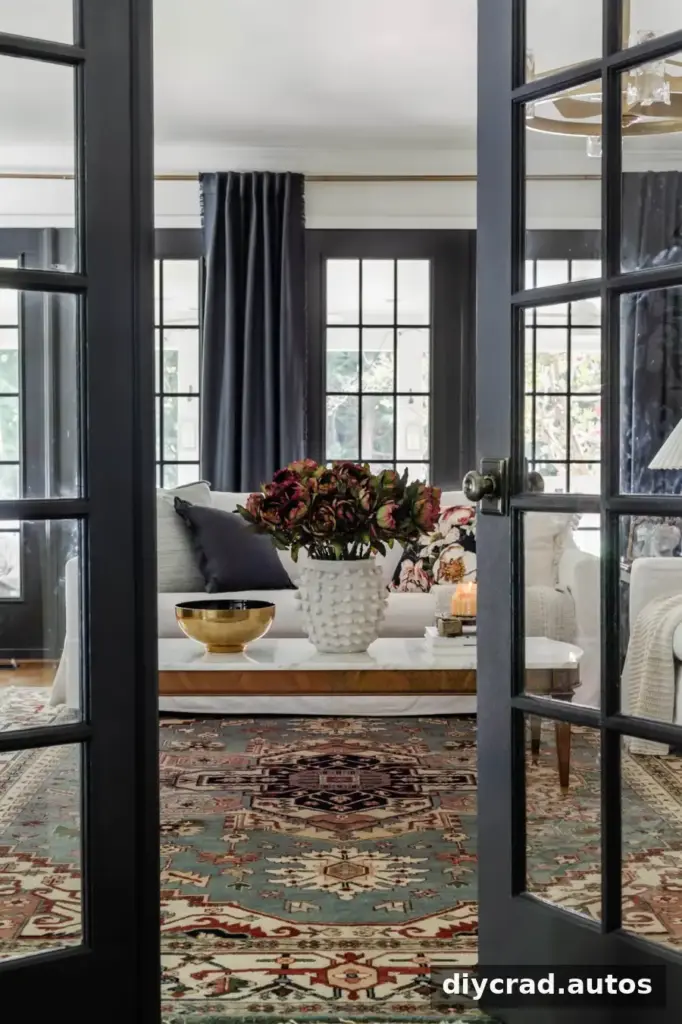
Use your starting piece—such as a rug, artwork, wallpaper, or patterned fabric—as a source of color inspiration. Choose a palette that works with existing items you plan to keep. Neutrals can create a flexible backdrop, while accent colors add contrast and character. A mostly neutral scheme may feel calmer; using more colors can create a bolder effect.
Think about the mood you want and how the room’s natural light may affect colors throughout the day. If you are unsure about a paint choice, test a sample on the wall and observe it in different lighting before committing.
Step 5: Choose Essential Furniture
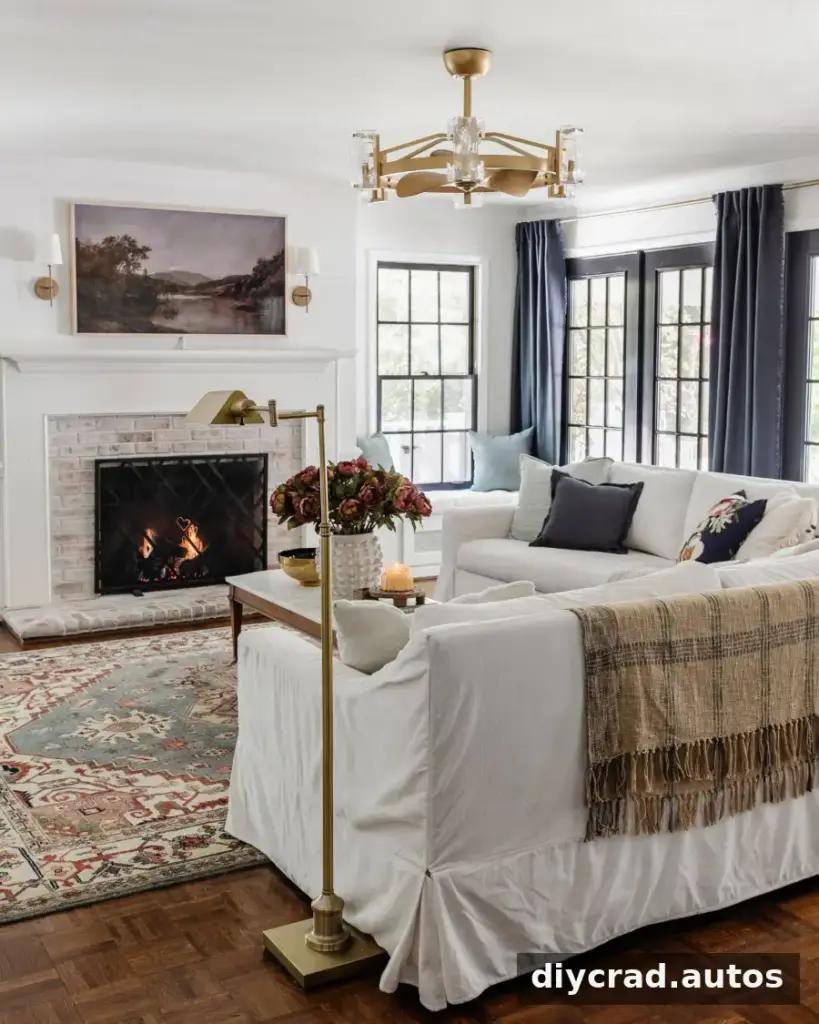
Start with the main pieces the room needs, such as a sofa and coffee table. Add accent chairs if space and your usual activities call for them. Consider scale as well as appearance: furniture should fit the room and leave enough space to walk around comfortably.
Spend according to your priorities. A sofa or chair used every day may warrant more of the budget, while occasional tables and some lighting can often be found secondhand. When buying used, inspect the condition, stability, dimensions, and any signs of damage.
Step 6: Plan the Furniture Arrangement
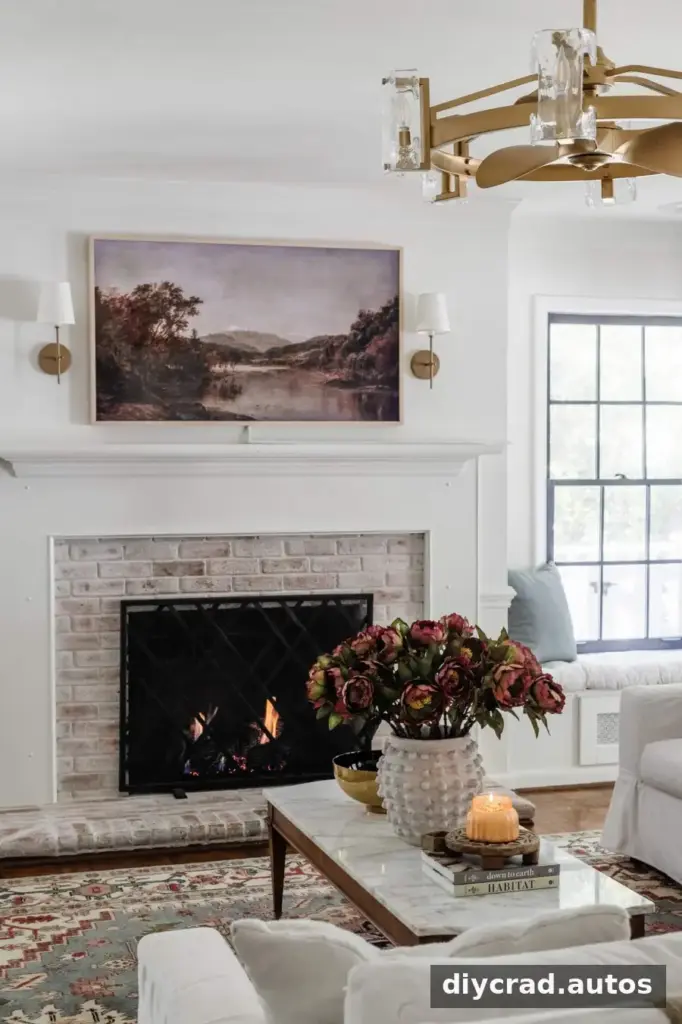
Arrange seating to support conversation and keep important focal points, such as a fireplace or television, in mind. Maintain clear routes between doorways and frequently used areas. If the first layout does not feel right, try another before settling on it.
Practical tip: Use painter’s tape to mark furniture footprints on the floor. This provides a simple way to judge spacing and traffic flow before moving heavy pieces.
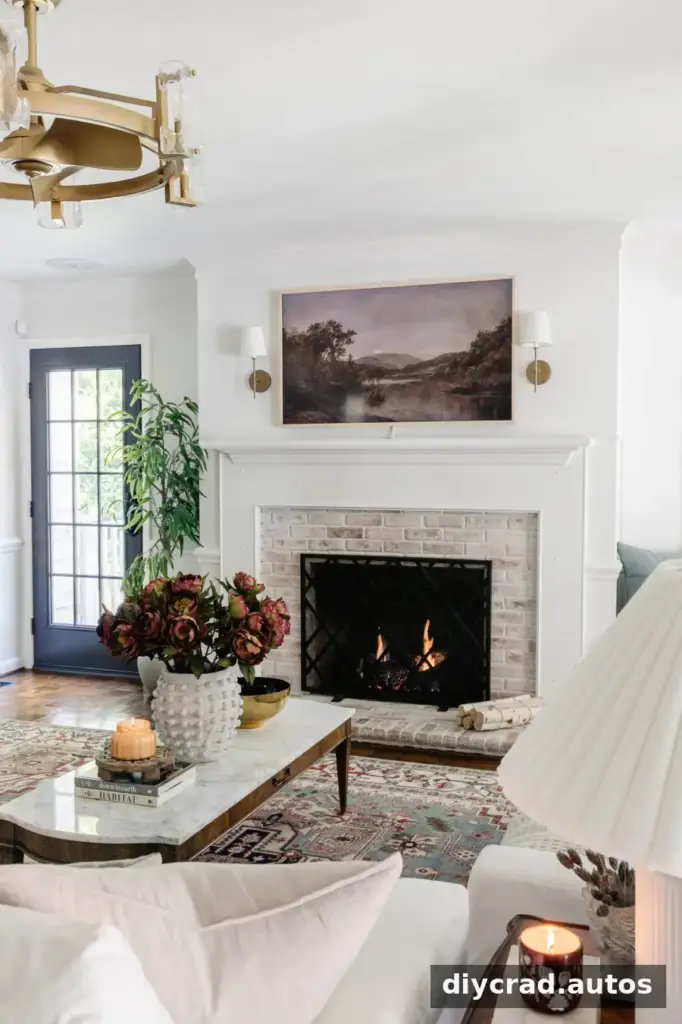
Step 7: Layer the Lighting
Use more than one kind of light to make the room comfortable for different activities. Overhead lighting provides general illumination, while table or floor lamps can support reading and create a softer atmosphere. Place task lighting where it is useful, such as beside a chair used for reading.
If possible, use bulbs with a consistent color temperature to keep the lighting from feeling visually disjointed. For safety, keep cords out of walkways and follow the fixture’s instructions.
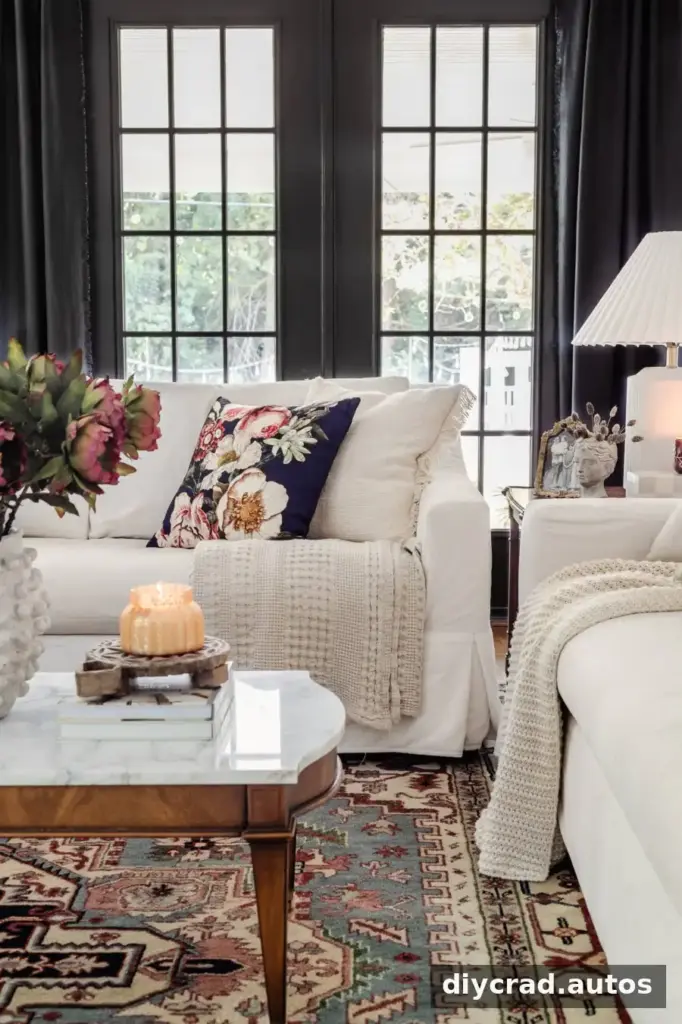
Step 8: Add Accessories and Personal Details
Accessories can bring warmth and help tie the room’s colors together. Consider pillows, throws, window treatments, rugs, and wall decor. Combining different textures can add interest, but repeating a few colors or materials will help the mix feel intentional.
Style surfaces with a small selection of objects rather than filling every available space. On a coffee table, varying the height of a few items can create a balanced display. Leave enough clear space for everyday use.
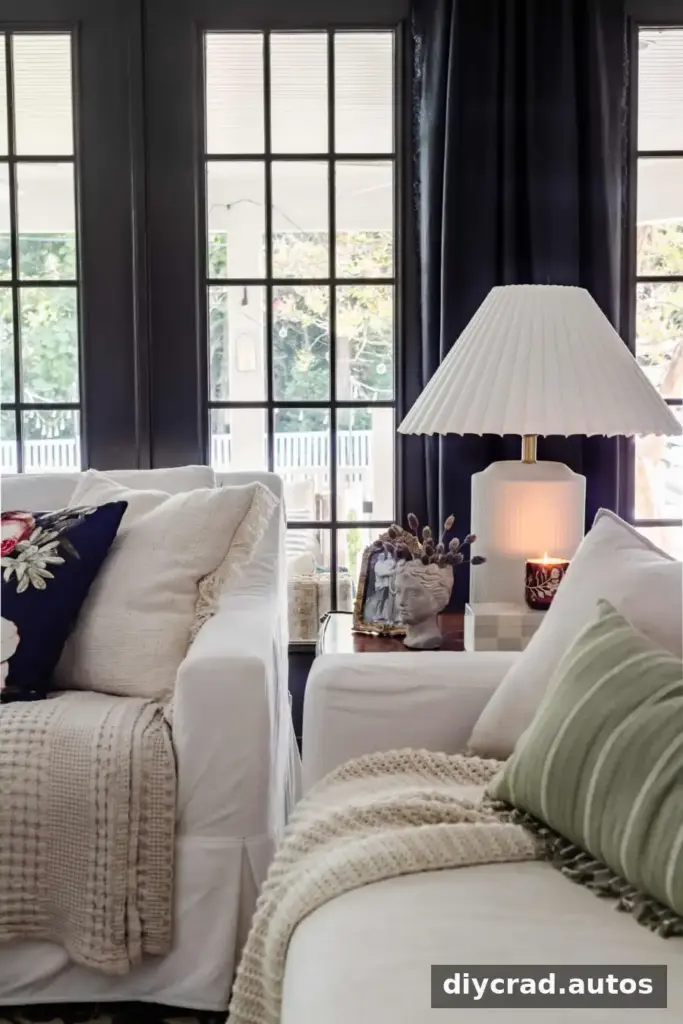
Decorating takes time, and it is fine to make decisions gradually. Live with the main furniture arrangement before adding every accessory, then adjust the room based on how it works in daily life. The goal is a comfortable living room that reflects your preferences and supports the way you use it.
Why a Room Can Take Time to Come Together
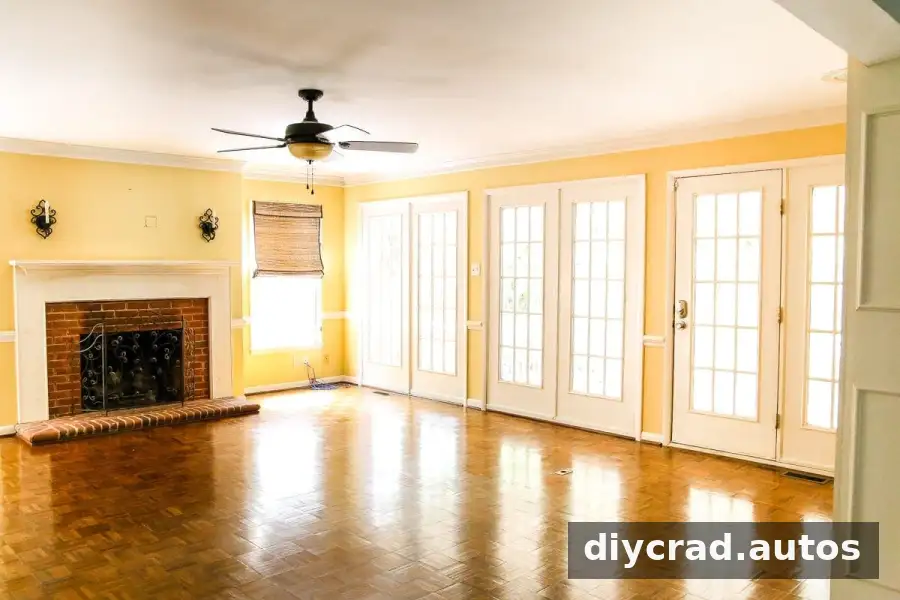
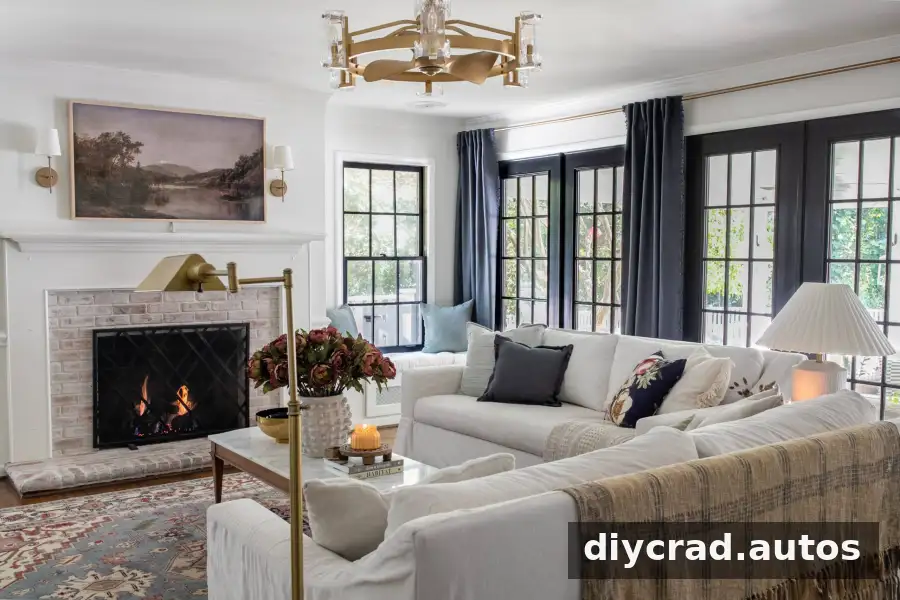
A finished-looking living room does not always happen in one project. Furniture, colors, and accessories may change over time as needs and preferences evolve. A before-and-after comparison can show how a room develops through a series of considered updates rather than a single makeover.
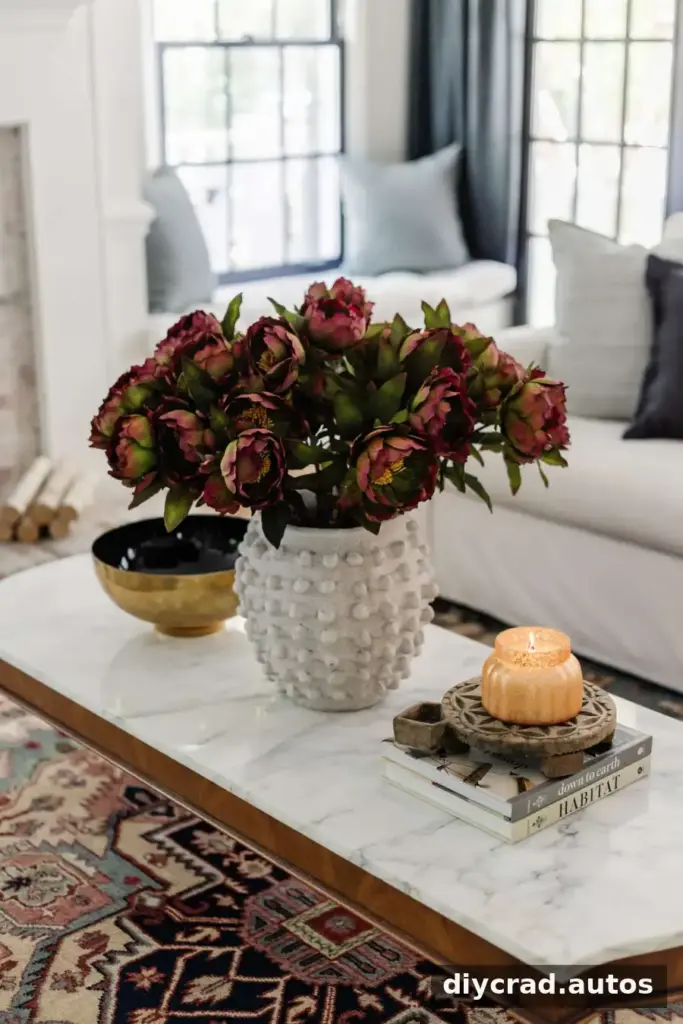
Color and Decor Details
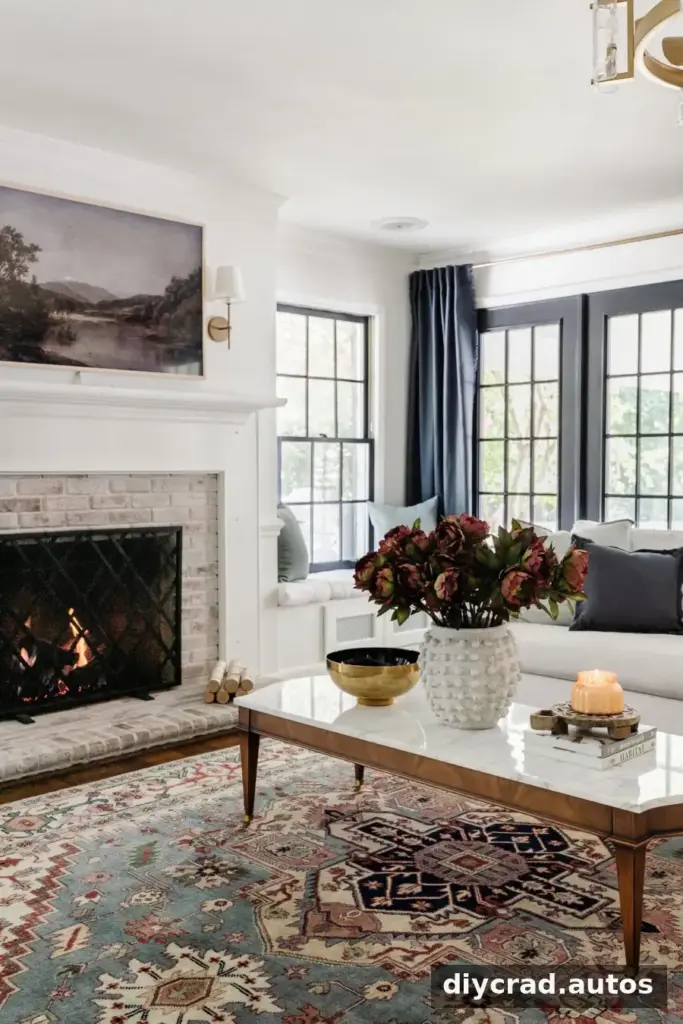
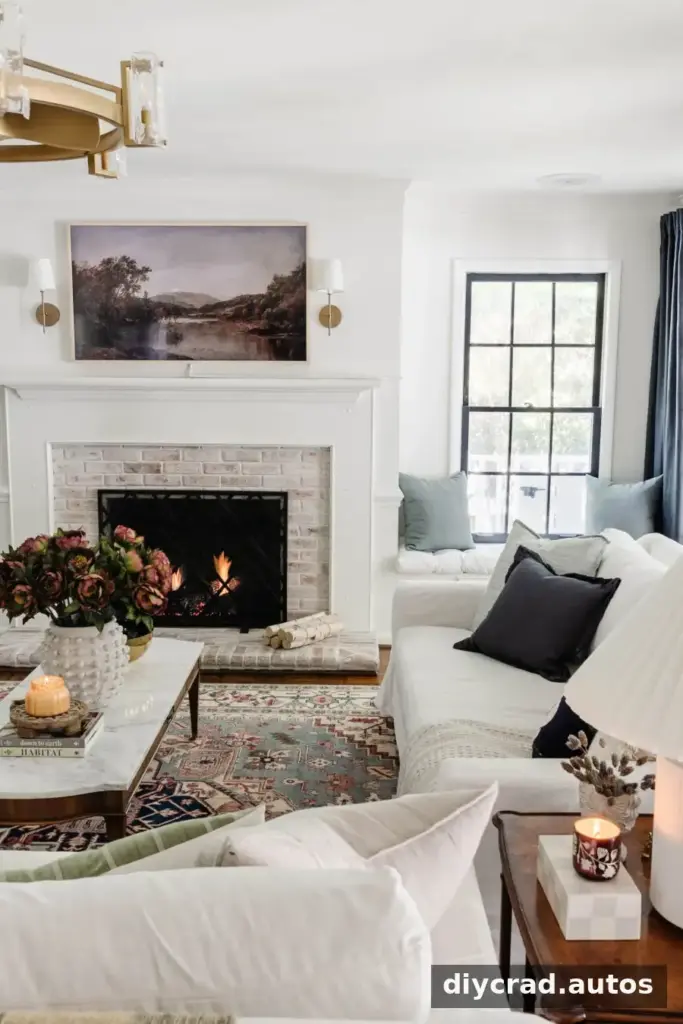
One example of a light, flexible palette combines Swiss Coffee walls and Simply White trim with Wrought Iron on doors and windows. These shade names can help describe the look of the room; test paint samples in your own space, since natural and artificial light can affect how a color appears.
Other details that can contribute to a layered living room include linen curtains, a vintage-style rug, varied table and floor lighting, textured pillows, and natural-looking greenery. Choose pieces that suit your room’s measurements and maintenance needs rather than adding items simply to fill space.
Conclusion
The simplest way to understand how to start decorating a living room is to work in a useful order: define your style, set a budget, measure the space, choose a palette, and plan essential furniture before adding lighting and accessories. Begin with a piece that inspires you, make practical decisions around your everyday needs, and let the room develop at a comfortable pace.

