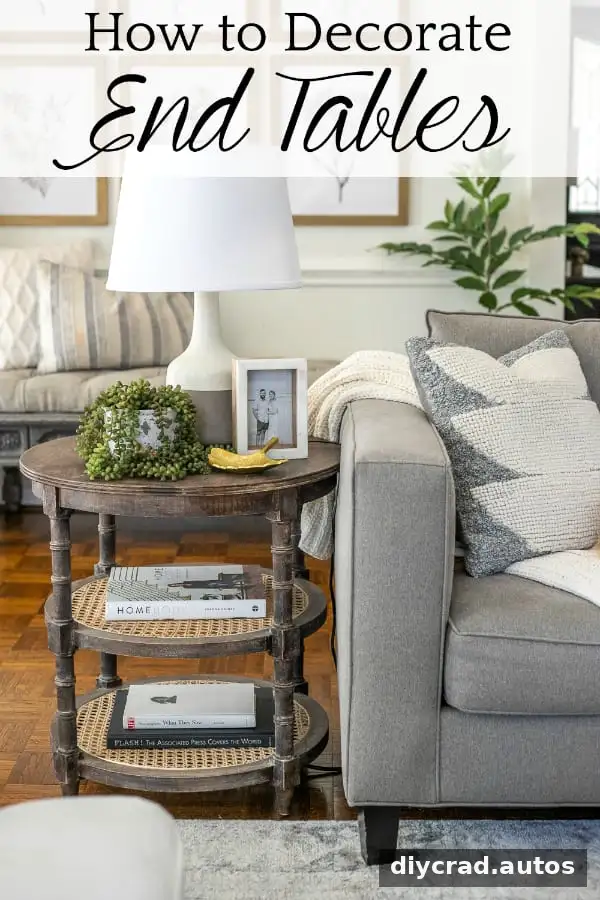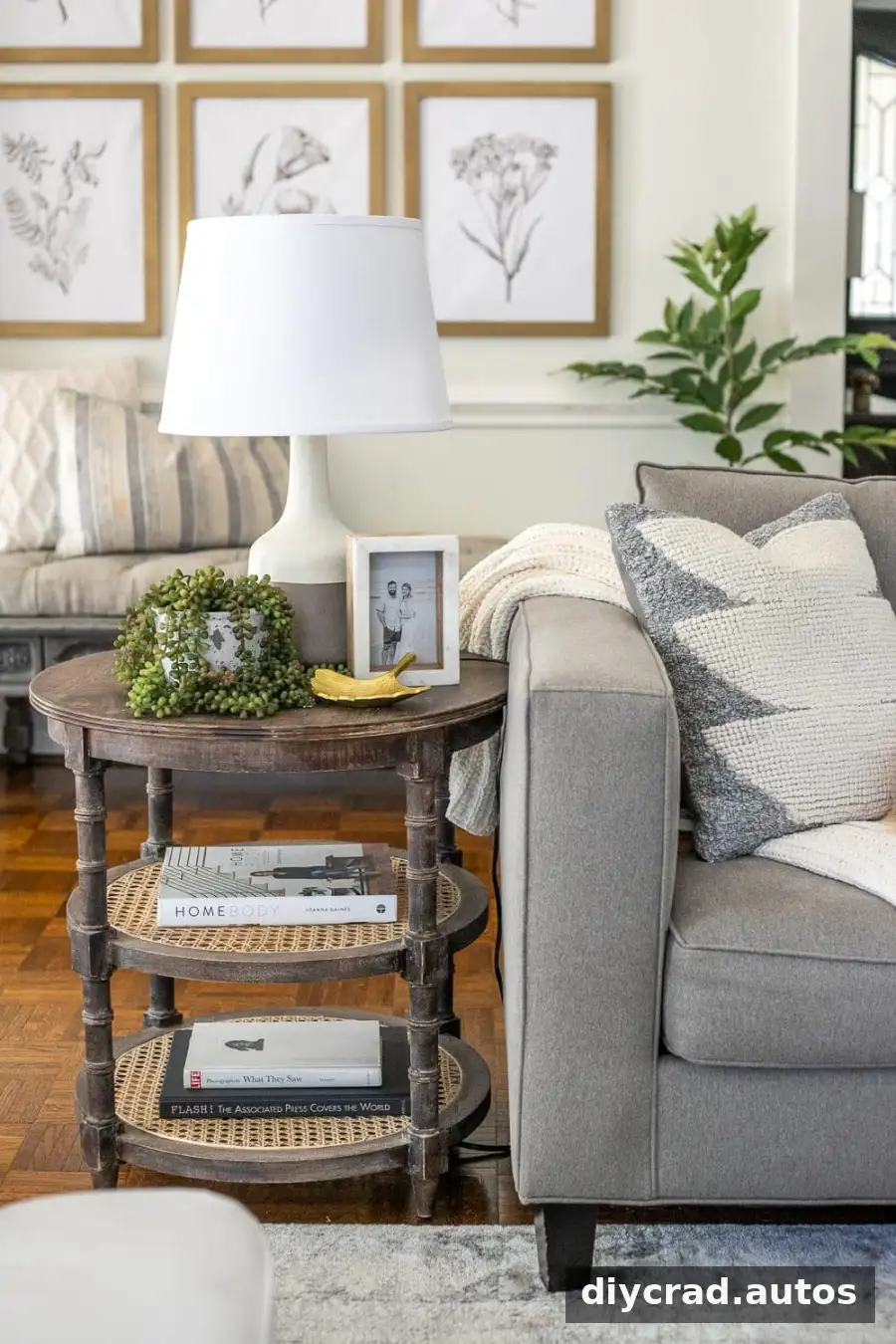
Thoughtful end table decor ideas can make a living room feel more finished while keeping everyday essentials close at hand. The key is to balance useful items with a few decorative accents, rather than filling every inch of the surface. These simple styling principles work for different table shapes, furniture styles, and room sizes.
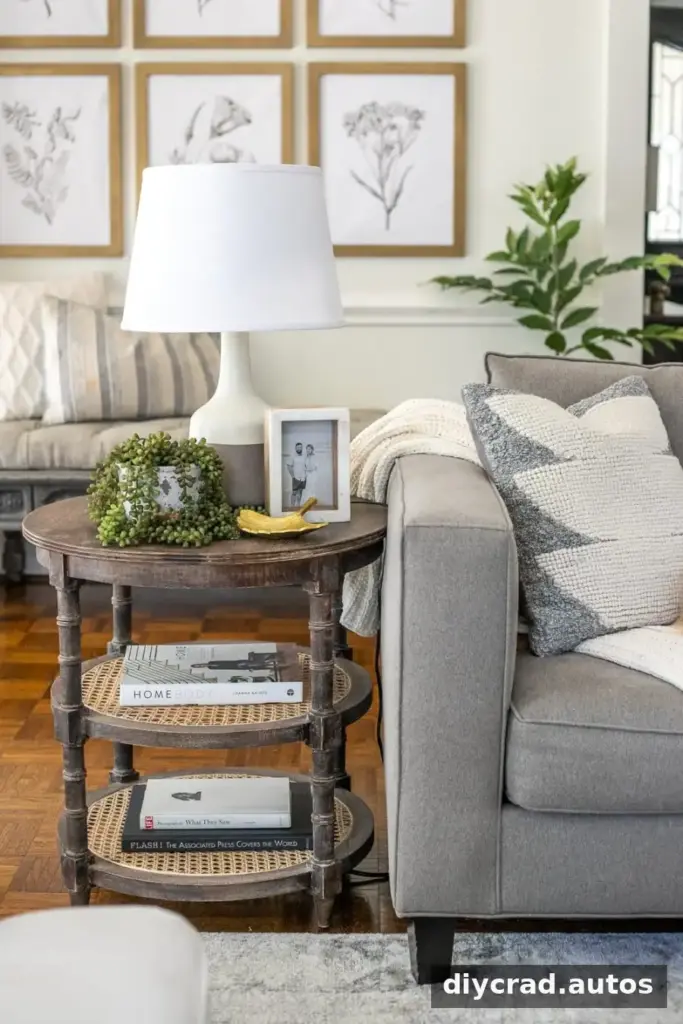
Simplified Decorating
Styling a small surface can feel surprisingly difficult: a table needs to look considered, but it also has to serve a purpose. Starting with a few basic guidelines makes decisions easier and helps prevent clutter.
End tables are a practical place to begin because they are usually compact and have a clear role beside a sofa or chair. Before adding accessories, consider who uses the seating area and what they need within reach. That practical check helps guide the look as well as the layout.
Why End Table Decor Can Be Tricky
A well-styled end table should feel attractive without getting in the way of a drink, a book, or a lamp. Too many small objects can make the surface look busy, while a single low item may leave it feeling unfinished.
Use the table’s size and its location as your guide. A narrow table beside a frequently used seat needs more open space than a larger table in a quiet corner. Keep anything fragile or easy to knock over away from the edge, especially in a busy household.
5 End Table Decor Ideas for a Balanced Look
1. Keep the arrangement simple
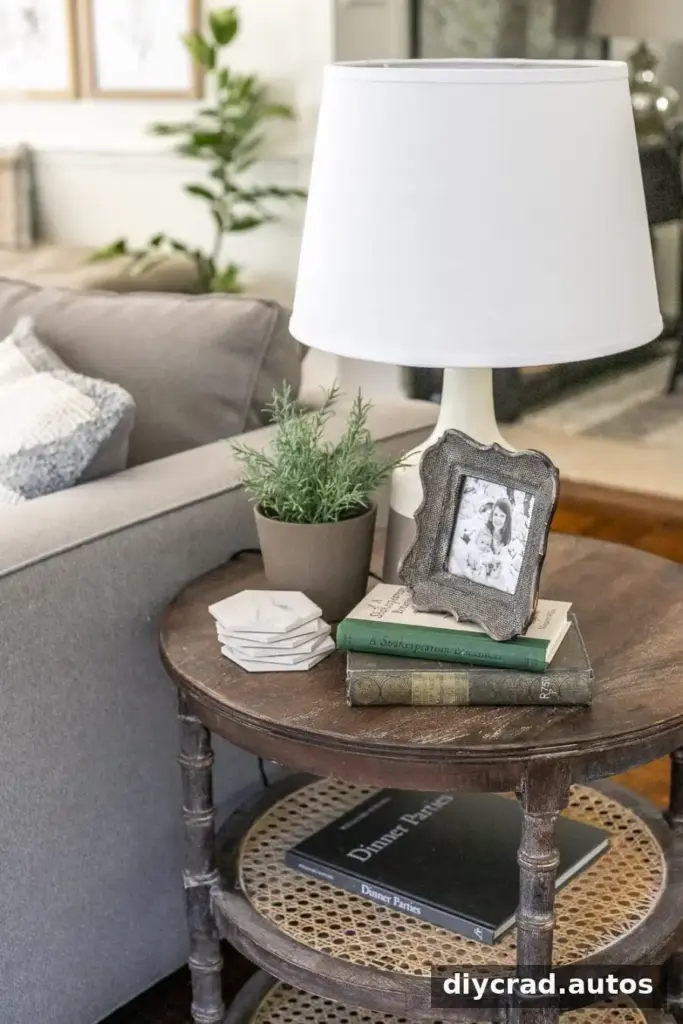
As a starting point, style the table with three to five items at most. An arrangement of three can be an easy way to create a sense of balance, but it is a helpful guideline rather than a strict rule. Count a small group of objects as one visual arrangement—for example, a frame placed on a stack of books.
Practical tip: Begin with fewer pieces than you think you need, then add only what improves the balance or serves a purpose.
2. Make room for everyday essentials
Think about what you regularly reach for when sitting nearby. Coasters and a table lamp may be enough; other items can be decorative. Leave a clear spot for a cup or anything else you commonly set down.
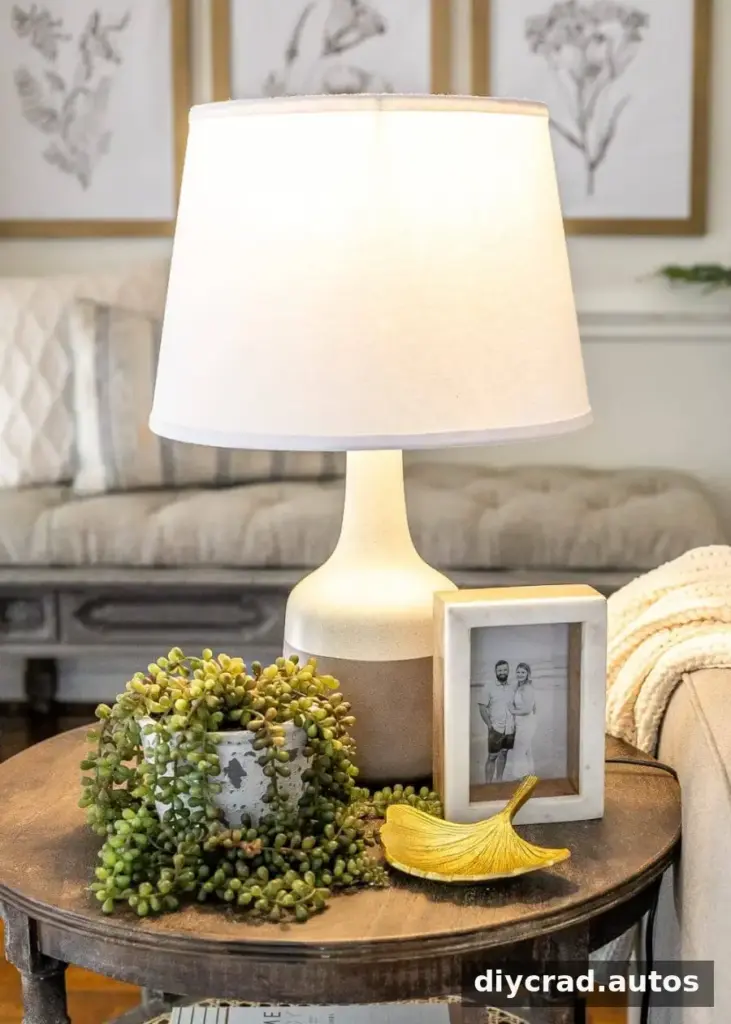
3. Add a natural element
A small plant, a vase, or fresh flowers can add color and texture to a tabletop. Choose a size that suits the available space, and take light and watering needs into account if you use a live plant. If the table is very small, a single stem or compact arrangement can provide a natural accent without taking over.
4. Use books to vary the height
When two decorative objects are similar in height, the arrangement can look flat. A short stack of books can raise one object and create more variation. Make sure the stack is stable and does not block access to useful items.
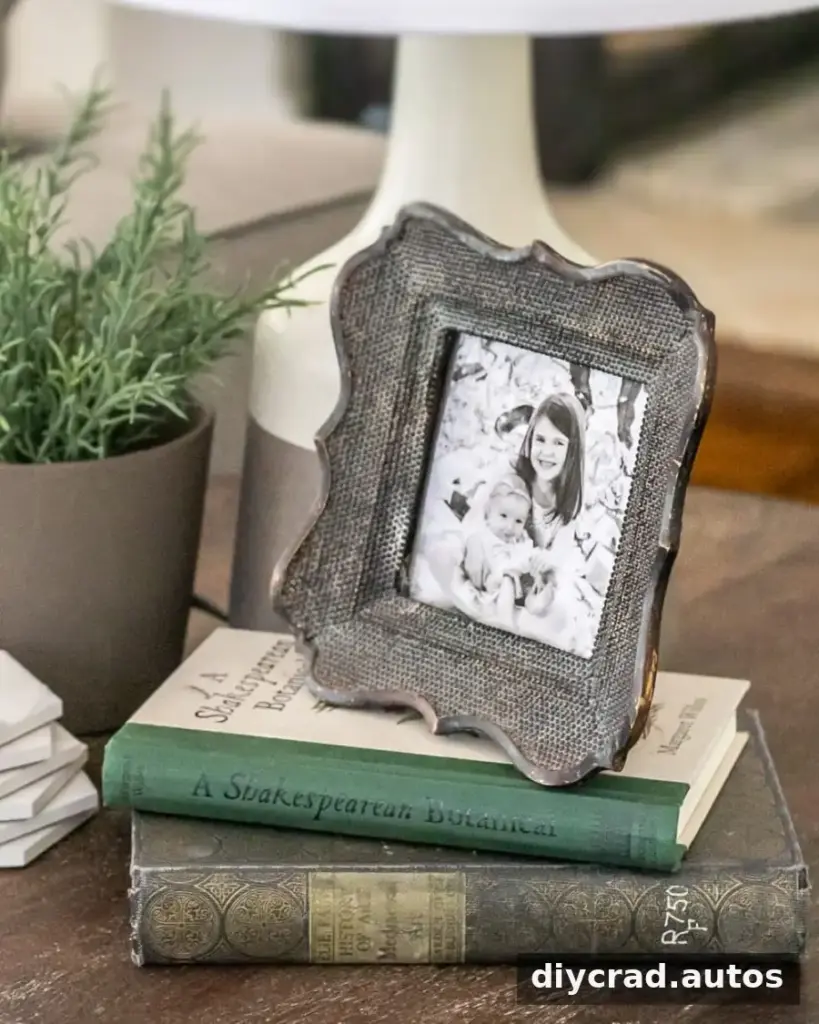
5. Arrange objects in a visual triangle
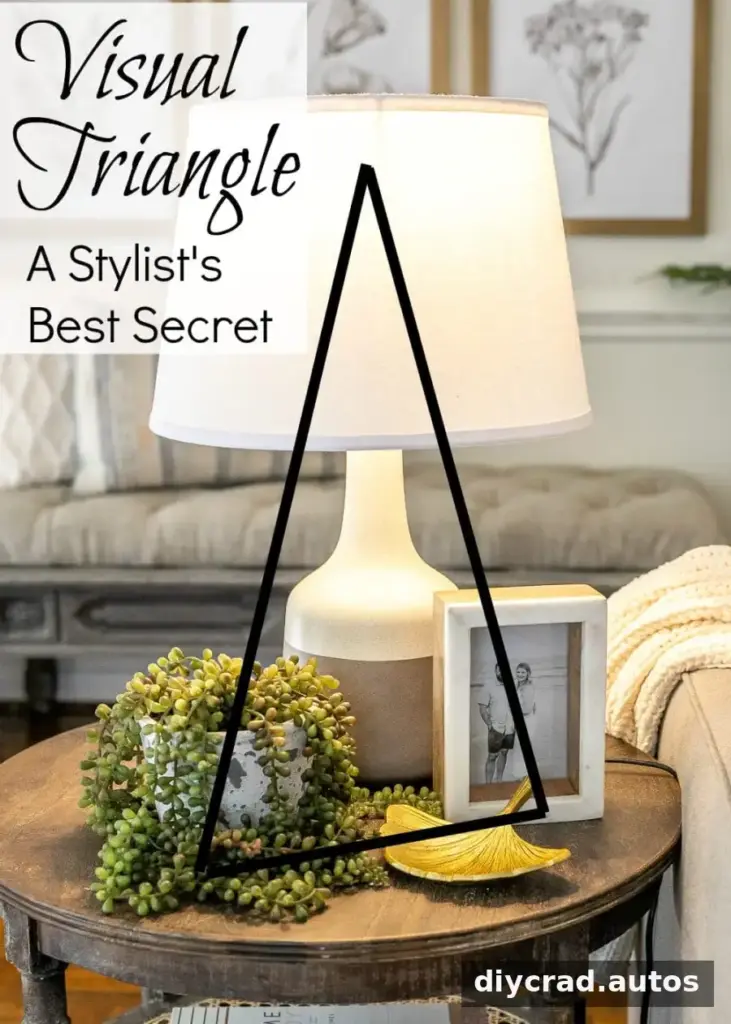
Try positioning objects at different heights so the overall arrangement suggests a triangle. For instance, a taller lamp or vase can anchor one side, while a lower dish and a medium-height object create the other points. This is a flexible styling guide, not a rule that requires exact measurements.
Useful Items to Include on an End Table
Choose accessories based on how the table is used. A few well-selected pieces are often more useful and attractive than a collection of items that compete for space.
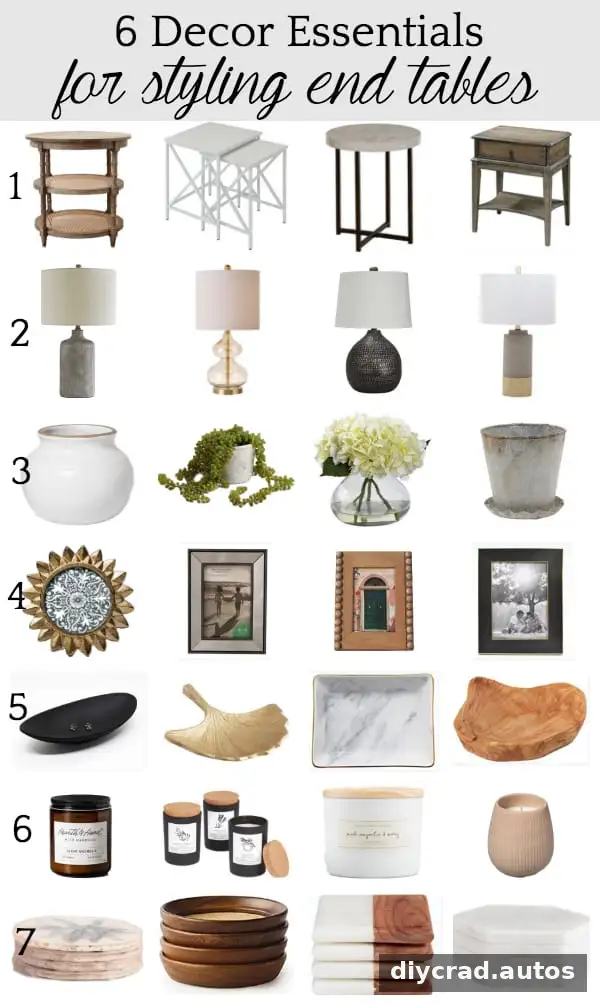
Table lamp
A lamp provides focused light for reading or relaxing. Check that its base fits securely on the table and that the shade does not obstruct movement around the seating area. If there is no convenient place for a lamp, use another item to add height, such as a suitably sized plant.
Coasters
A coaster set protects the tabletop from drink rings and keeps a practical accessory close by. Store the coasters together so they are easy to find and do not spread across the surface.
Planter, vase, plant, or flowers
A natural accent can soften a mix of furniture and accessories. Use a stable container and avoid placing water-sensitive objects directly beneath a vase or planter.
Picture frame
A frame adds a personal touch. A smaller frame can sit beside other accessories, while a larger one may work best as the main decorative feature on a less crowded table.
Small dish or bowl
A shallow dish can hold small everyday items such as loose change or jewelry. Keeping these objects in one container helps the tabletop look tidier.
Candle
A candle can add a decorative accent. A versatile scent can be used throughout the year, and a stable, heat-safe position keeps it away from the table’s edge and other objects. Never leave a lit candle unattended.
Common Questions About End Table Styling
How do you style an end table without a lamp?
Use a taller plant, vase, or another suitable object to add height. Keep enough open space for the table’s everyday purpose, and choose an item that fits the scale of the surface.
Do end tables need to match?
No. Matching tables can create a coordinated look, but different styles can also feel intentional. To connect mismatched tables, repeat a color, material, or shape elsewhere in the room.
How close should an end table be to a couch?
Place it close enough to reach comfortably from the seat. As a general guide, the tabletop can be within about two inches of the sofa arm’s height, either slightly higher or lower. Check the fit from a seated position and make sure the table does not block a walkway.
Ultimately, the best end table decor ideas combine a clear surface, useful essentials, and a small number of accents that suit the room. Start with what you need, vary the heights, and edit anything that makes the table harder to use.