Knowing how to choose the right rug can make a room feel more comfortable, coordinated, and practical. The best option depends on the room’s size, how the space is used, and how much wear the rug will receive. Use this guide to compare rug sizes, materials, and styling ideas for common areas of the home.
How to Choose the Right Rug for Each Room
Entryways
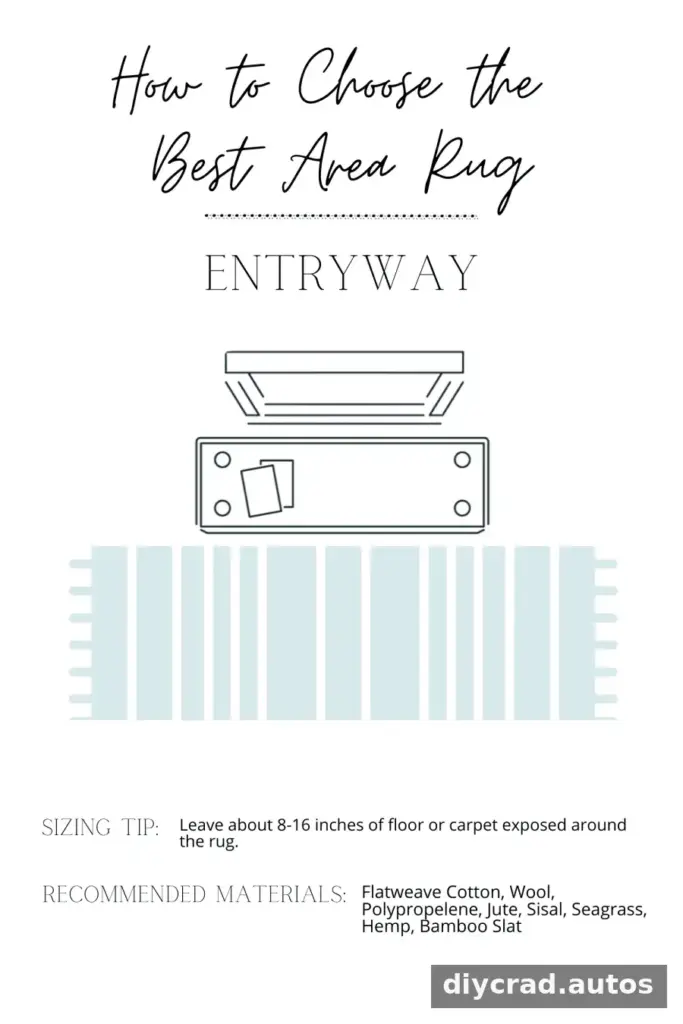
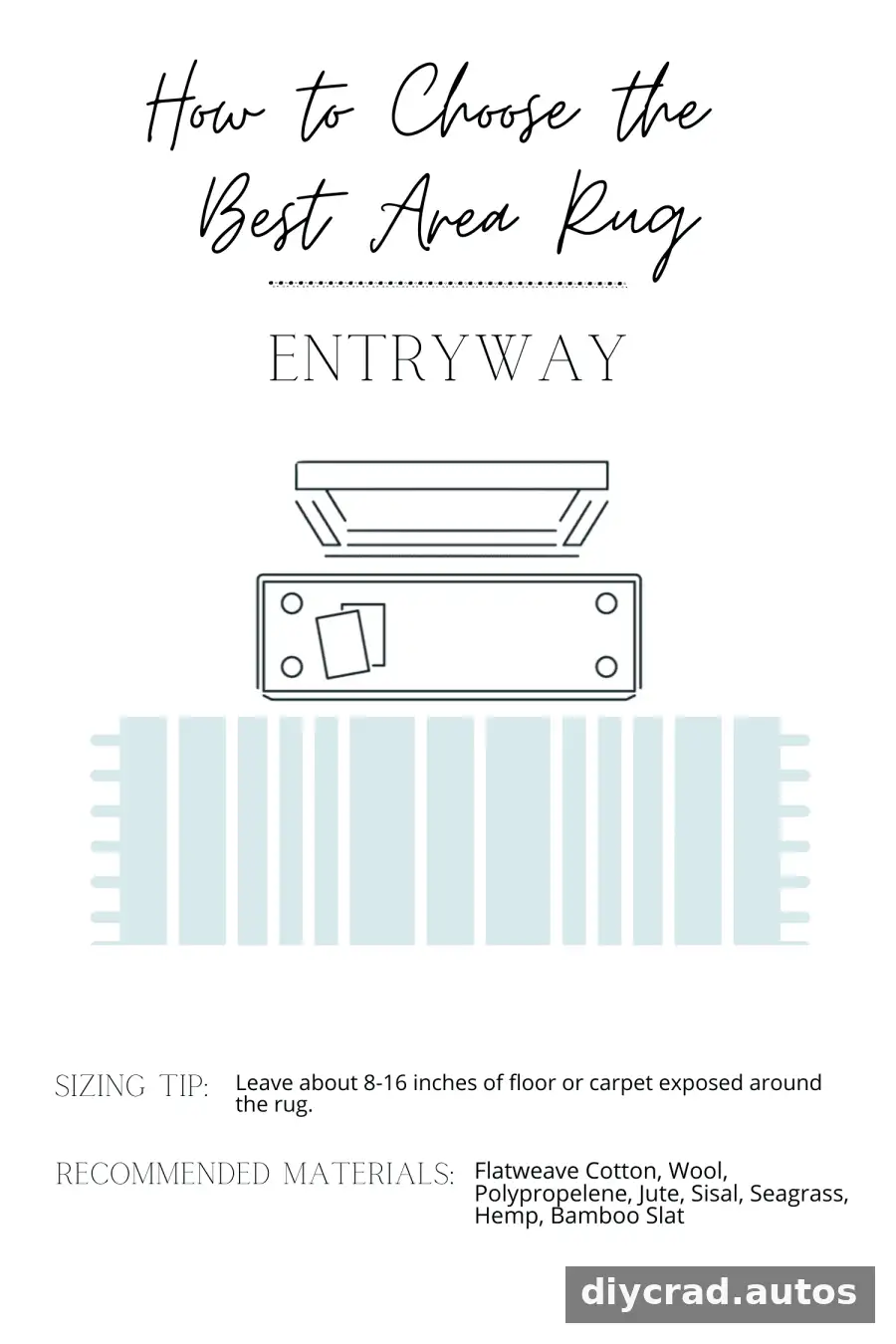
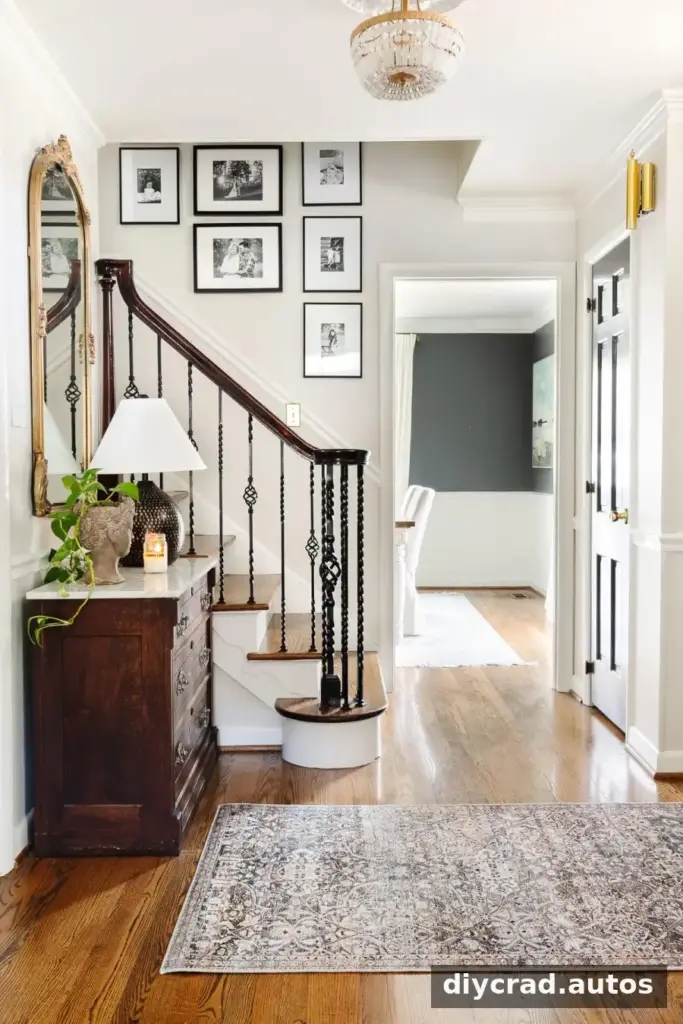
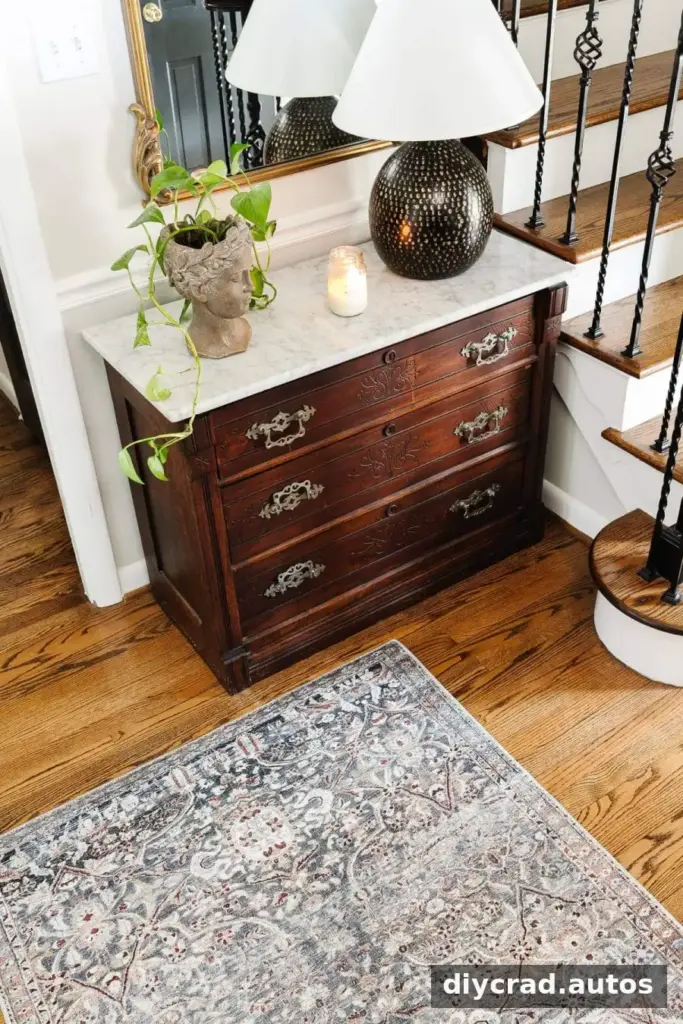
An entryway rug should fit the available floor space without crowding the door or nearby furniture. As a starting point, leave about 8–16 inches of exposed floor around the rug. Check that the rug does not interfere with the door opening or create a raised edge that people could trip over.
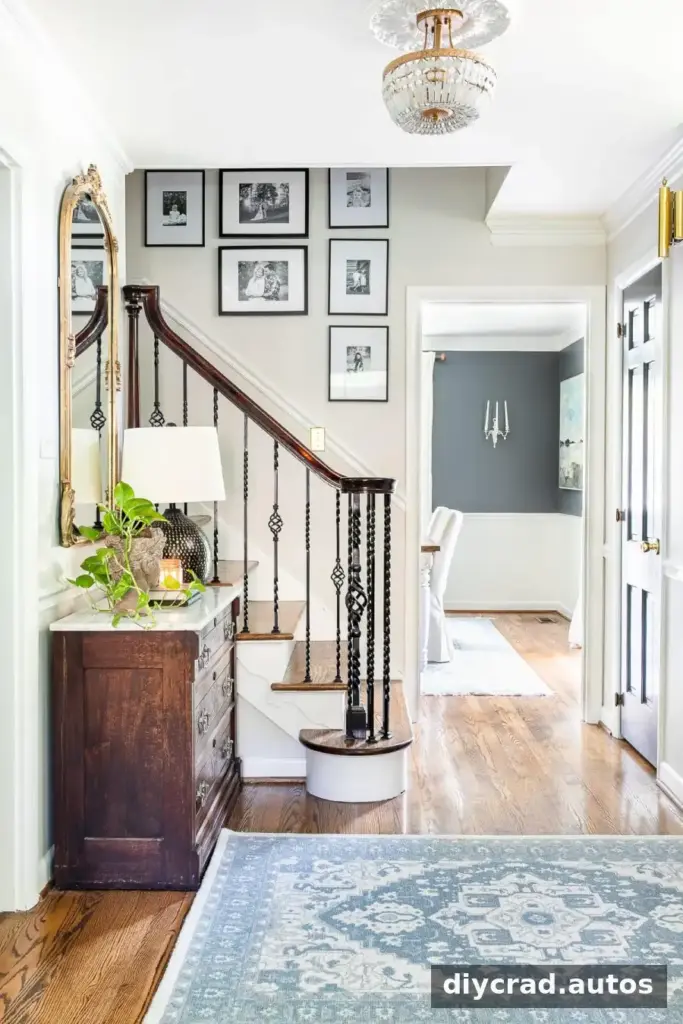
A 3×5 rug can work well in a suitably sized foyer. For busy entrances, consider durable materials such as cotton flatweaves, wool, polypropylene, or natural fibers including jute, sisal, seagrass, hemp, and bamboo slat. Wool can resist stains but may shed, while a flatweave can be easier to clean. Colorful patterns can also help disguise everyday marks between cleanings.
Dining Rooms
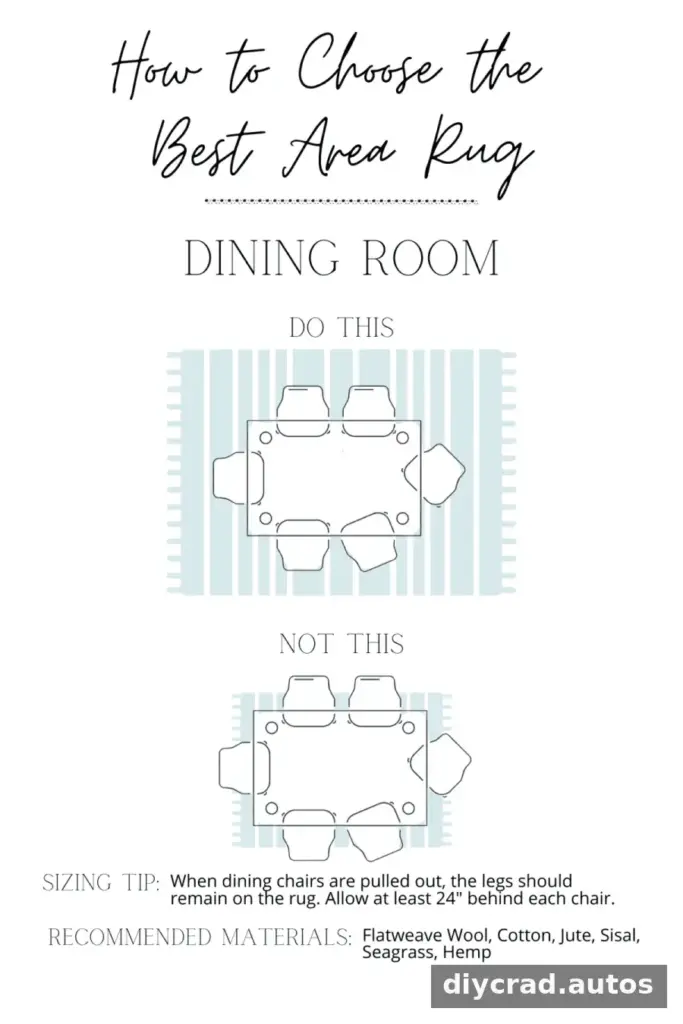
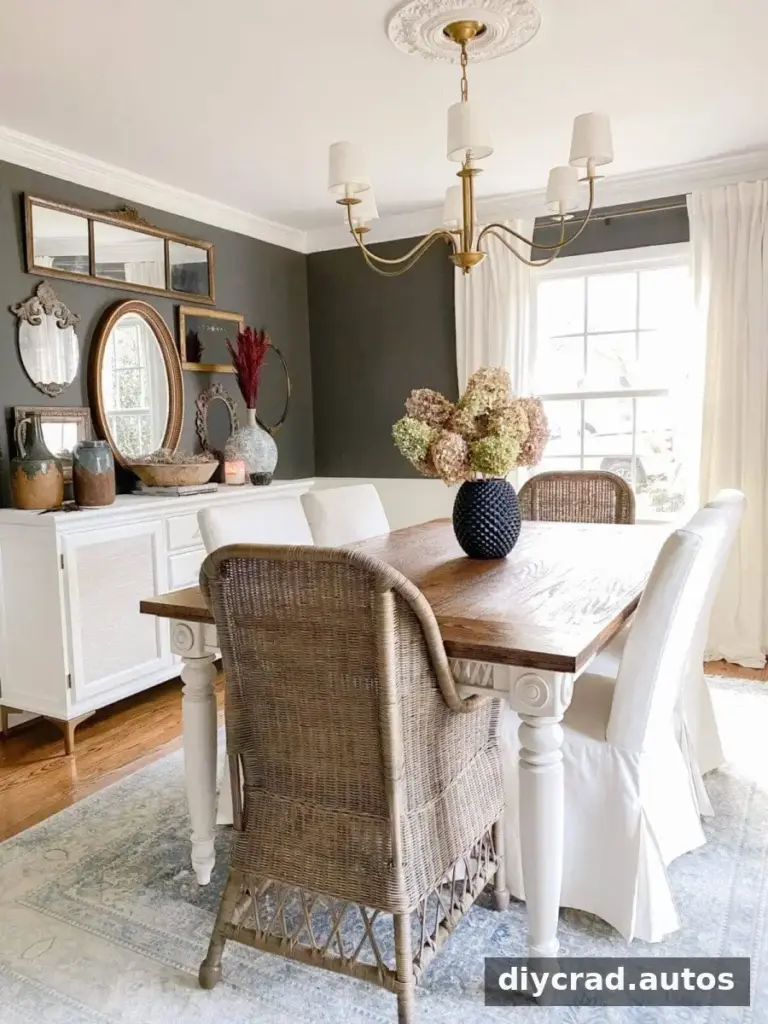
Choose a dining room rug large enough for chairs to remain on the rug when they are pulled back from the table. If chair legs catch on the edge, the rug may be too small and can be inconvenient during meals.
A 6×9 rug was used in a breakfast nook, while an 8×10 rug was used in a dining room. Both rectangular and square rugs can work beneath a round table; choose a shape that suits the table and the proportions of the room.
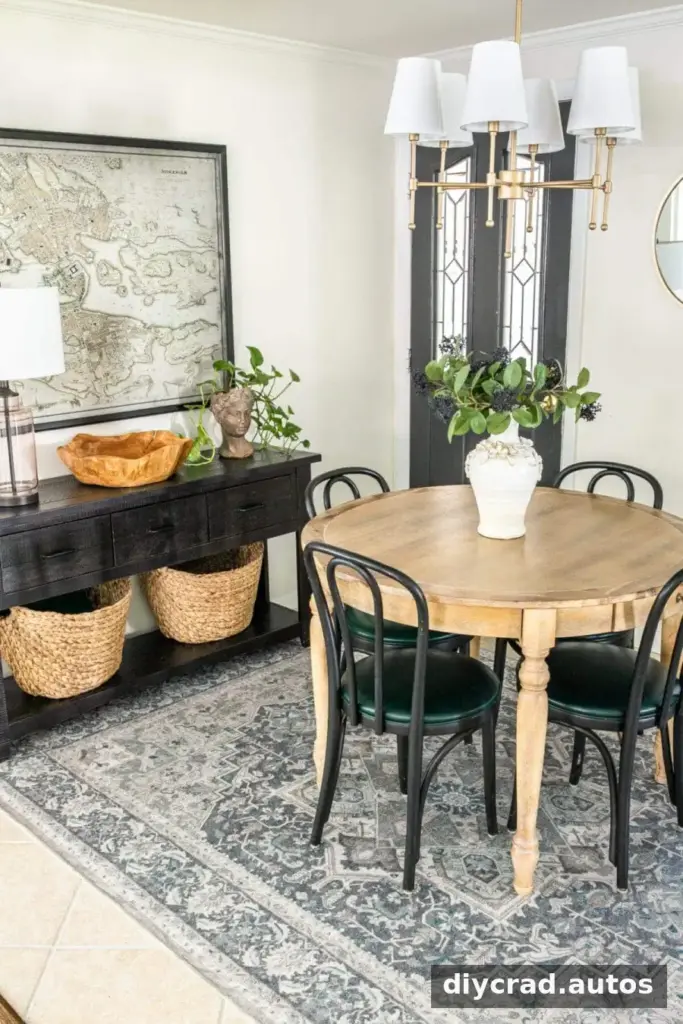
Flatweave and low-pile rugs are practical under dining tables because chair legs are less likely to snag on them. Look for a material and finish suited to spills, and check the care instructions before buying. Options mentioned for dining areas include wool, cotton, jute, sisal, seagrass, hemp, and bamboo slat.
Living Rooms
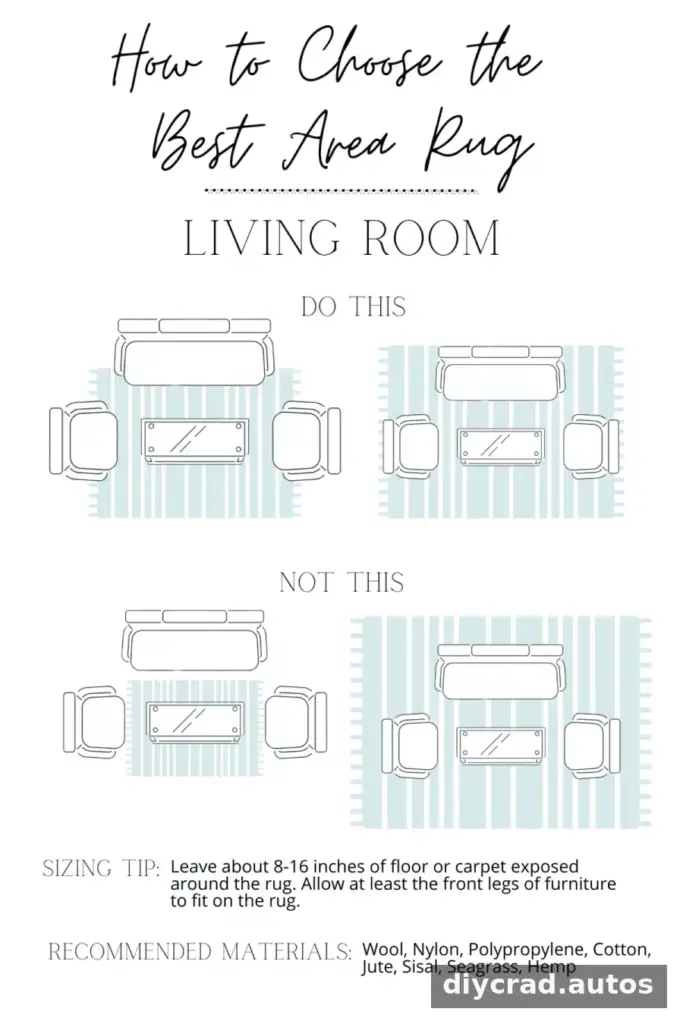
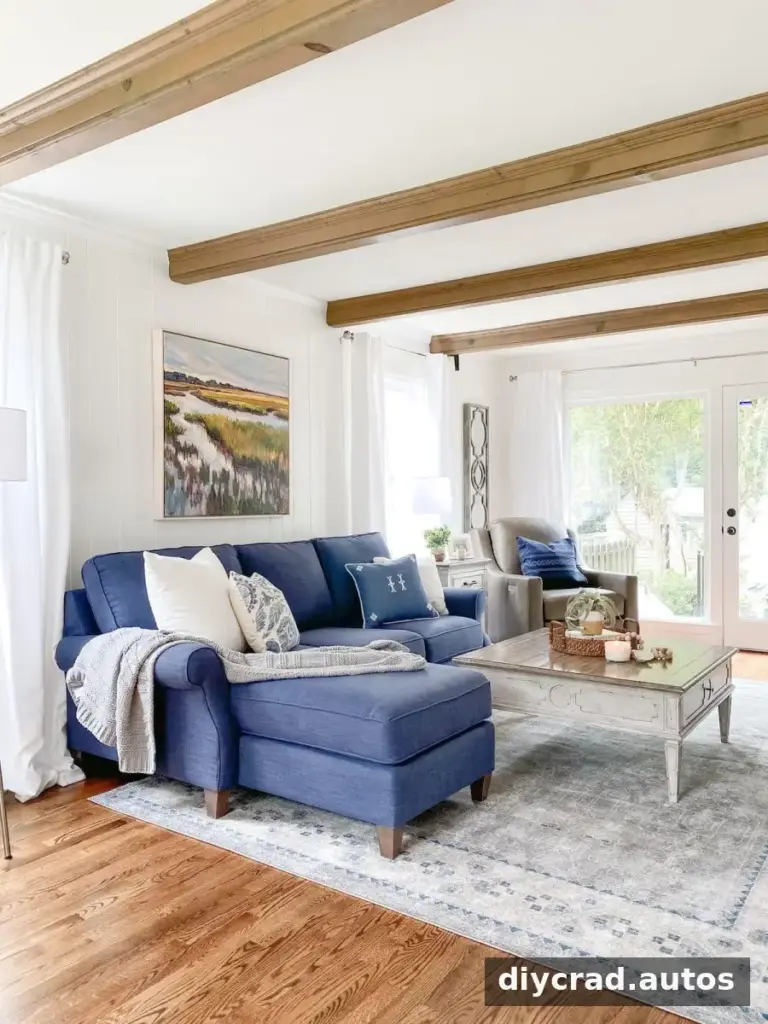
In a living room, a rug should help connect the seating area. Ideally, the front legs of the furniture sit on the rug. If your current rug is too small to accommodate them, consider a larger size or layer the smaller rug over a larger natural-fiber rug.
A 9×12 rug was used in a spacious living room, while an 8×10 rug suited a narrower room. Treat these as examples rather than fixed rules: measure the seating area and consider how much bare floor you want to show around the rug.

Flatweave, low-pile, and high-pile styles can all suit a living room, depending on the look and feel you want. For regular use, consider wool, nylon, polypropylene, cotton, jute, sisal, seagrass, or hemp. Think about foot traffic and cleaning needs as well as appearance.
Bedrooms
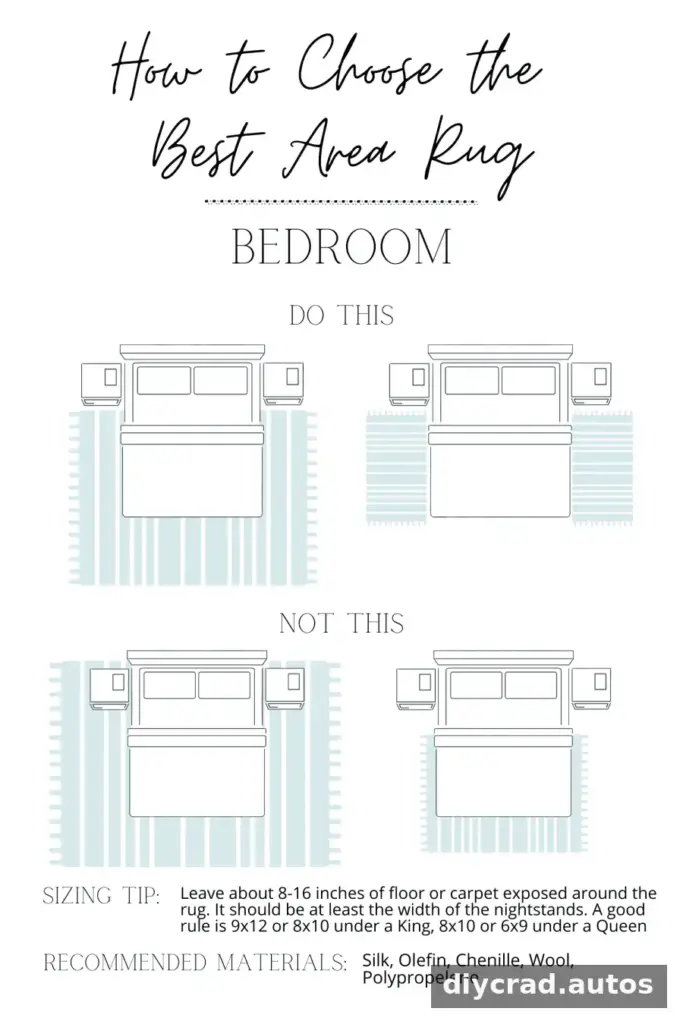
Bedrooms often have less foot traffic than entryways or kitchens, so a softer rug may be suitable. Silk, olefin, and chenille are options for a softer feel; wool and polypropylene are other possibilities.
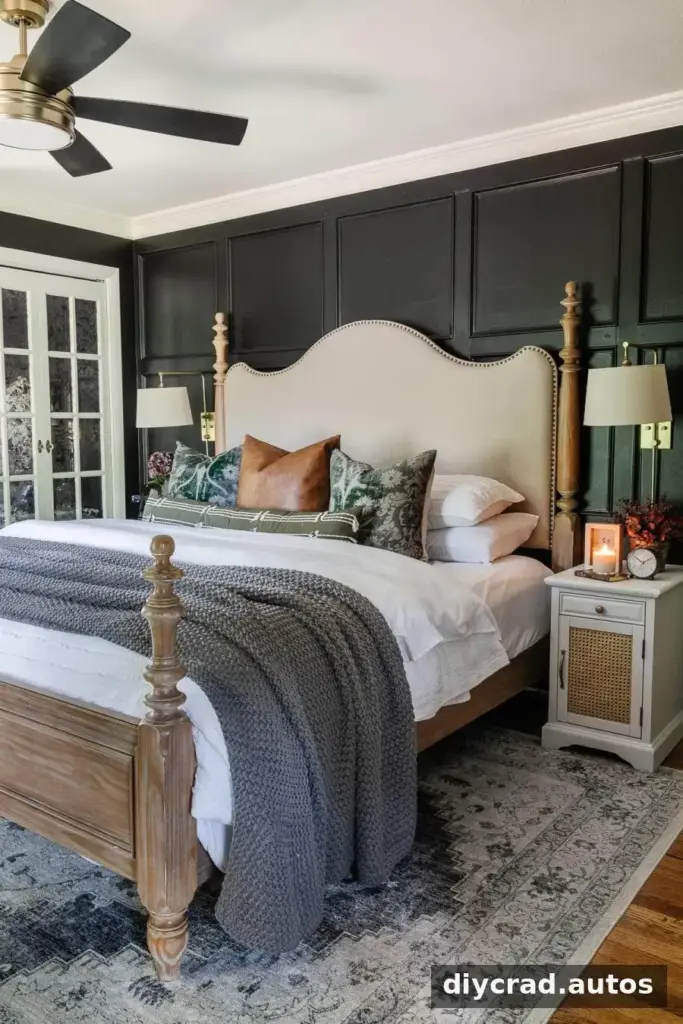
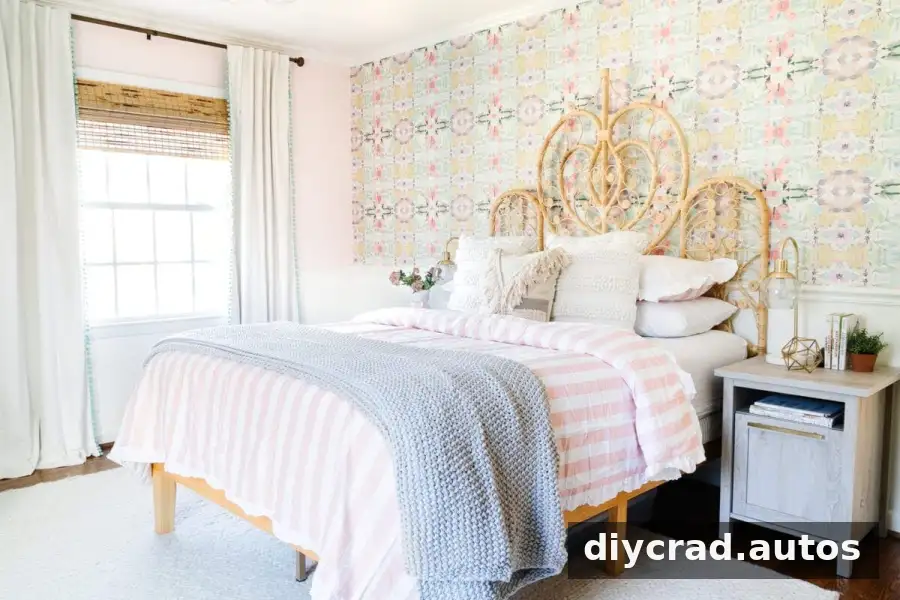
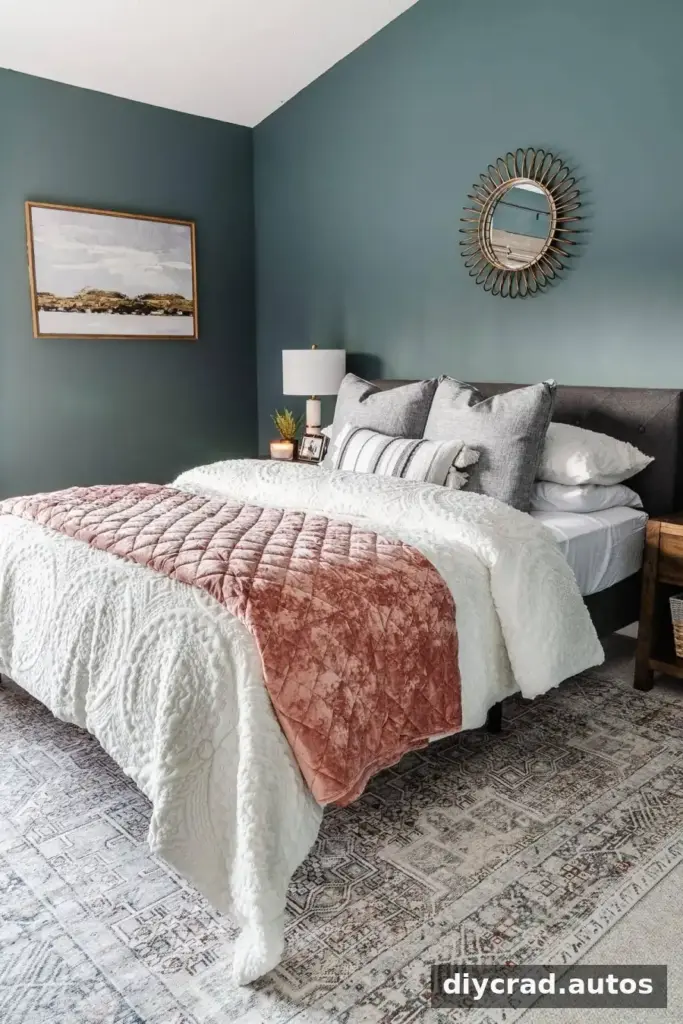
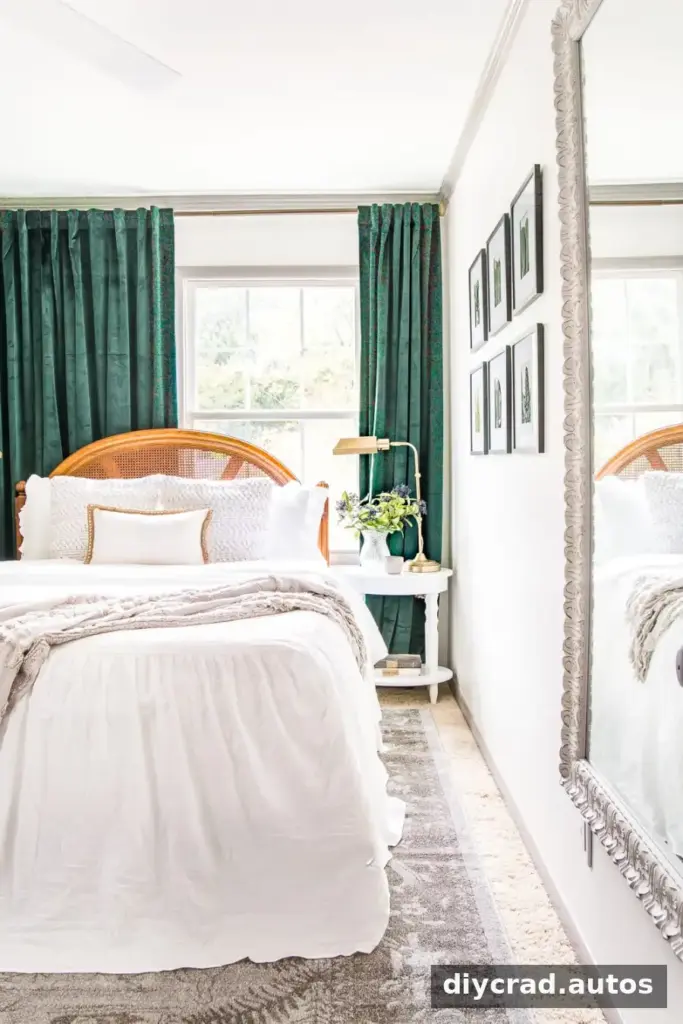
An 8×10 rug can be used beneath a king bed in a smaller bedroom or beneath a queen bed. Examples include an 8×10 braided wool rug under a queen bed and 8×10 rugs in other queen-bed rooms. Measure the bed and available floor space before choosing, and consider where you want the rug to extend around the bed.
Doorways and Porches
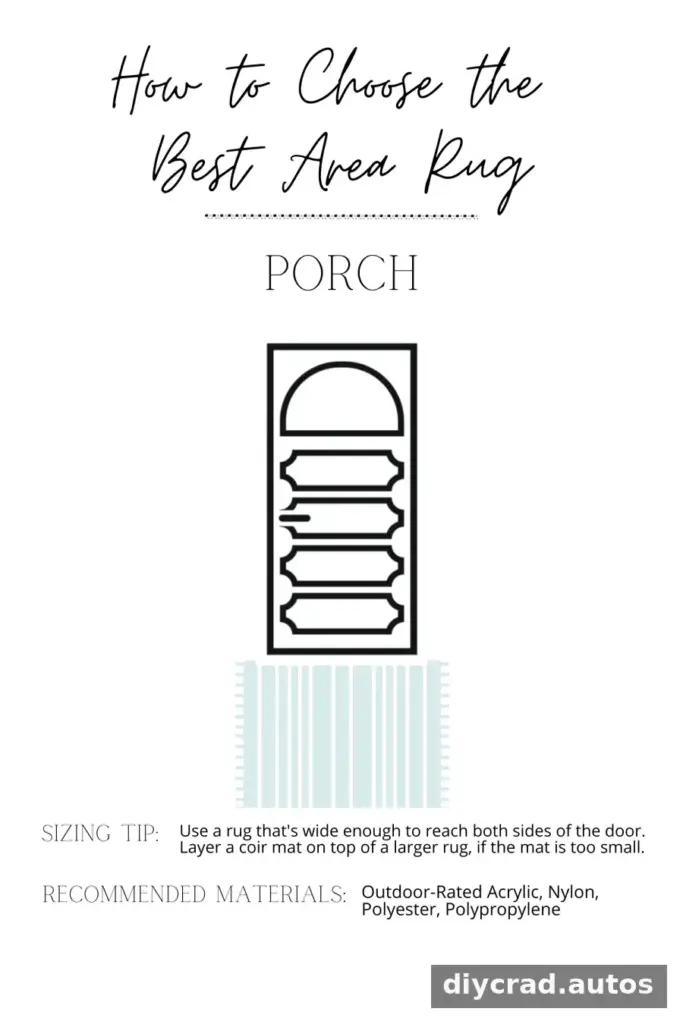
For an exterior doorway or porch, choose a rug wide enough to span the door area and made for outdoor use. Layering rugs can add texture and define the entrance, but make sure the layers lie securely and do not obstruct the doorway.

A patterned or stenciled porch floor can also create visual interest without a rug. If you use an outdoor rug, check its care and weather guidance so it is suitable for the conditions where it will sit.

Kitchens
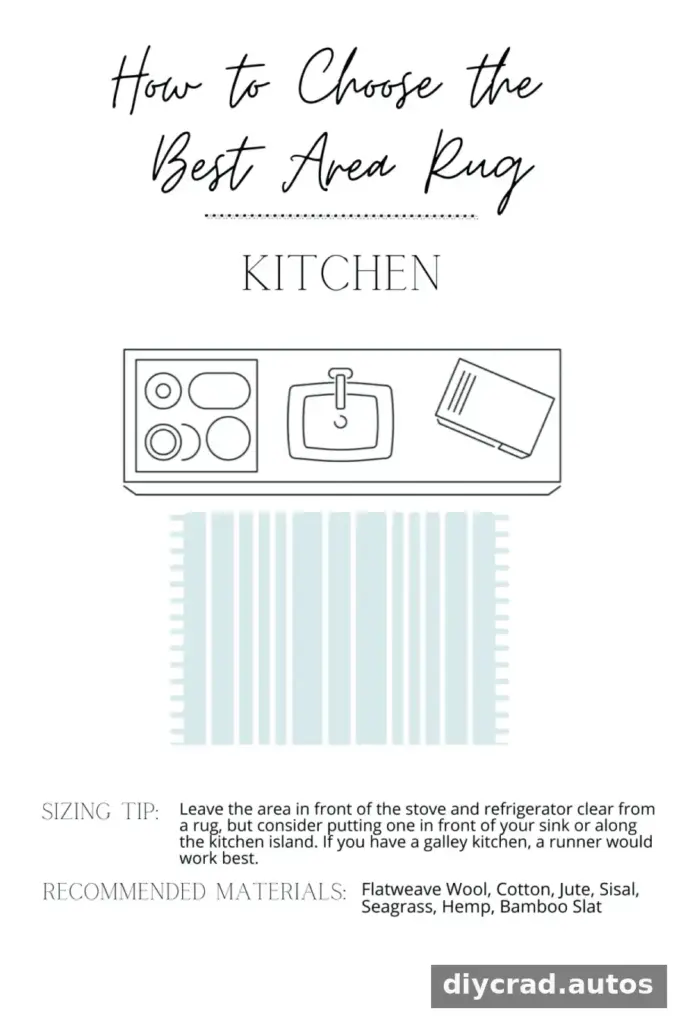
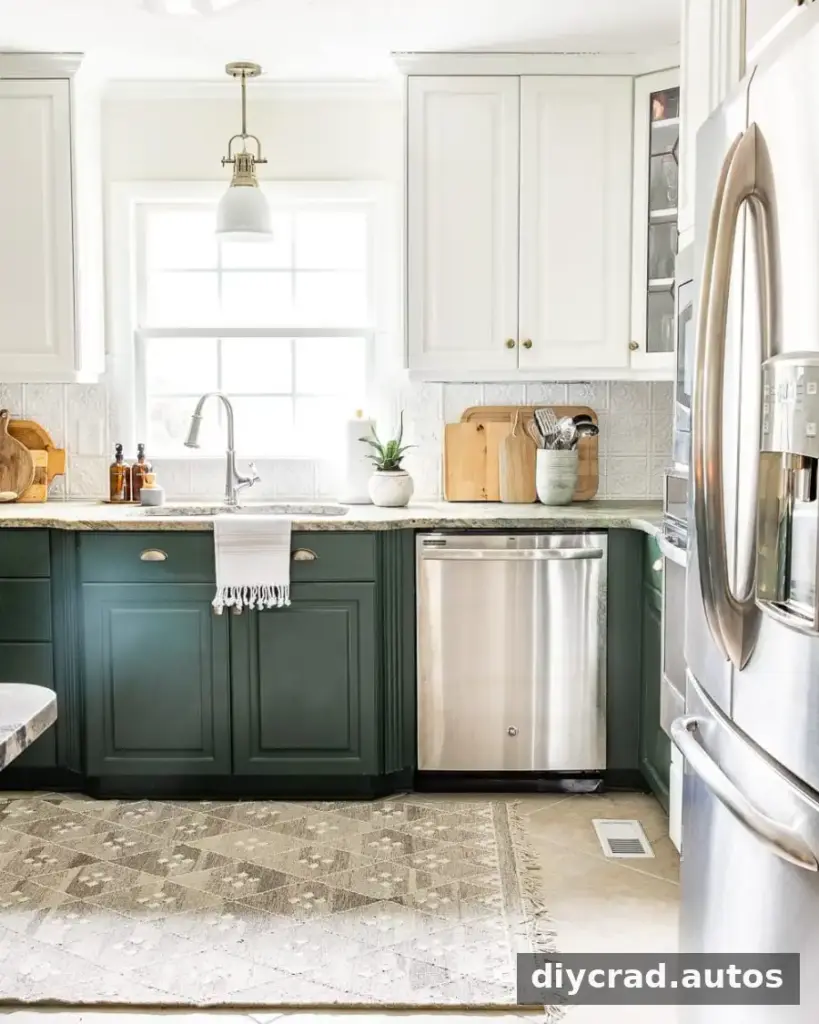
Keep the areas directly in front of the stove and refrigerator clear. A rug can be useful in front of the sink or alongside a kitchen island, where it adds comfort underfoot. In a galley kitchen, a runner is often a practical shape.
Flatweave and low-pile styles are easier to navigate around while working. Since food and liquid can land on kitchen rugs, select a material with care requirements that suit your routine. Wool, cotton, jute, sisal, seagrass, hemp, and bamboo slat are possible choices; always check the manufacturer’s cleaning guidance before purchasing.
Rugs in Open-Concept Spaces
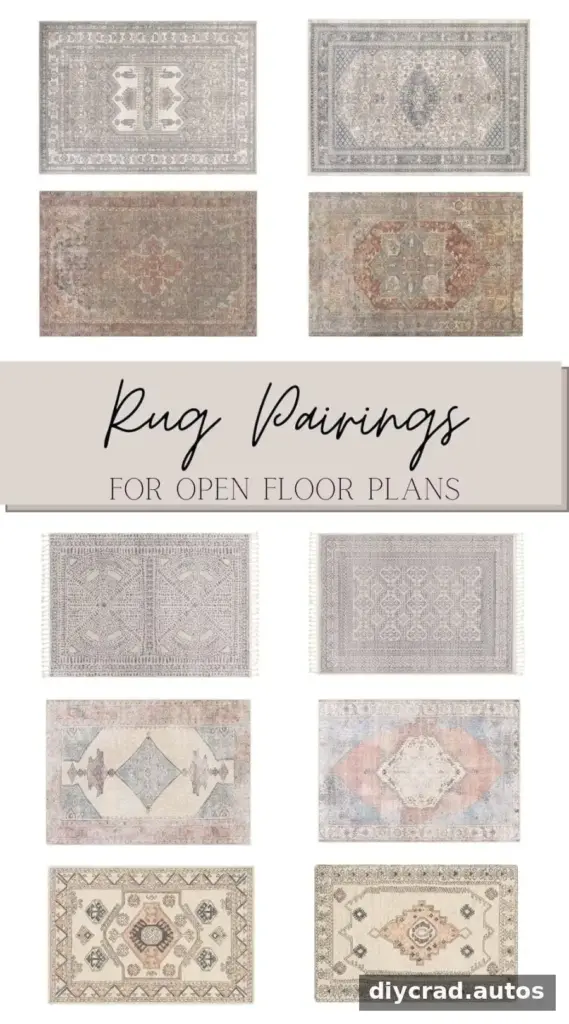
To define separate areas in an open-plan room, choose rugs that share a visual connection without making them identical. Similar color palettes, patterns, or textures can help the living and dining areas feel cohesive while still giving each zone its own character.
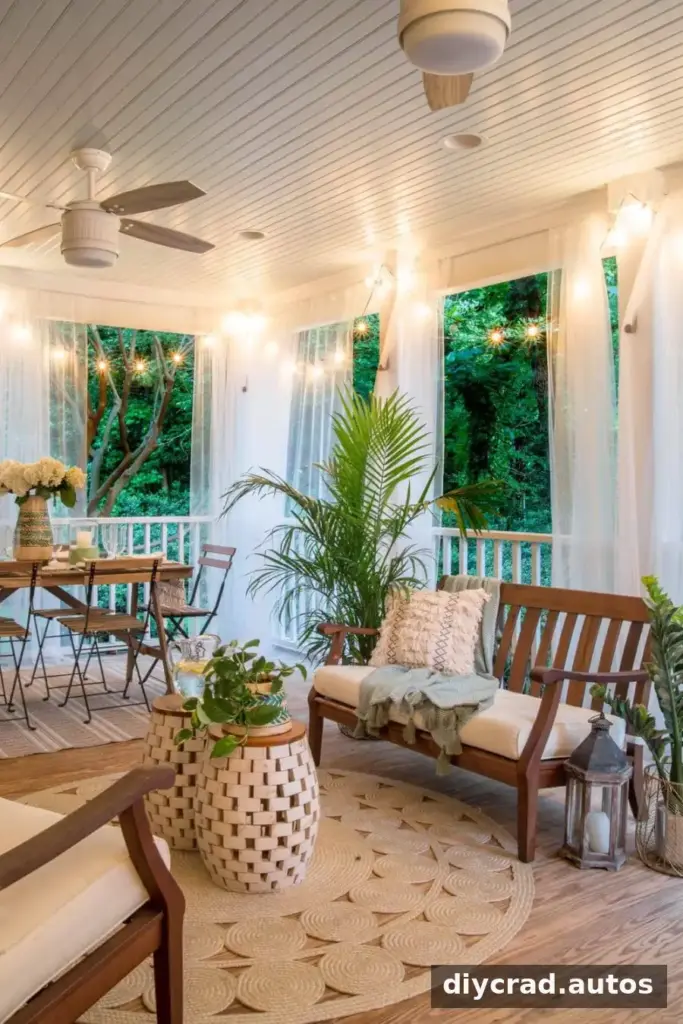
For example, a blue striped flatweave in the living area could pair with a blue checked flatweave in the adjoining dining area. The shared color family and geometric lines create continuity, while the different patterns keep the rugs from looking like a matching set. A round 8-foot jute rug can also work alongside a natural striped 6×9 rug.
Before buying, compare the rugs in the room’s lighting and consider how their colors, patterns, and pile heights relate. Leaving a clear path between zones can also help the layout feel easy to move through.
Rug pairings to consider for open-concept spaces
1 | 2 | 3 | 4 | 5 | 6 | 7 | 8 | 9 | 10
Budget-friendly rug ideas
Choosing a rug is easier when you start with measurements, then narrow down materials and patterns according to the room’s use. For a final check, make sure doors can open freely, furniture sits comfortably, and the rug’s care instructions suit your household. These practical steps can help you choose the right rug for each space and create a home that feels connected without making every room look the same.