

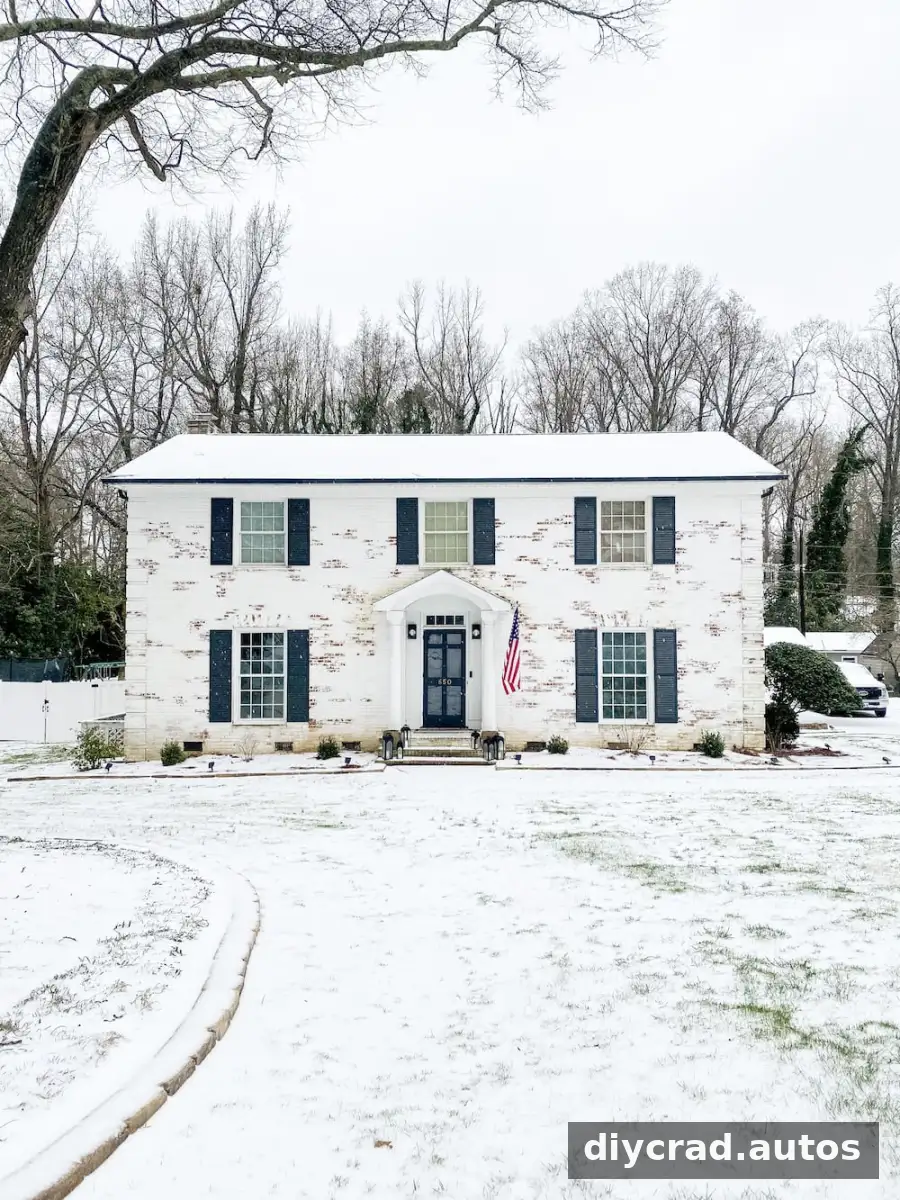
A winter storm preparation checklist can help you get ready for icy roads, freezing temperatures, and power outages without leaving everything until the last minute. Preparing over several days gives you time to gather essentials, protect your home, plan simple meals, and make safer choices if electricity goes out.
Ice can bring down branches and power lines, so even a storm with little snowfall may cause disruptions. Start with what you already have, then fill gaps in food, water, medications, lighting, and warmth. You do not need to complete every item: prioritize the steps that best fit your household, climate, and local emergency guidance.

Winter Storm Preparation Checklist: Three Days Before
Use this first stage to plan meals and gather supplies before stores become crowded. Buy a reasonable amount for your household rather than panic-buying, and consider the needs of babies, older adults, pets, and anyone with dietary or medical requirements.
Stock food and drinking water
Choose foods that can be eaten without refrigeration and, ideally, without cooking. Include familiar options that household members will actually eat.
- Shelf-stable or boxed milk, cereal, oats, crackers, tortillas, bread, bagels, and granola bars
- Canned soup, beans, tuna or chicken, plus a manual can opener
- Peanut butter, nuts, protein bars, dried fruit, and shelf-stable snacks
- Apples, bananas, potatoes, onions, and other produce that stores at room temperature
- Jarred sauces, salsa, olives, pickles, and other ready-to-eat ingredients
- Instant coffee, drink mixes, juice boxes, and a few comfort treats
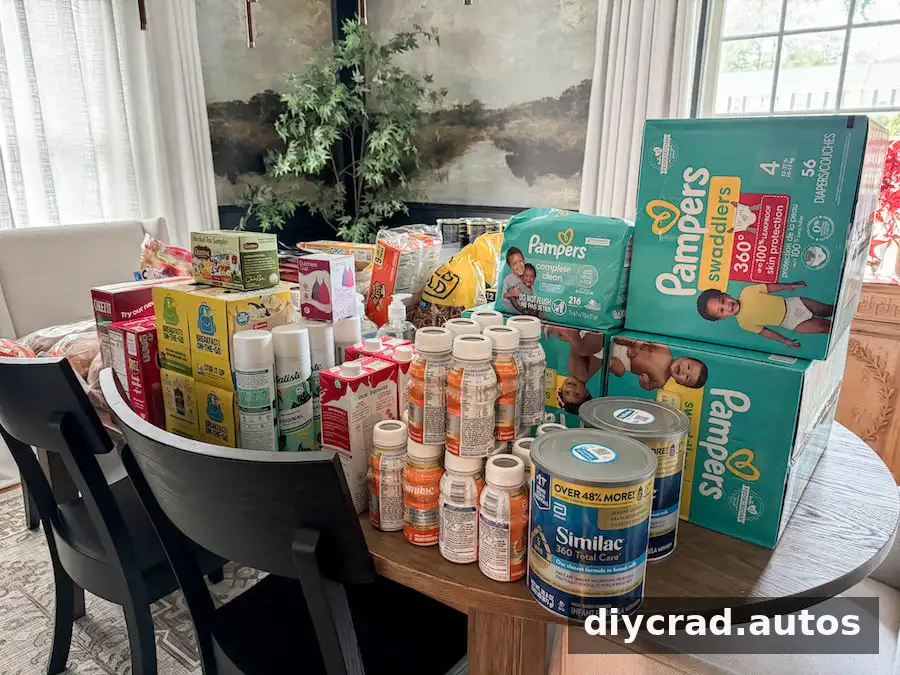
- Drinking water, baby food, formula, diapers, pet food, and hygiene supplies as needed
- Disposable plates and utensils, trash bags, paper towels, and disinfecting wipes
Plan to use more perishable food first, while the refrigerator is still cold. Keep a written meal plan somewhere easy to find so nobody has to make decisions from scratch during an outage.
Plan meals that do not depend on electricity
Simple options include cereal with shelf-stable milk, peanut butter and banana sandwiches, canned soup with crackers, tuna wraps, beans, and ready-to-eat snack plates with nuts, dried fruit, and crackers. If you have a suitable outdoor cooking setup, you could also prepare oatmeal, grilled sandwiches, hot dogs, or baked potatoes.
Safety first: Never use a grill, camp stove, charcoal burner, or fuel-powered cooking device indoors, in a garage, or in another enclosed area. These can produce deadly carbon monoxide. Use outdoor equipment only as directed by its manufacturer, away from doors, windows, and vents.

Set up a food and supply station
Keep your manual can opener, disposable dinnerware, foil, trash bags, and shelf-stable meals together. Store matches and lighters safely, and use only cooking equipment approved for the location where it will be used. Do not improvise an indoor stove with cans, bricks, or other materials.

Two Days Before the Winter Storm
Use this stage for home safety checks, errands, and supplies. Check local forecasts and alerts because timing and conditions can change.
Check alarms, heating, and plumbing
- Test smoke alarms and carbon monoxide detectors, and replace batteries if needed.
- Check that fire extinguishers are accessible and that household members know how to use them.
- Insulate exposed pipes in areas such as garages, crawl spaces, and basements. Locate the main water shut-off valve and show other household members where it is.
- Check doors and windows for drafts. Close curtains when temperatures drop, and use suitable weather stripping where needed.
Carbon monoxide is an especially serious risk during outages. Operate generators outdoors and well away from windows, doors, and vents, following the manufacturer’s instructions. Never use a generator, charcoal grill, or outdoor heater inside a home or garage.
Handle errands and essential supplies
- Finish laundry and dishes while water and power are available.
- Refill necessary prescriptions and check your first-aid supplies.
- Charge phones and portable battery packs; gather flashlights, lanterns, spare batteries, and a battery- or hand-crank radio.
- Get cash in case electronic payment systems or ATMs are unavailable.
- Keep important documents and emergency contact information together in a water-resistant container.
- Check that vehicles have fuel and prepare an emergency bag if you may need to leave home.
Keep candles away from children, pets, curtains, and other flammable materials; never leave them unattended. Flashlights and lanterns are generally safer choices for lighting.
Make a plan for refrigerated and frozen food
Limit how often you open the refrigerator and freezer during an outage. A freezer thermometer can help you assess conditions more reliably than a coin-in-a-cup trick, which cannot confirm that food is safe. When in doubt, follow current food-safety guidance and discard food that may have been held at unsafe temperatures.
One Day Before the Winter Storm
Finish practical preparations, bring outdoor essentials within reach, and make a plan for staying warm without creating fire or carbon monoxide hazards.
Prepare warm clothing and activities
- Set out coats, hats, gloves, scarves, boots, thick socks, blankets, and hand warmers.
- Gather books, board games, puzzles, cards, crafts, and other activities that do not require power.
- Charge phones and other essential devices, and keep a battery-powered radio available for updates.
- Bring pets indoors and prepare their food, water, bedding, and any needed medications.
Protect the house and outdoor areas
- Disconnect outdoor hoses and protect exposed outdoor faucets according to local guidance.
- Open cabinet doors below sinks on exterior walls to let warmer indoor air circulate around pipes.
- If local authorities recommend it, let vulnerable faucets drip slightly to reduce the chance of freezing.
- Keep a bucket and stored water available if you may need water for flushing toilets. Never leave a filled bathtub or other open water container accessible to young children.
- Clear walkways and use ice melt, sand, or another suitable traction material where needed.
- Keep a cooler available for food if appropriate for your conditions, and follow food-safety guidance throughout an outage.
- Close curtains and unused interior doors to help retain warmth in occupied rooms.
Do not use a tent or other enclosed shelter with a flame, heater, or generator inside. If using a portable heater, follow its safety instructions, keep it clear of bedding and curtains, and never leave it unattended.
Prepare vehicles for winter conditions
Avoid unnecessary driving during ice and severe weather. If travel is essential, keep these items in the vehicle:
- Warm blankets or an emergency blanket, hats, gloves, and hand warmers
- Flashlight, drinking water, and non-perishable food
- First-aid kit, phone charger, and windshield scraper or de-icer
- Jumper cables or a portable jump starter, and a tire inflator if available
- Traction material and tire chains where suitable and legal for local conditions
Clear snow and ice from the vehicle before driving, and make sure the exhaust pipe is not blocked if you are waiting in a running car. Keep the vehicle ventilated and follow official travel advisories.
During a Power Outage
Use flashlights for light, keep refrigerator and freezer doors closed, and listen to local emergency updates. Dress in layers and gather household members in one room if it helps conserve warmth. Check on neighbors who may need assistance, while avoiding unnecessary travel on icy roads.
If the home becomes dangerously cold or conditions worsen, consider going to a designated warming center or another safe location. Follow local instructions about evacuation, road closures, and utility restoration.

Printable Winter Storm Preparation Checklist
A printed checklist can make it easier to track supplies and divide tasks among household members. Keep a copy with your emergency supplies, or save a digital version on a device that will remain accessible if the internet is unavailable.
Final Thoughts on Your Winter Storm Preparation Checklist
A winter storm preparation checklist turns a stressful forecast into manageable steps. Planning meals, checking alarms, protecting pipes, charging devices, and preparing warm clothing can make a power outage safer and more comfortable. Adapt the list to your home and local risks, and rely on official weather, utility, and emergency-management updates as the storm approaches.

