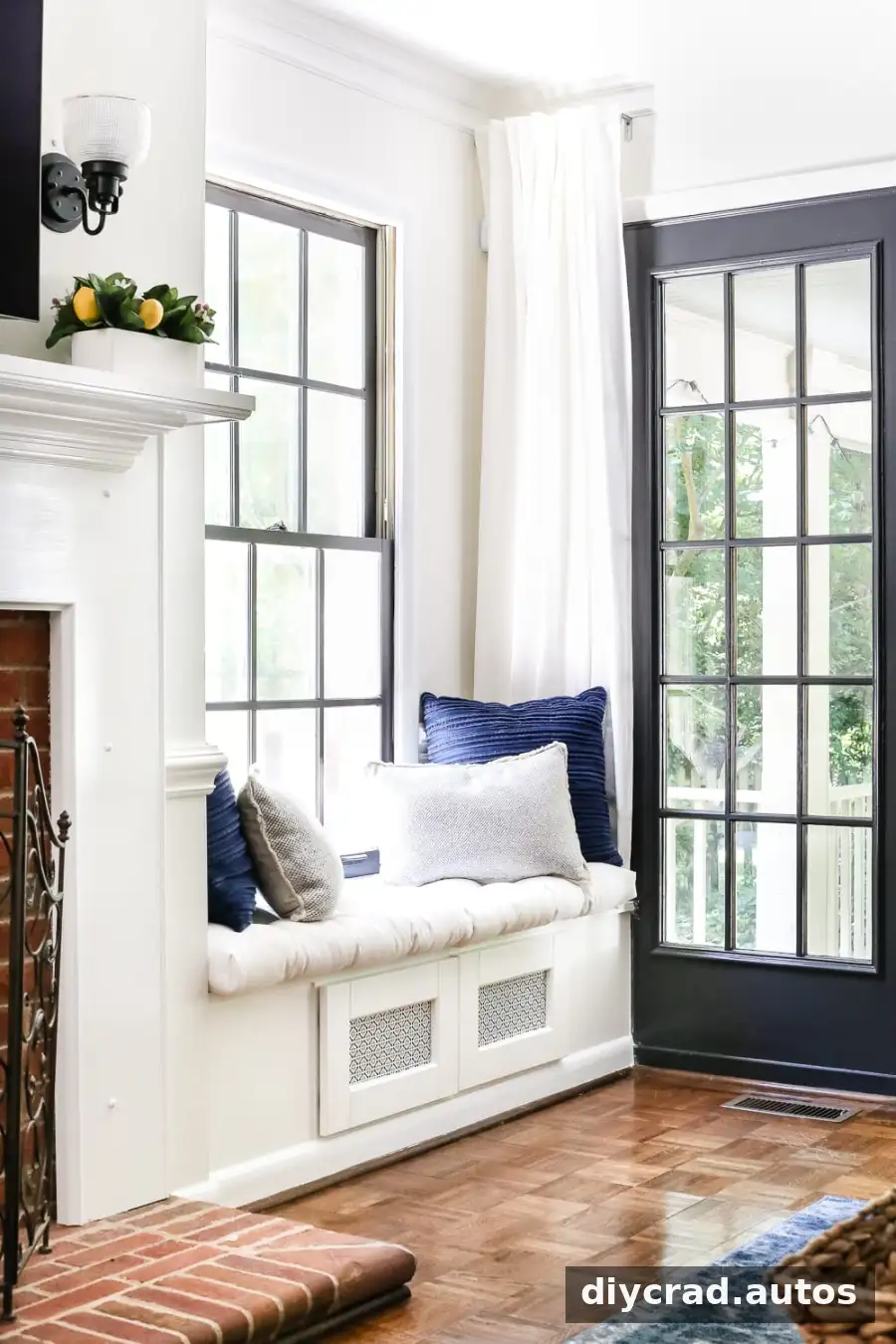
Farmhouse decor can bring warmth and rustic character to a room, but a popular style does not automatically suit every house. In a 1960 Colonial Revival home, the decision to use fewer farmhouse elements came from wanting the decorating to work with the building’s existing character rather than make it feel like something it is not.
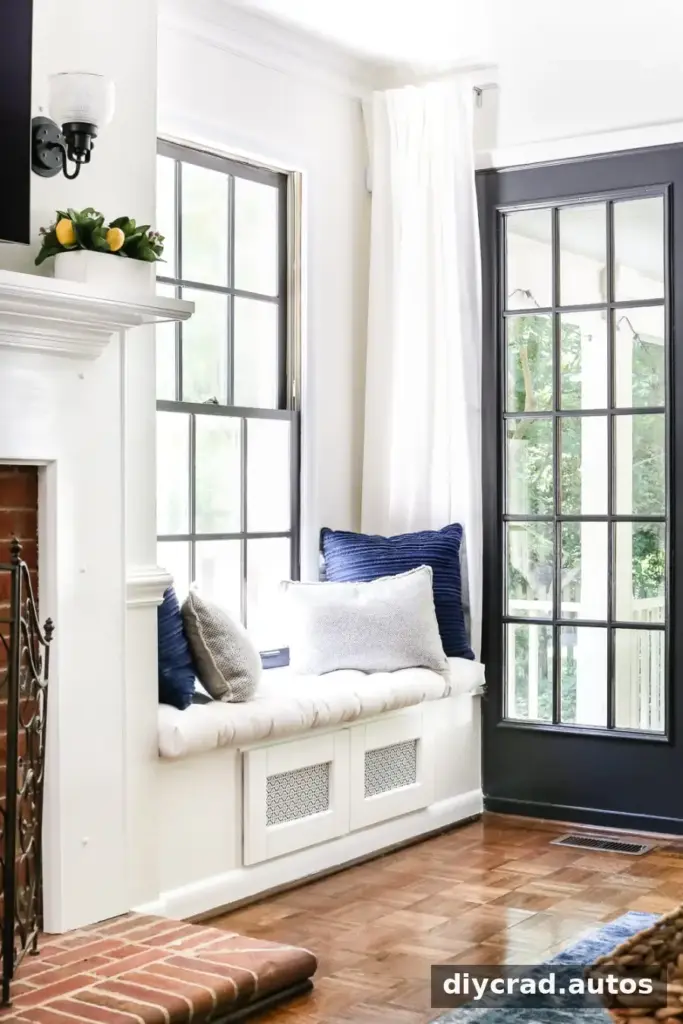
Why farmhouse decor may not fit every home
After moving into an older home, it can be tempting to carry a familiar decorating style from one house to the next. But a home’s architecture, finishes, and existing details all affect how furniture and accessories look in a space. Rustic signs, reclaimed wood, galvanized metal, and livestock artwork may feel natural in one setting and visually out of place in another.
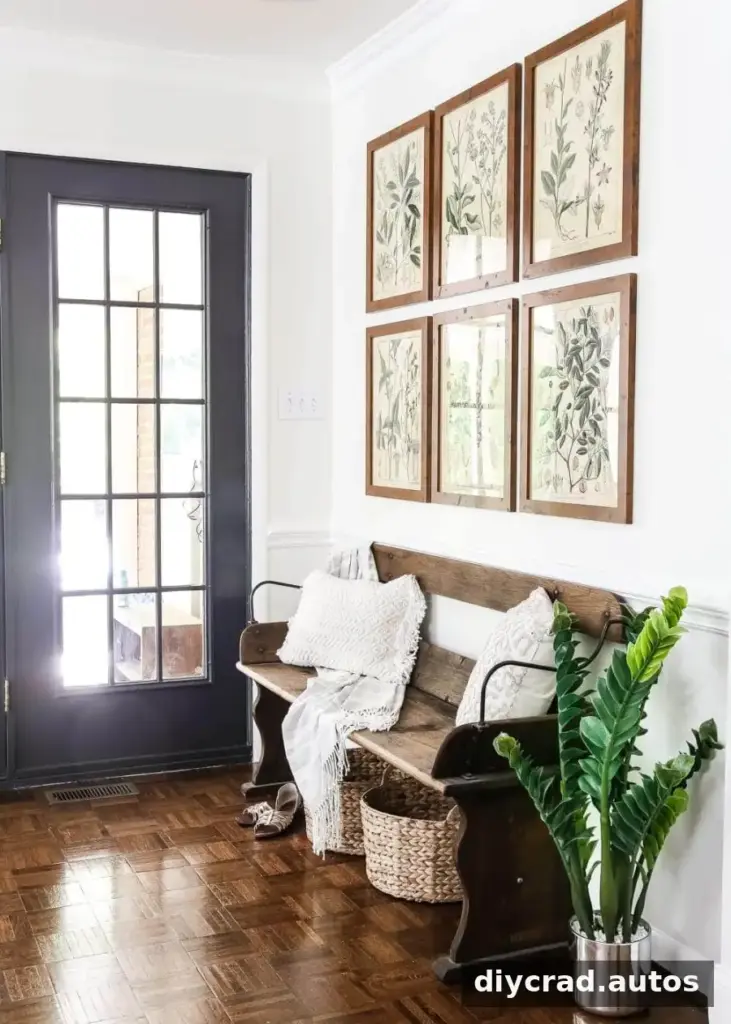
The choice is not a rejection of farmhouse style. It is a decision to use it more selectively. A few familiar pieces, such as a reclaimed wagon bench, can still have a place without making rustic decor the defining feature of every room.
Let the house guide your decorating choices
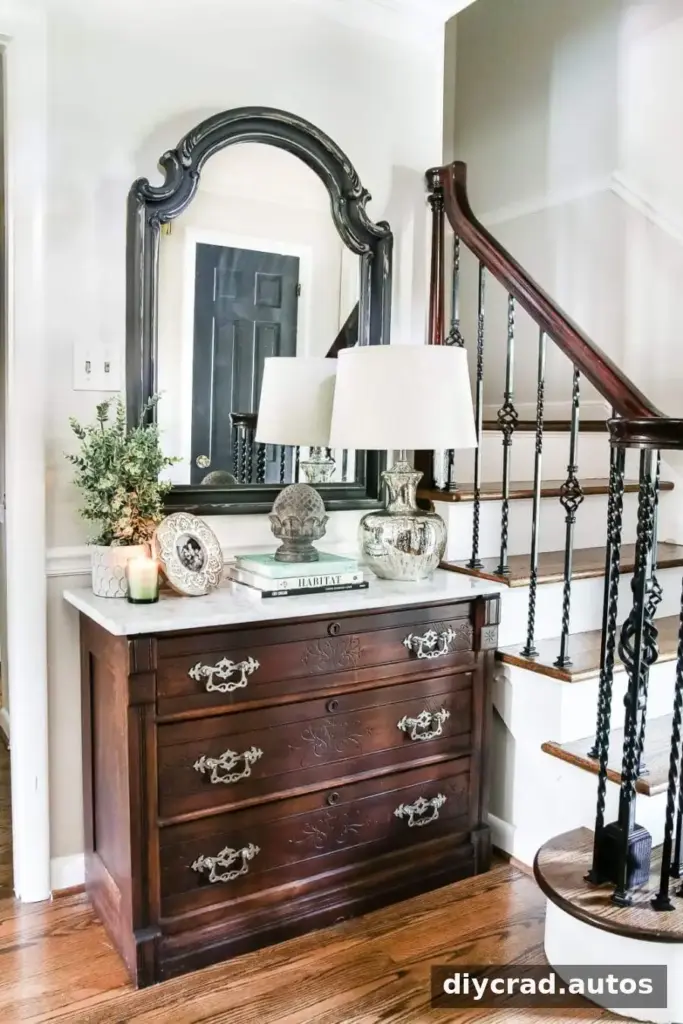
A home with distinctive architectural character may call for a different approach than a newer, more neutral interior. The previous house was a blank slate with little architectural charm, which made it easy to build a stronger farmhouse look from the ground up. The Colonial Revival home offered a different starting point, so the goal became a mix of modern and traditional elements with a smaller rustic influence.
Before buying decor or making permanent changes, consider what is already in the room. Ask whether a proposed piece supports the home’s character, whether it will feel balanced with existing finishes, and whether you genuinely like it. These questions can help narrow choices and reduce the chance of spending money on items that do not feel at home.
- Keep what still works: Favorite pieces can remain even as the overall style changes.
- Try smaller updates first: Accessories and paint or wallpaper choices are easier to adjust than major renovations.
- Look for balance: Pairing rustic details with more polished materials can create a layered look without overwhelming the room.
- Set a budget: Older homes may need updates, so plan decorating expenses alongside necessary repairs.
Mixing farmhouse style with more refined details
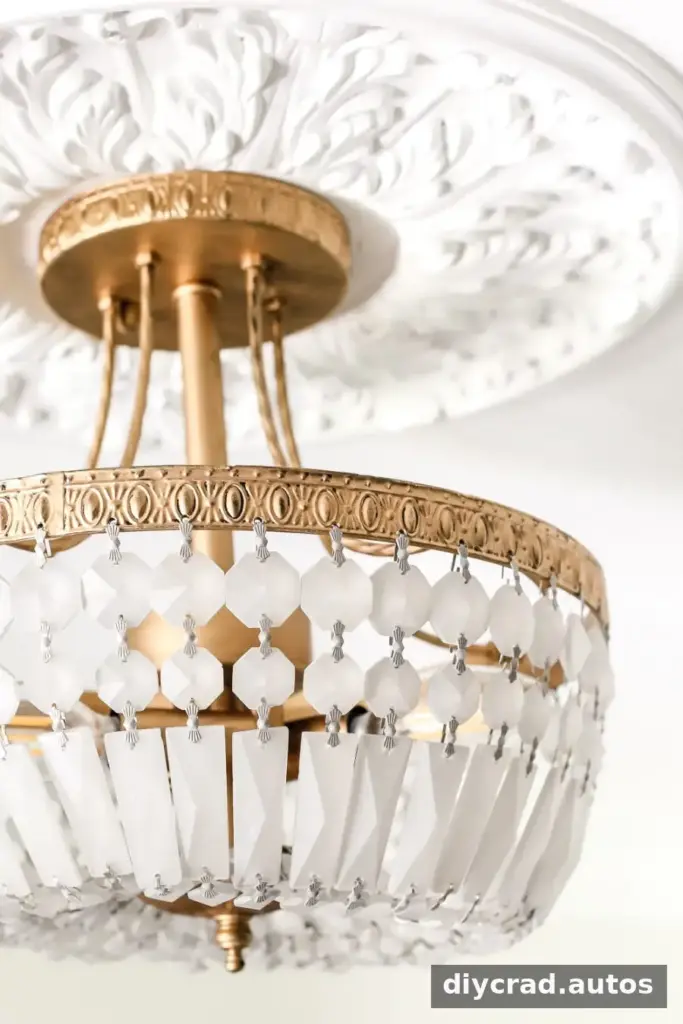
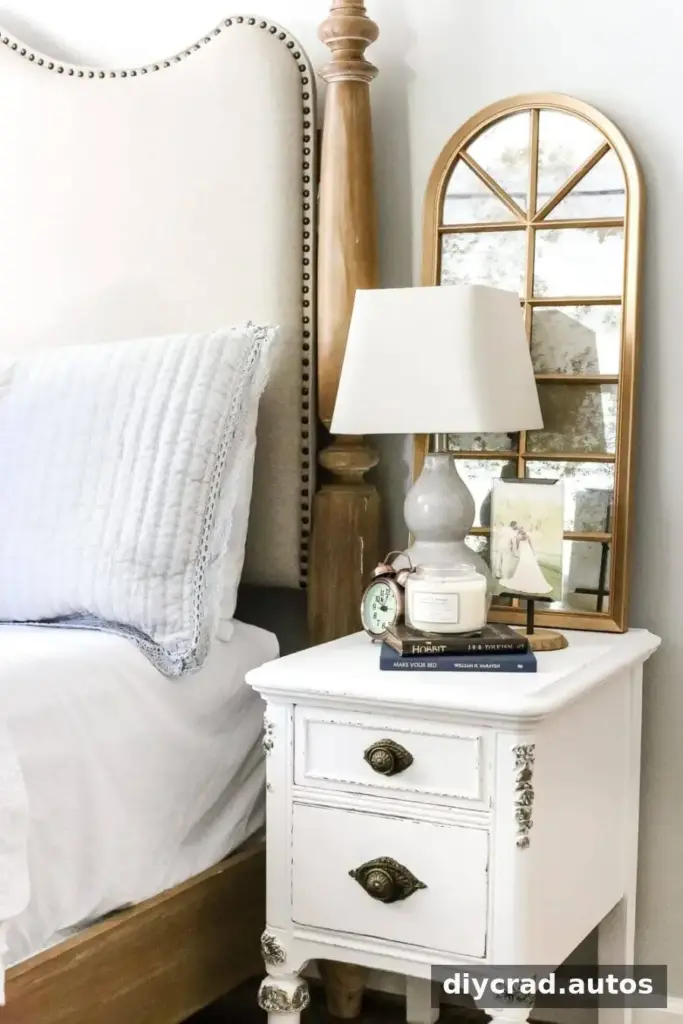
The new direction keeps some farmhouse influence while making room for antique gold, subtle wallpaper, marble, and dark wood. The result is intended to feel more polished and refined, while still retaining a few rustic touches. There is no requirement to choose one design category and follow it everywhere; combining styles can be a practical way to respond to a home’s features and the people who live in it.
When mixing styles, repetition can help the choices feel connected. For example, a material or finish can appear in more than one area, while distinctive rustic pieces can be used as accents. It can also help to make changes gradually, living with a room before deciding whether it needs another layer of decor.
Decorate at a pace that suits your home and budget
An older house may come with a long list of updates, making affordability an important part of the decorating process. Prioritize essential work, decide how much can be spent on each room, and avoid buying everything at once. A slower approach gives you time to understand how the house functions and what style choices feel right in everyday use.
It is also fine for a home’s look to develop over time. Moving away from a familiar trend can feel uncertain, especially when the new direction is not fully defined yet. Small experiments with materials, colors, and accessories can help reveal what works without requiring a complete redesign.
Conclusion: Choose farmhouse decor on your own terms
Farmhouse decor can remain part of a home without taking center stage. The most useful guiding principle is to choose details that suit the architecture, budget, and personal preferences of the household rather than following a trend simply because it is popular. In this case, keeping a few beloved rustic pieces while introducing more traditional and refined elements offers a way to respect the house’s character and still retain a touch of farmhouse style.
Decorating is only one part of making a house feel like home. Taking on projects, discovering what you enjoy, and making thoughtful choices along the way can be just as rewarding as the finished rooms.