

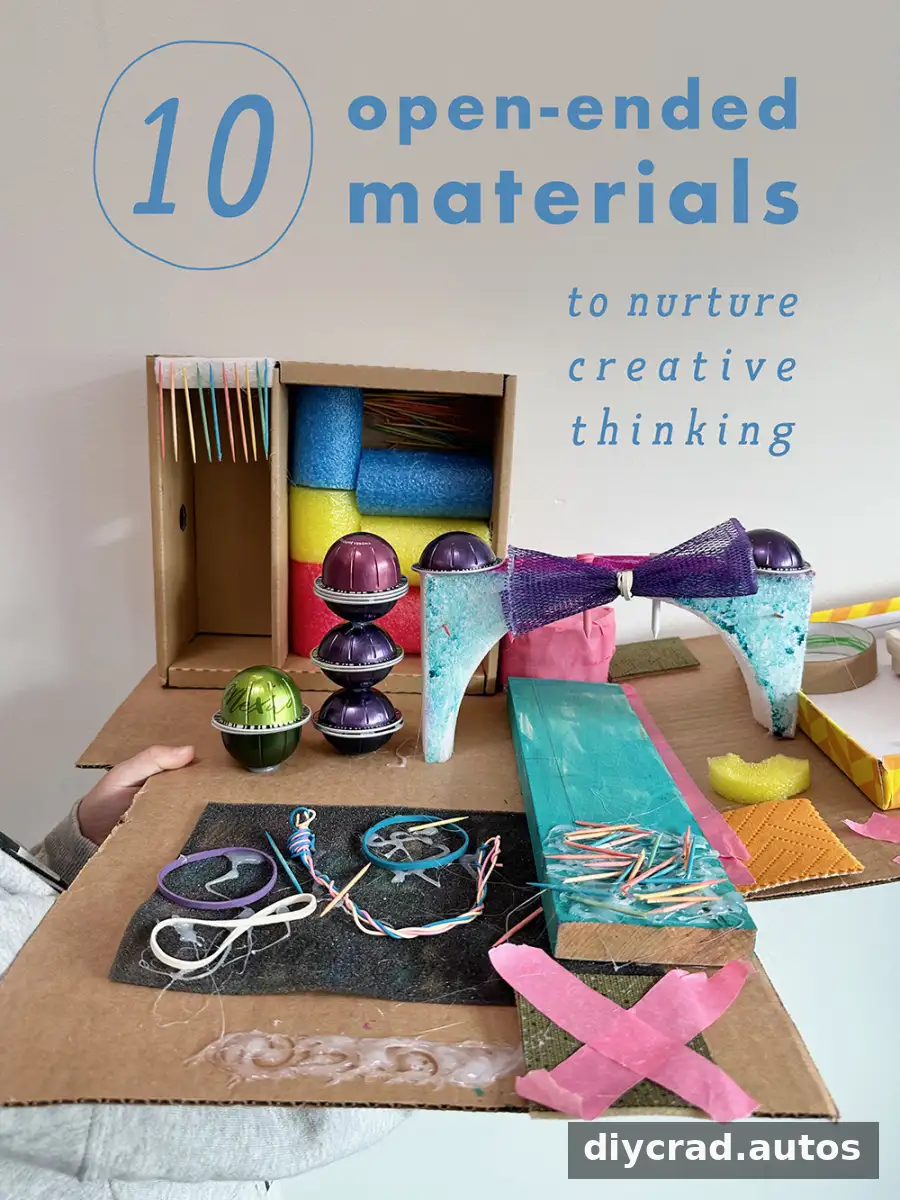
Choosing open-ended art materials gives children room to explore, make decisions, and develop their own ideas rather than follow a single set of instructions. A mix of everyday, recycled, natural, and art supplies can turn a small table into a flexible creative space. Many options are free or inexpensive, and thoughtful pairings—such as cardboard with tape or paint with collage pieces—can make materials more engaging.
Children benefit from having time to try things, change direction, and discover what different materials can do. Set out a manageable selection, include tools for connecting or altering materials, and let children decide how to use them. The ideas below can be adapted for a home, classroom, library, or studio.
1. Cardboard and recyclables
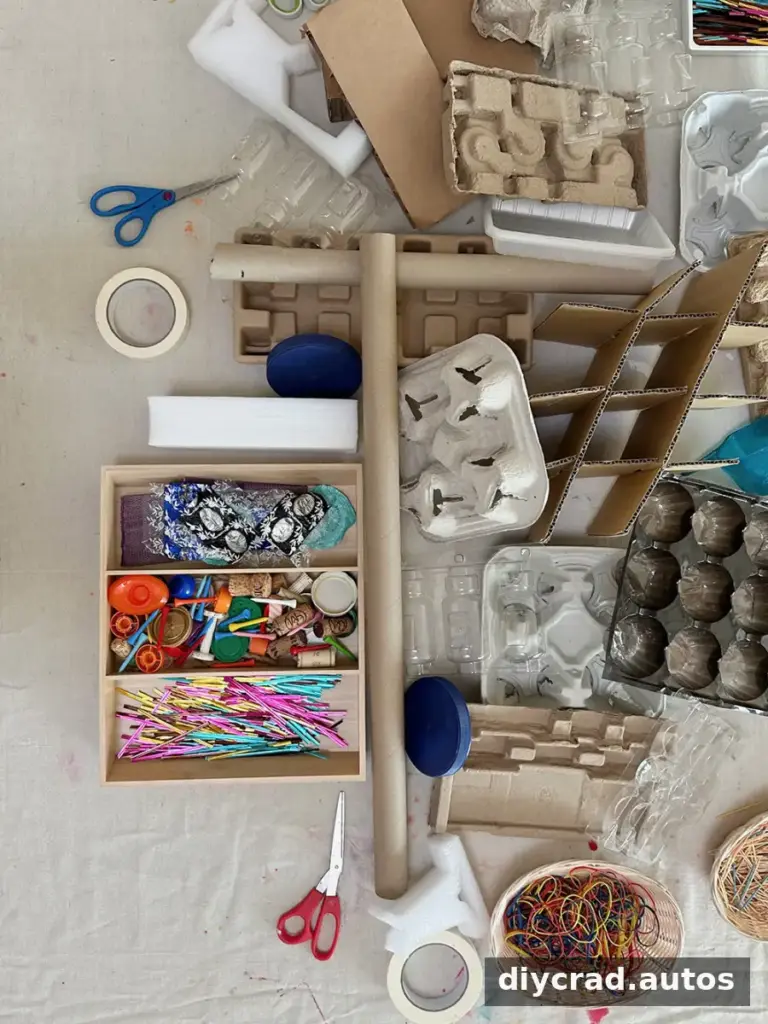
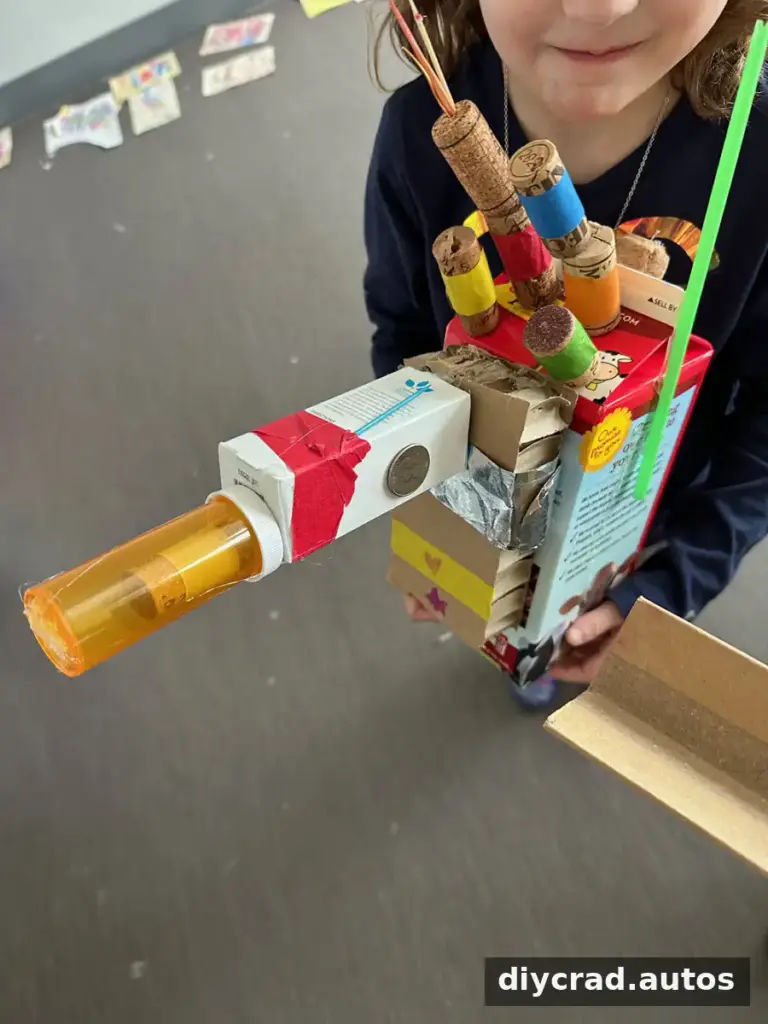
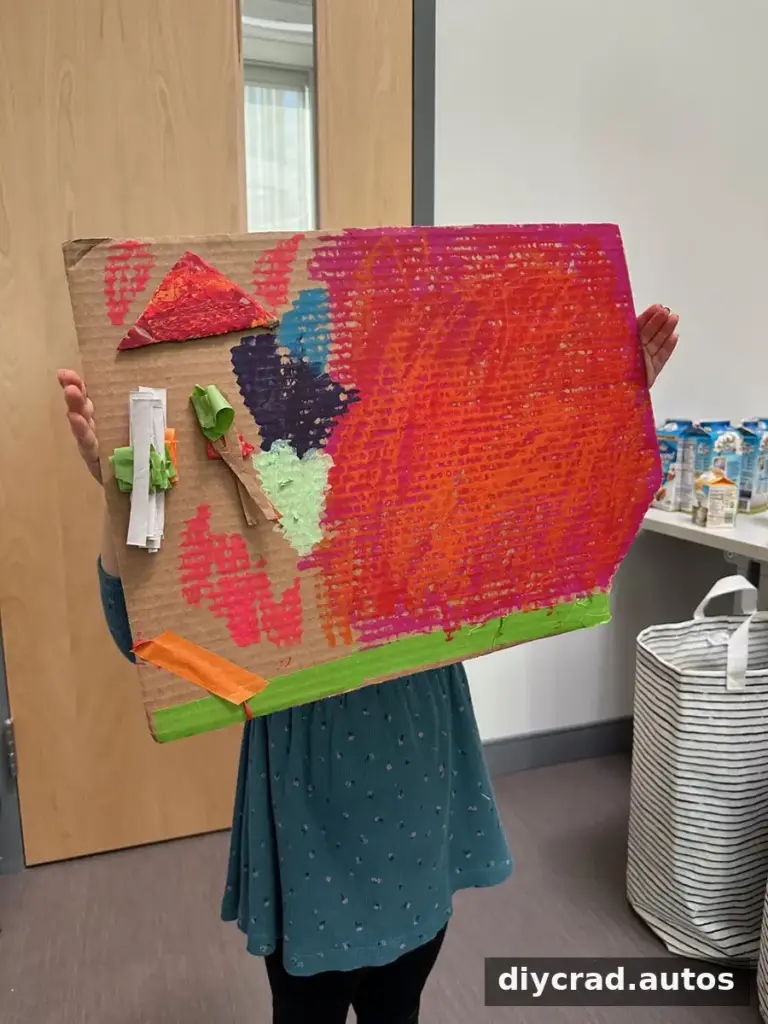
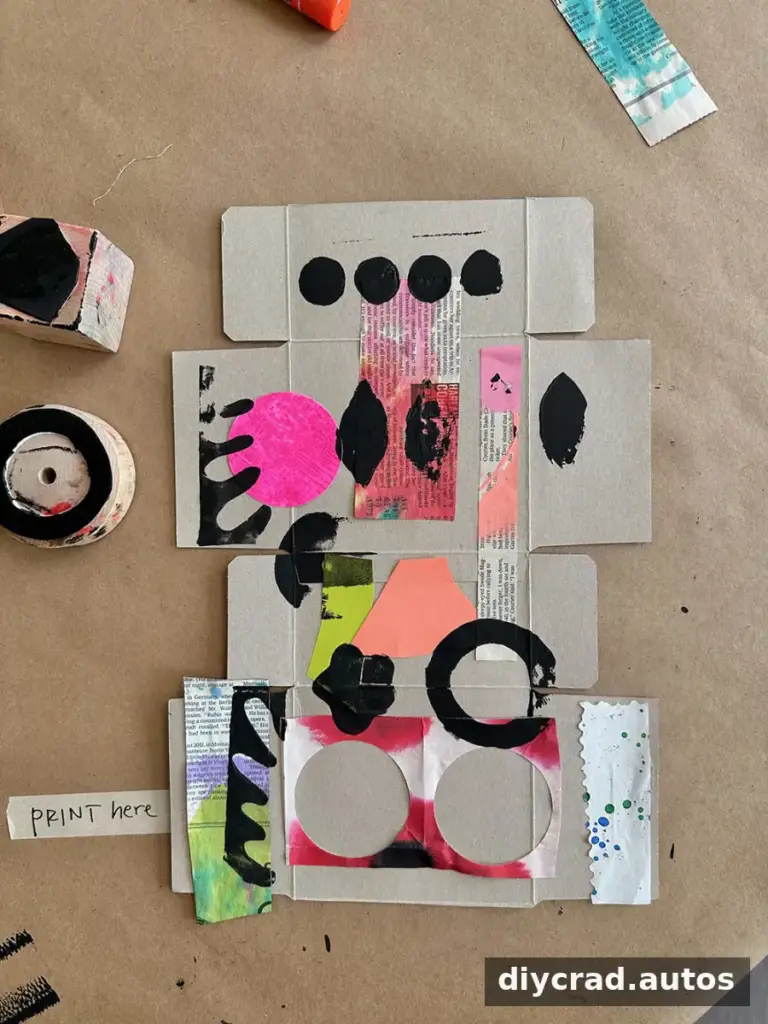
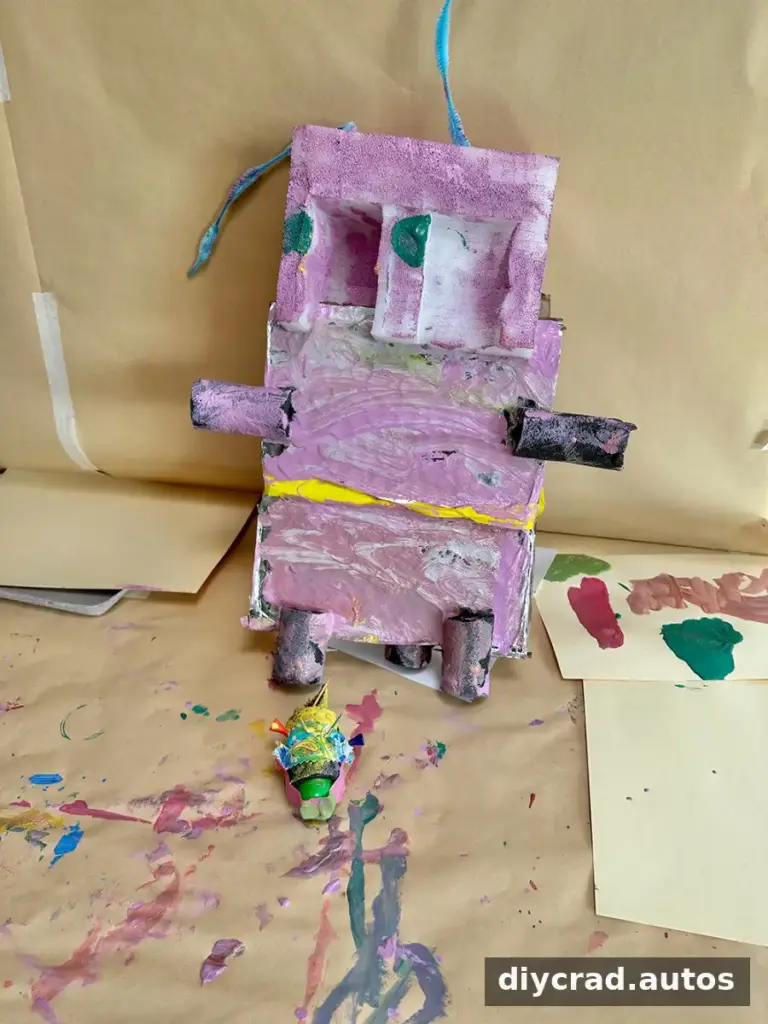
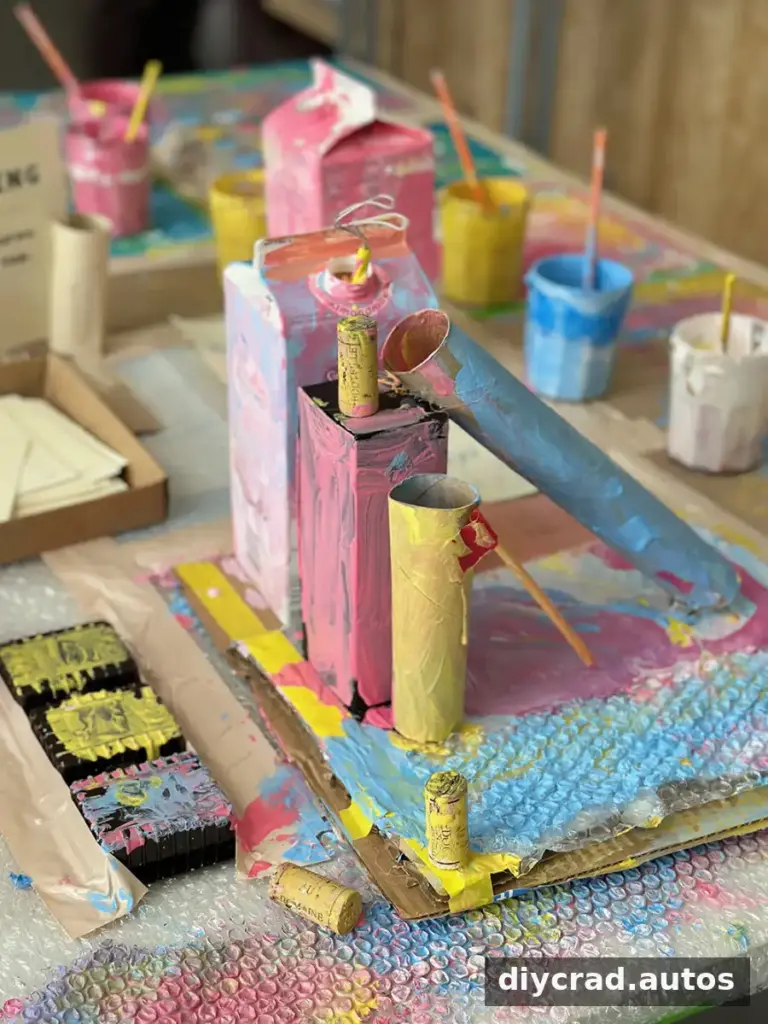
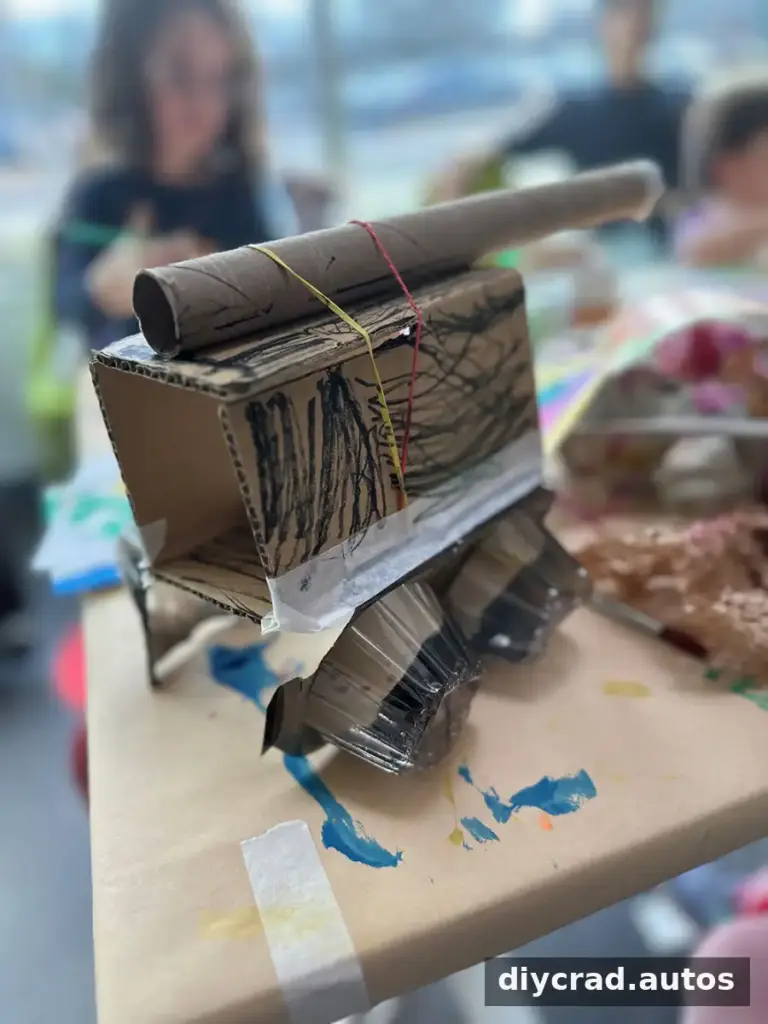
Cardboard and clean, safe recyclables make a versatile starting point for an art space. Boxes, egg cartons, corks, and bottle tops offer different sizes, shapes, and textures for building, arranging, or collage. Collect and sort materials in reusable bags or bins so children can see what is available and help with cleanup.
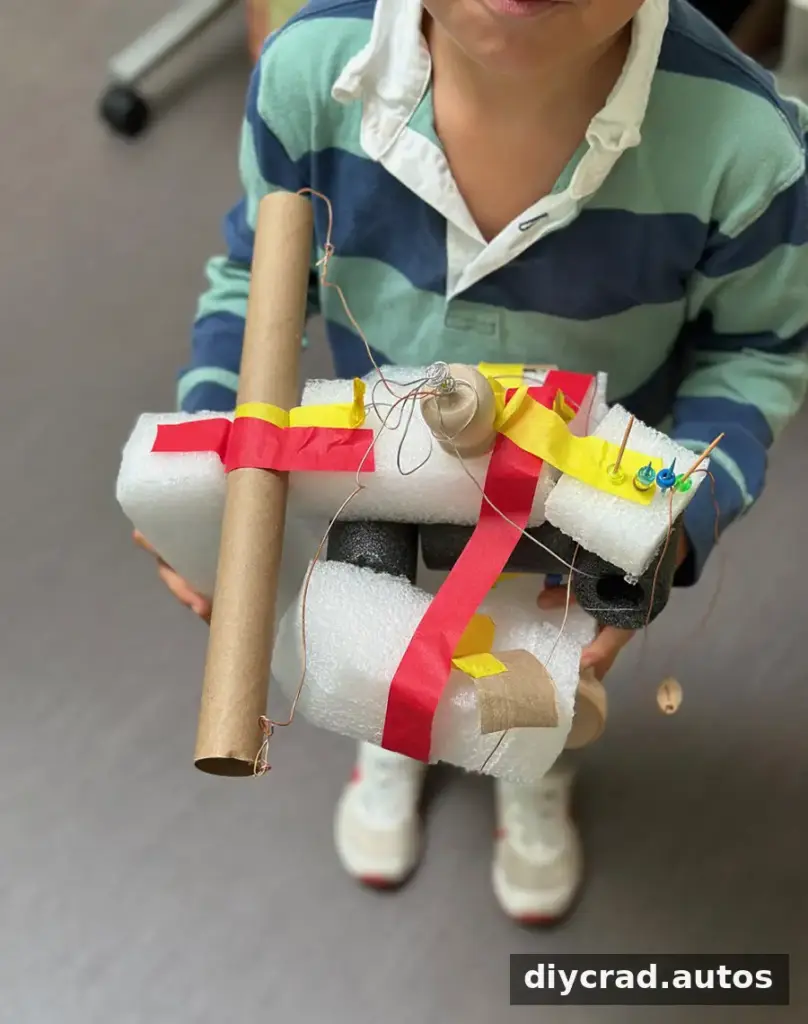
In a space with limited room or budget, a small assortment of recyclables can go a long way. Pair them with tape, child-safe scissors, and drawing tools so children can join pieces, change shapes, and add details. Check packaging for sharp edges, cleanliness, and small parts that may not be suitable for very young children.
2. Textiles
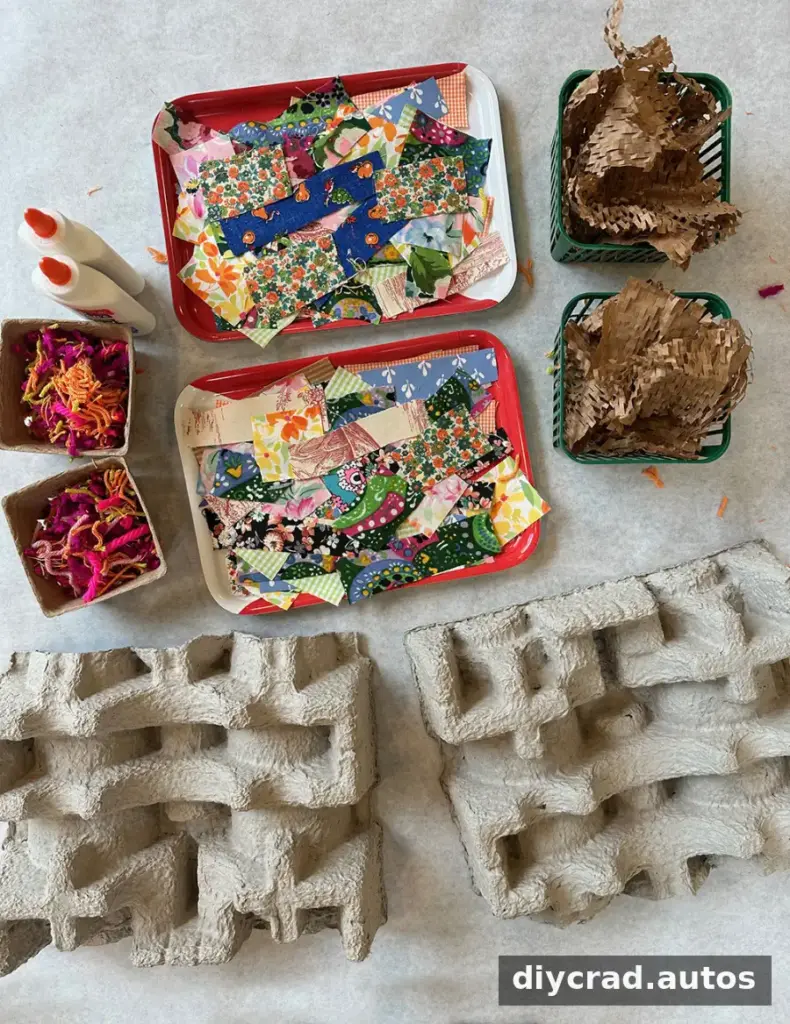
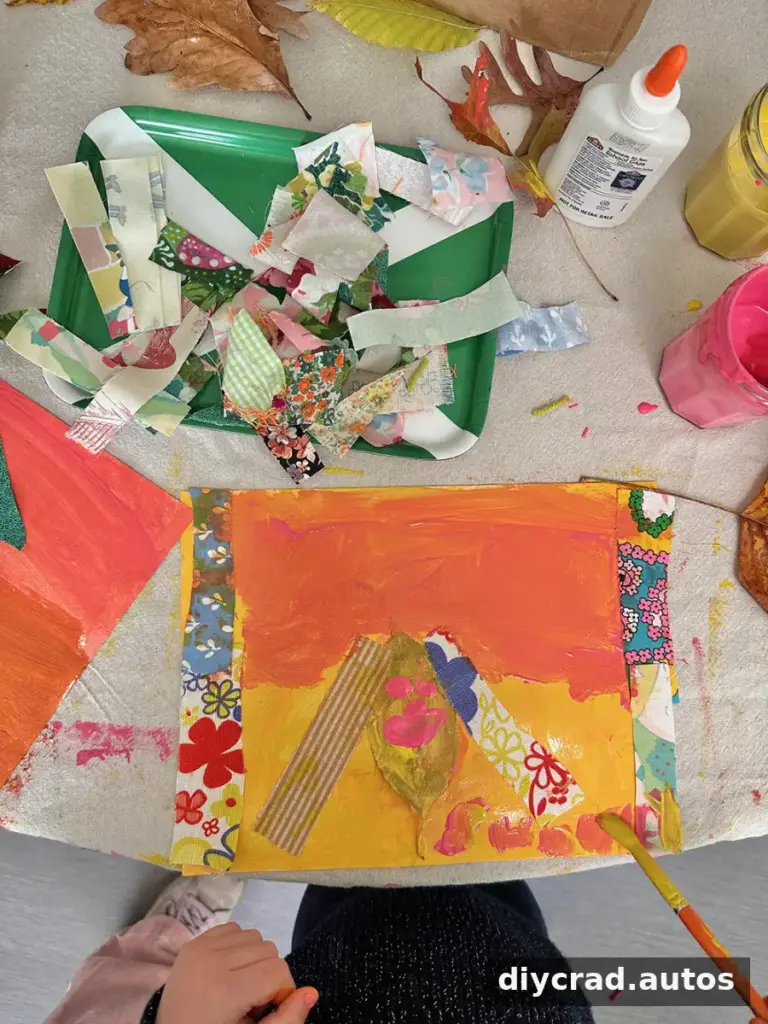
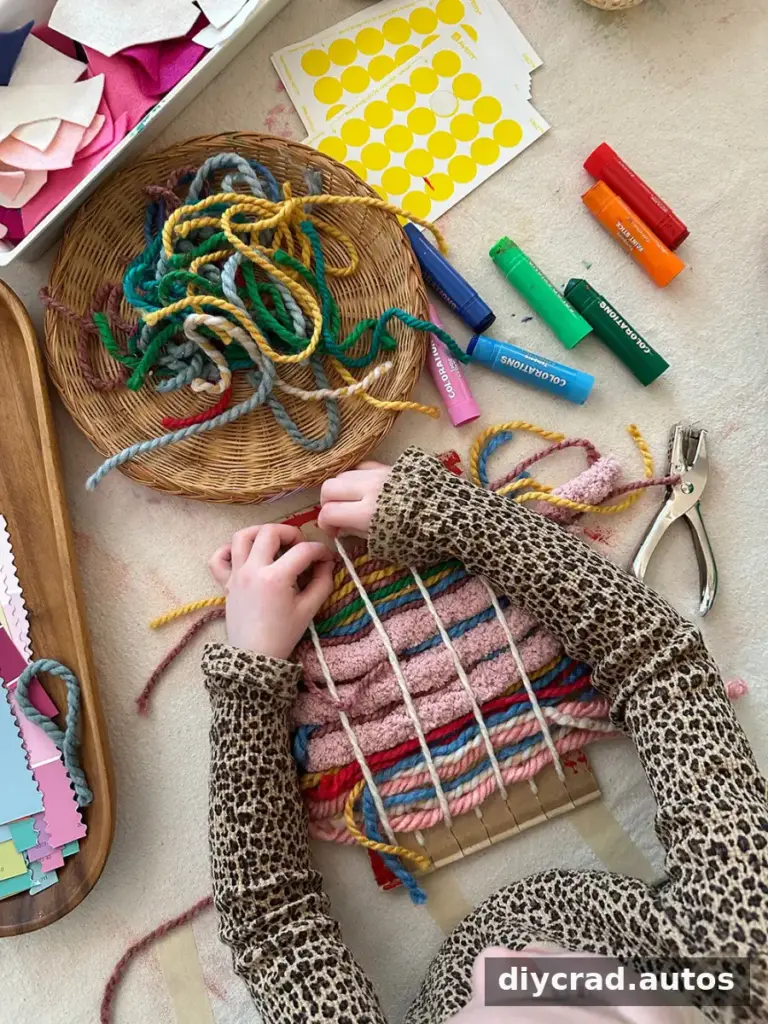
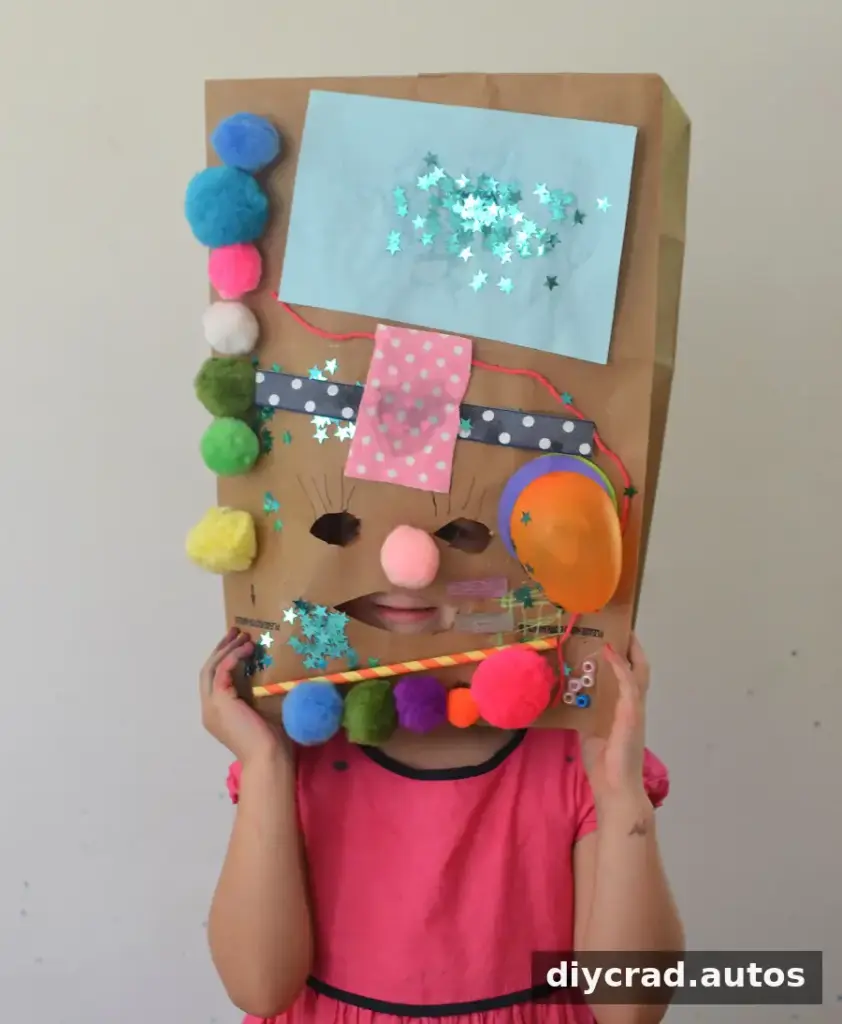
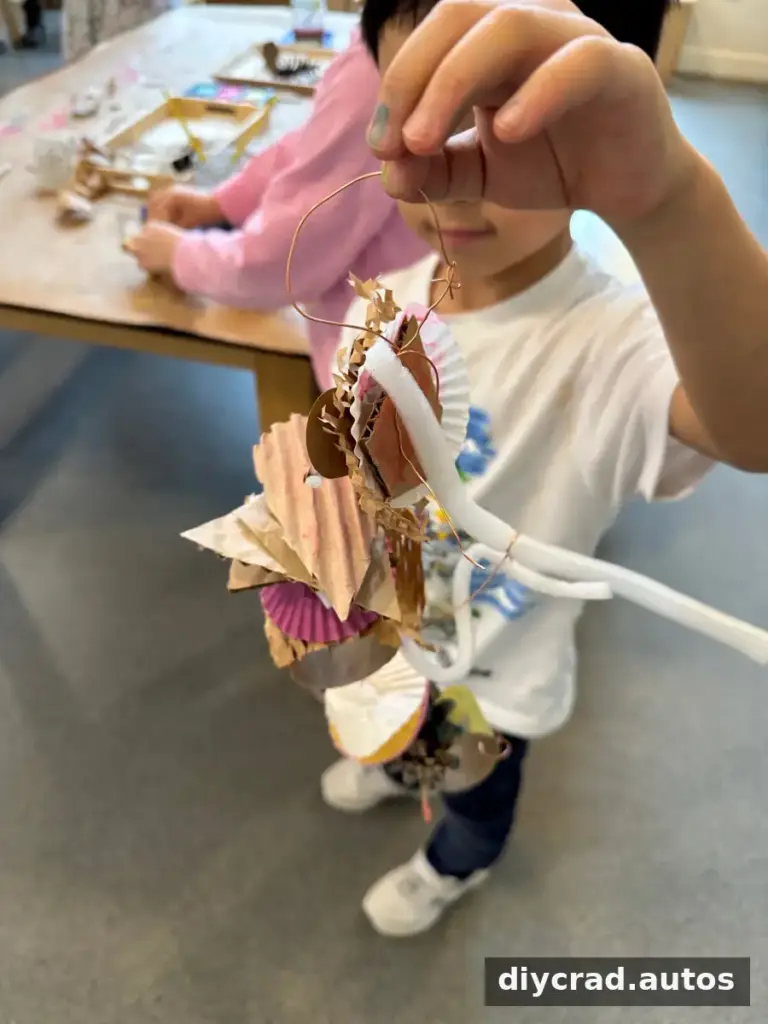
Fabric, yarn, ribbon, and pom-poms bring soft, flexible textures into an art activity. Fabric scraps can be used for collage, while longer pieces of yarn or ribbon can be woven, wrapped, or tied around recycled materials. These tactile supplies also offer a different sensory experience from harder materials such as wood and cardboard.
Reuse clean fabric from suitable household items or choose small, manageable pieces. Cut yarn and ribbon to lengths that are easy to handle, and supervise their use with young children. A jar or basket for ribbon offcuts makes it simple to store and reuse them.
3. Leaves and pinecones
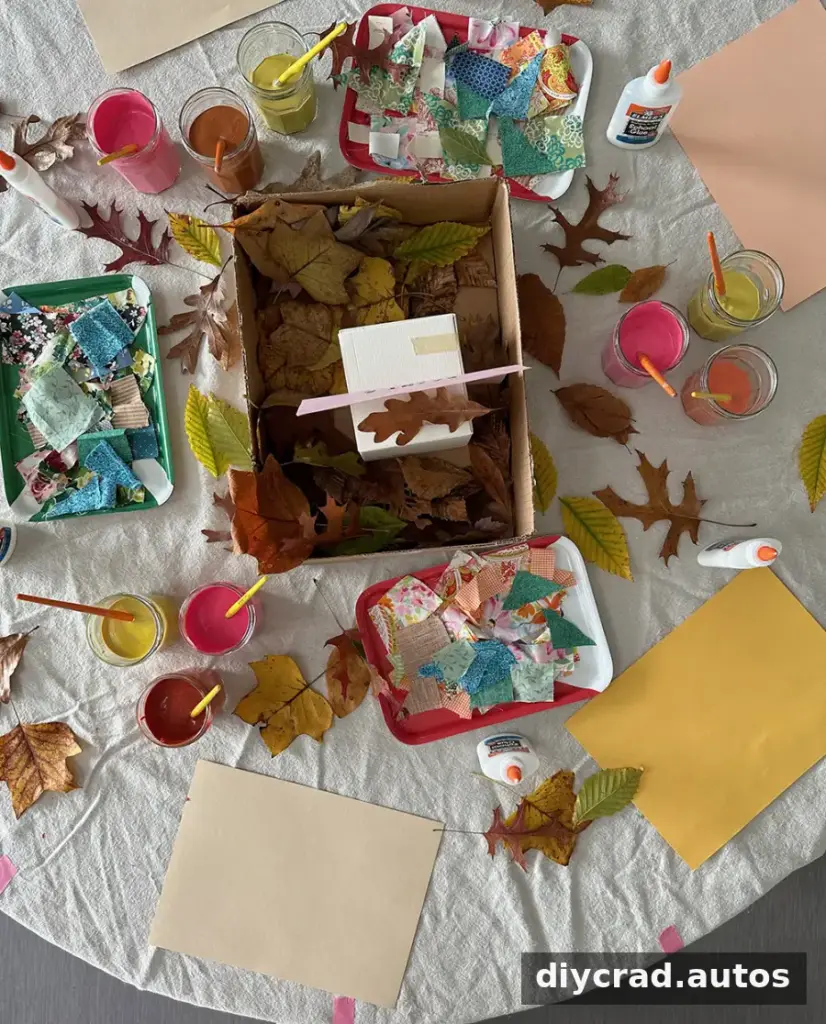
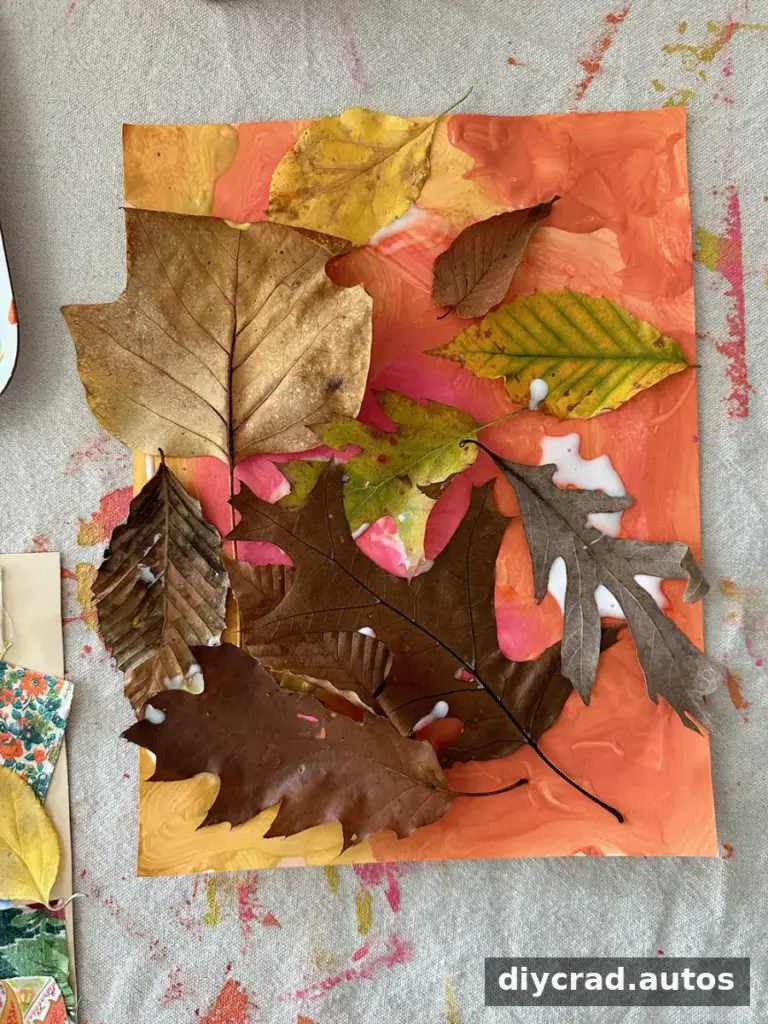
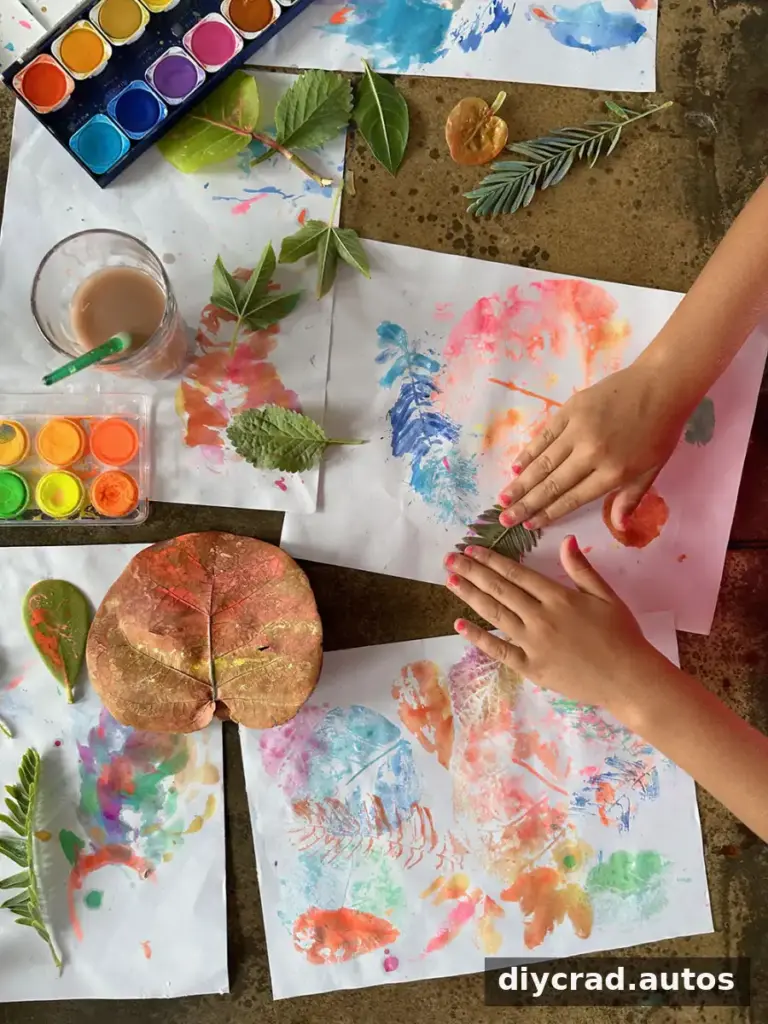
Natural materials can bring seasonal color, texture, and scent to creative play. In autumn, leaves can be painted, pressed onto paper as prints, or added to collage. Children can also explore cutting or hole-punching leaves with appropriate supervision. In spring, fallen leaves and flowers can be used in arrangements or imaginative nature-based play.
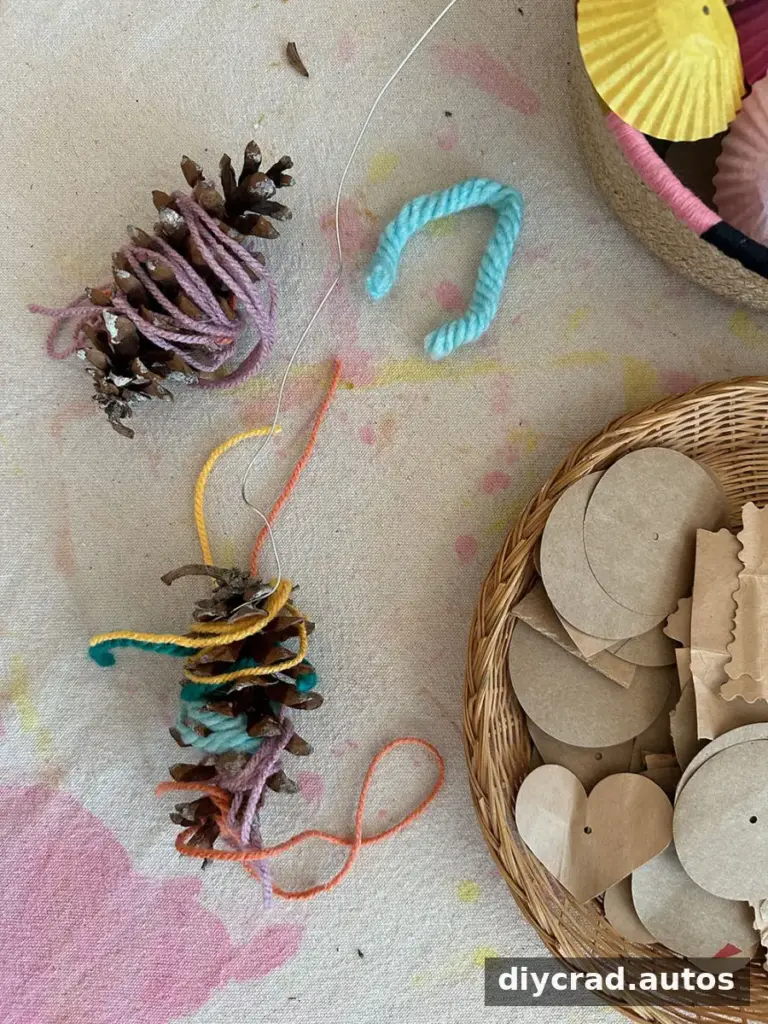
Pinecones can be offered with paint, yarn, or wire, or simply placed in a basket for children to explore. Inspect natural items before use and avoid anything that is moldy, sharp, or unsuitable for the children’s age. Sap can be sticky, so keep wipes and a handwashing option nearby.
4. Wood scraps
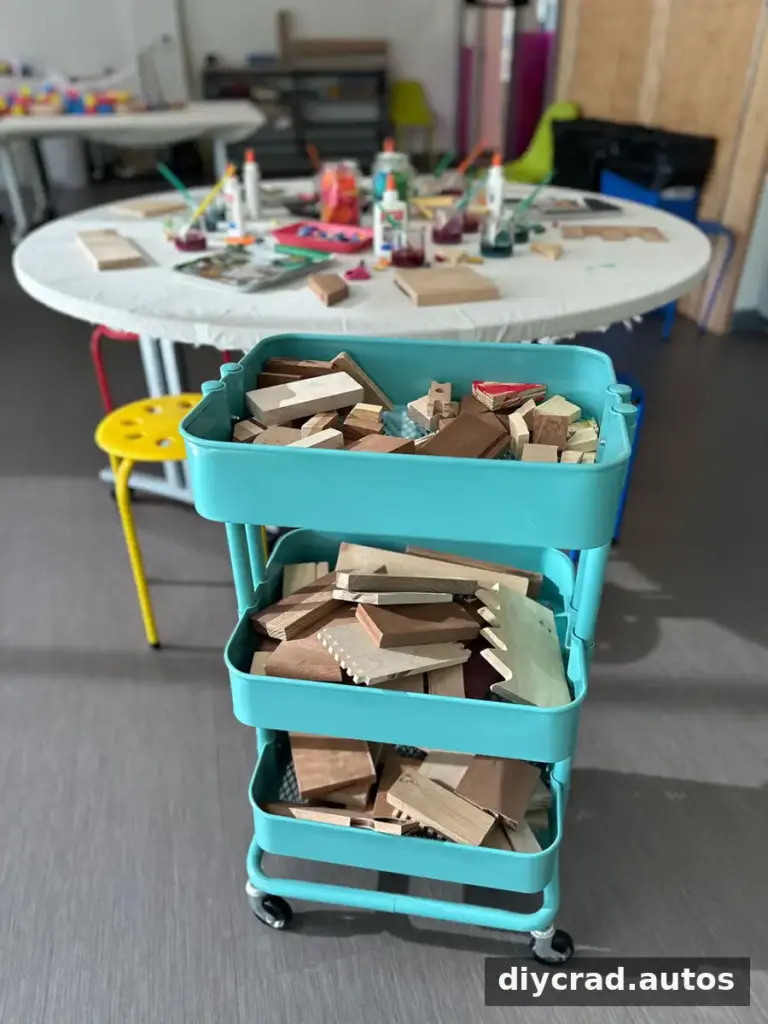
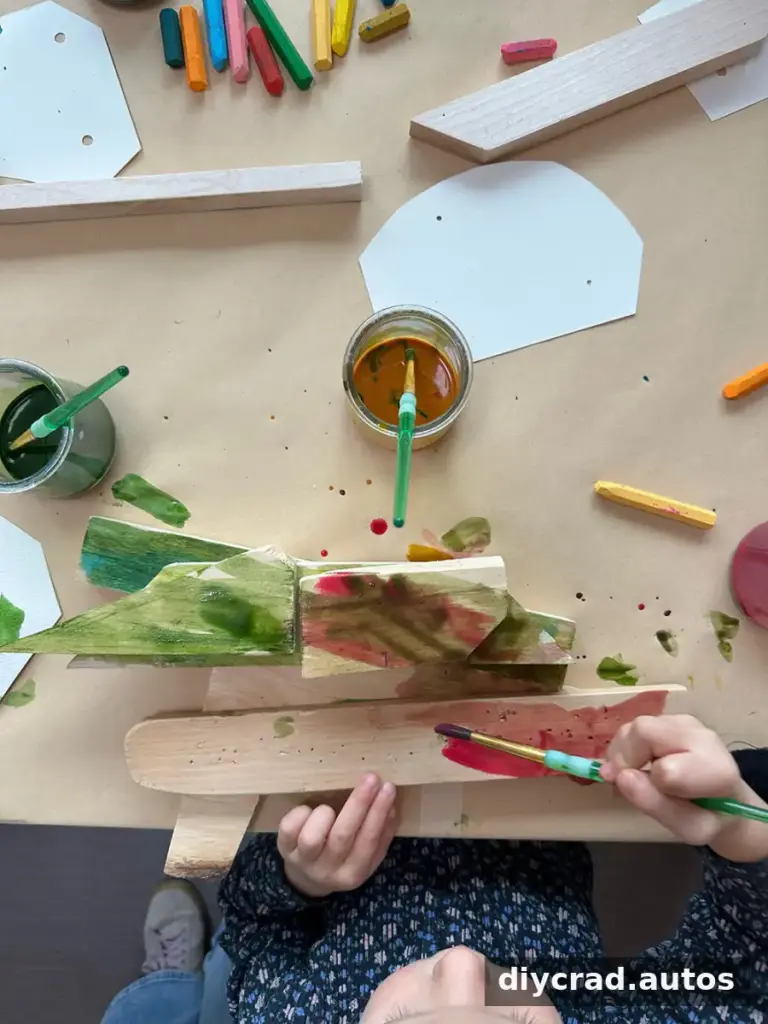
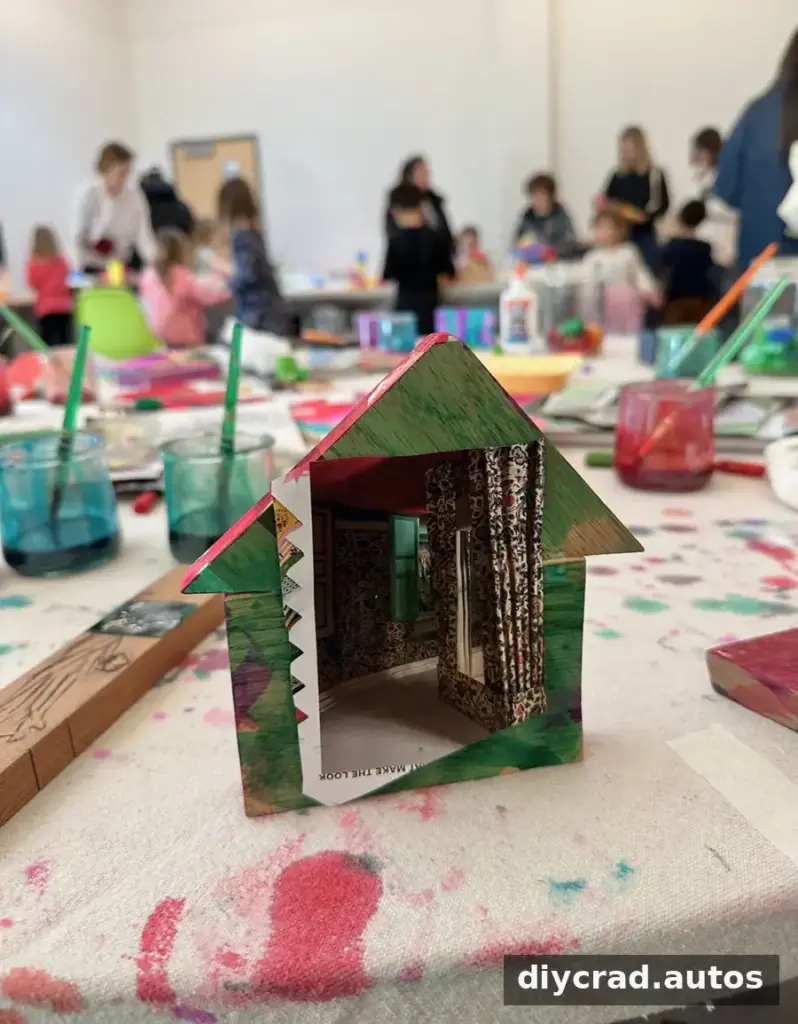
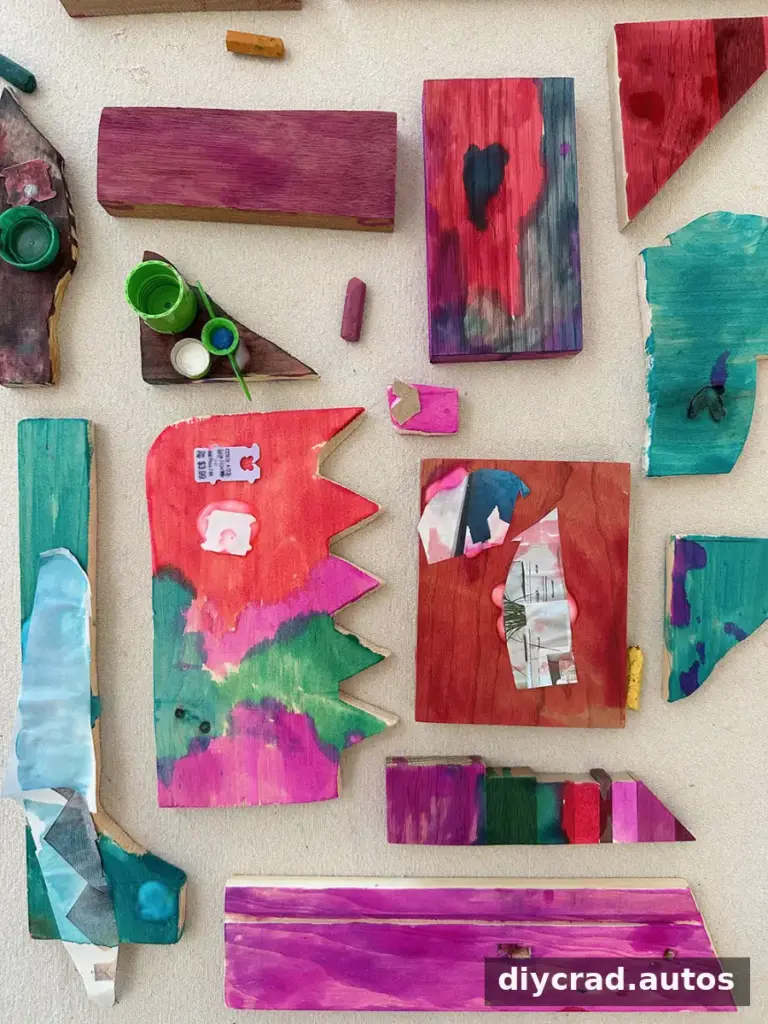
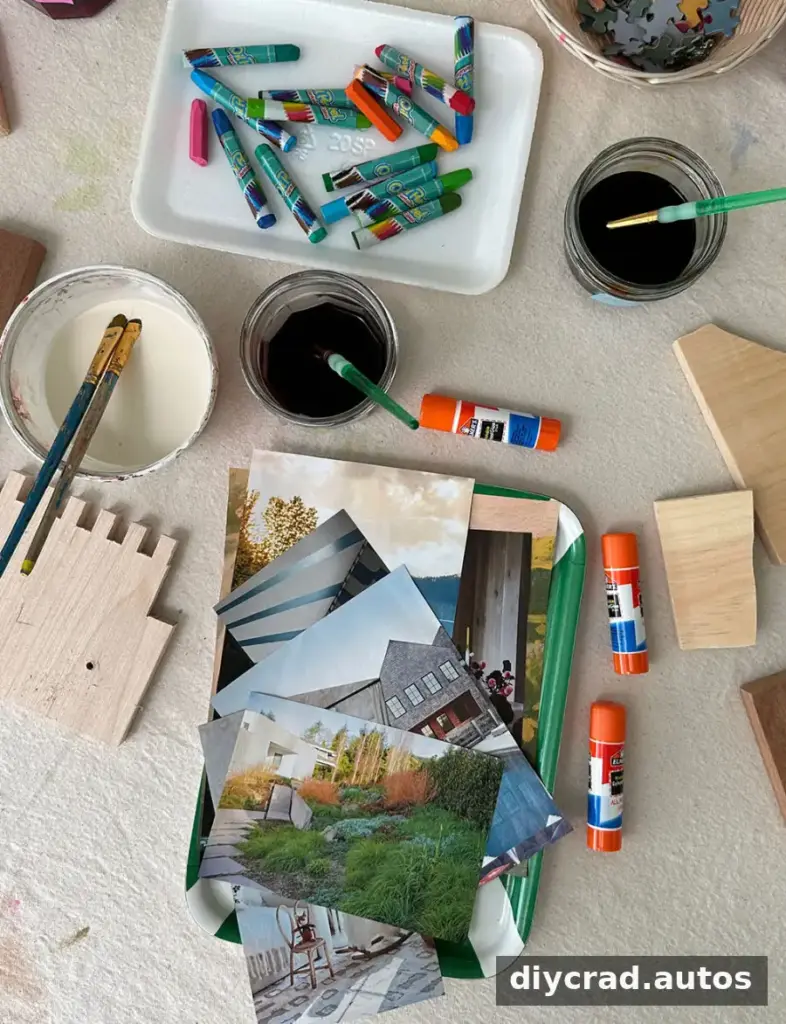
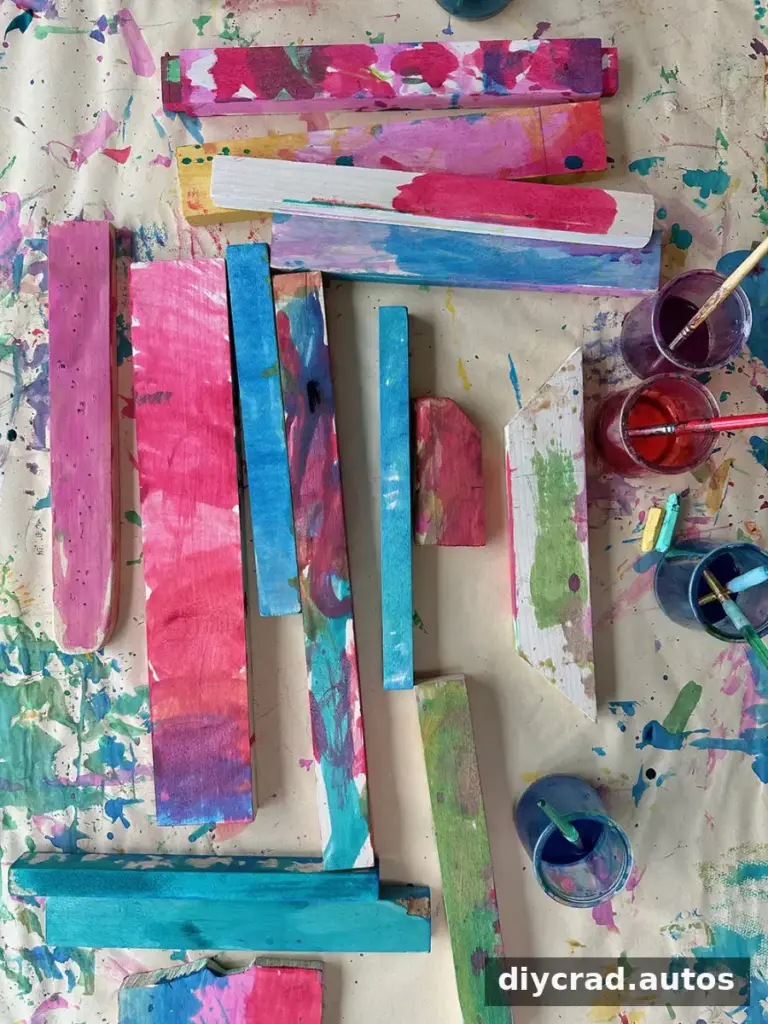
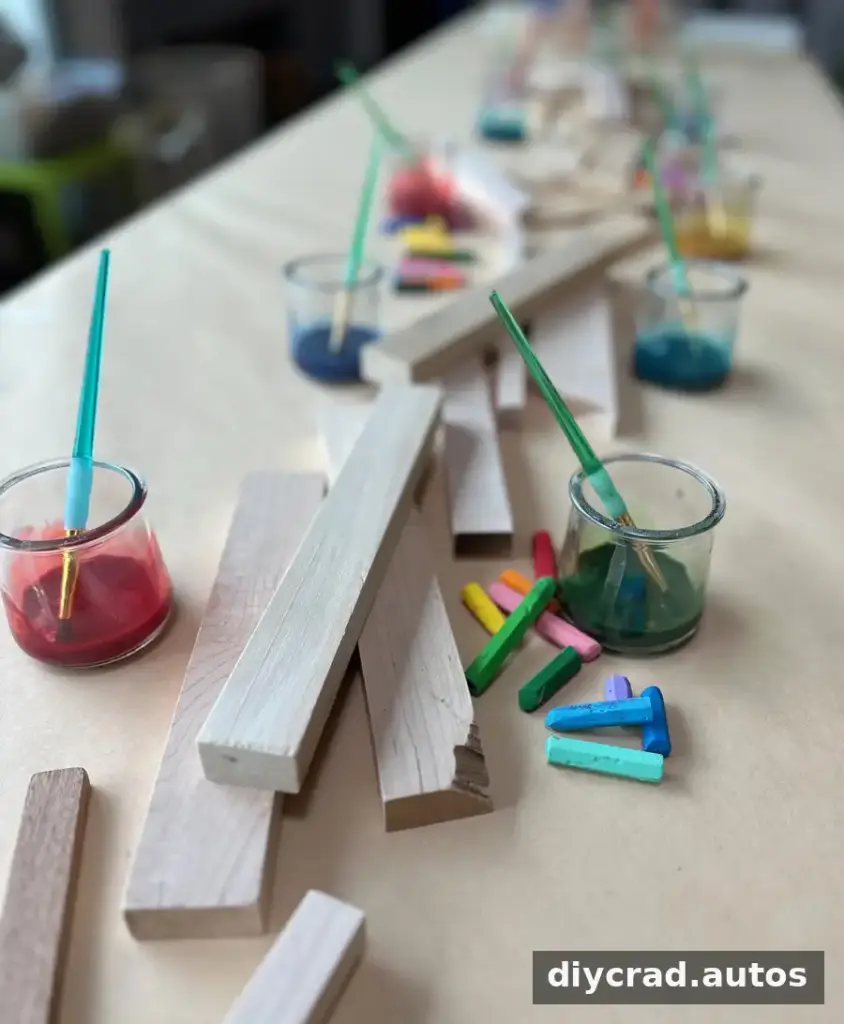
Unfinished wood provides a sturdy surface for painting, drawing, and building. Its grain can remain visible beneath watercolor or other paint, adding natural texture to a finished piece. Offer clean offcuts alongside glue, collage materials, and mark-making tools so children can combine methods and imagine structures.
Sand rough edges before putting wood scraps out, and select pieces that are appropriate for the children using them. Magazine images of buildings or gardens can provide visual inspiration without prescribing a final result. To contain glue, place materials on a tray or inside a shallow box lid.
5. Collage materials
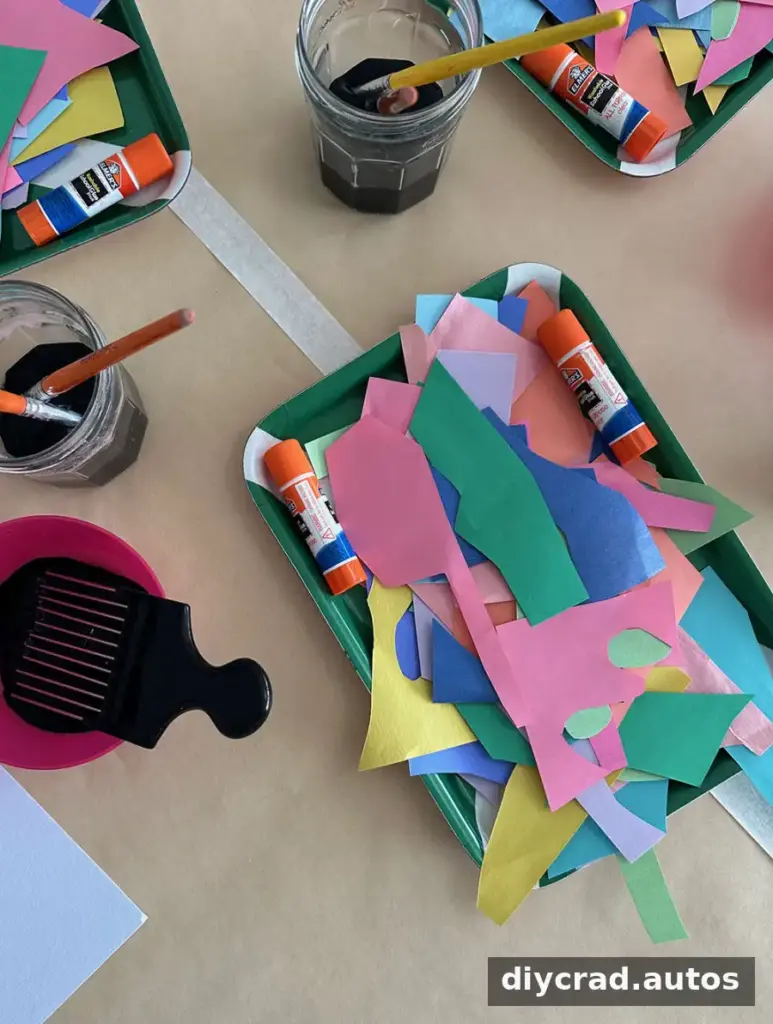
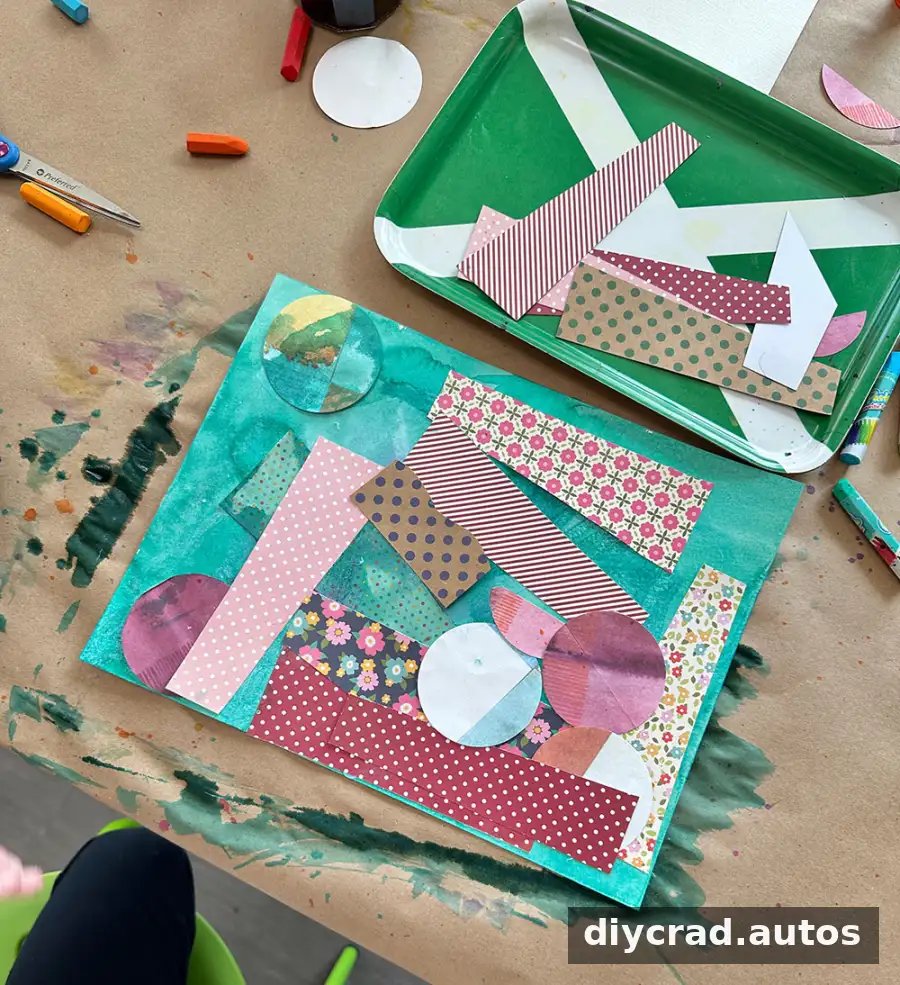
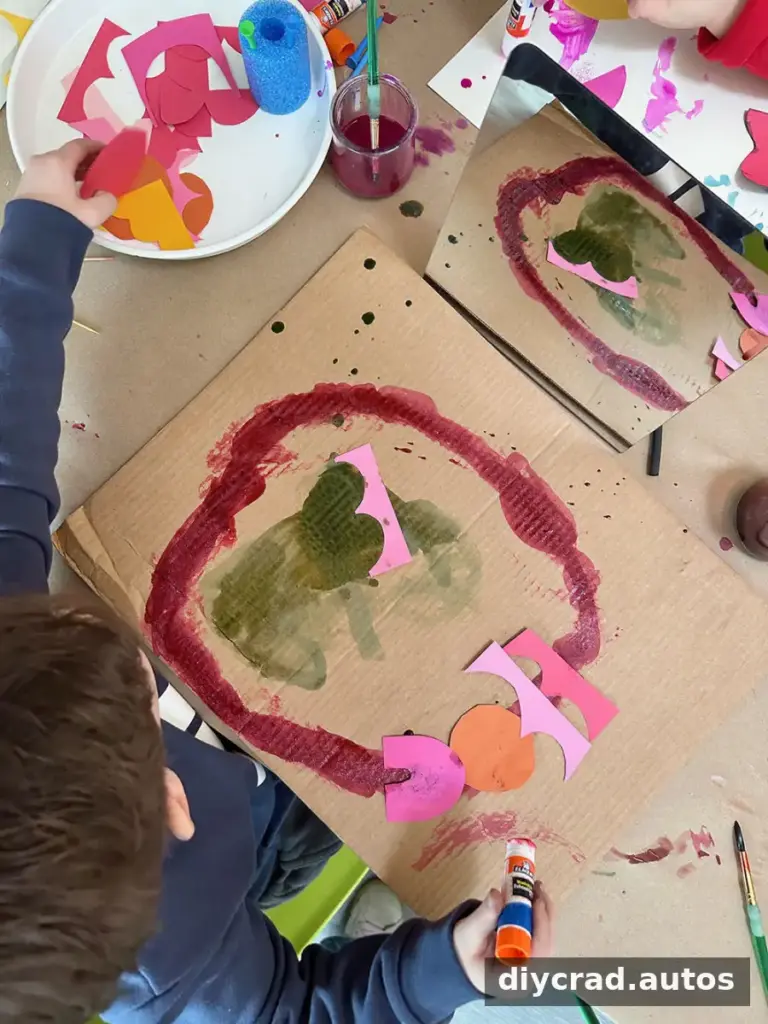
Collage supplies invite children to arrange, layer, and attach different shapes and textures. Combine safe paper offcuts, fabric pieces, yarn, and suitable clean packaging with glue or tape. A varied selection encourages children to make choices about color, placement, and how pieces might work together.
Keep small collage items away from children who may put them in their mouths, and offer only materials suited to the age group. A shallow tray can help separate materials and make it easier to tidy up or save unused pieces.
6. Surfaces for making
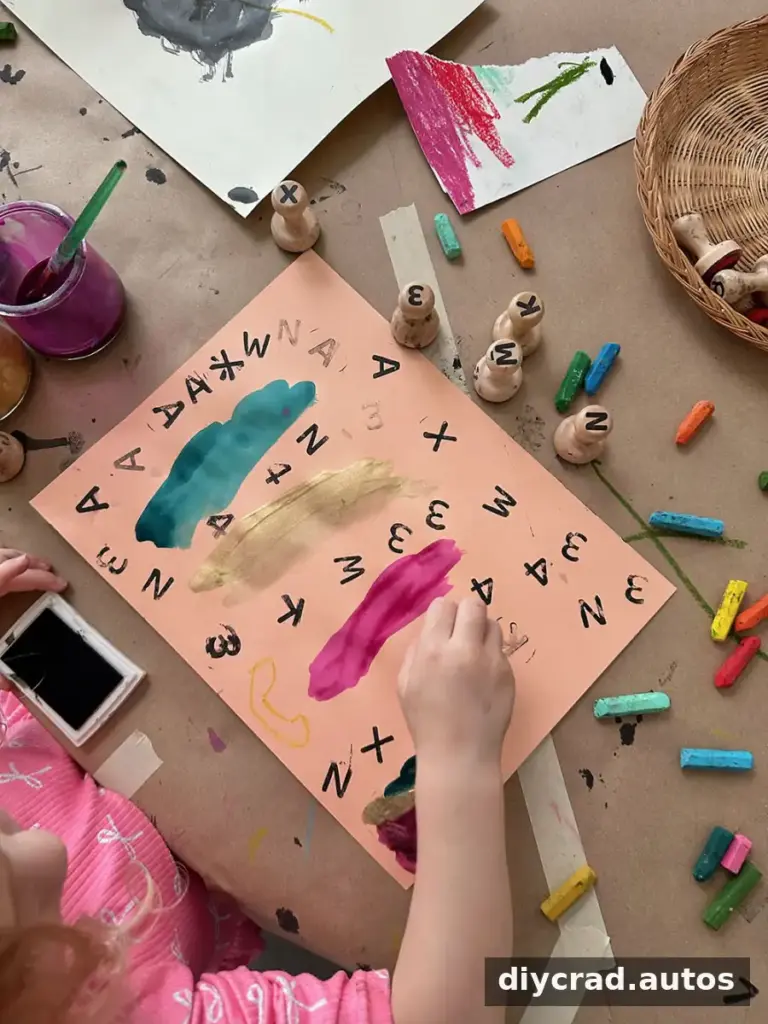
A surface does not have to be a new sheet of paper. Reused cardboard, opened cereal boxes, and brown paper bags can all support drawing, painting, printing, or collage. Larger pieces of cardboard can be clipped securely to an easel, allowing children to work vertically or return to a project later. Turn the cardboard over when one side is full.
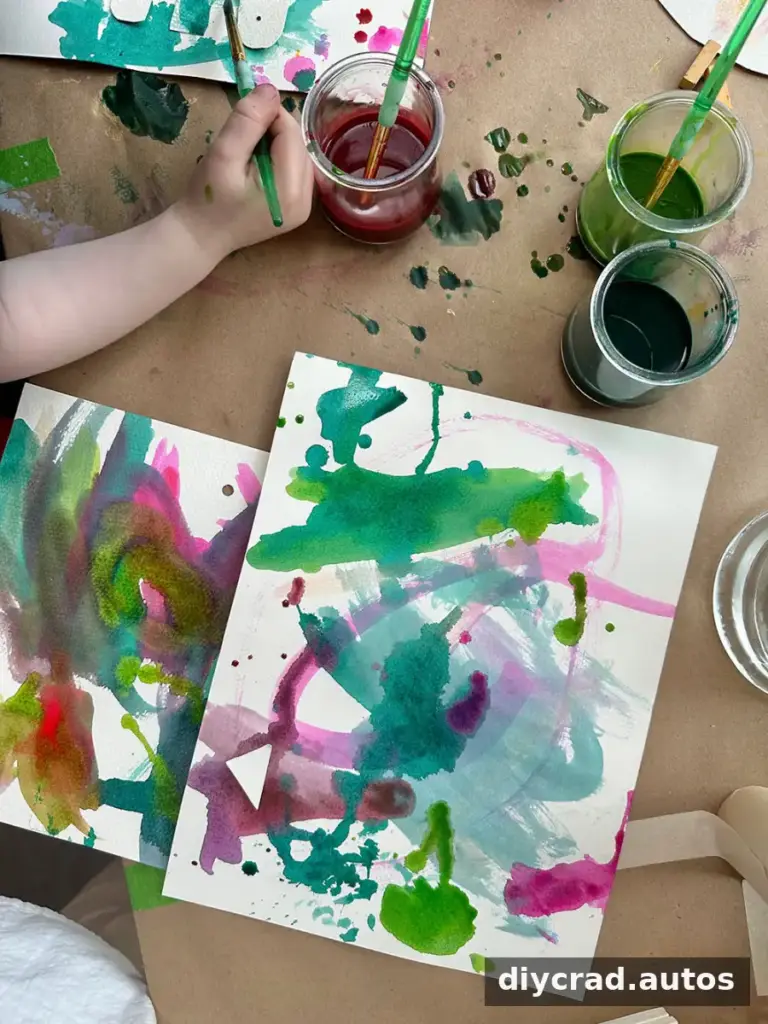
When available, watercolor paper is useful with liquid watercolor, while other suitable papers can work well for collage and tempera. Try different surfaces with the same medium to see how they respond. Secure large or lightweight surfaces before children begin so they do not slide during use.
7. Liquid watercolor
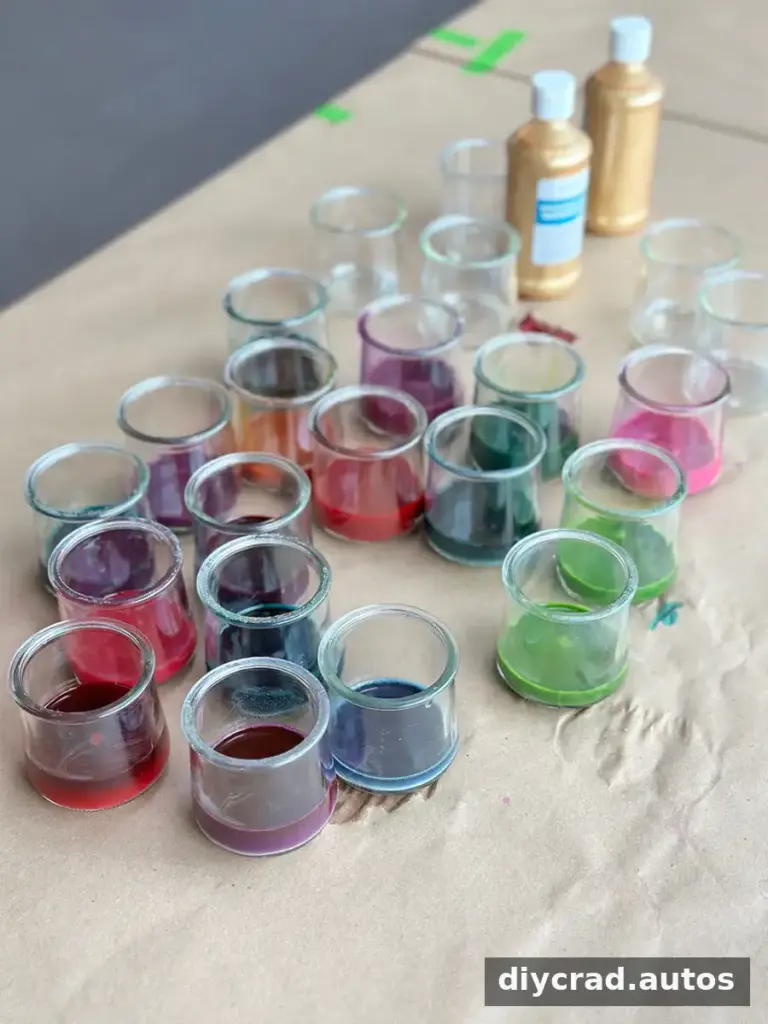
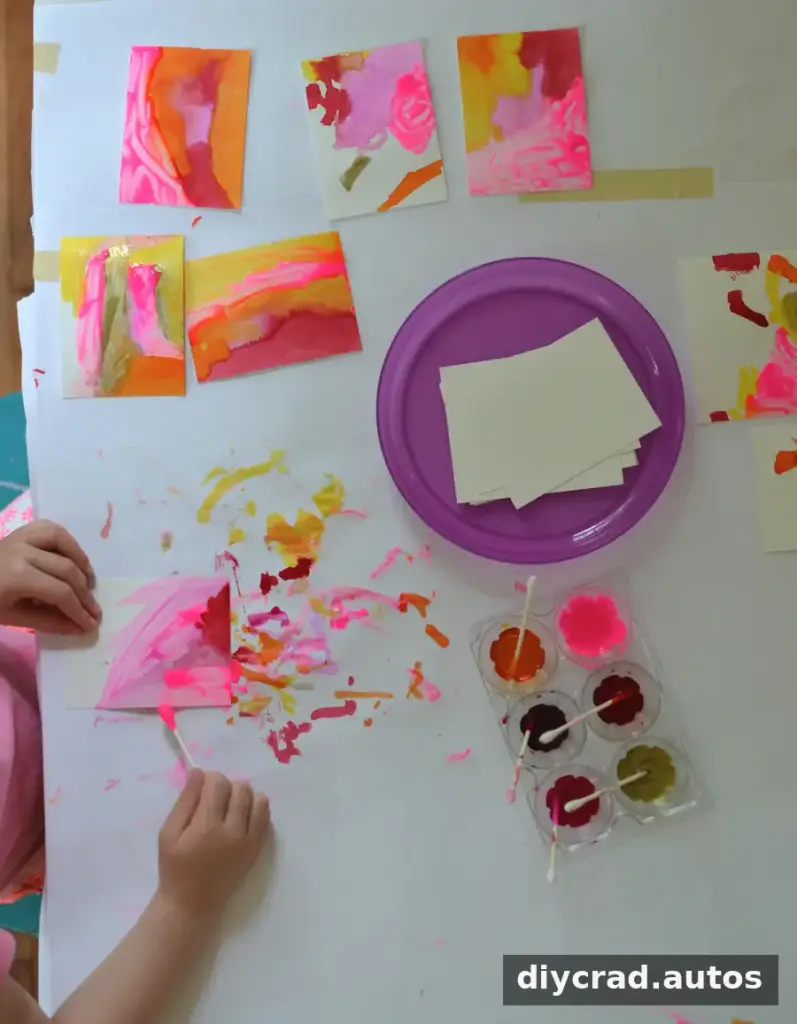
Liquid watercolor is a fluid paint that can be used for broad washes, layered color, and simple color-mixing experiments. If it is unavailable, diluted tube watercolor or thinned tempera can be alternatives. Start with a small amount of paint in a shallow container; this limits waste if it spills and makes refilling straightforward.
Adjust the amount of water to suit the colors and the effect you want to explore. Give each color its own brush when possible, and choose brushes that are comfortable for children to hold. A washable work surface and a nearby water container make cleanup easier. Children can also observe how the paint behaves on different types of paper and cardboard.
8. Tempera paint
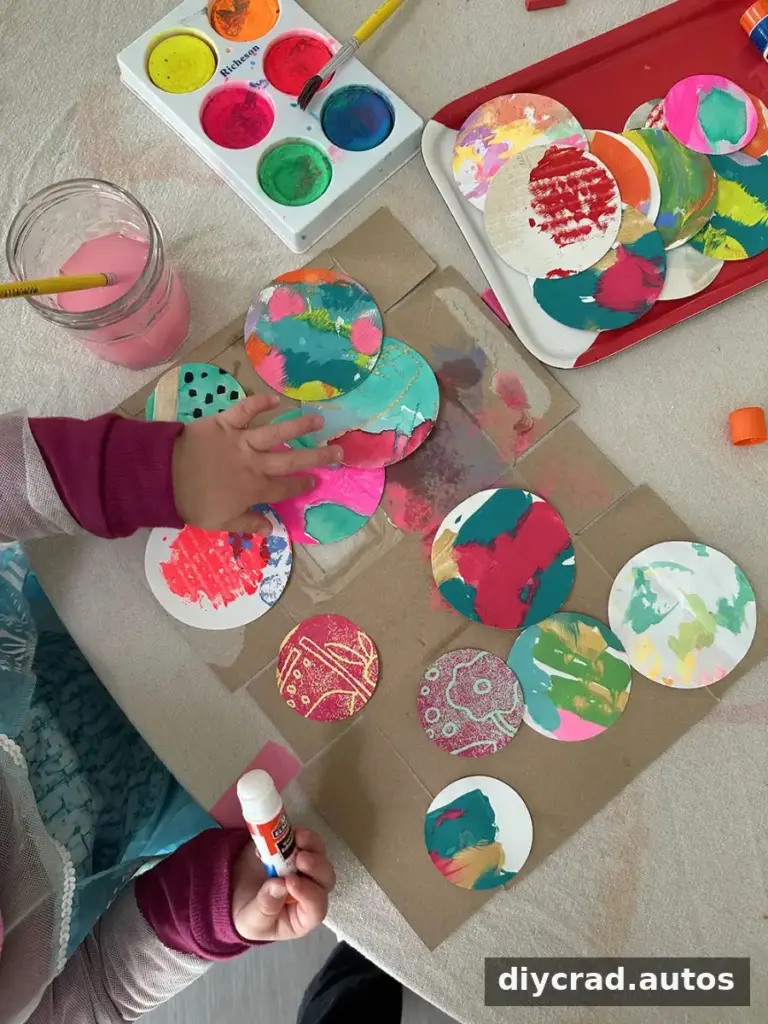
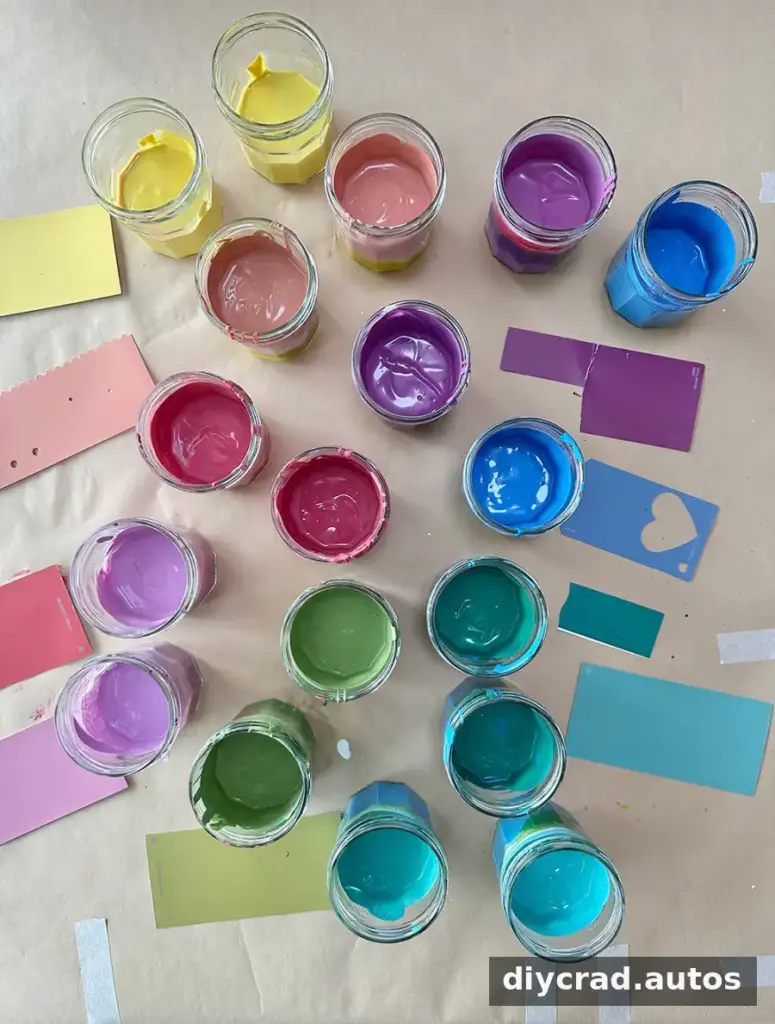
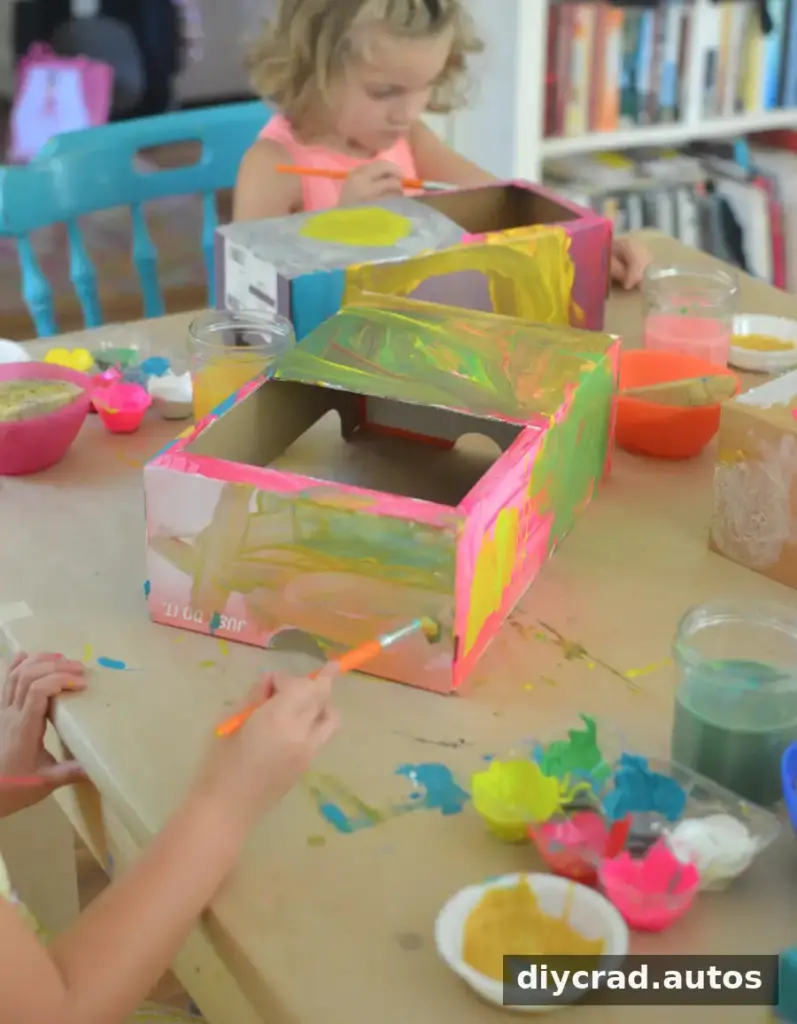
Water-based tempera is a familiar, adaptable paint for experimenting with color and covering larger surfaces. It can be offered with cardboard, paper, and clean recyclables. Adding white paint to other colors can make them more opaque, especially on brown surfaces, but children can also mix in white themselves as they work.
Painting can require extra setup and cleanup. Put out a limited number of colors, protect the work area, and provide a designated place for used brushes and handwashing. Lidded containers can help preserve leftover paint when appropriate. For a simpler activity, offer one color plus white and let children explore the combinations.
9. Oil pastels and chalk pastels
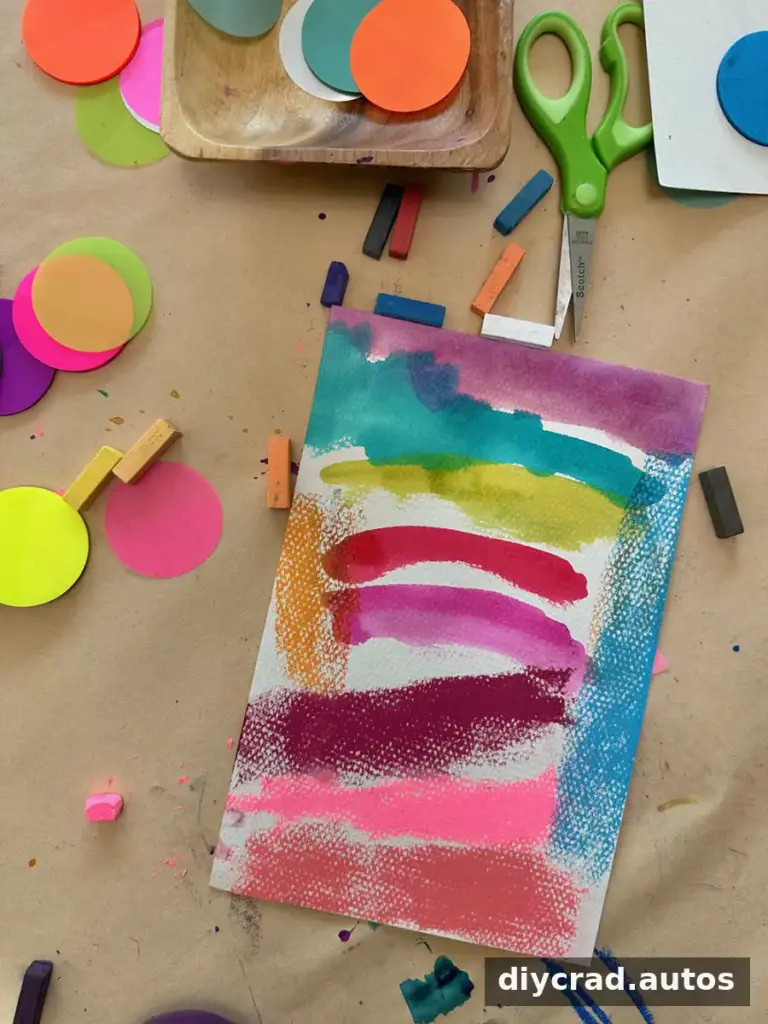
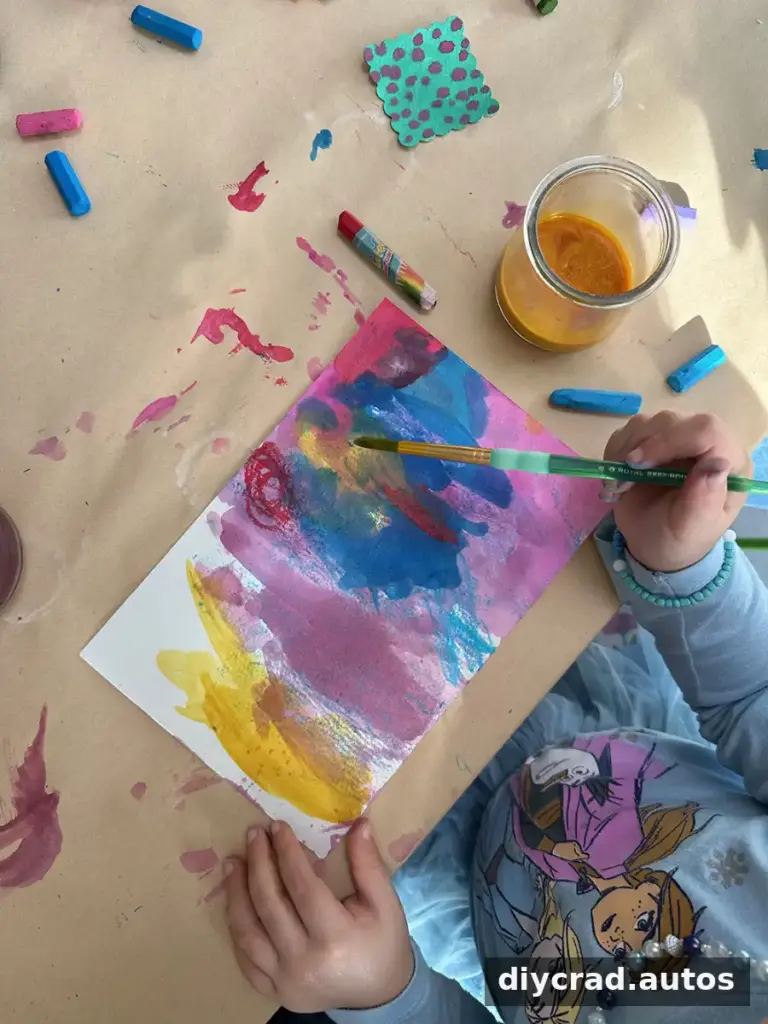
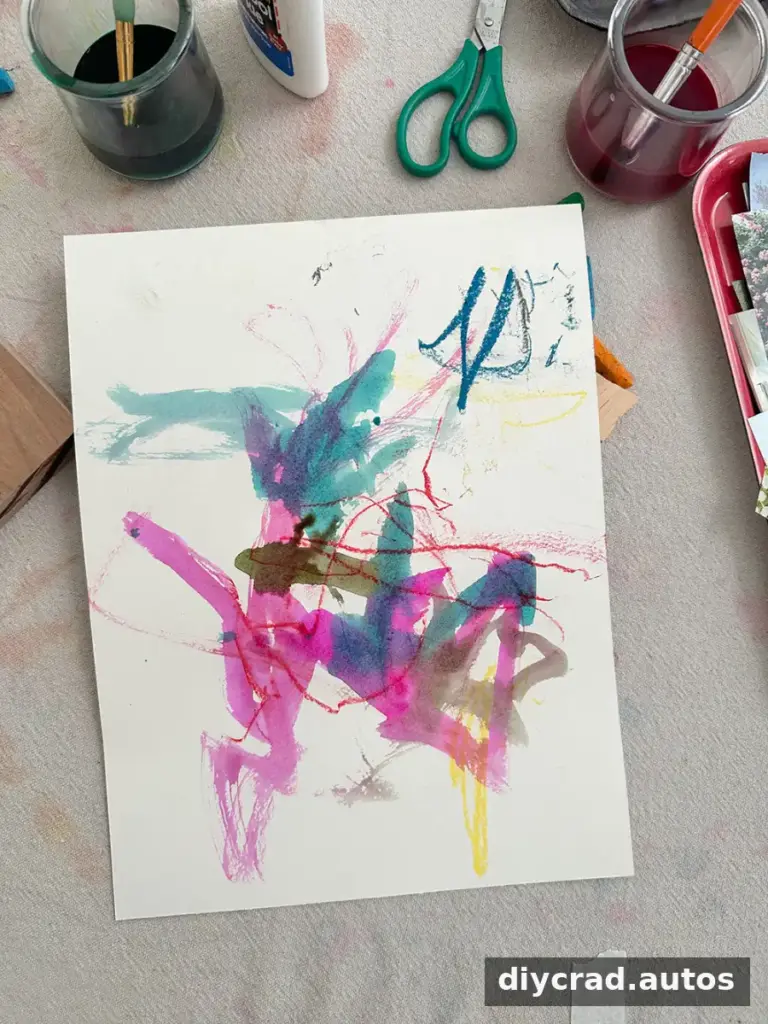
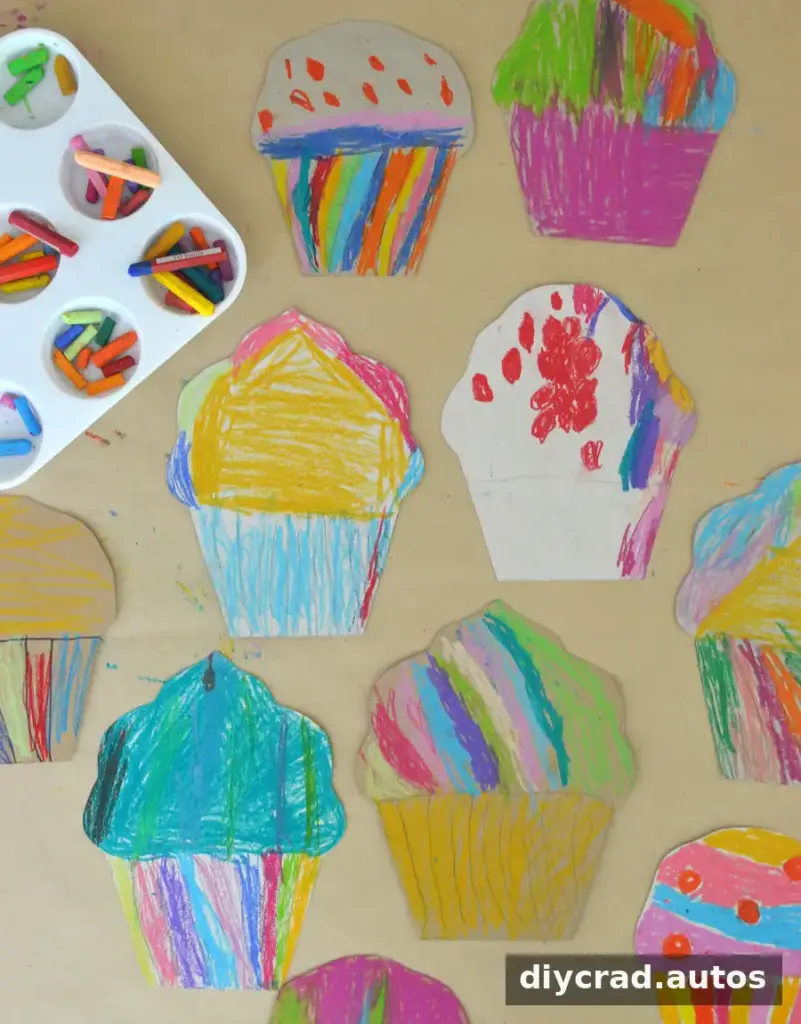
Oil pastels and chalk pastels offer rich marks and can be layered or blended across a surface. They work well on paper and cardboard and can be paired with watercolor for contrasting effects. Small pieces are still useful, so keep broken pieces together in a container rather than discarding them.
Choose materials suitable for the children’s ages and follow the product’s safety guidance. Pastels can transfer to hands and clothing, so protect the work area and plan for handwashing. Offer scissors or collage supplies alongside drawing materials if children want to extend their work in another direction.
10. Tools to connect and alter
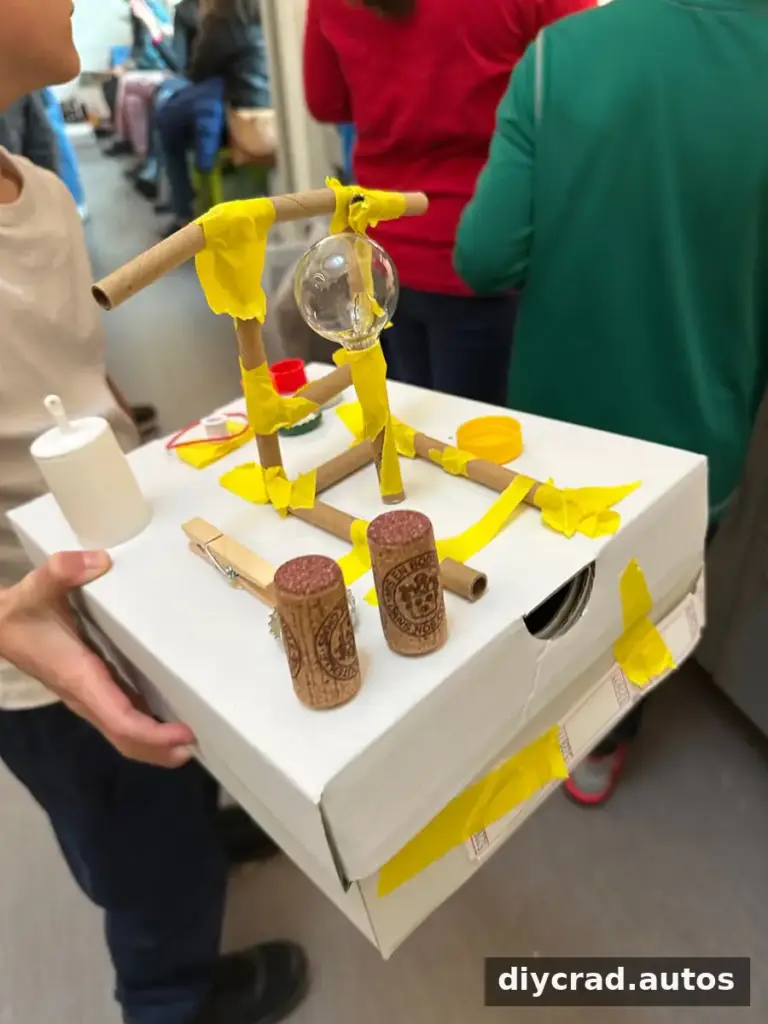
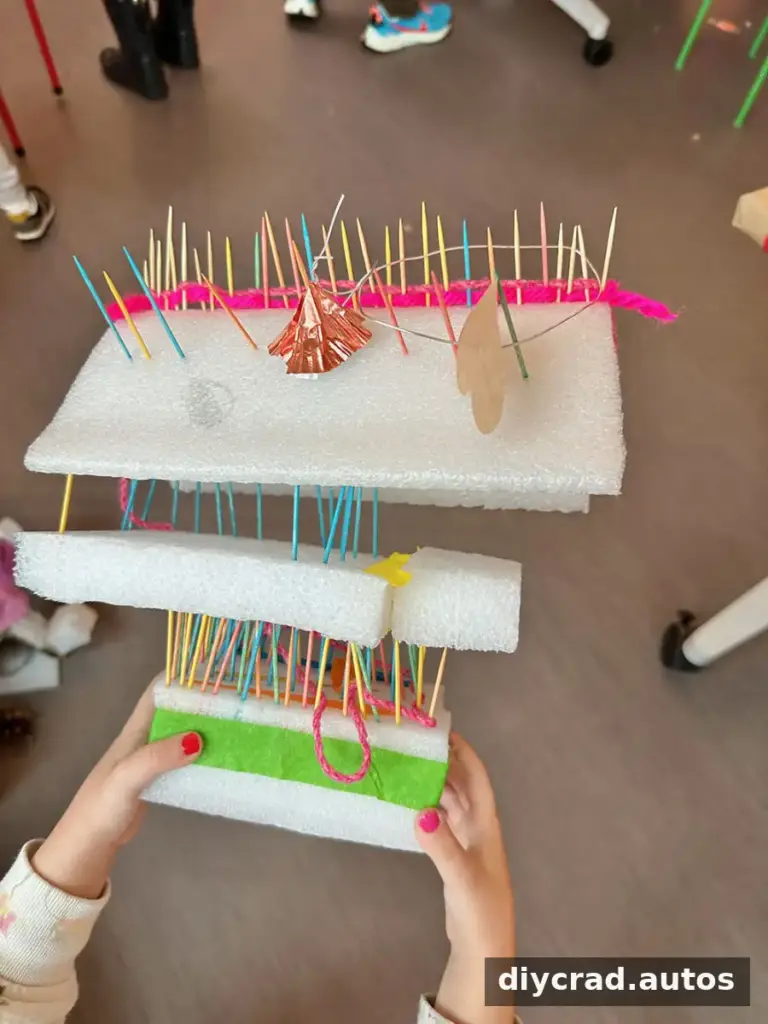
Tools for joining and changing materials help turn a collection of separate pieces into an evolving project. Useful options include masking tape, glue sticks, rubber bands, scissors, hole punches, and craft wire. Offer these alongside the materials they can transform: for example, tape with boxes, or yarn with punched paper shapes.
Match tools to children’s ages and abilities, and supervise the use of scissors, wire, and hole punches. Keep wire ends bent or covered where practical. A limited set of tools can still support many different ideas, from joining cardboard to threading yarn through holes.
Another material to consider: playdough and clay
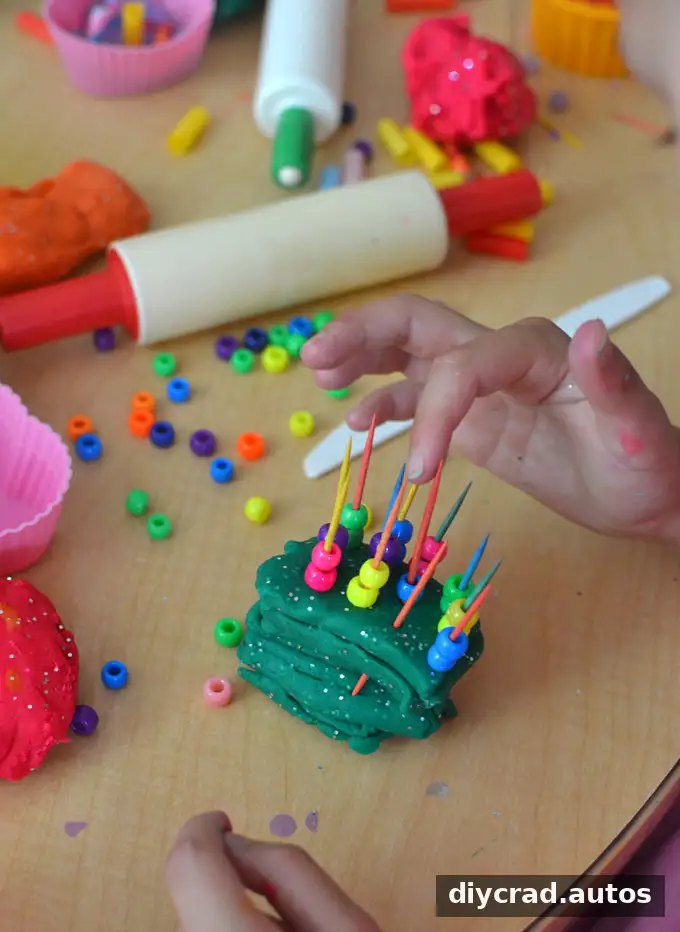
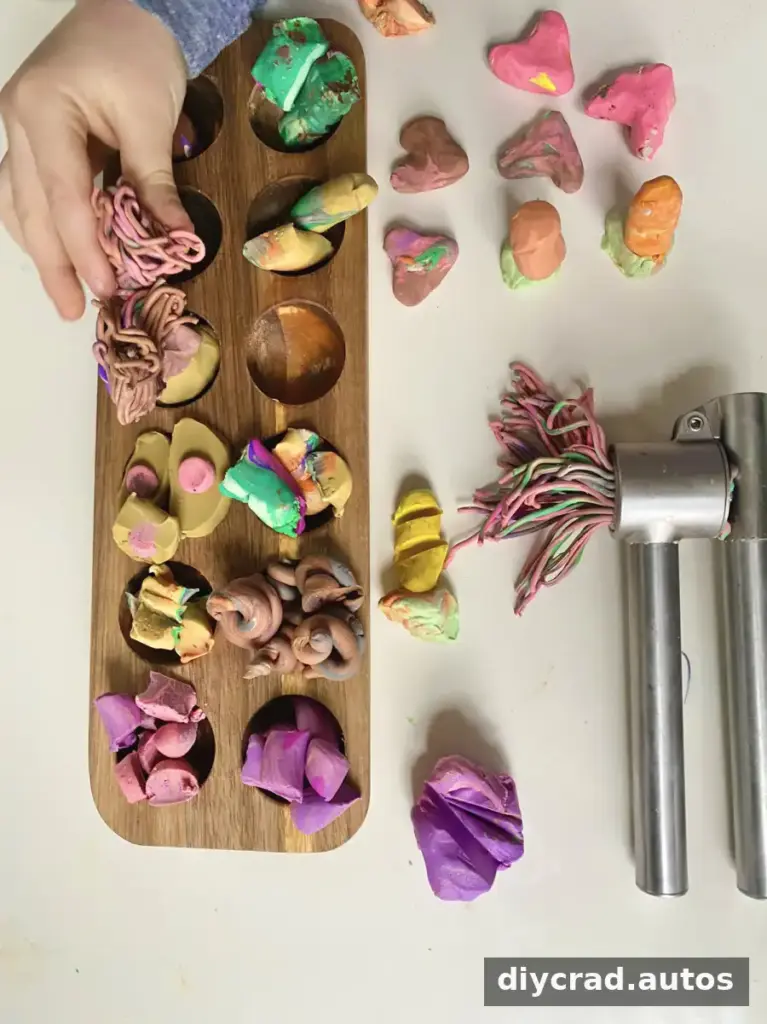
Playdough and clay offer a hands-on way to squeeze, shape, roll, and build. They can be especially useful when children want a quieter, tactile activity. Offer them with simple tools such as safe kitchen utensils, and consider rotating them into the art space if storage, cleanup, or supply quantities are a concern.
Use clean materials and tools, and follow appropriate hygiene practices, particularly in shared spaces. Reusable modeling materials should be stored according to their care instructions. An uncluttered surface and a small selection of tools help children focus on exploring the material itself.
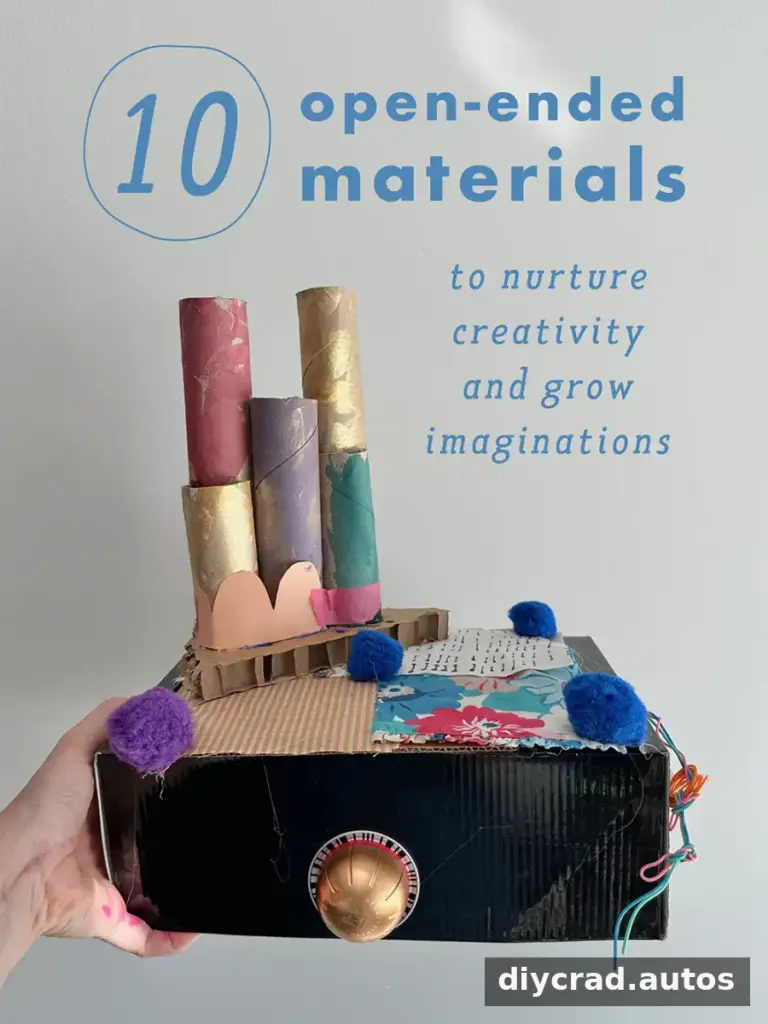
How to make open-ended art materials work together
Children do not need a large collection of supplies to explore creative ideas. Begin with a few materials that can be combined in different ways, then notice which tools help extend the activity. Recycled objects, for example, become more flexible when children have a safe way to cut, draw on, join, or decorate them.
- Offer a clear, reachable selection instead of putting every supply on the table at once.
- Pair materials with at least one suitable tool for changing or connecting them.
- Allow enough time for children to test ideas, revise their work, and clean up.
- Choose age-appropriate materials and supervise tools and small objects as needed.
Open-ended art materials support hands-on exploration, self-expression, and creative thinking. With a few practical choices and time to experiment, children can make their own discoveries using both everyday supplies and art materials.
— Bar
More process art ideas
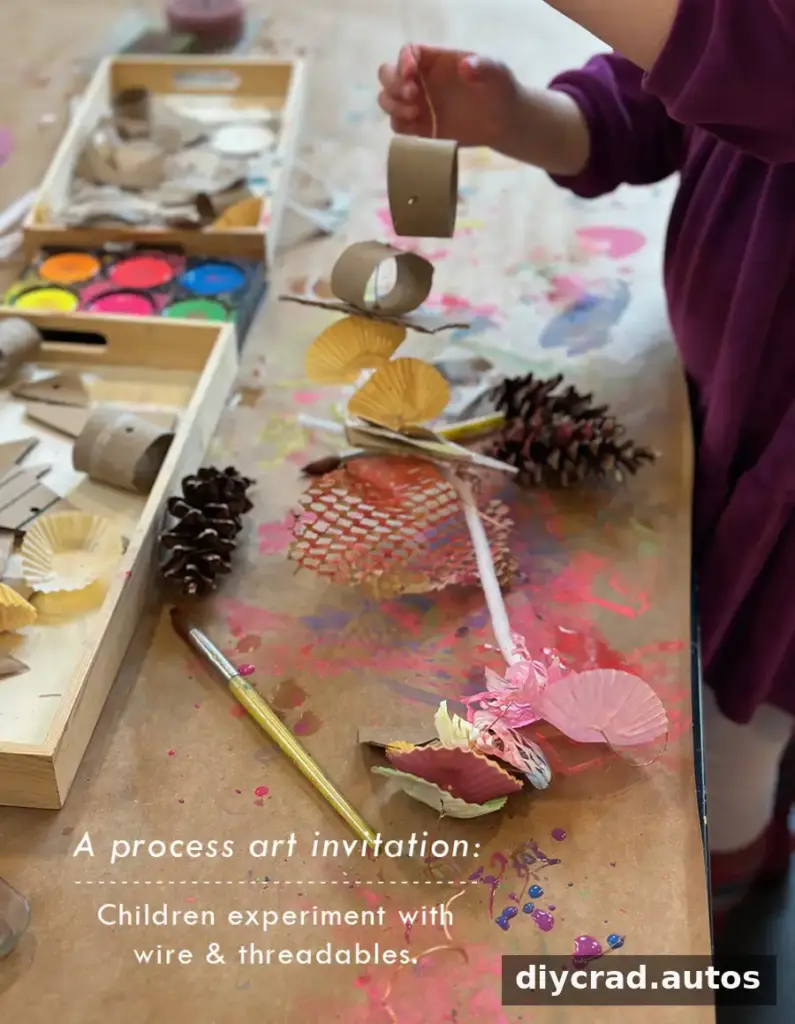
Process Art with Wire
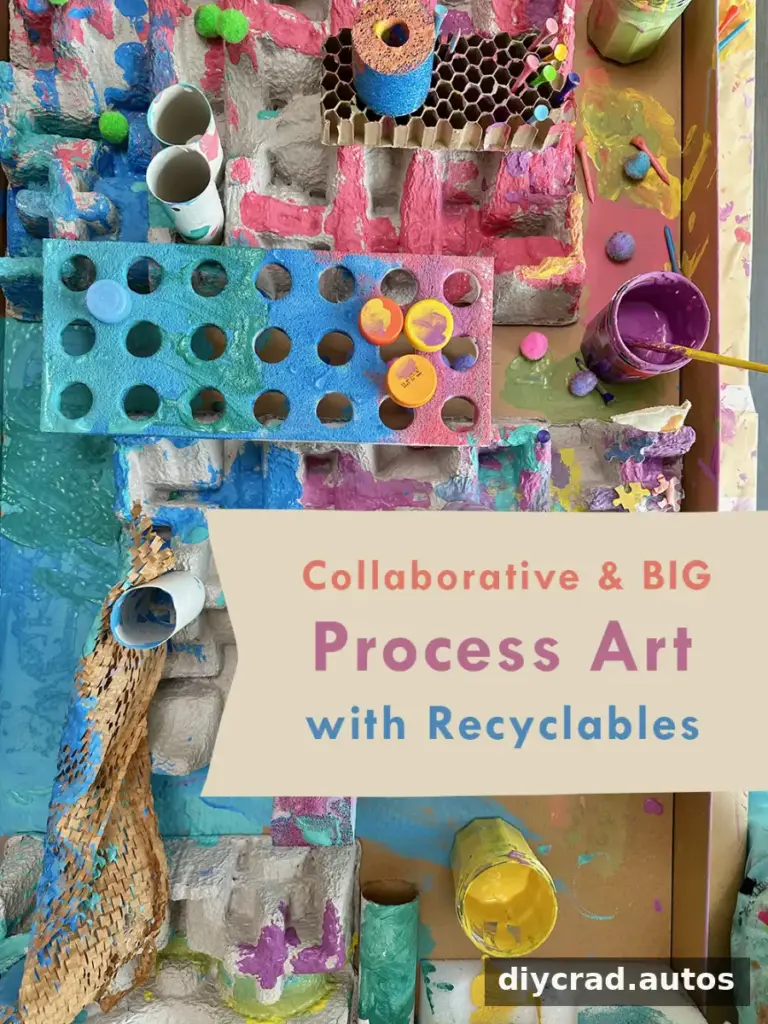
Process Art with Recyclables
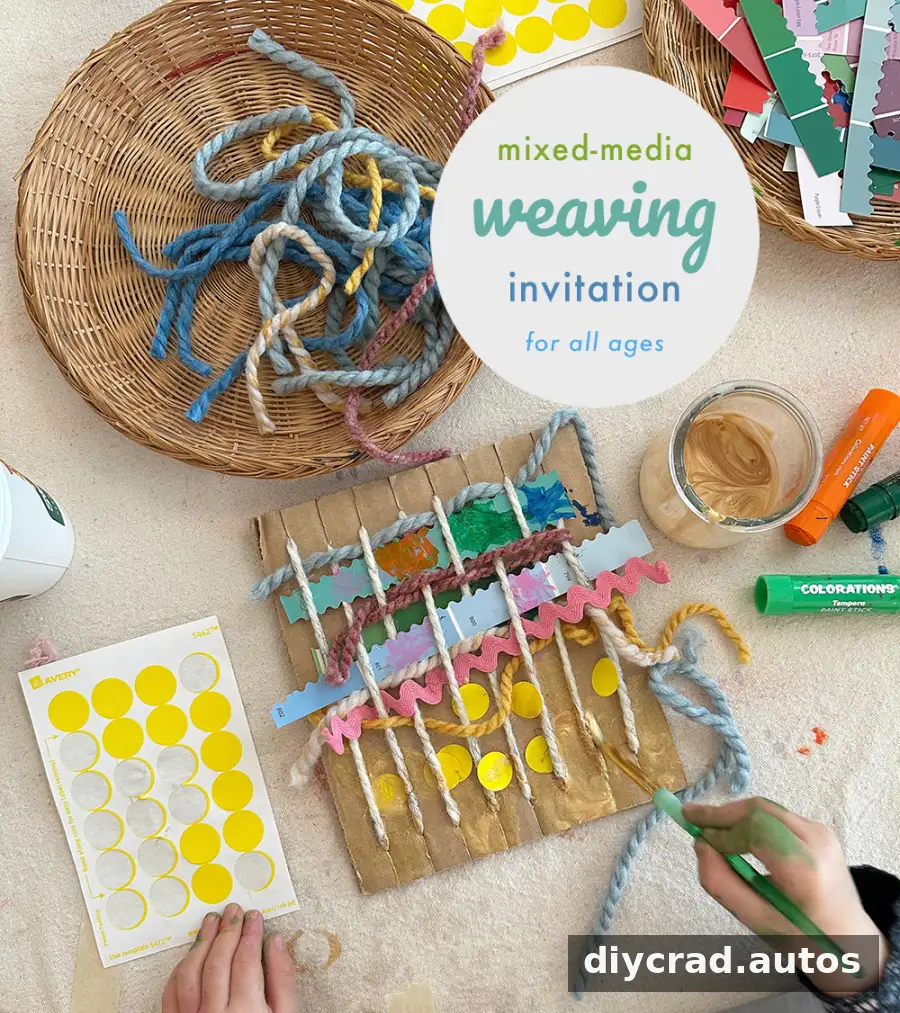
Process Art Weaving

