

Beach art turns a walk along the shore into a chance to make, experiment and notice the natural details around you. Shells, stones, leaves, sticks and sand can inspire simple projects for children and adults, whether you are creating at the beach or bringing a small collection home. Choose only loose materials that you are allowed to collect, and leave living creatures and natural habitats undisturbed.
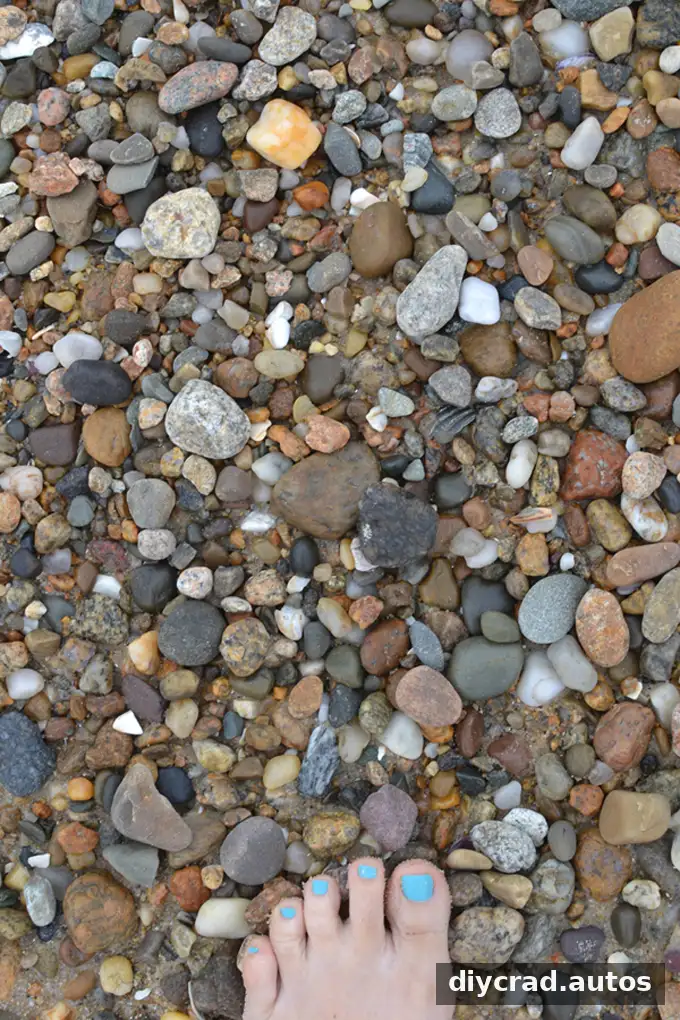
Why beach art begins with collecting
Gathering natural objects can be part of the creative activity itself. A search for shells or unusual stones encourages close observation, while arranging the finds can help generate ideas before any paint or glue comes out. Collections do not need to be large: a few shapes, colors or textures are often enough to make a satisfying project.
Nature finds can also be displayed temporarily at home or sorted into small groups for an art session. To avoid clutter, decide in advance what you will keep and return unwanted items where permitted. Check local beach rules before collecting, since restrictions can vary by location.
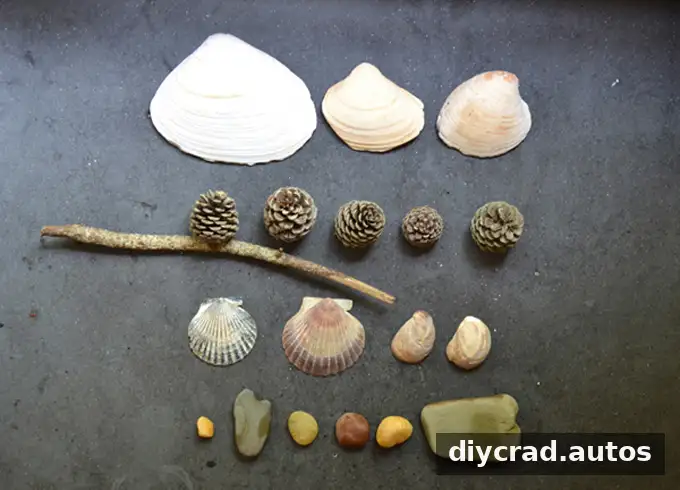
Simple materials to gather and use
Shells and rocks are easy starting points for beach art because they offer varied shapes and surfaces. Sticks, pinecones and sea glass can add different colors and textures when they are available. For indoor art activities, everyday recycled supplies such as cardboard rolls, corks, cereal boxes and bottle tops can be kept on hand for building or display projects.
Before using found materials, brush or rinse off loose sand and let items dry. Use washable paints and age-appropriate tools, and supervise children when projects involve small objects, scissors or glue. Avoid taking sharp, fragile or unidentified items home.
Project ideas using beach finds
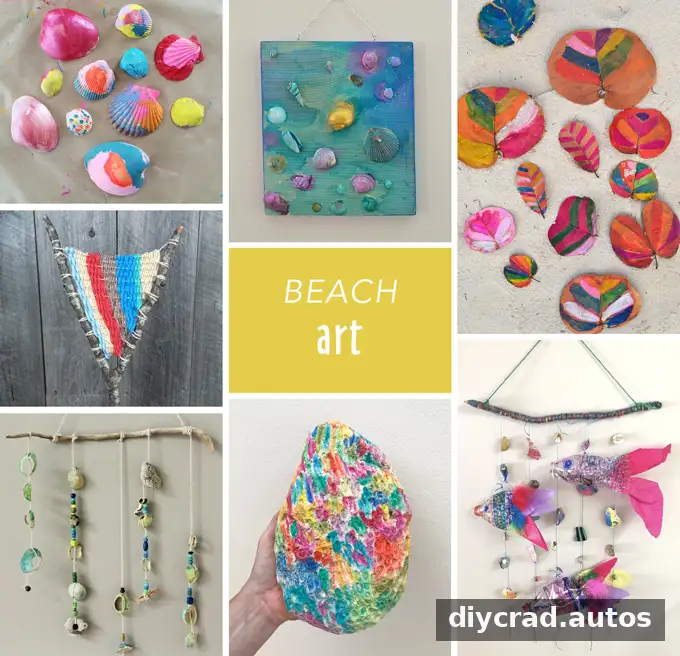
These examples show how a small collection can lead to different kinds of artwork:
- Painted shells: Decorate shells with tempera paint for a straightforward art activity. A small selection of colors keeps the setup simple.
- Shells on wood: Glue shells onto a piece of wood, then add liquid watercolor. Contrasting colors can help individual shells stand out.
- Decorated leaves: Leaves collected on the beaches of Punta Cana were embellished with water-soluble crayons.
- Recycled-bottle fish mobile: The Art Garden blog created fish from recycled bottles for a hanging mobile.
- Painted coral rock: A large coral rock found on the beaches of St. Barth’s was painted with regular watercolor.
- Shell mobile: Nurture Store selected shells with holes, making them easier to thread and hang.
- Stick weaving: Y-shaped sticks collected on a Maine beach were used as the structure for a weaving.
For projects that use glue or paint, work on a washable surface and allow each piece to dry fully before moving or displaying it. Keep natural materials out of the water and away from areas where they could be left as litter.
Beach art ideas made directly in the sand
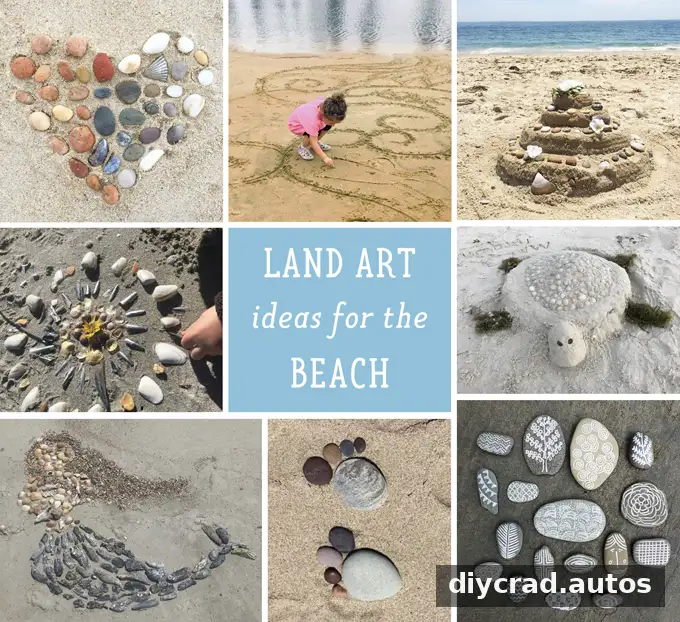
Land art can be created with materials already at the shore, then left in place to change naturally with the tide and weather. Simple designs are often the most enjoyable to make and do not require special equipment.
- Arrange stones or shells into a heart, using finds from Rhode Island beaches as inspiration.
- Draw patterns in the sand, as Amber Lepisto did.
- Shape a sand cake or a sand turtle; the turtle idea was shared by Andrea Owen Brown in Ft. Meyers, Florida.
- Use white chalk markers to draw on rocks, where local rules allow.
- Make animal footprints in the sand, inspired by Stephanie Tracy in Nova Scotia.
- Create a mermaid design, like Mindy from Paint Life, or arrange a mandala inspired by Ginni-Rose Orchiston.
Take photos of temporary designs rather than leaving materials behind. Be considerate of other beach visitors, avoid sensitive areas and check that any drawing materials are suitable for the surface and permitted at that beach.
Making beach art without a beach trip
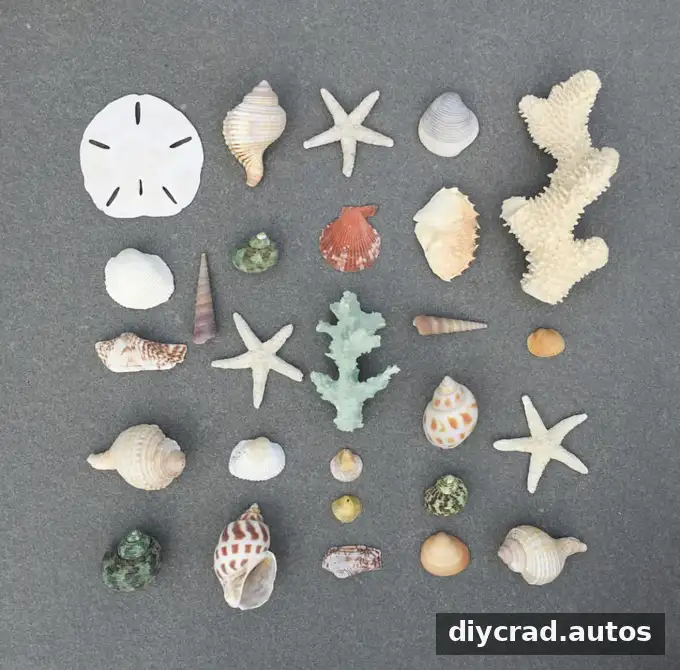
If visiting the coast is not possible, craft shells can be purchased from a store. This offers a way to try shell painting or a mobile without collecting items outdoors. Choose only the quantity needed for your project, and consider reusing shells you already have before buying more.
Beach art does not have to end with a finished painting or sculpture. Looking closely, arranging shapes and trying different patterns can be rewarding on their own. Start with a few safe, permitted materials, choose a simple idea and let the textures and forms guide the activity.
Conclusion
Beach art can be as simple as painting a shell, weaving around a stick or making a pattern in the sand. Use local materials responsibly, follow beach rules and leave the shoreline clean. With a small collection and a little imagination, beach art offers an accessible way to turn time outdoors into a creative activity.

