

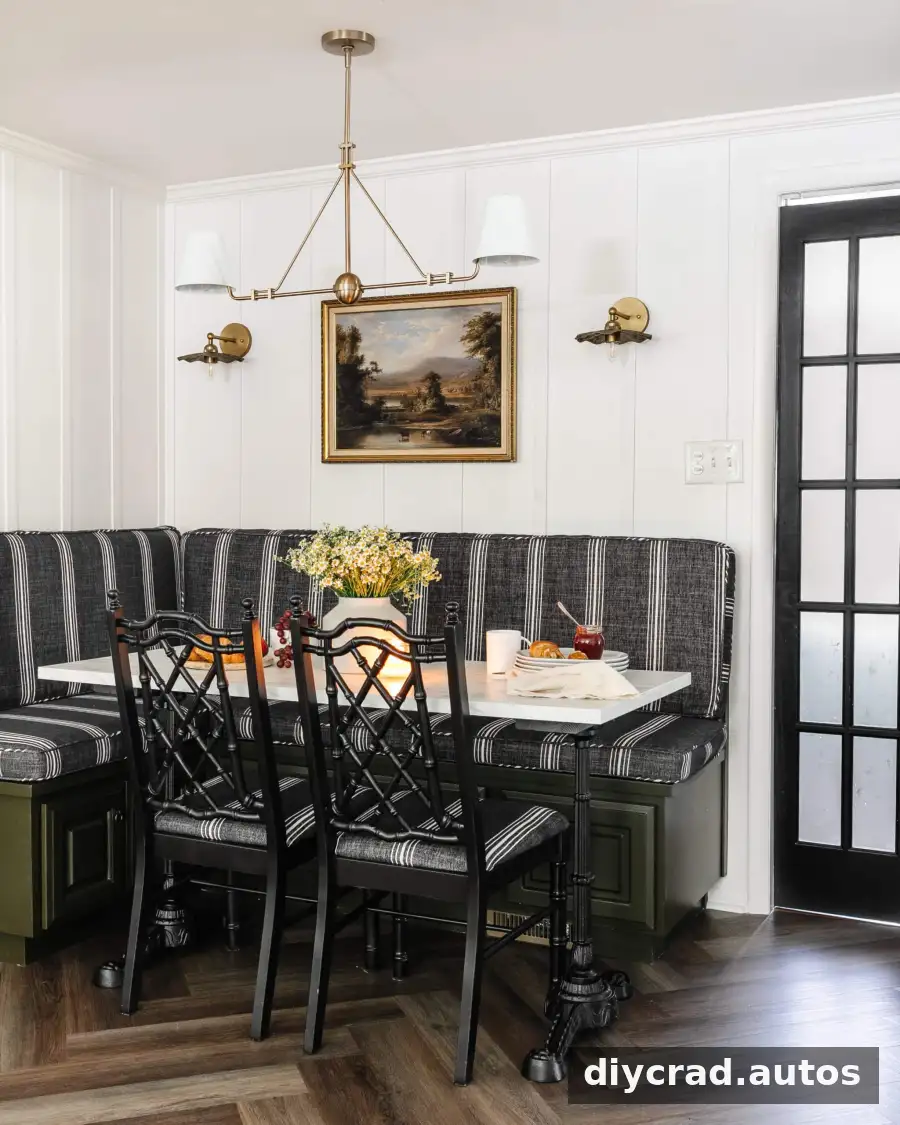
Refreshing your home does not have to mean buying new furniture or taking on an expensive renovation. These cheap home decor ideas range from free organizing and furniture swaps to small DIY projects that can often be completed for less than $100, especially when you reuse materials you already own. Costs vary with room size and supplies, so choose a project that fits your budget and tackle one change at a time.
How to Keep Home Decorating Affordable
Start by looking at what you already have. Moving decor between rooms, using leftover paint, and repurposing scrap wood can reduce the need for new purchases. Before starting a project, list the supplies required and check whether borrowing or reusing materials is an option.
Simple maintenance can also make a room feel refreshed. A short decluttering session, a cleaner floor, or a better furniture layout may make a noticeable difference without adding to your spending.
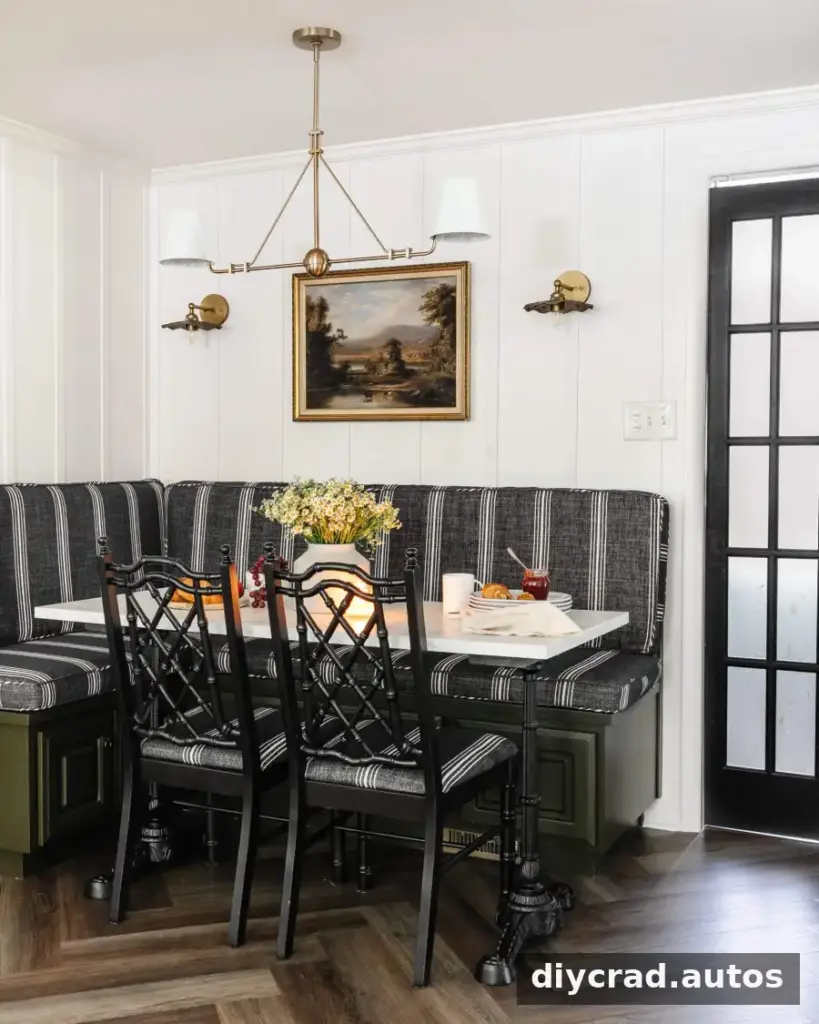
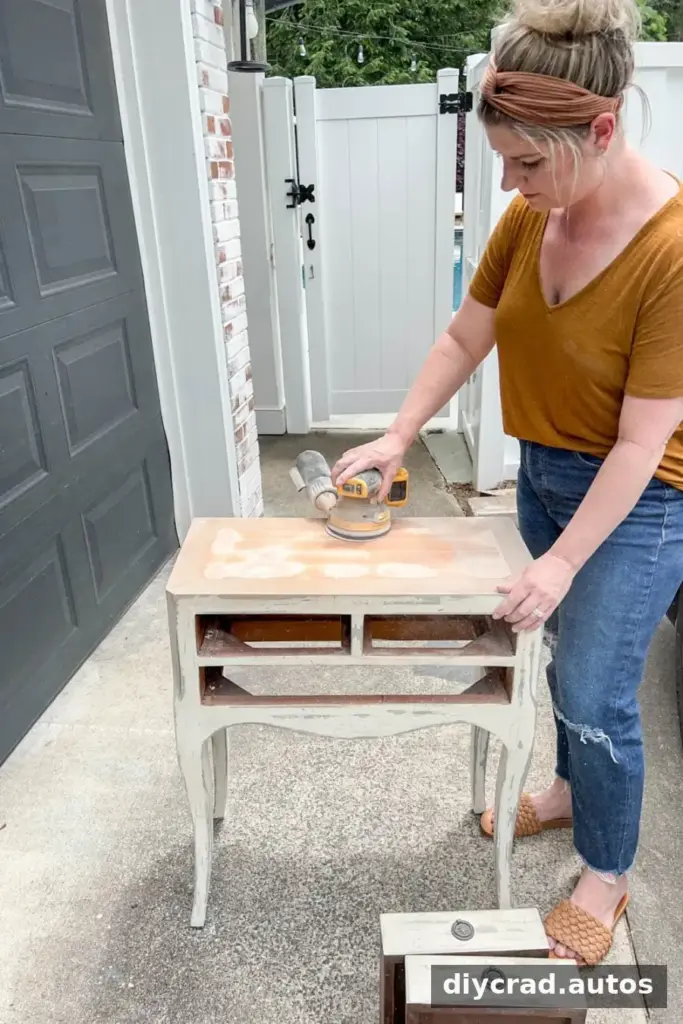
1. Paint a piece of furniture
A fresh coat of paint can give a tired table, chair, or cabinet a new look. Check what furniture you own before buying anything, and borrow supplies if you only need them for this project.
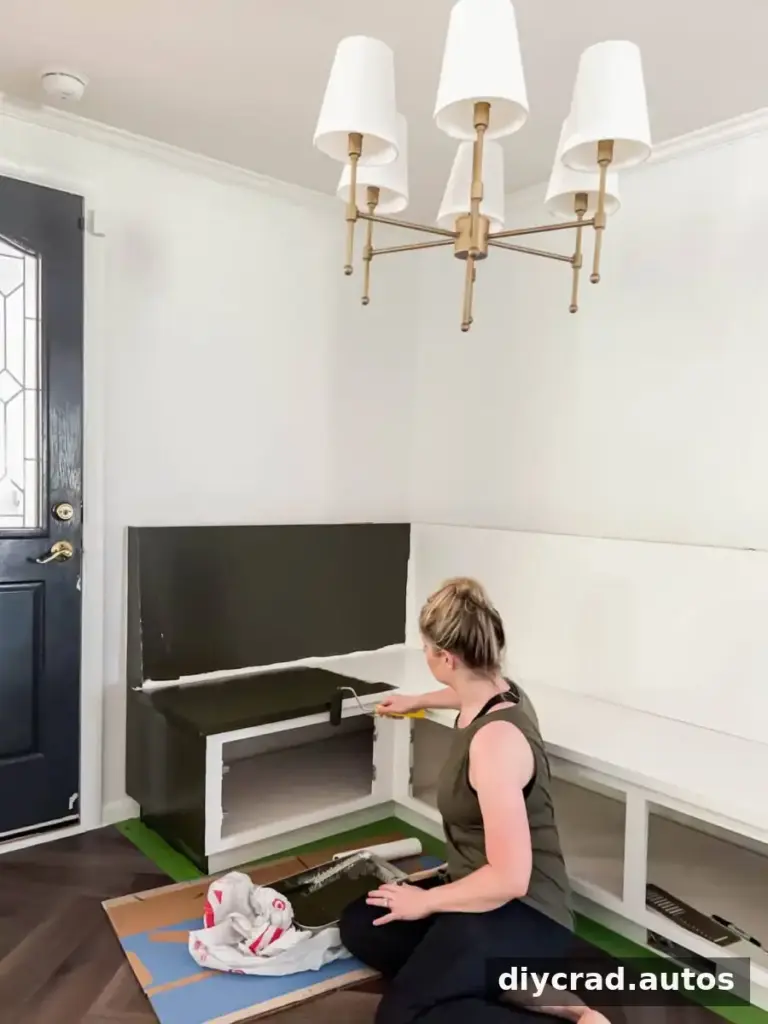
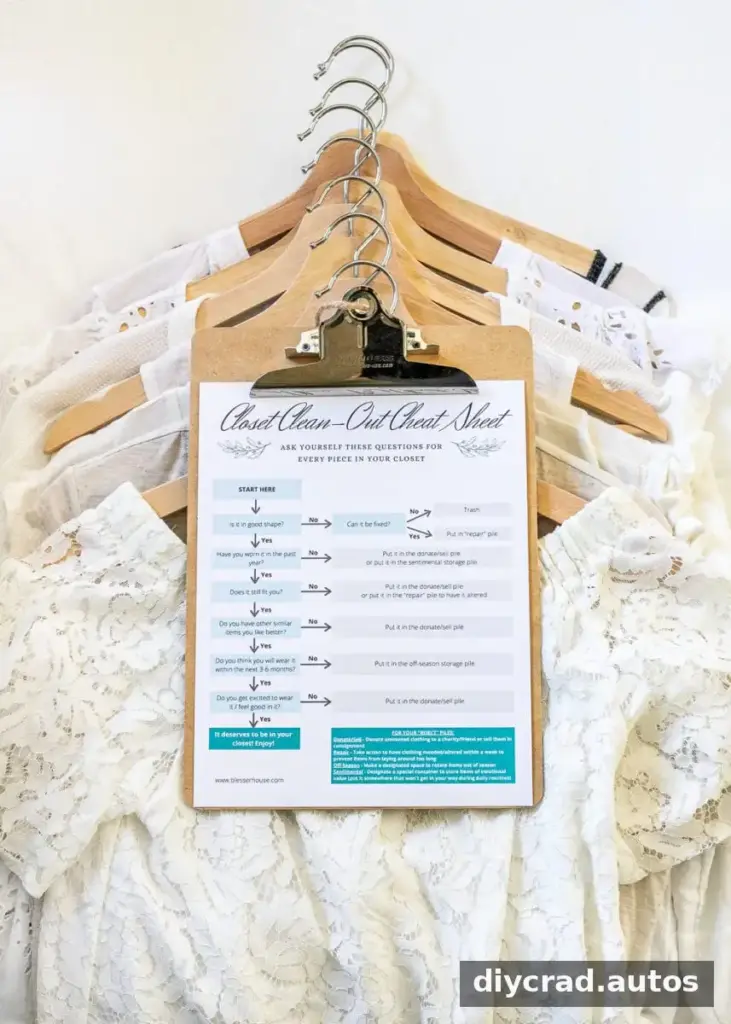
2. Clean out your closet
Sort clothes into keep, donate, and sell piles to make your closet easier to use. Reselling gently used items can also help offset the cost of other home projects.
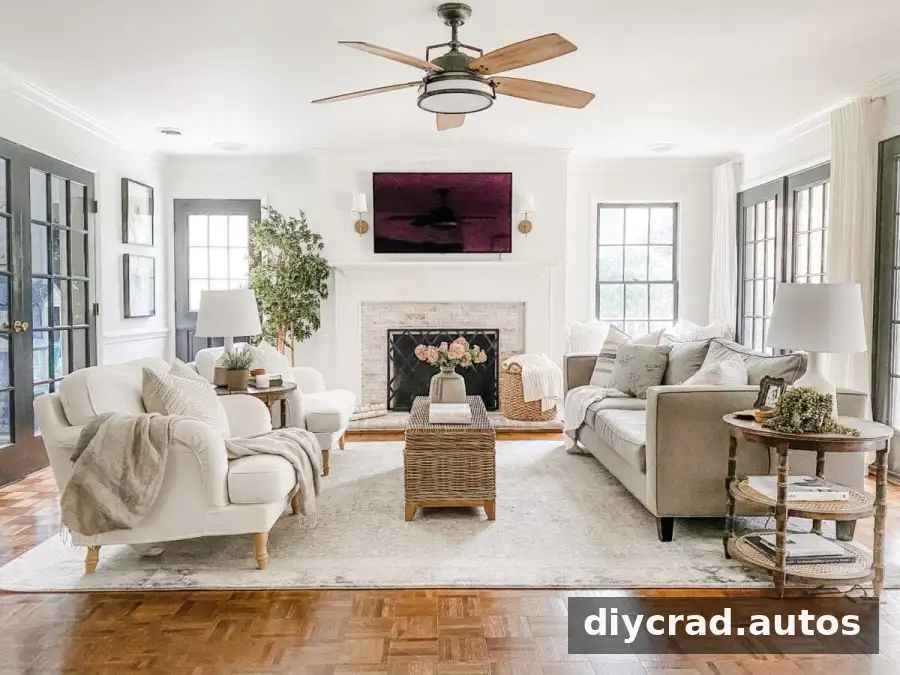
3. Rearrange your furniture layout
Try a different arrangement before purchasing new pieces. It costs nothing, takes less than an hour, and you can move everything back if the new layout does not work.

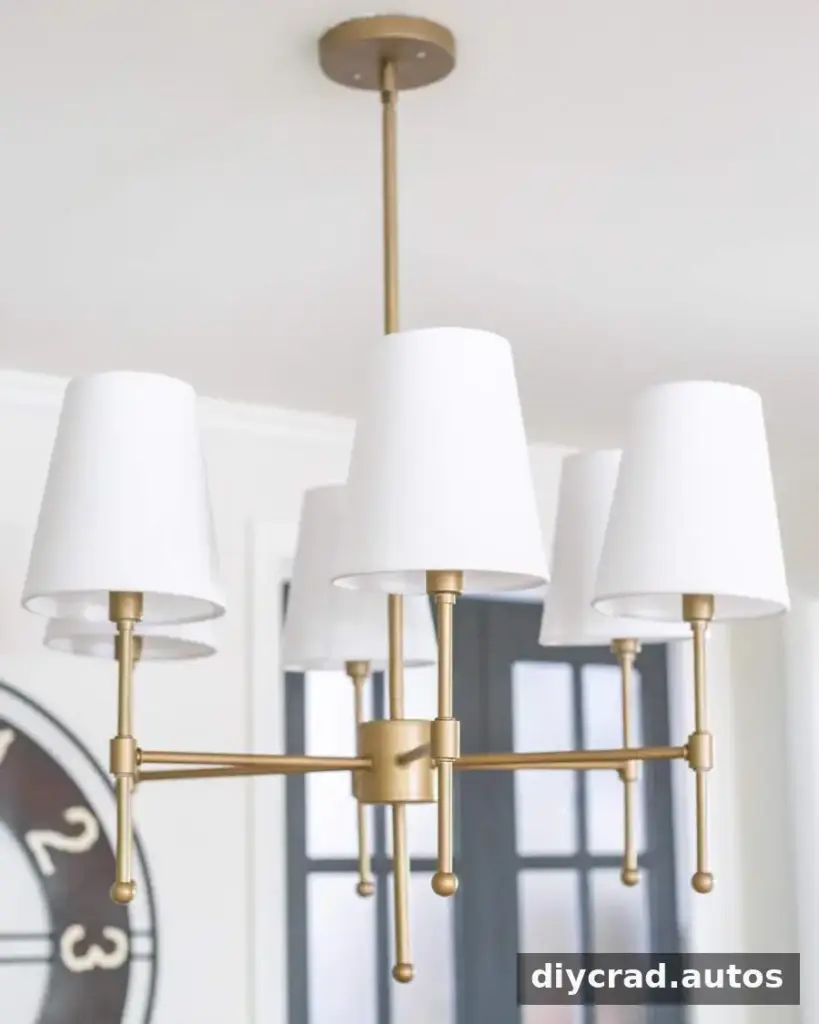
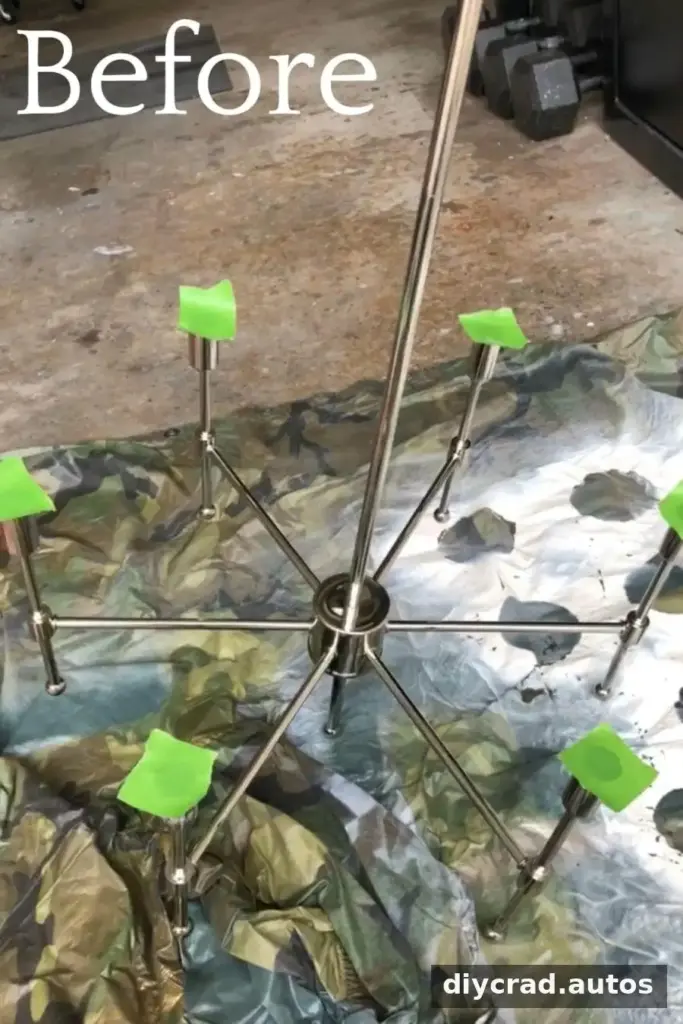
4. Spray-paint a light fixture
Changing a fixture’s finish can help it suit the room better. Use paint intended for the fixture’s material, protect nearby surfaces, and follow the product directions in a well-ventilated area.
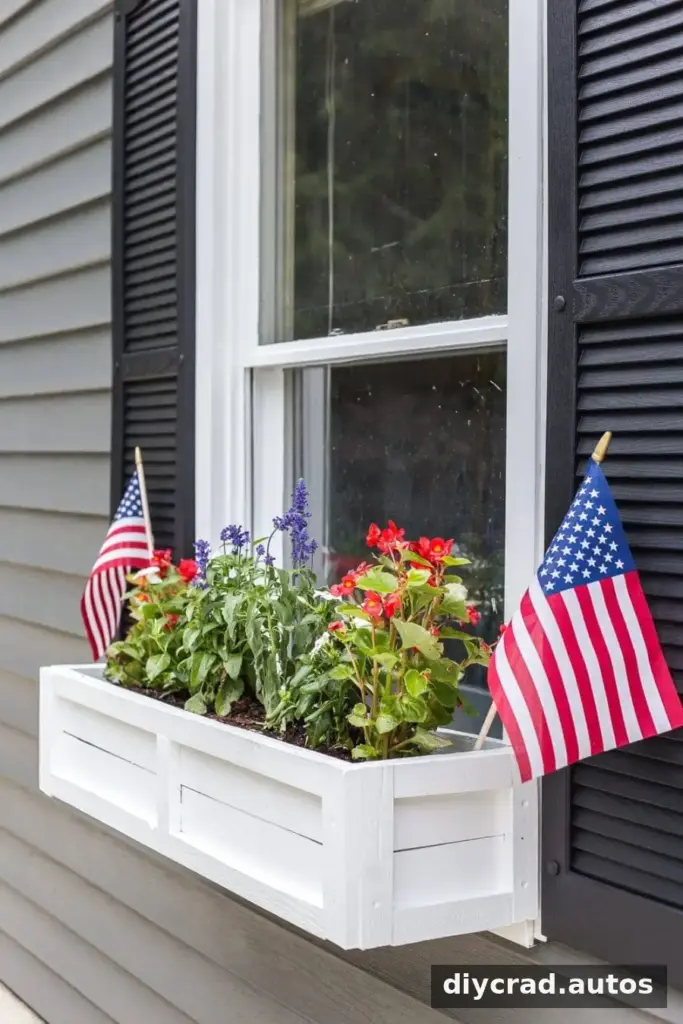
5. Build window boxes
Window boxes add color and character to the outside of a home. Scrap wood, including leftover fence boards or reclaimed pallet wood, may help keep material costs down; check that reused wood is suitable for outdoor use.
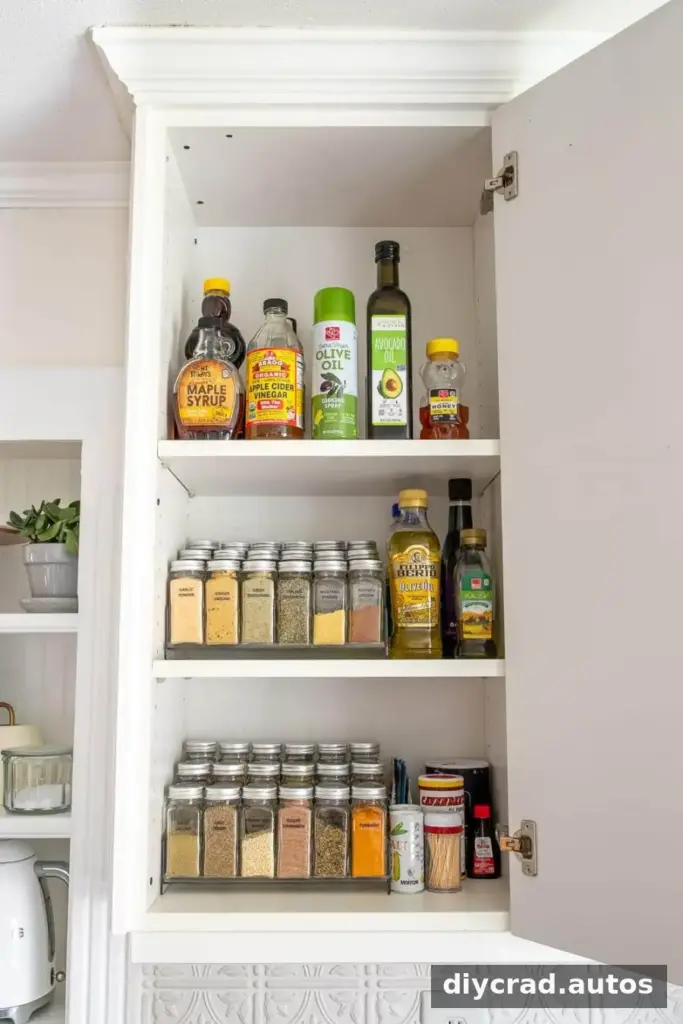
6. Declutter and organize kitchen cabinets
Remove items you no longer use and group everyday supplies where they are easy to reach. Take stock of pantry ingredients before shopping so forgotten food can be used in upcoming meals.
7. Make large wall art
Mount a poster or printed image on scrap plywood and add a simple frame for a custom-sized piece of wall art. Measure the wall first so the finished artwork feels balanced in the space.

8. Paint a room
A couple of gallons of paint may cost just under $100 and can make a substantial visual change. Discounted mistint paint can be an option, but confirm there is enough of the same color to cover the room.
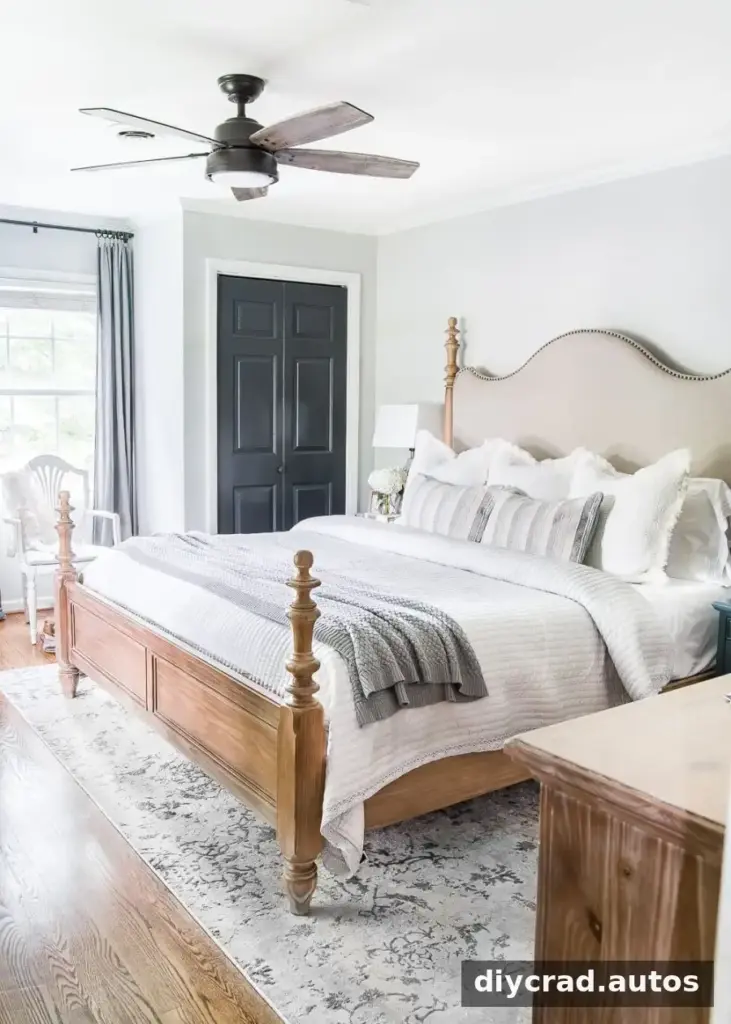
9. Change the shower curtain
A new shower curtain can introduce color or pattern for about $20–$30. A suitable tablecloth or window curtain may also be repurposed, provided it works safely and practically in a bathroom.
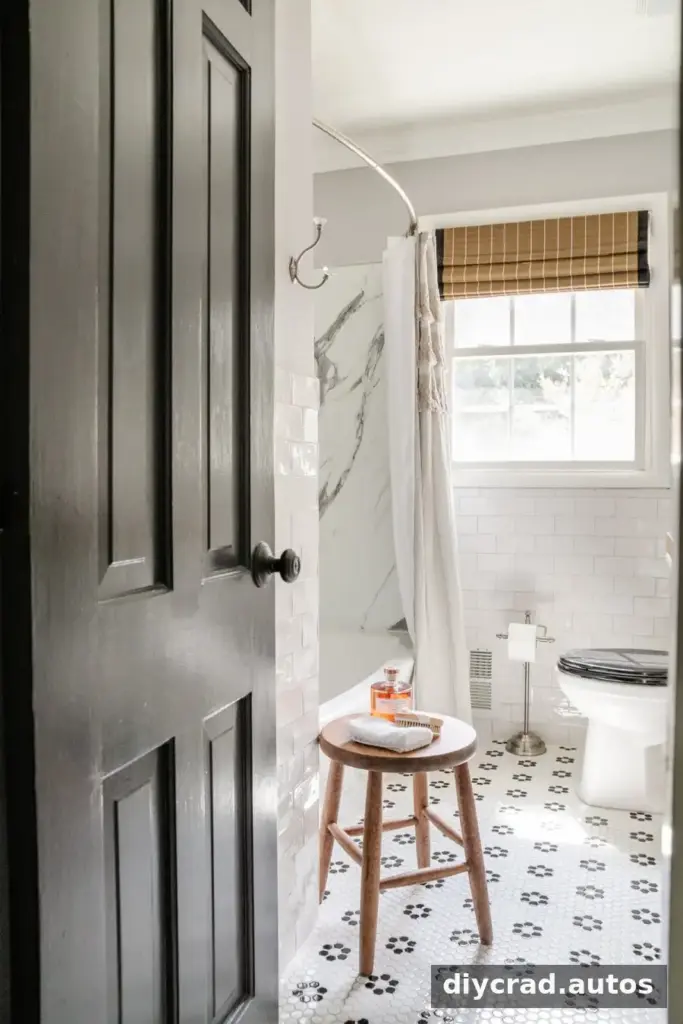
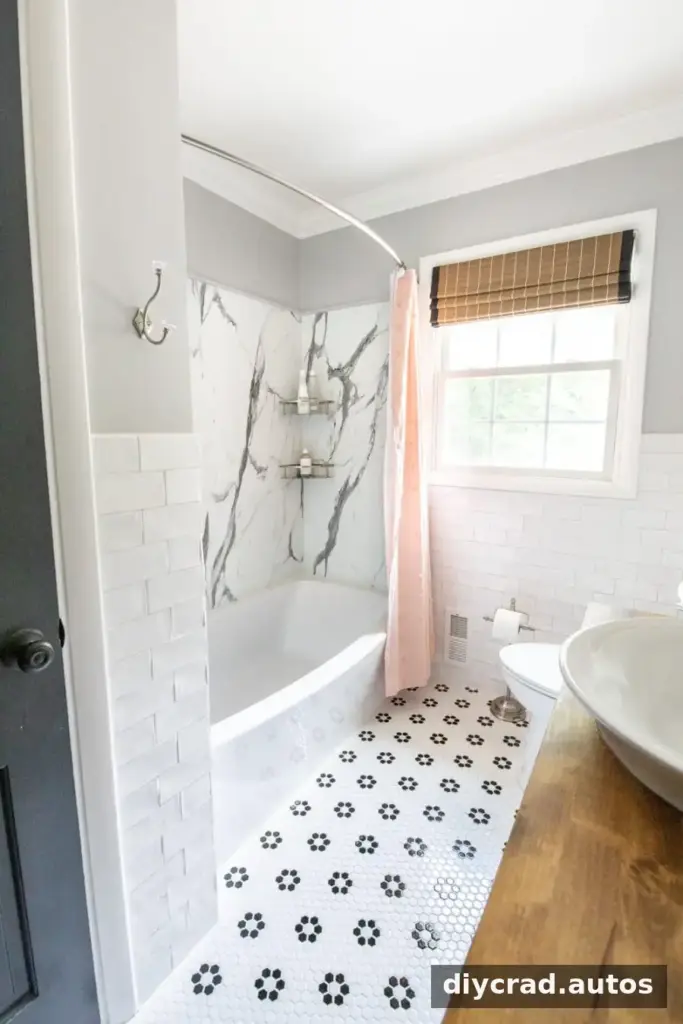
10. Swap rugs between rooms
Try moving rugs from one room to another before buying a replacement. Check that each rug fits the new space and does not create a tripping hazard.
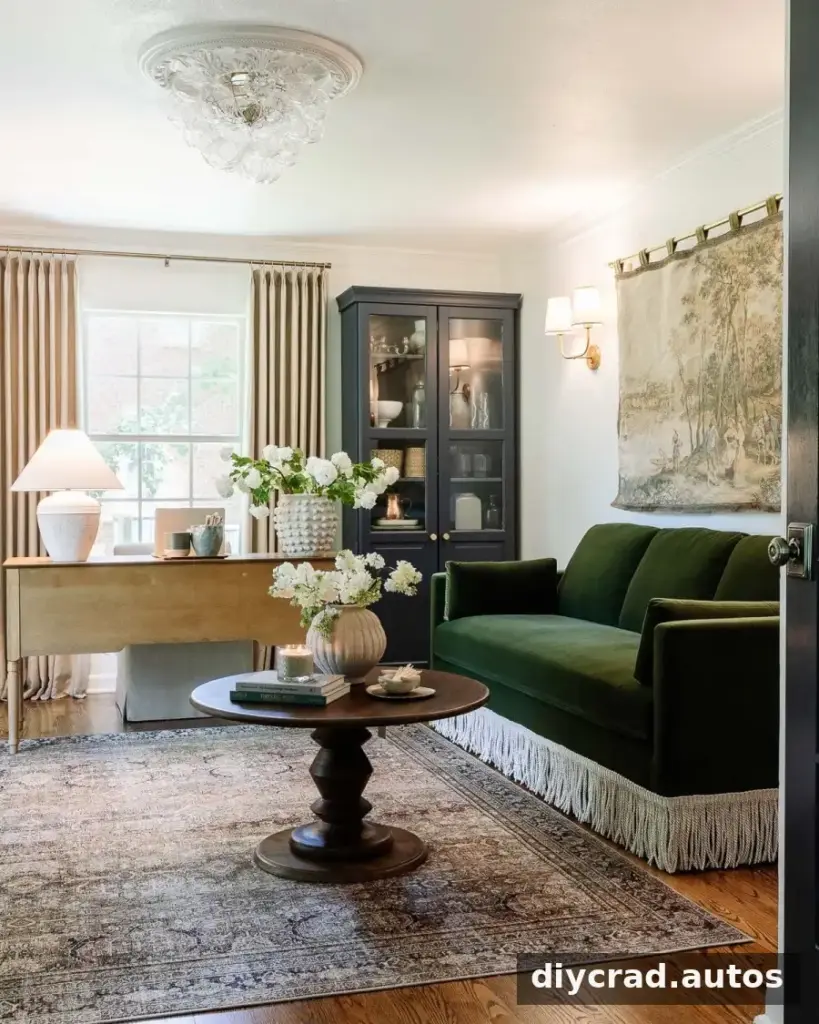

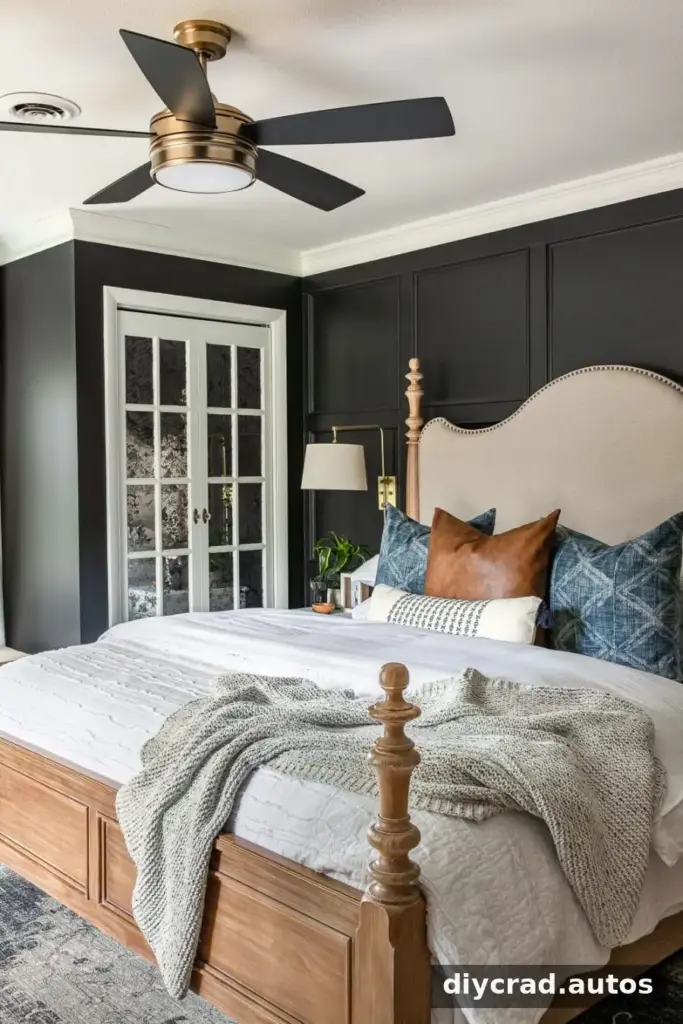
11. Replace a light fixture
Secondhand fixtures can be an affordable way to update a room, and paint may help change an unsuitable finish. For electrical work, switch off power and use a qualified professional if you are unsure how to install the fixture safely.

12. Change the bathroom mirror
Replacing a basic mirror with a secondhand or vintage option can change the look of a powder room. Measure the available wall space and check how the mirror will be mounted before purchasing.
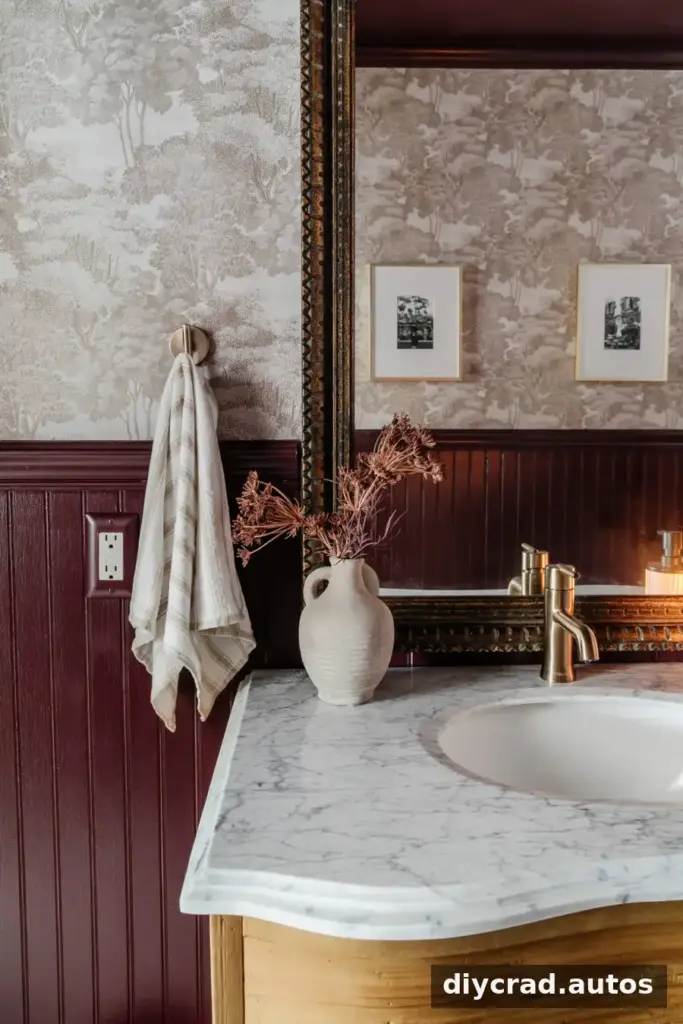
13. Rotate decor from room to room
Shop your own home for vases, frames, baskets, and other accents that could work in a different room. Grouping items with similar colors or textures can help a reused piece feel intentional.
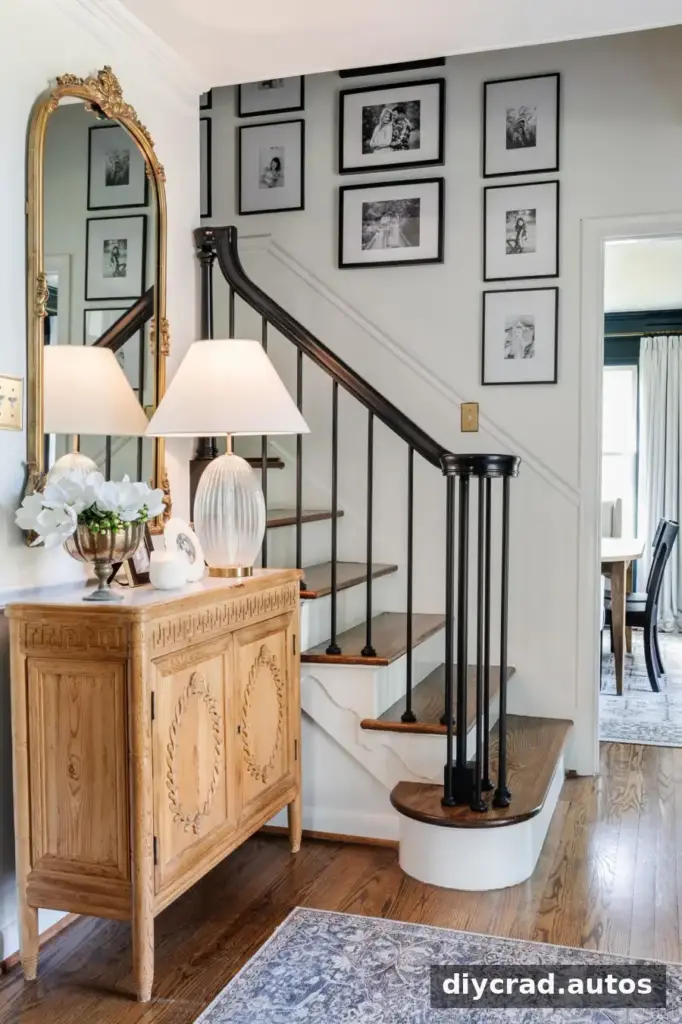
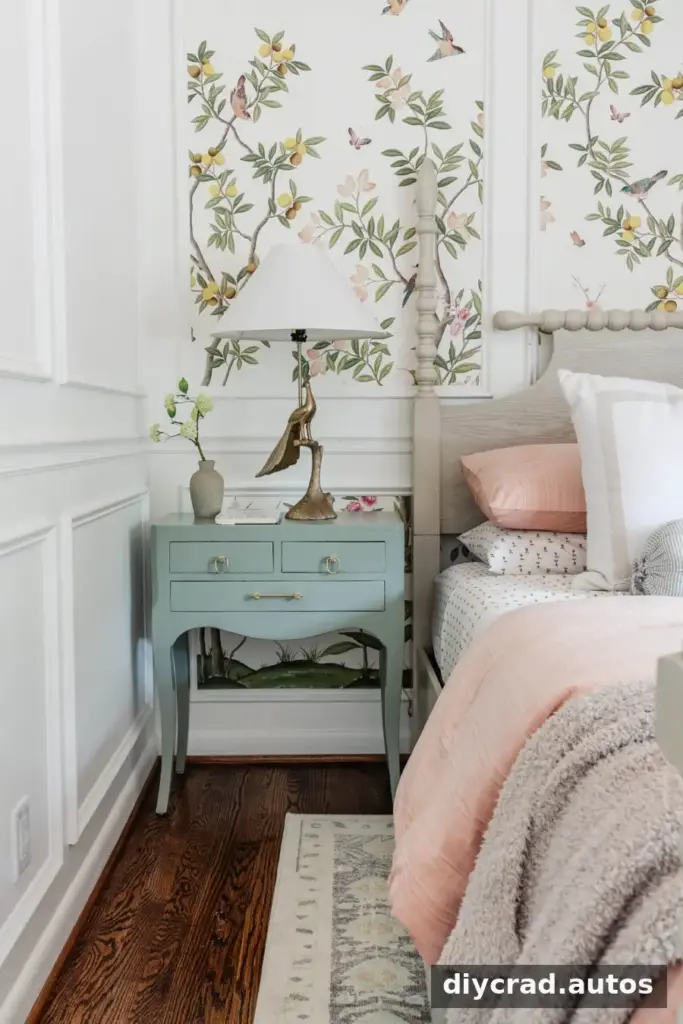
14. Add a mural or wallpaper focal wall
Removable peel-and-stick wallpaper can create a focal point without a permanent commitment. Using it within existing wall molding can define a smaller area and limit how much material you need.
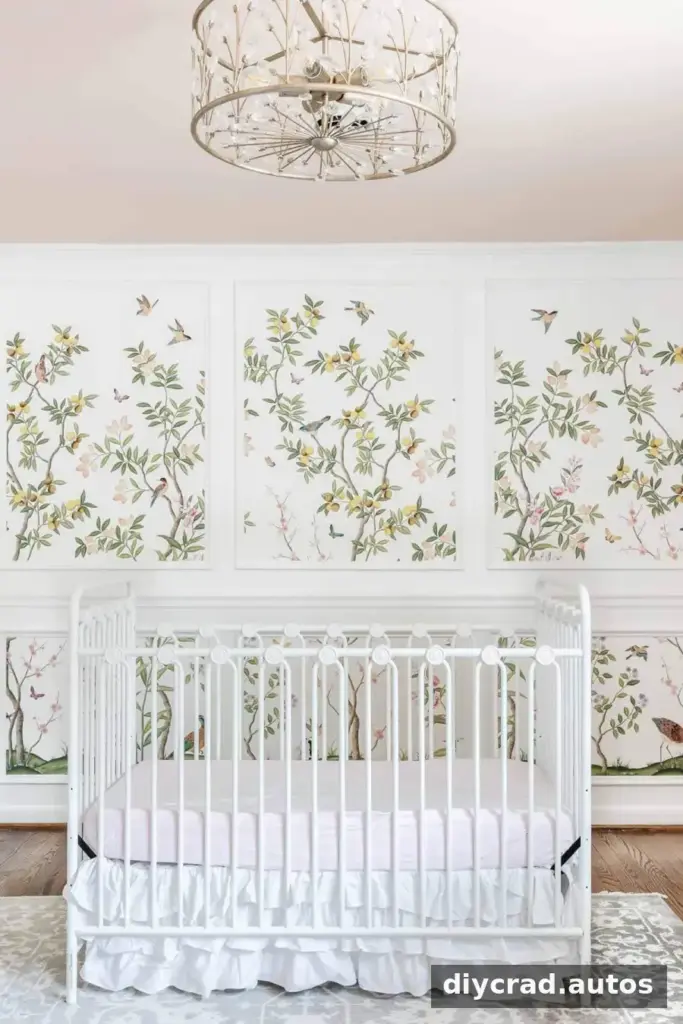
15. Change your window curtains
Curtains can draw the eye upward and help a room feel taller. Hanging panels high and wide can emphasize the window; adding trim to existing curtains is another way to refresh them.
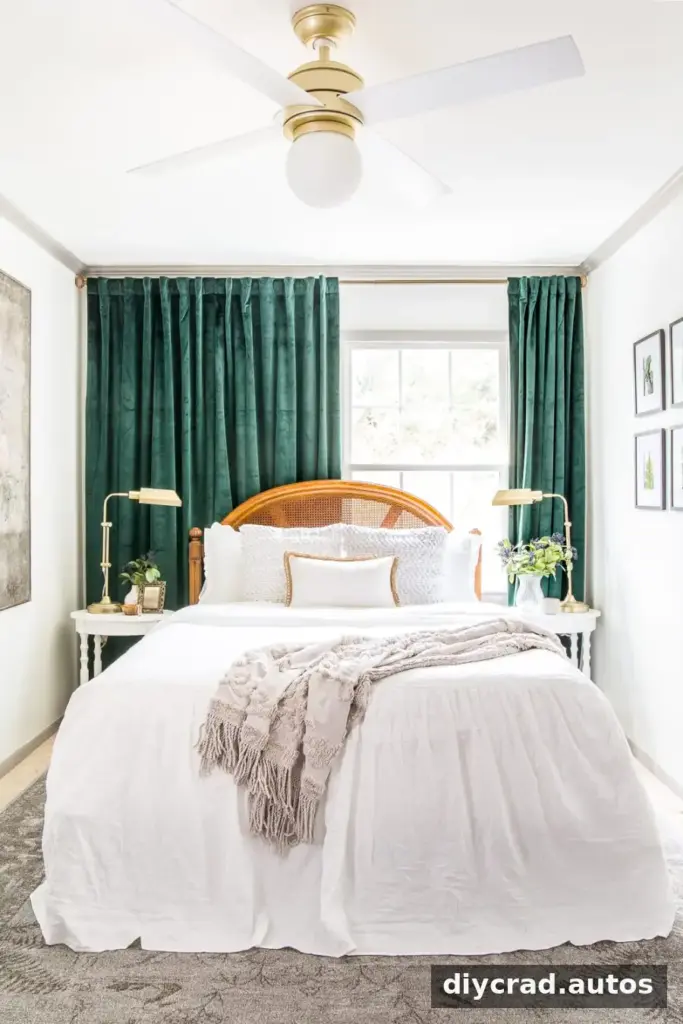
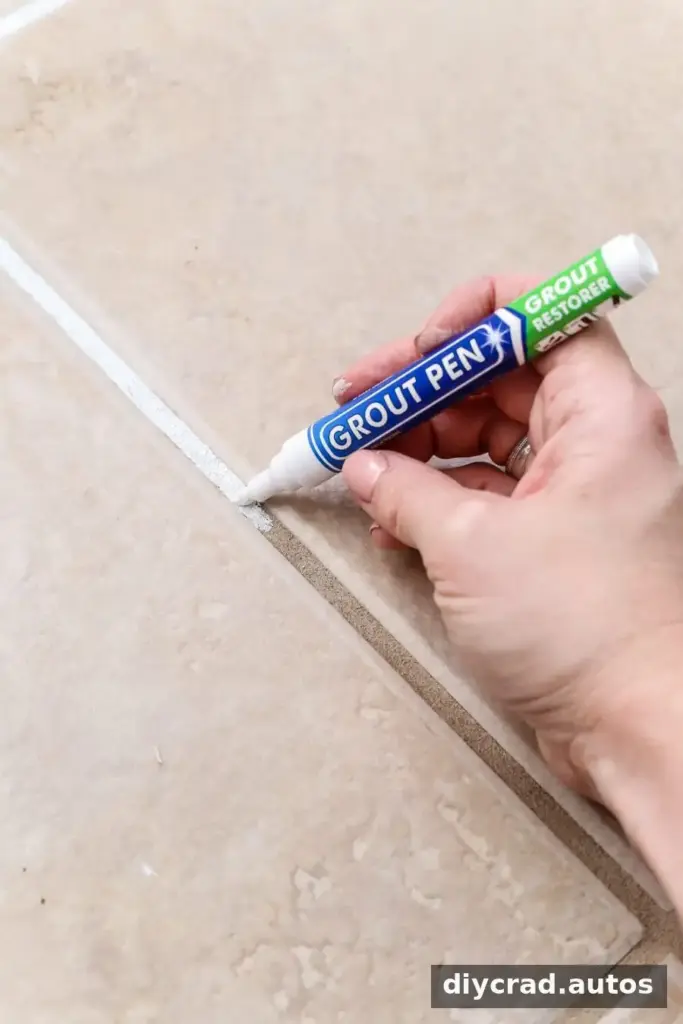
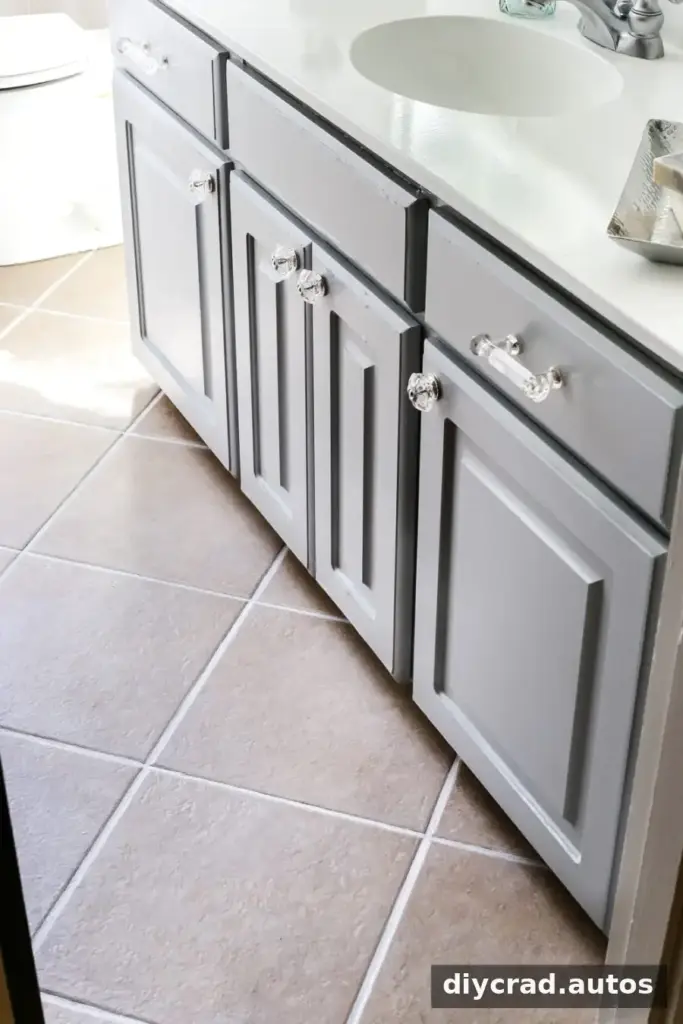
16. Refresh the grout
A grout pen can improve the appearance of discolored grout without replacing the tile. Clean and dry the surface first, and follow the product instructions to check whether it is suitable for your grout.
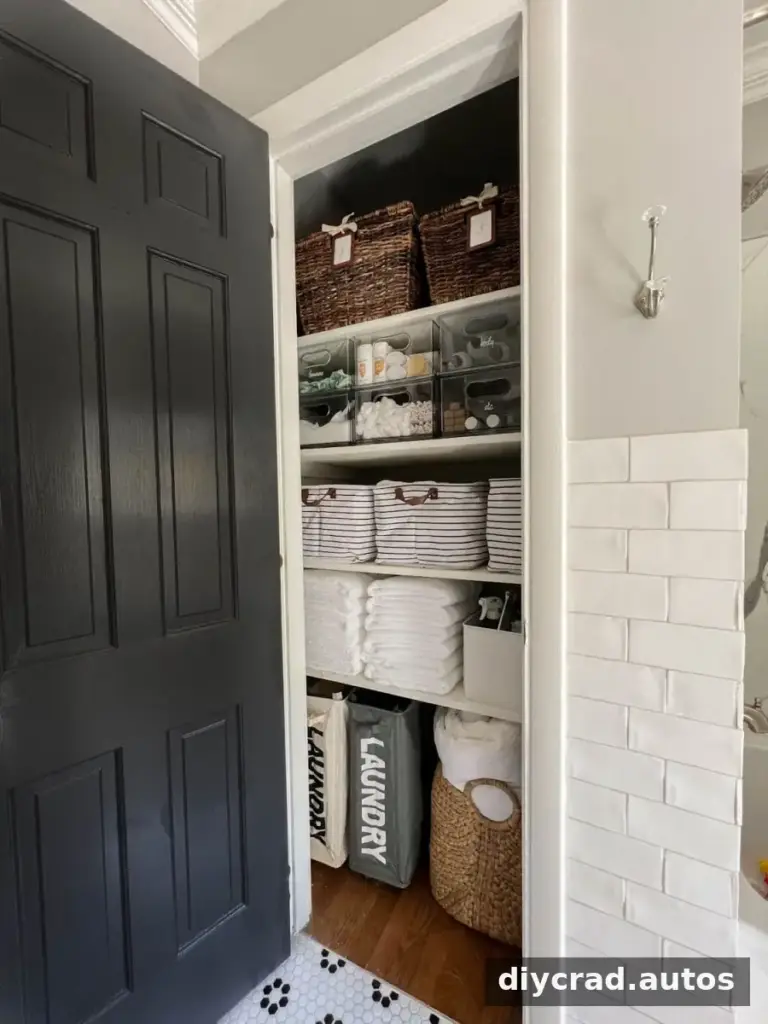
17. Organize the linen closet
Sort towels and bedding, then use baskets you already own to group smaller items. Labeling containers can make it easier for everyone in the household to put things back in the right place.
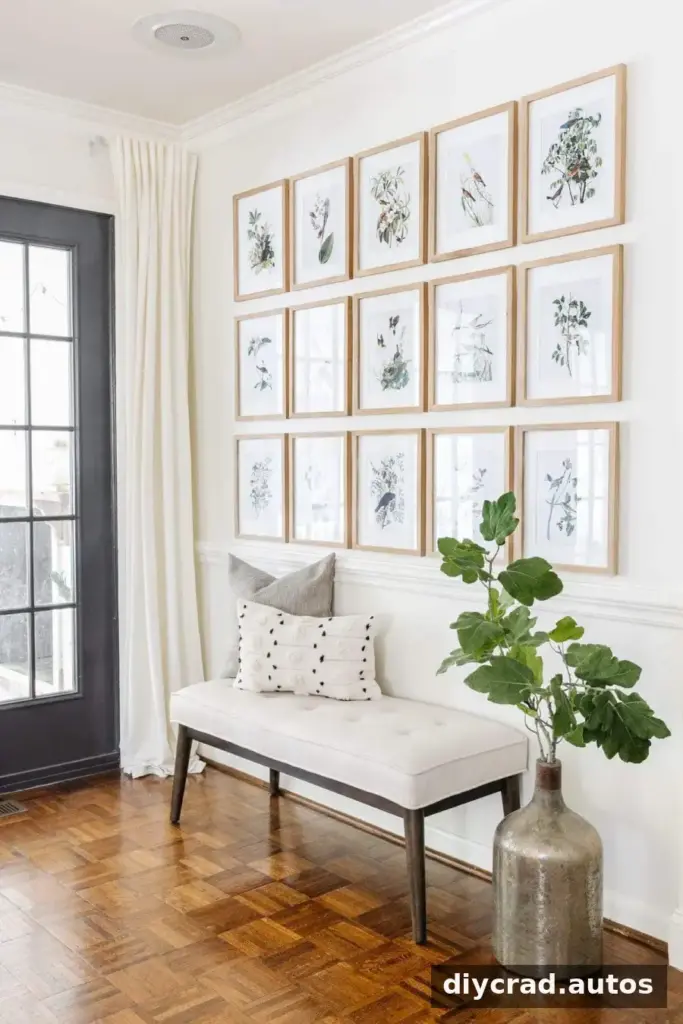
18. Use public-domain printable art
Public-domain archives offer artwork that may be downloaded and printed. Check the archive’s usage terms before printing or sharing an image, then frame it with an inexpensive or secondhand frame.
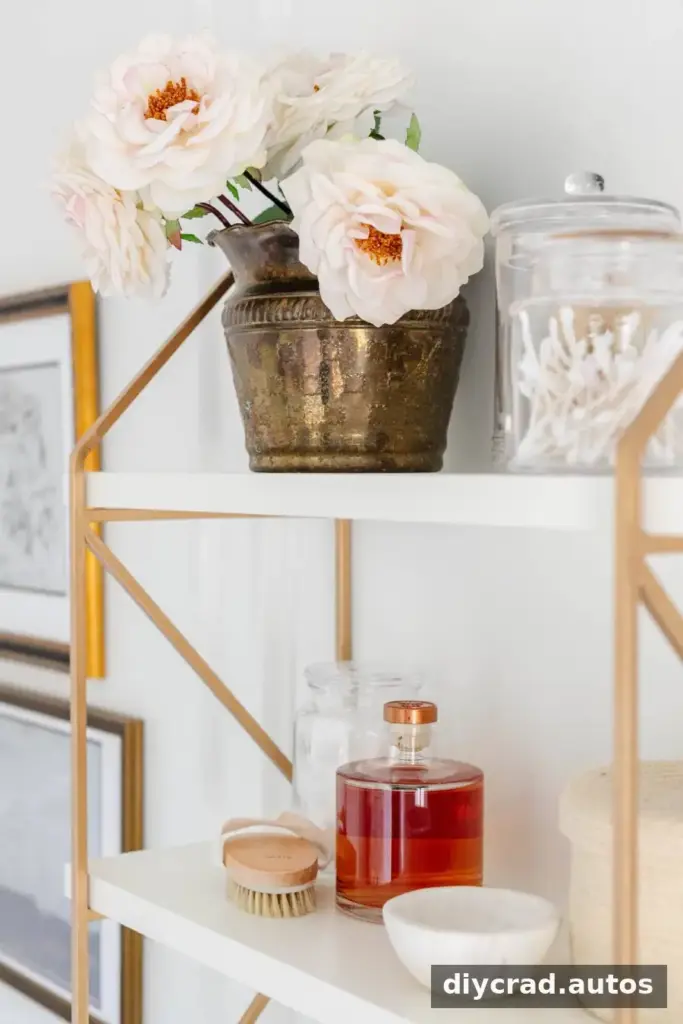
19. Reorganize the bathroom
Arrange daily-use products so they are easy to reach and store less-used items elsewhere. Lidded jars from a thrift shop can hold small supplies, as long as they are clean and kept dry.
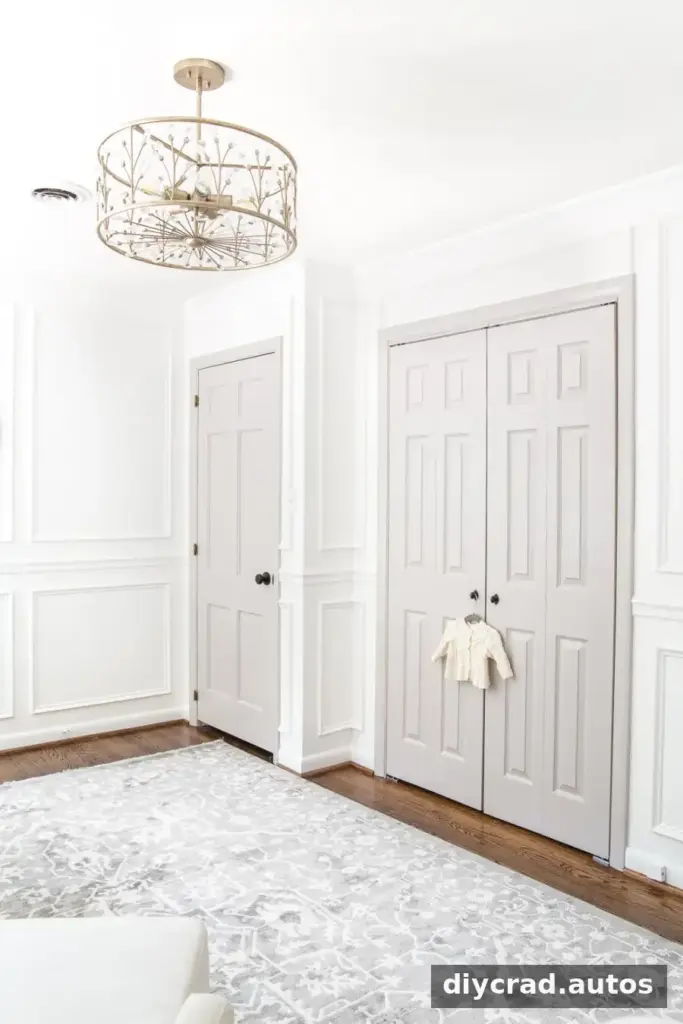
20. Paint interior doors
A contrasting door color can add character to a room without changing its furnishings. Clean the door and use paint suited to the surface; protect handles and hinges while painting.
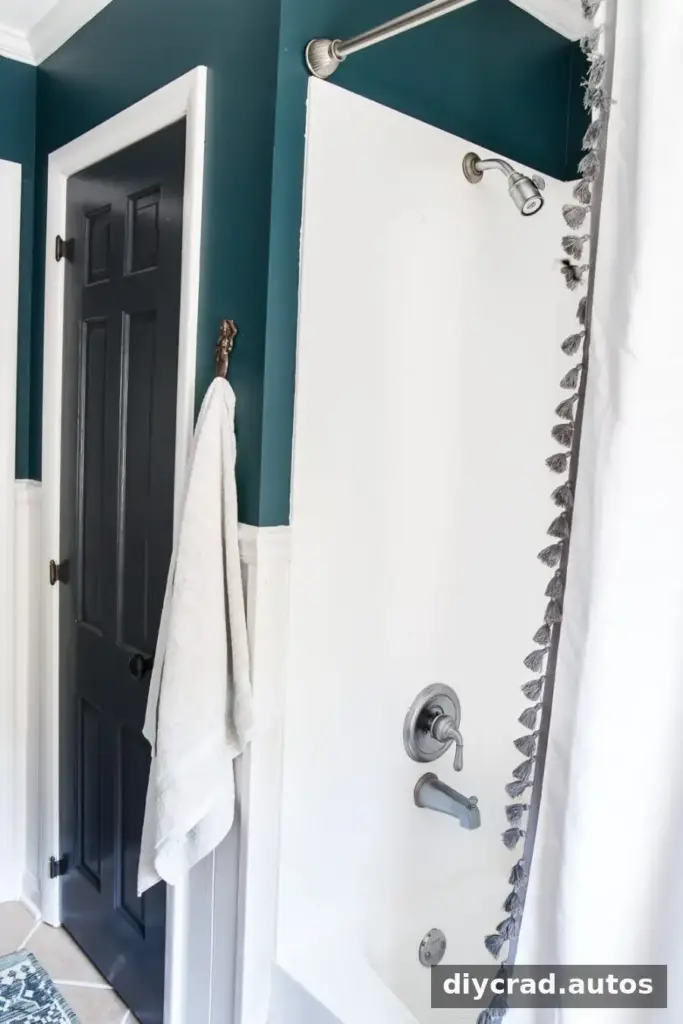
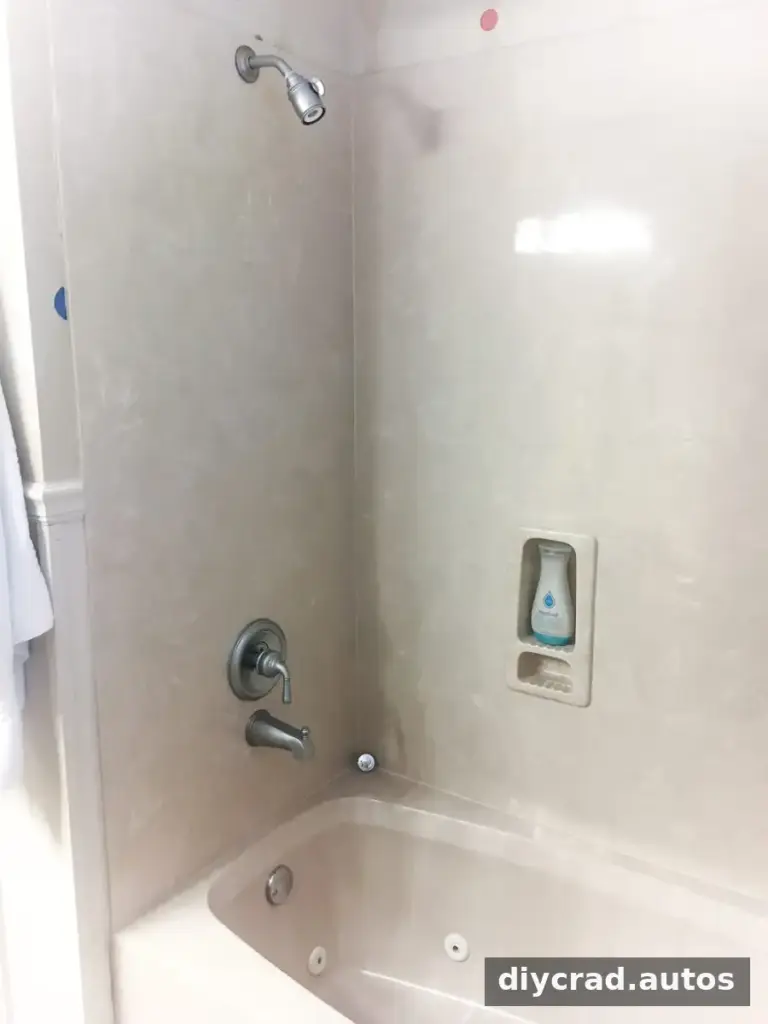
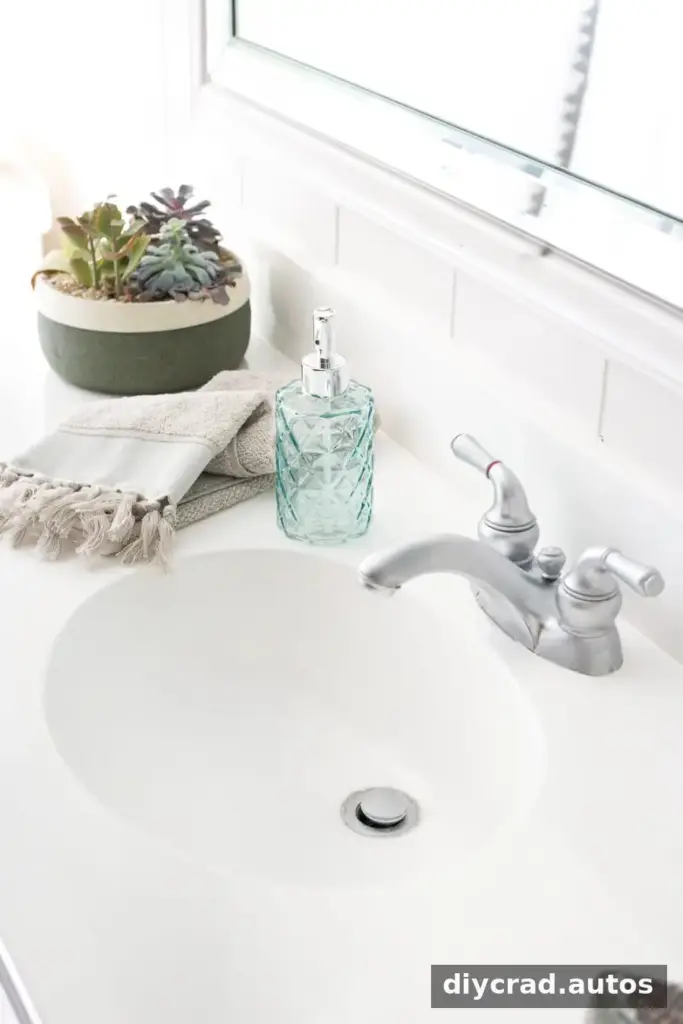
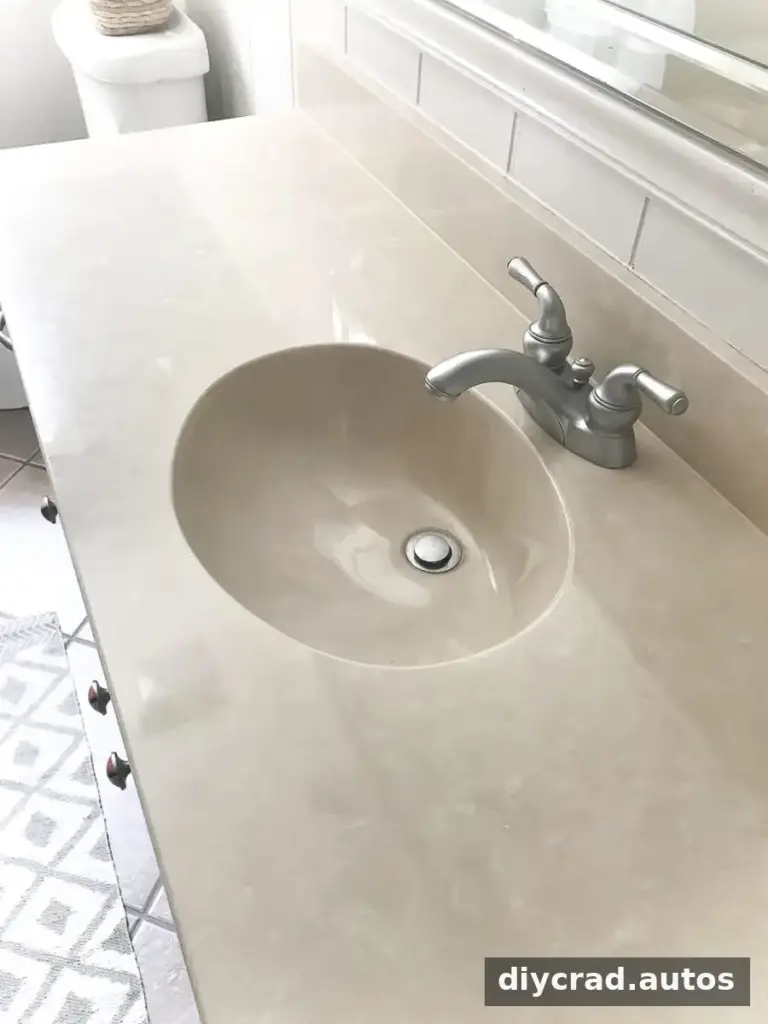
21. Paint a shower, tub, tile, sink, or countertop
Specialty coatings can refresh some bathroom surfaces when replacement is not in the budget. These products can produce strong fumes, so read the safety instructions, ventilate the area, and confirm that the coating is designed for the surface and use.
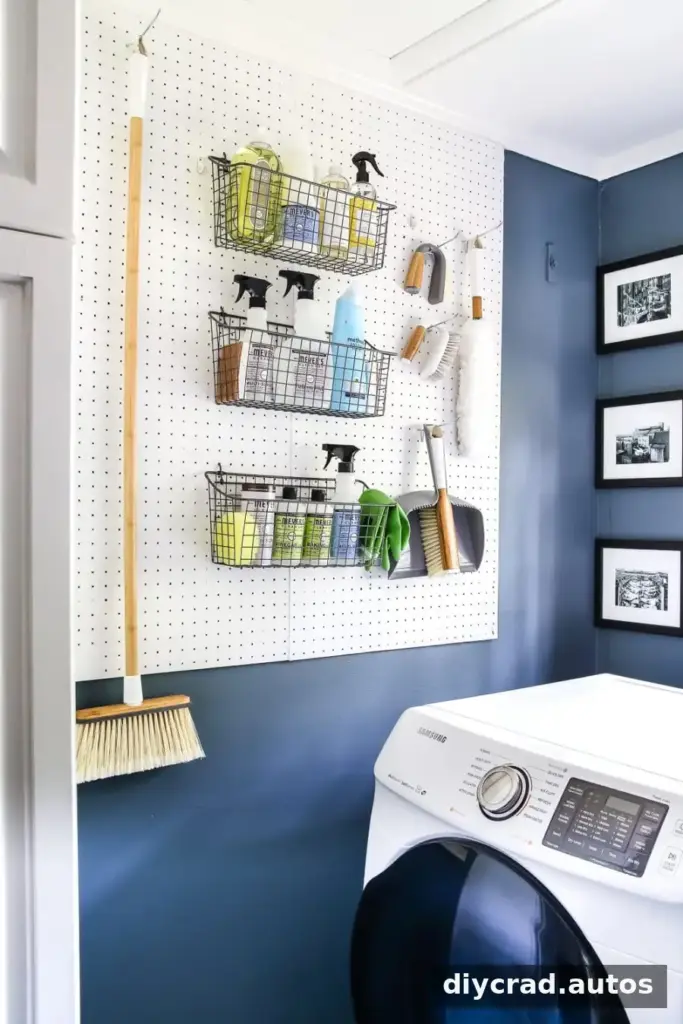
22. Organize the laundry room
Group laundry supplies and clear the work surfaces to make the room easier to use. If storage is limited, a properly secured pegboard can hold lightweight items and free up floor space.
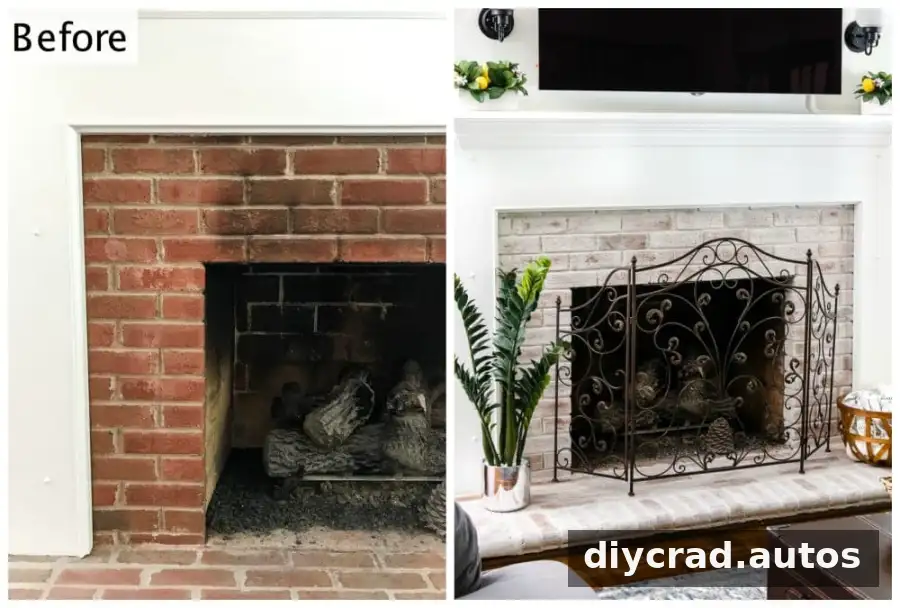
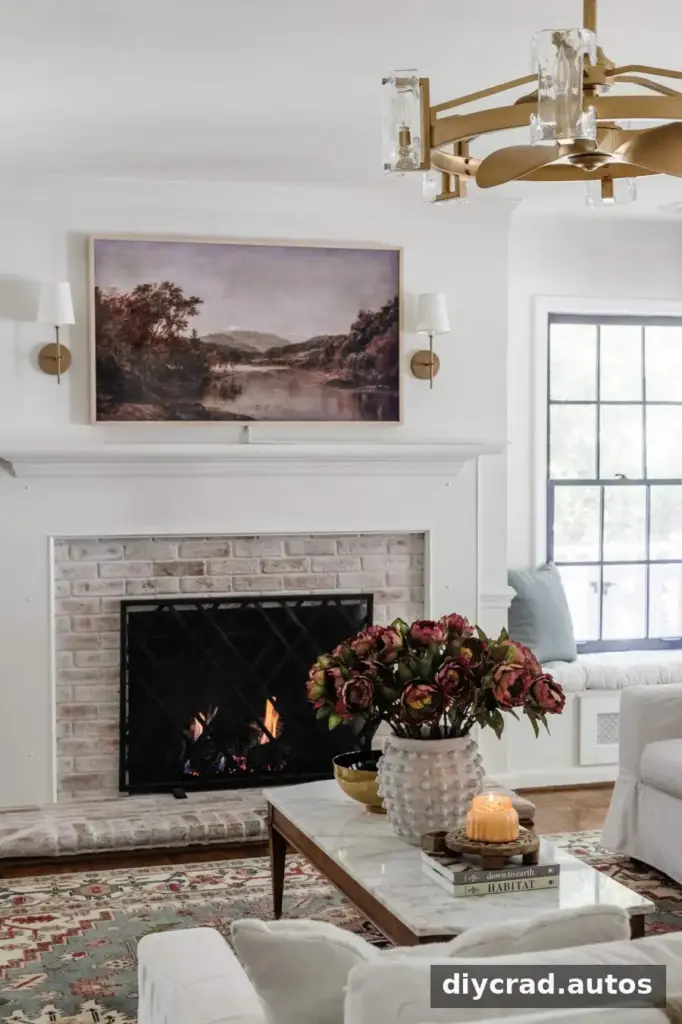
23. Limewash a brick fireplace
Limewashing can soften the appearance of brick and make a fireplace a focal point. Test the finish on an inconspicuous area first and check the product guidance for surfaces near heat.
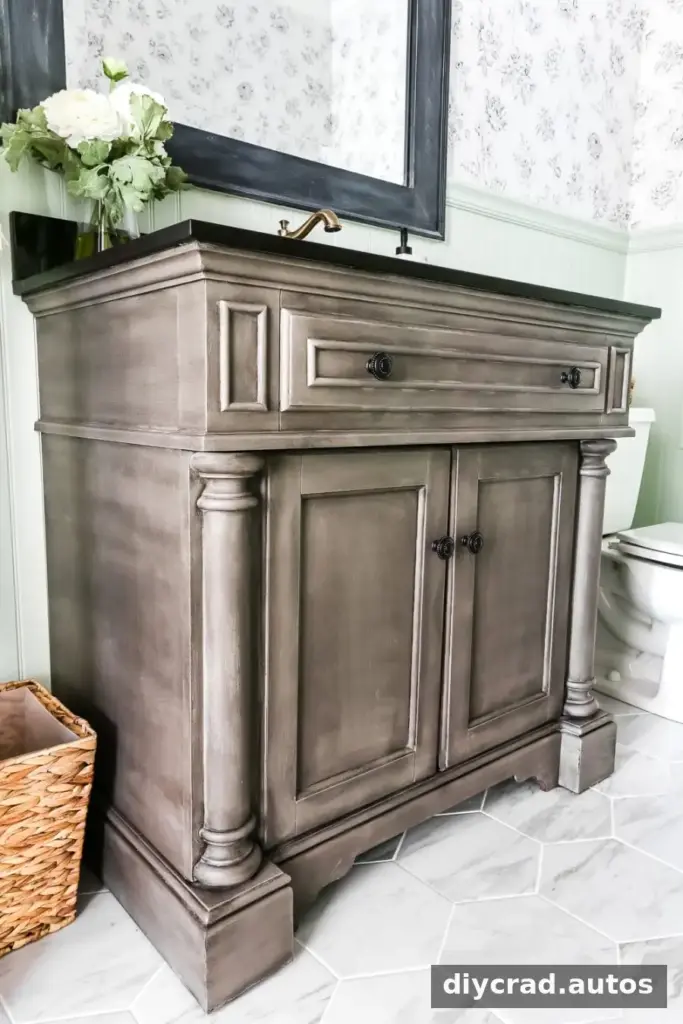
24. Paint the bathroom vanity
Painting a vanity can update the room without replacing the cabinet. Clean and prepare the surface as directed, and allow the finish to cure fully before returning items to the countertop.
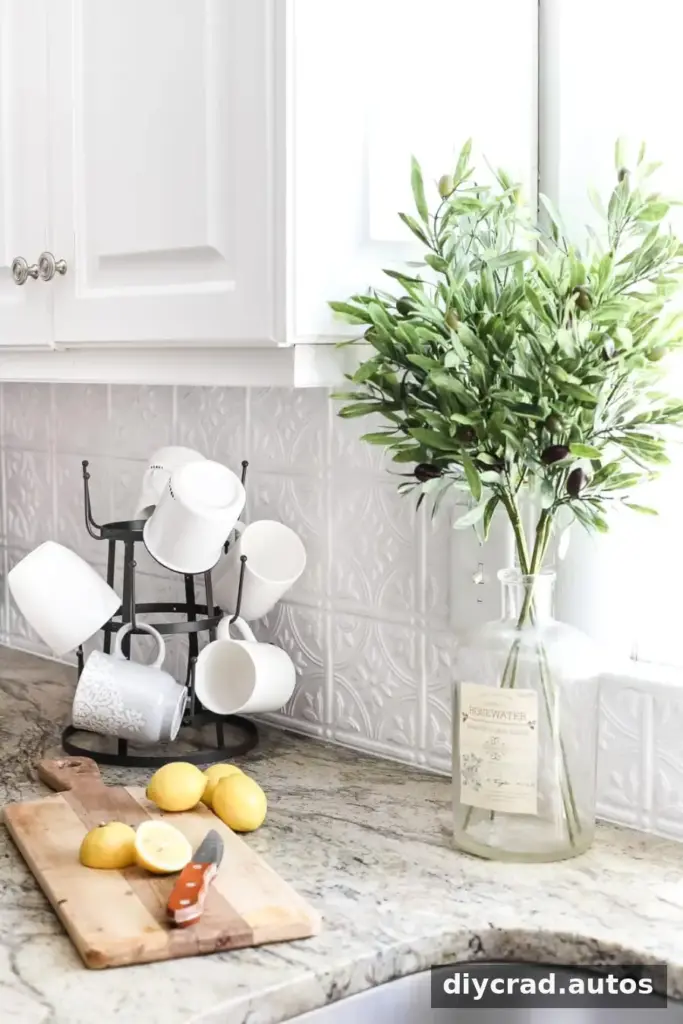
25. Add a faux pressed-tin backsplash
Faux pressed-tin panels or beadboard can cover an outdated backsplash without removing the existing tile. Confirm the material is appropriate for the location and follow installation guidance around heat and moisture.
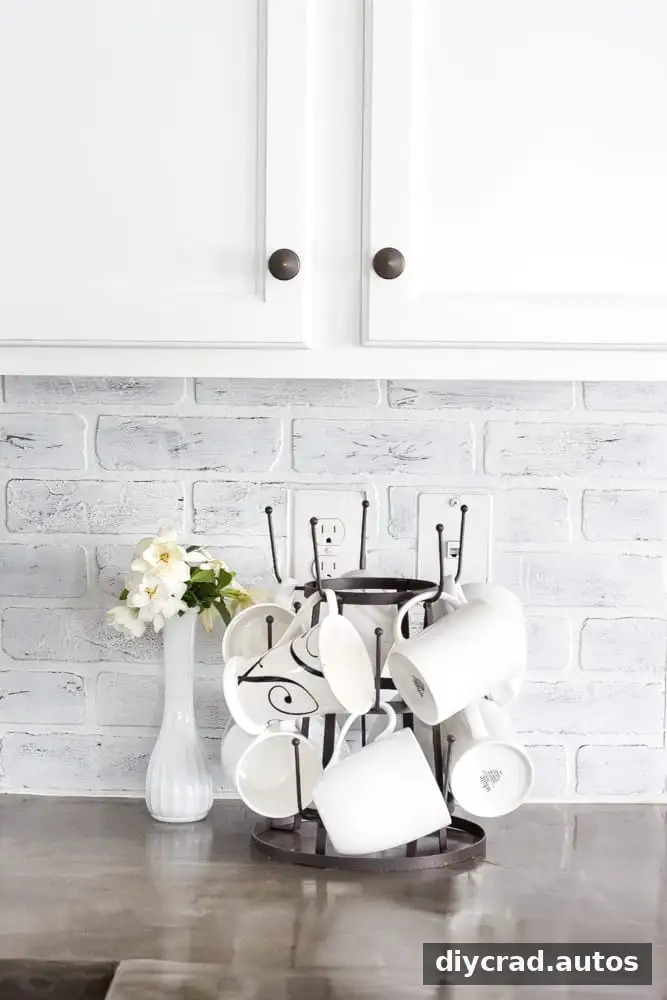
26. Create a faux-brick backsplash
Faux-brick paneling can add texture to a plain backsplash. Measure the area carefully and check that the paneling is suitable for a kitchen, especially near cooking surfaces.
27. Paint upholstery
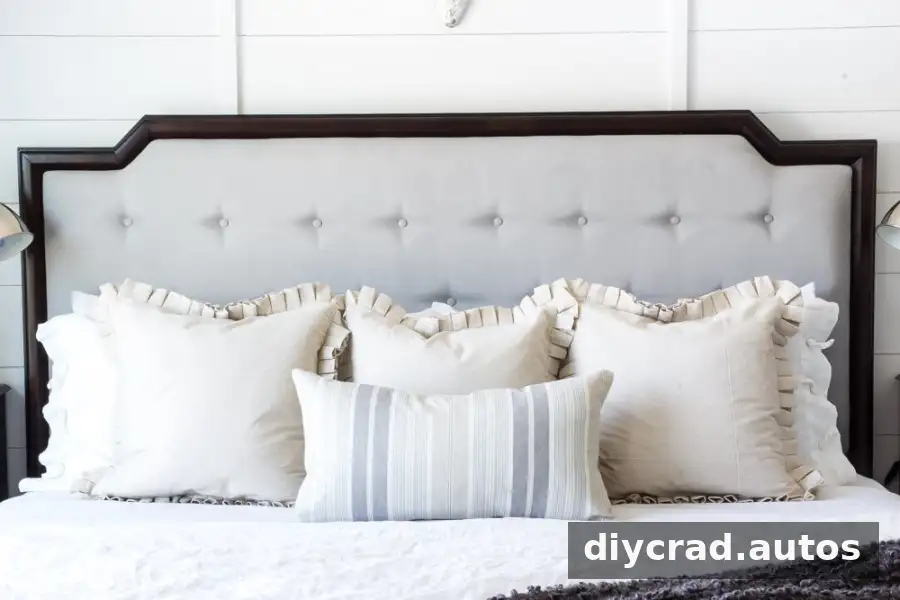
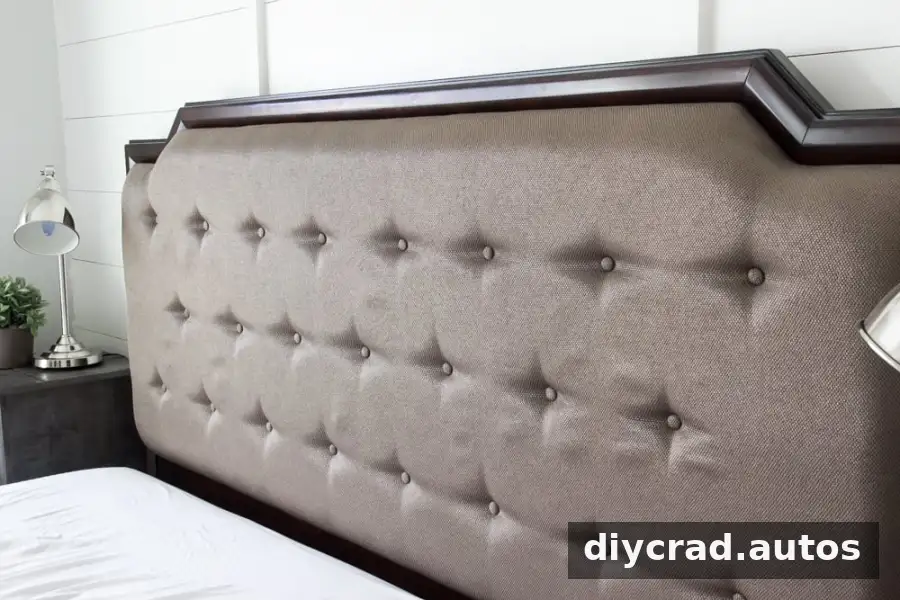
Paint may refresh some upholstered benches or headboards when recovering them is not practical. Test a hidden spot first, use a product intended for the material, and expect the texture to change.
28. Add board and batten
Board-and-batten trim can give a plain hallway or room more architectural detail. Plan the spacing before installation and locate wall studs or use suitable anchors for a secure result.
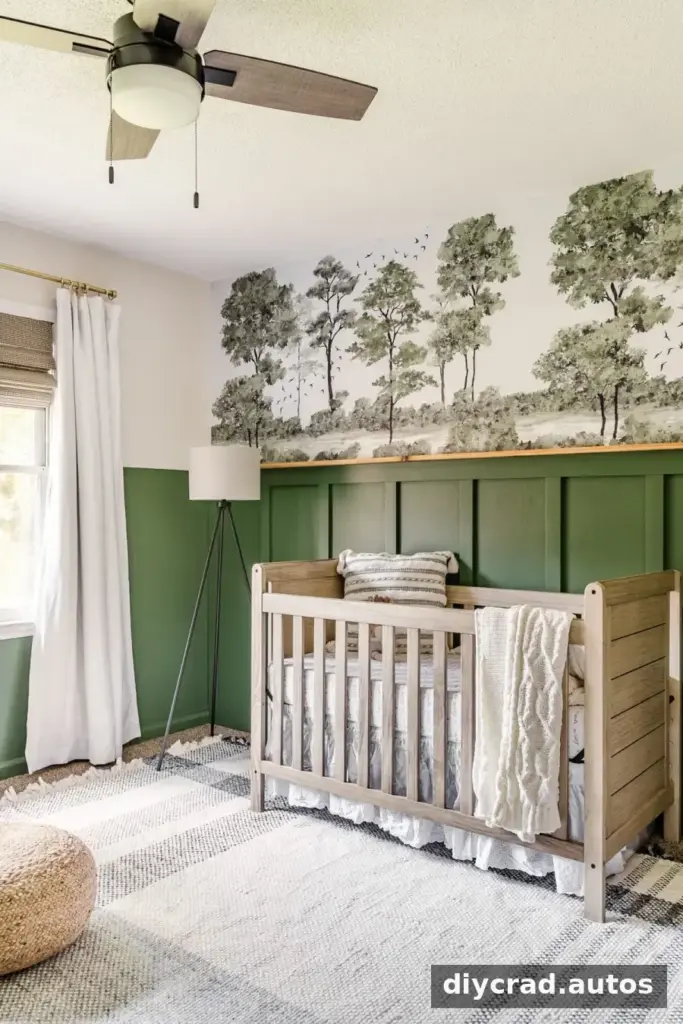
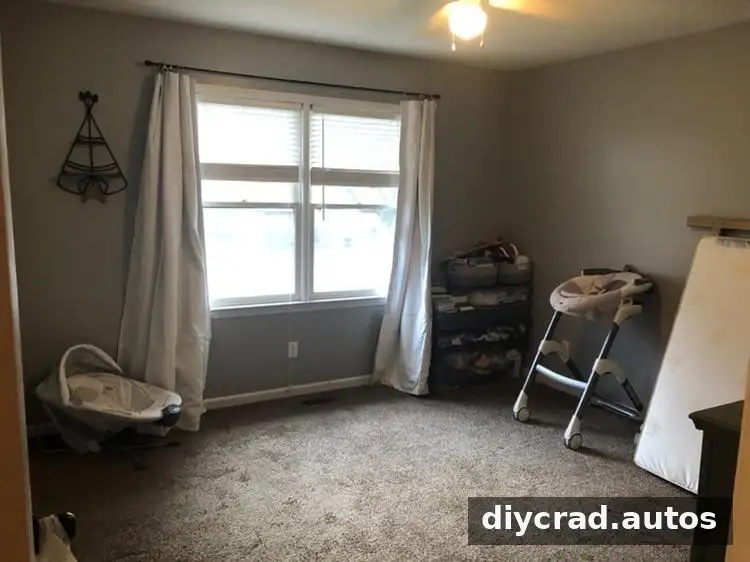
A simple before-and-after comparison can help you plan where trim will have the most impact.
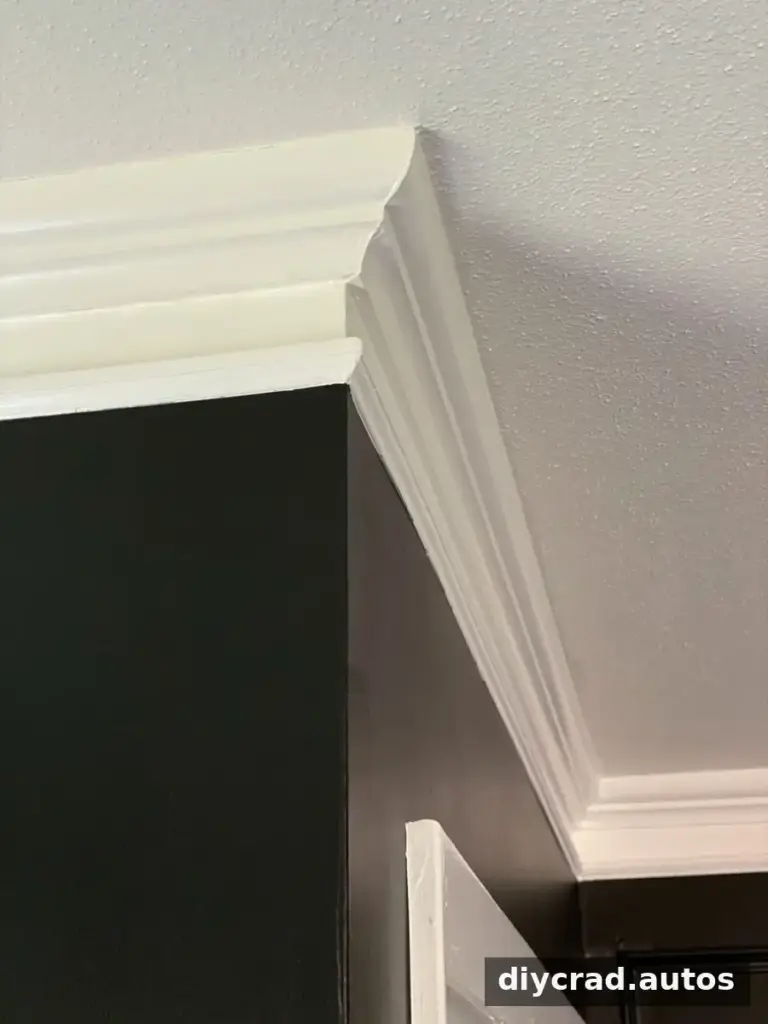
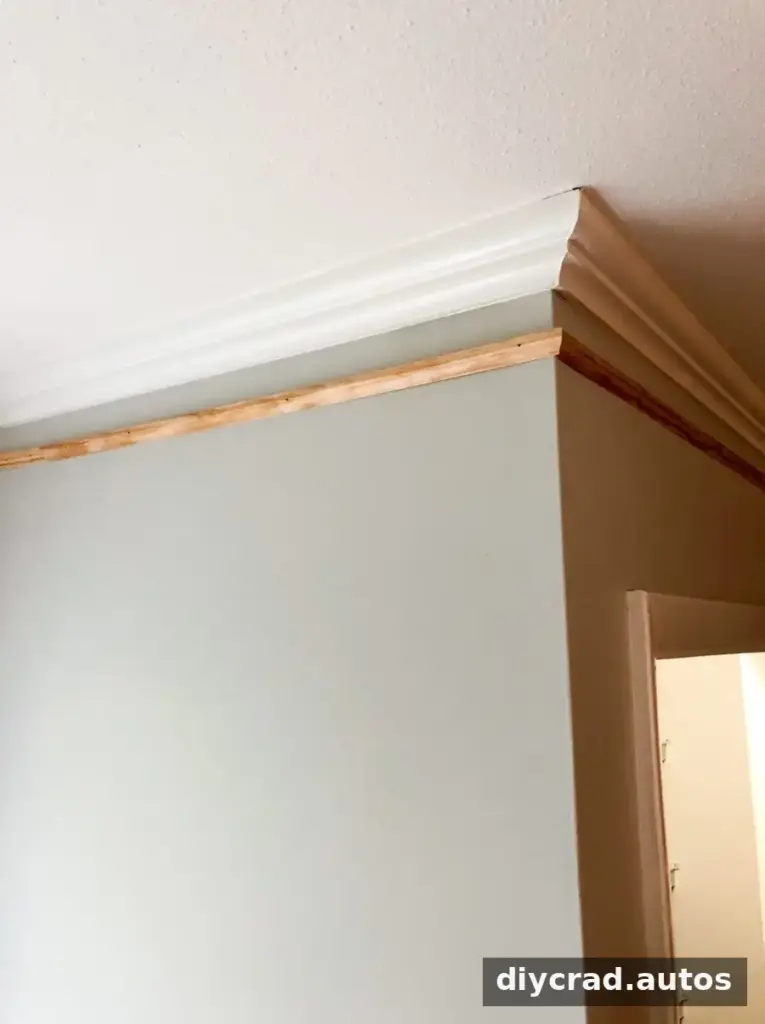
29. Build up crown molding
Adding a wider layer to existing narrow crown molding or baseboards can create a more substantial finish. Measure each wall before cutting to reduce waste and keep the trim consistent.
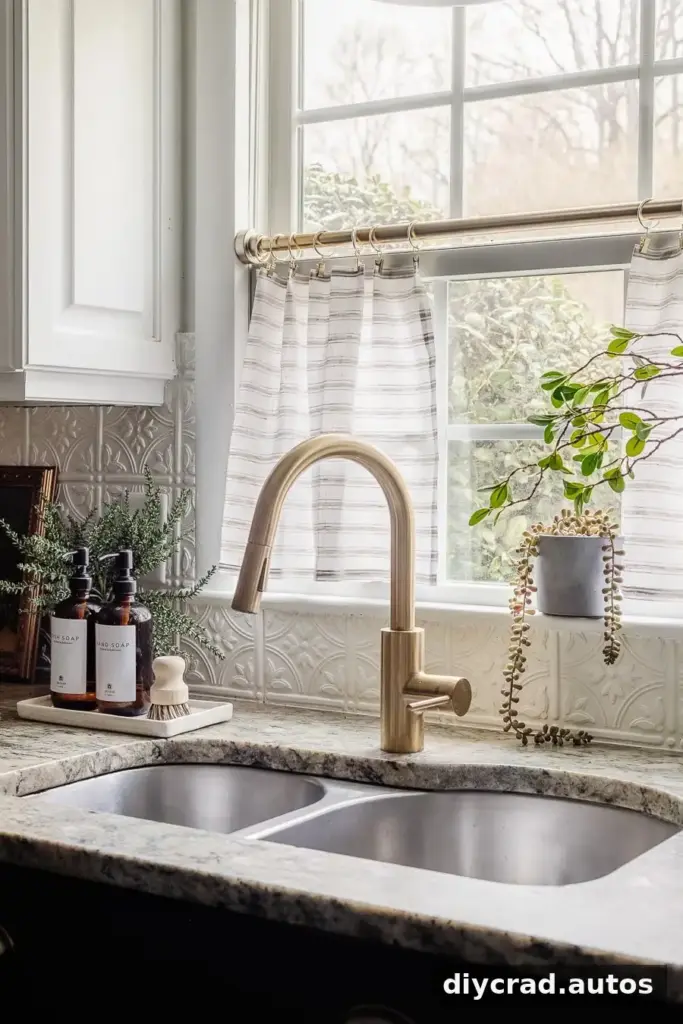
30. Turn tea towels into cafe curtains
Tea towels can become short cafe curtains that add softness to a kitchen window. Check the width and length before hanging, and make sure the fabric stays clear of cooking areas.
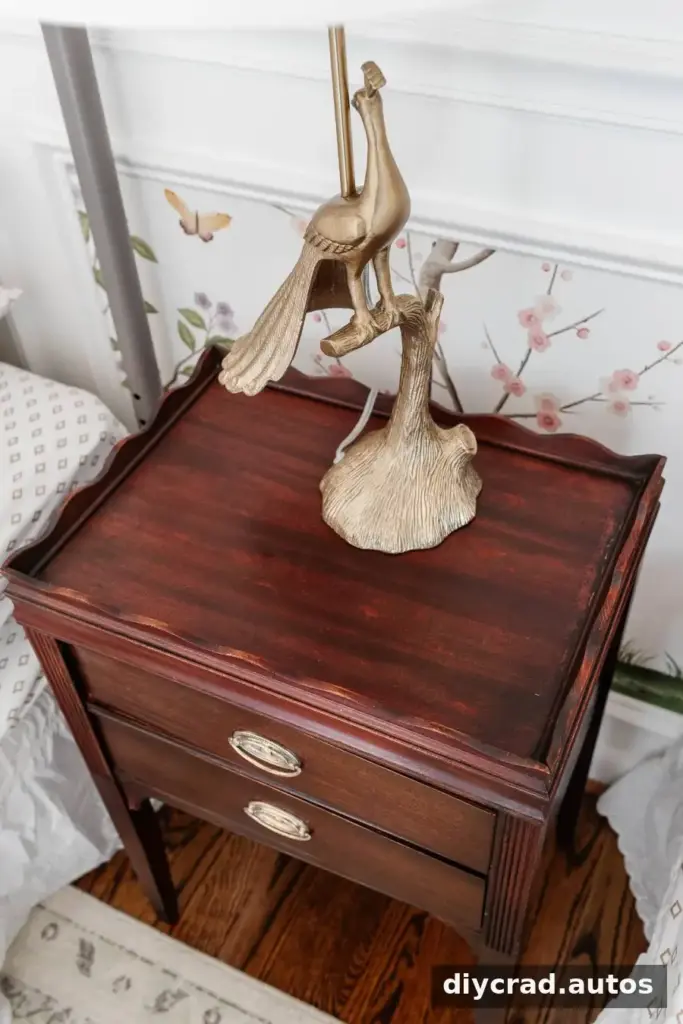
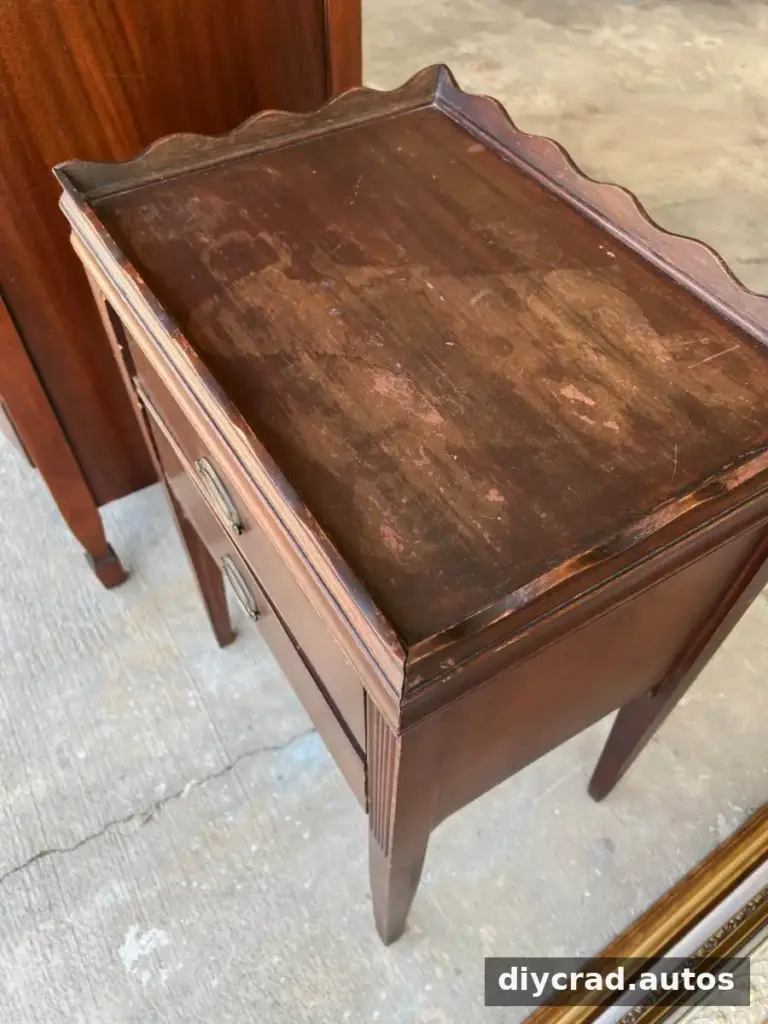
31. Clean and polish wood furniture
Cleaning and polishing can revive wood furniture without the mess of stripping it. Test any cleaner or polish on a hidden area first, and consider secondhand pieces that can be restored for your own home.
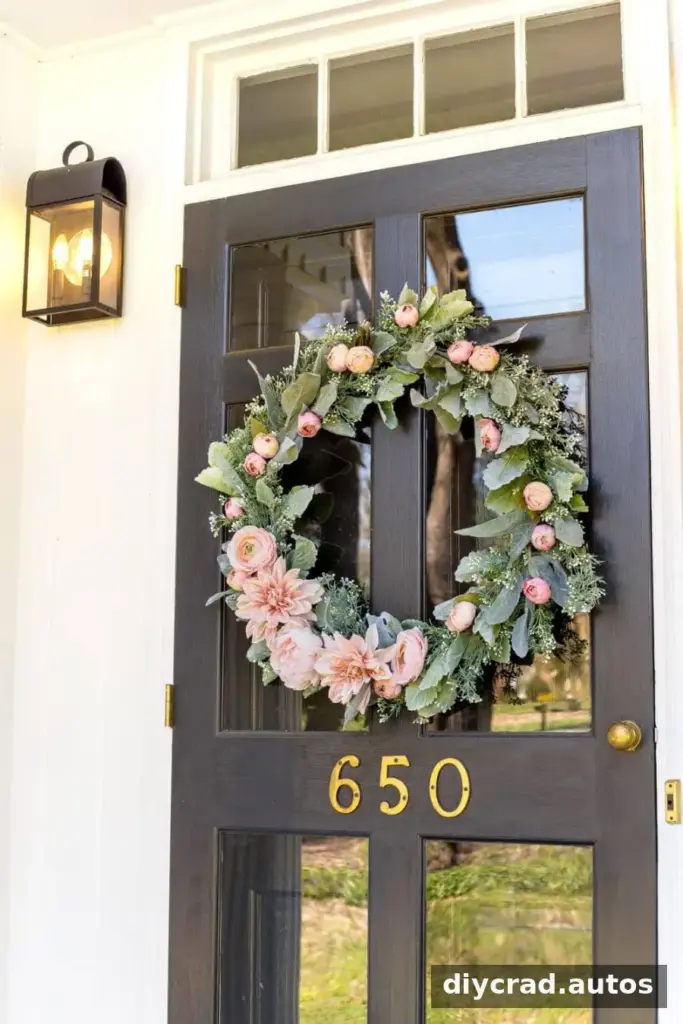
32. Make a front-door wreath
Use faux greenery you already own to create a wreath for the entrance. A simple base and a few coordinated accents can make use of leftover craft supplies.
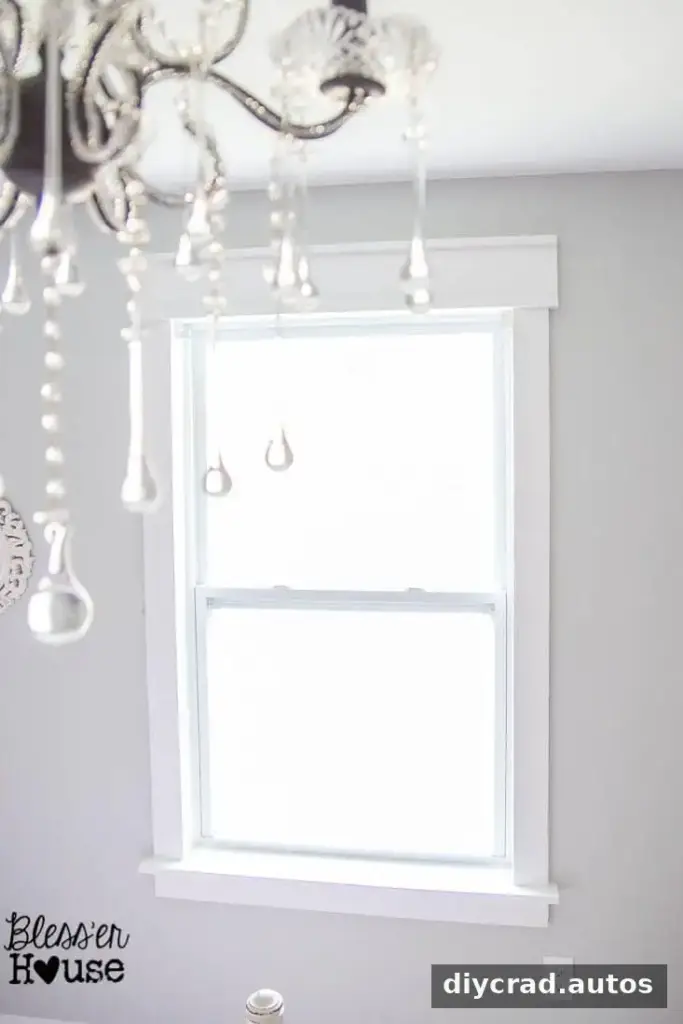
33. Add chunky window trim
Wider window trim can make a room feel more finished. Measure each opening and choose a trim plan that fits your tools and skill level; careful measuring helps limit offcuts.
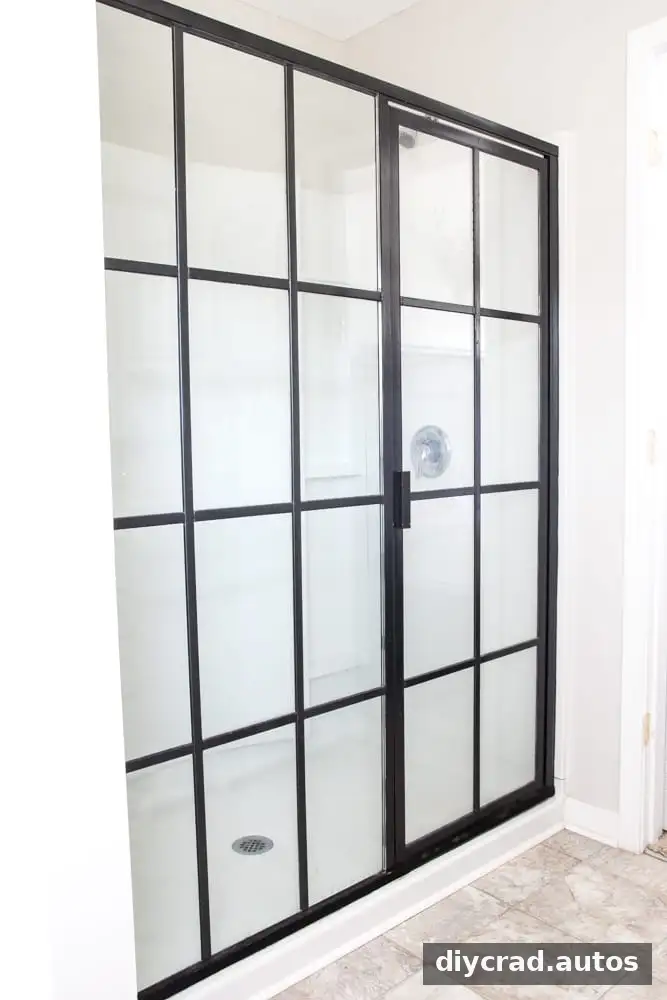
34. Update a shower door with an industrial look
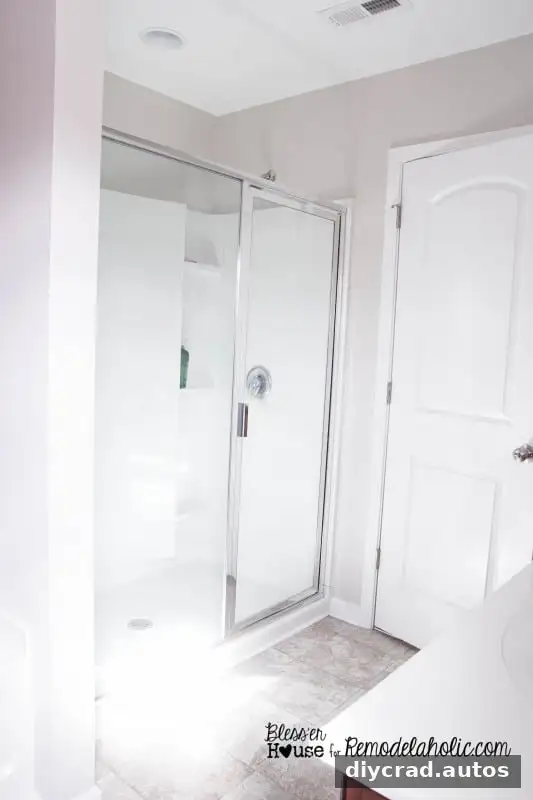
A shower-door makeover can change the bathroom’s style, but the work may take a day or two. Use materials suitable for wet areas and make sure the door remains secure and watertight.
35. Add fringe to a sofa
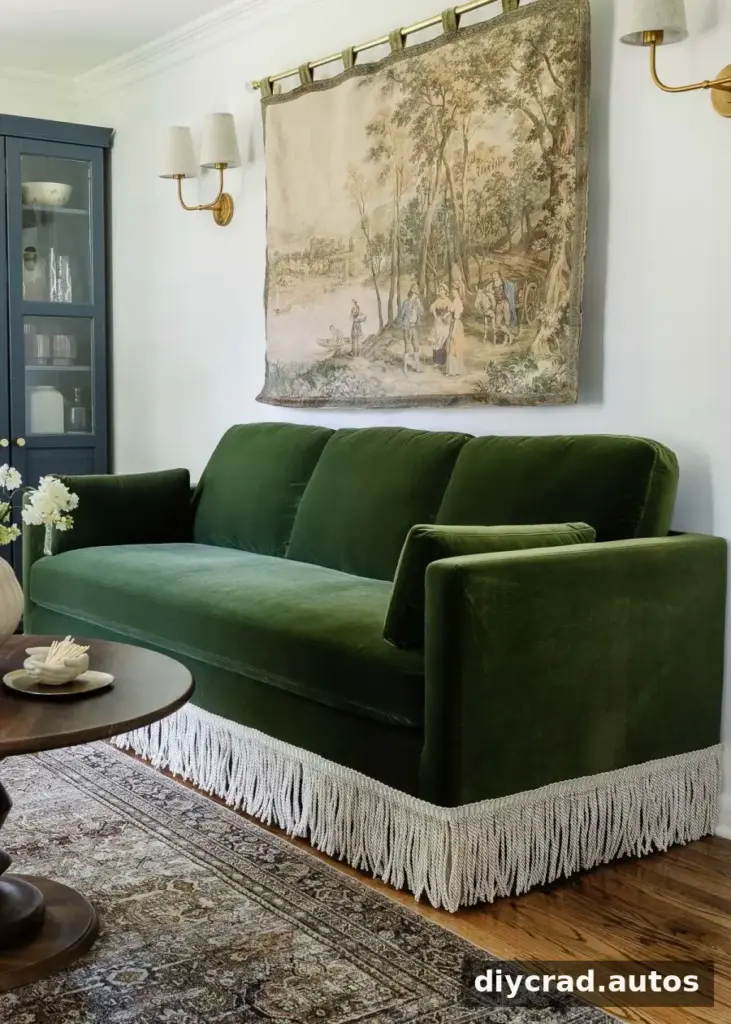
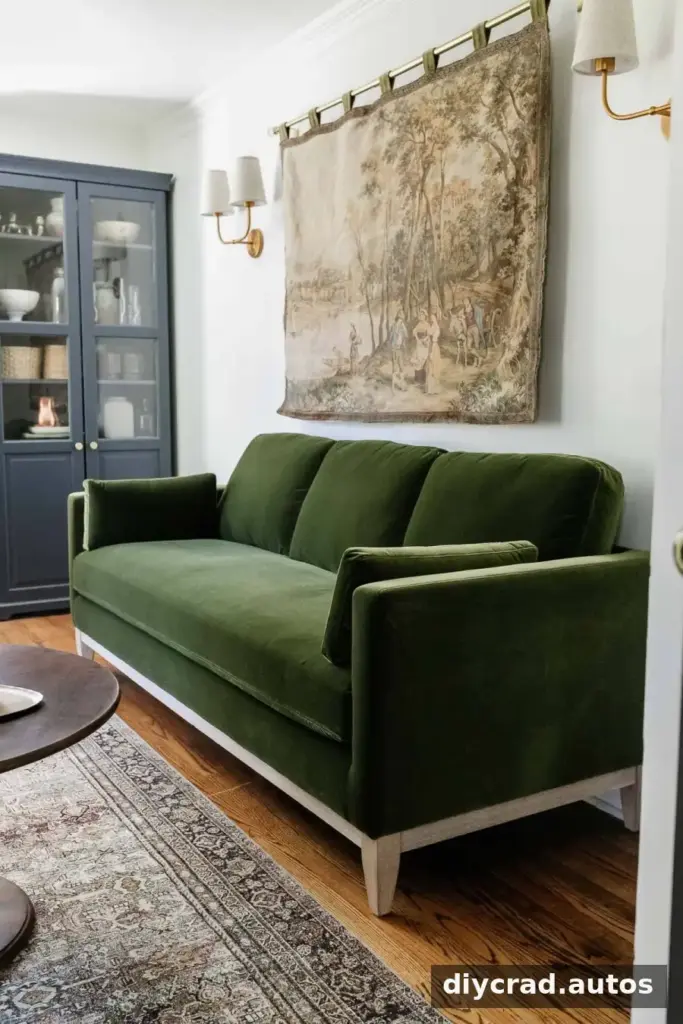
Fringe trim can give a sofa or chair a different look without replacing the upholstery. Choose a trim that suits the furniture and use an attachment method that will not damage the fabric.
36. Deep-clean the house
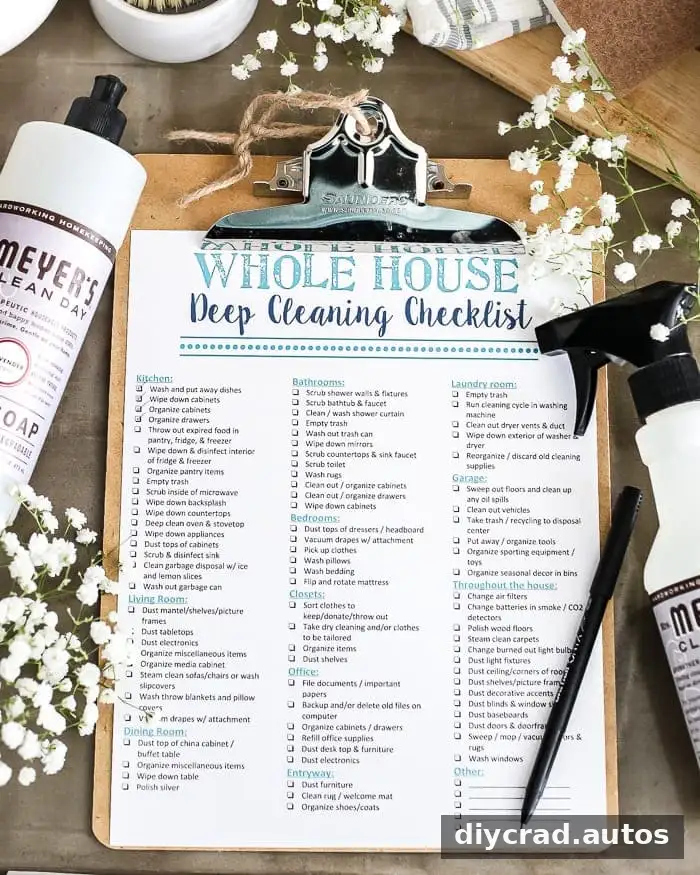
A thorough clean can make rooms feel brighter and more comfortable at no added decor cost. Work one area at a time and follow cleaner labels, especially when using products on different surfaces.
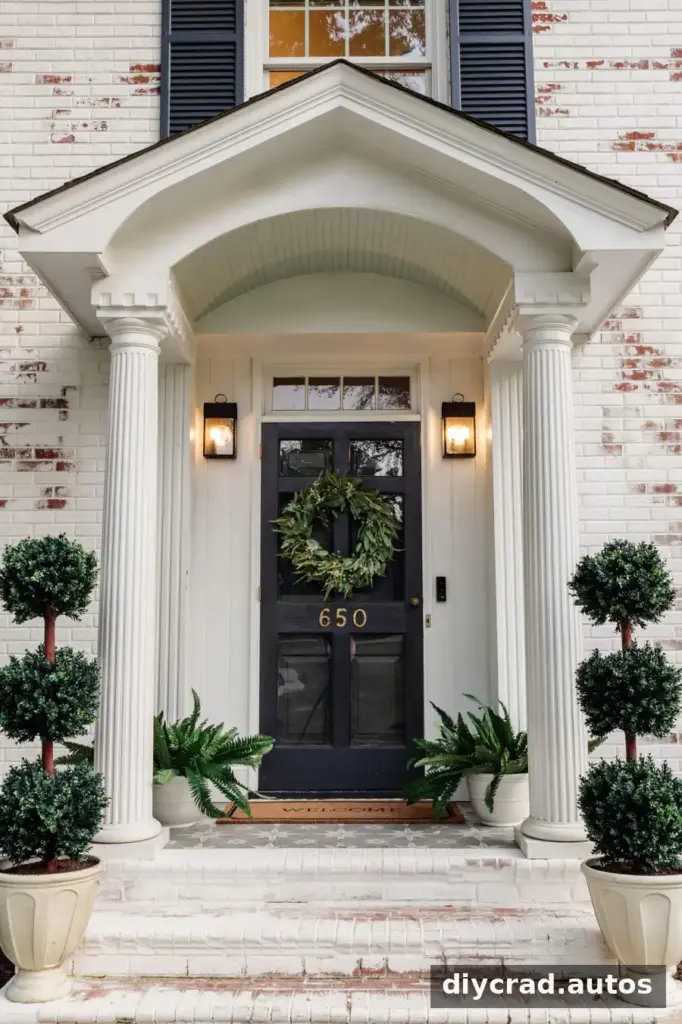
37. Add potted plants to the porch
Plants can add color and curb appeal to an entry. Planters may cost around $10–$20 each, and propagating suitable plants you already have can help expand your greenery for less.
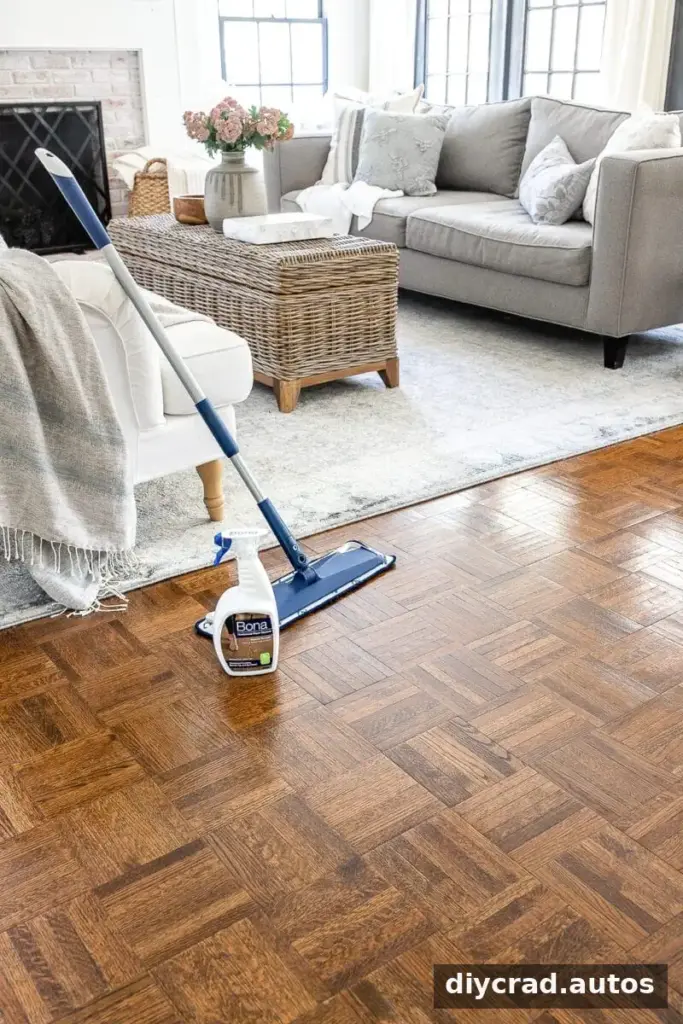
38. Clean and polish the floors
Cleaning and polishing hardwood can help the whole room look more cared for. Use products made for your floor’s finish and avoid excess moisture that could damage the wood.
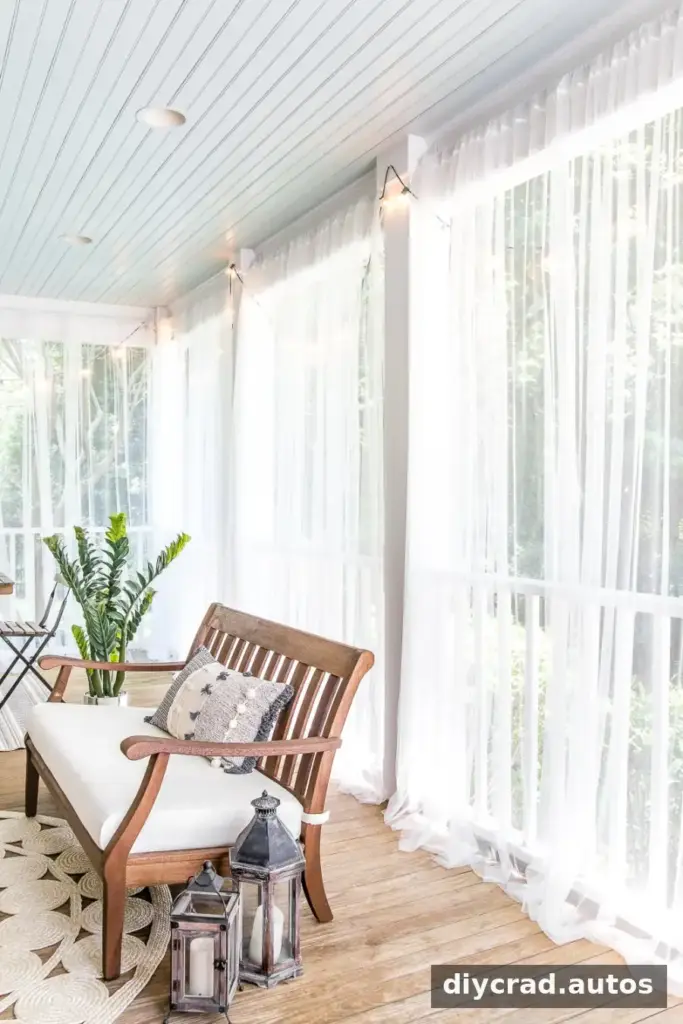
39. Hang mosquito-net curtains outdoors
Lightweight net curtains can give a porch an airy feel and help keep insects out. They have been available for about $5 per pair; check the size and attachment method before buying.
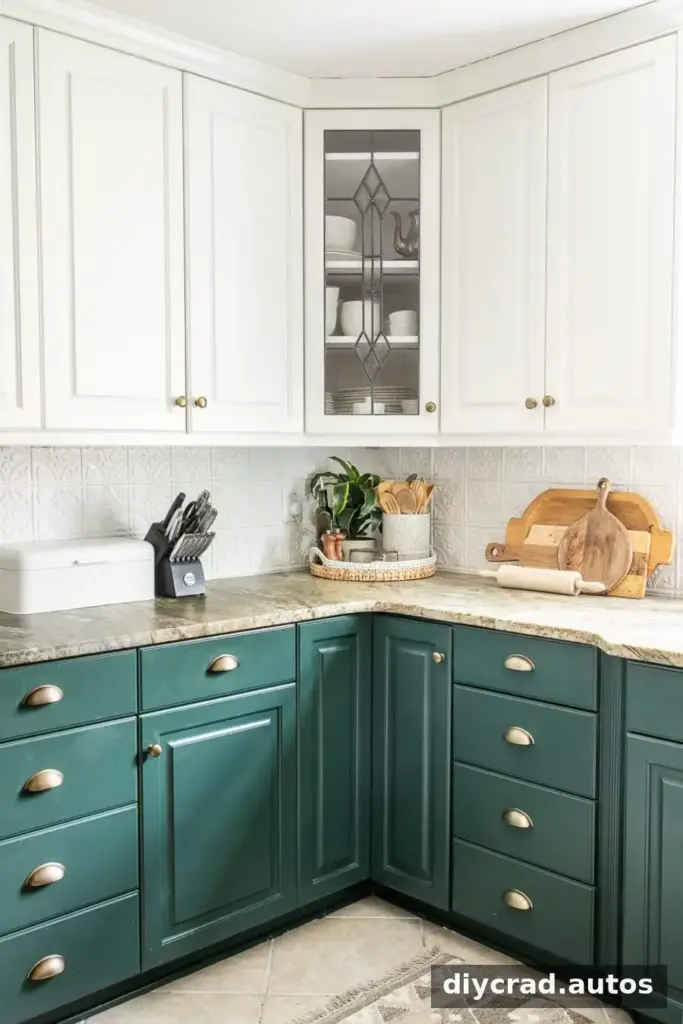
40. Declutter and redecorate kitchen countertops
Keep countertop decor both attractive and useful. Clear away items you rarely use, then leave everyday essentials accessible and group a few decorative pieces together to avoid clutter.
Choose Cheap Home Decor Ideas That Fit Your Space
The most useful cheap home decor ideas are the ones that improve how your home looks and works without stretching your budget. Start with free changes, such as cleaning, organizing, and rearranging, then choose a small DIY update if you still want a bigger transformation. Reusing materials and planning purchases in advance can help keep a project manageable and under $100.

