

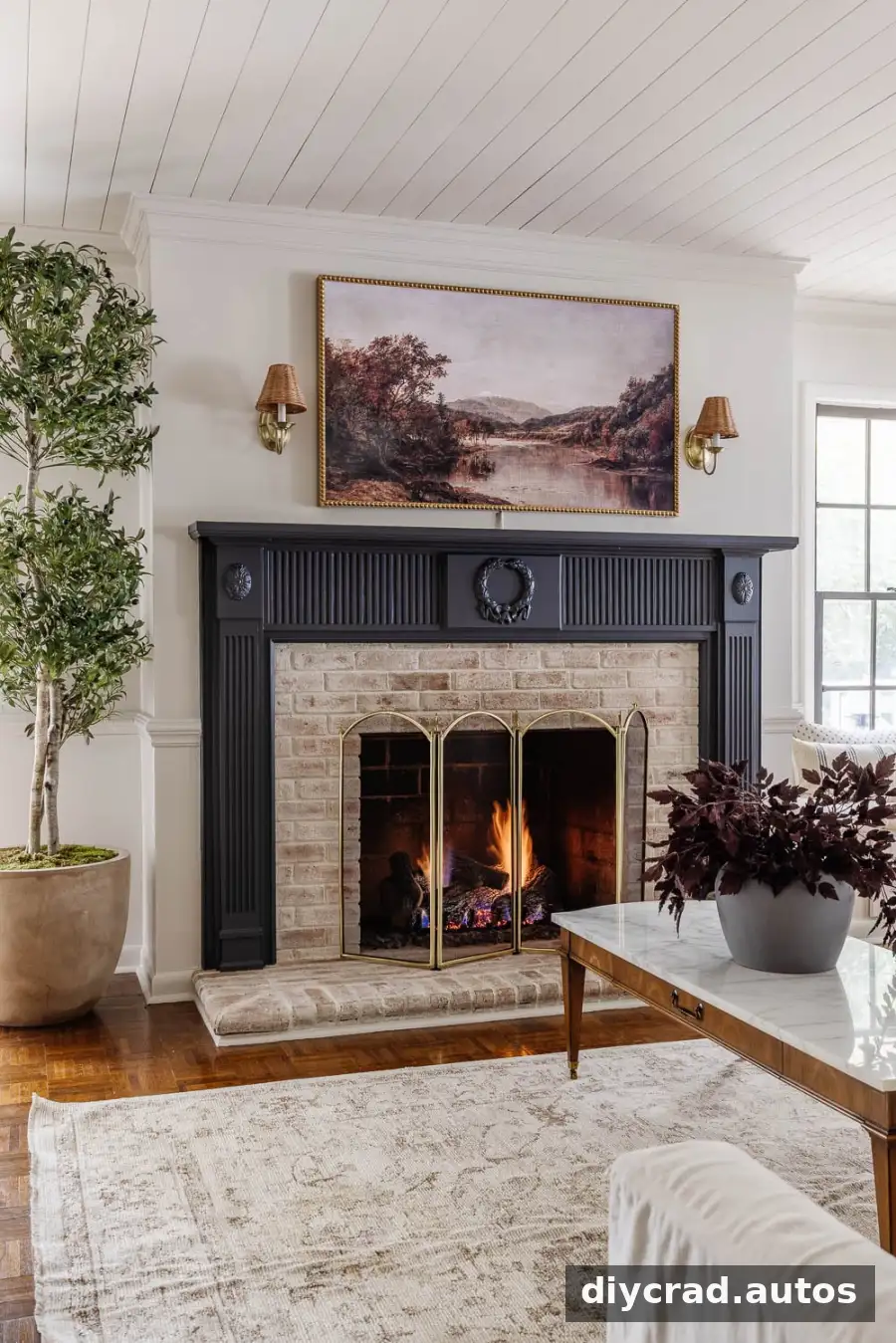
A cohesive home feels connected from room to room without making every space look identical. A consistent palette, repeated materials, and thoughtful transitions can help different rooms feel like parts of the same story while still leaving room for individual character. You can build that sense of flow gradually, using what you already own as well as any new pieces you choose.
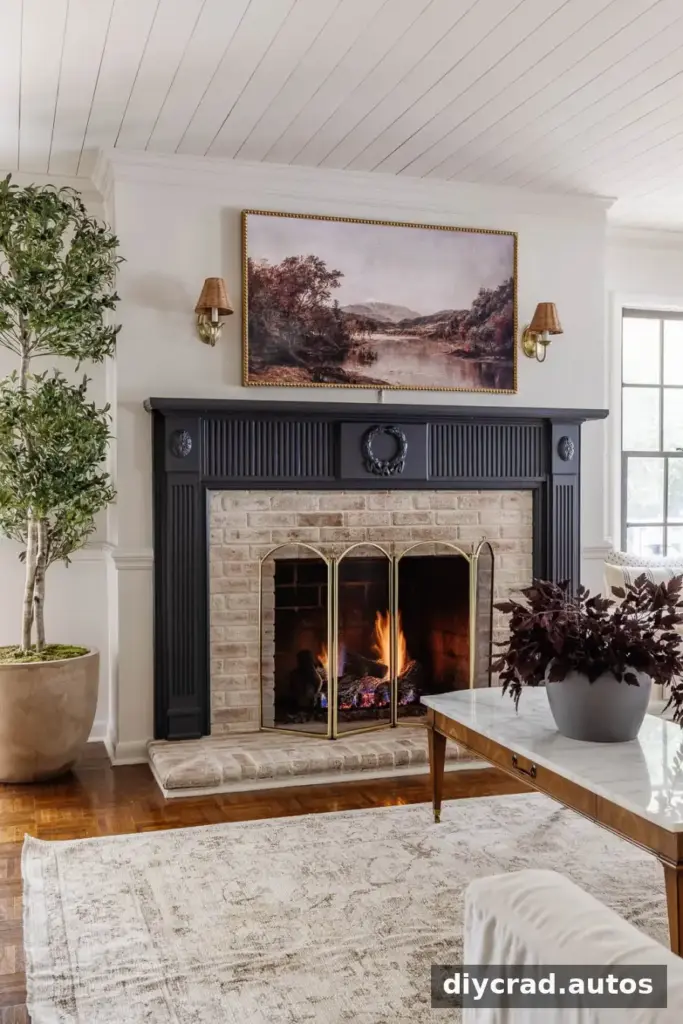
1. Start with a Whole-Home Vision
Before choosing furniture, paint, or artwork, decide how you want your home to feel. Choose two to four words that describe the atmosphere, such as warm, relaxed, airy, or collected. These words can guide decisions when you are unsure whether a particular color or object belongs.
Gather inspiration in a simple mood board. Include rooms, colors, materials, and textures that appeal to you. The board does not need to be a strict plan; its purpose is to help you notice recurring preferences and avoid choices that pull the home in conflicting directions.
Practical tip: Review your existing furniture and finishes before buying anything. Pieces you already like may reveal a useful starting point for your overall style.
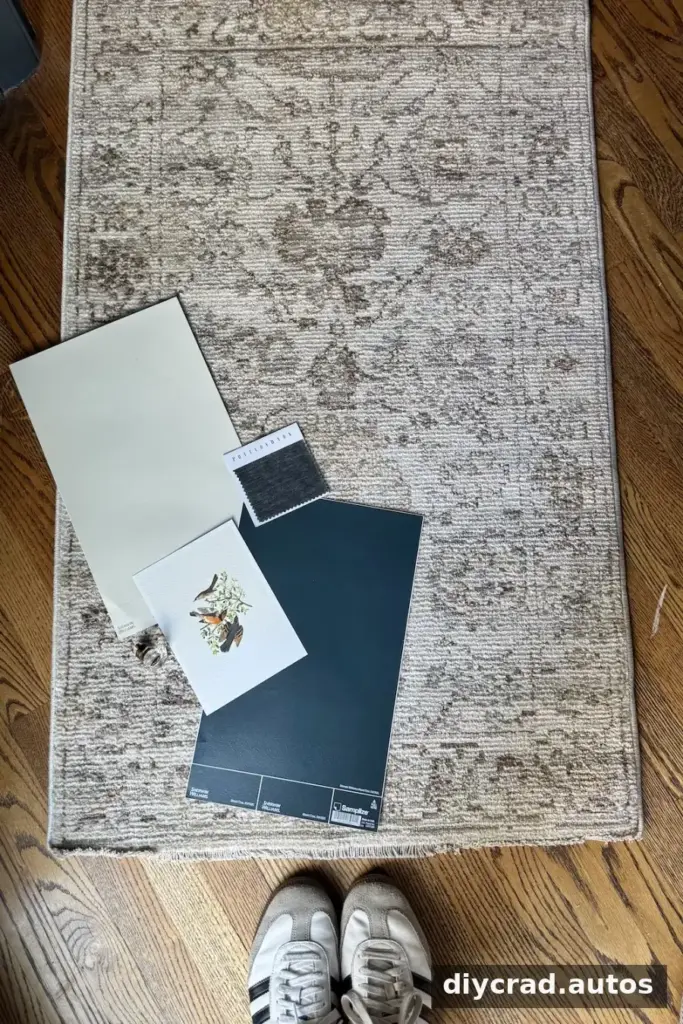
2. Choose a Core Palette for a Cohesive Home
A shared color palette can connect rooms even when each one uses color differently. Consistent undertones are often more important than repeating the exact same paint shade everywhere.
- Choose one or two neutral base colors. Soft white, gray, or beige can work across walls, trim, or ceilings, depending on the light and finishes in your home.
- Select two or three accent colors. Repeat them in different proportions through textiles, artwork, or accessories.
- Keep finishes in mind. Repeating one or two metal finishes, such as brass, matte black, or nickel, can make hardware and lighting feel related.
- Vary the shade, not the undertone. Use lighter or deeper versions of a color in different rooms while keeping the palette compatible.
When testing paint, compare samples in the rooms where they will be used. Natural and artificial light can change how a color appears, so check it at different times of day before making a final choice.
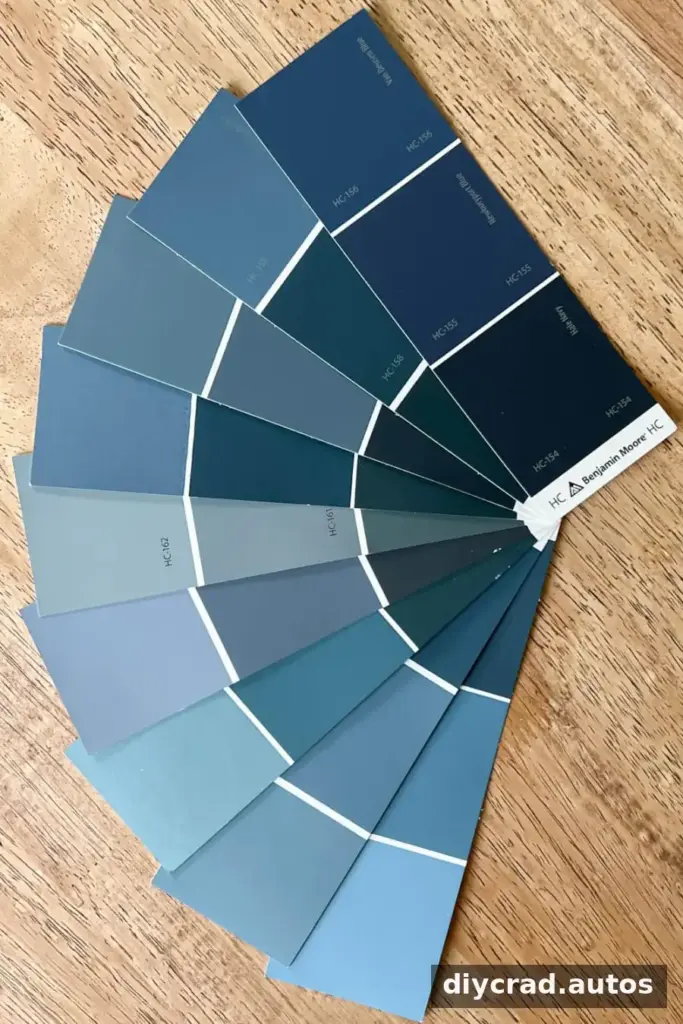
A consistent palette works like a visual thread: it appears in each room, but not necessarily in the same way.
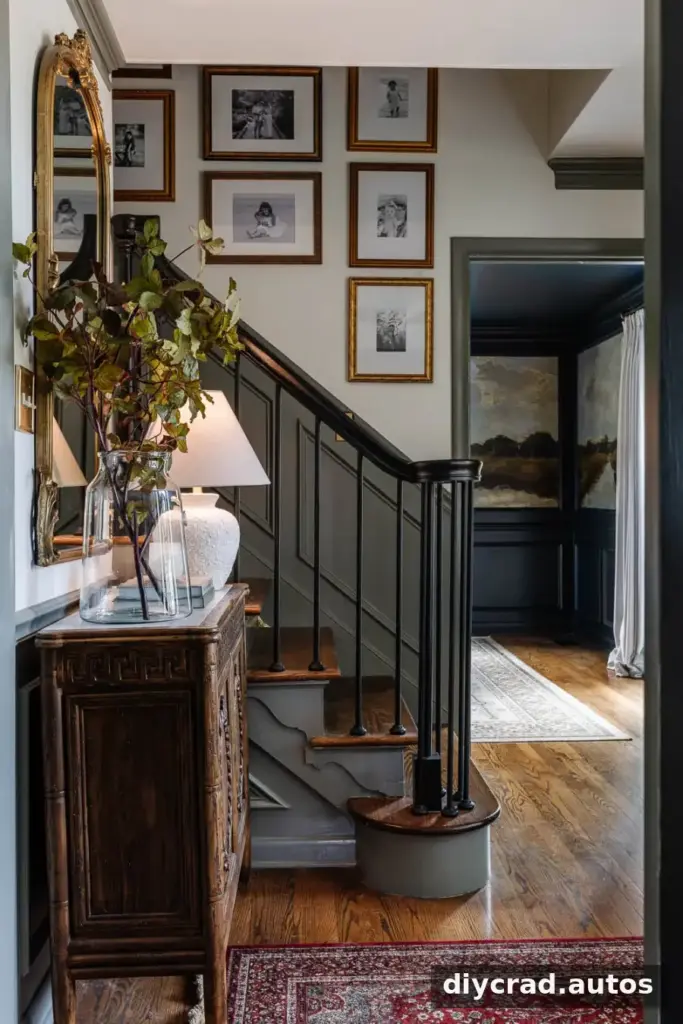
3. Repeat Materials and Details
Repeating a few details helps rooms feel connected without making them look like copies. Look for elements that can recur naturally across the home.
- Architectural details: Where practical, use related door styles, trim profiles, and millwork.
- Materials: Repeat related wood tones, stone, or woven textures. They do not need to match exactly; similar color or texture can create a connection.
- Textiles and patterns: Carry a fabric type, stripe, or subtle motif into more than one room, varying its scale or color for interest.
- Lighting and hardware: Fixtures with a similar shape or finish can make separate spaces feel part of one plan.
- Decorative accents: Use related materials or forms in objects such as baskets, ceramic pieces, or framed artwork.
The aim is harmony, not uniformity. If a repeated element starts to feel excessive, use it less often or vary its form.
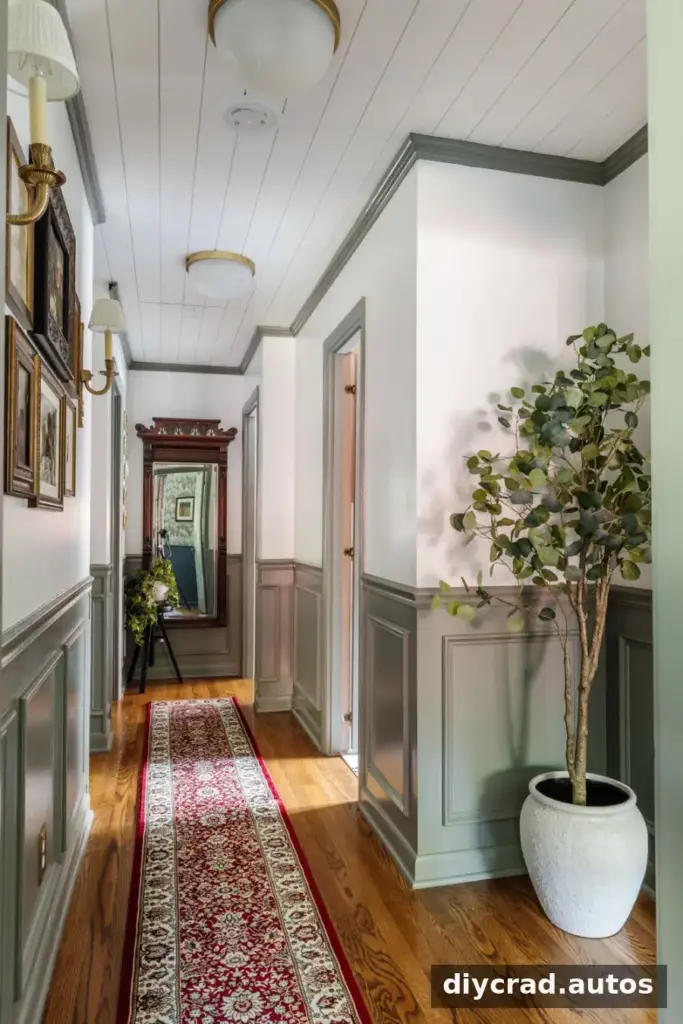
4. Use Hallways and Entryways as Transitions
Foyers, hallways, stair landings, and doorways connect rooms, so they can help carry the design from one area to another. A transition space can repeat colors or materials from the rooms on either side.
- Choose wall or trim colors that relate to adjoining spaces.
- Use a runner or rug that includes colors found in nearby rooms.
- Select artwork that shares a tone or theme with the surrounding areas.
- Keep flooring consistent where possible, or choose finishes that complement one another.
- Add a small console or display only if it leaves enough room for comfortable movement.
Before adding furniture to a narrow passage, check that doors can open fully and the route remains clear. A simple, uncluttered transition often works better than a crowded display.
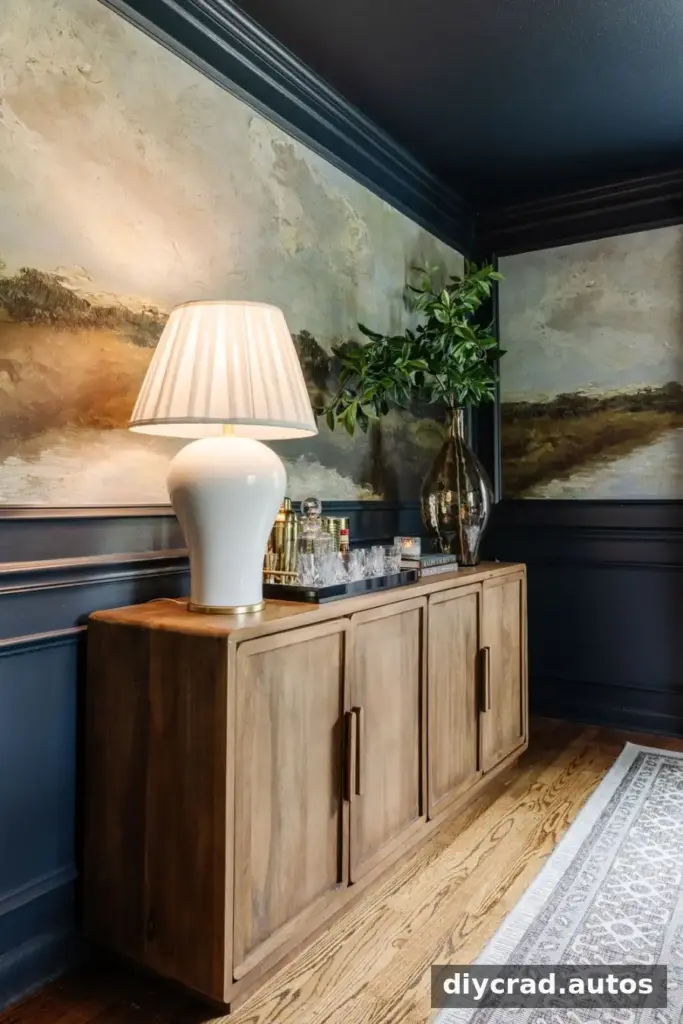
5. Consider Layout and Movement
How people move through a home affects how connected its rooms feel. Furniture placement, rugs, and sightlines can either support an easy transition or make spaces seem disjointed.
- Walk through the home and notice any blocked paths or abrupt visual changes.
- Use rugs to define seating or dining areas without creating awkward overlaps at doorways.
- In open-plan spaces, arrange furniture or rugs to distinguish zones while keeping clear sightlines.
- Balance statement pieces so one room does not feel unrelated to the rest of the home.
If a room feels choppy, try moving or removing an item before shopping for something new. Small layout adjustments can improve flow without changing the overall design.
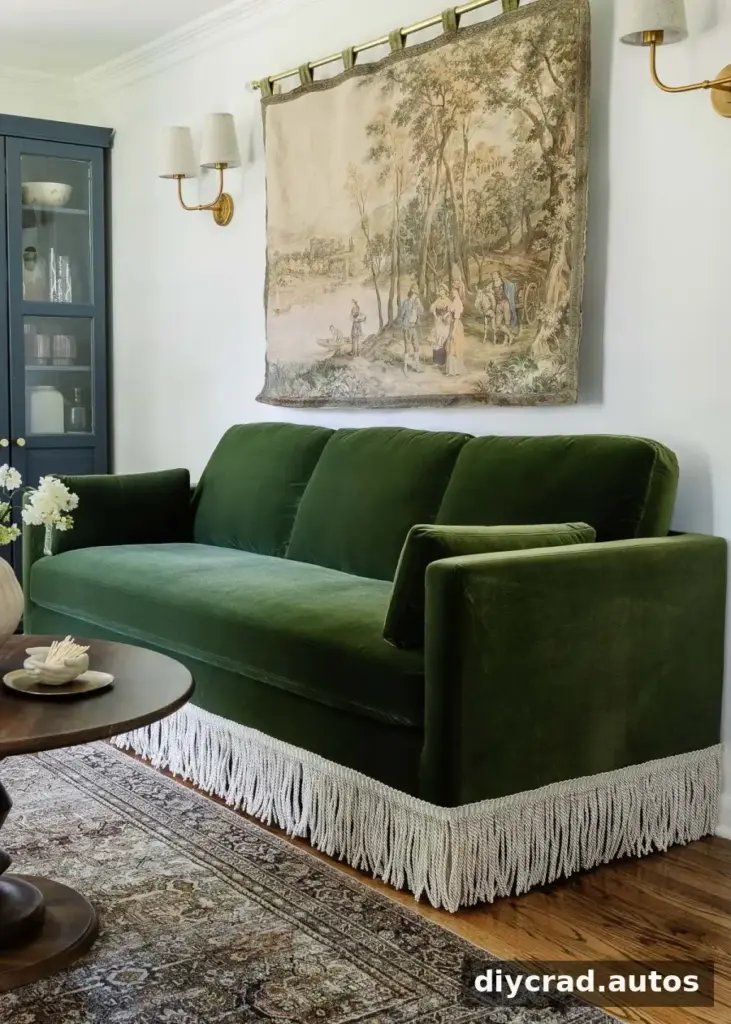
6. Let Personal Style Add Character
Consistency does not mean every room needs the same look. Personal collections, distinctive artwork, and varied styles can fit into a connected home when their scale, colors, or materials relate to the wider scheme.
- Choose a leading style. Use a main direction as an anchor, then add complementary vintage, modern, or eclectic pieces with intention.
- Pay attention to scale. A large statement piece can feel more at home when its visual weight is balanced elsewhere.
- Give each object a purpose. Keep pieces that are useful or meaningful, and try relocating items that feel out of place.
- Edit the layers. Begin with essential furniture and lighting, then add rugs, textiles, and smaller accessories gradually.
Leaving some surfaces and areas open can help favorite pieces stand out and prevent visual clutter.
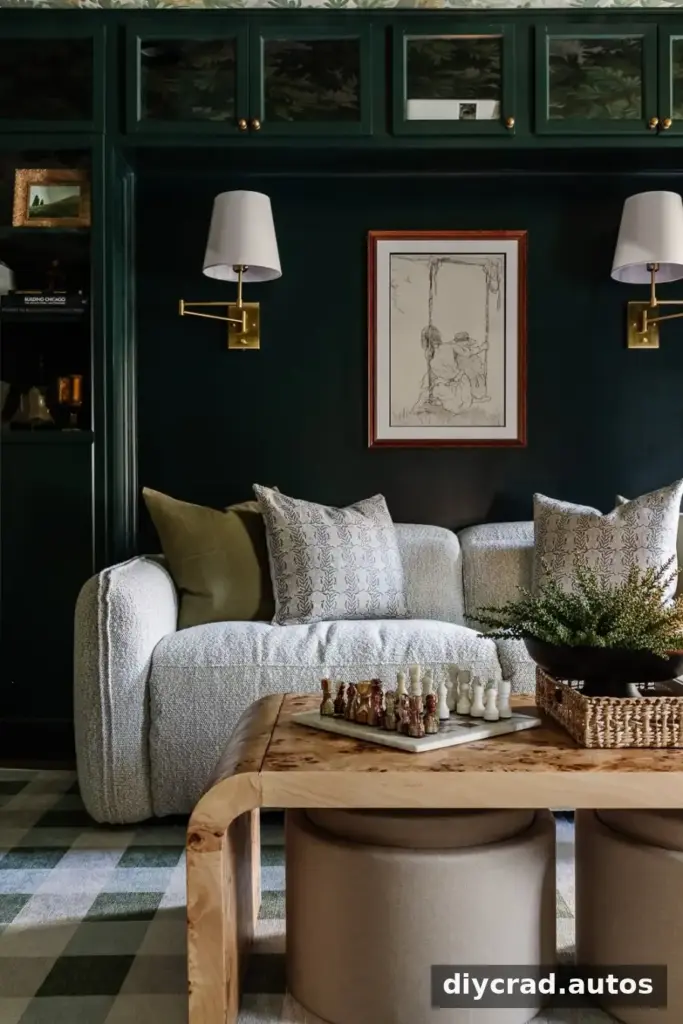
7. Give the Design Time to Develop
A cohesive home usually comes together over time. You can make progress room by room rather than replacing everything at once. Before adding a new item, compare its color, material, scale, and style with the choices already in your home.
If a piece does not quite fit, consider whether it could work in another room, be balanced with a related detail, or simply be left out. Cohesion does not require everything to match; it means each choice feels as though it belongs.
Conclusion: Build a Cohesive Home One Choice at a Time
To create a cohesive home, begin with a clear vision, establish a flexible color palette, repeat a few materials, and use transition areas to connect rooms. Thoughtful layouts and personal details bring the plan together. Make changes gradually, and check how each decision works with the spaces around it. Over time, the result can feel connected while allowing every room to keep its own character.

