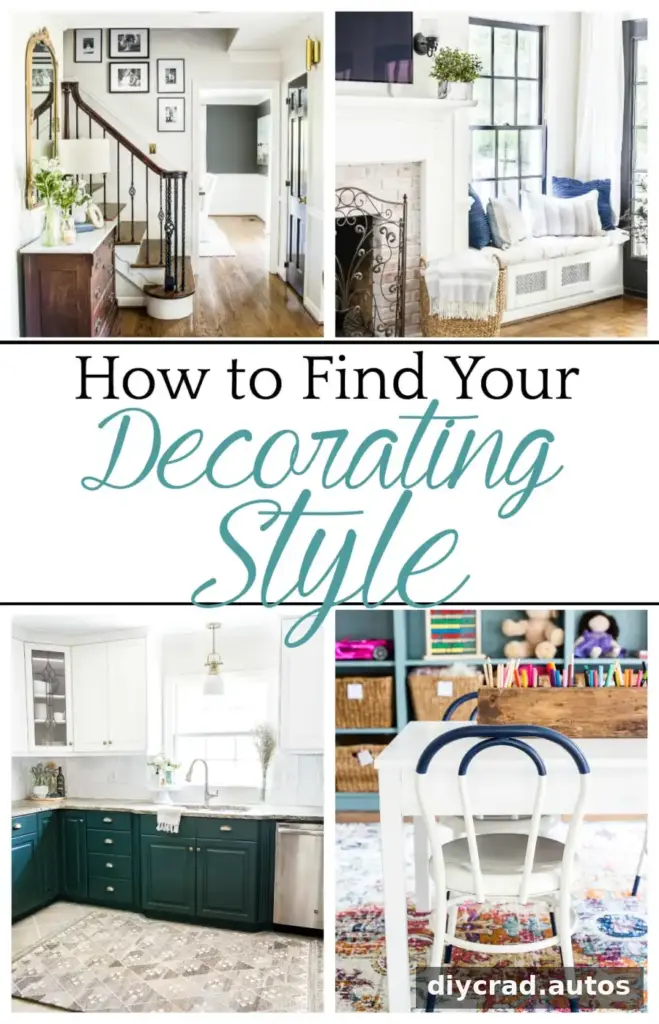
Learning how to find your decorating style can make decisions about colors, furniture, and accessories feel much easier. Instead of buying pieces on impulse and hoping they work together, look for clues in what you already enjoy, how you live, and the features of your home. You do not need to commit to one strict design category; the goal is to create rooms that feel comfortable and personal.

It is common to like several different looks at once, from farmhouse and boho to modern or traditional. A mix of inspiration can feel confusing, especially when you are planning a new room. These six steps can help you identify the details you return to most often and use them to make a practical decorating plan.
How to Find Your Decorating Style
1. Look for patterns in your inspiration photos
Review saved room images, magazine clippings, or other references you have collected. Rather than focusing only on the overall style label, note the details that appear repeatedly. You may see similarities in color, materials, furniture shapes, lighting, or the amount of visual clutter.
For example, recurring preferences might include:
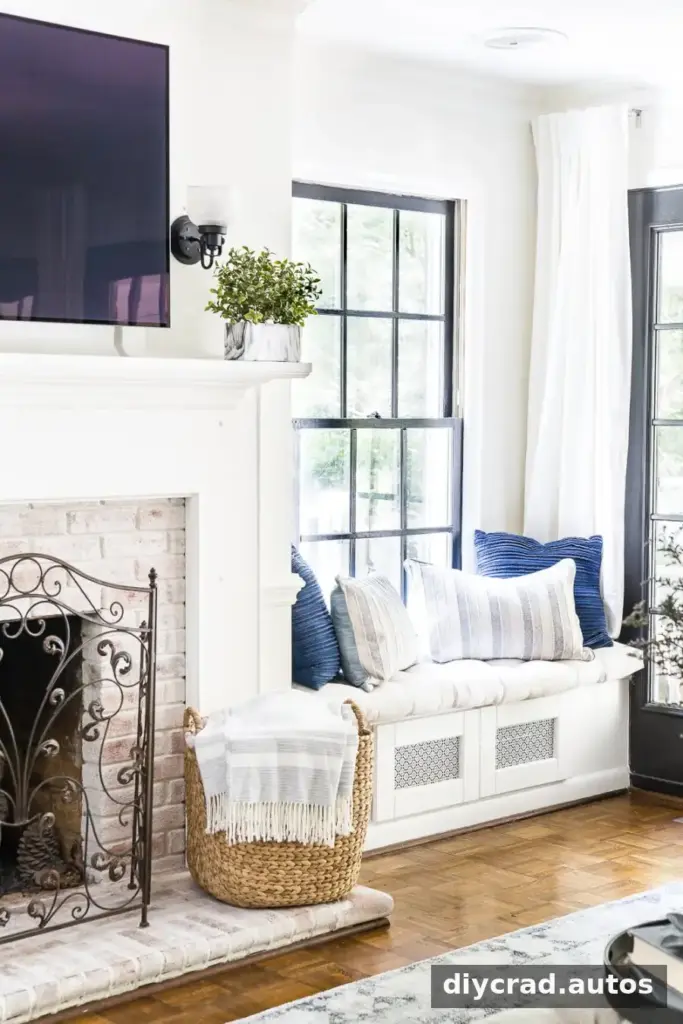
- Natural textures such as cotton, linen, and woven baskets
- Neutral colors with touches of blue or green
- Clean-lined furniture with a subtle vintage influence
- Open, airy rooms
- Black or high-contrast accents
- Medium wood tones
- Simple or nature-inspired fabric patterns
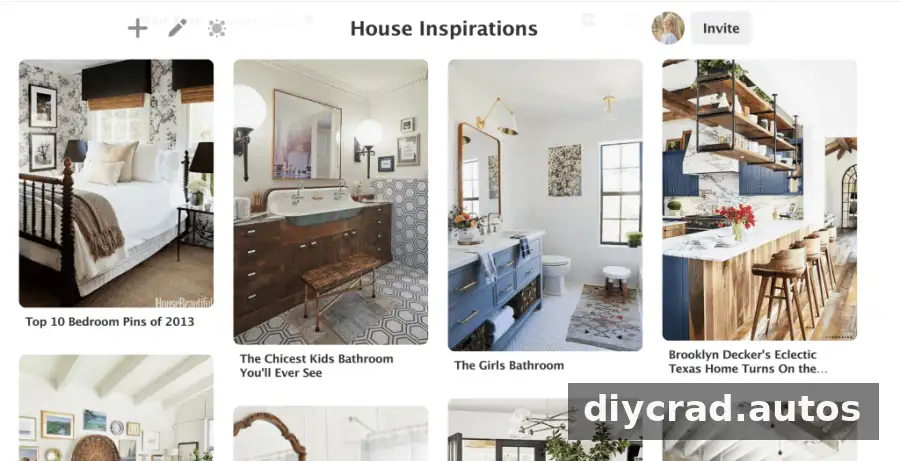
Write down three to five details that show up often. These can become a useful guide when you compare furniture or choose paint and textiles. If your saved images seem varied, look for smaller shared elements rather than trying to pick just one design category.
2. Take cues from your wardrobe
The colors, textures, and patterns you enjoy wearing can offer clues about what feels comfortable to you at home. If your closet is mostly simple pieces in neutral shades, you may prefer a similarly restrained palette indoors. If you gravitate toward vivid colors, bold prints, or decorative details, those choices may also suit your rooms.

This is a starting point, not a rule. A favorite outfit does not have to dictate your entire home, but noticing what you repeatedly choose can help you identify colors and materials you are likely to enjoy seeing every day.
3. Work with your home’s architecture
Pay attention to the character your home already has, including its lines, finishes, and architectural details. A midcentury modern home may feel cohesive with some furniture inspired by that period, while a traditional home might suit classic lighting or furnishings.
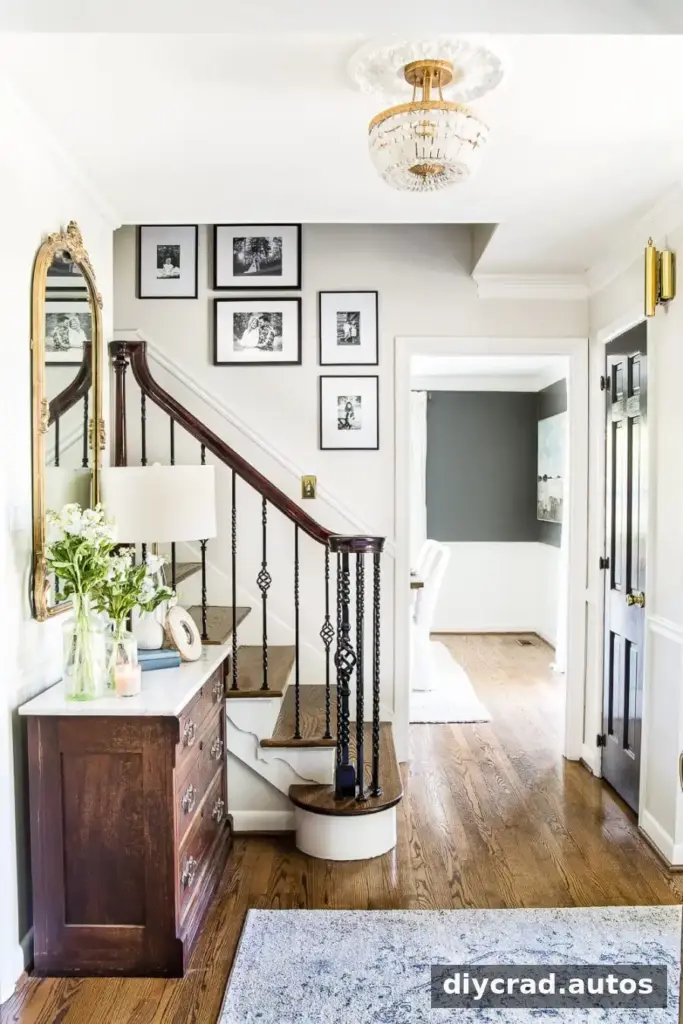
You do not need to reproduce one style throughout the house. A few details that acknowledge the architecture can help new decor feel connected to the space. If your home has few distinctive features, you have more freedom to experiment. In either case, consider the room’s existing elements before making larger purchases.
4. Match decor to your household’s lifestyle
A room should work for the people who use it. Think about daily routines, storage needs, pets, children, and how much time you want to spend on cleaning and upkeep. A busy family might prefer washable slipcovers, durable surfaces, and rugs with patterns that are practical for everyday use.
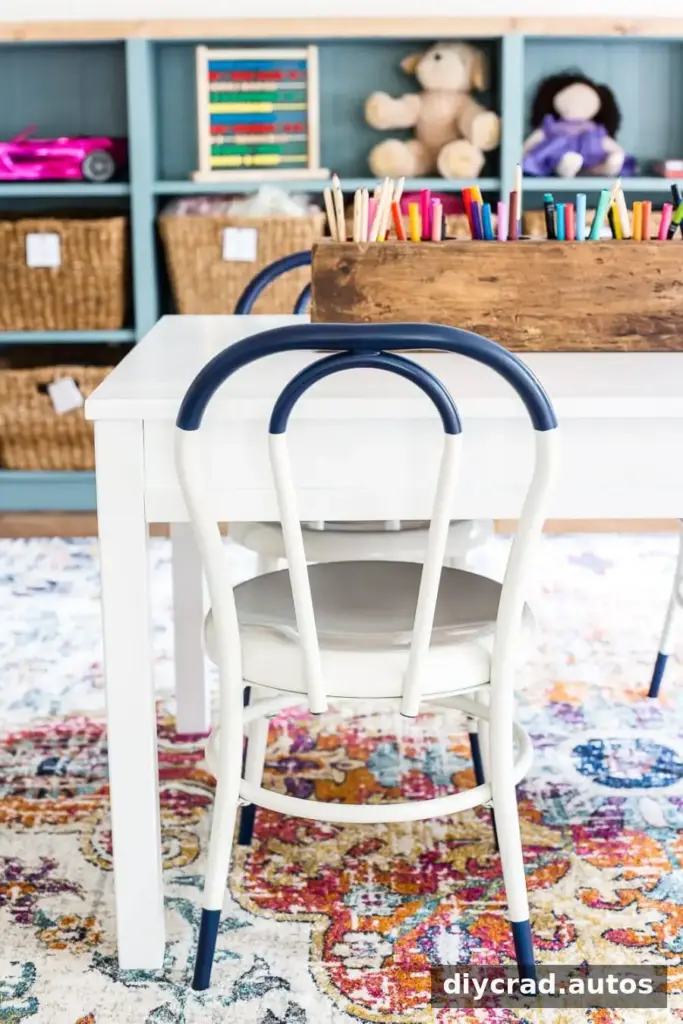
Before buying an item, consider where it will go and how it will be used. Measure the space, check that walkways remain clear, and choose materials suited to the room’s demands. Style is easier to enjoy when the furnishings support how your household actually lives.
5. Review the decor you already own
Gather accessories such as vases, pillows, candle holders, and artwork, then consider each item individually. Keep pieces you genuinely like or use, and set aside items that no longer suit your taste or home. This helps you see what is already working before you spend money on more decor.
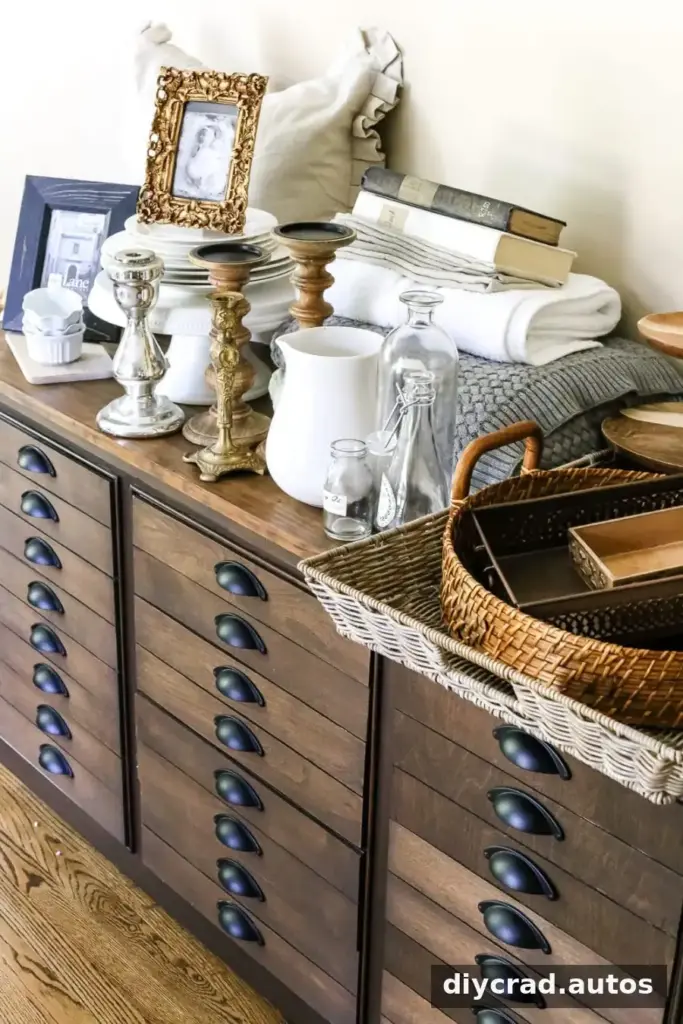
Items in good condition that you do not want may be suitable for donation or resale. Avoid keeping something only because you feel obliged to use it. If you are unsure, store it temporarily and see whether you miss it before deciding what to do with it.
6. Decide how you want your home to feel
Think about the mood you would like to experience when you walk through the door. A calm, restful atmosphere might call for soothing blues and greens, natural textures, and uncluttered surfaces. For a more energetic feeling, you might prefer brighter colors, stronger contrasts, or expressive patterns. Collections and meaningful objects can help create a nostalgic or eclectic mood.
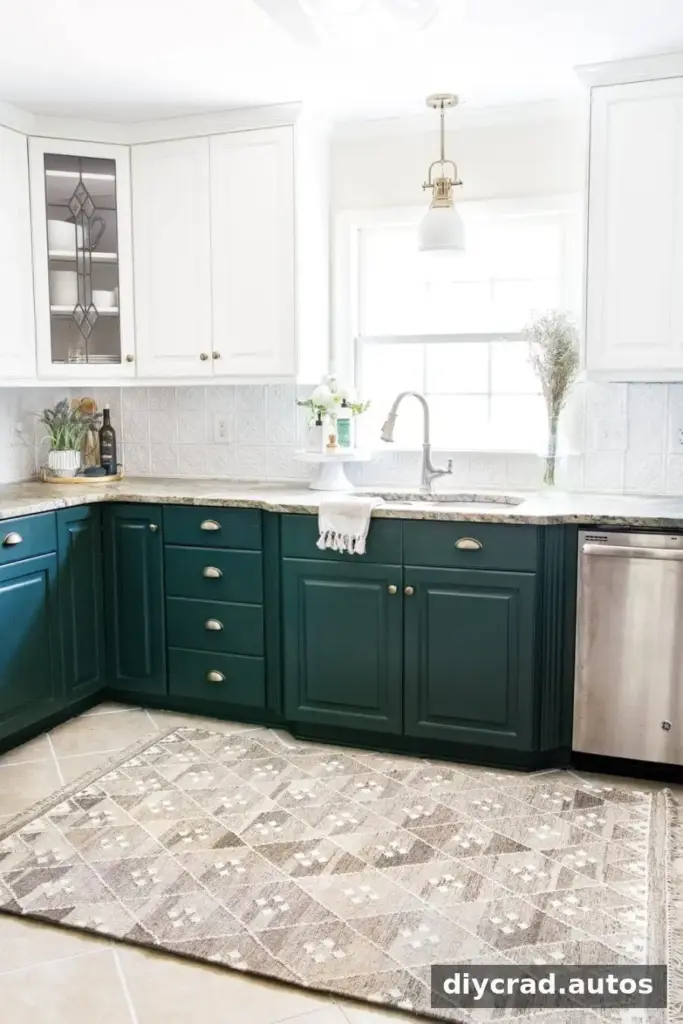
Choose a few words that describe your intended atmosphere, such as peaceful, welcoming, lively, or cozy. Use them to assess decisions: does a new color, pattern, or piece of furniture support that feeling? This simple check can help keep your choices consistent without limiting you to a named style.
Bring Your Decorating Style Together
To find your decorating style, combine the clues from your inspiration, wardrobe, home architecture, lifestyle, existing belongings, and preferred atmosphere. You may discover that your taste blends several influences. That is perfectly workable: repeat a few colors, materials, or shapes to make different pieces feel connected.
Start with one room or a small change rather than replacing everything at once. Use your notes as a reference, make practical choices for the space, and give yourself time to see how the room feels. A clear sense of what you enjoy can reduce impulse purchases and help you create a home that feels personal and functional.