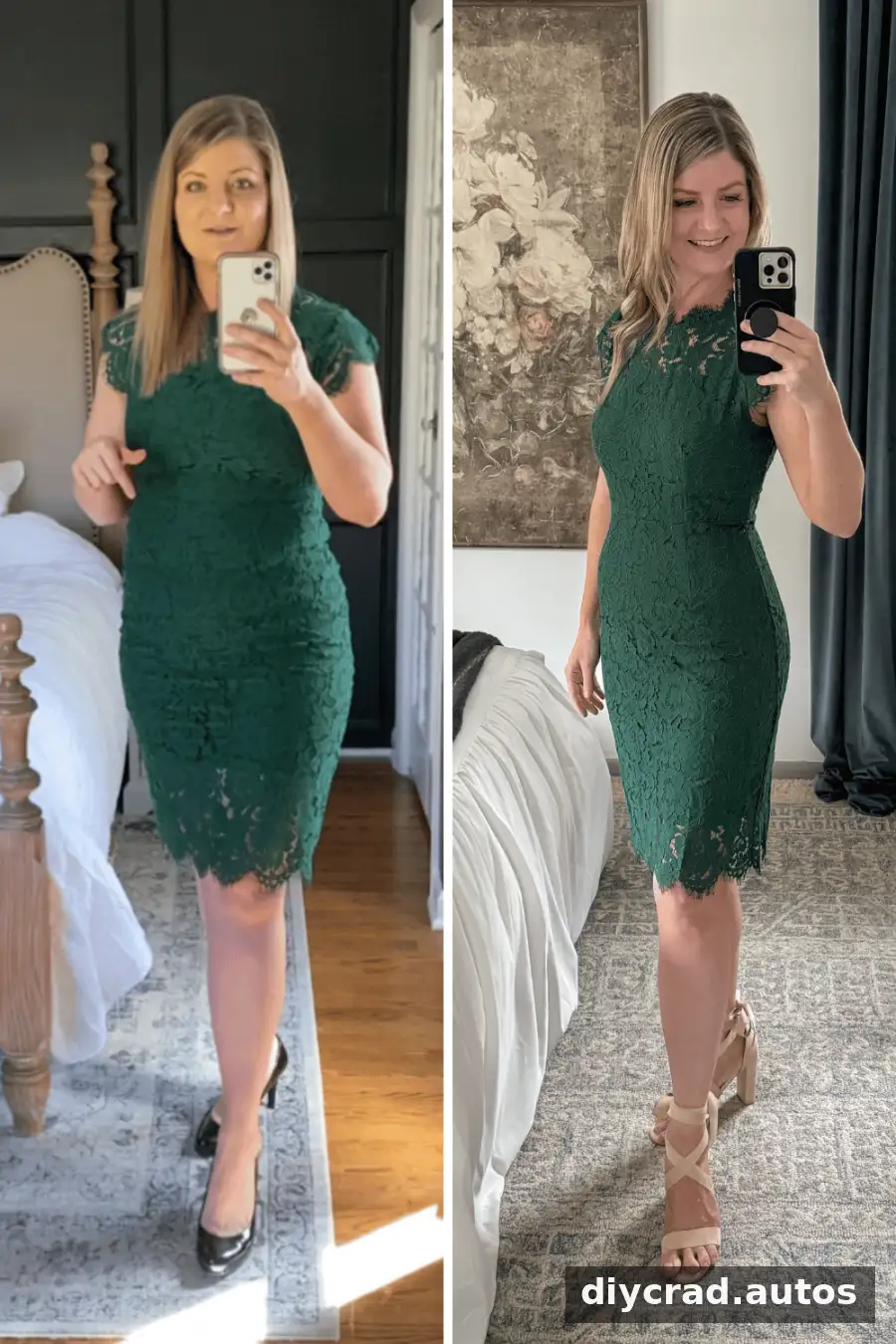
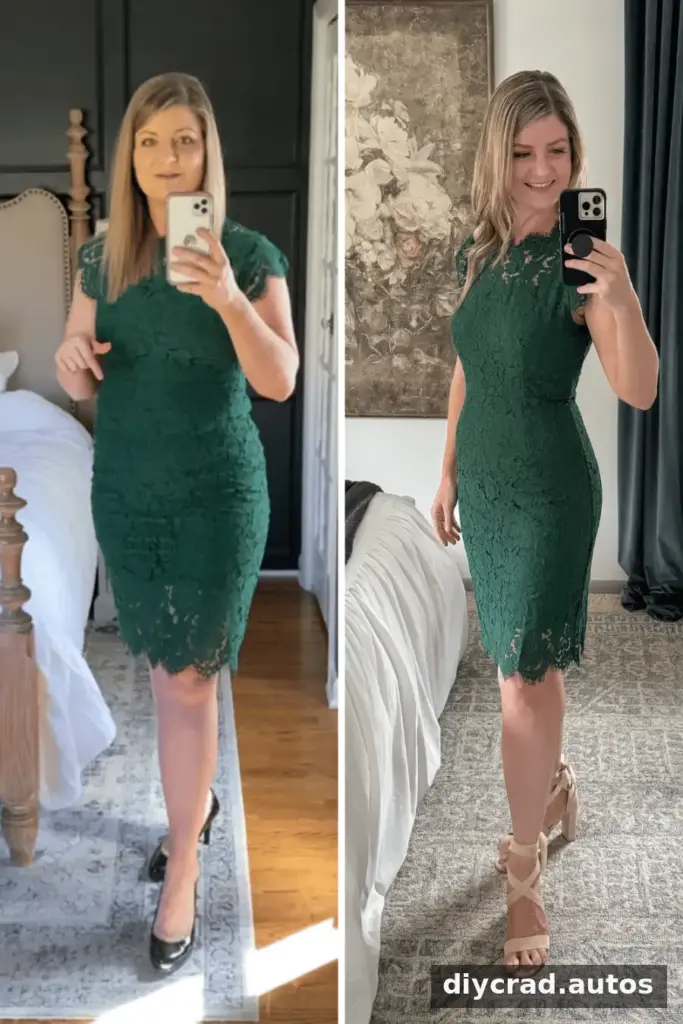
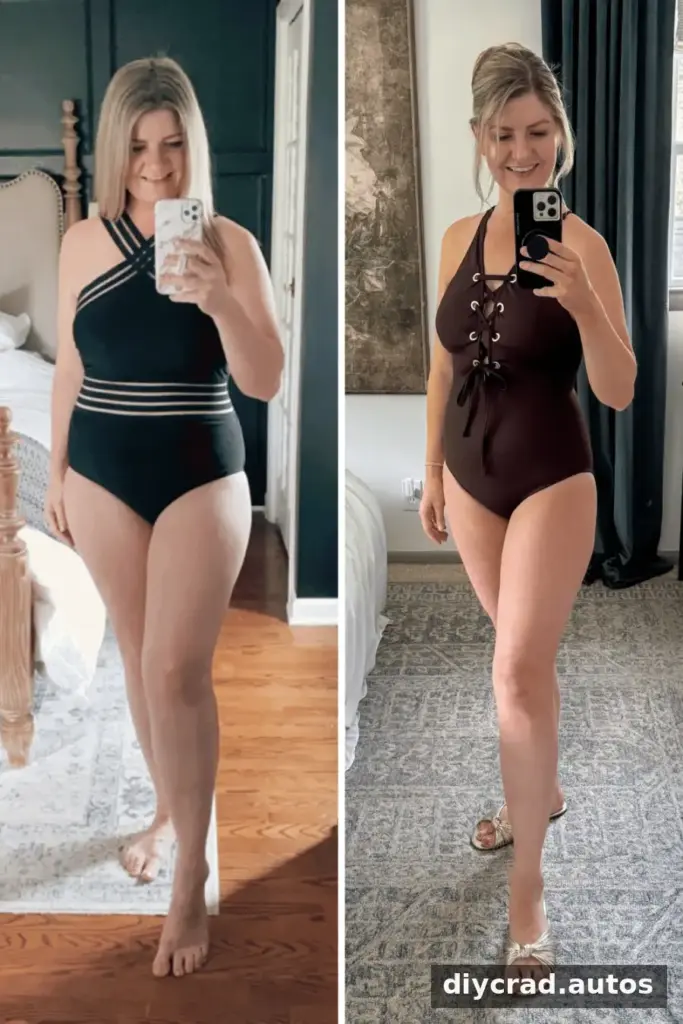
This health and weight loss journey began with a desire to feel better—not simply to change a number on the scale. Over two and a half years, I lost 52 pounds, went down four dress sizes, and eventually moved into maintenance. Those measurements tell only part of the story: improved energy, clearer thinking, and being able to take part in everyday activities more comfortably mattered just as much.
Weight changes do not, by themselves, determine someone’s health, and every body deserves respect. How a person feels and functions can be more meaningful than appearance. This account describes one person’s experience, not medical advice or a recommended plan. Health needs, treatments, and appropriate goals vary; speak with a qualified healthcare professional about decisions that affect your health.
How My Health Mindset Changed
I used to imagine reaching my pre-pregnancy weight as a finish line. I now see caring for my health as an ongoing process shaped by small choices, changing circumstances, and self-compassion. A difficult day or a less-balanced meal does not erase progress. The next decision is an opportunity to return to the habits that support well-being.
I do not believe everyday foods need to be treated as morally “good” or “bad.” I aim for balance and pay attention to how different portions and meals fit into my overall routine. Enjoying a favorite food can be part of a sustainable approach; rigid rules may not suit everyone.

What Contributed to My Weight Gain
Pregnancy and Postpartum Challenges
After my first child was born in 2012, it took several years of changes to my eating and activity habits to lose most of the pregnancy weight. My second pregnancy in 2018 was followed by recovery complications, a postpartum procedure, birth trauma, postpartum depression, and the demands of caring for a baby who slept very little. Physical and emotional recovery can take time, and parents deserve support rather than pressure to meet a particular timeline.


Mental Health and Medication
I was prescribed sertraline for postpartum depression and experienced weight gain while taking it. I stopped taking it abruptly, which I now recognize was not a good decision. If a medicine causes side effects or concerns, discuss them with the prescribing clinician before changing the dose or stopping. A healthcare professional can explain options and help plan any changes safely.
Later, I started bupropion and found that it helped my mental health without the same weight change I had experienced. Finding an appropriate treatment can involve follow-up and adjustments, and a medicine that suits one person may not suit another. Mental health support was an important part of being able to focus on other aspects of my well-being.
Stress and Eating Habits
Working from home during the pandemic while caring for children and managing depression was difficult. I often used food for comfort and noticed that my mood and daily activities affected what I chose to eat. Recognizing those patterns helped me think about what was driving my choices. Keeping a brief, nonjudgmental note of situations, feelings, and habits may help someone spot patterns to discuss with a clinician or counselor.
Changes That Supported My Health and Weight Loss Journey
There was no single change responsible for my progress. I introduced habits gradually over about two and a half years, adjusting them as life changed. The approaches below describe what I tried; they are not a prescription for anyone else.
Noticing Possible Food Sensitivities
I noticed stiff joints after eating wheat-heavy foods and stomach discomfort after dairy. A commercial food sensitivity test appeared to support my suspicions, so I avoided gluten and dairy for a year. During that period, I felt improvements in my digestion, headaches, energy, mental clarity, and skin. I later reintroduced both and now consume less than before.
Food sensitivity tests are not the same as tests for food allergies, and results may not establish the cause of symptoms. Anyone considering eliminating food groups—especially for an extended period—should seek advice from a qualified healthcare professional or registered dietitian. This can help prevent nutritional gaps and clarify whether symptoms need further evaluation.
When I wanted familiar flavors, I tried alternatives such as plant-based yogurt, oat milk, dairy-free desserts, gluten-free bread and pasta, almond-flour crackers, and cauliflower-crust pizza. Checking ingredient labels and comparing nutrition information can help identify options that suit individual needs, preferences, and budgets.

Supporting Mental and Spiritual Well-Being
Addressing depression with professional support helped me feel more able to care for my physical health. Short routines also made self-care feel manageable: I listened to reflective podcasts, spent a few quiet minutes in the morning, and tried breathing exercises and journaling. These practices are not substitutes for mental healthcare, but they can be useful additions for some people.
Small, realistic steps may be easier to maintain than a demanding routine. Even five or ten minutes set aside for a calming activity can be a practical starting point, provided it feels helpful rather than like another obligation.

Checklists and Habit Stacking
Habit stacking means connecting a new action to a routine that is already established. I began adding health-related tasks to a daily checklist and pairing them with things I was already doing. This helped me remember them without trying to redesign my entire day at once.
- Drink a glass of water alongside a regular morning task.
- Do a brief breathing exercise while having coffee.
- Record a meal soon after eating, if tracking feels useful.
- Stretch while watching a program in the evening.
- Plan a short walk around an existing break in the day.
Tracking or weighing can be uncomfortable for some people. Choose measures that support your well-being, and stop or seek guidance if they increase distress or encourage harmful behaviors.

Supplements
I gradually tried several supplements, including a multivitamin, digestive products, CBD, and magnesium. I felt that some suited my routine, but personal impressions do not prove that a supplement is effective or necessary. Supplements can interact with medicines or be unsuitable for certain health conditions, and product quality varies. Check with a doctor or pharmacist before starting one, particularly during pregnancy, while breastfeeding, or when taking prescription medicine.

Using a Food and Activity App
A structured health app helped me learn about eating patterns and the psychology of behavior change. The daily routine involved weighing, completing a short lesson or quiz, and logging food and activity. Lessons about recognizing triggers and handling social situations were especially useful to me.
Food logging can build awareness, but it is not essential for everyone. Some people may find it stressful or overly restrictive. If tracking is appropriate, treat the information as a guide rather than a judgment, and remember that calorie needs differ with factors such as age, body size, activity, and health status.
I lost 35 pounds over about a year while using the app, with breaks and setbacks along the way. I eventually stopped paying for it, but some of the lessons continued to inform my choices. A tool may provide structure, but sustainable routines and appropriate professional support matter beyond any subscription.

Discussing Semaglutide With a Clinician
After losing 35 pounds, my progress stalled and I still wanted to lose about 15 pounds. I then used semaglutide injections after an assessment that included blood work. Eligibility, potential benefits, risks, and coverage depend on the person and the specific treatment. Semaglutide is not appropriate for everyone, so decisions about it should be made with a qualified healthcare professional—not based on someone else’s results.
I received injections at a clinic once a week. Some treatment plans may involve self-injection, but only follow instructions from the prescribing clinician. Ask about potential side effects, monitoring, costs, and what to expect if treatment changes or stops. Do not obtain prescription medication from unverified sources.
My Response to Semaglutide
For me, the medication reduced persistent food cravings and made smaller portions feel satisfying. I experienced some nausea, especially after a dose increase or eating a very fatty meal or a larger portion. Side effects and responses differ from person to person; contact a clinician for advice about symptoms rather than relying on another person’s experience.
I was advised to pay attention to protein intake and strength training because losing weight can also involve losing muscle. Nutrition and exercise plans should be adapted to individual health and abilities. After reaching my goal, I began reducing my doses gradually with medical guidance. Whether medication can be stopped, continued, or adjusted is an individual clinical decision.

Making Meals Easier
When meal planning became difficult, prepared meal kits helped my household cook at home more often and spend less time deciding what to eat. We chose quicker options several times a week and made extra portions for lunches. A meal kit is not necessary to build a routine: a short list of reliable meals, a flexible grocery plan, or preparing ingredients ahead can also reduce last-minute stress.
Movement and Strength
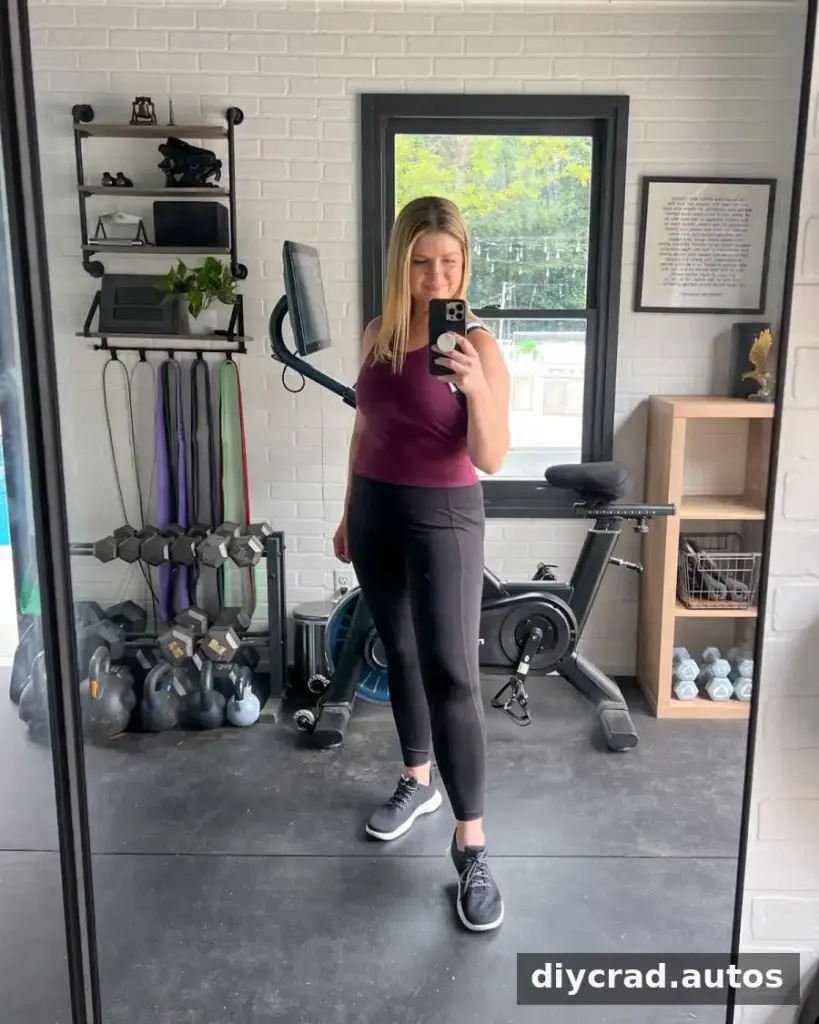
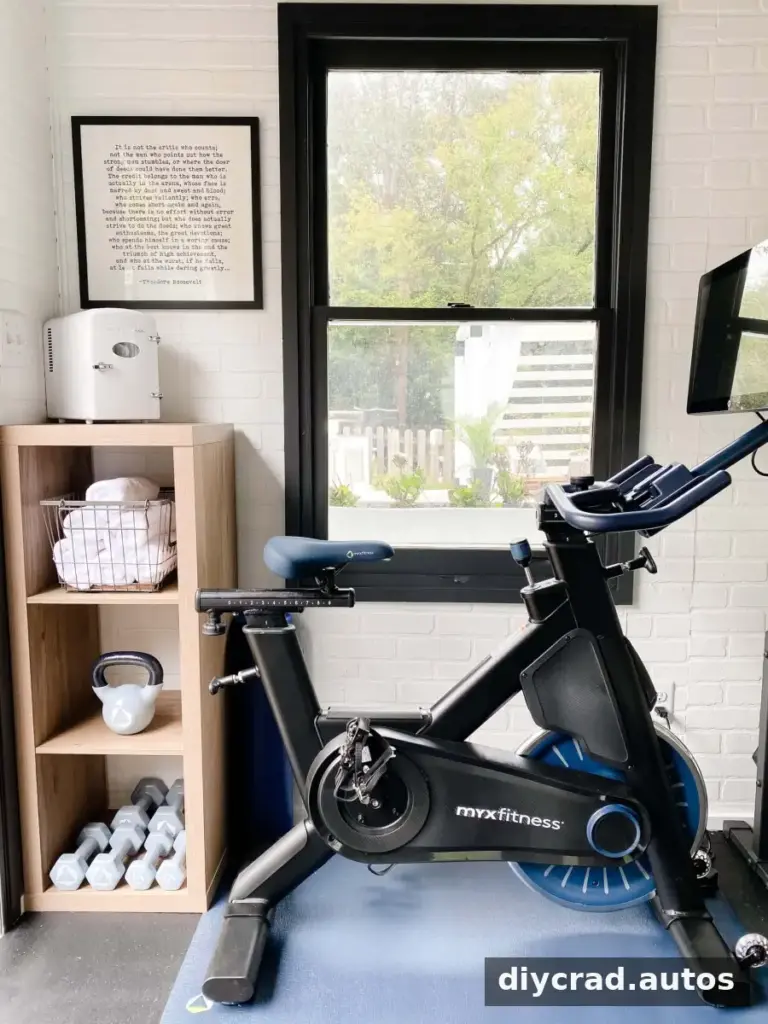
Over the past few years, I used a stationary bike and took walks while listening to music or podcasts. I wish I had done more strength training during my weight-loss period, as I noticed some muscle loss. I now want to make resistance exercise part of my routine. Start at a level that is safe and manageable, and seek professional advice if you have pain, a health condition, or concerns about beginning exercise.
Progress Beyond the Scale
I do not think of this as a final “after” because caring for health continues. I will not make ideal choices every day, but I can return to helpful habits when circumstances allow. The person I was before losing weight had the same worth and deserved care, too.
Some of my most meaningful changes have been practical: climbing the 300 stone steps up to Sacré-Cœur without becoming breathless and dancing with my children without feeling pain. Those moments mattered more to me than a clothing size. Progress can look different for each person, so consider goals that reflect comfort, strength, energy, or daily function—not only appearance.
Frequently Asked Questions
Did you count calories?
The app I used assigned and tracked calories. During weight loss, my daily intake was usually between 1,300 and 1,500 calories, based on the app’s calculation using my age and BMI. That range describes my experience only; it should not be treated as a target for another person. Calorie needs vary, and a clinician or registered dietitian can help determine an appropriate approach.
What prompted you to focus on your health?
A photograph made me realize how unhappy and uncomfortable I had been feeling. It encouraged me to give more attention to my mental, physical, and spiritual well-being, which I had often placed last. My motivation was not simply to change my appearance; I wanted to feel more present in my everyday life.
Do you avoid particular foods?
I avoided dairy and gluten for a year after noticing symptoms I associated with them. I now eat less of both than I used to and focus on portions, balance, and foods that suit me. Anyone experiencing persistent symptoms should seek professional advice before making major dietary restrictions.
Do you practice intermittent fasting?
No. I usually eat breakfast later in the morning and sometimes have an evening snack. I prefer smaller, more frequent meals, but meal timing is personal and should fit someone’s health needs and daily life.
Key Takeaways From My Health and Weight Loss Journey
This health and weight loss journey was gradual, with setbacks as well as progress. Helpful parts included addressing mental health, noticing habits and triggers, making routines manageable, and seeking medical guidance when considering medication. The best outcomes were not defined by pounds lost: they included feeling more comfortable in daily life and taking part in activities with my family.
Your value is not determined by your body size or clothing label. Every body deserves respect and care. If you are considering significant changes to your eating, activity, supplements, or medication, talk with a qualified healthcare professional about what is safe and suitable for you.