

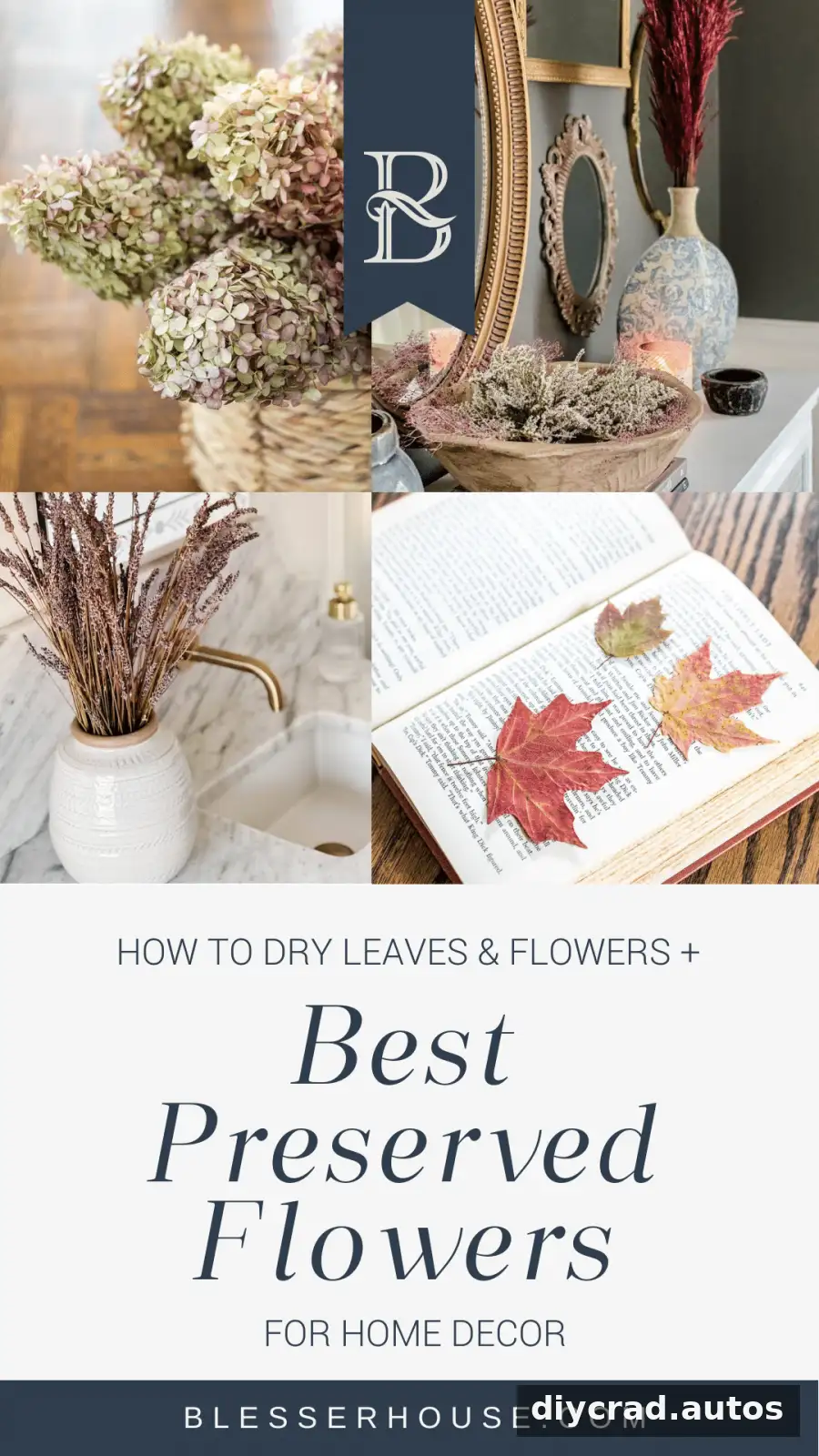
Learning how to dry flowers and leaves is a simple way to create lasting natural decor for fall and every season. With a few suitable stems, a dry place to hang them, and some patience, you can make arrangements, wreaths, framed displays, and garlands at home.
Dried botanicals bring the texture and color of real plants indoors without the short display life of fresh bouquets. They can also be an affordable option, especially when you can gather suitable flowers or foliage from your own garden. Choose plants carefully and make sure they are fully dry before arranging them.
Why Preserved Flowers Are Popular
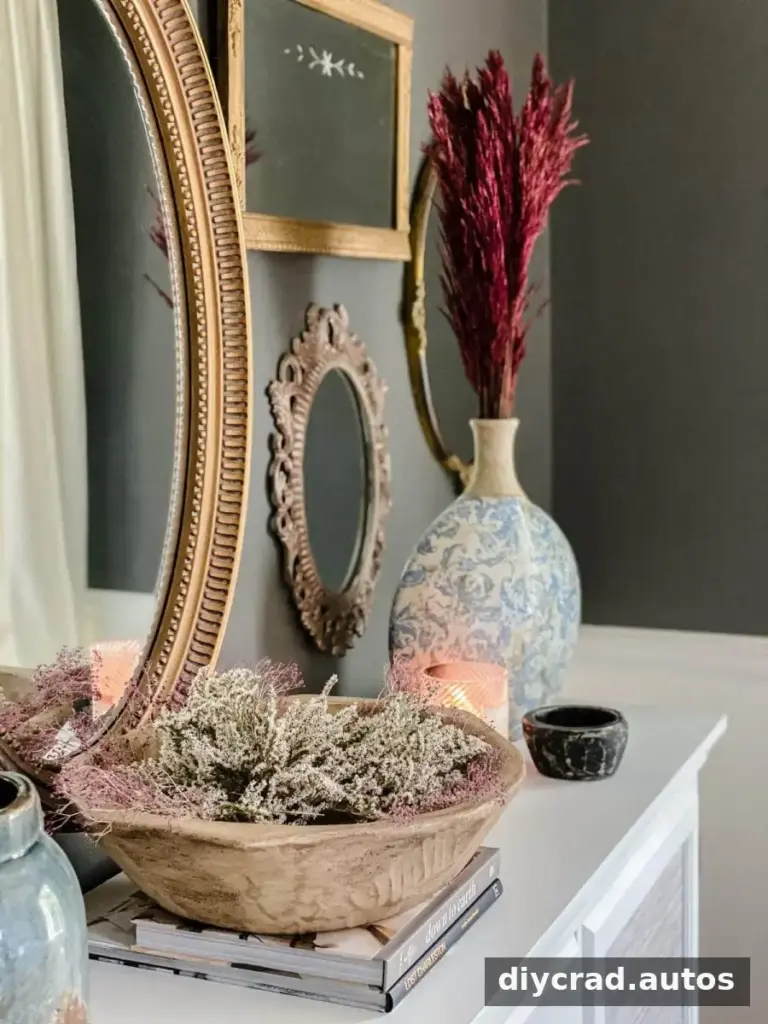
Preserved flowers and dried leaves work well in home decor throughout the year. Their muted colors and natural shapes can suit seasonal arrangements, but they do not need to be put away when a particular season ends. Dried stems can add a little greenery and texture to a room during colder months, too.
Compared with fresh flowers, dried botanicals can last much longer and do not need water. They are also an alternative to artificial foliage. For a low-cost starting point, look for suitable flowers and leaves in your yard, and only collect plants you are permitted to pick.
Where to Find Preserved Flowers and Dried Stems
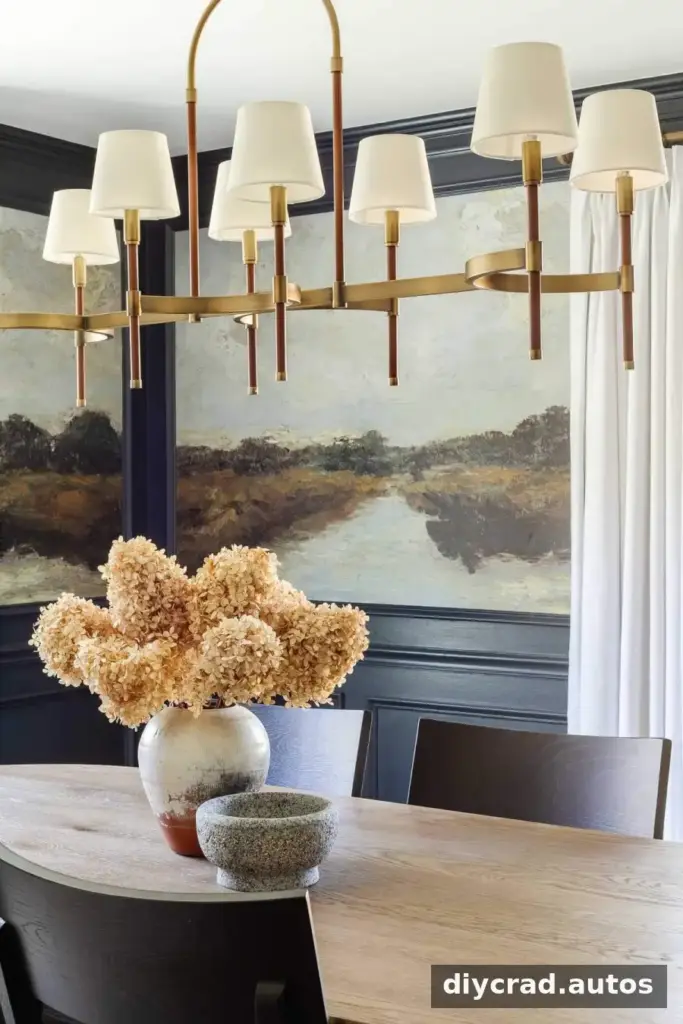
If your garden does not have suitable flowers or foliage, dried stems are available in a range of varieties and price points. Consider the size, shape, and color of the stems, as well as how you plan to display them. Delicate stems suit smaller vases and framed arrangements, while fuller branches can make a more substantial centerpiece.

Dried flowers can help transition a dining room or living space between seasons. Although some colors may feel especially autumnal, many dried arrangements can be displayed year-round. Keep them away from direct sunlight and damp areas to help preserve their appearance.
How to Dry Flowers and Leaves From Your Yard
Garden flowers and foliage can be dried for arrangements, wreaths, and garlands. Magnolia leaves are useful for decorative projects, while lavender can be cut and air-dried. Before collecting anything, check that the plants are healthy and that you can harvest them without harming the plant.
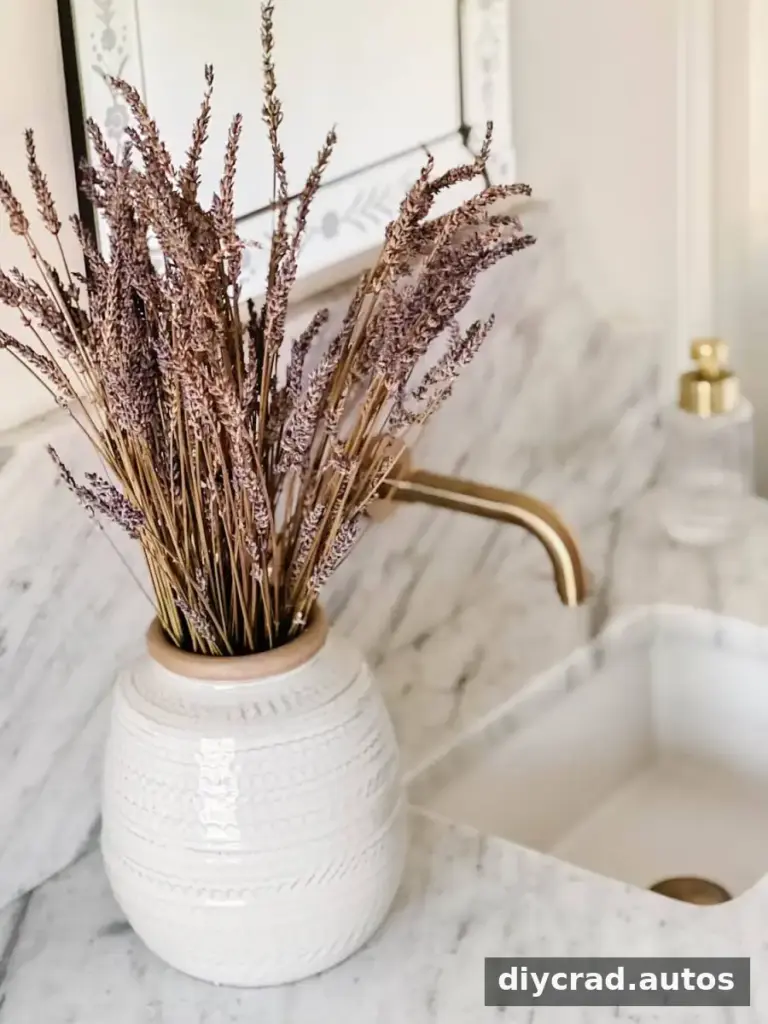
Choosing Flowers and Leaves to Dry
The condition and moisture level of the plant affect how well it dries. These simple selection tips can help reduce the chance of browning or mold:
- Choose flowers and leaves without bruises, spots, or brown areas.
- Flowers with thin, papery petals generally dry more easily than fleshy, moist varieties.
- Cut flowers just before they reach full bloom.
- Gather flowers later in the day, after morning dew has evaporated.
For best results, avoid gathering wet stems. Extra moisture can extend drying time and make it harder to tell when the flowers are ready for display.
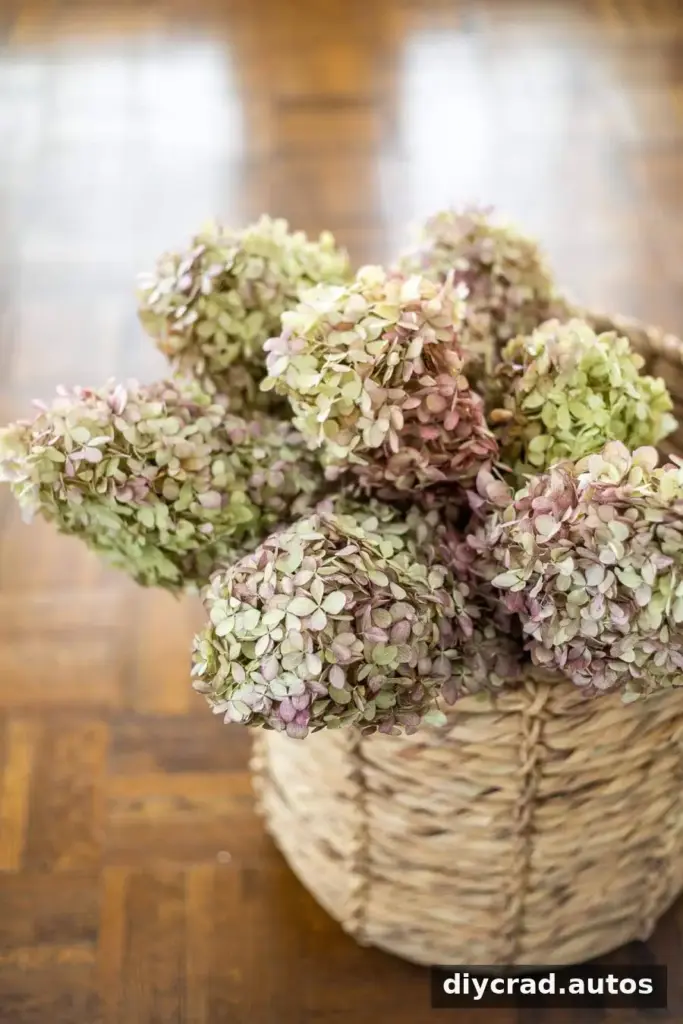
The Easiest Way to Air-Dry Flowers
Air-drying is a straightforward method that needs little attention, although it takes longer than some other techniques. It works best in a dark, dry place with good conditions for keeping moisture away from the stems.
- Gather about 5–8 stems into a small bundle and secure them with a rubber band. Tie on a piece of string, leaving 6–12 inches of length for hanging.
- Hang the bundle upside down in a dark, low-humidity space, such as a closet.
- Leave the stems to dry for about 2–3 weeks, until the water has evaporated from the petals and leaves.
Some flowers can also dry upright in a vase without water. Hydrangeas are particularly suitable for this method because their woody stalks help them stand in place. Check that the flowers feel dry before using them in an arrangement.
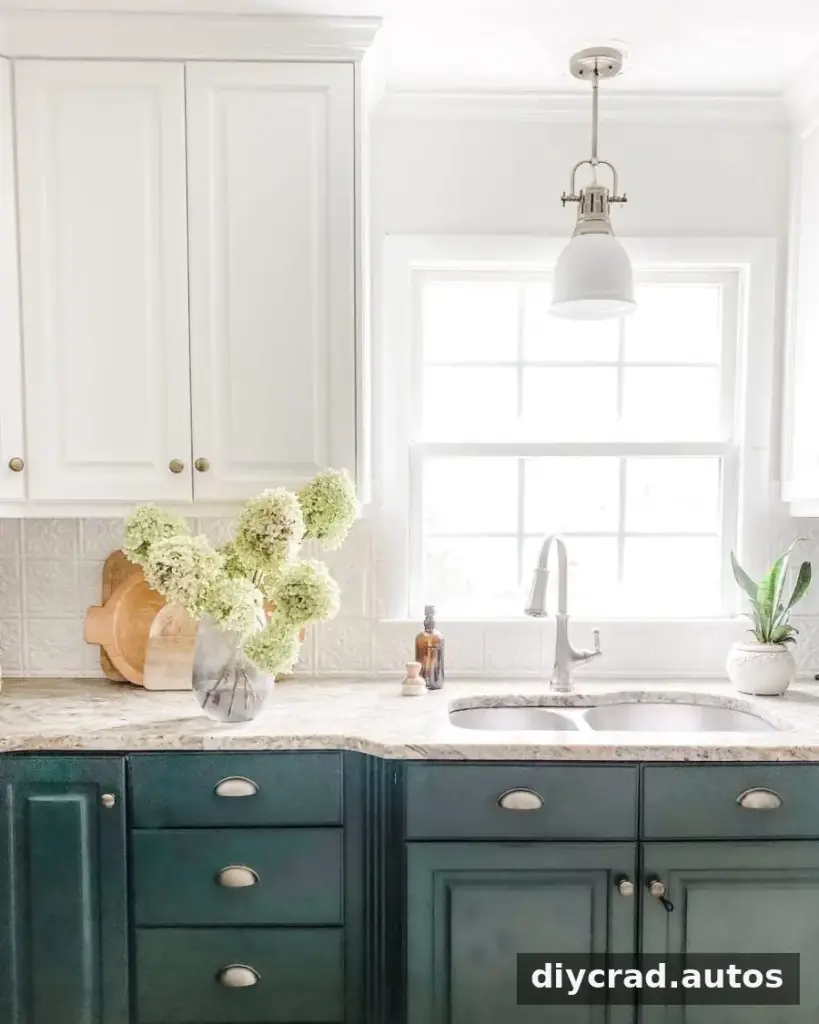
Flowers and Leaves That Can Be Air-Dried
These varieties are commonly used for air-dried displays. Drying results can vary depending on the plant and its moisture content.
- Hydrangea
- Roses
- Baby’s Breath (Gypsophila)
- Yarrow
- Thistle
- Daisies
- Strawflower
- Coneflower
- Lavender
- Marigolds
- Eucalyptus
- Magnolia leaves
- Sage
- Mint
- Bay
Use sturdy stems for hanging bundles and handle delicate flowers gently once dry, since petals can become brittle.
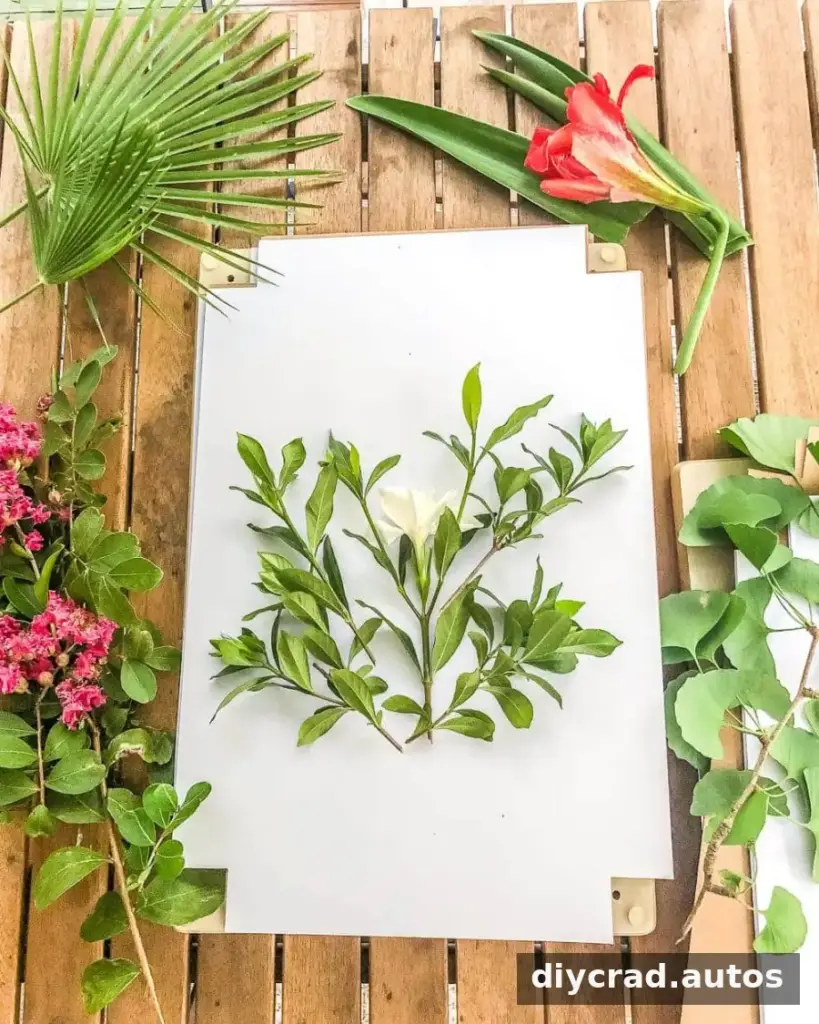
How to Press Leaves and Flowers
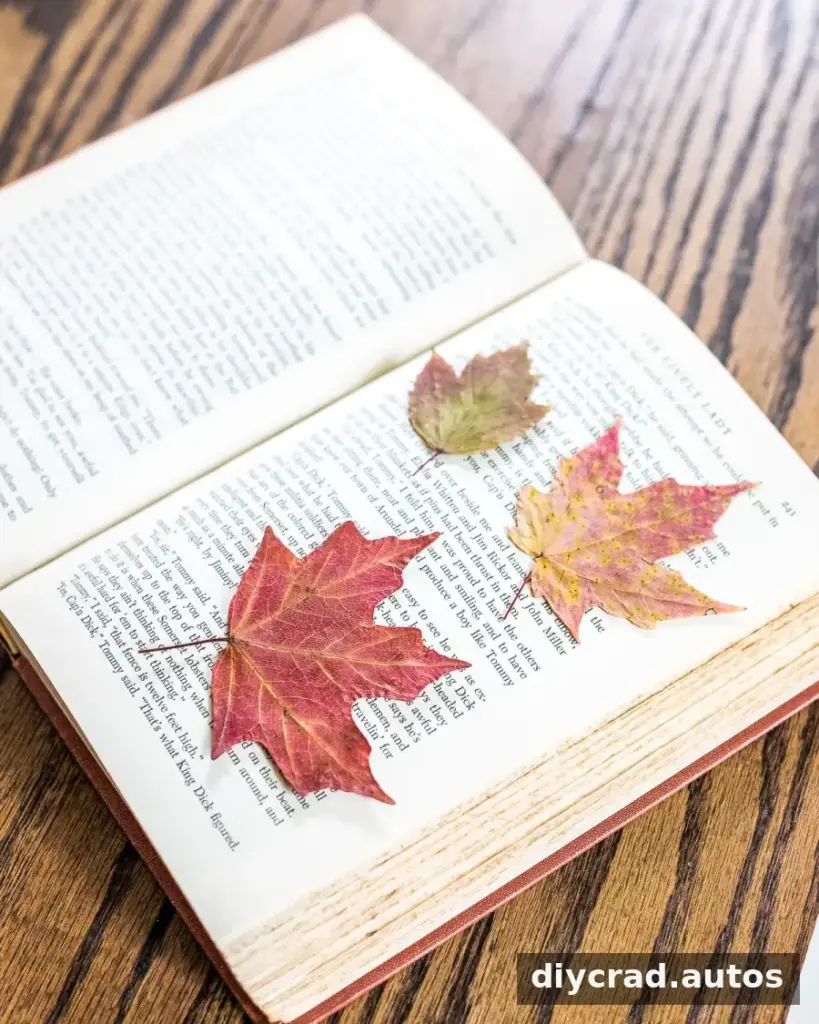
Pressing is useful for flat displays, such as framed botanical art and shadow boxes. It is also a good option when you want to preserve the outline and surface of individual leaves or flowers.
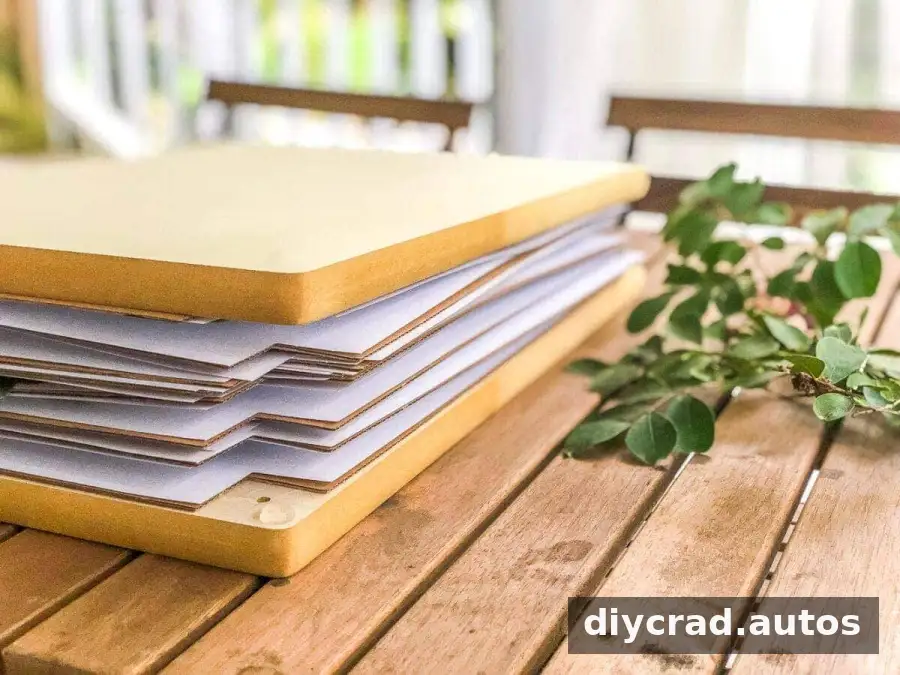
- Place the leaves or flowers between pages of a heavy book, or arrange them in a flower press. Separate the plant material with parchment paper, wax paper, or coffee filters.
- Keep the book or press in a cool, dry place and add weight on top. Drying may take from a couple of days to a few weeks, depending on how much moisture the plant contains.
Check progress occasionally, taking care not to disturb the arrangement. Thicker or wetter plant material may need more time.
How to Preserve Dried Flowers and Leaves
Once flowers and leaves are completely dry or pressed, a light coating of aerosol hairspray can help hold them in place. Test a small, inconspicuous area first, as finishes can affect the color or texture of delicate botanicals. Silica gel is another option for preserving flowers.
- Cover the work surface with newspaper or cardboard before spraying.
- In a well-ventilated area, hold an extra-strong aerosol hairspray 6–8 inches from the flowers or leaves and apply a light mist around and between the petals.
- Let the botanicals dry for about 10 minutes, then repeat the application and drying process twice.
Keep aerosol products away from heat and open flames, and follow the directions on the product label. Store finished arrangements away from direct sunlight and humidity. These steps help dried flowers remain decorative, though their color and condition can change over time.
Decorating Ideas for Dried Flowers and Leaves
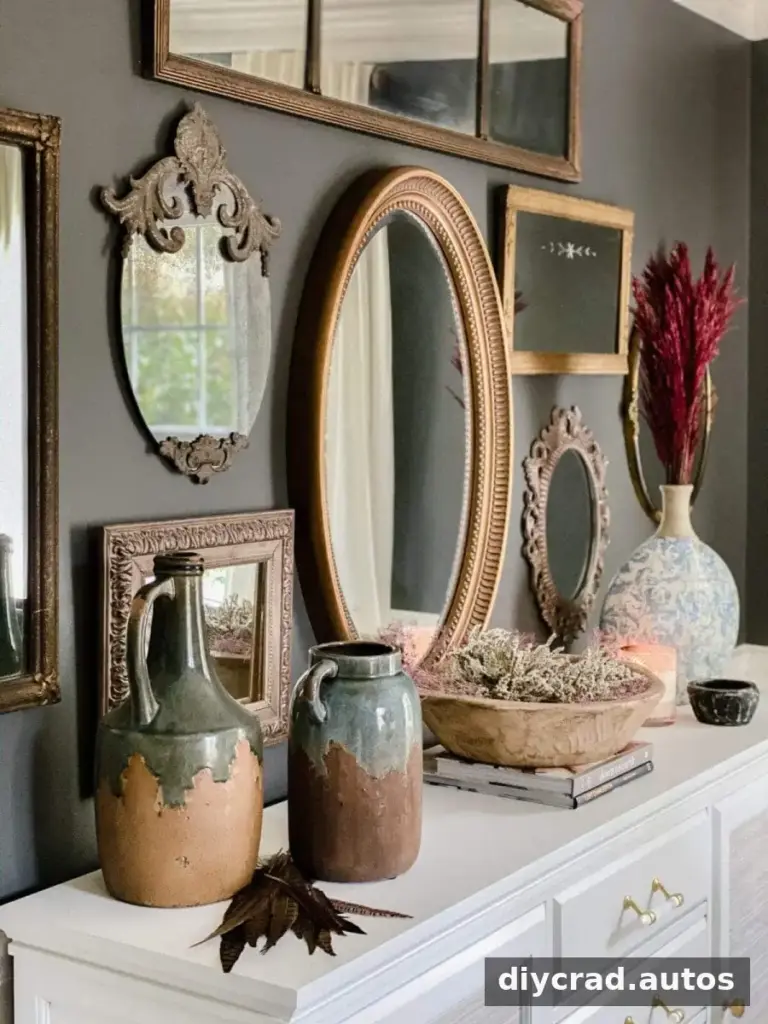
Dried botanicals can be used in different ways around the home. Try one of these project ideas:
- Create a pressed-leaf gallery wall or decorate an entryway for fall.
- Arrange pressed flowers as framed art.
- Combine dried fruit and preserved leaves for holiday decor.
- Use air-dried hydrangeas in a seasonal display.
Frequently Asked Questions
How long do dried flowers last?
When kept away from direct sunlight and humid conditions, dried flowers can last an average of 2–3 years. Handling them gently and keeping them in a dry spot can help maintain their appearance.
Can dried flowers get moldy?
Yes. Flowers should be completely dry before they are arranged or stored. Fleshy varieties, including lilies and tulips, can be more challenging to dry because they hold more moisture, which can increase the risk of mold.
Why can dried flowers cost more than fresh flowers?
Drying and preserving flowers takes time and careful handling, which can add to their cost. Their longer display life may make them a useful option for decor that is intended to last beyond a fresh bouquet.
How should dried flowers and leaves be cleaned?
Dust dried flowers gently with a few light puffs of canned air. Thicker leaves, such as magnolia and palm leaves, can be lightly dusted with a feather duster. Avoid pressing delicate petals, as they can break easily.
Conclusion
Knowing how to dry flowers gives you a practical way to turn suitable garden stems into decor that can be enjoyed for more than one season. Choose healthy flowers, let them dry completely, and store finished pieces away from sunlight and humidity to help them last.

