

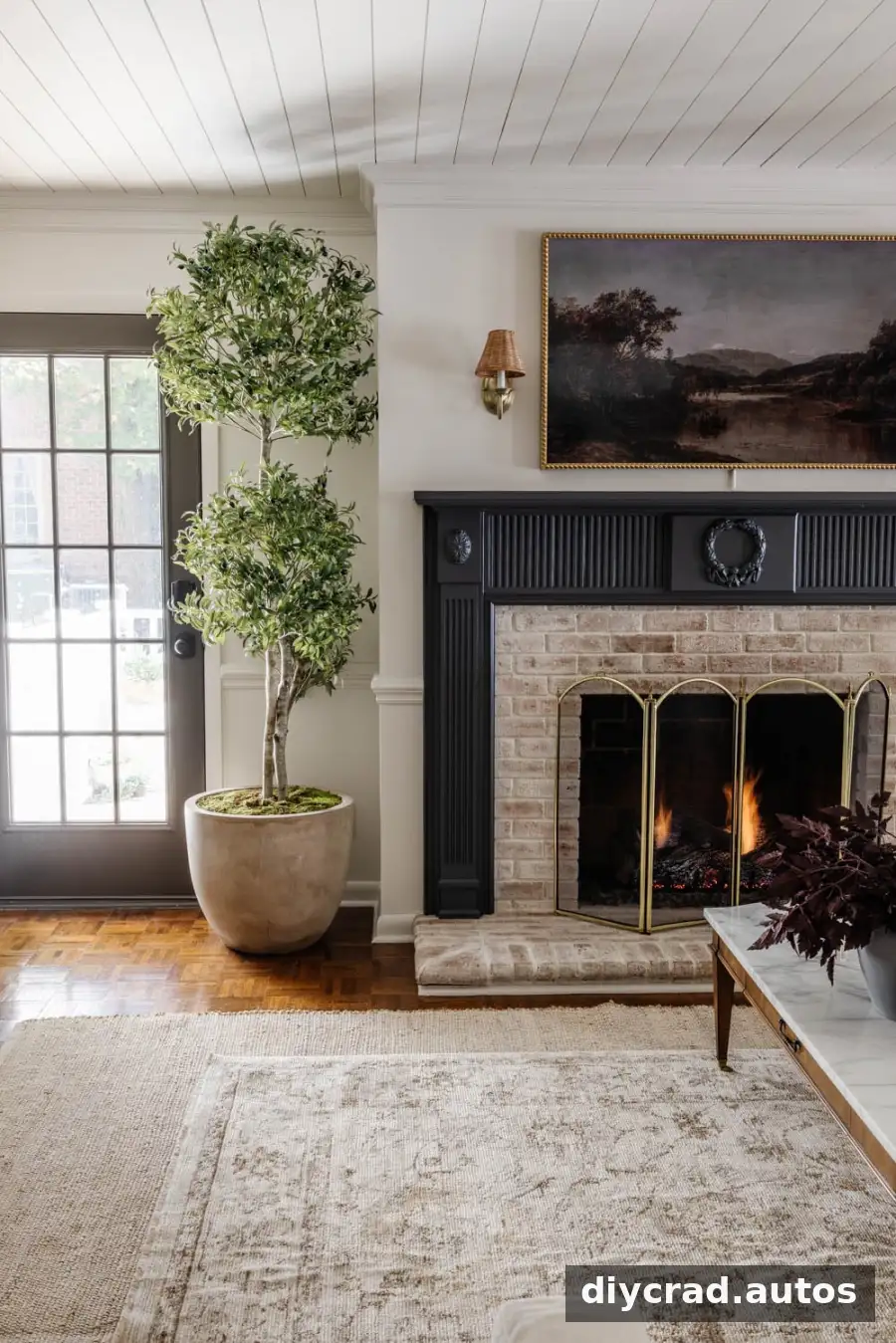
Learning how to layer rugs can add warmth, texture, and a more finished look to a room without changing its furniture or layout. It can also make a smaller vintage rug work in a larger space: place it over a generously sized, simple base rug so the room has the coverage it needs and the top rug can provide color and character.
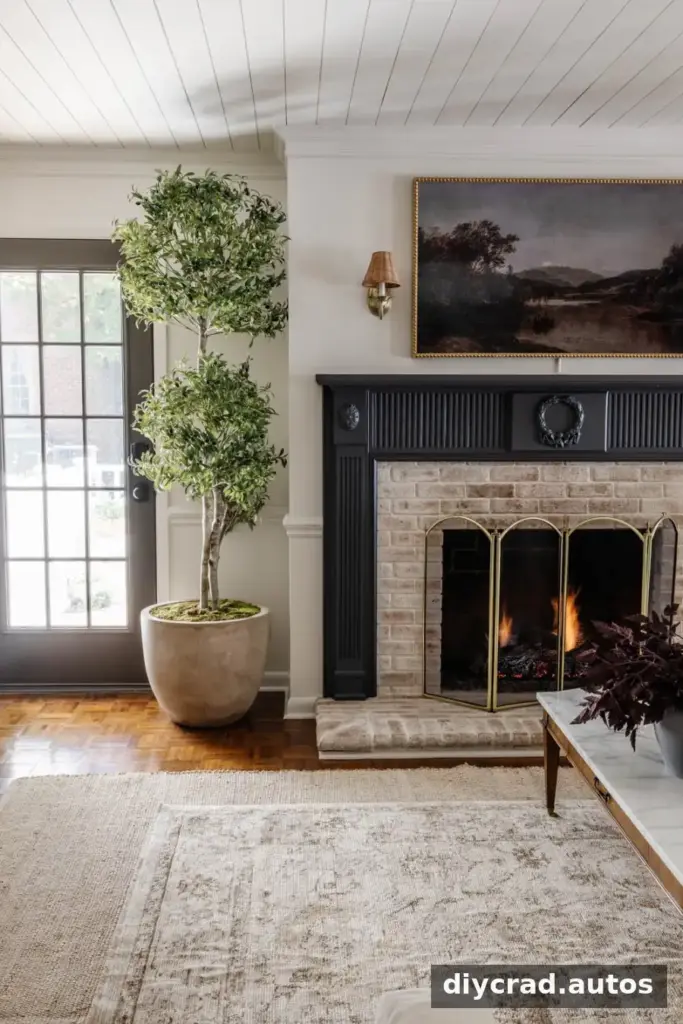
For a balanced result, choose rugs with contrasting textures and let one design take the lead. A neutral, natural-fiber base paired with a patterned accent is a reliable place to start.
Why Layer Rugs?
Layering adds visual depth and can make a room feel more comfortable. It is useful on hardwood or tile, but rugs can also be placed over wall-to-wall carpet to define a furniture arrangement and add another layer of texture.
- Soften hard floors and make seating areas feel more inviting.
- Bring pattern into a room without covering the entire floor with a bold design.
- Help define areas for seating, reading, or play.
- Give a small favorite rug a place in a room that needs a larger floor covering.
Before choosing materials, consider how the room is used. A high-traffic area may benefit from a durable, easy-to-clean base, while a bedroom or reading corner can accommodate a softer accent rug.
How to Layer Rugs: The Basic Rules
1. Choose a base rug that fits the room
The bottom rug should anchor the furniture arrangement and extend beyond the smaller rug. In a living room, aim for at least the front legs of sofas and armchairs to rest on the rug. In a dining room, allow enough room for chair legs to remain on the rug when chairs are pulled away from the table. In a bedroom, the rug should extend at least 18″–24″ beyond the sides and foot of the bed.
Measure the furniture area before buying. Marking the proposed rug dimensions on the floor with painter’s tape can help you check the fit and walkways.
2. Start with a simple base
A base rug usually works best when it provides texture without competing with the top rug. Jute, sisal, flatweave wool, and neutral striped rugs are common options. Check the care instructions before choosing a material, especially for rooms where spills or frequent cleaning are likely.
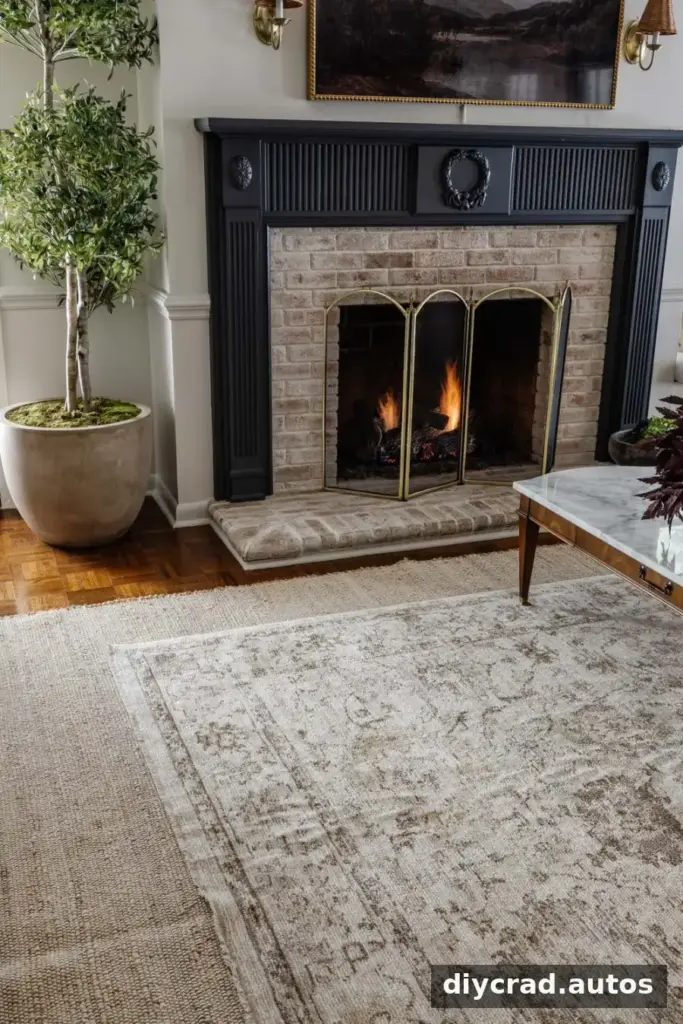
3. Make the top rug noticeably smaller
A useful starting point is to make the top rug about two-thirds the size of the base rug. For example, an 8×10 base can be paired with a 5×7 top rug, while a 9×12 base can work with a 6×9 top rug. The exact fit depends on the room and the pattern, so leave a visible border of the base rug around the accent.
4. Contrast textures without adding visual clutter
Pairing a flat surface with a plush one, or a rough natural fiber with a soft wool accent, creates contrast. If both rugs have strong patterns, the combination may feel busy. Let one rug be the focal point and keep the other quieter in color or design.
5. Position the rugs with safety in mind
A centered arrangement feels classic, while a slightly offset placement can look more relaxed. Either way, use a rug pad suited to the floor and rug materials if the layers may slip. Rug tape can help secure edges, but follow the product instructions and check that it is safe for your flooring.
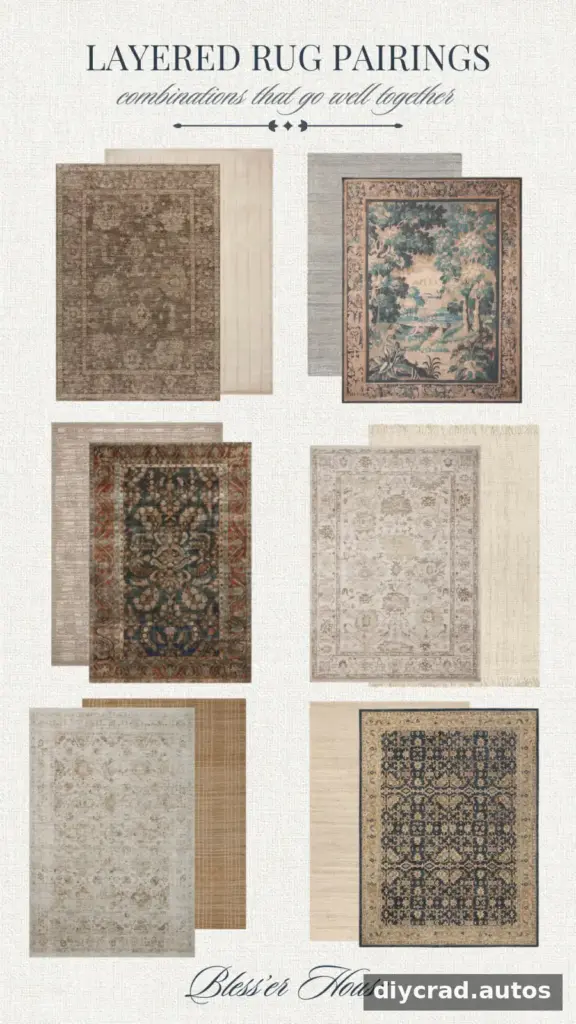
Rug Pairings That Work Well Together
These combinations balance texture and pattern. Use them as starting points, then choose colors that relate to the room’s existing furniture and finishes.
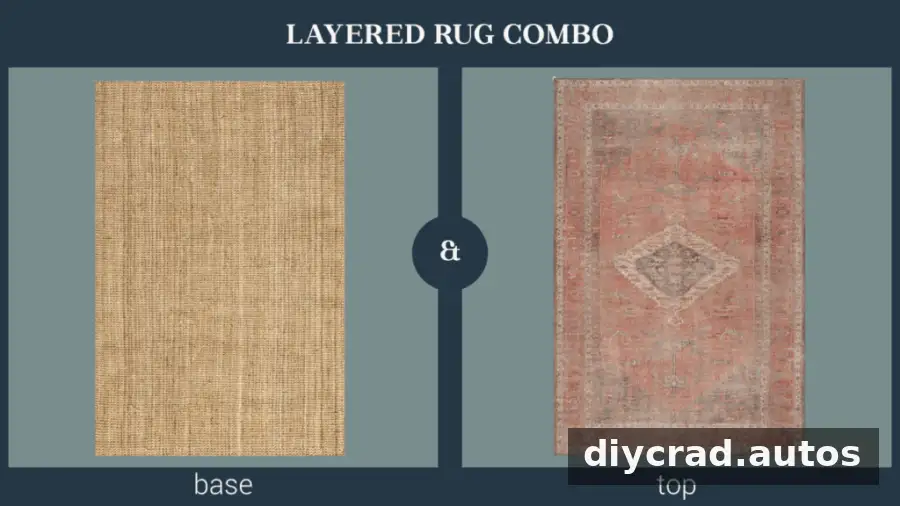
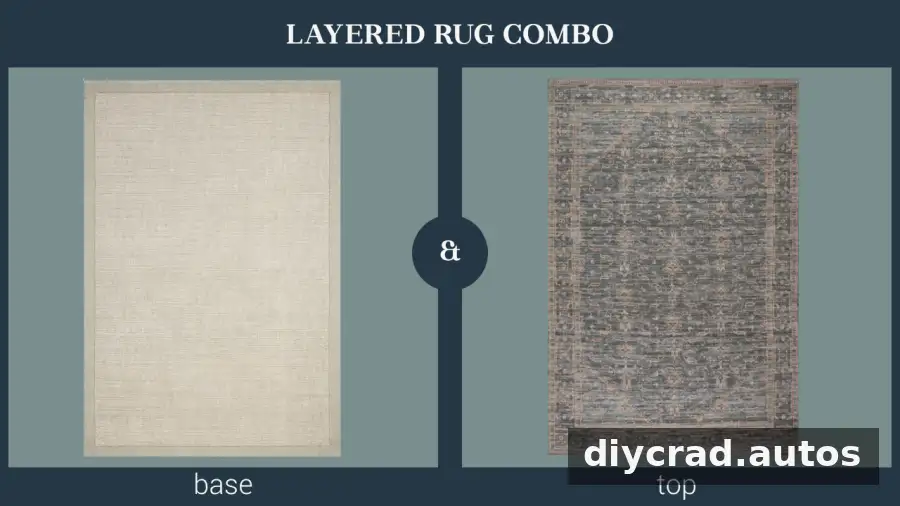
Jute base with a Persian-patterned rug
The coarse, natural texture of jute provides a quiet foundation for a more detailed top rug. The pattern adds character, while the base keeps the overall arrangement grounded. This pairing is especially effective when the accent rug includes colors already present in the room.
Wool flatweave base with a small vintage rug
A flatweave wool rug offers a relatively smooth foundation, while a smaller vintage rug brings color and an individual pattern. This is a practical way to use a vintage rug that does not cover enough floor on its own. Keep the base understated so the vintage design remains easy to see.
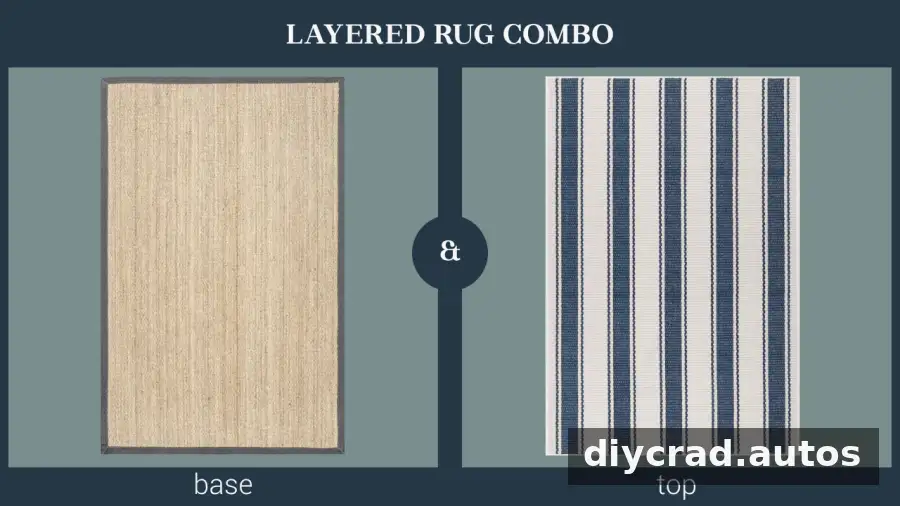
Seagrass base with a striped or patterned flatweave
Seagrass adds natural texture, and a striped flatweave introduces a clear pattern without necessarily overwhelming the space. Choose stripes that complement the room’s palette, and check that the layered edges lie flat in walkways.
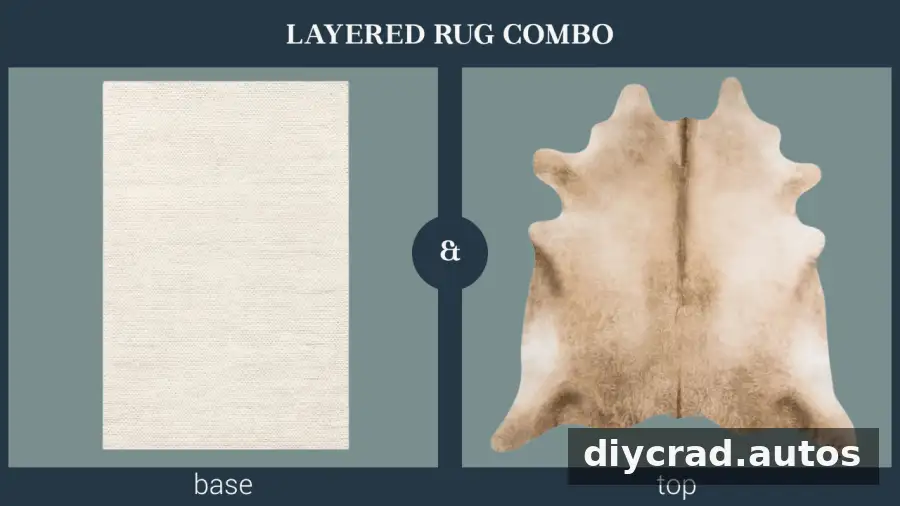
Braided cotton base with a soft accent rug
A braided cotton rug can be paired with sheepskin, faux hide, or a small plush wool rug. The difference in texture creates a softer landing spot in a reading area or play space. For children’s rooms, make sure the rugs stay securely in place during use.
Common Rug-Layering Mistakes to Avoid
- Combining two rugs with equally bold, busy patterns.
- Choosing rugs that are so close in size that the base border is barely visible.
- Using a base rug that is too small to anchor the furniture arrangement.
- Ignoring the risk of slipping or curled corners; add suitable grip and secure loose edges.
- Choosing two materials with nearly identical textures when the goal is to create contrast.
After placing the rugs, walk around the room and check door clearances, furniture stability, and the edges of the top rug. Small adjustments can improve both the appearance and day-to-day safety.
Where Layered Rugs Work Best
Layered rugs can suit living rooms, bedrooms, hallways, reading corners, and playrooms. In a living room, use the base rug to connect the seating area. At the foot of a bed, a smaller accent can add softness and color. In a hallway, make sure the arrangement does not obstruct doors or create a tripping edge.
With the right proportions, a calm base, and a secure placement, how to layer rugs becomes a straightforward way to add comfort and personality to a room. Measure first, keep one rug visually simple, and adjust the pairing to suit how the space is used.

