

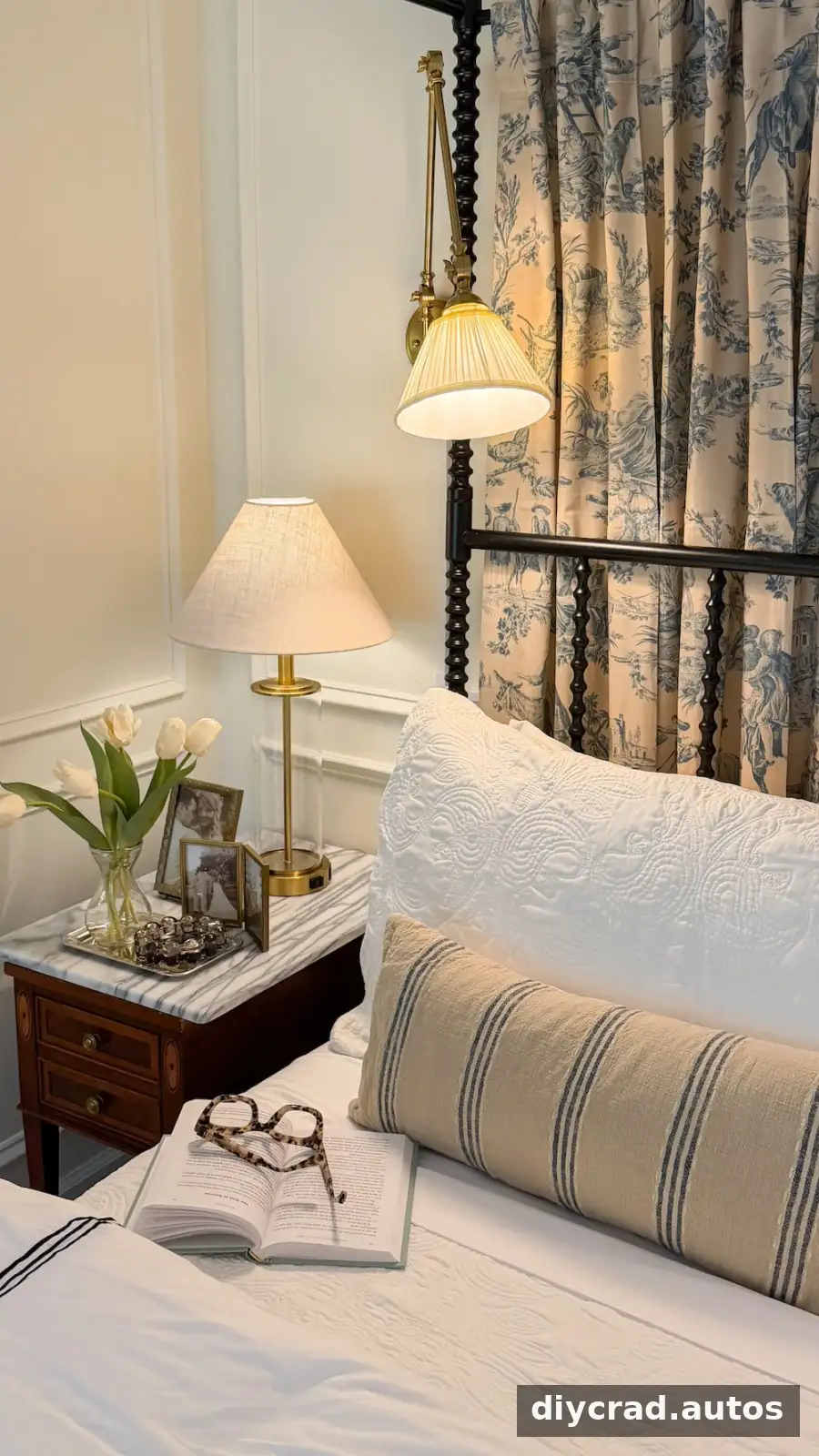
Layered lighting can make a room feel warmer, more functional, and more thoughtfully designed without adding more furniture or decor. Rather than relying on a single ceiling fixture, combine different light sources so you can illuminate the whole room, see clearly during specific tasks, and highlight details you want to notice.
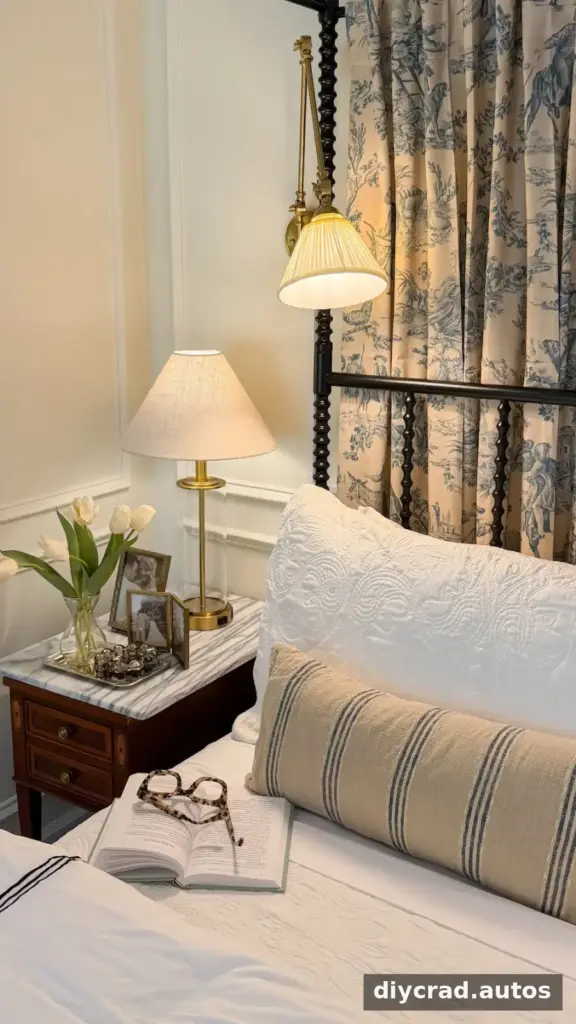
A lone overhead light often has to do too much. It may brighten the room, but it can also leave corners gloomy or make the space feel harsh. A flexible lighting plan gives you more than two choices—bright or dark—and lets you adjust the atmosphere to suit the time of day and activity.
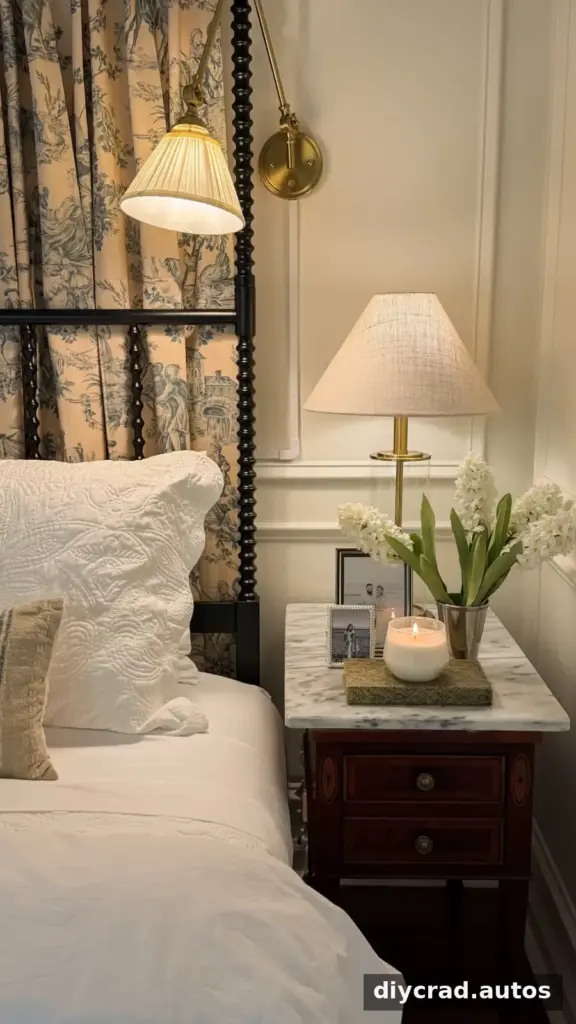
What Is Layered Lighting?
Most rooms benefit from three types of lighting. Each serves a different purpose, and together they create a balanced, adaptable plan.
- Ambient lighting provides general illumination throughout the room. Ceiling fixtures and well-distributed lamps can contribute to this layer.
- Task lighting focuses light where you need it for activities such as reading, cooking, working, or getting ready.
- Accent lighting draws attention to features such as artwork, shelves, architectural details, or a fireplace, while adding a softer glow.
Before buying new fixtures, identify which layer is missing. This quick check can help you make a more useful plan and avoid purchasing lights that do the same job.
Layer 1: Begin With Ambient Lighting
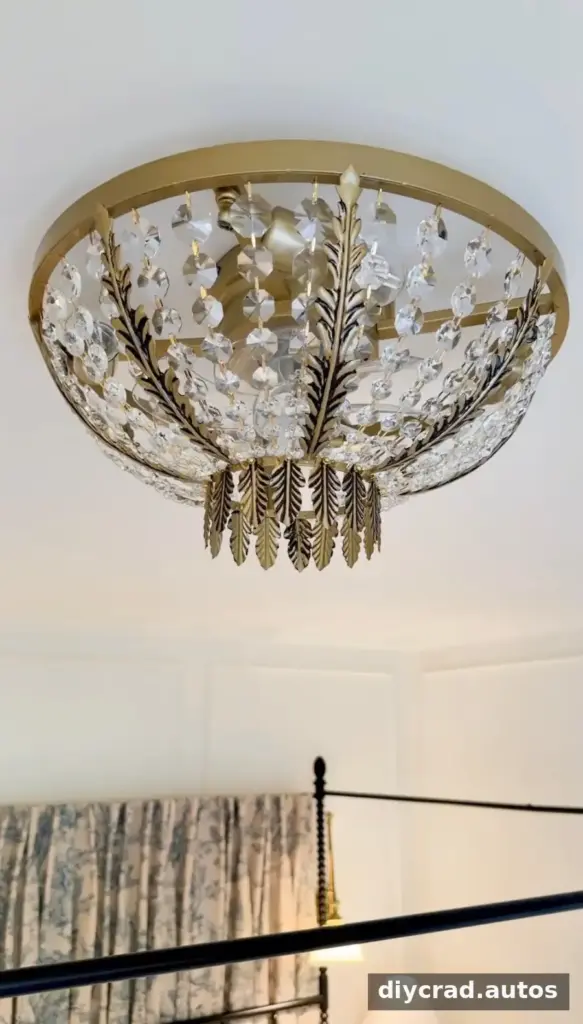
Start by considering how you will light the room as a whole. A ceiling fixture can provide ambient light, but it does not have to be the only source. In a bedroom with a ceiling fan, for example, a fan-and-light combination can provide air circulation and overhead illumination. Check the fixture’s lighting output and fan performance before choosing one.
Ambient light is useful when you need to see across the room, clean, or find items. It should not be the only setting, however. Add other sources so you can use softer or more focused light when full-room brightness is unnecessary. If possible, use dimmable bulbs or controls that are compatible with the fixture.
Layer 2: Add Task Lighting Where You Need It
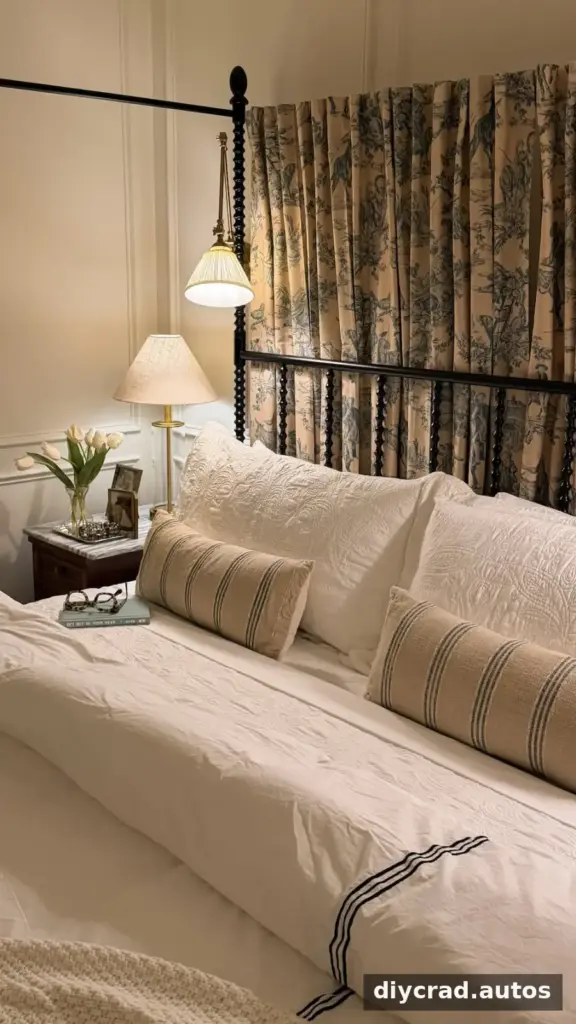
Think about what people do in each part of the room. In a bedroom, reading is a common reason to add task lighting beside the bed. Adjustable wall sconces can direct light toward a book and move out of the way when they are not in use. Bedside table lamps offer another option and may provide a softer glow for winding down.
You do not need both sconces and table lamps in every bedroom. Choose based on available space, how the room is used, and whether the light can be positioned comfortably. For a desk, kitchen counter, or vanity, place task lighting so it brightens the work area without creating distracting glare or shadows.
Using Plug-In Wall Sconces
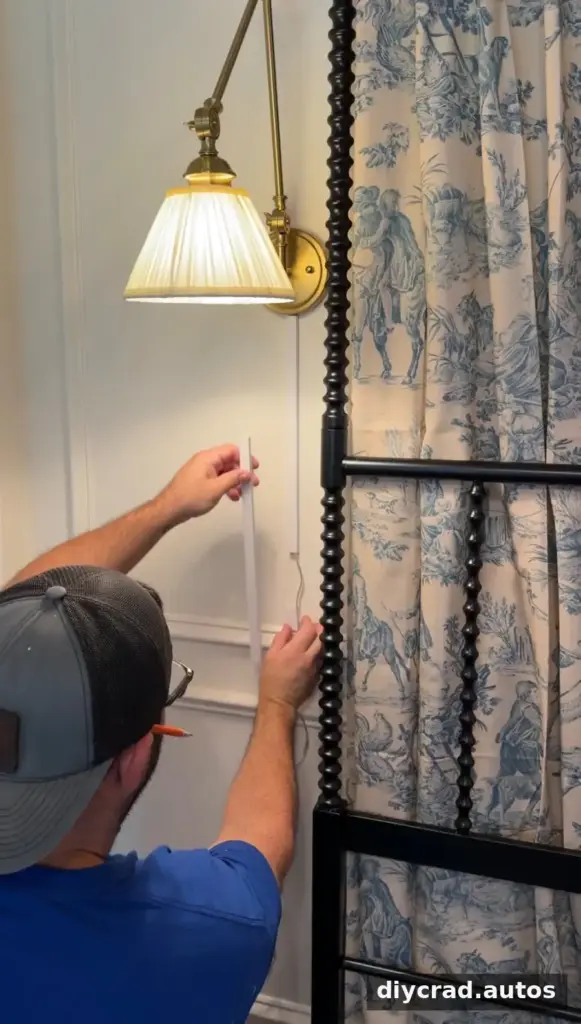
Plug-in sconces can be a practical alternative when installing new wiring is not suitable. They connect to a nearby outlet, and cord covers can help keep visible cables tidy. Measure the distance to the outlet and plan the cord route before mounting the fixture.
Follow the fixture’s installation instructions and use hardware suited to the wall surface. A plug-in option can be easier to remove than a hardwired fixture, but it still needs to be securely mounted and positioned so cords do not create a trip hazard.
Layer 3: Use Accent Lighting for Warmth and Focus
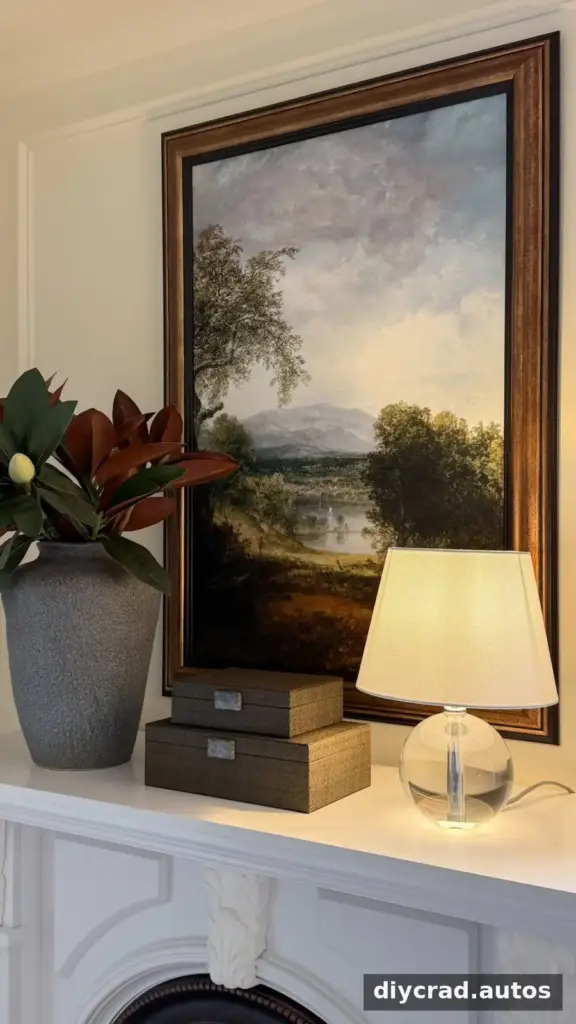
Accent lights are not always necessary for basic visibility, but they can make a room feel more inviting and help draw attention to its best features. A small lamp on a dresser, shelf, or console can create a gentle pool of light that balances brighter fixtures elsewhere.
Look for naturally dark areas or details you want to emphasize. A lamp near a fireplace, for instance, can illuminate surrounding molding or decor without flooding the entire corner with overhead light. Try moving a lamp before buying another one; a small change in placement can noticeably alter the room’s balance.
Spread Light Around the Room
Even a good selection of fixtures can feel unbalanced if they are all grouped on one side. Stand at the entrance and notice where the light falls. Aim to create several small pools of light across the room rather than leaving one area bright and another in deep shadow.
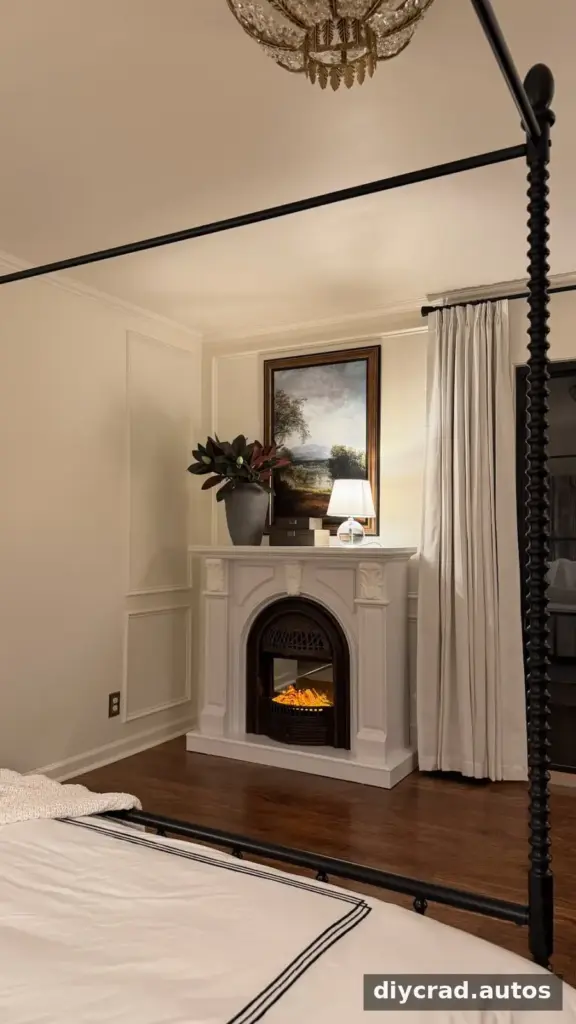
A bedroom plan might include a central ceiling fixture, bedside lamps or sconces, a lamp on a dresser, and a small accent light near a fireplace. The exact number depends on the room’s size and use. Use this simple layout check before purchasing anything:
- Identify the main source of ambient light.
- Mark areas where focused task lighting is needed.
- Look for dark corners or features that could benefit from accent lighting.
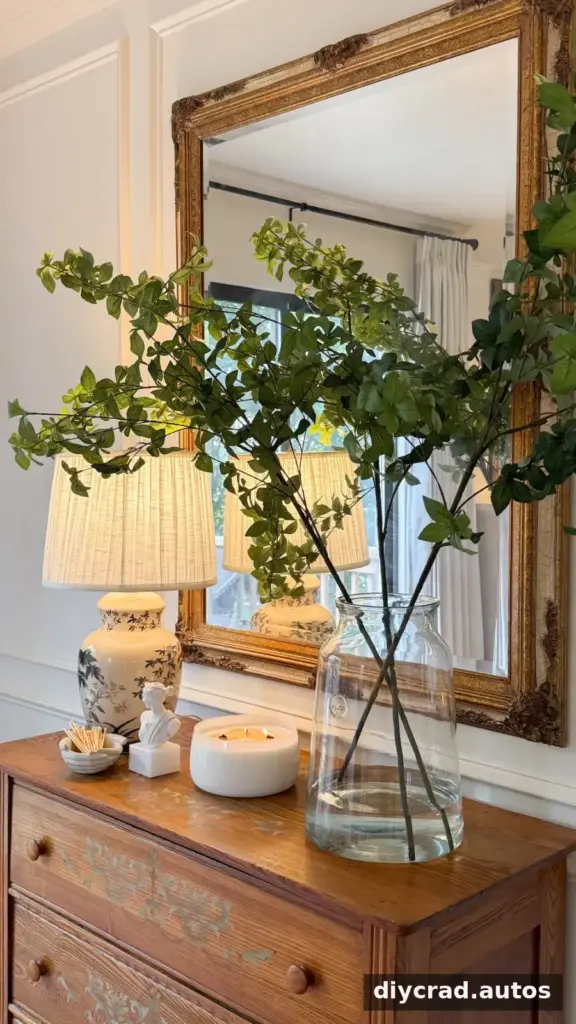
Mix Different Fixture Styles
Fixtures do not have to come as a matching set. Combining ceiling lights, sconces, table lamps, floor lamps, pendants, picture lights, and small accent lamps can make a room feel more personal. To keep the mix cohesive, repeat one or two details, such as a finish, shape, color, or design style.
Consider both appearance and function when selecting a fixture. Check its scale against the furniture and room, and make sure the light it produces suits the task. A visually attractive lamp is most useful when it also provides the right type of illumination.
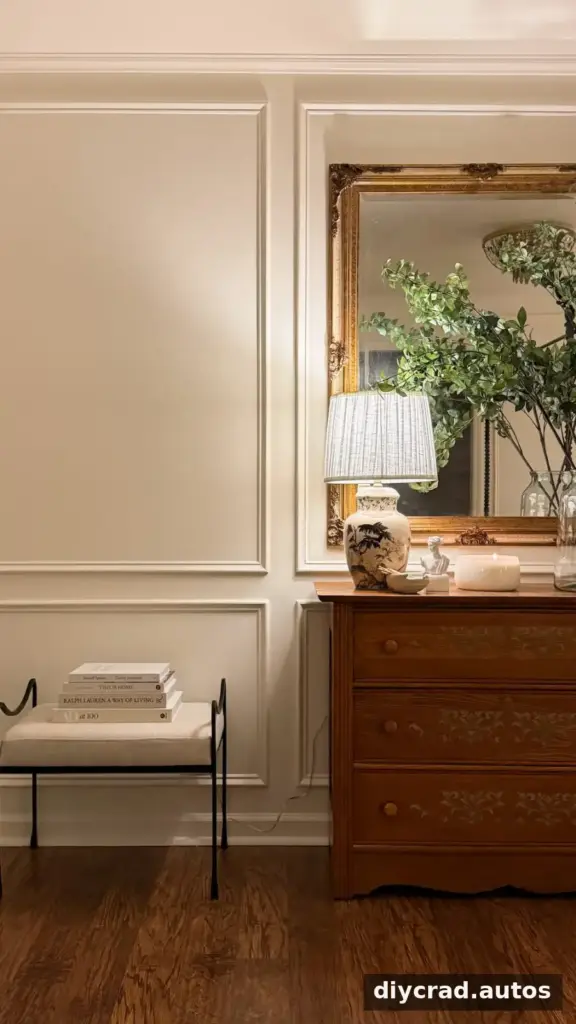
Choose the Right Bulbs
Bulb color and brightness affect the atmosphere as much as the fixture itself. For bedrooms and living spaces, bulbs around 2700K–3000K generally provide a warm-white appearance. A cooler color temperature may feel more suitable for some work areas, so consider how each space is used.
Match brightness to the purpose of the light: reading lights often need more focused illumination, while accent lamps can be softer. Check the fixture’s maximum wattage and bulb compatibility, especially when using dimmers or smart bulbs. If you use smart bulbs, confirm that they work with your chosen controls and setup.
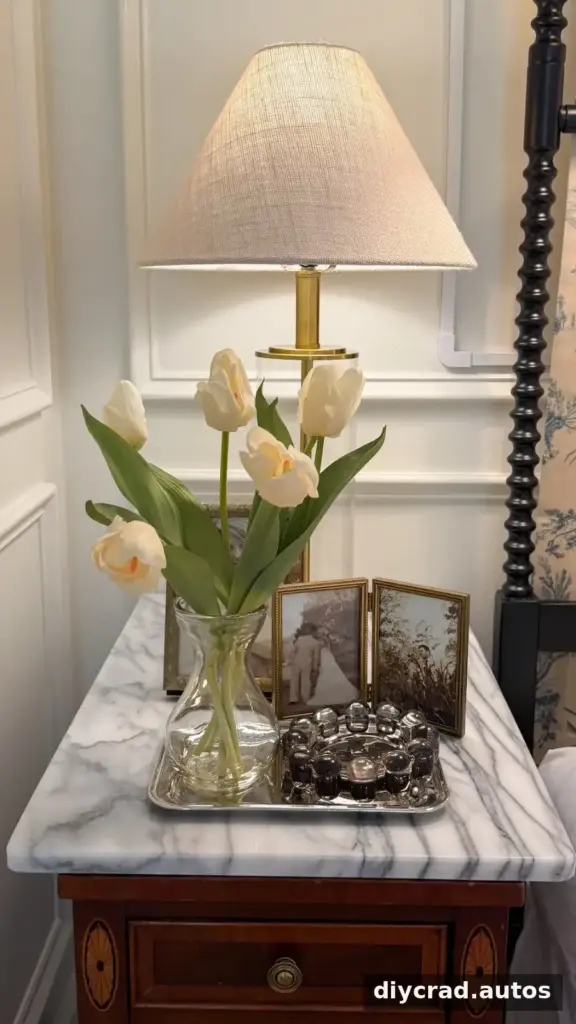
Use Lighting to Highlight Room Features
Lighting can guide attention as well as improve visibility. A picture light can emphasize artwork, a small lamp can brighten a bookshelf, and under-cabinet lighting can illuminate a kitchen work surface. A fireplace or distinctive architectural detail can also benefit from a nearby light source.
Place accent lights with care: the goal is to highlight a feature, not create glare or an uncomfortable hotspot. Test the light after dark and adjust its position or brightness if the effect feels too strong.
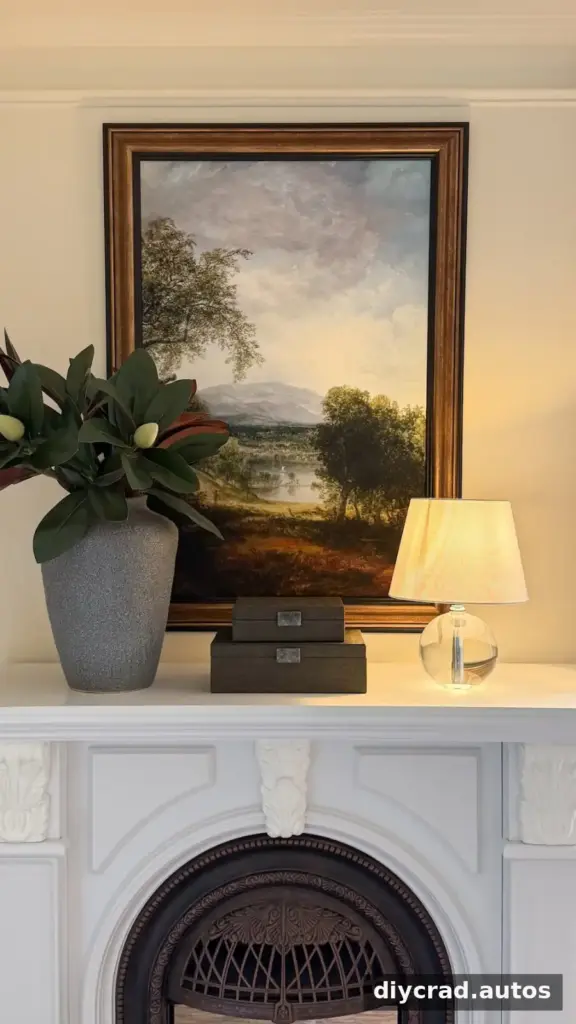
Make a Lighting Plan for Any Room
Before shopping, walk through the room and answer three questions:
- What provides general illumination? This is the ambient layer.
- Where do people need focused light? Add task lighting for reading, cooking, working, or getting ready.
- What should feel warmer or stand out? Use accent lighting near dark corners, artwork, shelves, fireplaces, or architectural details.
You do not have to add every layer at once. Start by moving lamps you already own, then note any remaining dark or poorly lit areas. This helps you make considered purchases and gives you a chance to see how the room changes before committing to new fixtures.
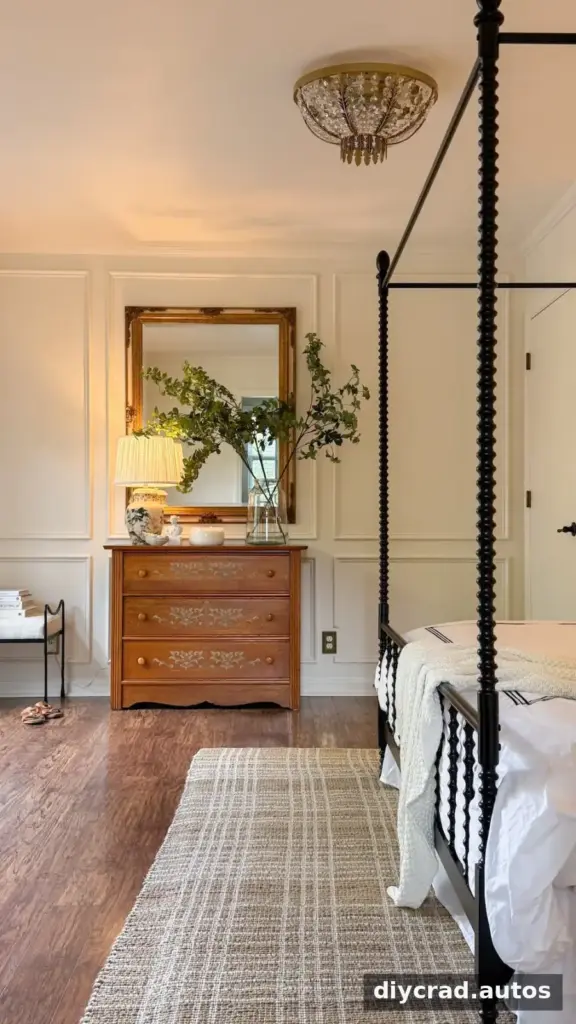
Layered Lighting Can Make a Room Feel More Complete
When a room feels unfinished, adding more decor is not always the answer. It may need a better distribution of light. Try adding a lamp to a dark corner, placing a reading light beside a favorite chair, or switching off the overhead fixture and using several lamps instead.
With layered lighting, ambient, task, and accent sources work together to make a space practical and comfortable. Begin with the way you use the room, spread light around it, and adjust bulb brightness and color to suit each purpose. These simple steps can improve the feel of a room without requiring a full makeover.
Frequently Asked Questions
Should all the lamps in a room match?
No. Different lamps and fixtures can work well together. Look for shared details such as similar finishes, shapes, colors, or styles to create a coordinated look without choosing identical pieces.
How high should wall sconces be?
A general starting point is to position the center of a wall sconce about 60–66 inches from the floor. The best height depends on the fixture, room, and purpose. For bedside sconces, sit or lie in bed and check that the light reaches the reading area without shining directly into your eyes.
How low should a chandelier hang?
In an open area where people walk underneath, leave about 7 feet between the floor and the bottom of the chandelier as a general guideline. Above a dining table, a common starting range is 30–36 inches from the tabletop for an 8-foot ceiling. Adjust for ceiling height and comfort, and check applicable local requirements.
How large should a ceiling light be?
One rough sizing guide is to add the room’s length and width in feet and use the total as an approximate fixture diameter in inches. For example, a 12-by-14-foot room gives a starting point of about 26 inches. Treat this as a guide rather than a strict rule, and consider ceiling height, furniture, and the fixture’s visual weight.

