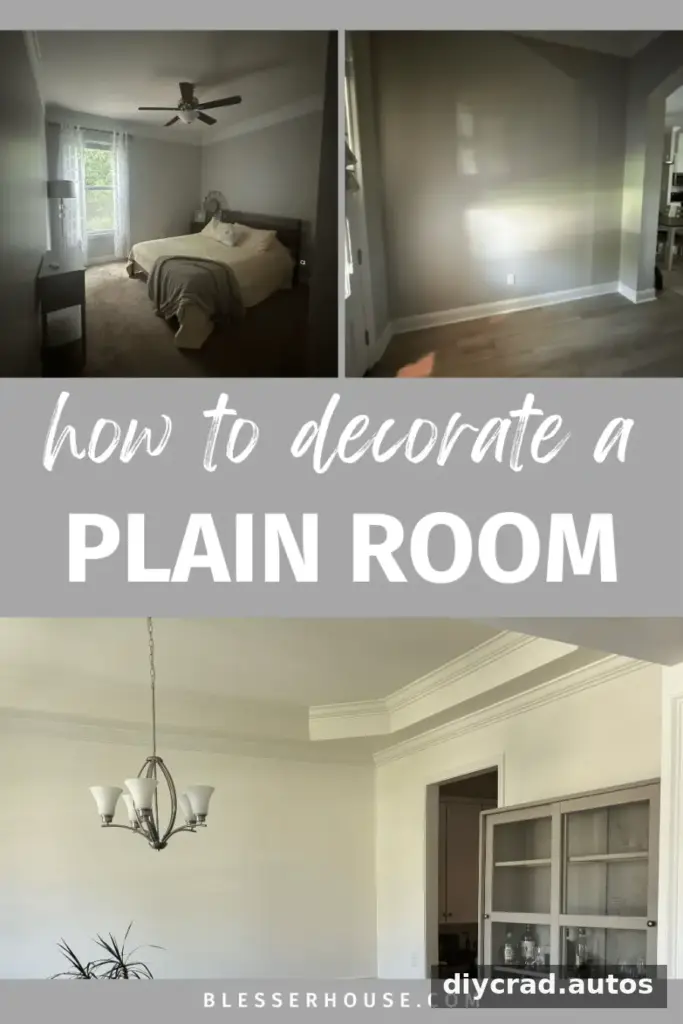
Thoughtful color, layered textures, and well-placed lighting can turn a plain room into a space that feels welcoming and personal. These plain room decorating ideas use mood-board-style plans to show how a few coordinated changes can make a difference in guest bedrooms, teen rooms, dining rooms, entryways, and lofts.
How to Add Personality to a Plain Room
Start by identifying what the room needs to do and what currently feels unbalanced. A mood board can help you test paint colors, furniture shapes, textiles, and decorative accents together before making changes. You do not have to replace everything: a new rug, a light fixture, or a small amount of color can shift the feel of a room.
For a cohesive result, choose a limited palette and repeat its colors in a few places, such as a rug, artwork, and cushions. Mix materials—like wood, fabric, ceramic, and metal—to add depth without making the room feel busy.
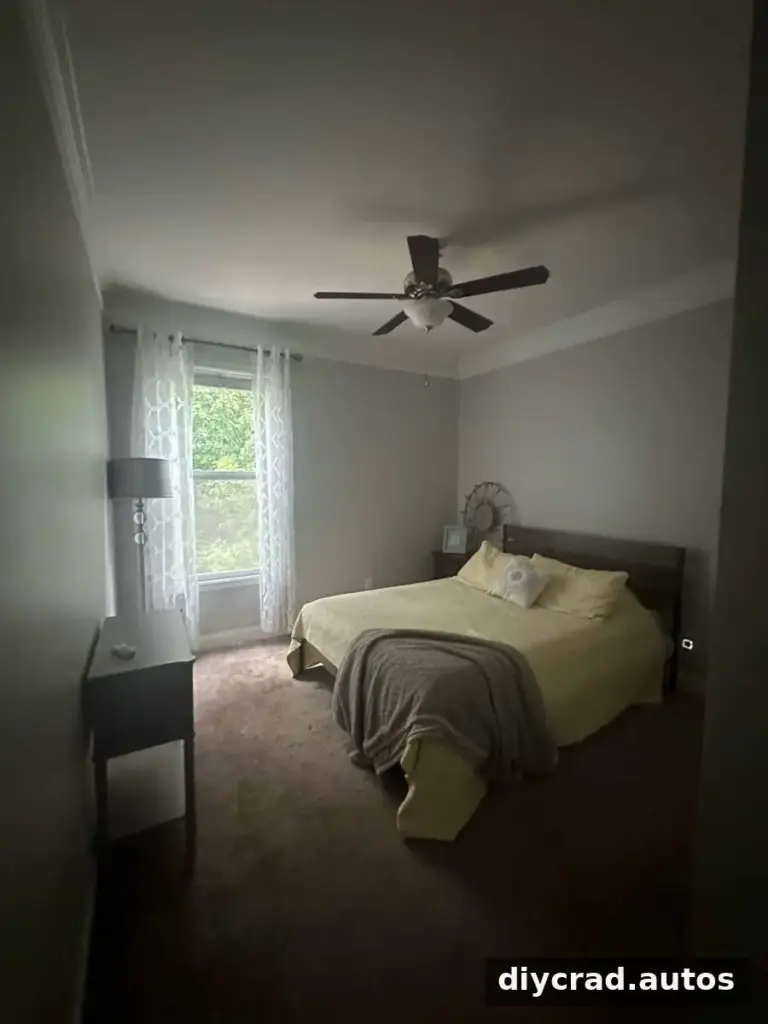
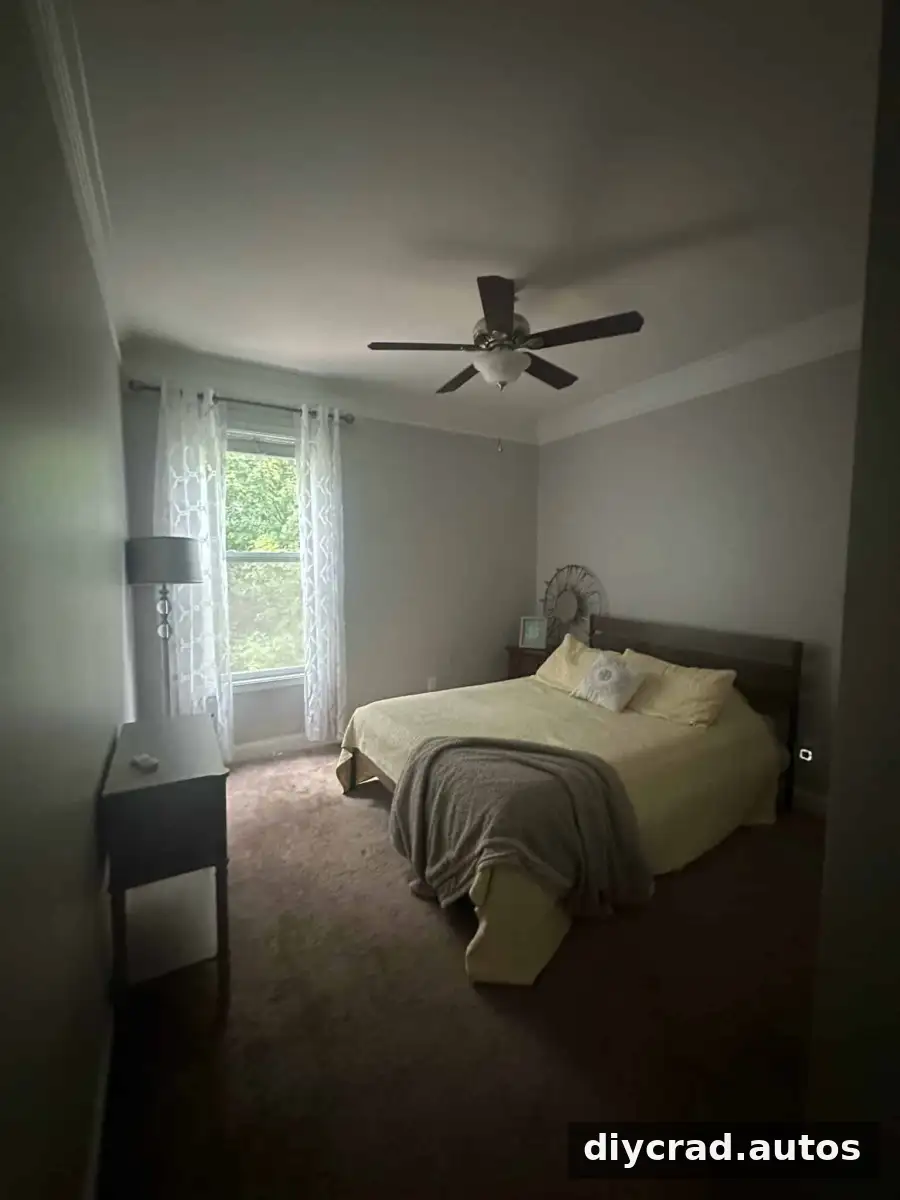
Guest Bedroom Decorating Ideas
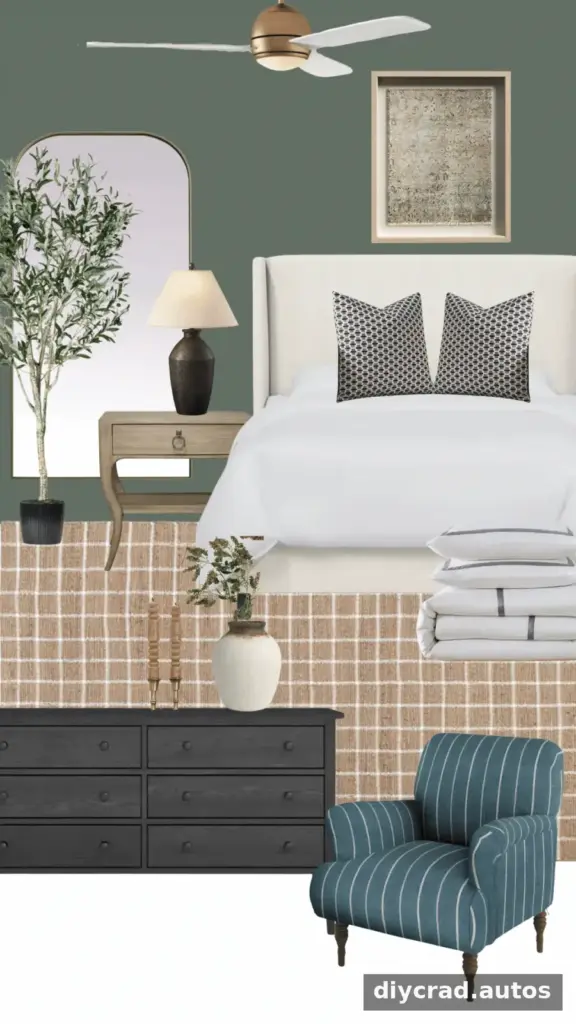
A guest bedroom can feel restful with soft, cool colors and comfortable essentials. A muted green on the walls is one option for adding color while keeping the atmosphere calm. Before painting, check how the shade looks in both daylight and evening light.
Furniture
A wingback bed can give the room a polished, hotel-inspired focal point. Rather than choosing a matching furniture set, combine finishes for a more layered look: for example, pair a dark dresser with lighter natural-wood nightstands. An accent chair in a corner can introduce another color or pattern, provided it does not block a walkway.
Decor and lighting
An off-center window can make a wall feel visually uneven. A full-length mirror on the opposite side can help balance the composition and reflect light. Add a leafy plant or a vase with stems for an organic touch. A ceiling fan gives guests control over air movement, while lamps with darker bases can add visual weight near the bed.
Textiles
Layering a patterned rug over carpet adds texture and helps define the sleeping area. Choose a design that complements the bedding rather than competing with it. A few geometric cushions and a simple duvet set can provide interest while keeping the bed easy to use and maintain.
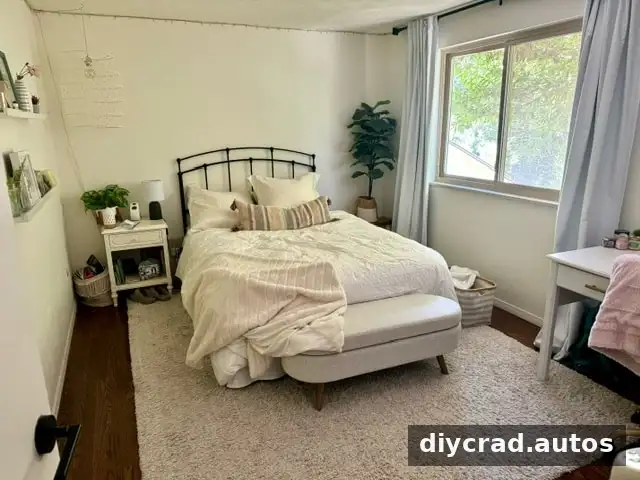
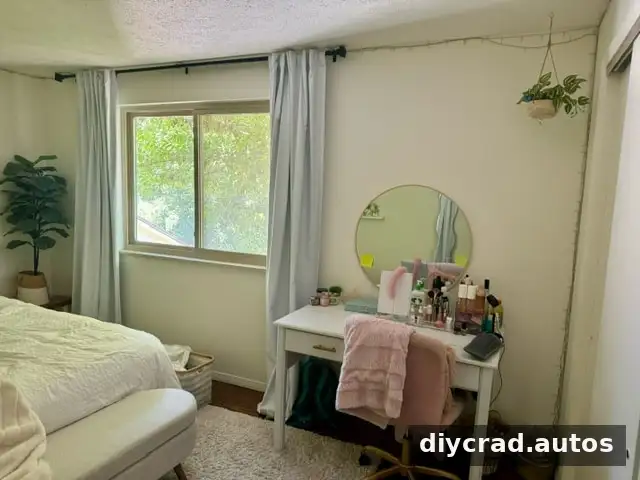
Teen Girl Bedroom Decorating Ideas
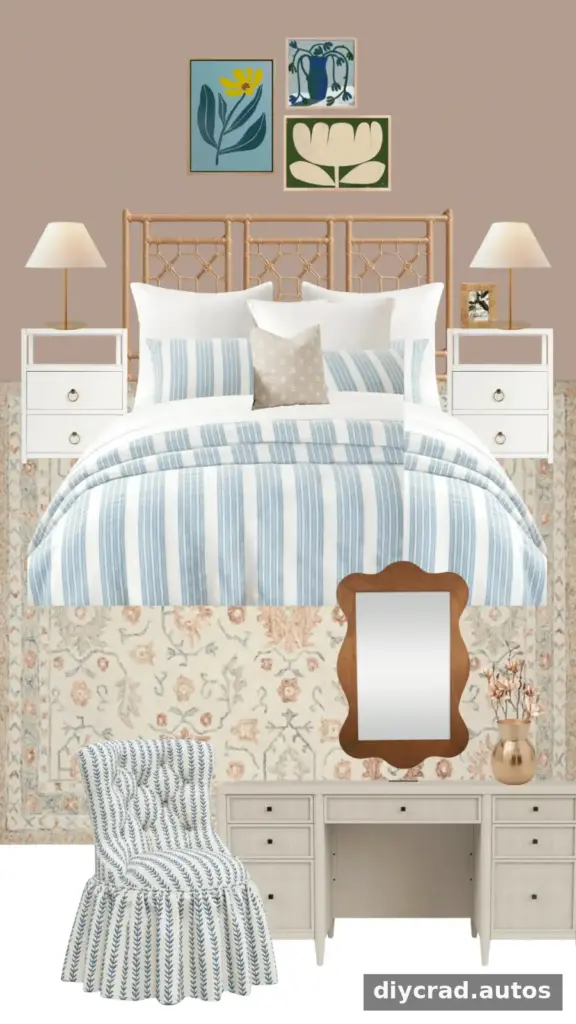
A dusty mauve or pink can feel both youthful and grown-up, making it a flexible choice for a room that may need to adapt over time. If repainting is not practical, introduce the color through bedding, artwork, or smaller accessories first.
Furniture
Replacing a metal headboard with a rattan style can soften the room and change its overall character without requiring a full redesign. A desk with storage can also serve as a vanity, especially when its placement provides enough room to sit comfortably.
A taller mirror can add vertical emphasis near a window, while a shaped wooden frame brings a decorative detail. A skirted chair can make a desk or vanity area feel more finished. Nightstands with drawers or cupboards offer concealed storage for everyday items.
Color and textiles
Use a pair of lamps to create balance on either side of the bed or across a larger surface. Colorful artwork can make a blank wall more expressive. A patterned rug that includes several of the room’s colors helps connect separate elements, and striped bedding is an easy way to add pattern. When combining prints, vary their scale so they do not compete.
Dining Room Decorating Ideas
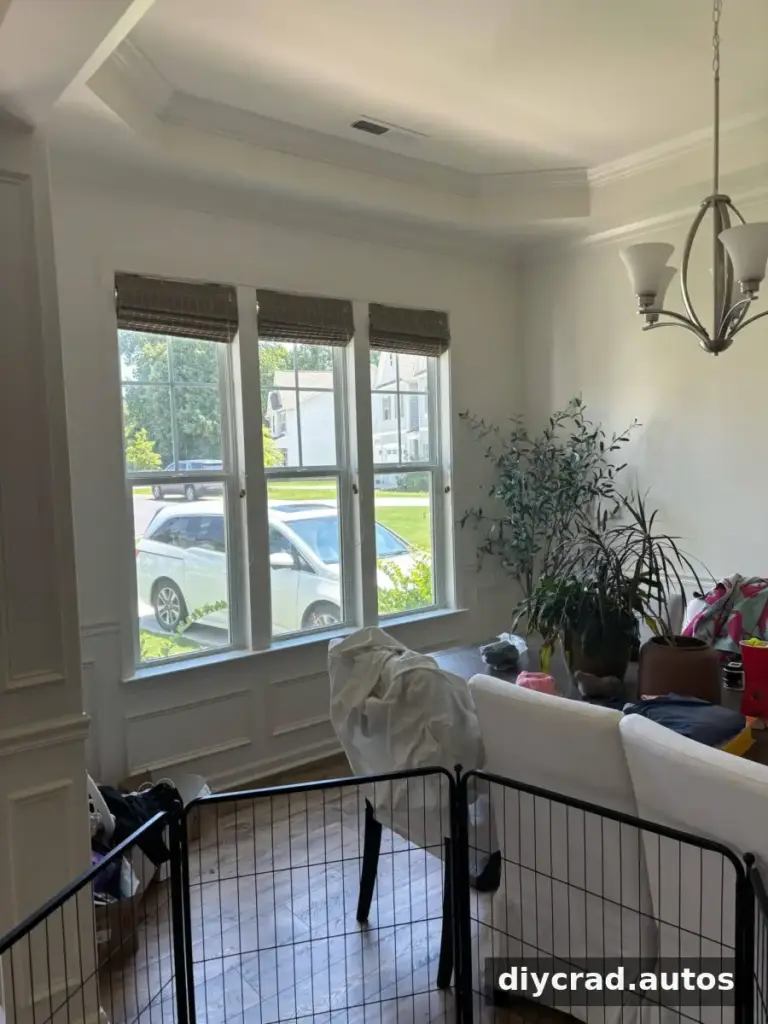
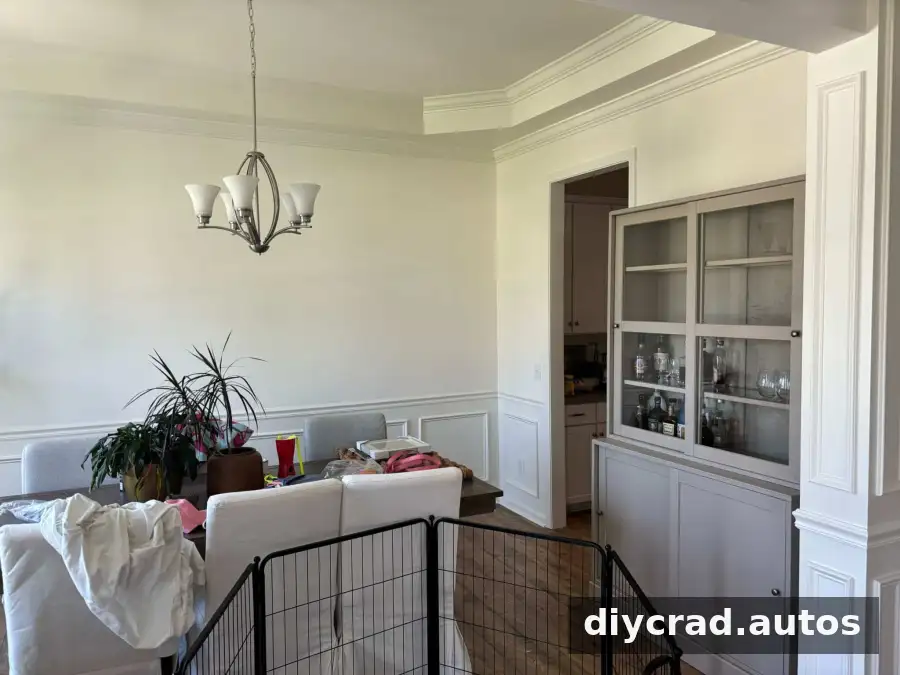
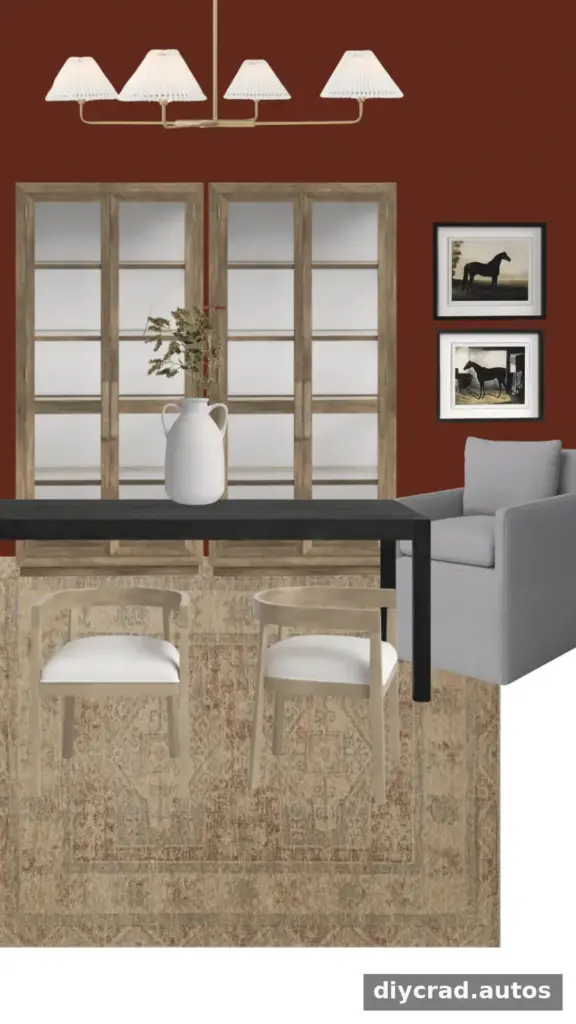
A dining room can handle stronger color than some other spaces. Painting the walls and trim in related shades creates a bold, enveloping effect; if that feels like too much, use a contrasting trim color to highlight existing wainscoting. Test paint samples in the room before committing, particularly where natural light changes throughout the day.
Furniture and layout
Consider how the room’s storage pieces relate to the table. A china cabinet, or a balanced pair of cabinets, can anchor a back wall if there is enough space. Keep the existing dining table if its size works well, then mix wooden chairs with upholstered end chairs for variation and added comfort.
Lighting and finishing touches
A dining-room chandelier should suit the scale of both the room and the table. As a general guide, choose a fixture about half to two-thirds the width of the table and hang it approximately 36 inches above the tabletop. Check the fixture manufacturer’s installation guidance and adjust for ceiling height and sightlines.
A subtly patterned rug can bring warmth beneath the table. An indoor/outdoor rug is a practical option where food spills are a concern; confirm its cleaning instructions before buying. Finish with greenery and artwork that relates to the room’s colors.
Entryway Decorating Ideas
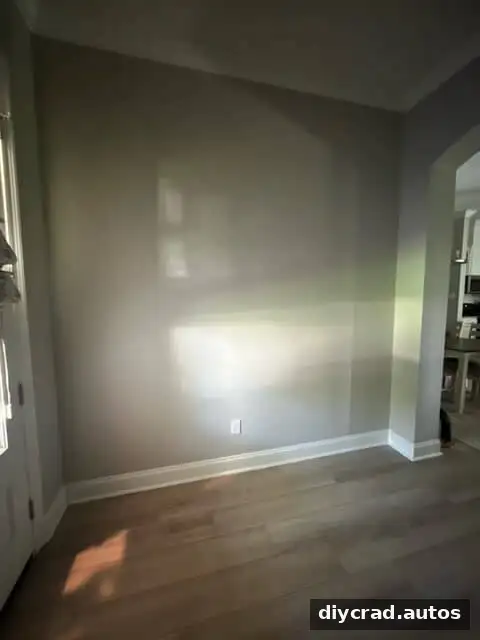
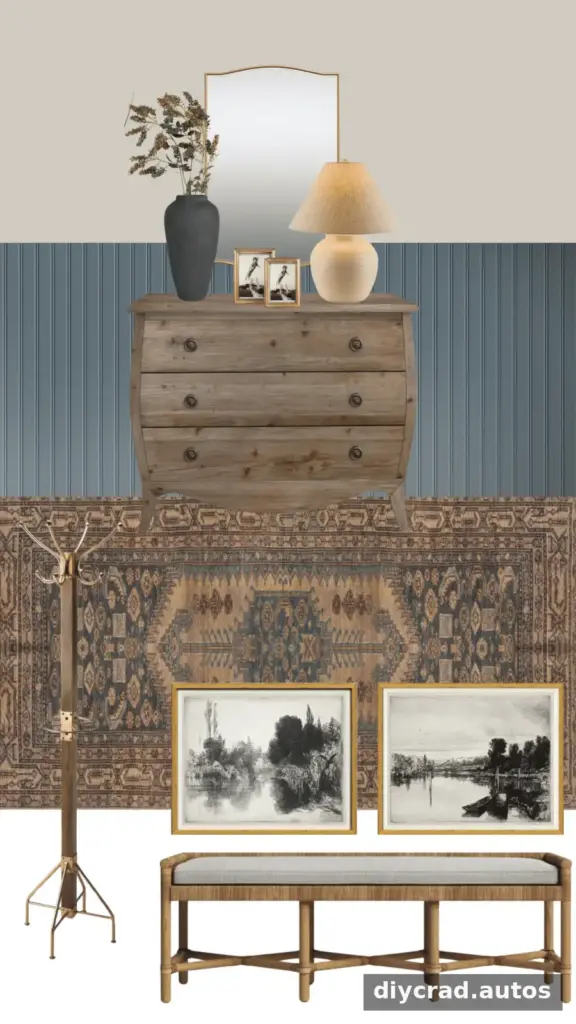
An entryway often benefits from a clear landing spot for keys, bags, and shoes. Beadboard wainscoting painted in a muted color, such as dusty blue, can give a plain wall definition. Use paint samples to see how the color works with the flooring and nearby rooms.
Storage and furniture
A chest against the wall adds storage and creates a surface for a lamp or small decorative objects. Hanging a mirror above it can reflect light and provide a useful last check before leaving home. If the layout allows, a cushioned bench offers a place to change shoes, while a coat rack gives visitors somewhere to hang jackets.
Decor and practical details
A patterned rug can introduce color and help the entry feel distinct from adjoining spaces. Choose a durable, appropriately sized option that does not catch on the door or create a trip hazard. Complete the area with a vase, a few framed photographs, or calm landscape artwork; keep surfaces clear enough for everyday use.
Loft Living Room Decorating Ideas
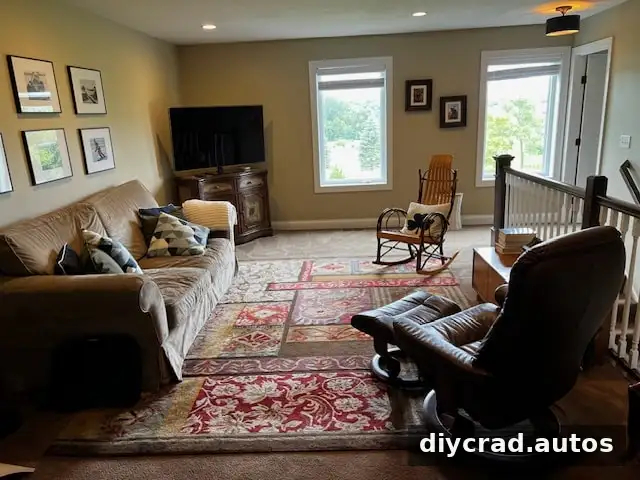
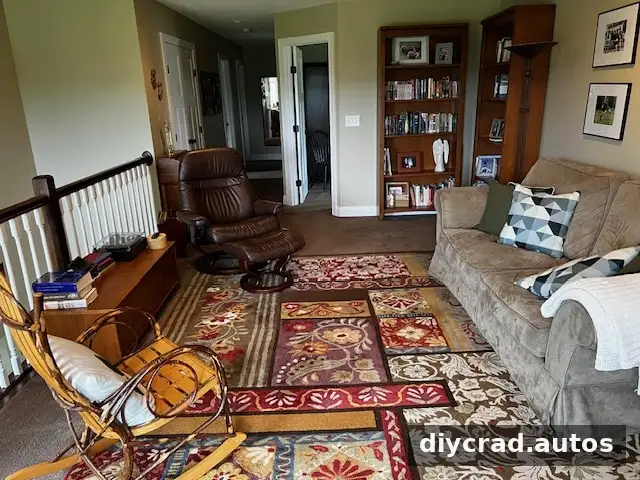
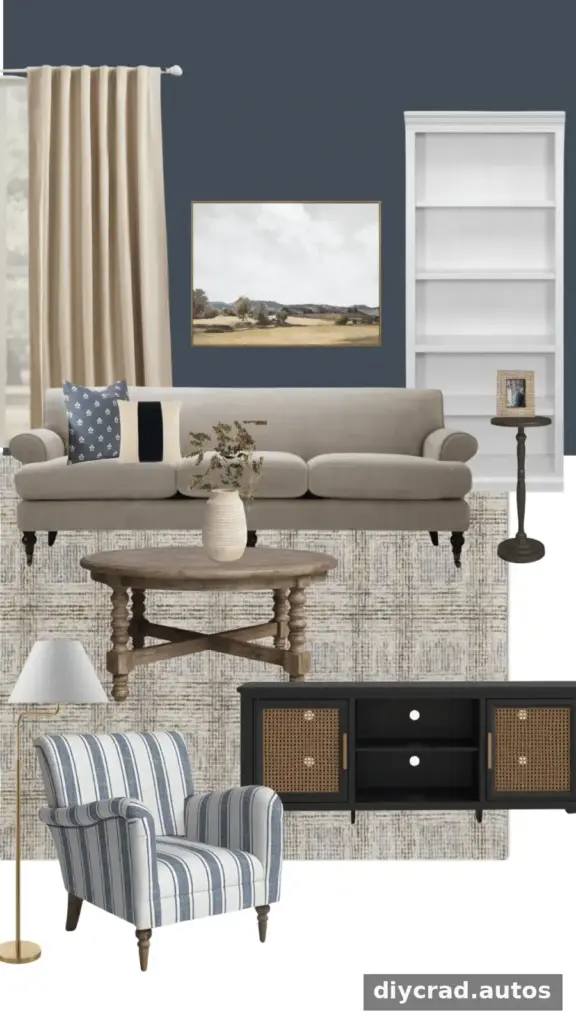
A deep navy can make a loft feel cozy while working as a strong backdrop for neutral furnishings. If the room is open to other spaces, repeat one or two nearby colors to help the transition feel intentional. Try a sample on more than one wall before painting, since light can change how a dark shade appears.
Furniture and layout
Arrange the seating around how the room is used. A sofa along the railing can open up the central area, while bookcases placed around a media stand create a defined focal wall. A wooden coffee table adds warmth, and compact end tables provide convenient surfaces without taking up too much floor space.
A chair in a corner can form a reading nook, especially when paired with a floor lamp. Keep enough clearance around the seating so the chair can be moved when more people gather to watch television or talk.
Rugs, curtains, and artwork
A blue-and-neutral geometric rug can connect the wall color to lighter furnishings. Floor-length linen curtains soften the room; measure carefully so the panels hang neatly without obstructing doors or vents. Landscape artwork above the media area can finish the arrangement without adding another busy pattern.
Putting the Room Together
Use a mood board to compare choices before buying or painting, and make changes in stages if you are unsure. Begin with the room’s layout and largest surfaces, then add lighting, textiles, and personal details. The best plain room decorating ideas are the ones that suit the space, support its everyday use, and reflect the people who live there.