

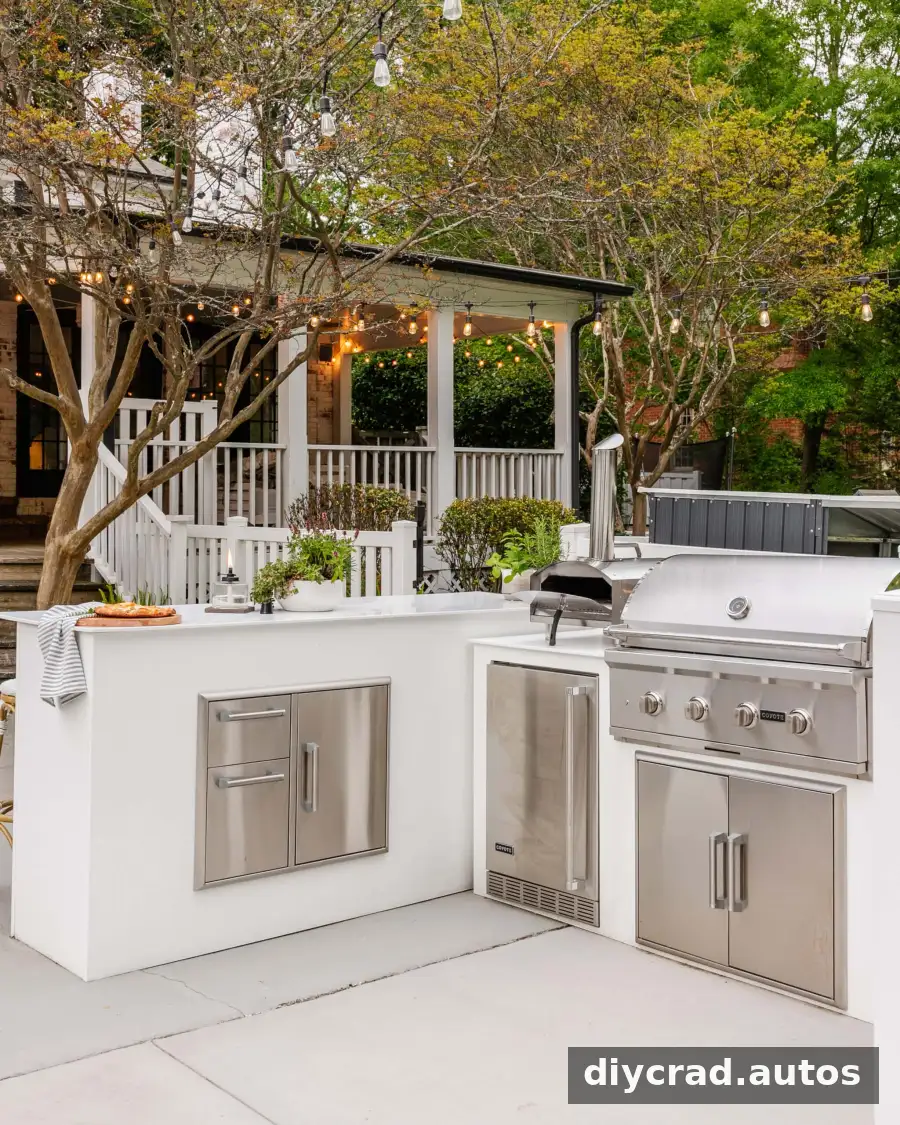
A modular outdoor kitchen kit can make a backyard cooking area quicker to assemble than a custom-built project. This example took two people about eight hours to put together, using a screwdriver or drill, and the kitchen was still performing well after three years. Here’s what to consider before choosing a kit, from layout and assembly to upkeep, cost and design limitations.
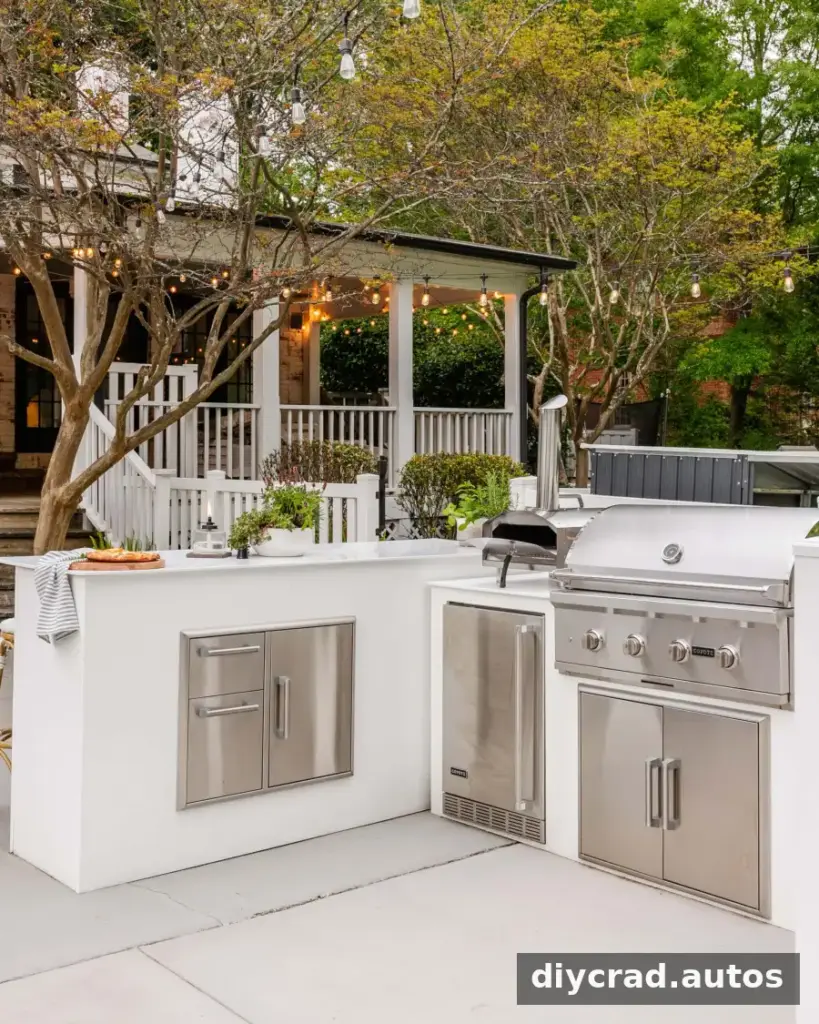
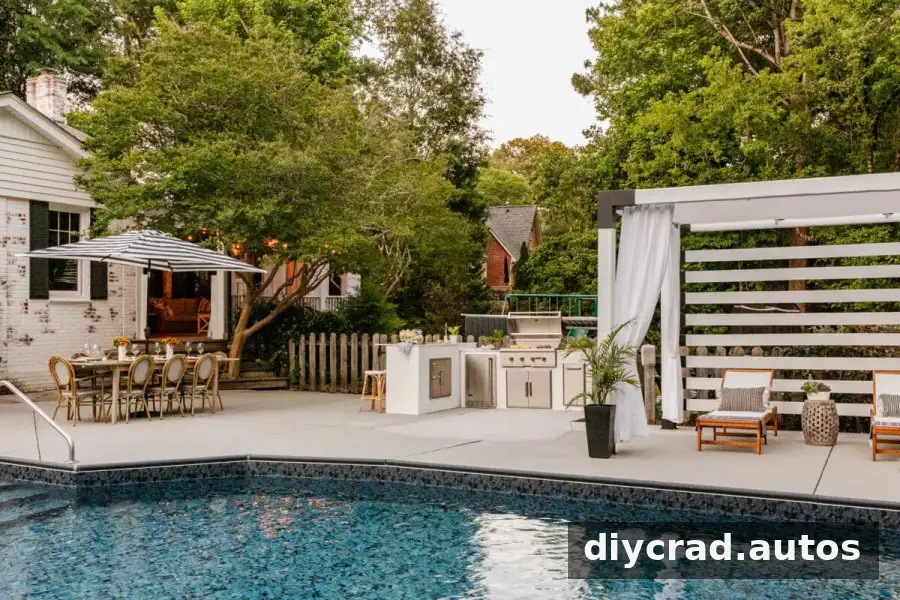
The kitchen was installed on a concrete pool-deck corner as part of a larger backyard update. The review below covers the assembly process and the owners’ experience with the materials and appliances since 2021. Results may differ depending on the kit, site conditions and local weather.
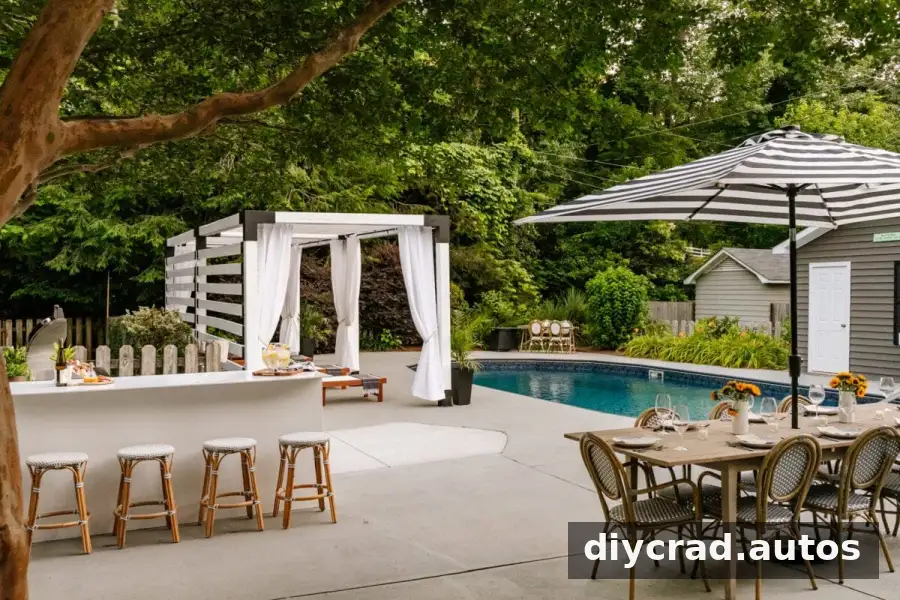
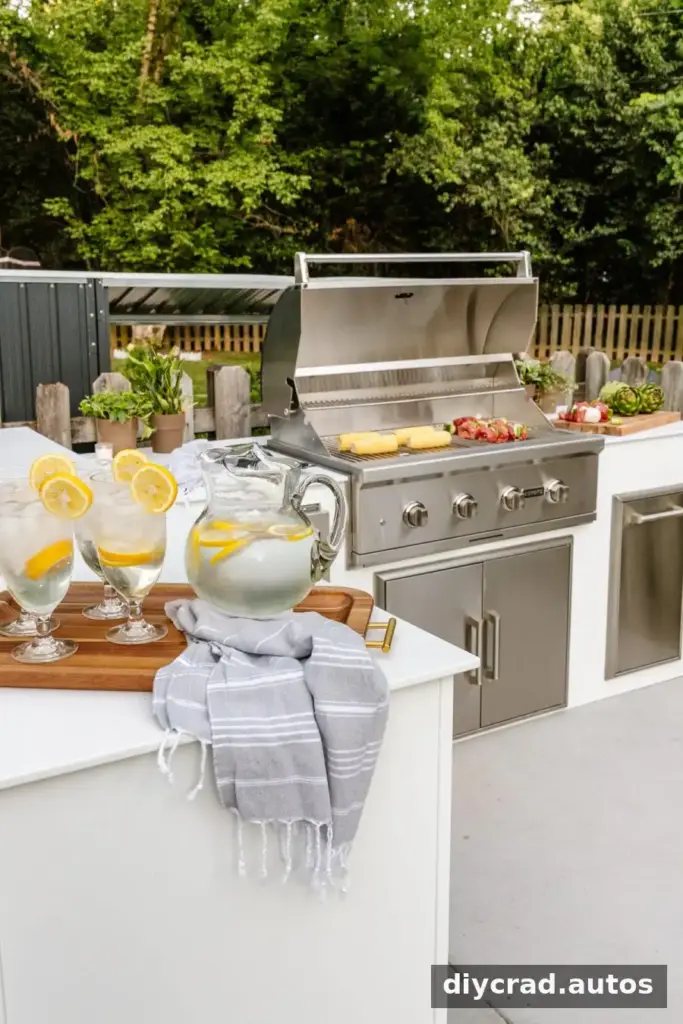
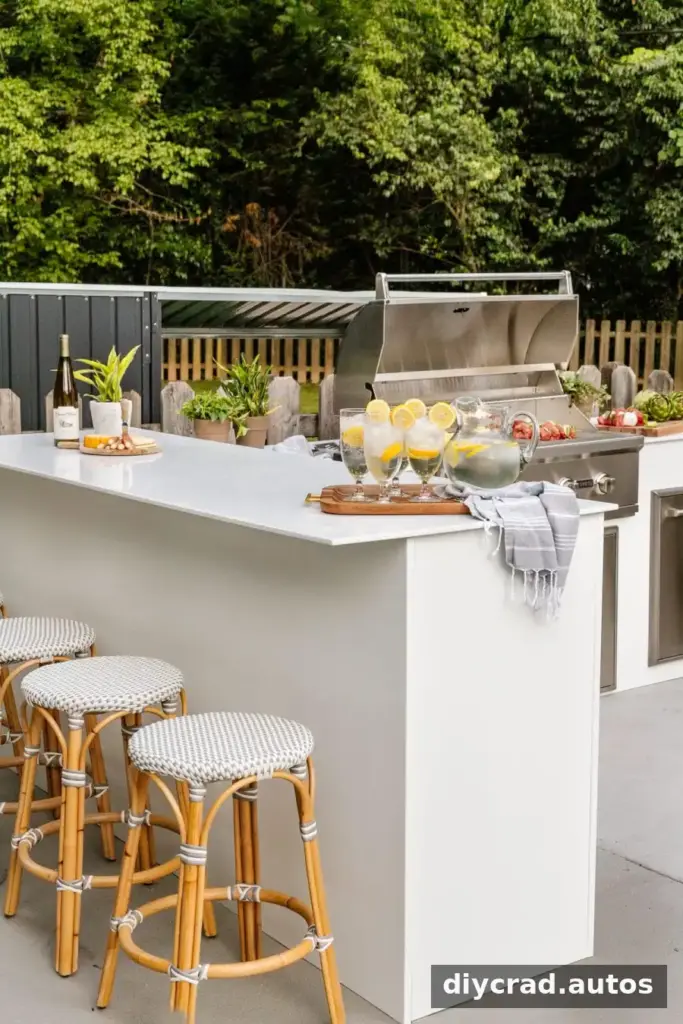
After a few hours of work, the space was ready for a backyard gathering.
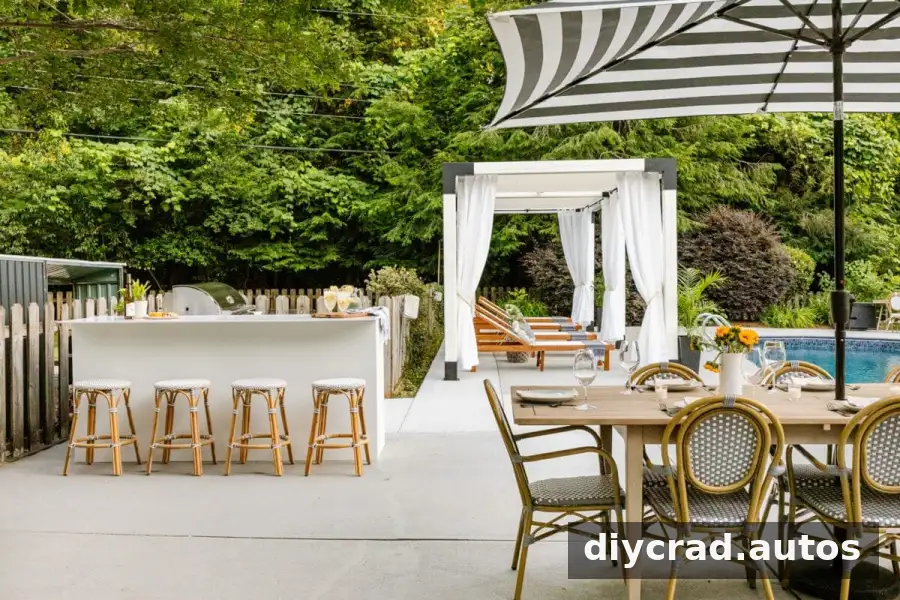
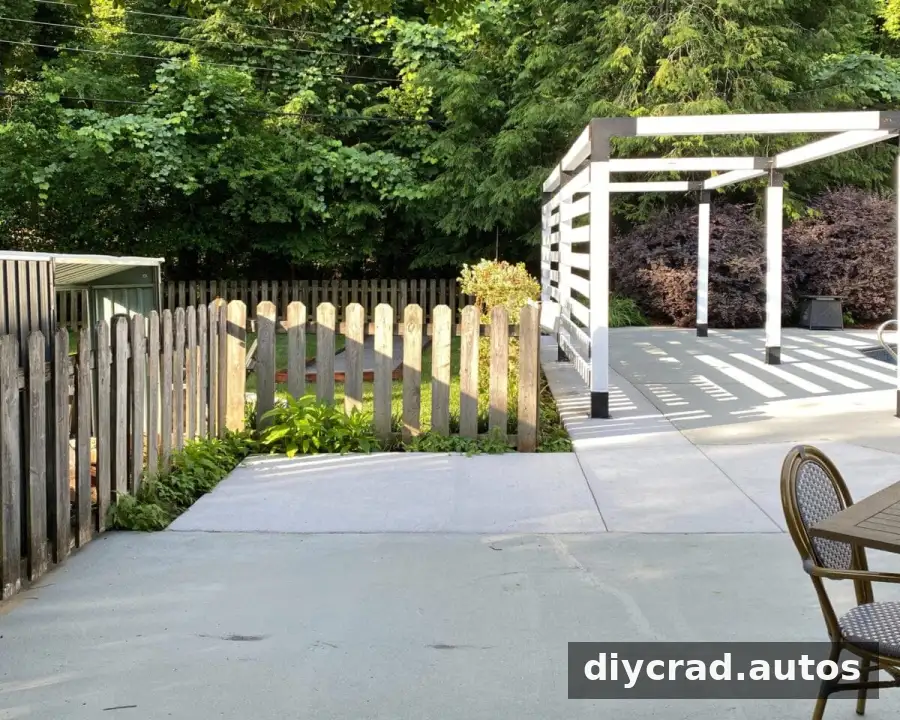
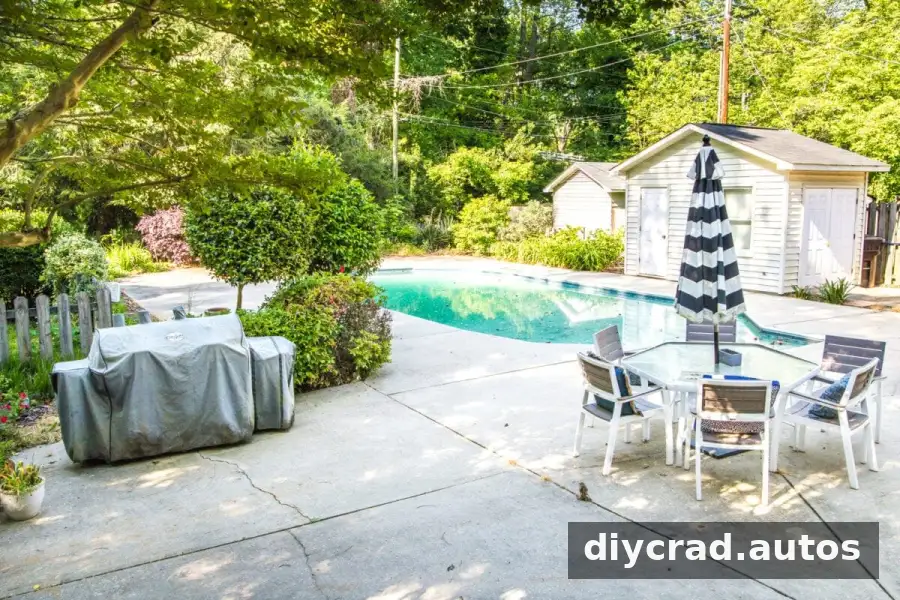
Modular Outdoor Kitchen Kit: Before and After
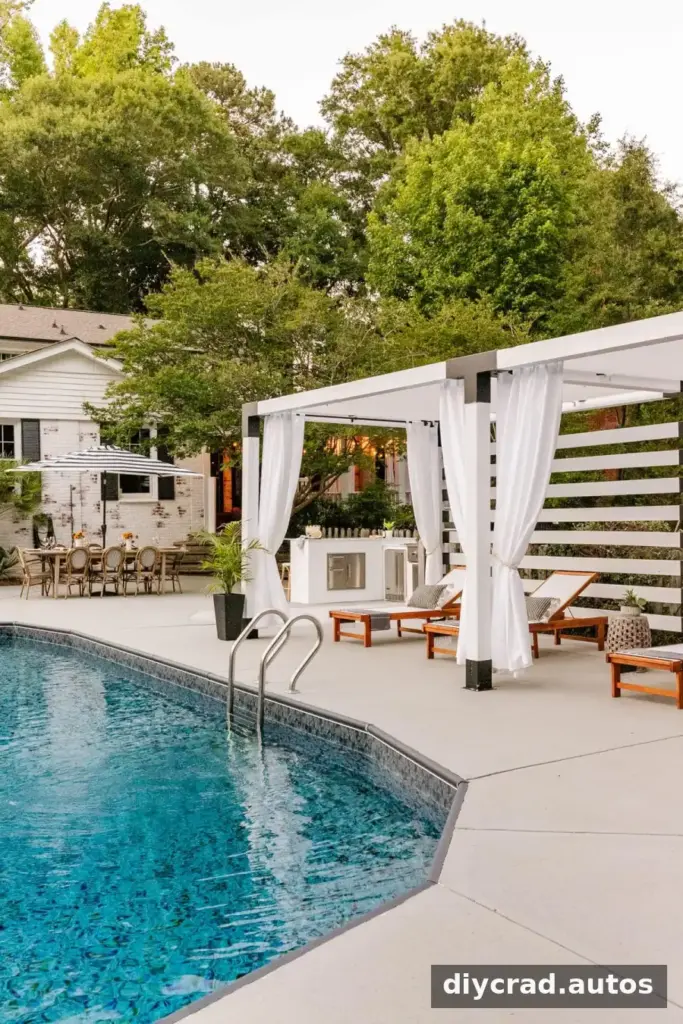
The kitchen was one part of a broader outdoor renovation that also included landscaping, pool updates, shed and deck painting, a pergola, a bocce ball court and a fire pit. Planning how a kitchen fits into existing features can help avoid blocking walkways or using valuable seating space.
Why Consider a Modular Outdoor Kitchen Kit?
A custom outdoor kitchen can involve design work, specialist tradespeople and a longer construction schedule. A prefabricated kit offers a more structured alternative: choose a layout, order the components and assemble the frame and fittings on site. It may reduce installation time, though the total cost and effort depend on the chosen appliances, materials and site preparation.
This kitchen system was assembled in exactly eight hours by two people. The owners found the planning and ordering straightforward, and the components could be lifted and positioned without a larger crew. The first versions of a new kit may take longer to assemble if instructions or fittings are subsequently revised, so check that the instructions match the specific version delivered.
Choosing a Layout and Components
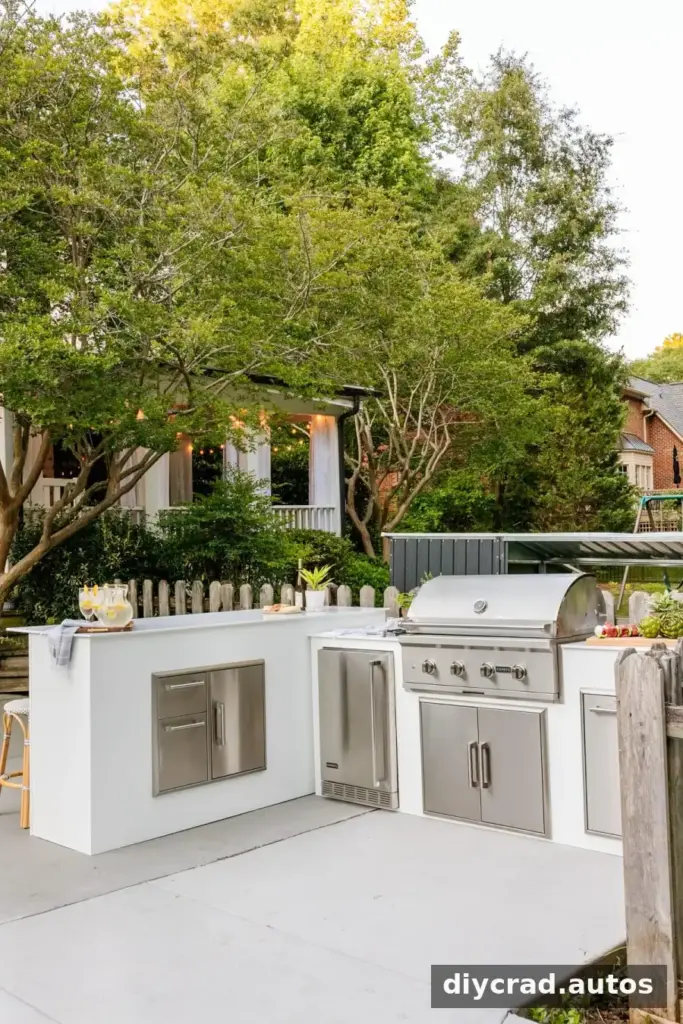
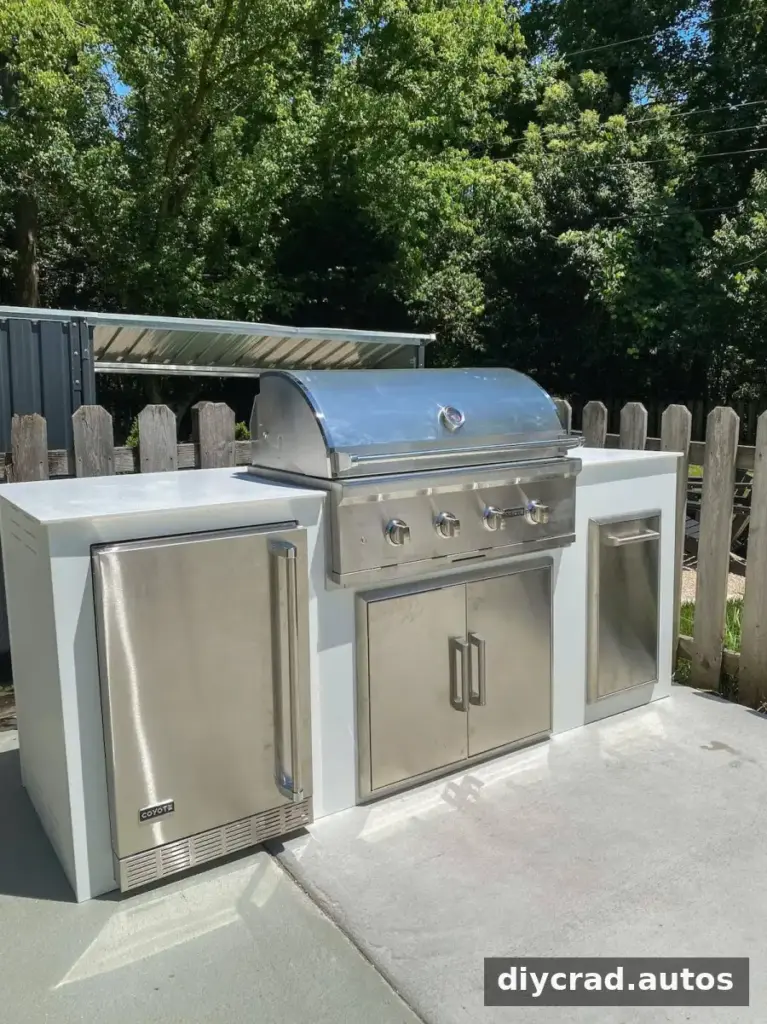
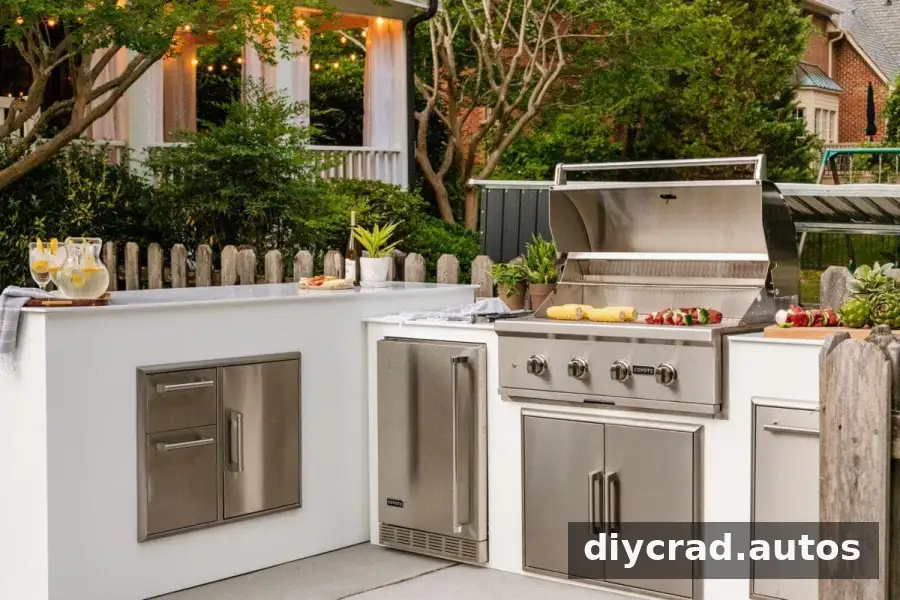
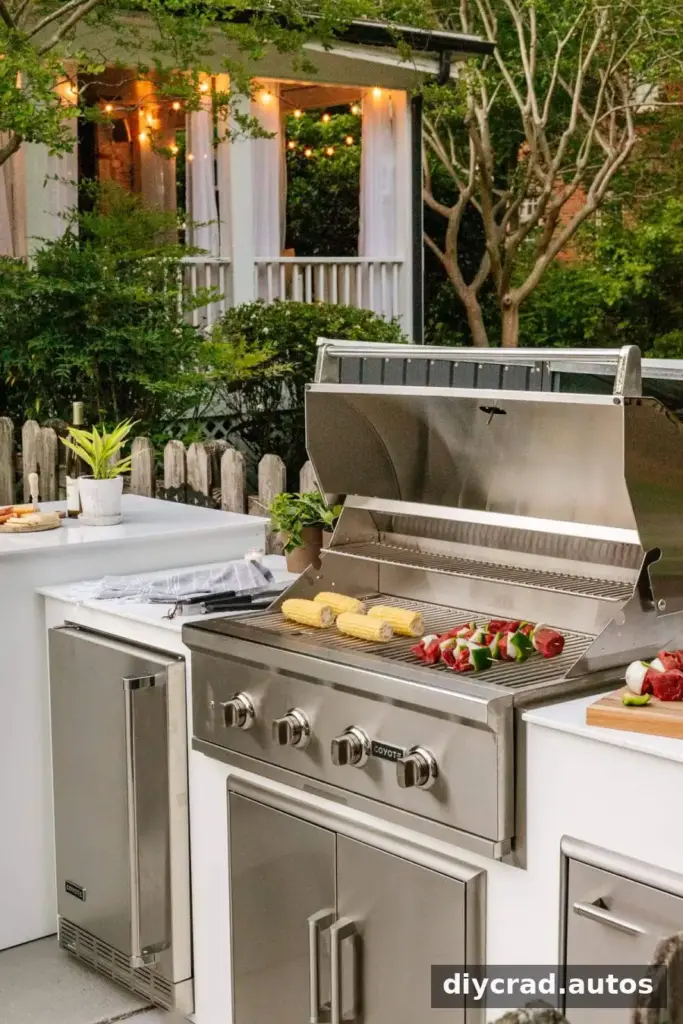
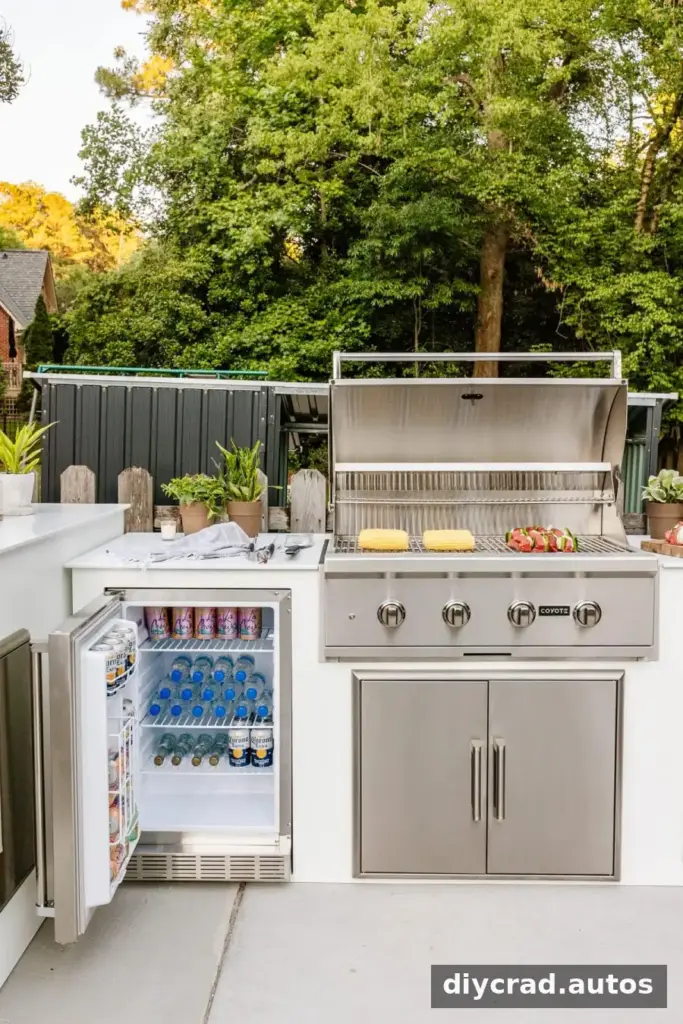
The selected layout did not include a sink because plumbing was not planned for the pool deck. Its components included a 36-inch C Series Grill, an outdoor refrigerator, pull-out trash storage, double drawers and a storage cabinet. A bar island was added to provide extra seating space.
Before ordering, measure the available area and consider access to utilities, appliance clearances, traffic flow and where guests will sit. If plumbing or electrical work is required, confirm local requirements and arrange qualified installation where necessary.
Delivery and Assembly
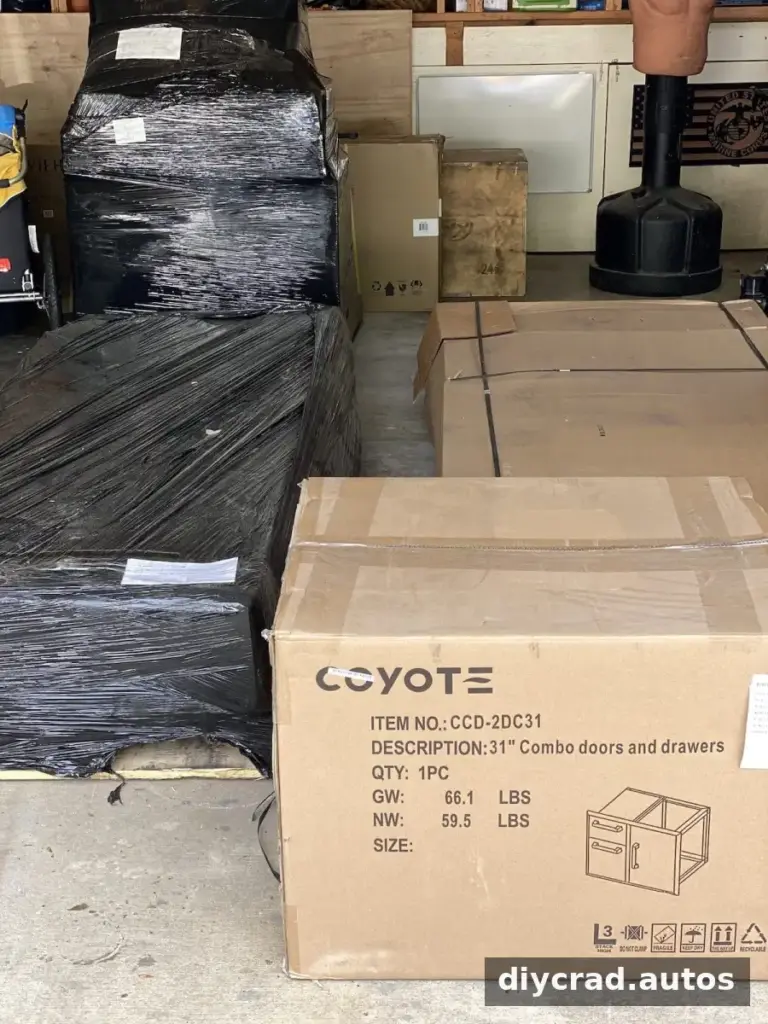
The parts arrived on pallets for on-site assembly. Although extra helpers were initially expected for lifting, two people were able to complete the work. Follow the kit’s own instructions and ask for help with any component that is too heavy or awkward to handle safely.
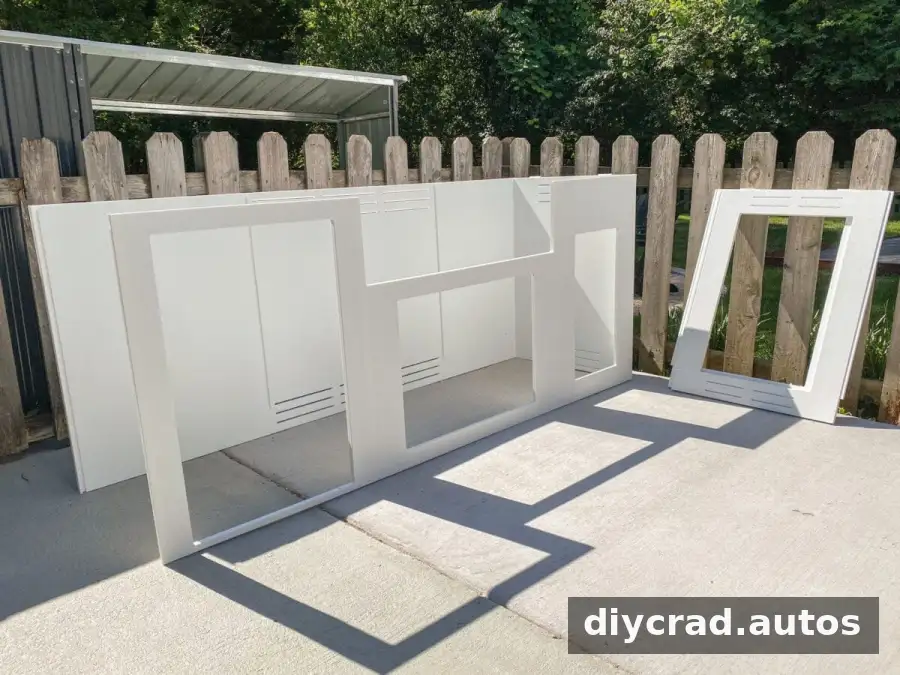
Step 1: Assemble the Frame
Start by building three sides of the grill-island frame according to the supplied instructions. Check that the frame is level and correctly aligned before securing the next components.
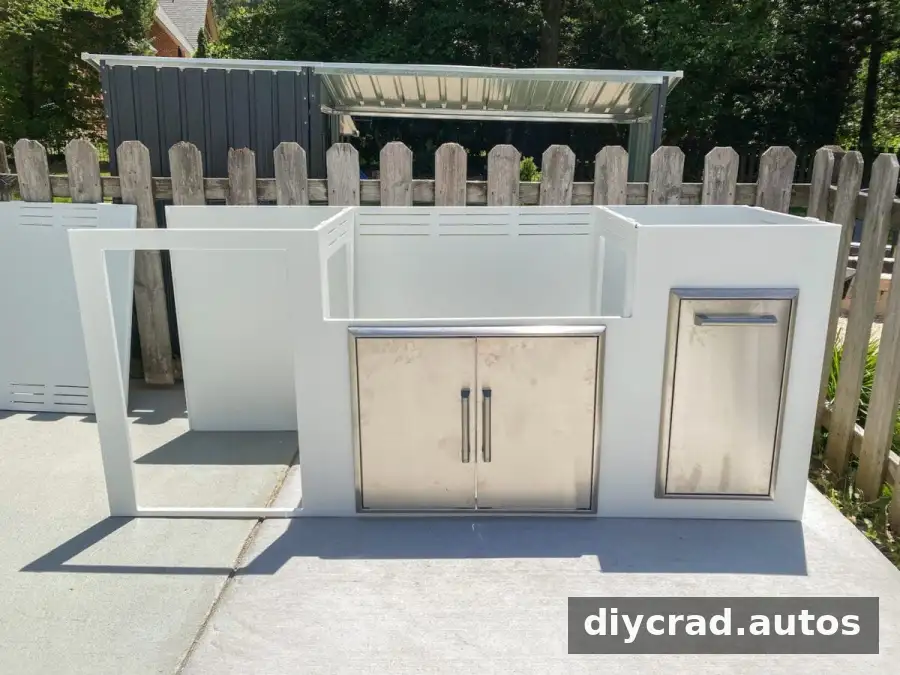
Step 2: Secure Appliances and Storage
Place the preassembled appliances and storage units into the frame one at a time, then attach them using the provided screws. Confirm each component is positioned correctly before tightening the fasteners.
Step 3: Fit the Countertop
Slide the Corian countertops into the notches at the top of the frame. Check the fit and alignment before moving on to the adjoining island section.
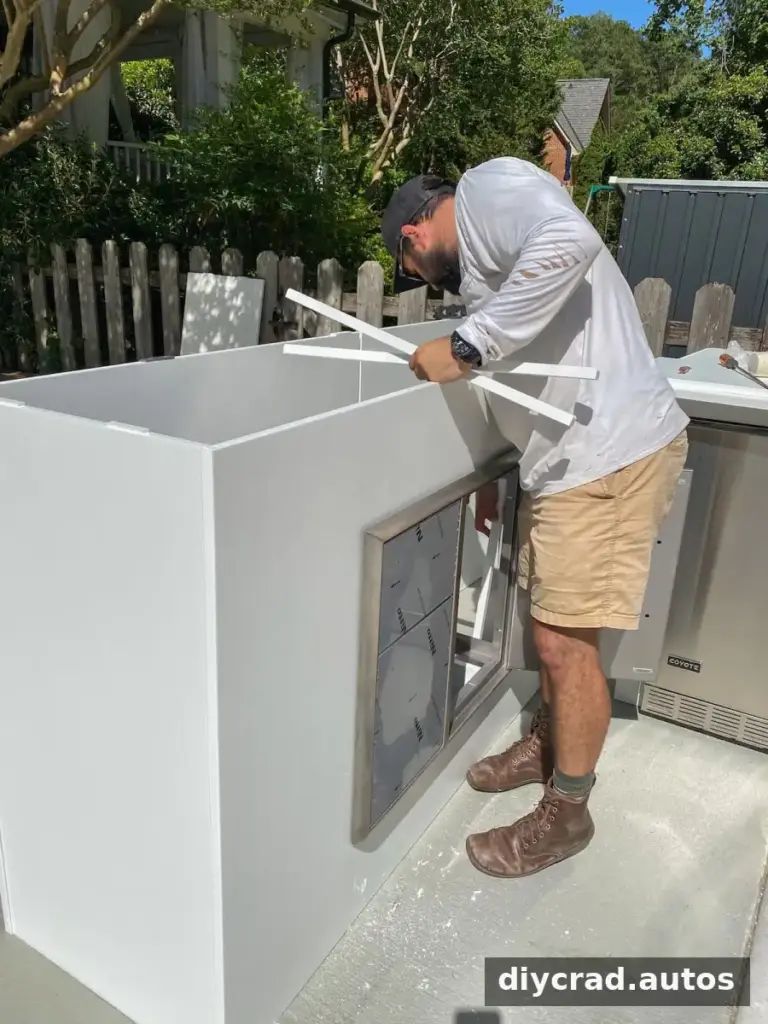
Step 4: Add the Bar Island
Assemble the bar island in the same way, connecting it to the storage cabinet as directed. The assembly was designed to require only a screwdriver or drill.
Durability and Maintenance After Three Years
The kitchen uses marine-grade composite material and 304 stainless-steel appliances, with materials intended for outdoor use. After three years, the owners reported that the white composite had not noticeably discolored and that the appliances were still working, with no signs of rust observed. Their setup had also experienced a couple of tropical storms.
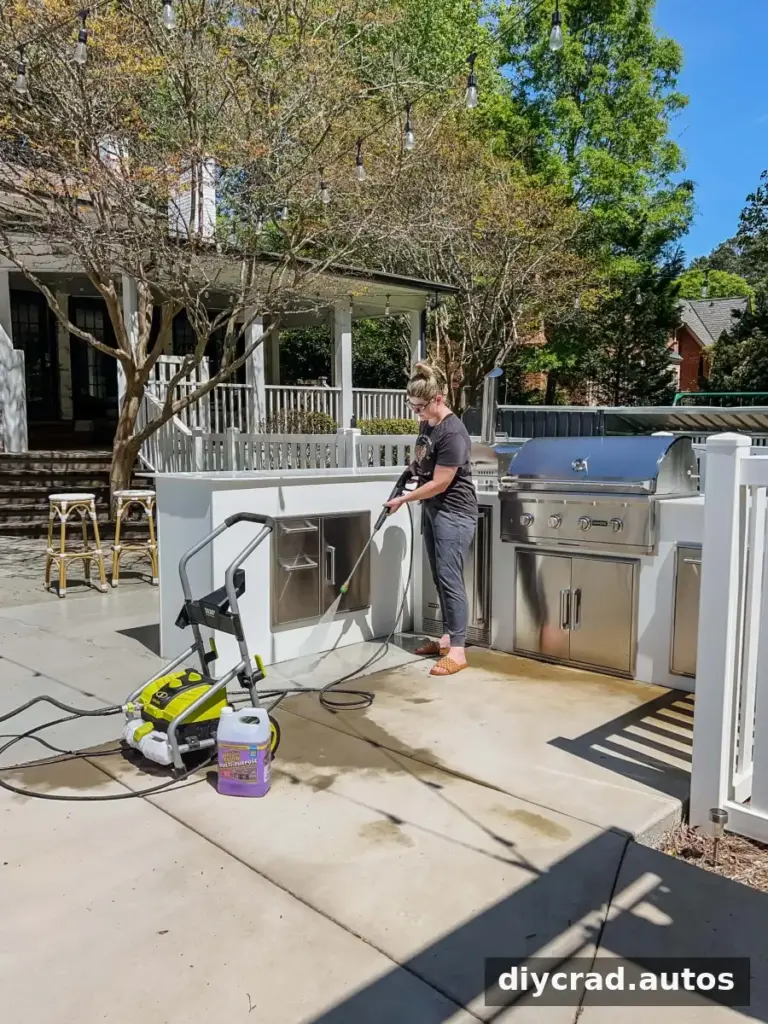
For routine care, wipe surfaces before gatherings and follow the manufacturer’s care instructions for the countertop, frame and appliances. The owners used a pressure washer for seasonal cleaning; check the product guidance before doing the same, since water pressure and spray distance can affect some surfaces or fittings.
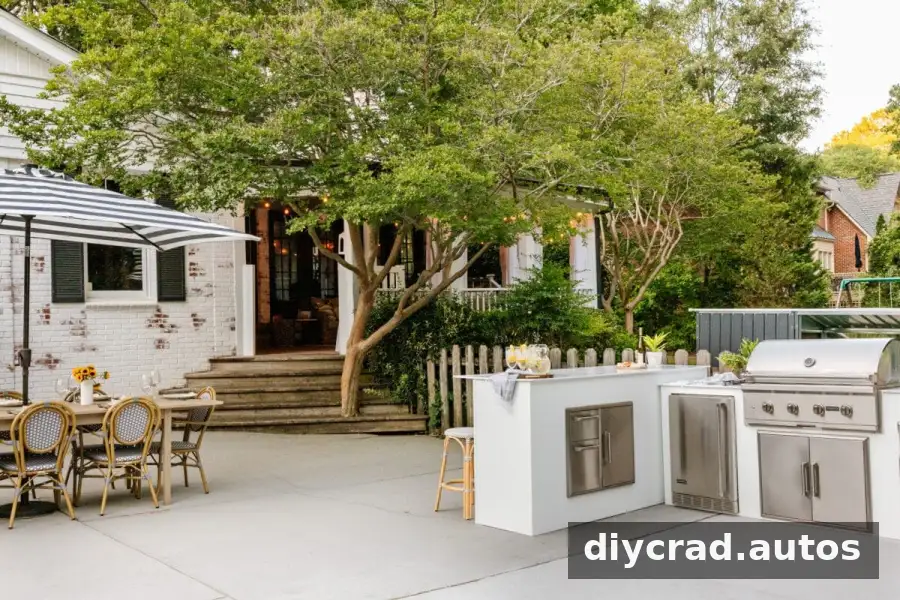
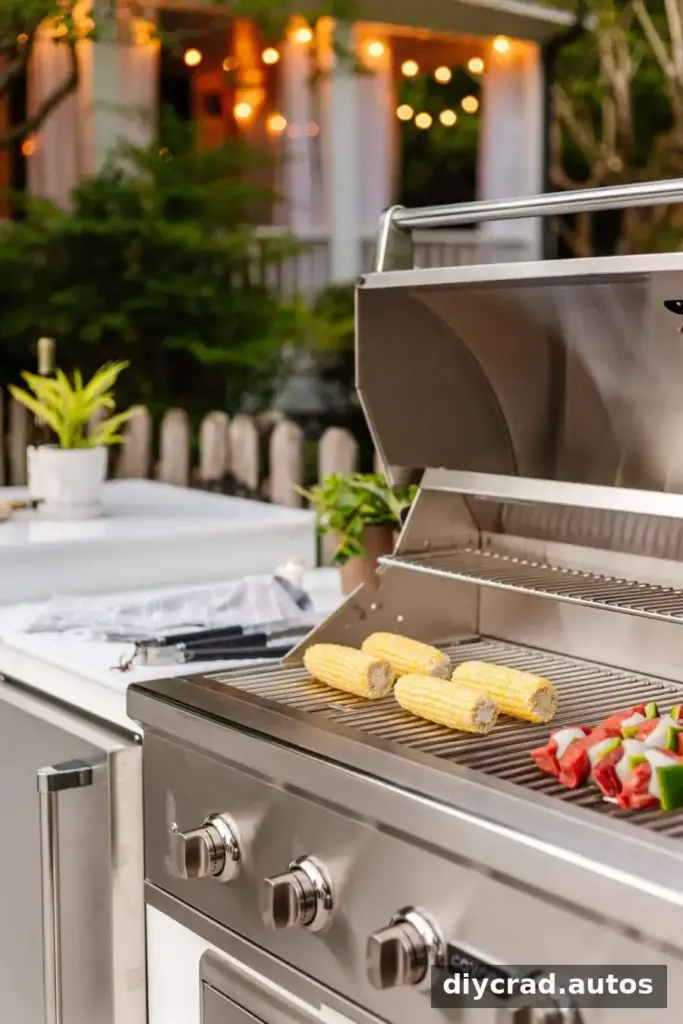
The owners were pleased with the kitchen’s condition after three years and found the outdoor refrigerator useful during hot weather.
Pros of a Modular Outdoor Kitchen Kit
Faster Assembly
The kit was assembled in hours rather than the several days or weeks a more involved build may require. Lightweight components made handling easier for two people.
Potentially Lower Installation Costs
A kit may cost less than a custom project that requires carpentry, masonry or other contractor work. Compare the full project costs, including delivery, site preparation, utilities and appliances, rather than looking only at the cabinet price.
Outdoor-Rated Materials and Appliances
The owners reported that the composite frame and stainless-steel appliances held up well over three years, including through tropical storms. Local climate, maintenance and installation can affect durability, so check product ratings for the conditions in your area.
Straightforward Cleaning
The composite surfaces were easy to wipe down and needed little maintenance in the owners’ experience. Use cleaning products and methods approved for the specific finish.
Cons and Points to Consider
Upfront Price
At the time of the original post, the M6 L-Shape Refrigeration Island & Storage Bar was priced at $13,595, with more than half of that amount attributed to the appliances. Prices can change, so treat this figure as historical and check current costs. Building from scratch might be less expensive, but could require more time and labor.
Limited Design and Fuel Choices
The available finishes did not include the white-brick look the owners wanted, although they liked the modern appearance of the white composite. The kit options described were limited to built-in gas grills; a charcoal grill or slow smoker was not available as part of the system. Check the current configuration options if a particular finish or cooking style is important.
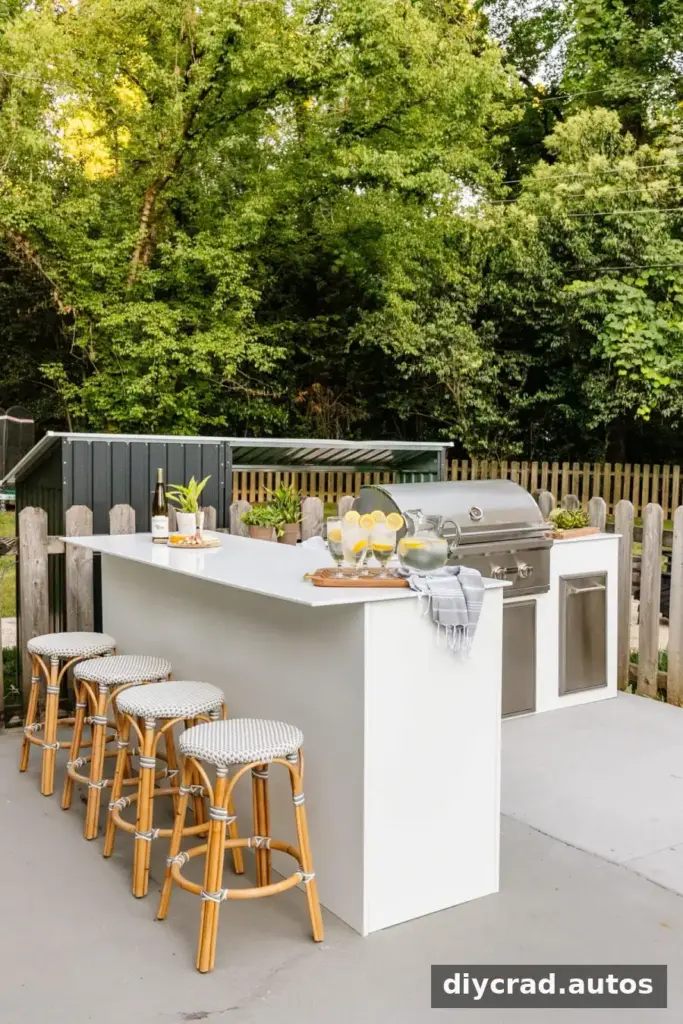
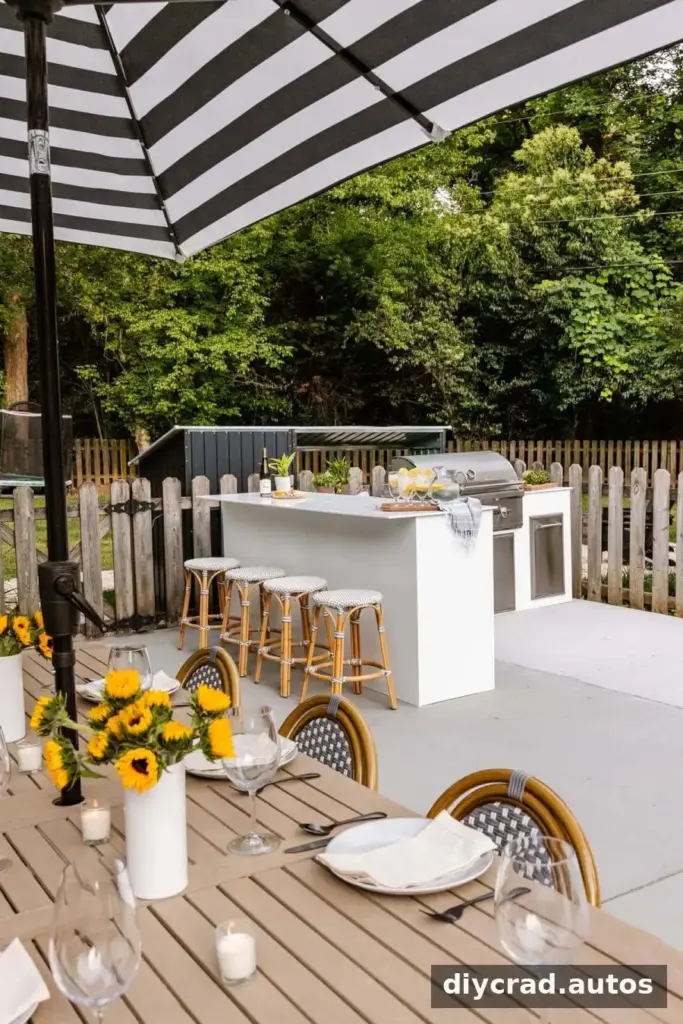
Overall, this project shows how a prefabricated system can create a functional cooking and seating area in a short assembly window. A kit is not automatically the cheapest or best choice: compare layouts, appliance options, material requirements and total installed cost before deciding.
Frequently Asked Questions
How much does it cost to build an outdoor kitchen?
Costs vary according to materials, appliance quality, size and the number of components. The original article cited a national average of $495 per linear foot. Treat that as a general reference rather than a current quote, and request local estimates for an accurate budget.
Is it worth building an outdoor kitchen?
An outdoor kitchen can add a dedicated place to cook and gather, particularly for households that entertain outdoors. Whether it is worth the expense depends on how often it will be used, the budget and local resale conditions. The original article cited a possible 100–200% return on investment at resale, but actual results are not guaranteed and vary by home and market.
Conclusion
A modular outdoor kitchen kit may suit homeowners who value faster assembly and a coordinated layout, while accepting a higher upfront price and fewer customization options than a fully bespoke build. Measure carefully, confirm appliance and utility requirements, and compare current prices before ordering.

