

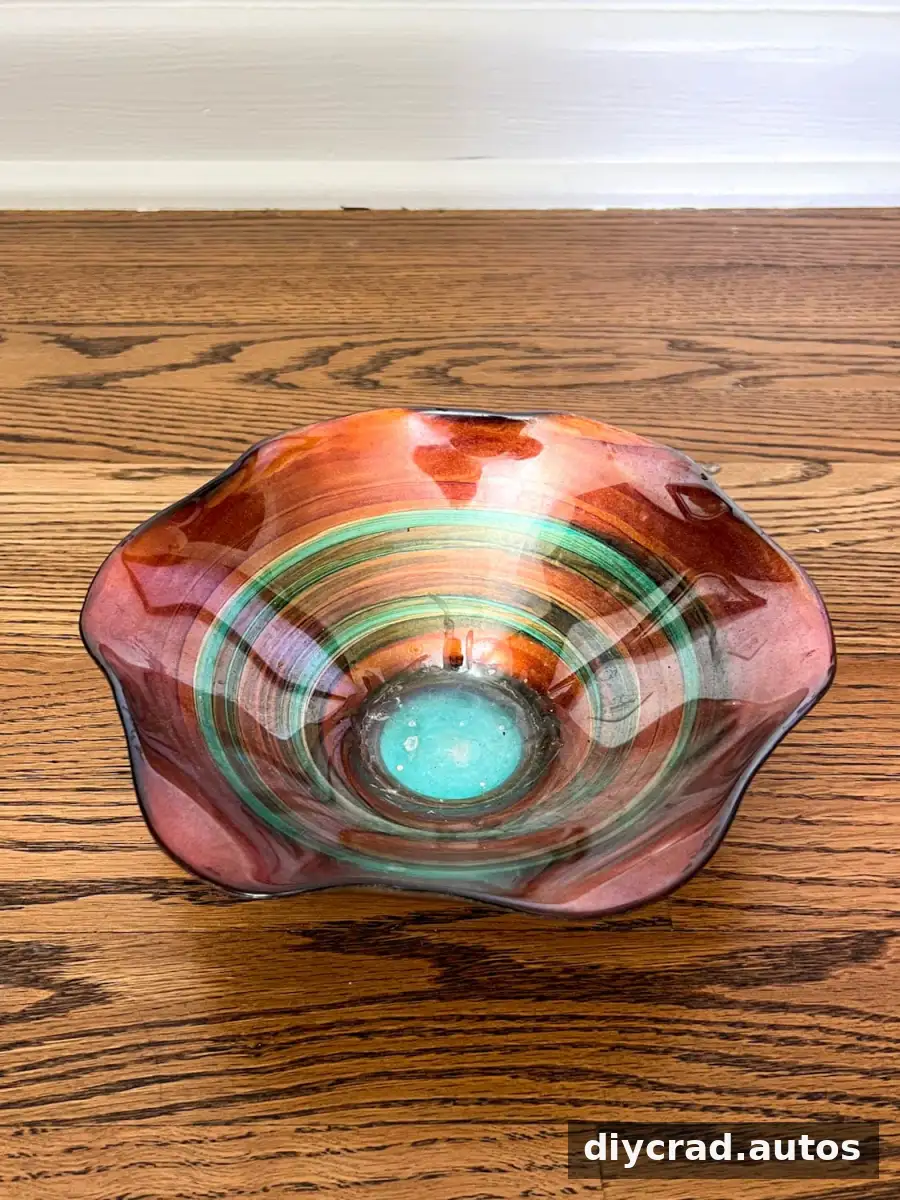
A scalloped bowl brings a soft, decorative detail to a room while giving small everyday items a convenient place to land. Whether you find one secondhand, choose a ready-made version, or make your own, this versatile accent can suit a range of spaces. Here’s how a $3 thrift-store bowl was updated with glossy white spray paint, along with practical tips for styling, choosing, and making a scalloped bowl.
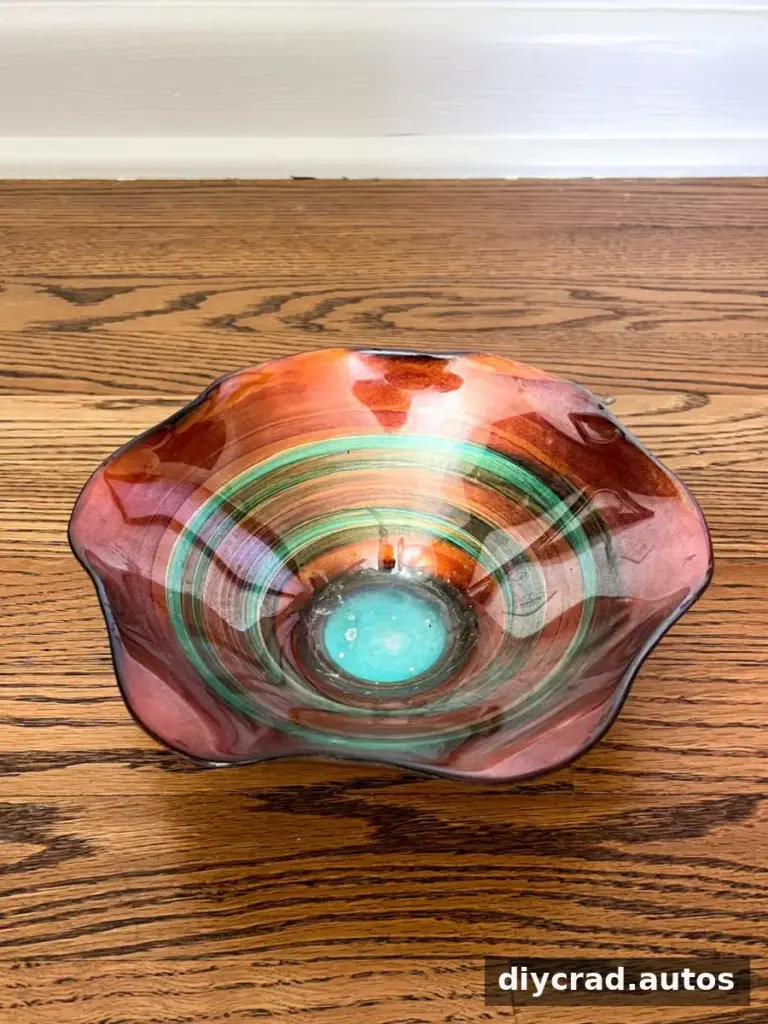
Scalloped Bowl Makeover with White Spray Paint
A thrift-store find with a ruffled edge provided the starting point for this simple makeover. The bowl cost $3, and its existing shape already had the decorative look the project called for. Rather than changing its form, the update focused on creating a clean, consistent finish with spray primer and glossy white spray paint.
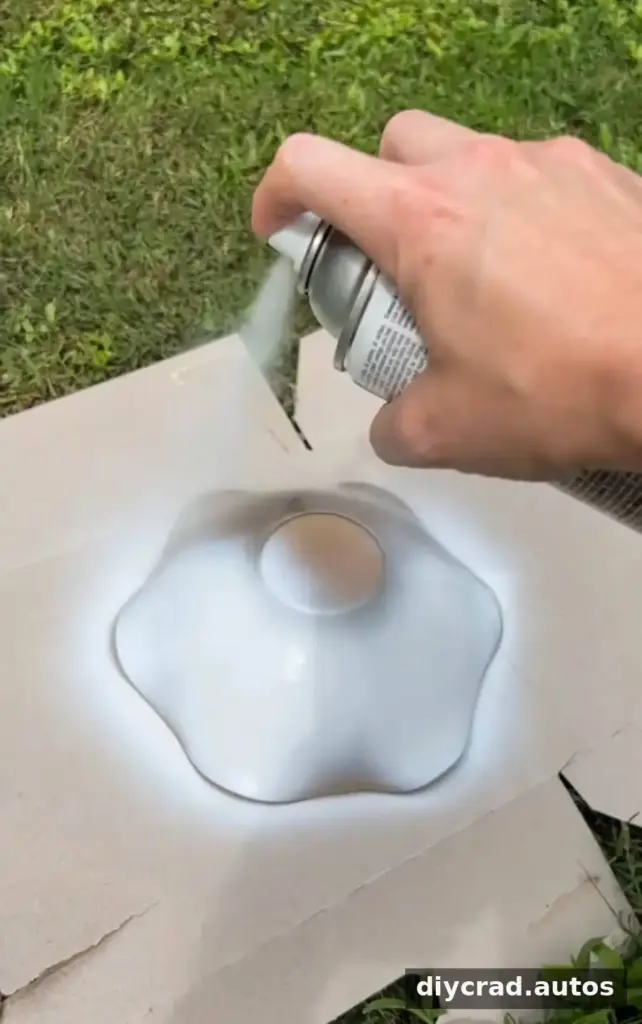
The project took about 30 minutes, not including any additional drying or curing time required by the products. Before painting a secondhand bowl, check what it is made from and look for chips, cracks, or loose coatings. Different materials may require different primers, so read the product labels before beginning.
For a neater finish, remove dust and residue, then let the bowl dry fully before applying primer. Use spray products in a well-ventilated area and follow all label directions. Light, even coats can help reduce drips and uneven coverage. Allow each layer to dry as instructed, and wait for the final finish to cure before moving or displaying the bowl.
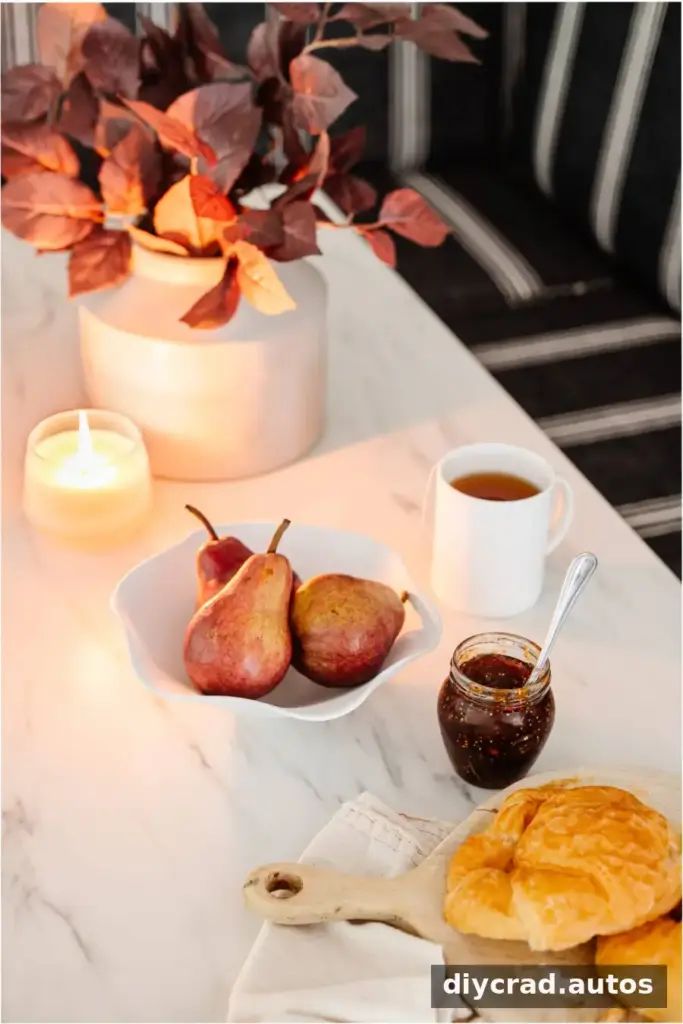
The Finished Scalloped Bowl
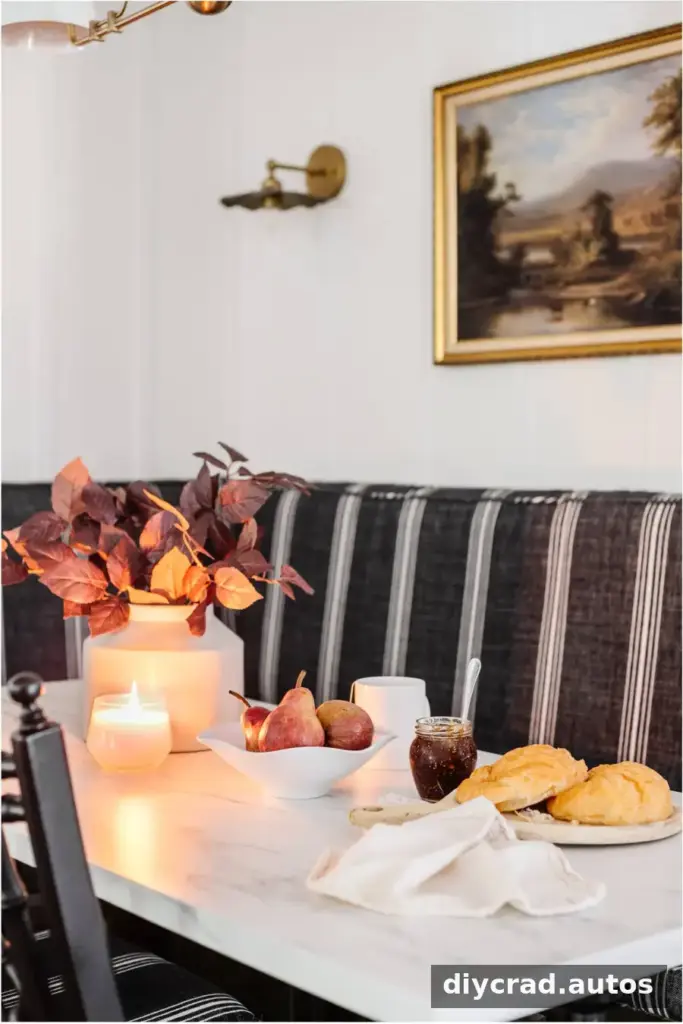
The refreshed bowl pairs a decorative edge with a simple glossy white finish. The neutral color keeps the overall look understated, while the curved rim remains a noticeable feature. Since the thrift-store purchase cost $3 and the makeover took around 30 minutes, this is one way to give an existing home accessory a new look without replacing it.
Because this bowl has been painted, use it as a decorative organizer—not as tableware. Refinished surfaces may not be suitable for food contact, washing, or frequent handling. Keep the bowl for dry, non-food items and consult the paint manufacturer’s care instructions. If you need a serving bowl, choose a product specifically labeled as food-safe and follow its care guidance.
Where to Use a Scalloped Bowl at Home
A decorative bowl is particularly useful where small belongings tend to gather. Place it near the spot where you naturally set things down, so it supports an existing habit and makes items easier to find.
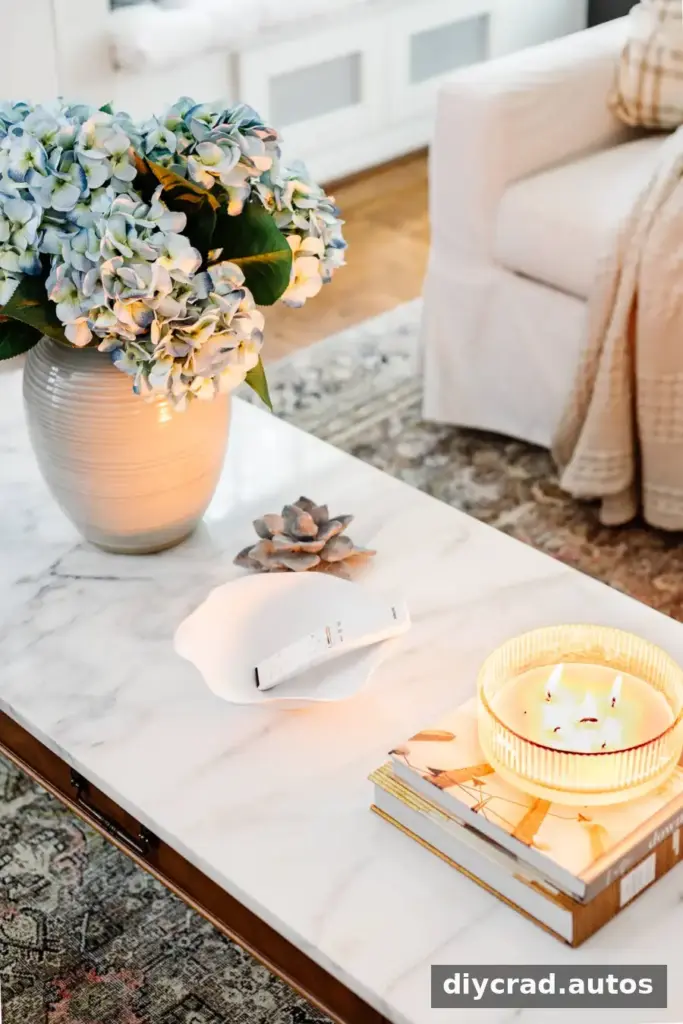
- Coffee table: Keep television remotes together instead of scattered across the room.
- Bathroom counter: Use a clean, dry bowl for cotton balls or cotton swabs.
- Bedroom nightstand: Collect loose jewelry before going to bed.
- Entryway table: Create a visible landing spot for car keys or a wallet.
- Laundry room shelf: Gather loose change and small items taken out of pockets before washing.
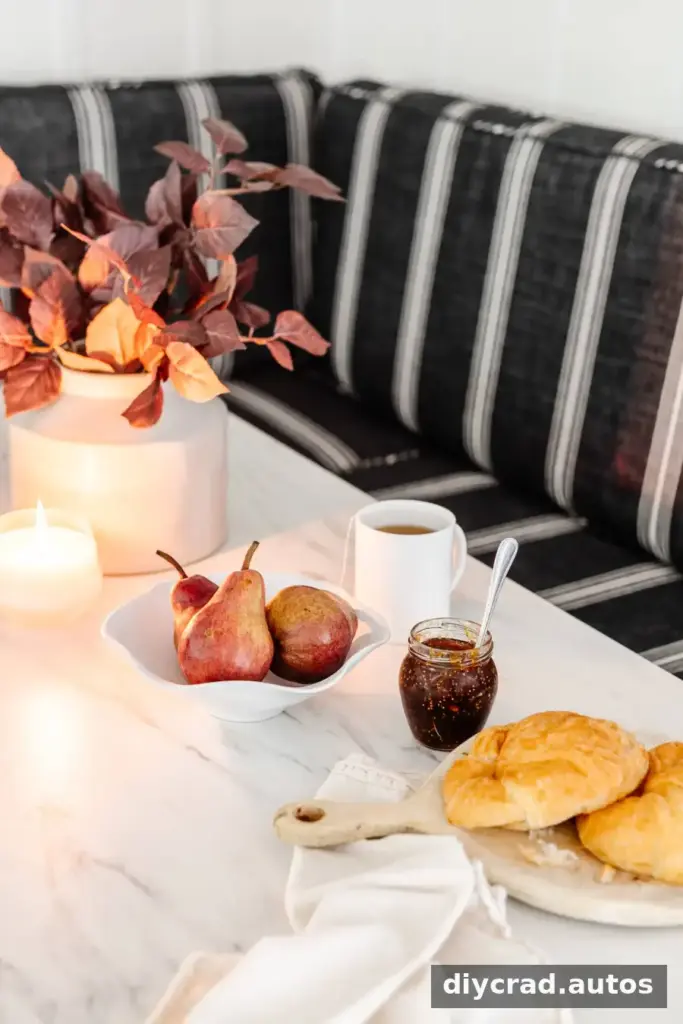
- Kitchen counter: Choose a suitable food-safe bowl for fruit; do not use the painted makeover bowl for food.
- Seasonal display: Arrange decorative items such as shells, dried flowers, pine cones, sea glass, or ornaments.
Consider both the bowl’s depth and the size of the items it will hold. A shallow bowl can keep jewelry and keys in view, while a deeper one may hold more but can make small pieces harder to spot. For everyday organization, choose a stable location that is easy to reach.
Choosing a Scalloped Bowl for Your Budget
Scalloped and ruffled bowls come at a range of price points, and some designer pieces can be costly. Think about the bowl’s purpose before deciding how much to spend. For keys, jewelry, or seasonal decorations, a secondhand find or handmade option may be a practical choice. If the bowl will be used for serving, prioritize clear material and care information over appearance alone.
When shopping, check that the base sits steadily on a flat surface and that the rim has no chips. Make sure the size works for the table, shelf, or counter where you plan to place it. A thrifted bowl with a pleasing shape may be suitable for a decorative refresh, but always confirm that any bowl used for food is intended for that purpose.
How to Make Your Own Scalloped Bowl
If you cannot find a bowl in the shape or size you want, a craft project offers another way to create a ruffled edge. Different materials call for different techniques, so follow the instructions for the specific project and decide in advance whether the finished piece will be decorative or used for serving.
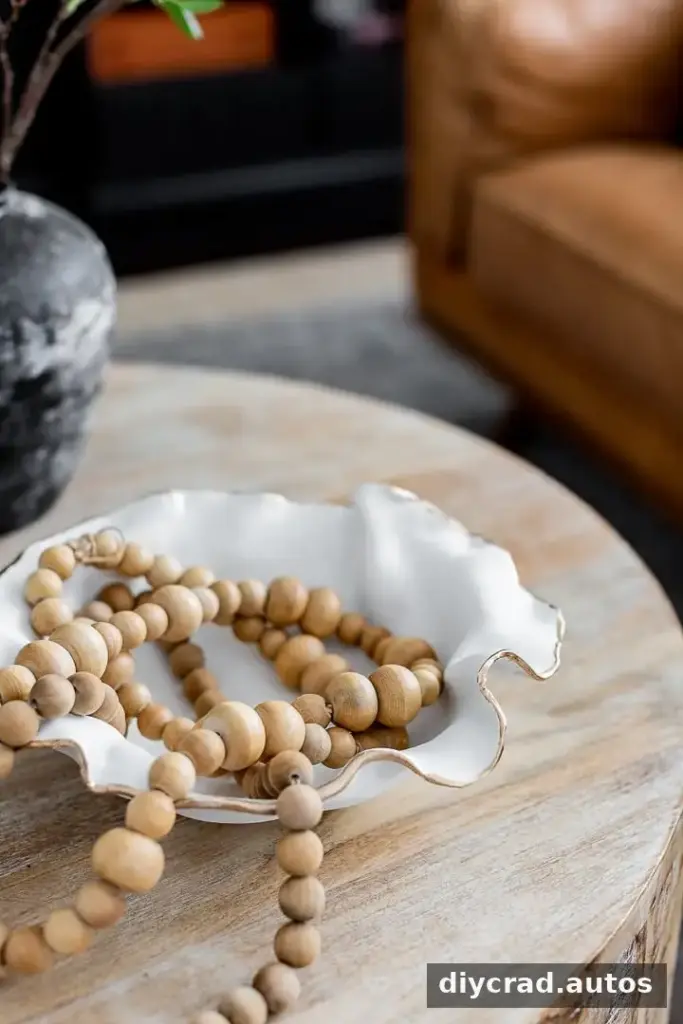
DIY Ruffled Bowl Made of Clay
Clay can be shaped into a bowl with a softly uneven rim. Protect your work surface and follow the tutorial’s directions for shaping, drying, or curing the material. Before using a handmade bowl for food, check whether its material and finish are specifically suitable for food contact; otherwise, use it for display or dry items.
Tutorial: How to Make a Ruffled Edge Bowl Out of Clay
Source: Craftberry Bush
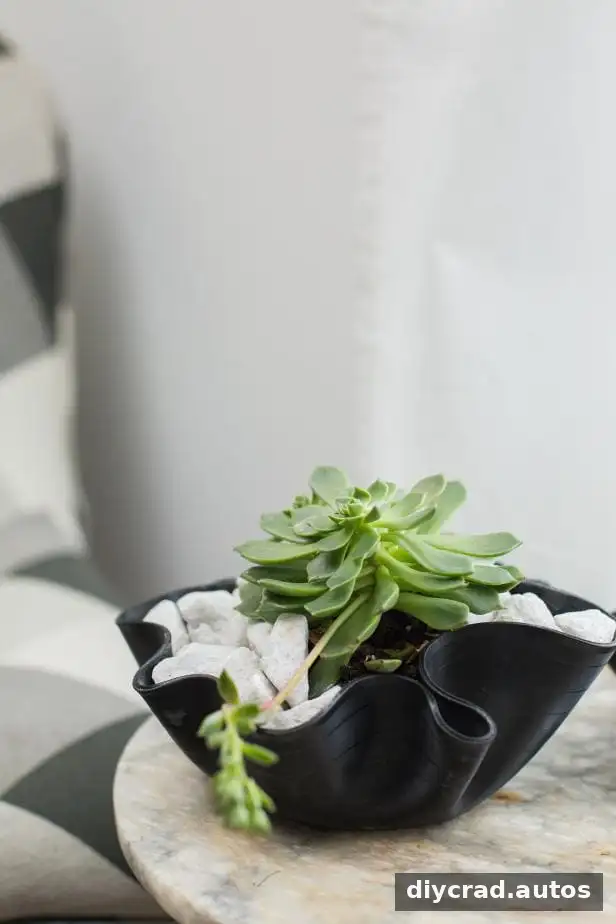
DIY Ruffled Bowl from a Repurposed Vinyl Record
A repurposed vinyl record is another material used to create a ruffled bowl shape. Follow the tutorial’s safety instructions closely, particularly if the process involves heat or tools. Unless the materials and finished surface are confirmed as food-safe, treat the result as a decorative object rather than tableware.
Tutorial: How to Make a DIY Ruffled Bowl from a Vinyl Record
Source: HGTV
Final Thoughts on the Scalloped Bowl
A scalloped bowl can add a decorative touch while helping keep small belongings organized. This $3 thrift-store find received a refresh with primer and glossy white spray paint, but its painted surface is intended for display or dry, non-food items—not serving. Choose a size and location that suit your needs, follow product directions when painting, and consider a clay or repurposed-record project if you would like to make your own.

