

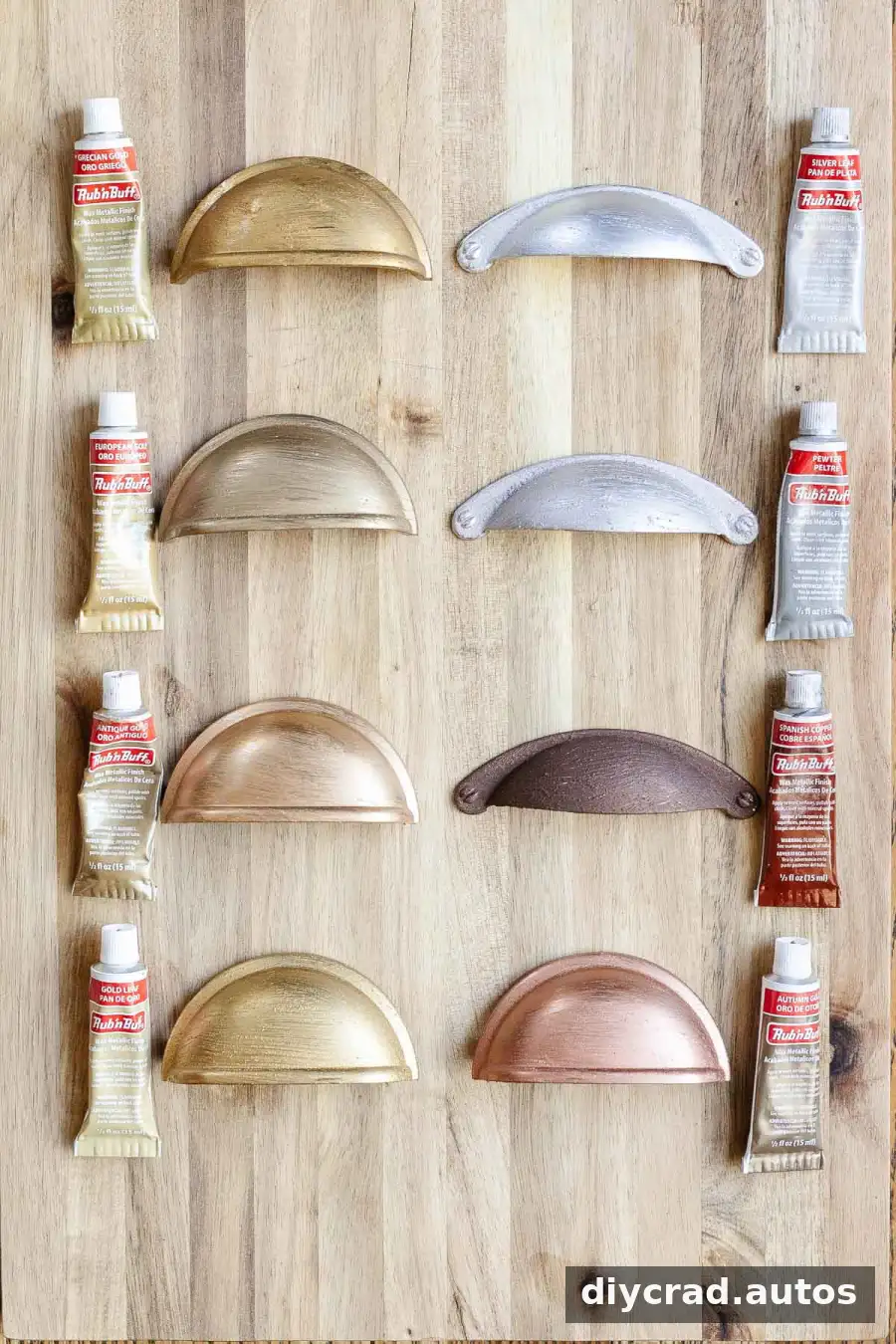
Choosing between Rub n Buff colors is simpler when you compare their undertones, brightness, and overall effect. The metallic finishing wax includes shades from vivid yellow gold and cool champagne to subdued silver and aged copper. Use this guide to select a color for frames, fixtures, hardware, and decorative projects, and to understand the basic steps for applying it.
What Is Rub n Buff?
Rub n Buff is a metallic finishing wax, not a conventional paint. Its formula combines carnauba waxes with fine metallic powders and pigments. When a thin layer is spread over a suitable surface and gently buffed, it develops a reflective metallic sheen.
The final appearance depends on more than the shade in the tube. Surface texture, preparation, application thickness, and lighting can all influence how the finish looks. Before working on a whole item, test a small hidden area or a sample made from a similar material.
Suitable Surfaces and Projects
This wax finish can be used to refresh many small household details and decorative objects, including:
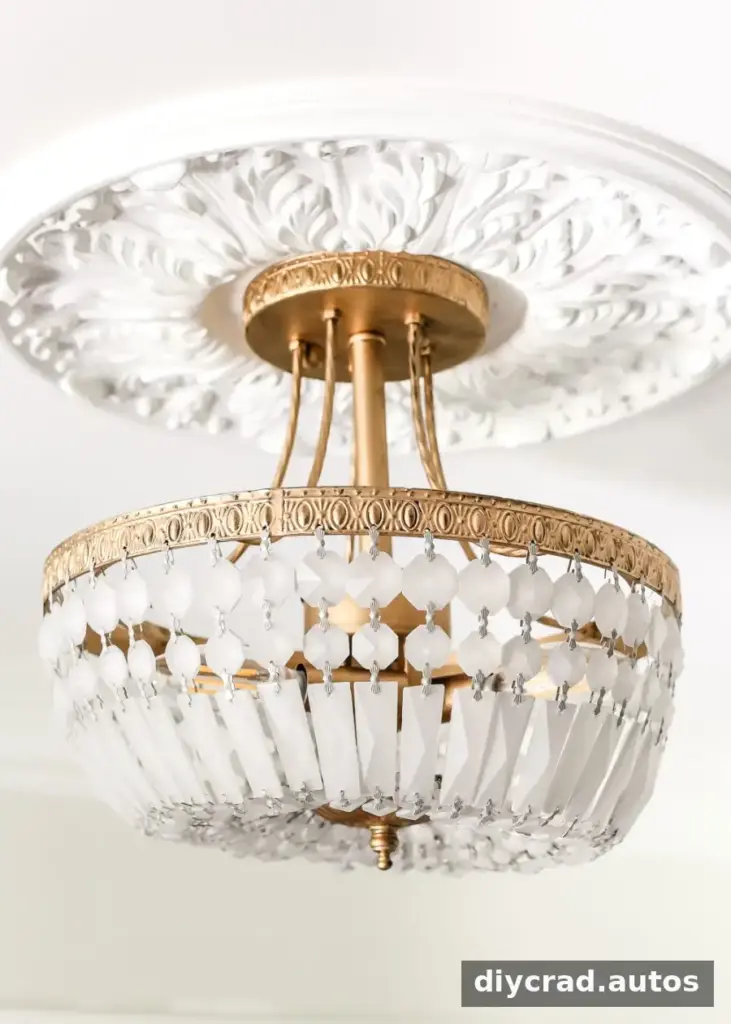
- Light fixtures and lamps
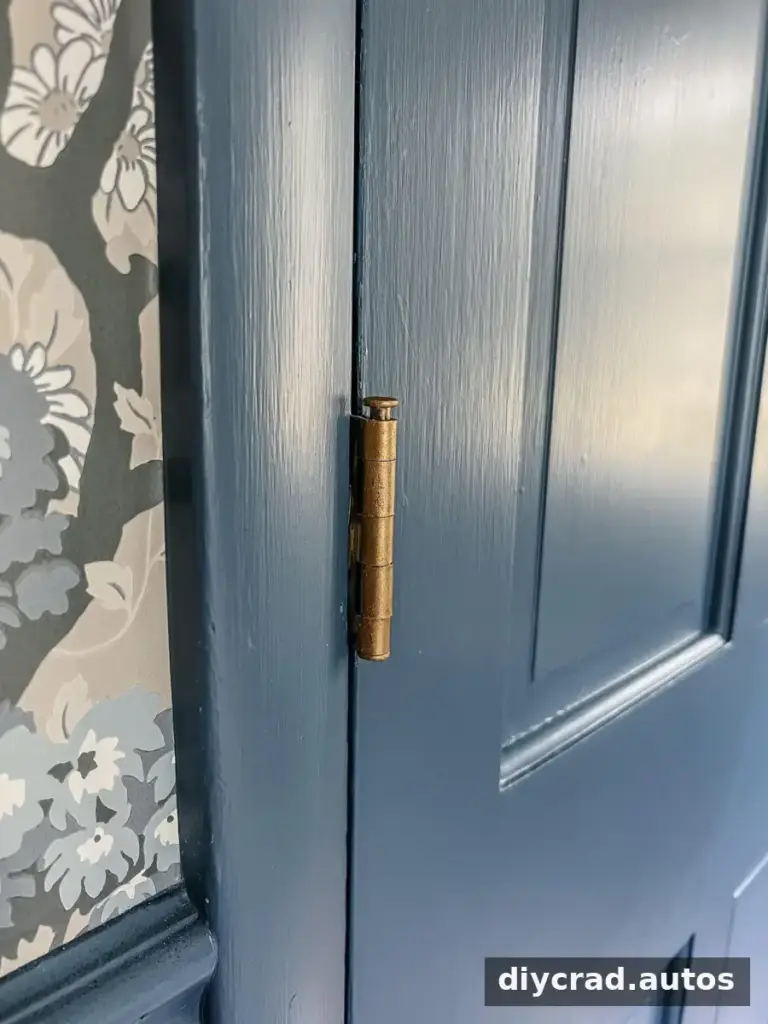
- Furniture hardware, door hinges, and knobs
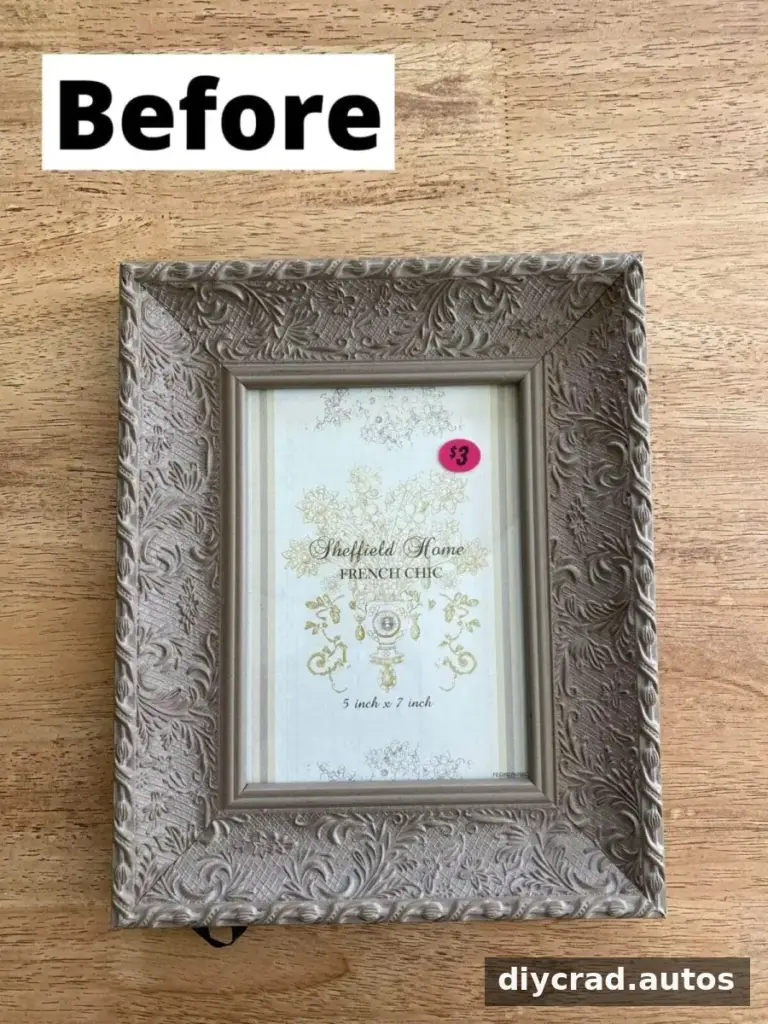
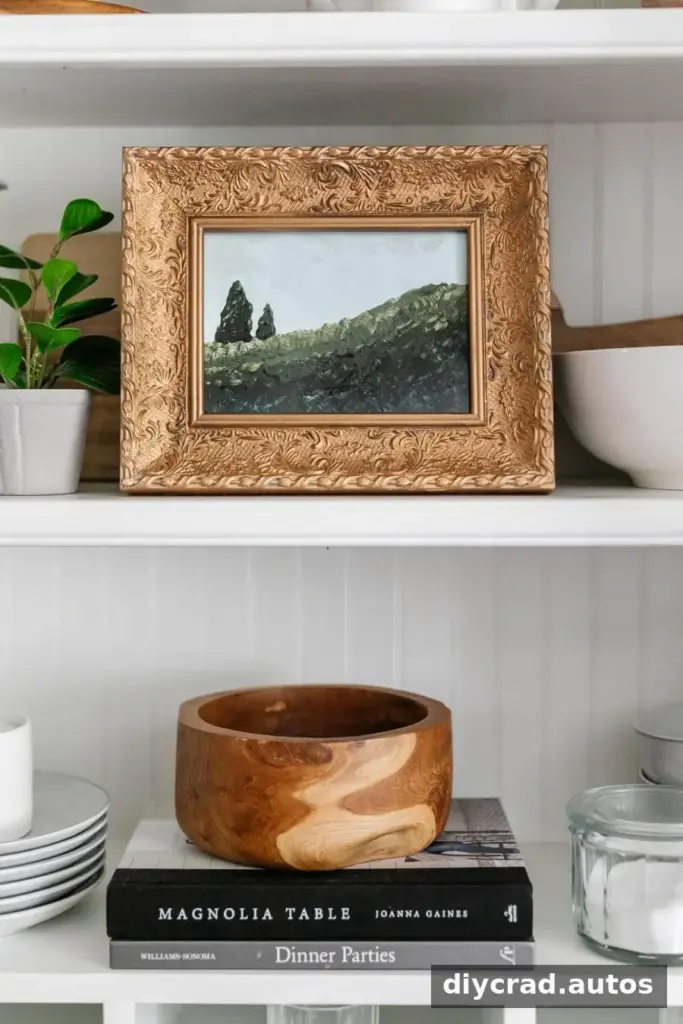
- Picture and mirror frames
- Planter pots and Christmas ornaments
- Visible screws and other small accents
It can be applied to metal, wood, plastic, ceramic, and glass. Prepare the surface with its material in mind, and consider how much handling the finished item will receive. A picture frame is usually touched less often than a door knob, so wear is more likely to become noticeable on frequently handled surfaces.
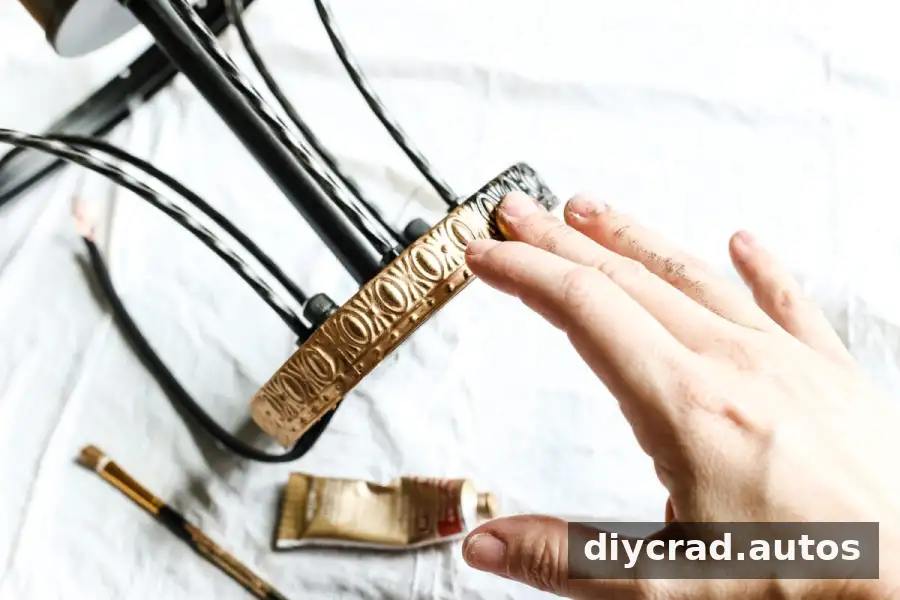
For a simple update, a metallic finish can give an existing fixture or accessory a more decorative look without replacing it. Clean the item first and make sure it is dry before applying the wax.
How to Apply Rub n Buff
Primer is not required for every project. Light sanding can help the wax adhere to a smooth surface and can make it easier to spread and buff evenly. Use only a small quantity; a little product can cover more area than expected.
- Place a pea-sized amount on a soft cloth or a gloved finger. Gloves help keep the wax off your skin.
- Spread a thin layer over the surface, working carefully around edges and decorative details.
- Wait about 30 seconds, then buff gently with a soft cloth to bring out the metallic luster.
A small paintbrush can help apply the wax to narrow grooves and intricate shapes. If the surface is very smooth and the product is difficult to distribute, sanding may make the application more manageable. Avoid applying a heavy layer, since excess wax can look uneven or be harder to buff.
Related project: Updating door hinges with a metallic finish
How to Compare the Shades
For a useful color comparison, prepare every test surface in the same way and apply a similarly thin layer. Uneven preparation can affect both the color and sheen: wax on an unsanded smooth surface may be difficult to buff and can appear thick, dull, or patchy.
Lighting and the underlying surface can also change the way a shade appears. If you are trying to coordinate with existing hardware, test the finish in a discreet spot before treating the entire piece. Let the sample settle and view it in the lighting where the item will usually be seen.
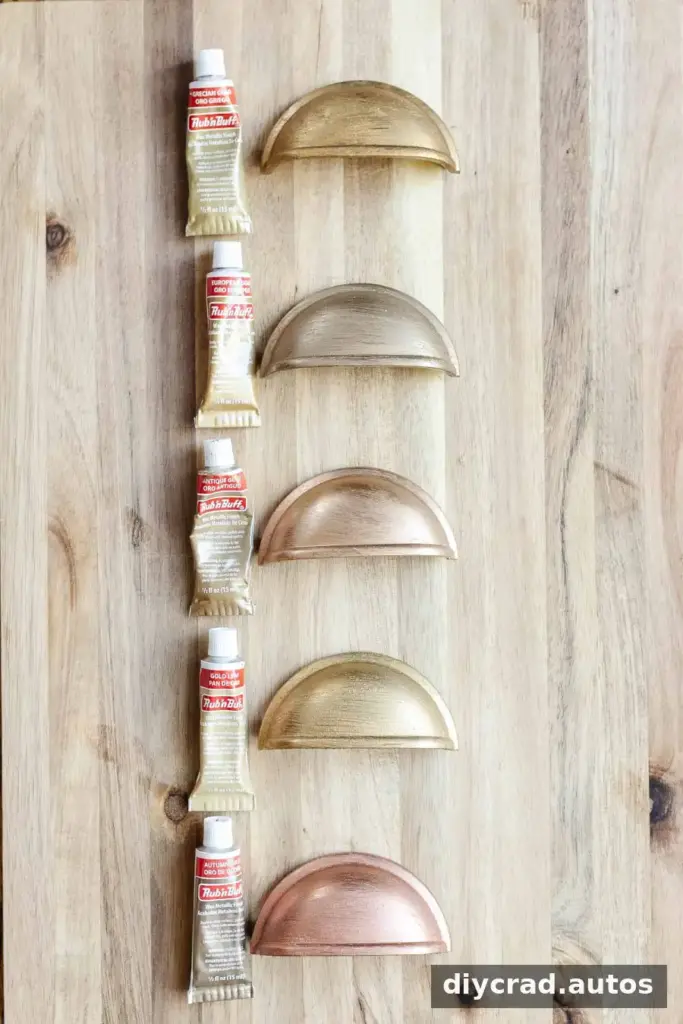
Rub n Buff Colors: Gold Shades
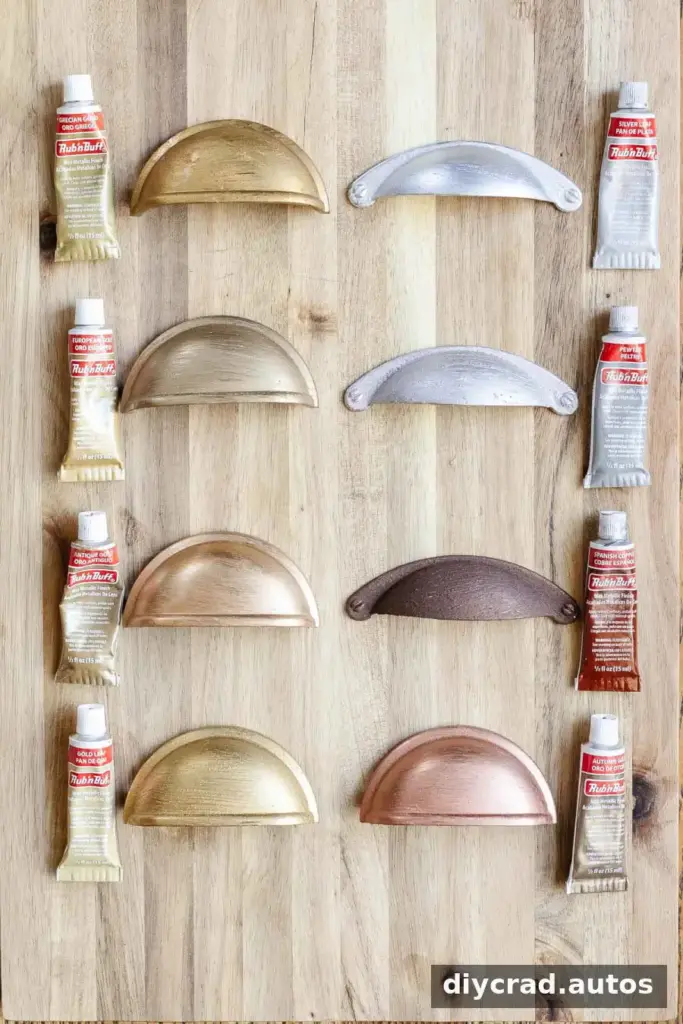
The five gold-family shades differ in warmth, intensity, and undertone:
- Grecian Gold: A warm gold that leans toward bronze. It can work well when you want an aged feel without a pronounced copper cast.
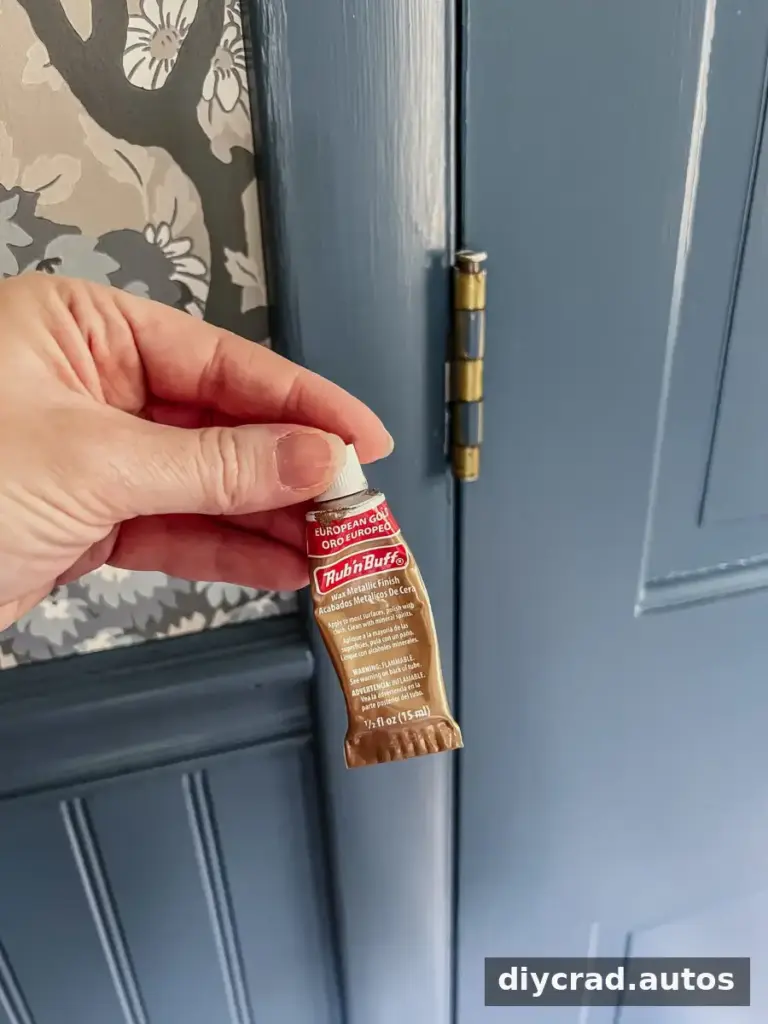
- European Gold: A cooler, softer champagne gold. Consider it for a restrained gold tint rather than a vivid yellow finish.
- Antique Gold: A brighter gold with a slight pink or copper undertone.
- Gold Leaf: A vivid yellow-gold shade with an appearance similar to new brass.
- Autumn Gold: Although it is part of the gold range, its strong red undertone can make it look like bright copper.
European Gold or Antique Gold?
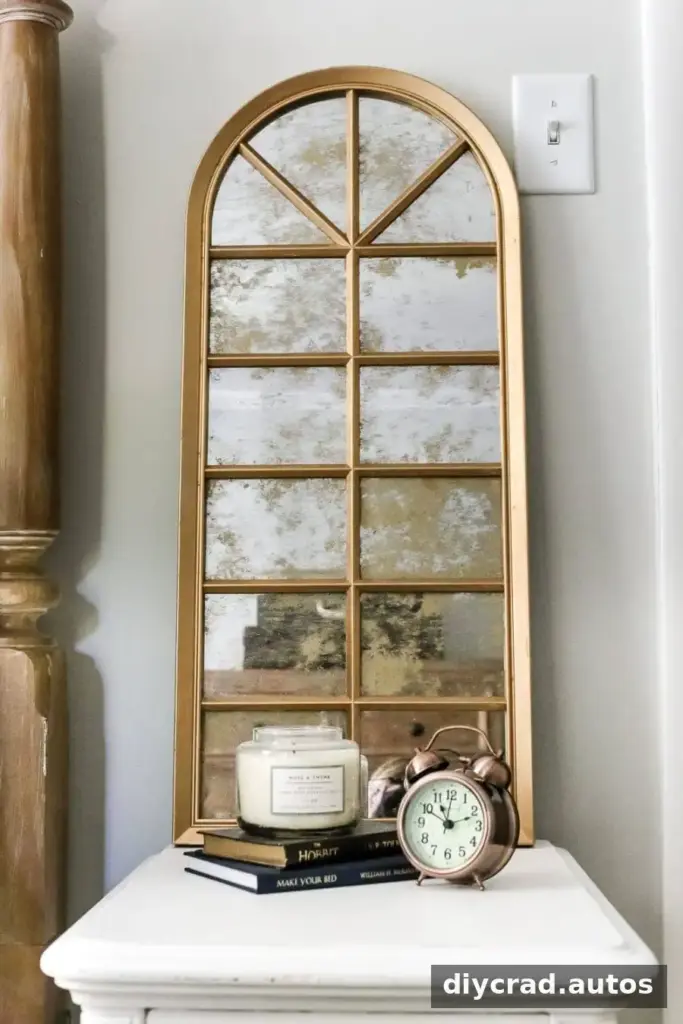
European Gold is less saturated and less yellow than Antique Gold, which appears brighter and more distinctly golden. For a softer, champagne-like result, European Gold may be a closer fit; choose Antique Gold when you want a stronger gold effect. If matching other finishes matters, compare both on the project surface before deciding.
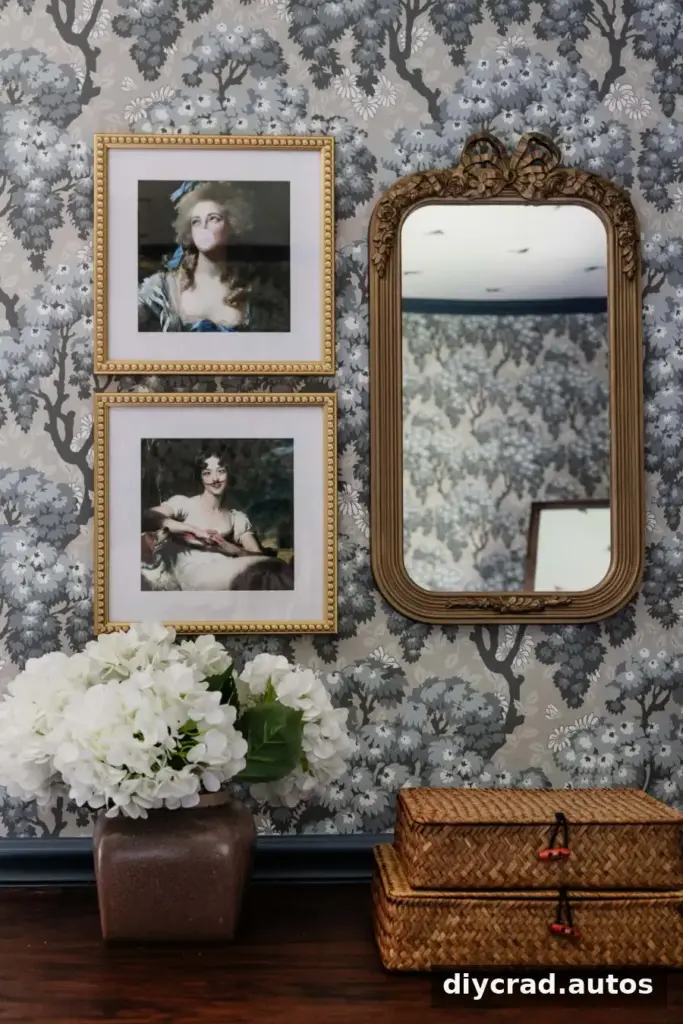
Antique Gold has a brighter, more yellow appearance than European Gold.
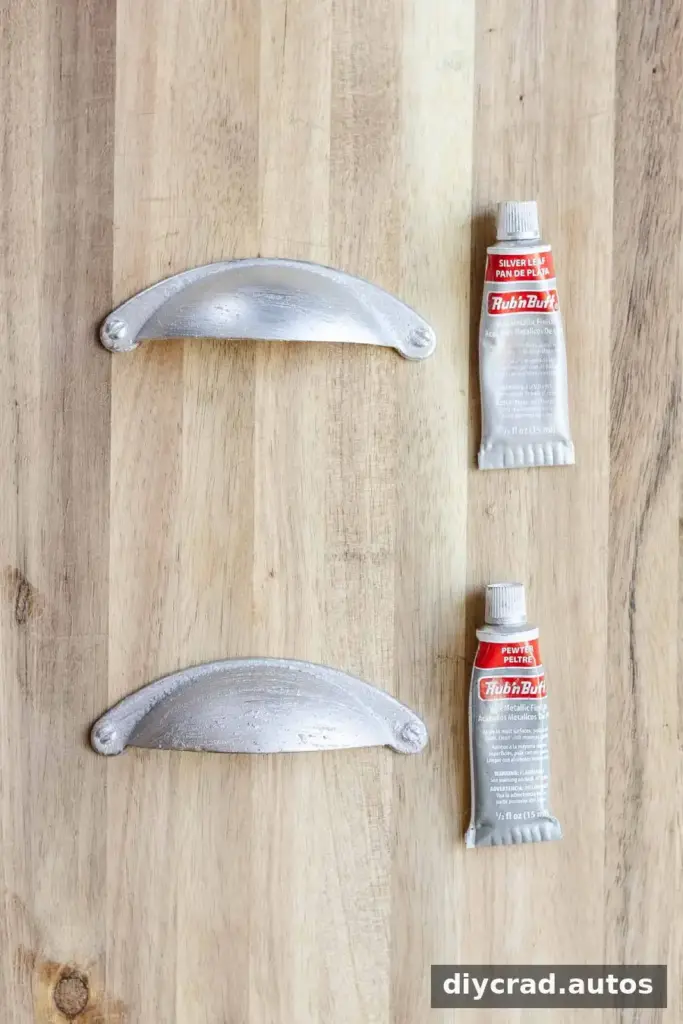
Rub n Buff Colors: Silver Shades
The silver options offer different levels of brightness and age:
- Silver Leaf: A clean, bright silver with a fresh metallic look.
- Pewter: A softer, more subdued silver with an aged appearance and less luster.
Consider the neighboring colors and materials when choosing between them. Silver Leaf is more noticeable and reflective, while Pewter can blend more gently with decor intended to look antique. Testing a small patch helps you judge the contrast in the room’s lighting.
Rub n Buff Colors: Copper Shades
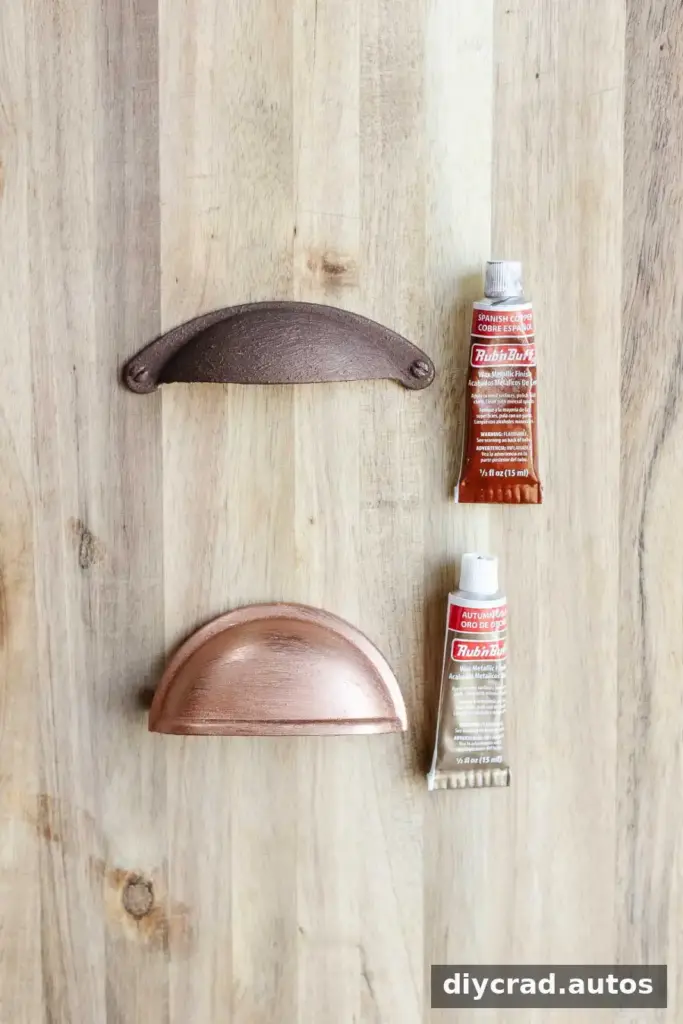
Autumn Gold is useful to compare with Spanish Copper. Despite its place in the gold family, Autumn Gold’s red undertone gives it a copper-like appearance.
- Spanish Copper: A darker copper shade with a bronze-like, aged or patinated effect.
- Autumn Gold: A brighter, newer-looking copper tone without the same aged impression.
Spanish Copper is a closer choice for a weathered or antique look. For a more vivid, fresh copper effect, compare Autumn Gold on a properly prepared sample. Keep the surrounding finishes in mind, since a strong copper tone can stand out against cooler metals.
Frequently Asked Questions
What is Rub n Buff used for?
It adds a dimensional metallic finish to decorative objects and household details such as frames, fixtures, and hardware. Because it is a wax-based finish with metallic powders, its appearance differs from ordinary paint.
Can Rub n Buff wear off?
The finish can wear over time, especially on items that are handled frequently, such as door knobs. Consider how much contact a surface receives when choosing where to use it, and take extra care with preparation on high-touch items.
Should I sand before applying Rub n Buff?
Sanding can improve grip on smooth surfaces and help the wax spread and buff more evenly. On frequently handled items, sanding and priming are important considerations for adhesion. For objects that are rarely touched, such as picture frames or light fixtures, sanding may still help with application, while primer may not be necessary.
Choosing the Right Rub n Buff Color
The best Rub n Buff colors depend on the finish you want and the surface you are updating. Bright gold or Silver Leaf can create a clean metallic effect, while Pewter, Grecian Gold, and Spanish Copper offer more subdued or aged-looking options. Prepare the surface, apply a thin coat, and test your chosen shade in an inconspicuous place before finishing the full project.

