


Sensory integration at home can be as simple as making small choices that help a space feel comfortable and welcoming. Interior design often focuses on what a room looks like, but scent, sound, texture, color, and light also influence how people experience it. A few thoughtful adjustments can make everyday rooms feel more restful without requiring a major makeover.

Why Sensory Integration at Home Matters
Our surroundings can affect how comfortable or stimulated we feel. A room with harsh lighting, strong odors, or scratchy fabrics may be unpleasant for some people, while softer textures, gentle sounds, and a preferred level of light can make a space feel easier to use.
Sensory preferences vary from person to person, so there is no single design that works for every household. Treat these ideas as options to adapt, rather than rules. If someone in your home is sensitive to particular smells, sounds, or materials, ask what feels comfortable before making changes.
These suggestions are about everyday comfort and do not replace occupational therapy or other professional care when that is needed.
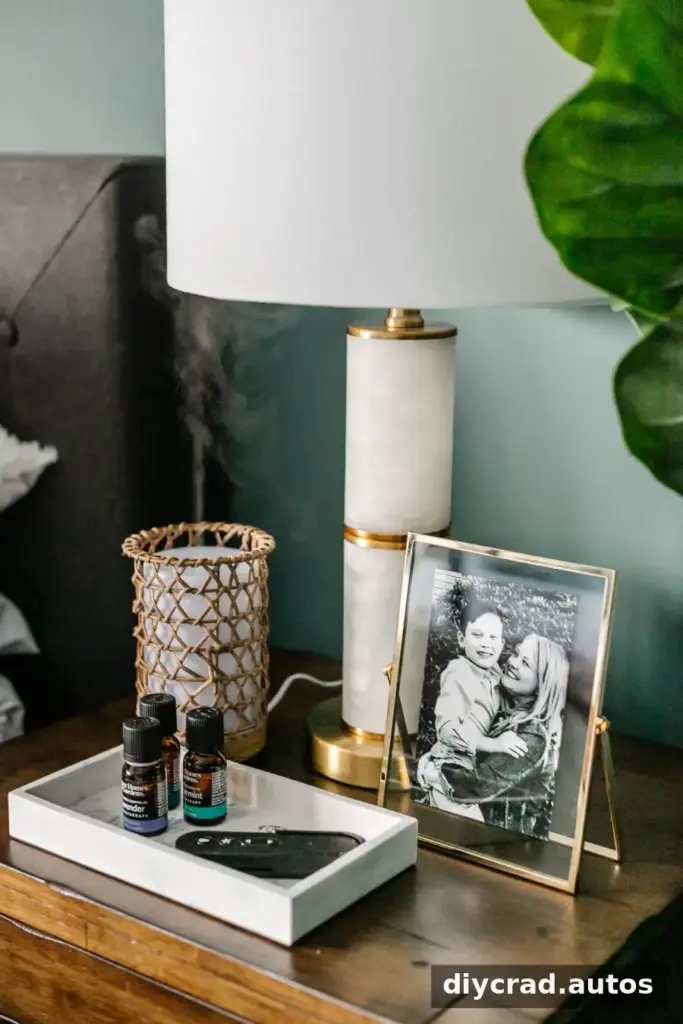
1. Choose Comfortable, Subtle Scents
A fresh-smelling home does not need to rely on strong artificial fragrances. Start with simple steps such as opening a window briefly when weather and outdoor air quality allow, washing household fabrics regularly, and keeping bins clean. Baking soda can also help absorb odors in some places, such as the bottom of a dry trash can.
- Air out rooms when practical, while considering outdoor conditions and household allergies.
- Use charcoal odor-absorbing bags in closets or drawers according to their instructions.
- Keep houseplants only if they are suitable for the room and safe around children and pets.
- If using essential oils or a diffuser, check product guidance and confirm the oil is safe for any pets in the home. Stop if anyone experiences irritation or discomfort.
Try one change at a time. This makes it easier to notice whether a scent or air-freshening method actually feels pleasant to everyone.
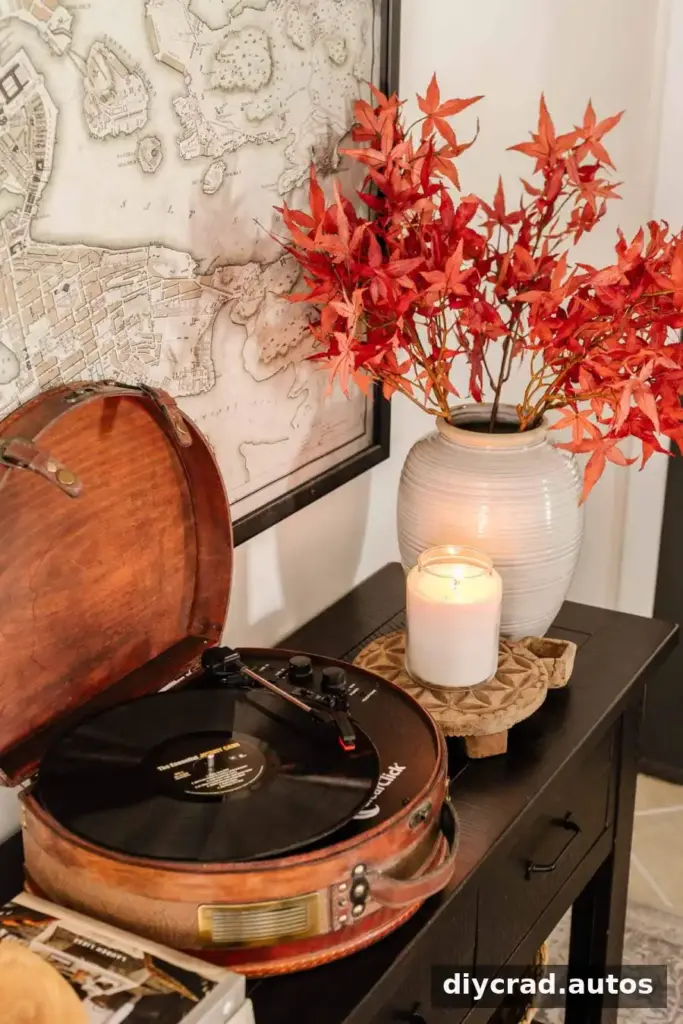
2. Add Relaxing Sounds
Music or gentle background audio can help set the mood in a room. Choose a playlist that suits the activity: quiet instrumental music for winding down, or more upbeat tunes for household tasks. Keep the volume low enough for conversation and take breaks from sound if it becomes tiring.
Not everyone finds music relaxing. Some people prefer quiet, soft nature sounds, or simply less background noise. A practical approach is to make audio optional and let household members choose what works for them.

3. Bring in Soft, Comfortable Textures
Textiles add warmth and give people options for comfort. A soft throw, cushion, or bedding layer can make a seating area feel more inviting. For a fuller-looking cushion, an insert slightly larger than its cover may provide extra loft, as long as the result remains comfortable and easy to use.
Natural and breathable fabrics may suit some people, while others prefer different materials. Common options include:
- Cotton
- Bamboo fabric
- Flannel
- Linen
- Fleece
- Jersey knit
Before buying several items, feel the fabric in person if possible and check care instructions. Removing scratchy tags or choosing washable covers can also make textiles easier to live with.

4. Use Color to Set a Room’s Mood
Color can influence the way a room is perceived, although responses are personal and shaped by culture, memories, and individual preference. Think about how you want a space to feel, then test paint samples in the room before committing. Colors can look different depending on the time of day and the available light.
- Red: Often associated with energy and warmth; a strong shade may feel intense.
- Orange: Can suggest enthusiasm, creativity, and sociability.
- Yellow: Often linked with optimism and brightness; large areas of vivid yellow may feel overstimulating to some.
- Green: Commonly associated with balance, nature, and renewal.
- Blue: May create a calm impression, while darker shades can feel more formal.
- Purple and pink: Lighter tones can create a gentle or soothing look; deeper shades may feel dramatic.
- Brown: Often gives a room an earthy, grounded quality.
- Black, white, and gray: These neutrals can feel elegant, simple, or calm, but their effect depends on how they are balanced with other colors.
If you like a bold color but are unsure about using it across a whole room, try it on a smaller wall or introduce it through accessories first.
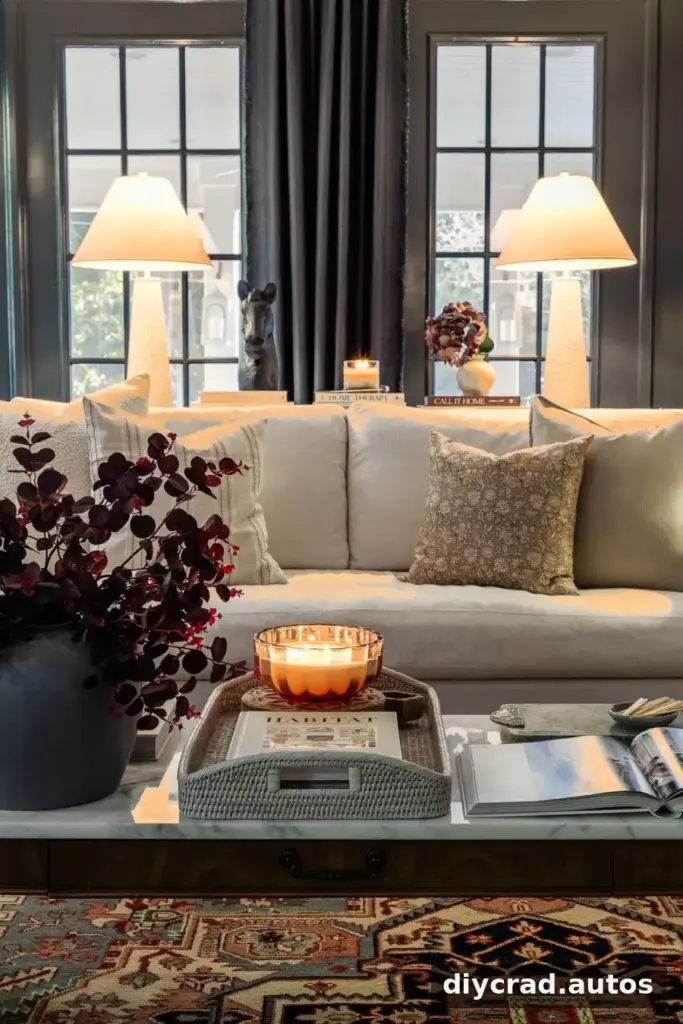
5. Pay Attention to Light Bulb Color
Lighting changes both how a room looks and how comfortable it feels. Warm-toned light is often used to create a cozy atmosphere, while cooler, brighter light can be useful for tasks that require clear visibility. The best choice depends on the room, the activity, and personal preference.
A 3000K bulb can be a middle-ground option for people who find very yellow or very blue light unpleasant. Consider testing one bulb before replacing all the lights. During the day, open curtains or shades when practical to bring in natural light, and use window coverings to reduce glare when needed.
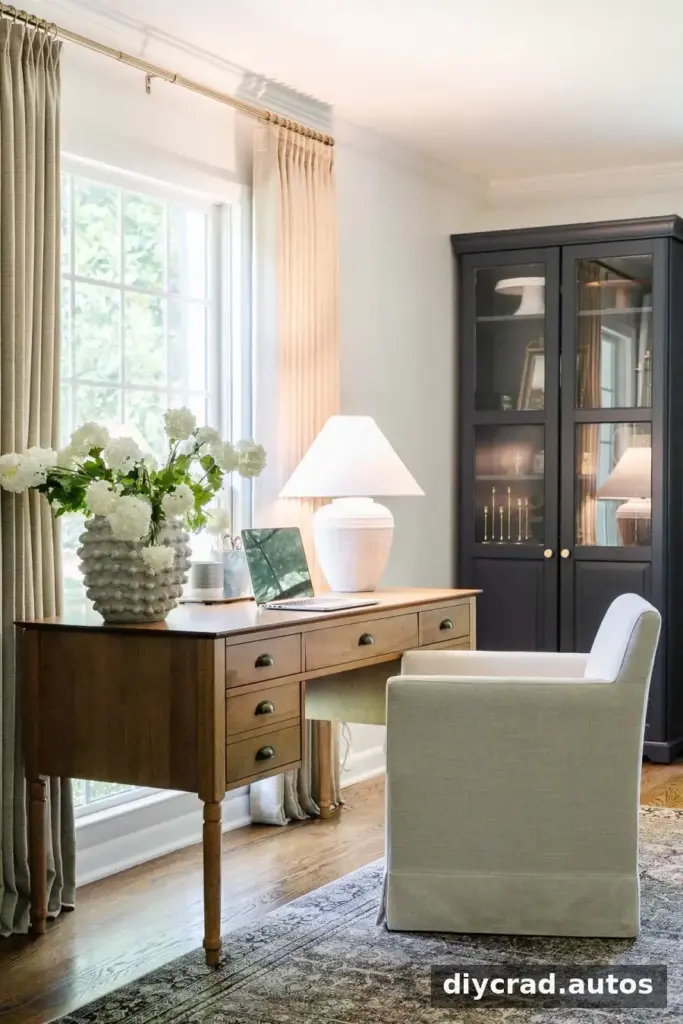
Make Sensory Integration at Home Personal
Taste can contribute to a welcoming atmosphere too: the aroma of coffee or freshly baked food may feel comforting to some people. Keep food preferences, allergies, and household routines in mind, and remember that pleasant scents are not enjoyable for everyone.
Start with one or two small adjustments, such as a softer blanket, a preferred playlist, or a more comfortable bulb. Notice how the change feels and adapt it to the people who use the room. Sensory integration at home is most useful when it reflects individual needs rather than a fixed design formula.

