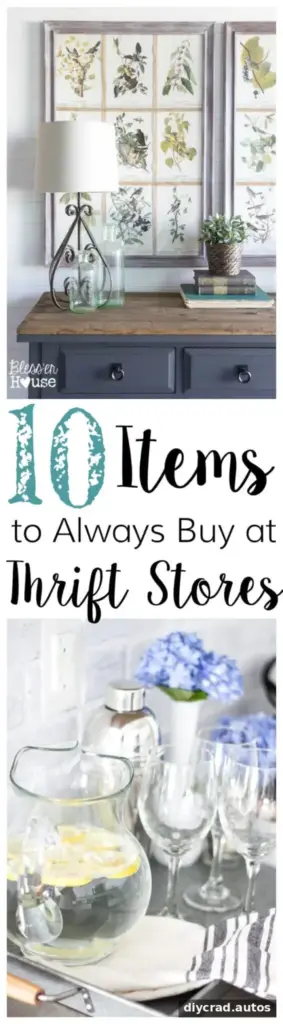
Thrift store finds can add character to a home without the cost of buying everything new. From frames and mirrors to sturdy wood furniture, many secondhand pieces can be used as they are or refreshed with a simple project. A little patience and a careful inspection help you spot useful items while avoiding purchases that may need more work than expected.
10 Thrift Store Finds to Look For
Before shopping, consider what your home actually needs and measure the available space. A short list can help you focus on pieces that will be useful rather than bringing home items without a plan.
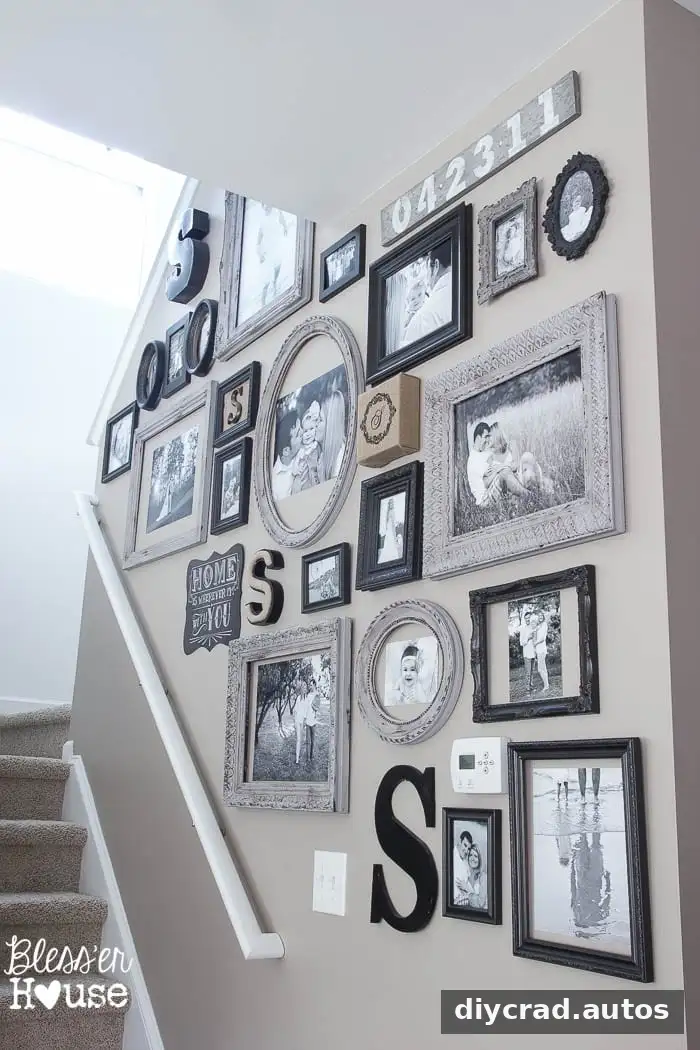
1. Frames and wall decor
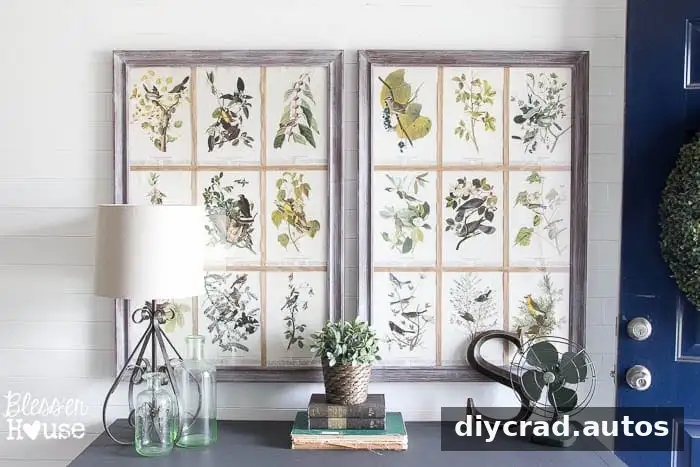
Thrift stores often have picture frames in a range of sizes and styles. Check that the frame is sturdy and that its glass, backing, and hanging hardware are present. A coat of spray paint or chalk paint can help coordinate a frame with your room, while leaving an attractive finish as it is can preserve its original character.
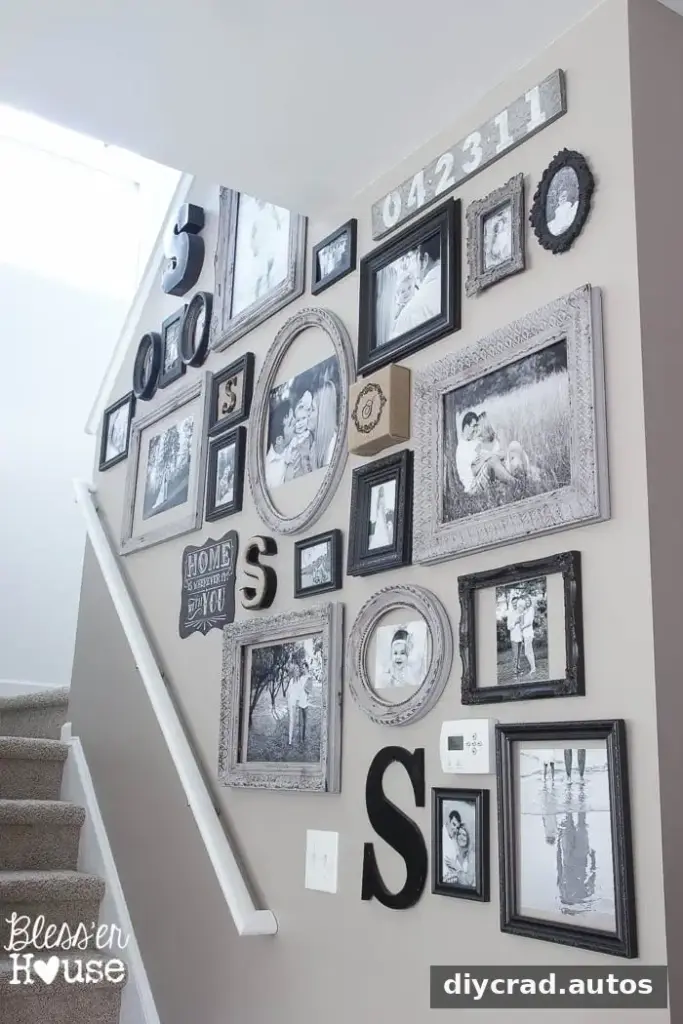
2. Mirrors
A mirror can work as both a practical accessory and a decorative focal point. Look for a secure frame and inspect the reflective surface for damage. If the frame suits your space but the mirror does not, it may be possible to remove the mirror carefully and use the frame for artwork instead. Wear gloves and take care around glass.
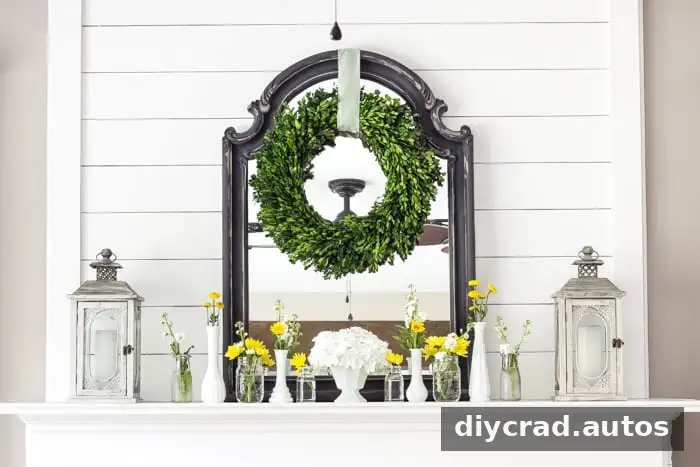
3. Vases, bottles, and candle holders
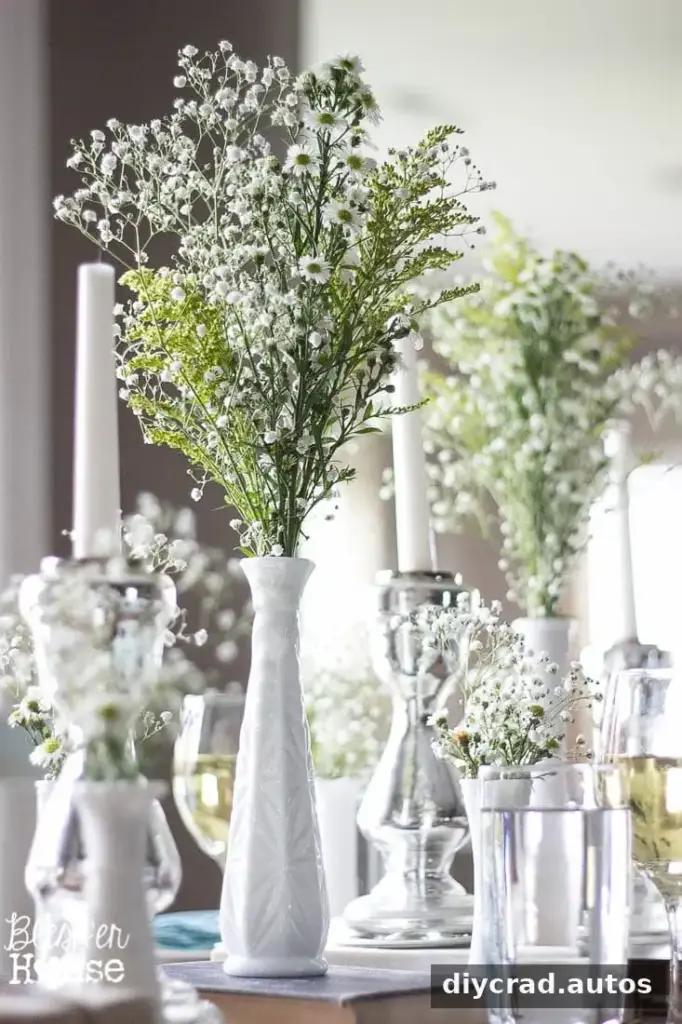
Glass and ceramic vases, jars, and bottles can be grouped on a shelf, mantel, or table, or used to display flowers. A few pieces in different heights can create variety; too many in one area may look cluttered. Check for chips, cracks, and residue, especially around openings and bases.
Candle holders are another useful find. If their finish does not suit your decor, paint may offer an easy update. Make sure each holder sits steadily and is suitable for the candle size you plan to use. Never leave a lit candle unattended.
4. Dome clocks
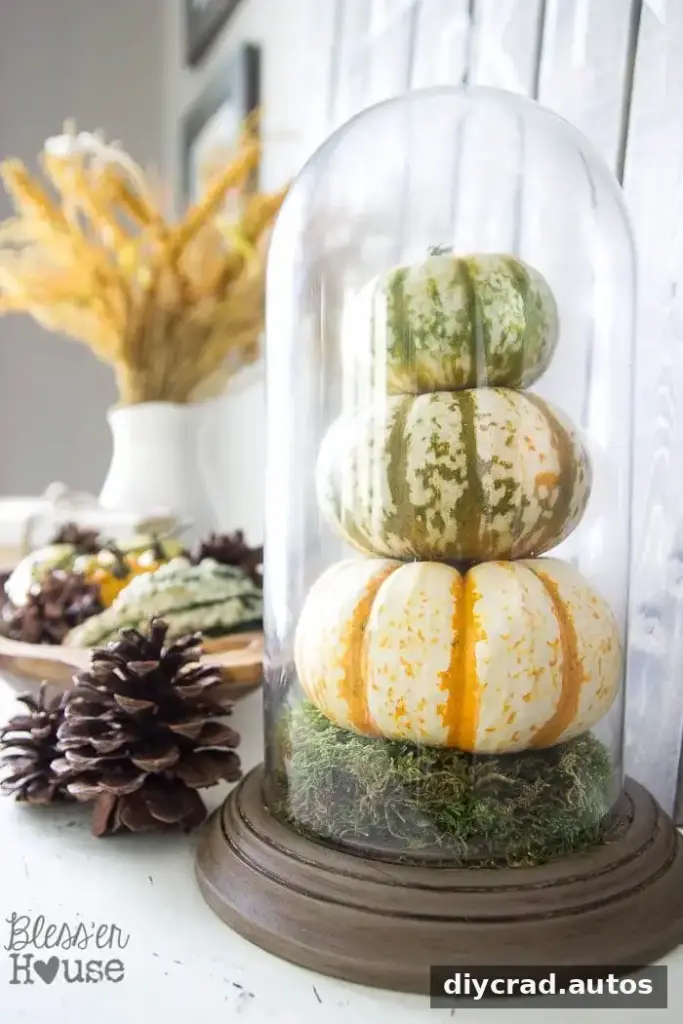
Dome clocks, sometimes called anniversary clocks, can be repurposed as display domes for seasonal decorations. Before buying one for a project, check whether the glass dome is intact and the base is stable. Keep any decorative contents lightweight and avoid placing the finished display where it could be easily knocked over.
5. Dishes, pitchers, and servingware
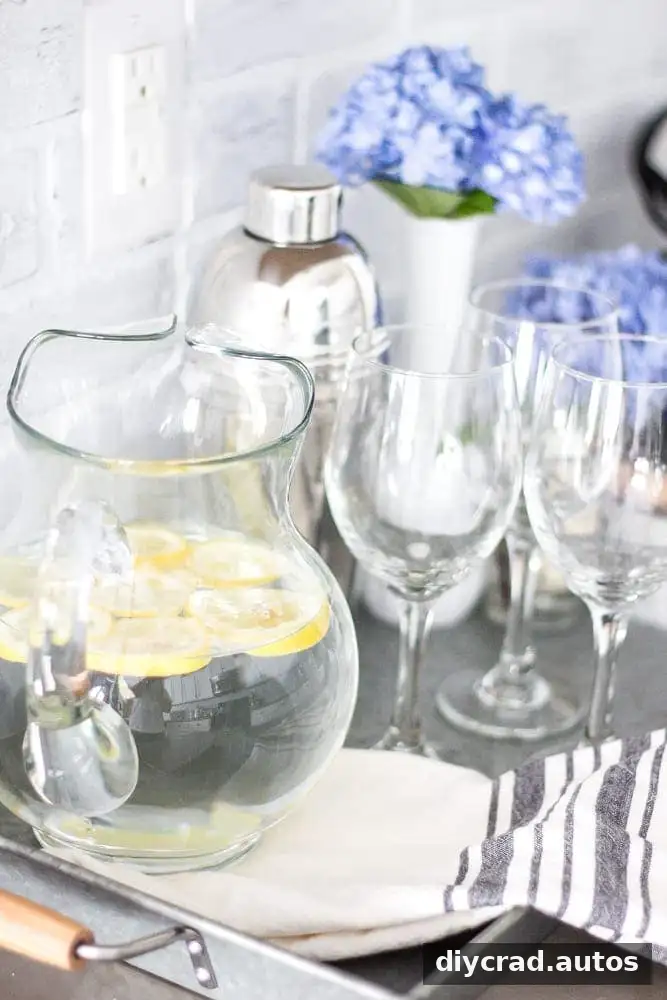
Simple white dishes and clear glass serving pieces are versatile choices for everyday use or entertaining. Inspect each item for cracks, chips, and crazing, and look for matching pieces if you need a set. For food use, check any available markings and avoid using damaged items for serving.
6. Wood furniture
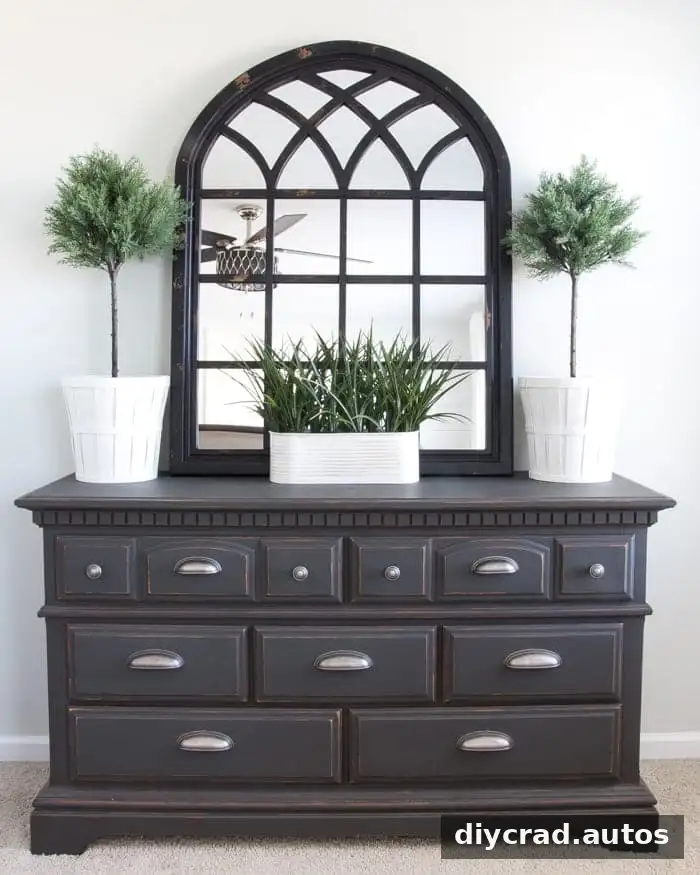
Dressers, tables, and other wood furniture can often be improved with sanding, paint, or replacement hardware. Test drawers and doors, inspect joints, and check that the piece stands level without wobbling. Look closely for water damage, strong odors, or signs of pests. If repairs seem extensive, factor the likely time and cost into your decision.
7. Lamps and light fixtures
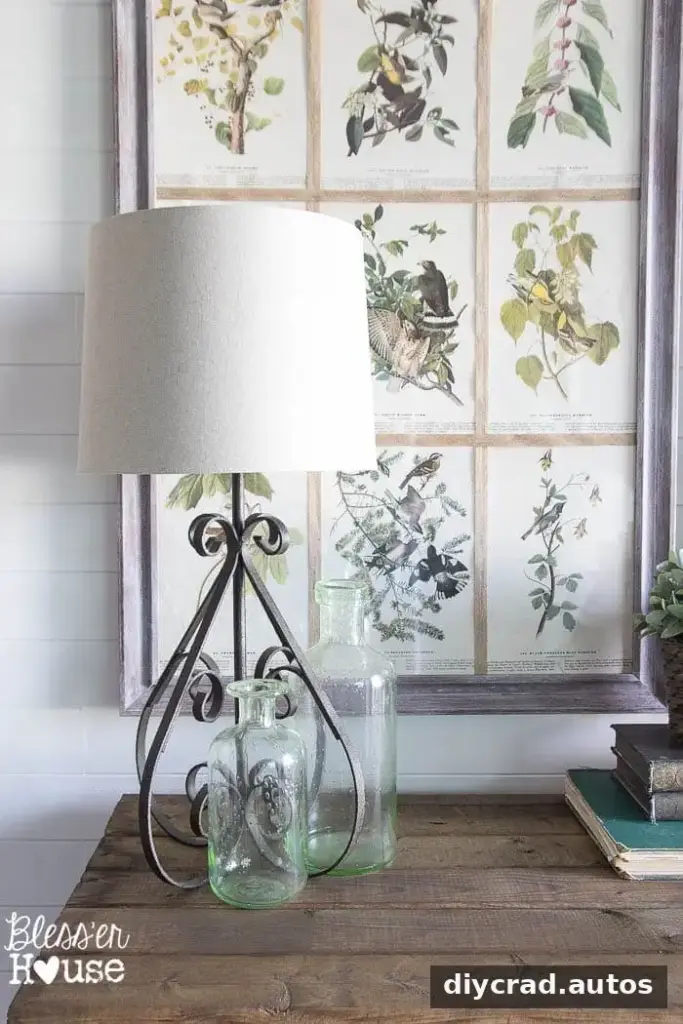
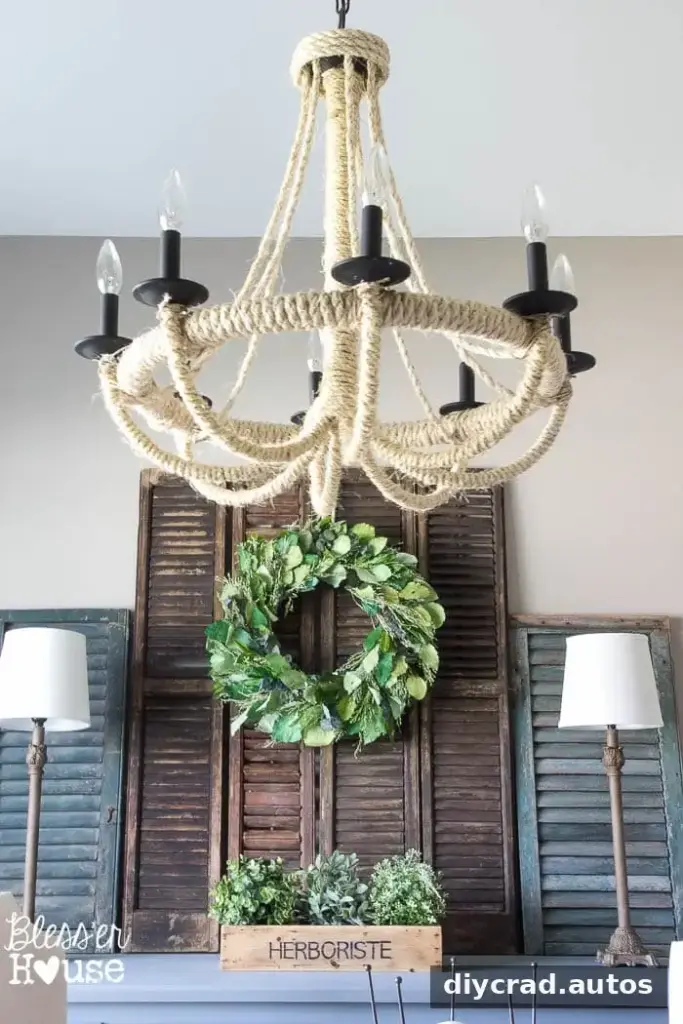
Buy a secondhand lamp only if it can be safely checked. Use an available testing outlet and look over the cord, plug, and socket for visible wear or damage. If the lamp cannot be tested, or its wiring looks questionable, consider having it inspected by a qualified professional before use. A new shade can also change the look of a lamp without altering its electrical parts.
8. Toys
Secondhand toys can be a practical option when they are complete, age-appropriate, and easy to clean. Check for broken parts, sharp edges, loose components, and missing pieces. Be especially cautious with toys for young children, who may put small parts in their mouths. Clean items according to their material and follow any relevant product-safety guidance.
9. Books
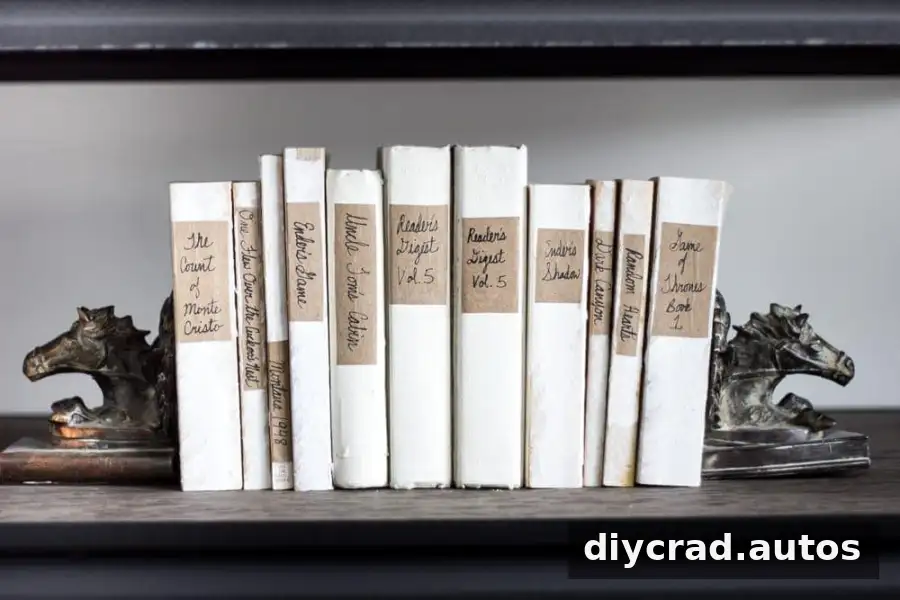
Used-book shelves may include affordable novels, reference books, and older hardbacks. Check that the pages are intact and free of moisture damage before buying. Books with appealing illustrations can also be displayed on a shelf or, if the pages are yours to use, incorporated into a craft project.
Illustrated pages can make distinctive wall art or decorative accents. If you plan to frame a page, consider using a copy or a book that is already damaged rather than cutting up a complete volume in good condition.
10. Baskets, buckets, and trays
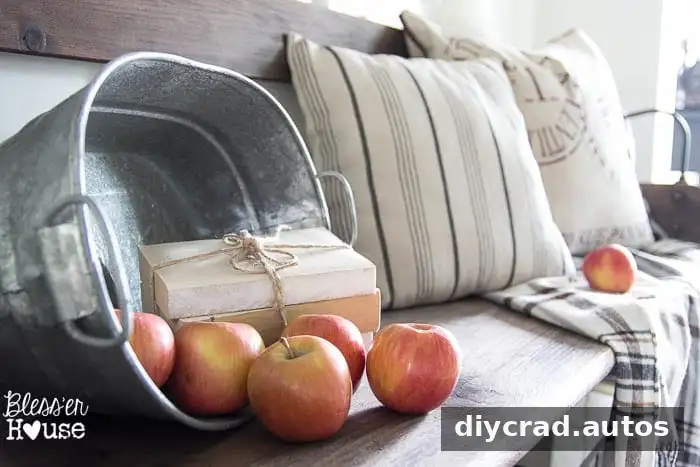
Baskets can organize small household items, buckets can serve as planters when suitable for that use, and trays can gather objects on a coffee table or dresser. Check baskets for loose weaving and trays for stable handles. For planters, make sure the container can manage excess water or use an inner pot to protect it.
Secondhand Items to Inspect Carefully
Some finds require extra caution. Upholstered furniture can be difficult to clean thoroughly and may conceal odors, damage, or pests. Inspect seams and undersides carefully, and pass on anything with signs of insects or an odor that does not clear. A visual check cannot guarantee that an item is free of pests.
Used pillows can also be hard to assess and clean. For a lower-risk decorative option, consider buying a secondhand pillow cover only if it can be washed, or use a new cover with a clean insert. Always follow the care instructions for the fabric.
How to Shop for Thrift Store Finds
- Inspect each item for damage, stability, missing parts, and signs of pests or moisture.
- Check measurements before buying furniture, frames, or large decor.
- Estimate the cost of cleaning, repairs, paint, or replacement hardware.
- Choose pieces that fit your needs and can be safely used for their intended purpose.
The best thrift store finds are useful, in good condition, and suited to your home—not simply inexpensive. With a clear list and a careful inspection, you can discover distinctive decor while avoiding projects that are unsafe or impractical.