

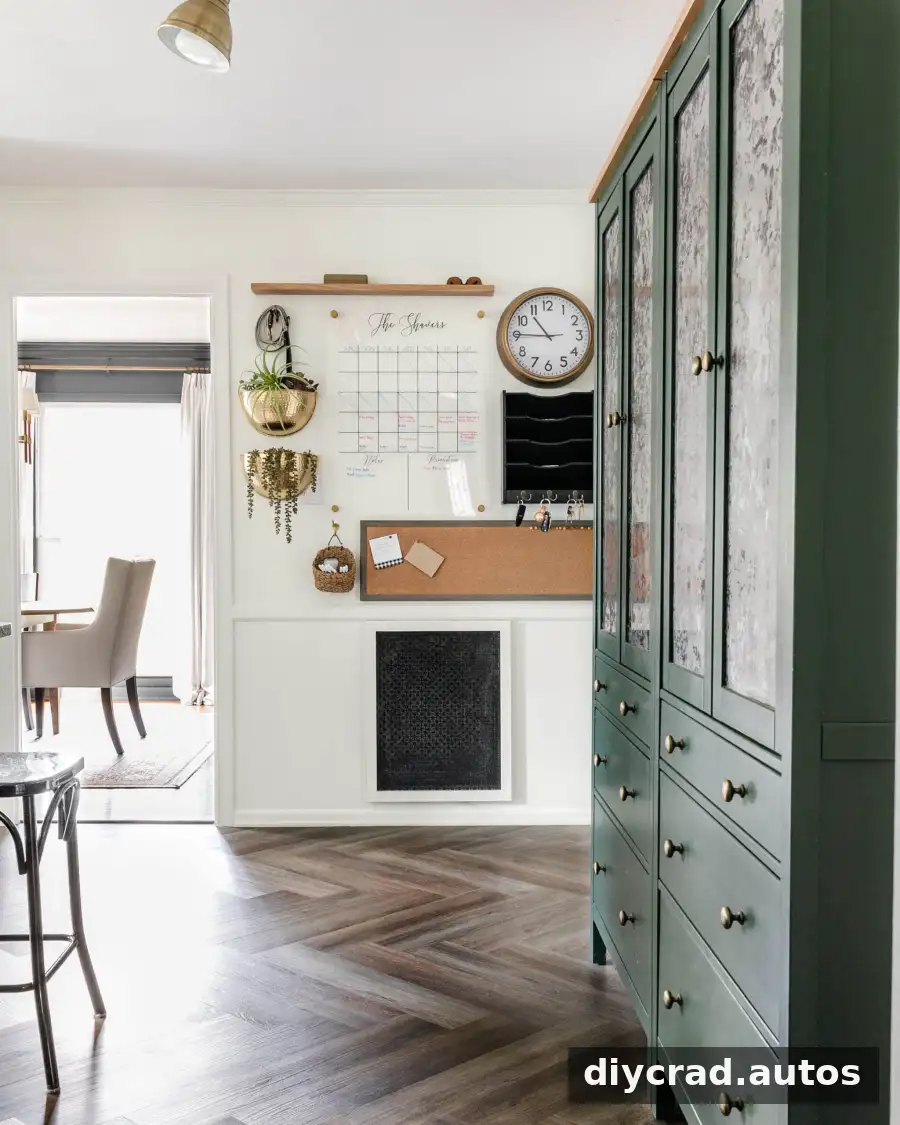
A family command center can make busy days easier by keeping schedules, mail, keys, and everyday essentials in one visible place. With a little planning, a wall or small station near a frequently used entrance can help everyone remember what needs to happen and where important items belong.
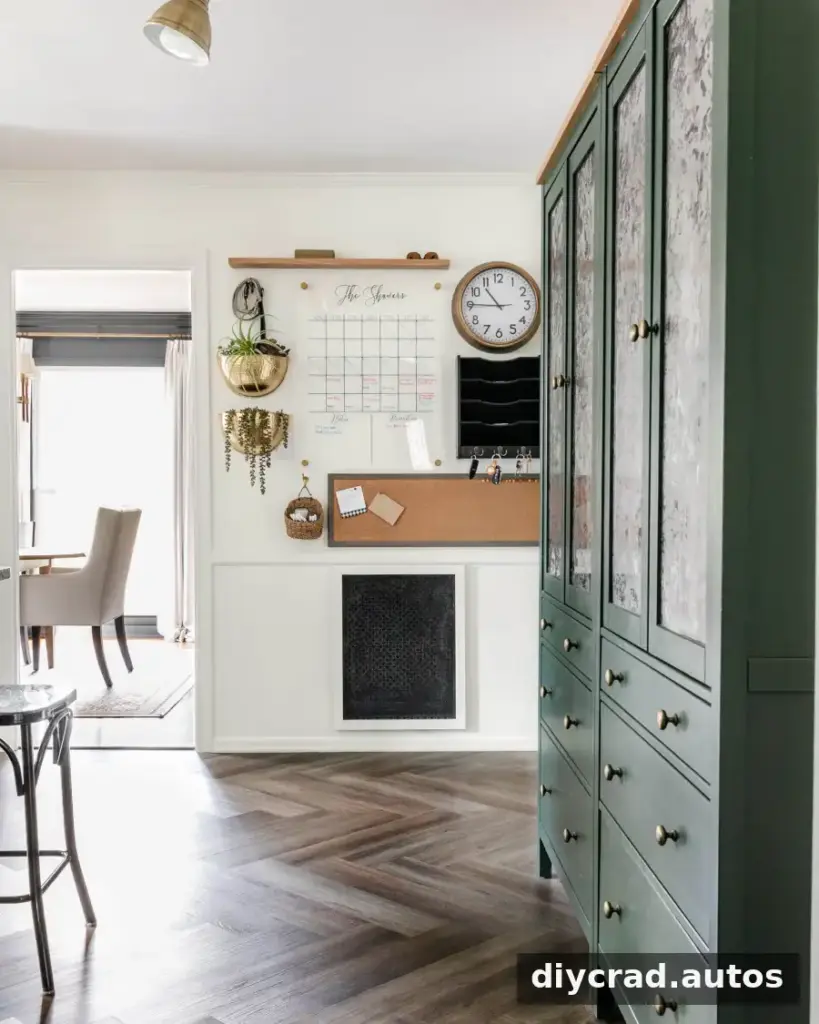
As family routines change, the organization system may need to change too. A well-placed command center can make it easier to check the day’s plans before leaving, put away incoming papers after arriving home, and keep shared reminders in view. Start with a few useful basics, then add or adjust items based on how your household uses the space.
On a hectic morning, a missed lunch or forgotten afternoon activity can disrupt the whole day. A central place for calendars, school papers, and grab-and-go items can reduce the need to search through different rooms. Choose a setup that is simple enough for every family member to use consistently.
If you have an available wall in the kitchen, entryway, mudroom, or laundry room, it may be a good location. Before installing anything, consider the daily route through your home and whether the area is easy to see without blocking doors or walkways.
What Is a Family Command Center?
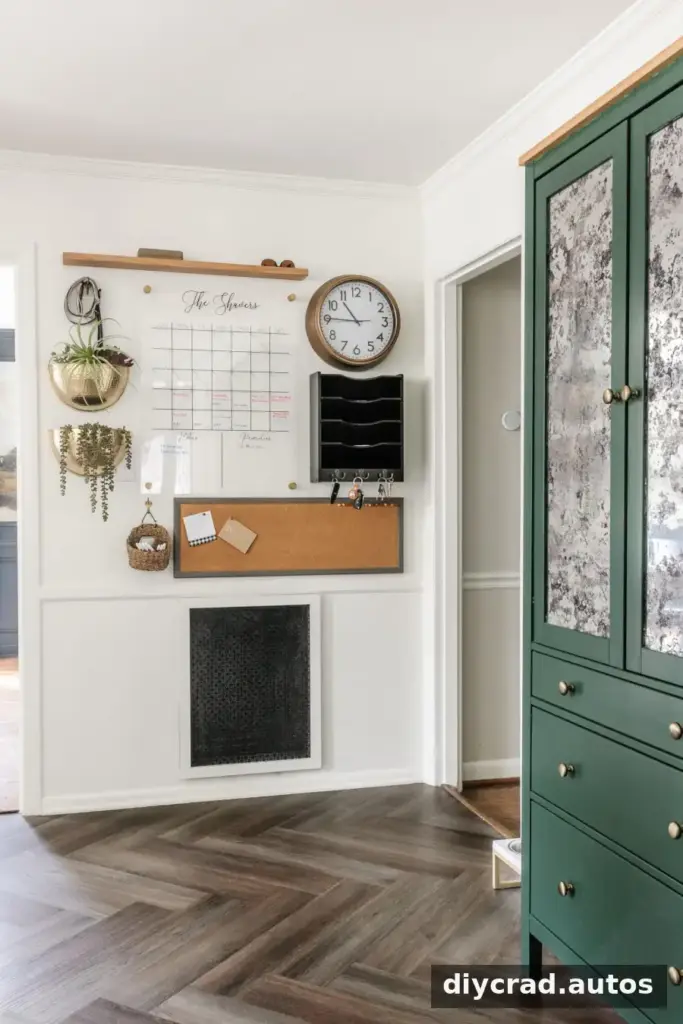
A family command center is a designated wall or station for organizing household information and frequently used items. Depending on your needs, it can hold a calendar, to-do lists, chore charts, grocery lists, mail, school papers, messages, keys, bags, or menus.
Think of it as both an arrival point and a departure point: a place to sort items when you get home and check plans before heading out. To keep it useful, avoid filling it with everything in the house. Give each item a clear purpose and remove outdated papers regularly.
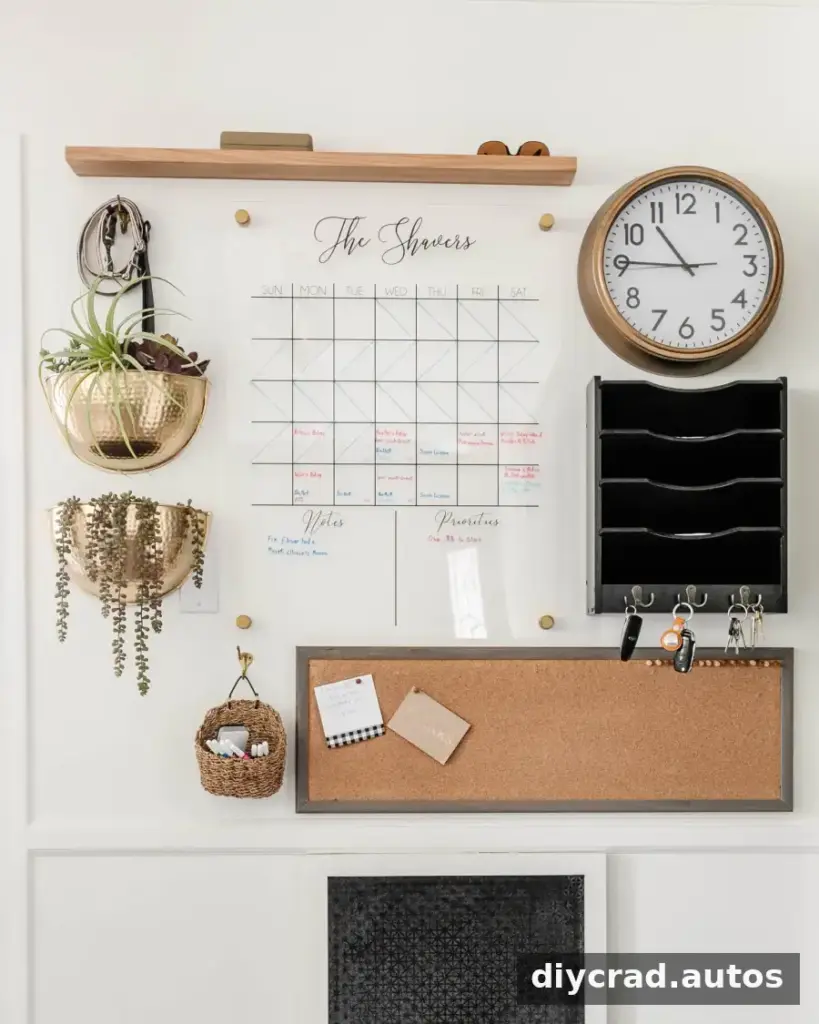
Family Command Center Ideas for an Organized Home
Before choosing organizers, measure the available space and identify the main problems you want to solve. A household that struggles with missed appointments may need a large calendar, while one dealing with paper clutter may benefit more from labeled folders.
1. Choose a Visible, Central Location
A blank wall near the kitchen or entryway often works well because family members pass by it throughout the day. Other options include a home office, mudroom, laundry room, or the inside of a kitchen cabinet door if wall space is limited.
Pick a spot that is easy to reach for both adults and children. Check that there is enough room to write on the calendar and access hooks or trays without creating an obstruction. A small, well-planned area can be more effective than a large station that is inconvenient to use.
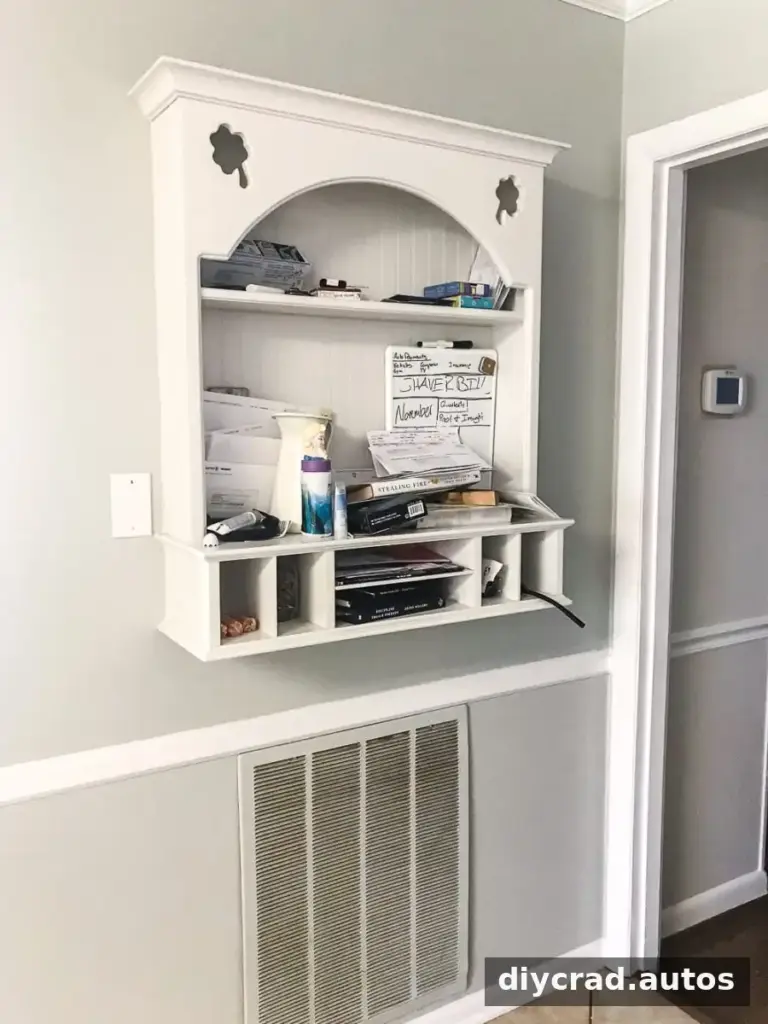
Before adding new organizers, clear the area and decide what needs to be stored there. Removing unused shelves or sorting through old papers can reveal how much space is available and help prevent the new station from becoming another clutter-catching spot.
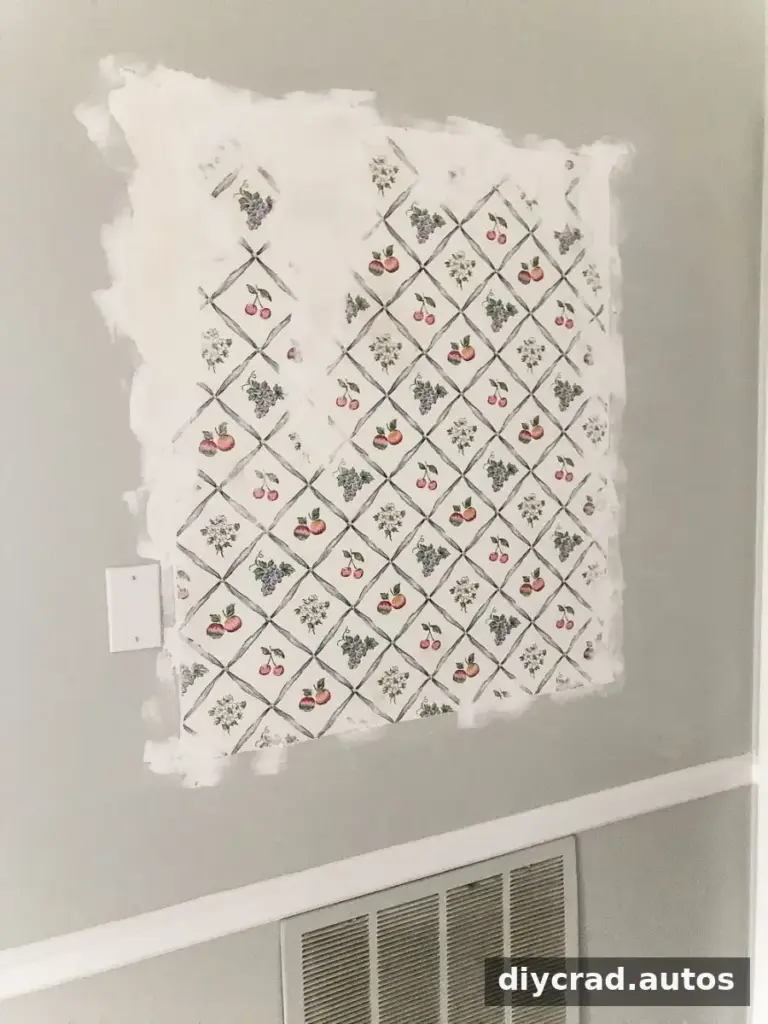
Once the area is prepared, install the pieces your household needs and place frequently used items within easy reach. If you are hanging shelves, hooks, or boards, use suitable hardware for the wall type and follow the product’s installation guidance.
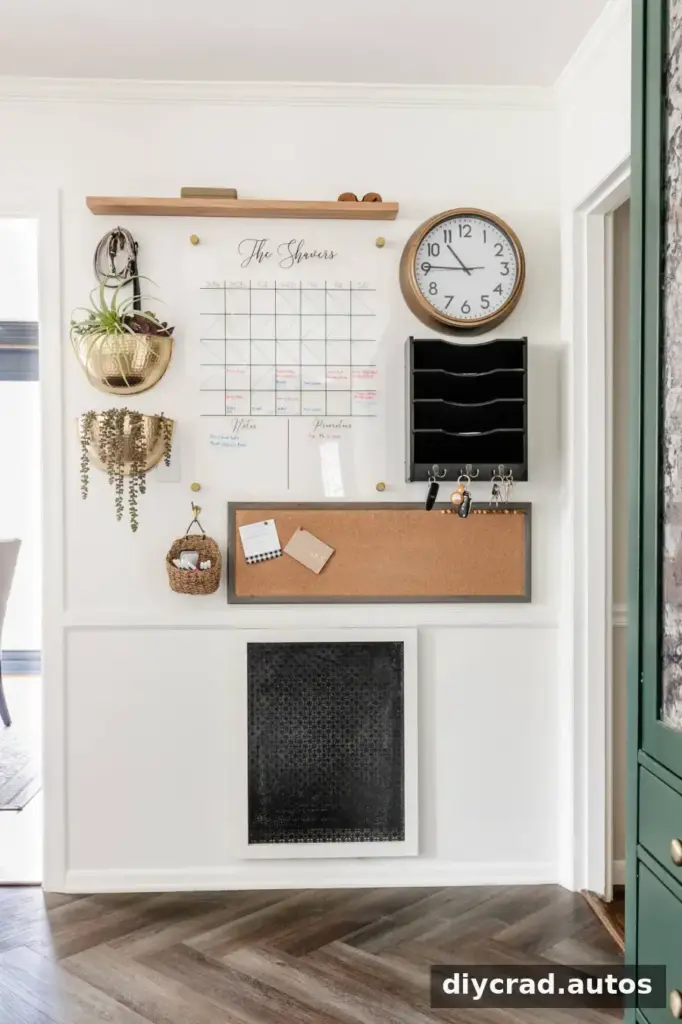
2. Add a Shared Wall Calendar
A wall calendar can bring appointments, school events, activities, and household deadlines together. Choose a dry-erase board, chalkboard, paper calendar, or a peel-and-stick option based on your available space and how often plans change.
Look for a format with enough writing room for the number of people and activities in your household. Assign a color to each family member or use colors for different types of events. Set a regular time each week to review the schedule and update changes so the calendar stays reliable.
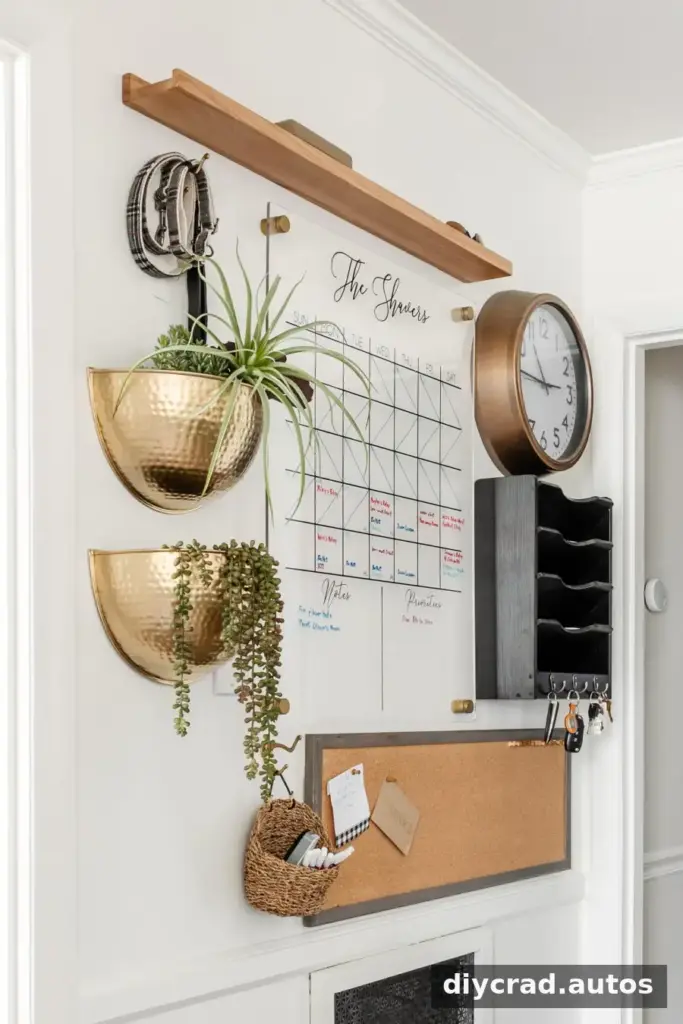
3. Sort Incoming Paperwork
A wall-mounted paper sorter can keep receipts, mail, bills, school forms, and other documents from spreading across counters. Use separate, clearly labeled sections so it is easy to see what needs attention.
Labels such as To Review, To Sign, and To File can make the system practical, but choose categories that match your household’s paperwork. Check the sorter weekly and remove items once they have been handled. Avoid placing sensitive documents where visitors can easily see them.
4. Give Keys a Dedicated Place
A key rack or a few sturdy hooks can reduce misplaced keys and clear tabletop space. Place it close to the usual exit, but high enough to keep keys out of reach of young children if needed.
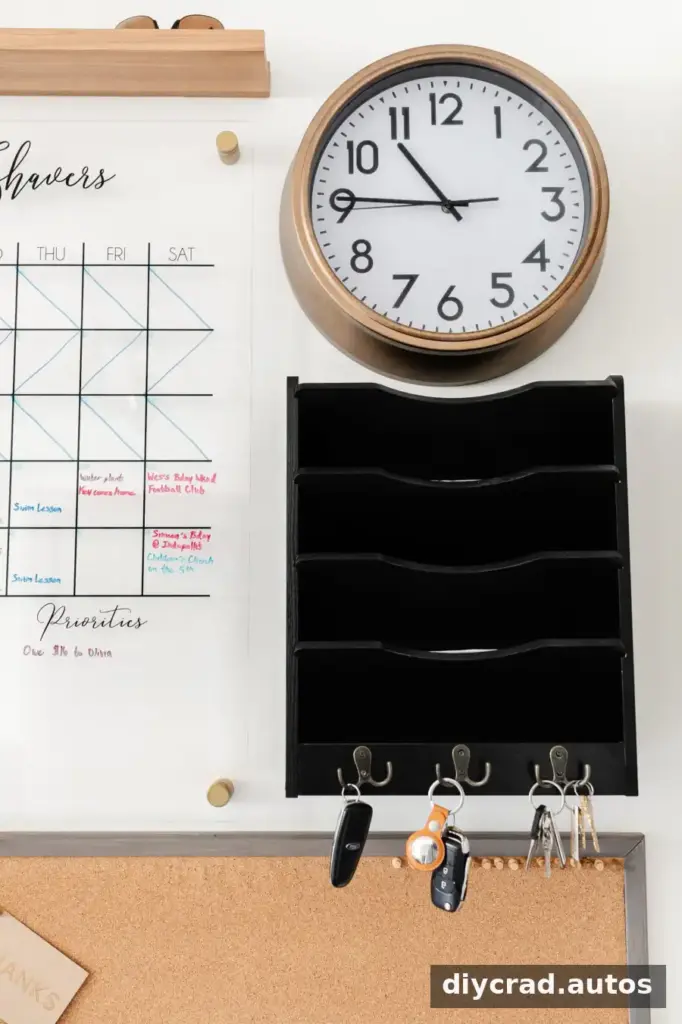
5. Use a Bulletin or Memo Board
A corkboard or memo board is useful for school notices, shopping lists, reminders, and other information that needs to stay visible. Keep push pins or clips nearby, and remove outdated notes as soon as they are no longer relevant.
You can also use the board for short household messages. To prevent it from becoming crowded, reserve a small section for current reminders and review it regularly.
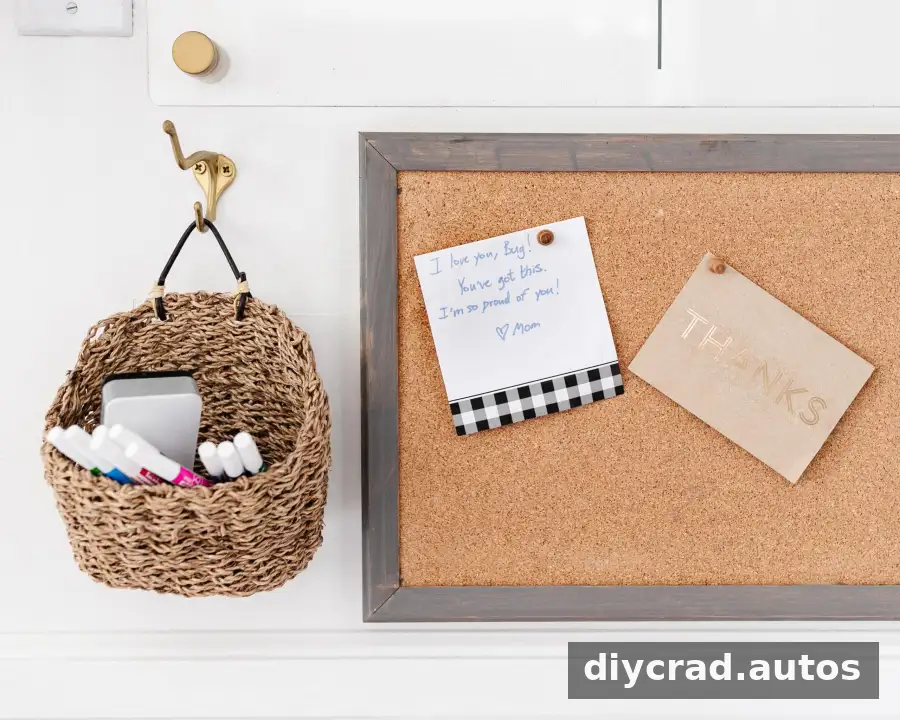
6. Keep Calendar Markers Close
A small wall basket beside the calendar can hold dry-erase markers, an eraser, or chalk, depending on the calendar surface. Keeping supplies nearby makes it easier to update plans as they change.
Use a consistent color system that everyone understands. Check that markers are suitable for the board and store them securely so they do not dry out or become a distraction for younger children.
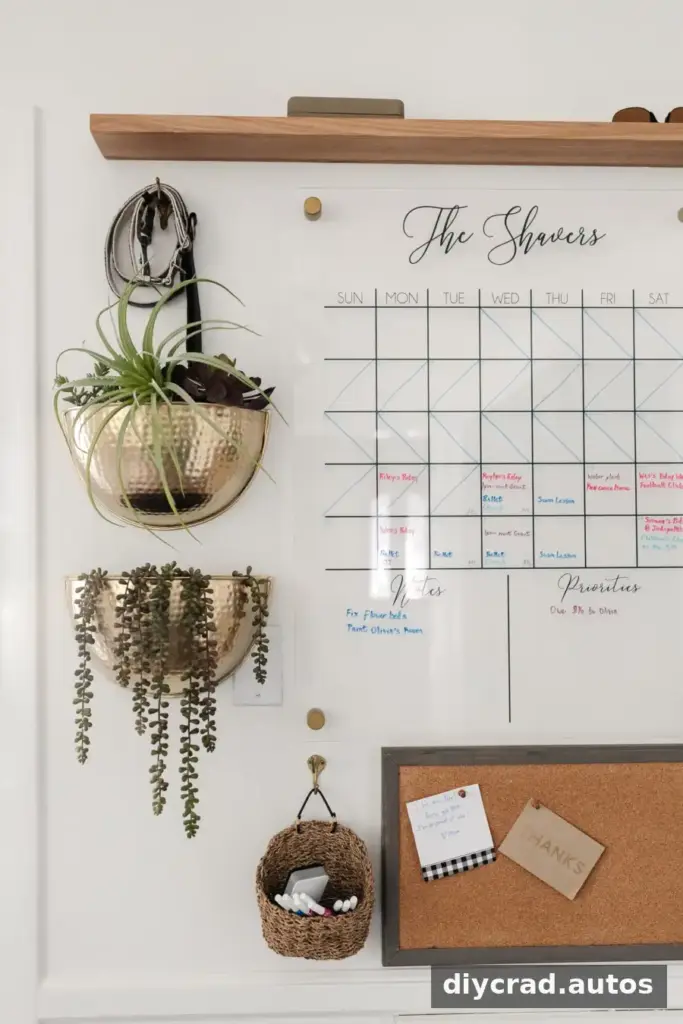
7. Add Storage for Everyday Essentials
Consider what family members need to grab on the way out. Hooks can hold backpacks, reusable bags, or lunch bags, while a small shelf or basket may work for sunglasses, wallets, or other daily items.
Keep heavier belongings on secure hooks and avoid overloading narrow shelves. If you store pet-walking supplies at the station, place them where they are easy to reach but do not interfere with keys or paperwork.
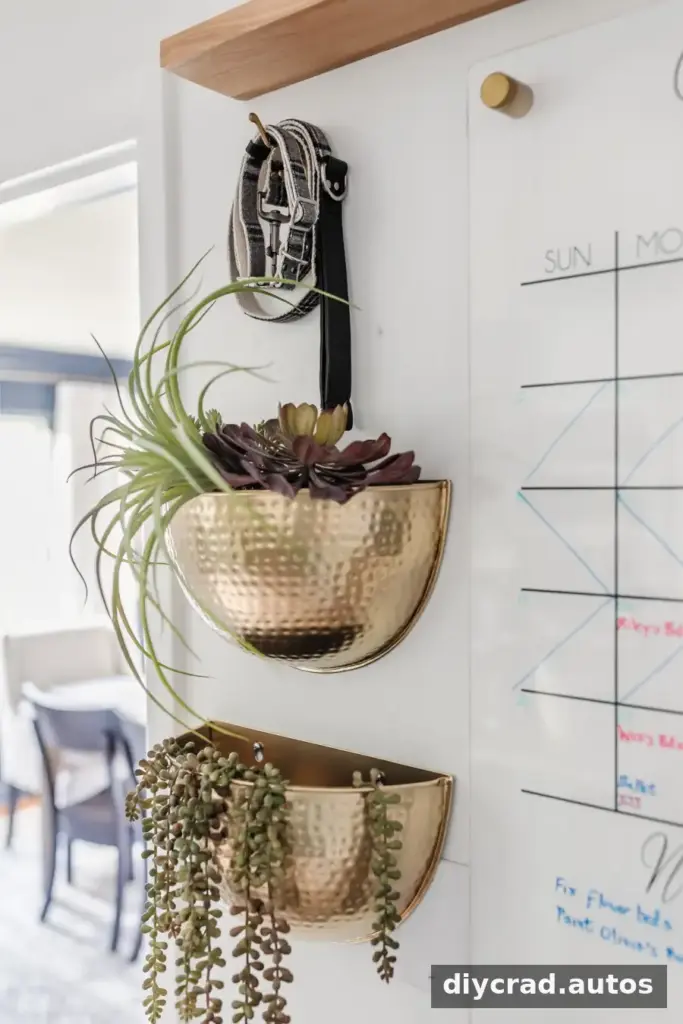
A command center does not need to be completed all at once. Start with the items that solve your biggest everyday challenges, then observe what gets used and what gets ignored. Small adjustments over time can make the setup more practical and easier for everyone to maintain.
For households that prefer digital planning, a shared calendar app can complement or replace a paper calendar. A physical station may still be useful for children or anyone who benefits from visible reminders. Choose one primary place for current information to avoid conflicting schedules.
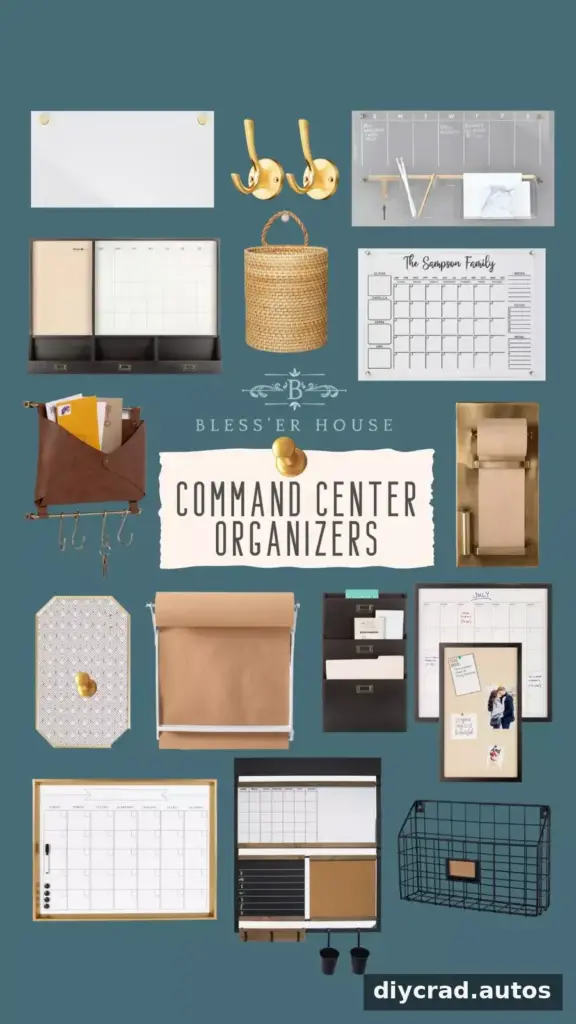
Useful Organizers for a Family Command Center
Choose organizers according to your available space and routine rather than buying every option. These common items can be combined as needed:
- A dry-erase board or weekly calendar
- Wall hooks for keys, bags, or coats
- A paper sorter or file holder
- A corkboard or memo board
- A small hanging basket for markers and supplies
- A shelf or ledge for lightweight everyday items
- A chalkboard calendar or monthly planner
Before purchasing anything, measure the wall and check how each organizer will be mounted. A few clearly assigned storage areas are usually easier to maintain than a crowded collection of containers.
Frequently Asked Questions
What is a command center in a kitchen?
It is a designated station, often on a wall, where a household can keep schedules, reminders, mail, papers, keys, and other daily essentials. A kitchen location can be convenient when family members pass through it often, as long as the station does not interfere with food preparation or safe movement around the room.
What should be included in a home command center?
Useful basics may include a wall calendar, memo or bulletin board, key rack, paper sorter, and a small shelf or basket. Add only what your household will use. For example, a family with frequent school forms may need labeled paper slots, while one with many appointments may need more calendar space.
How can a command center stay organized?
Assign each item a clear home, review the calendar regularly, and set a recurring time to sort papers and remove old notes. A simple routine—such as checking the station each evening—can help the family command center remain useful instead of turning into another place where clutter collects.
Conclusion
A family command center can help make household schedules and essentials easier to see and manage. Choose a convenient location, add only the organizers that suit your routine, and keep the system current with regular reviews. A practical setup does not need to be elaborate; it needs to work for the people who use it every day.

