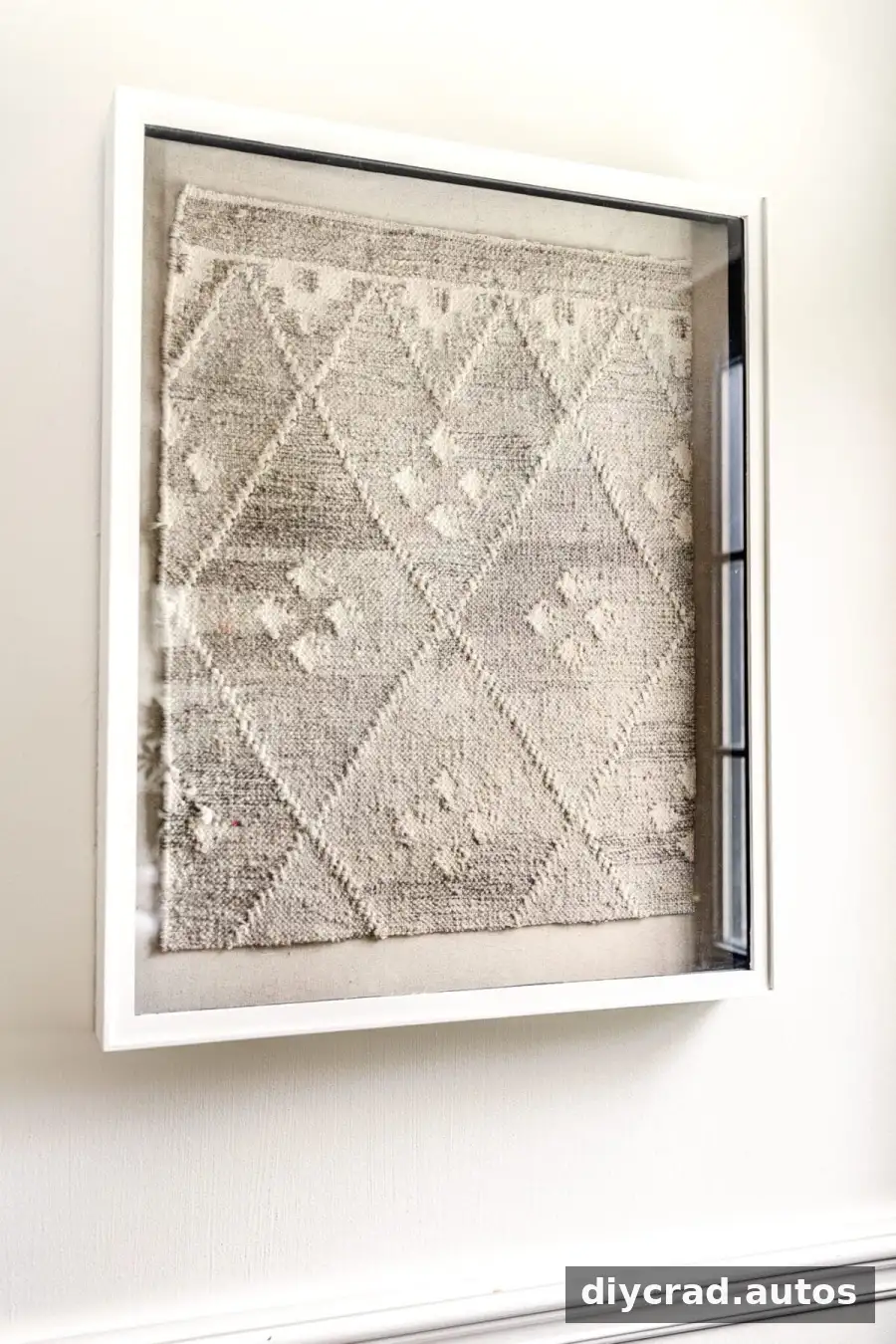
DIY rug textile art is a simple way to turn a retired flatweave rug into textured wall decor. With a shadow box, a few basic tools, and a piece of rug, you can create a framed accent for a room in about 10 minutes once your materials are ready. Reusing a rug you already own can also keep the project cost low.
How to Make DIY Rug Textile Art
Textile art can bring visible texture and pattern to a wall, and it does not have to involve a large or complicated project. Some designer textile pieces can cost hundreds of dollars, so framing a rug remnant offers a more budget-conscious way to get a similar layered look. The finished piece will depend on the rug’s pattern, texture, and colors.
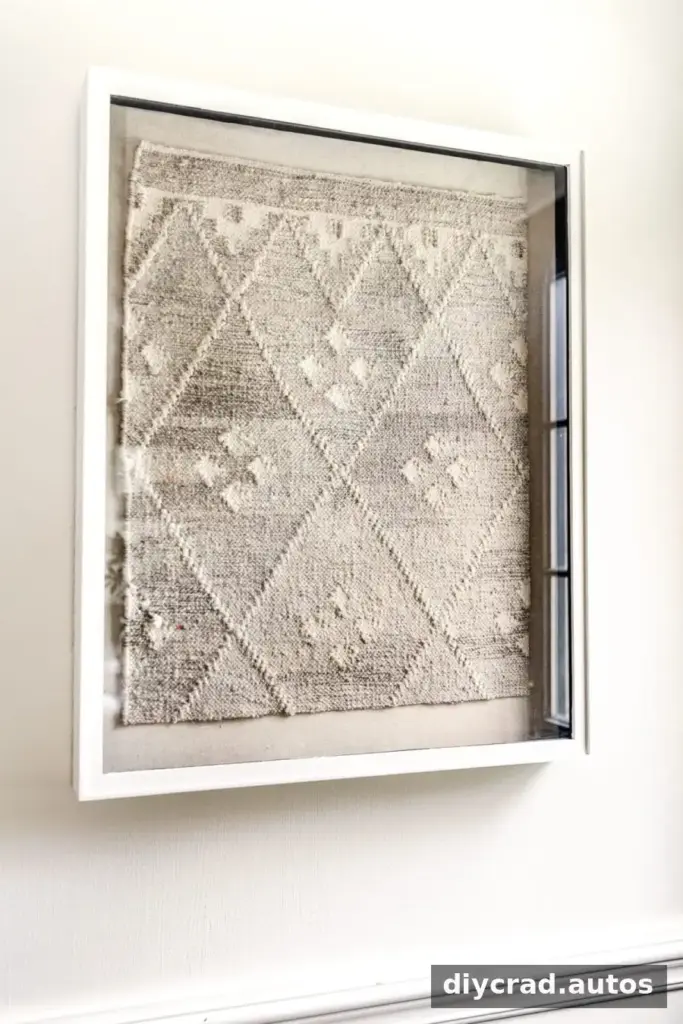
If you already have a suitable shadow box and rug at home, the project may cost nothing extra. Otherwise, plan for the cost of the frame and any supplies you need to buy. Before cutting, check that the rug is clean and that its pattern will fit the space you have in mind.
Supplies
- A 20″ × 30″ shadow box
- A flatweave cotton or wool rug, such as a sample, accent rug, or rug you plan to retire
- Tape measure
- Fabric scissors
- Fabric pen or permanent marker
- Hot glue and glue sticks
- Canvas drop cloth, optional, for covering the backer board
- Spray adhesive, optional, for attaching the fabric backing
- Chalk paint, optional, for changing the frame’s color
Choose a rug that is thin enough to sit inside the shadow box without pressing hard against the glass. If you are unsure about the fit, measure the frame’s usable interior space before marking the rug.
Steps
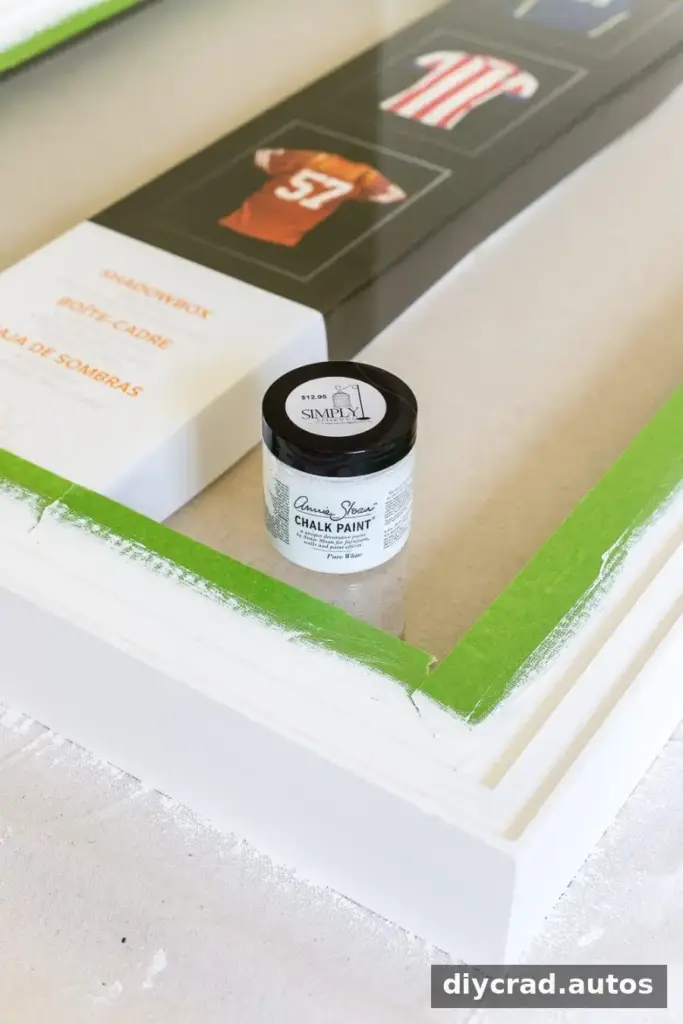
- Prepare the shadow box. If you want to change the frame color, paint it and allow the finish to dry according to the paint instructions. This step is optional; the frame can also be used as it is.
- Add a fabric backing if desired. For a linen-like background, cut canvas drop cloth to fit the backer board and attach it with spray adhesive, following the product directions. This can also brighten a dark backing. Skip this step if you prefer the existing finish.
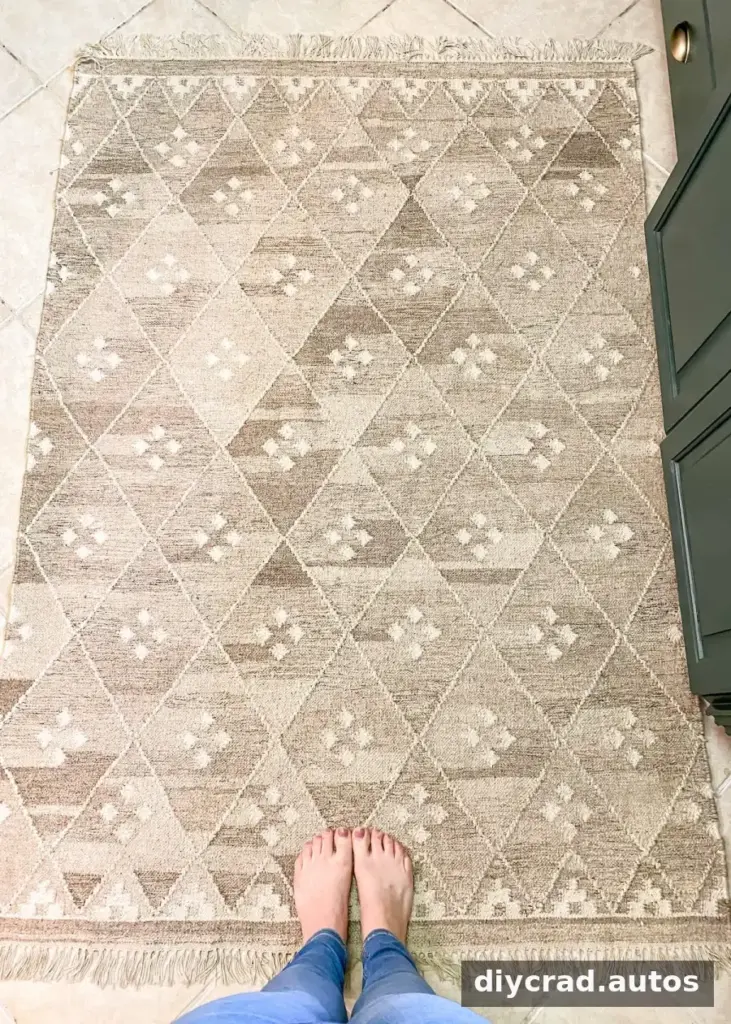
- Measure and mark the rug. Use the frame measurements as a guide. In this project, about 3 inches were subtracted from both the width and length to determine the rug piece size. Check how the rug will sit against the backing before making any cuts.
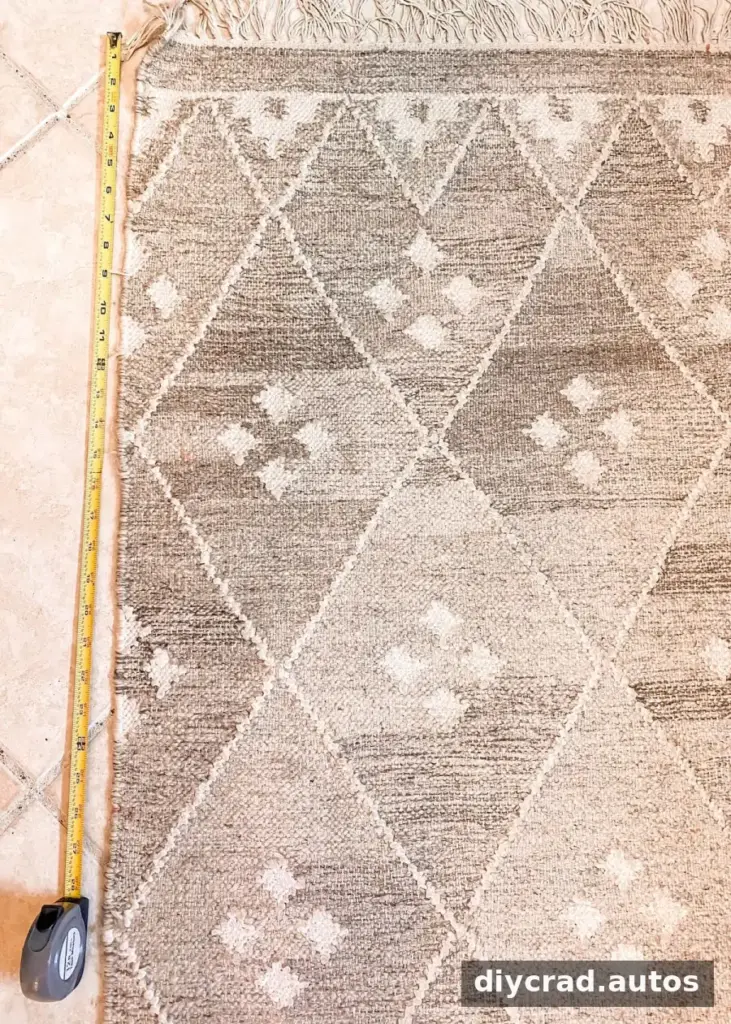
- Cut the rug. Use fabric scissors to cut along the marked lines. Remove the tassels for a cleaner edge, or leave them in place if you want them to be part of the design. Cut slowly to help keep the edges even.
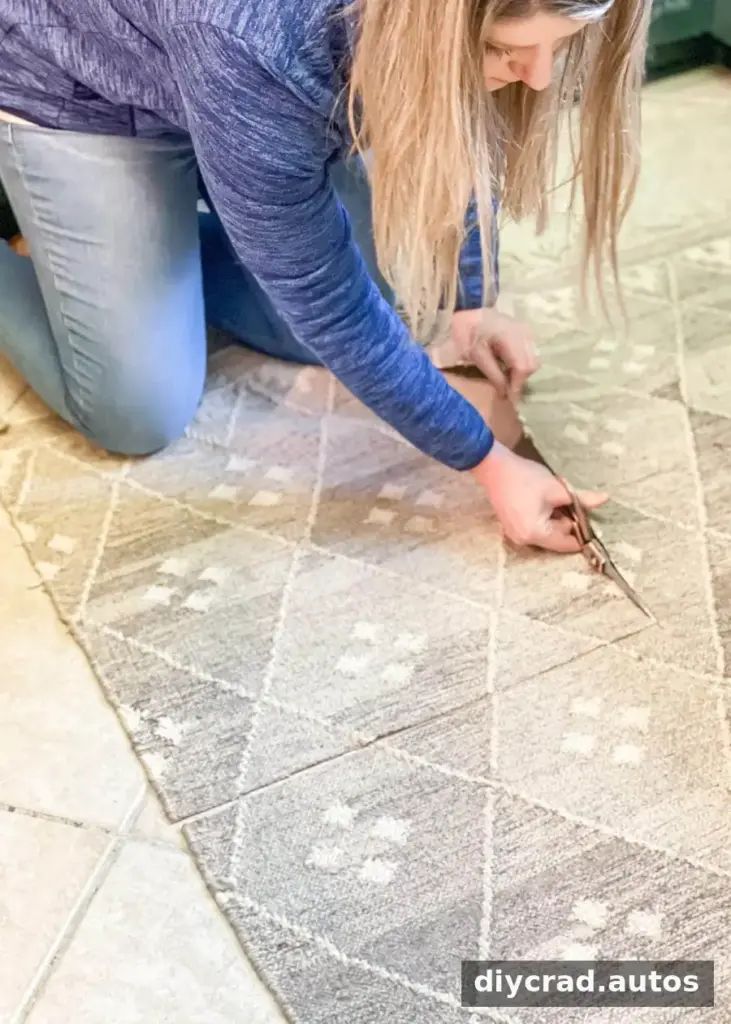
- Attach the rug to the backer board. Apply hot glue to the back of the rug remnant and position it on the board. Take care to keep the piece centered and avoid getting glue near the visible front surface.
- Assemble and display. Place the backing into the shadow box, secure the frame, and hang it where the rug’s color and texture can complement the room.
Hot glue can cause burns, so handle the glue gun carefully and let the glued piece cool before assembling the frame. If the rug is thick or uneven, check that the shadow box closes securely without forcing it.
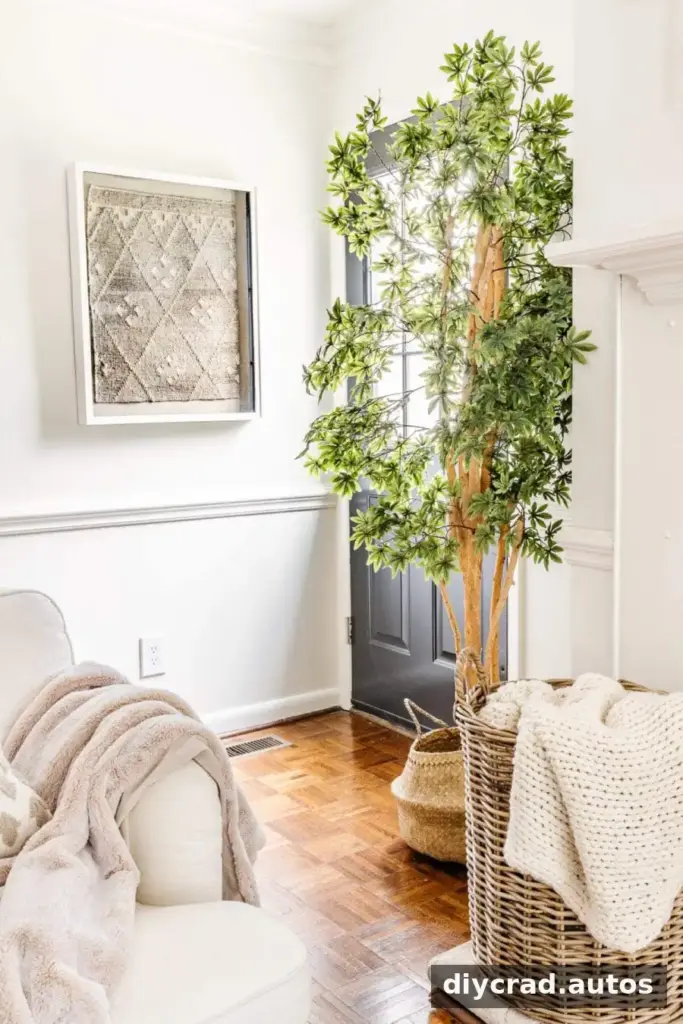
Tips for Choosing and Framing a Rug
A flatweave rug is a practical choice because it is generally easier to cut and position than a thick, high-pile rug. Look for a section with a pattern or color arrangement that makes sense as a standalone piece. If the rug has a strong border, include it in the crop or plan the cut so the design looks balanced.
For a first attempt, measure twice and make a paper or fabric test template before cutting the rug. Keep any leftover pieces for small craft projects. A new accent rug can also be used if there is no old rug available, but compare its dimensions with the shadow box first.
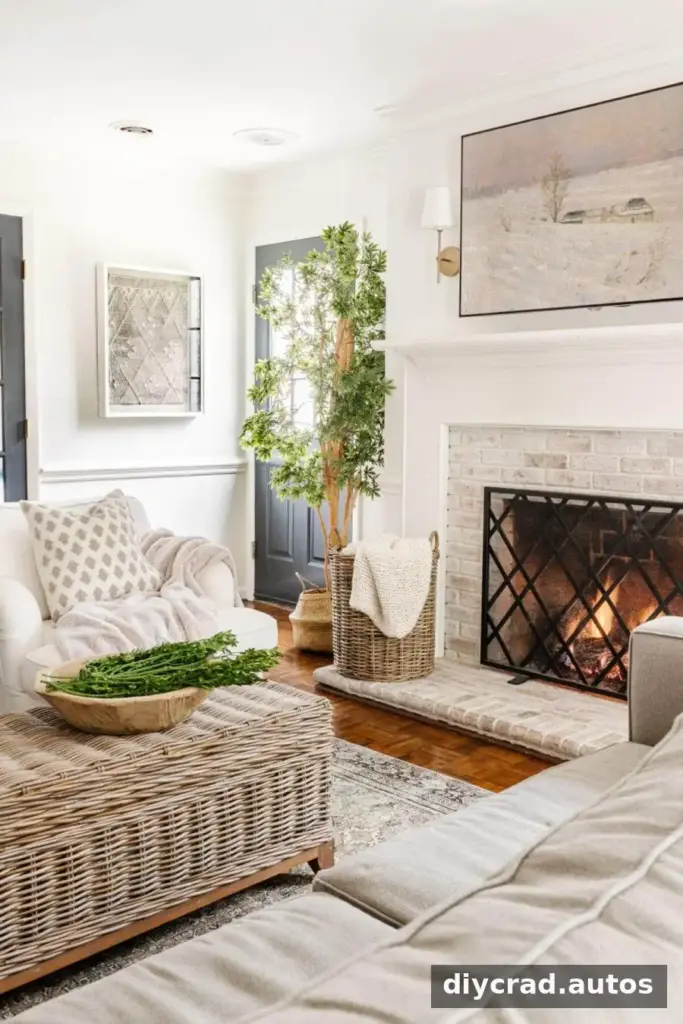
A Simple Upcycled Wall Decor Project
This framed rug project combines reused materials with a straightforward display method. The result adds pattern and tactile detail to a living room, hallway, or another small wall area. Adjust the optional paint and backing steps to suit the frame you have, and take care to measure before cutting. DIY rug textile art is an easy starting point for creating personalized wall decor from materials already at home.
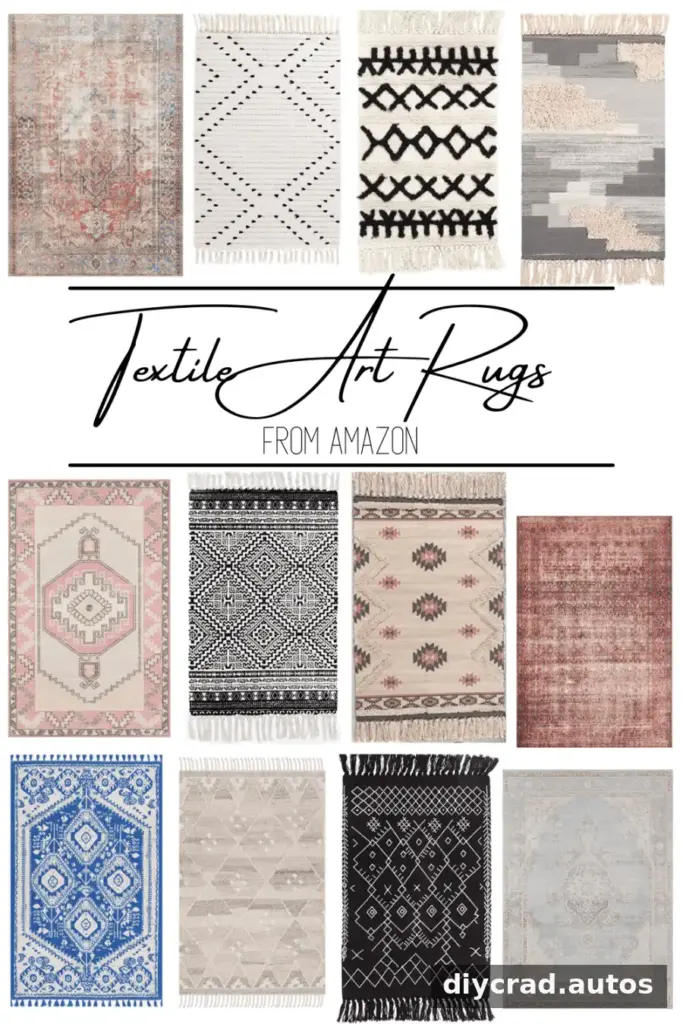
For more ideas, consider other flat materials that can be safely framed, such as fabric samples or decorative paper. Choose pieces that fit the frame and are suitable for display, and use an appropriate adhesive for the materials involved.