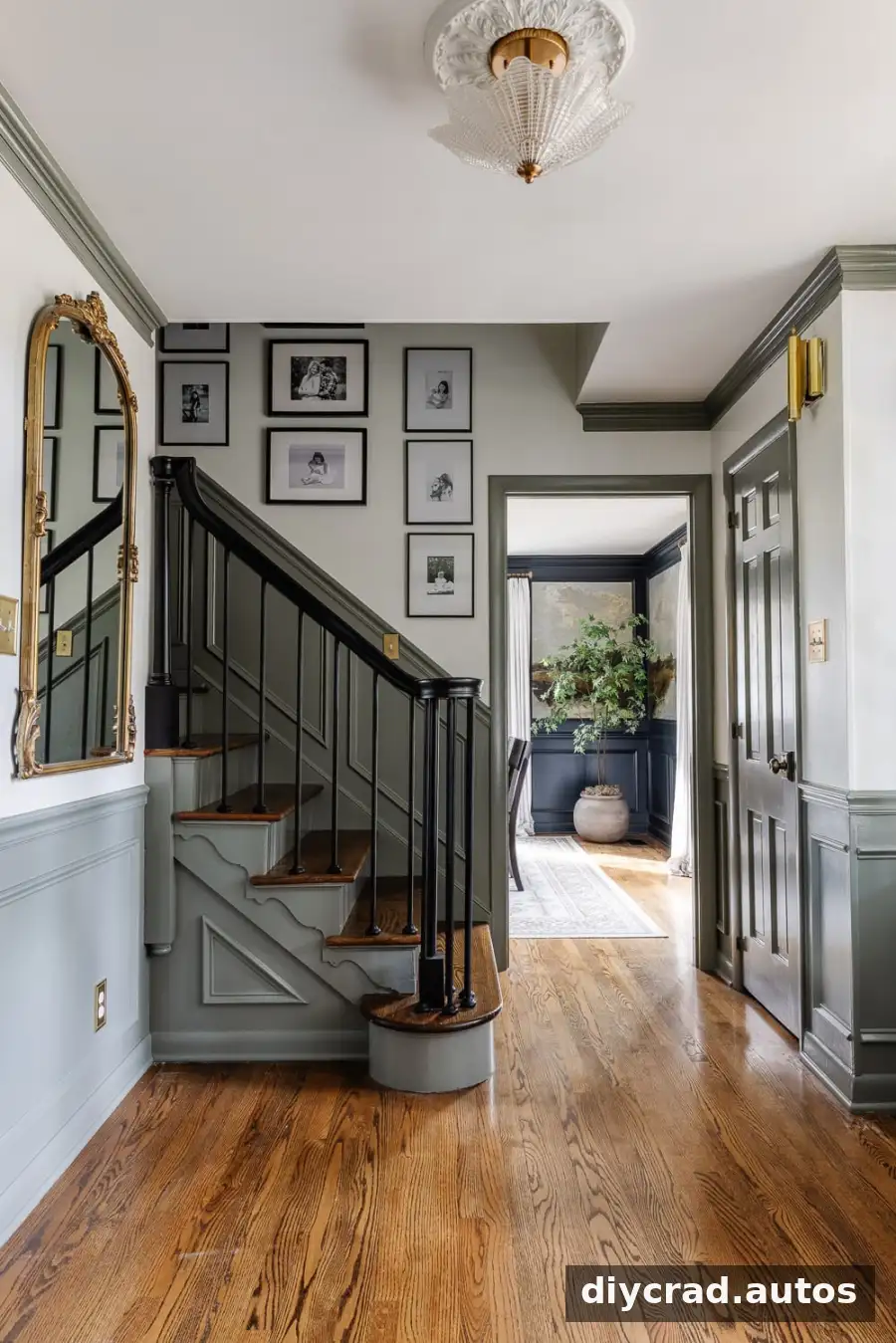
A green gray paint color can bring subtle character to a space without losing the flexibility of a neutral. Sherwin-Williams Willowleaf offers a muted green appearance that can feel calm and grounded, making it an option to consider for trim, doors, and other areas where you want color without a bold effect.
Color can look different as daylight shifts and indoor lights turn on, so it helps to view paint samples in the room where they will be used. Check the shade at different times of day before settling on a finish or painting a larger area.
Why choose a green gray paint color?
Sherwin-Williams Willowleaf
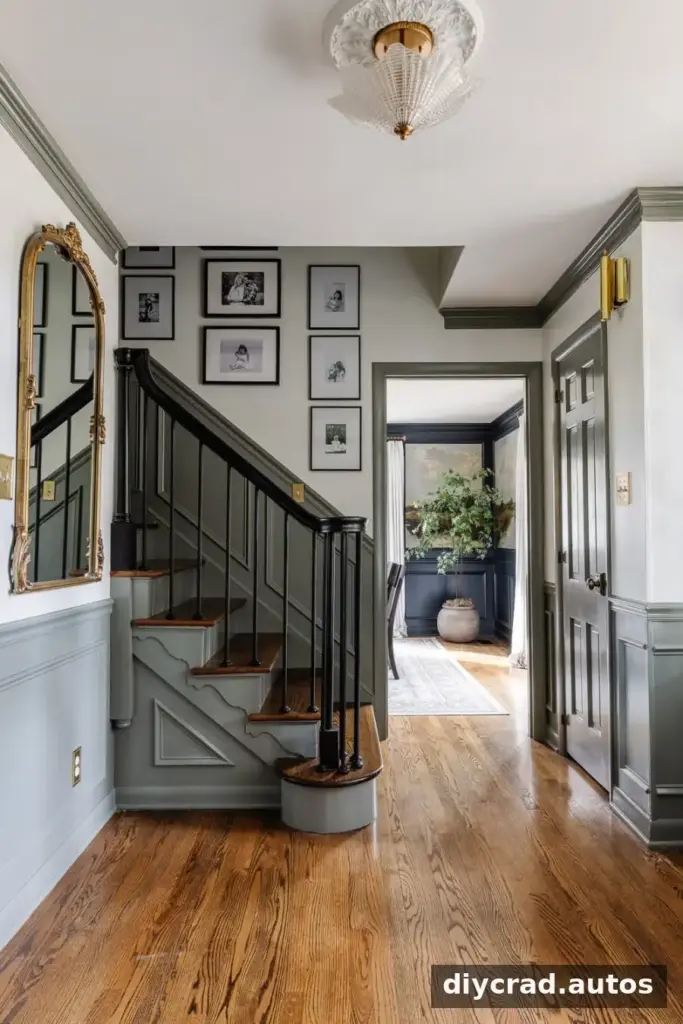
Willowleaf is a muted green that sits between a noticeable color and a neutral. Its restrained appearance can add interest while remaining adaptable to a range of decorating styles, including modern, traditional, boho, and rustic interiors.
This balance can be useful when a room needs a little more personality than a white or gray finish provides, but a saturated color feels like too much. Green-gray shades can also work alongside a variety of other colors, though it is wise to compare samples with the flooring, furnishings, and finishes already in the space.
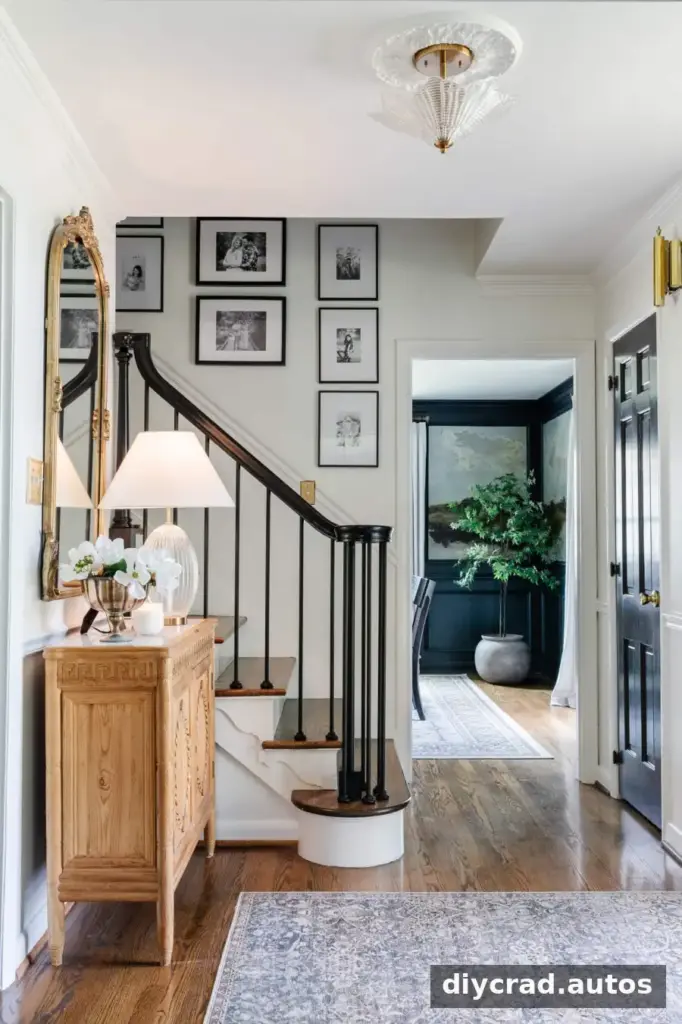
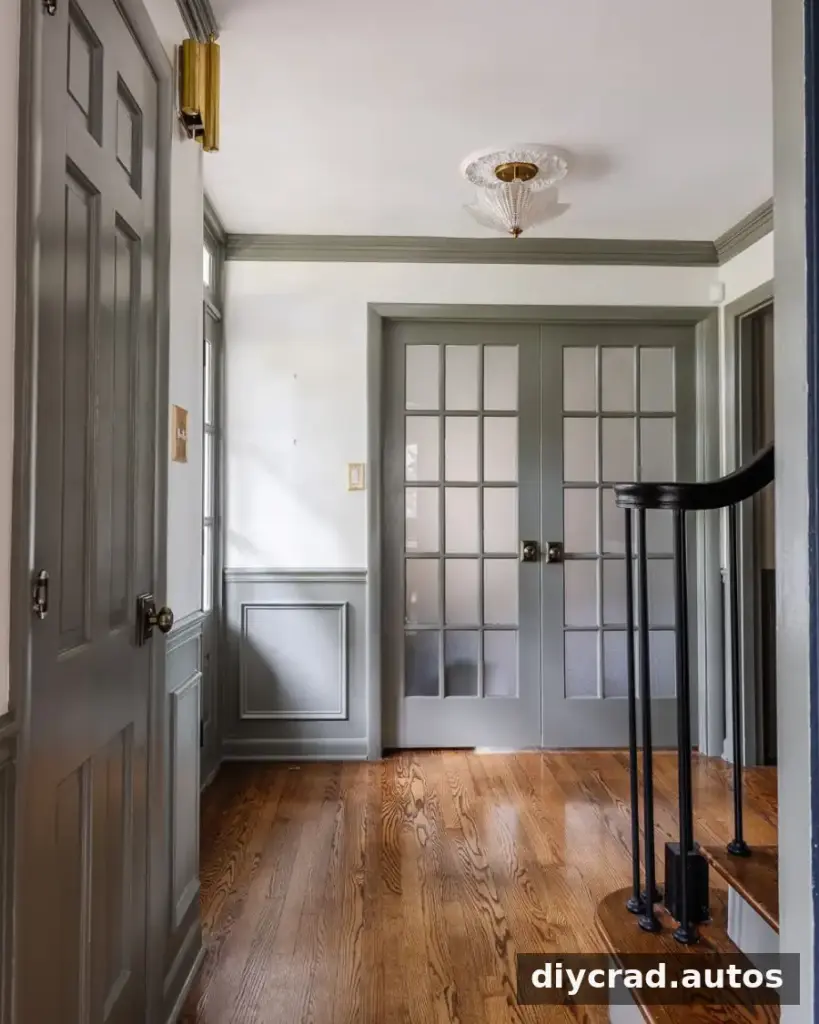
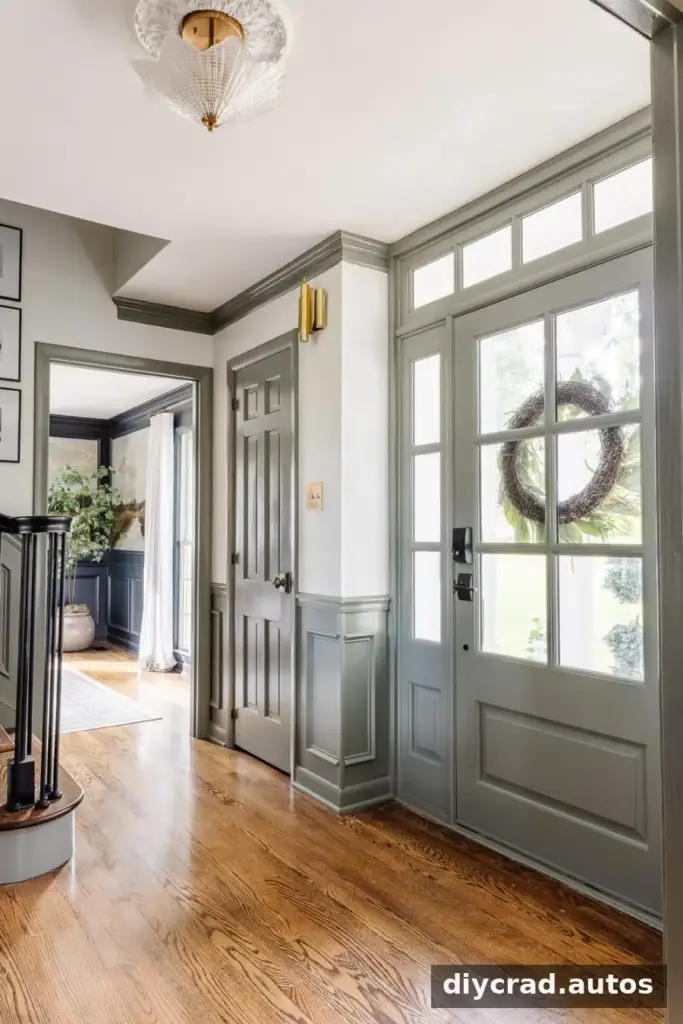
For a foyer and stairway, Willowleaf was selected to bring color to a previously all-white area while keeping the overall look understated. The existing walls remained Benjamin Moore Chantilly Lace, creating a contrast between the white wall and the painted trim.
Practical tip: Place a sample near the trim and wall color rather than judging it on its own. Looking at the colors together gives a more useful sense of how they relate in your home.
Why paint contrasting trim instead of an entire room?
Painting trim in a contrasting shade can refresh a room without requiring every wall to be repainted. In a stairway with a tall, two-story wall, leaving the white walls in place also avoids the extra work involved in painting the full height of the space.
- Less painting: Focusing on trim means covering a smaller area.
- Less time and effort: The project can be more manageable than repainting the walls as well.
- A defined look: Contrasting trim gives architectural details more visual presence.
- Traditional character: A trim color against white walls can create a classic, historic-inspired effect.
- A practical finish: A darker shade may make dirt and smudges less noticeable than white trim.
Keeping the walls Benjamin Moore Chantilly Lace helped limit the scope of the foyer and stairway update. It also allowed the green-gray trim to stand out without changing the room’s existing wall color.
When planning a similar project, consider how much trim is in the room and whether it connects to other spaces. A consistent color across adjoining trim or a door can help the transition feel intentional. In this case, the back of the front door was also painted Sherwin-Williams Willowleaf to continue the color scheme.
Other green gray paint colors to consider
If Willowleaf is not quite the right fit, these previously considered sage and green-gray options offer alternatives to compare:
- Sherwin-Williams Evergreen Fog
- Farrow & Ball French Gray
- Benjamin Moore October Mist
- Benjamin Moore Saybrook Sage
Paint names alone do not show exactly how a shade will appear in every home. Compare sample cards or painted samples in the intended room, and look at them beside fixed elements such as flooring, counters, and existing wall paint. This simple check can help narrow down options before committing to the full project.
Final thoughts on this green gray paint color
Sherwin-Williams Willowleaf is a green gray paint color to consider when you want a subtle shift from white or a conventional neutral. Using it on trim while keeping the walls Benjamin Moore Chantilly Lace can add contrast with less painting than a full-room color change. Test the shade in the space, compare it with nearby finishes, and consider carrying it onto connected details such as a door for a coordinated result.