Learning how to become a blogger starts with choosing a subject you genuinely enjoy and building a place to share useful ideas about it. A blog can be a creative outlet, a way to connect with people who share your interests, or a business you grow over time. Topics can include cooking, books, fitness, home decor, gardening, parenting, fashion, and many others.
Turning a blog into a source of income takes time and consistent effort. Before you invest in a website, think about what you want to write about, who might benefit from your content, and how much time you can realistically devote to publishing and improving it.
How to Become a Blogger: The Essential Steps
1. Choose a Blogging Platform
Your platform affects how much control you have over your website, what you can customize, and whether you can monetize your content. Free hosted services can work well for a personal or hobby blog, while a self-hosted website offers more flexibility for a project you intend to grow professionally.
Free hosted platforms
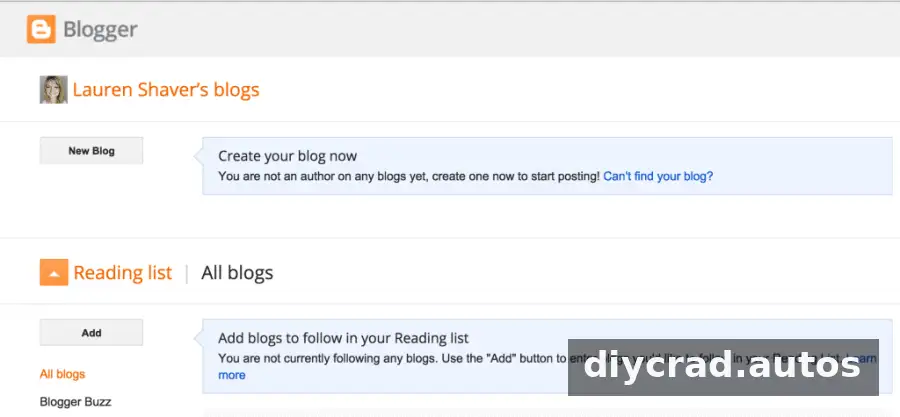
Blogger and WordPress.com provide hosted options that can help beginners publish without arranging separate web hosting. They can be suitable for experimenting with blogging or documenting a hobby. However, free plans may limit customization and monetization, and the platform sets the rules for your site. Read the current terms carefully and keep copies of your original writing and images.
Self-hosted WordPress
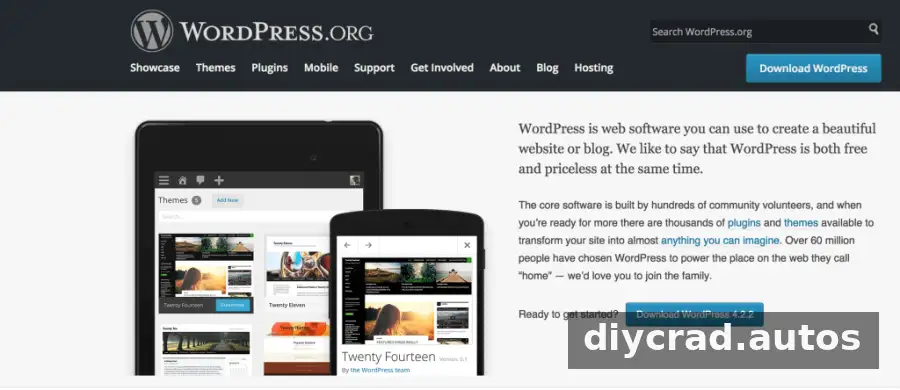
WordPress.org is the self-hosted version of WordPress. You arrange hosting separately and have greater control over your website, themes, and features. This can be a practical choice if you plan to build a professional blog, but it also means you are responsible for costs, updates, backups, and basic site maintenance.
Choose based on your goals rather than assuming that a paid setup guarantees an audience or income. If you are unsure, begin with a clear budget and check what each platform currently allows.
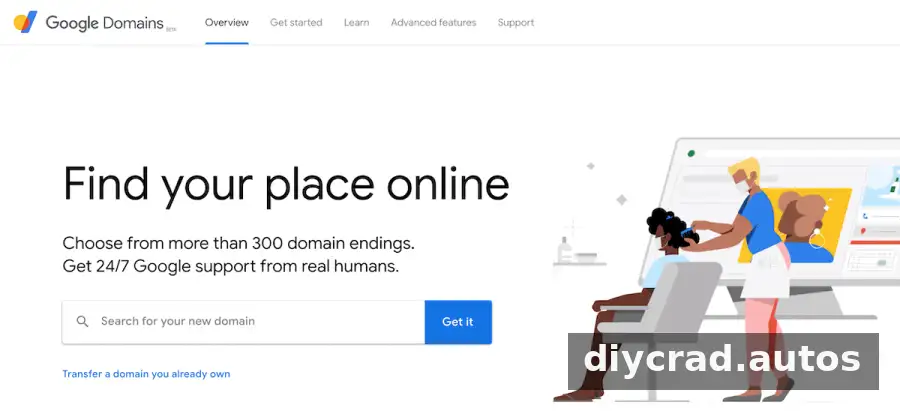
2. Choose a Blog Name and Domain
A memorable name helps readers recognize your blog. It can hint at your subject, reflect your style, or simply use your own name. Keep it easy to spell and say, and avoid making it so narrow that it prevents you from covering related topics later.
- Search the name online and on social platforms to check whether it is already in use.
- Check for trademark conflicts before building a brand around it.
- Choose a domain that is concise and easy to remember.
Domain registration and renewal prices vary by provider and extension. Review the renewal cost, privacy options, and transfer terms before purchasing. A domain is usually registered for a set period and must be renewed to keep using it.
3. Arrange Web Hosting
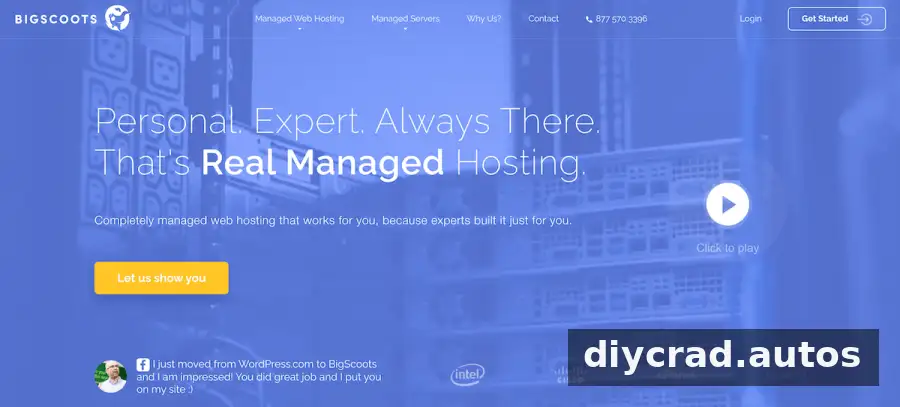
If you choose a self-hosted site, you will need a hosting plan. Compare providers by looking at the renewal price, support availability, backup options, security features, and the resources included. The lowest introductory price may not be the ongoing price, so check the full terms before signing up.
For a new blog, choose a plan that meets your current needs rather than paying for capacity you are unlikely to use. Make sure you understand how to contact support and restore a backup if something goes wrong.
4. Install WordPress and Set Up the Basics
After connecting your domain and hosting, install WordPress.org using your host’s setup instructions. Many hosts offer an installation wizard. If you are moving from another platform, check whether your posts, images, and links can be transferred and review the imported content before publishing.
Before launching, create a strong administrator password, enable available security protections, set up backups, and add basic pages such as About and Contact. A clear navigation menu helps readers find your content.
5. Create a Design That Is Easy to Use
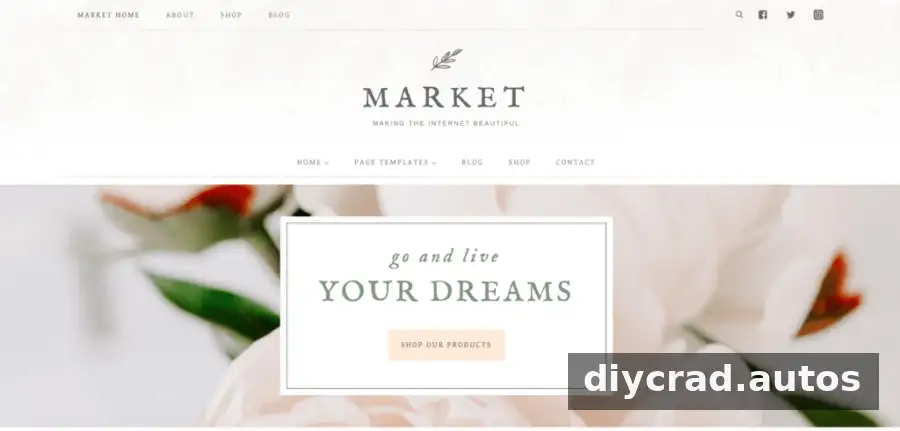
Your design communicates what your blog covers, but readability and ease of navigation matter more than decorative effects. Choose a responsive theme that works on phones and computers, uses legible text, and loads efficiently. Keep menus simple and make sure images do not overwhelm the page.
You can start with a theme and adjust its colors, fonts, and layout to suit your subject. A simple logo can be made with a design tool or commissioned from a designer. Before paying for a theme or installation service, check what support and updates are included.
Make your visual identity consistent
Use a small, consistent set of colors and fonts across your site. Compress image files before uploading them and write descriptive alternative text for images that convey useful information. These steps can improve usability and help keep pages manageable on mobile connections.

6. Publish Helpful Content and Find Your Voice
Write about a subject you can stay interested in, then focus each post on a clear reader need. You do not need a large archive before publishing. Start with one well-organized article, explain the topic clearly, and revise it for accuracy and readability.
Give each post a useful title, descriptive headings, short paragraphs, and practical details. Avoid publishing just to meet an arbitrary schedule; a realistic rhythm that you can sustain is more valuable than frequent posts that feel rushed. In the early stages, traffic may be limited. Use that time to test topics, learn what readers respond to, and improve your writing.
Practice photography
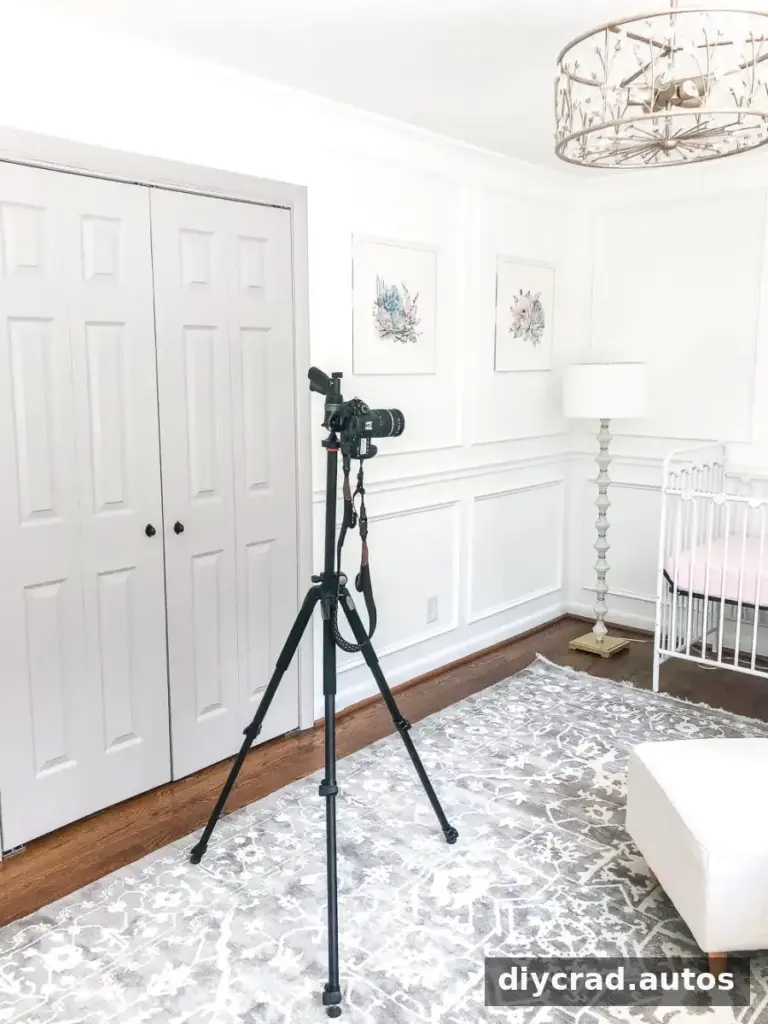
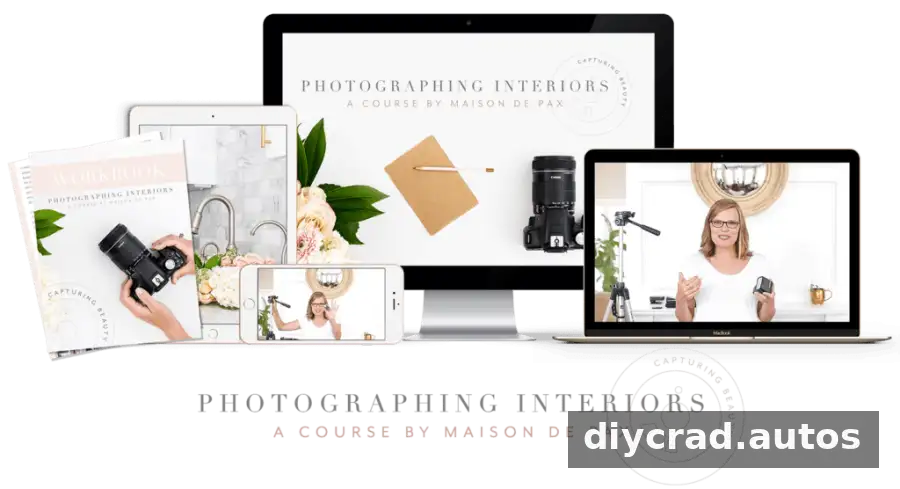
If your blog relies on visual subjects such as food, interiors, crafts, or travel, practice taking clear, well-lit photographs. Plan the image before shooting, keep the subject easy to understand, and use images you have permission to publish. Strong visuals can support a post, but they should not replace useful explanations.
Frequently Asked Questions
How much does it cost to start a blog?
The cost depends on the platform and services you choose. A self-hosted blog may require a domain, hosting, and possibly a paid theme or setup help. One example setup estimate in the original guide was approximately $275, including professional theme installation. Treat that as an estimate rather than a current standard price: hosting, domain renewals, and design services can change, so confirm costs before purchasing.
How do bloggers make money?
Common income sources include display advertising, paid sponsored content, and selling products or services such as ebooks, courses, printables, or consulting. These options generally depend on having useful content and reaching an audience. Income is not guaranteed, and results vary with subject, readership, publishing consistency, and business costs.
If you publish paid content or advertisements, follow the disclosure rules that apply where you and your readers are located. Keep claims about products accurate and make paid promotions clear to readers.
Is blogging still worthwhile?
Blogging remains one way to publish in-depth information that readers can find through search engines and share over time. Social platforms can help people discover your work, but their features and distribution rules may change. A blog gives you a dedicated website to organize your articles, though it still requires maintenance and does not guarantee ongoing traffic or passive income.
Keep Learning and Connect With Other Bloggers
As your blog develops, learn about writing, photography, accessibility, search engine optimization, and website analytics. Courses and conferences can provide structured learning and opportunities to meet people who work in similar topics. Before buying a course, review its curriculum, price, and refund terms, and compare it with free educational resources.
Ask for constructive feedback and stay open to refining your approach. Blogging tools and reader expectations change, so review older posts periodically for broken links, outdated information, and opportunities to make instructions clearer.

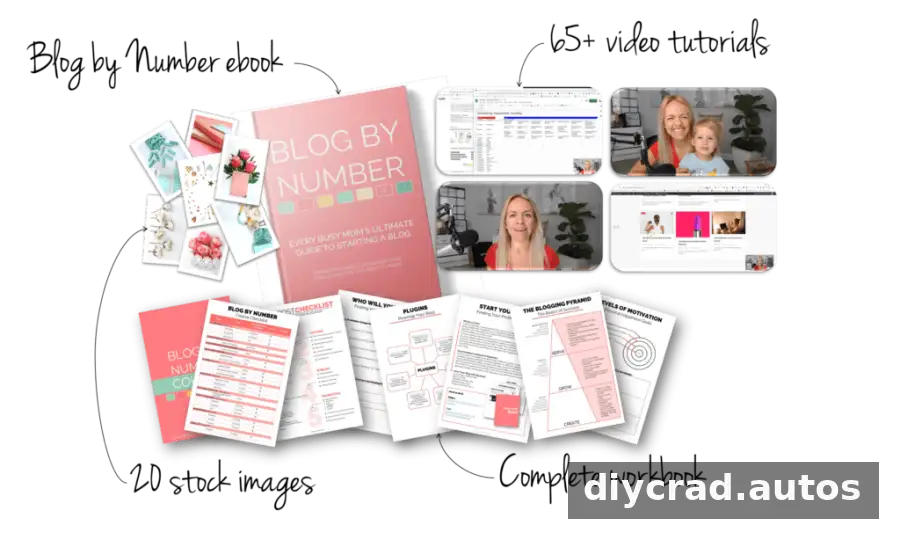

Ultimately, how to become a blogger is a practical process: choose a topic, select a platform that fits your goals, create a useful website, and publish helpful content consistently. Start with a manageable plan, learn from reader feedback, and make changes as your skills and goals develop.