

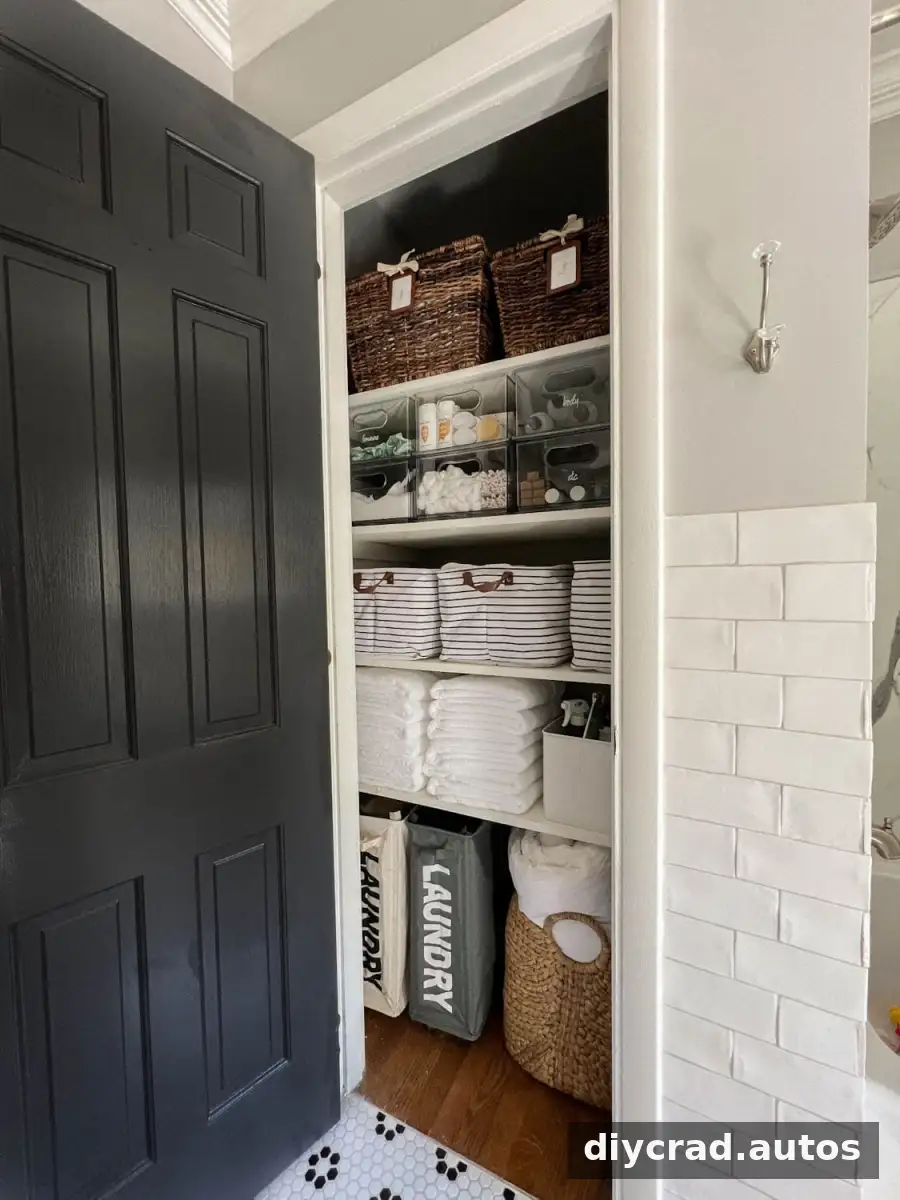
Learning how to declutter your home quickly starts with making the task manageable. Instead of tackling every room at once, work in short sessions, focus on one small area, and decide in advance where unwanted items will go. A little planning can make the process more efficient—and easier to keep up with.
The Most Important Home Decluttering Tip
Make the process as pleasant and straightforward as possible. Put on music you enjoy, open a window if practical, and set a timer so the task has a clear endpoint. A more positive routine can make it easier to begin and repeat the process.
How to Declutter Your Home Quickly
Start with a small, visible space rather than a whole room. A mail pile, bedside table, or single drawer can usually be sorted in a short session. Try these steps:
- Choose one area and remove items that clearly do not belong there.
- Set a 15-minute timer and work until it rings.
- Take a before photo if a visual record of your progress would be motivating.
- Sort items as you go so you do not create another unsorted pile.
When the timer ends, either stop or choose another short session. If you take a before photo, an after photo can help you see the difference and decide which area to tackle next.

Why Declutter Your Home?
Decluttering is not about having an empty home or getting rid of everything. The goal is to make your space easier to use and maintain by keeping the belongings that serve a purpose or matter to you.
Spend Less Time Cleaning and Searching
Fewer items on surfaces and floors can make routine cleaning simpler. Keeping frequently used belongings in consistent places can also reduce the time spent looking for them. Start with the areas you use most often, such as the kitchen counter or entryway.
Create a More Comfortable Space
Clutter can make some rooms feel difficult to use or visually busy. Removing items you no longer need may make a space feel more comfortable, although everyone’s preferences are different. Focus on changes that make daily routines easier for your household.
Make More Deliberate Purchases
Sorting what you already own can show you what you have and help you avoid buying duplicates. Before bringing something new home, consider where it will be stored and whether it will be used regularly.
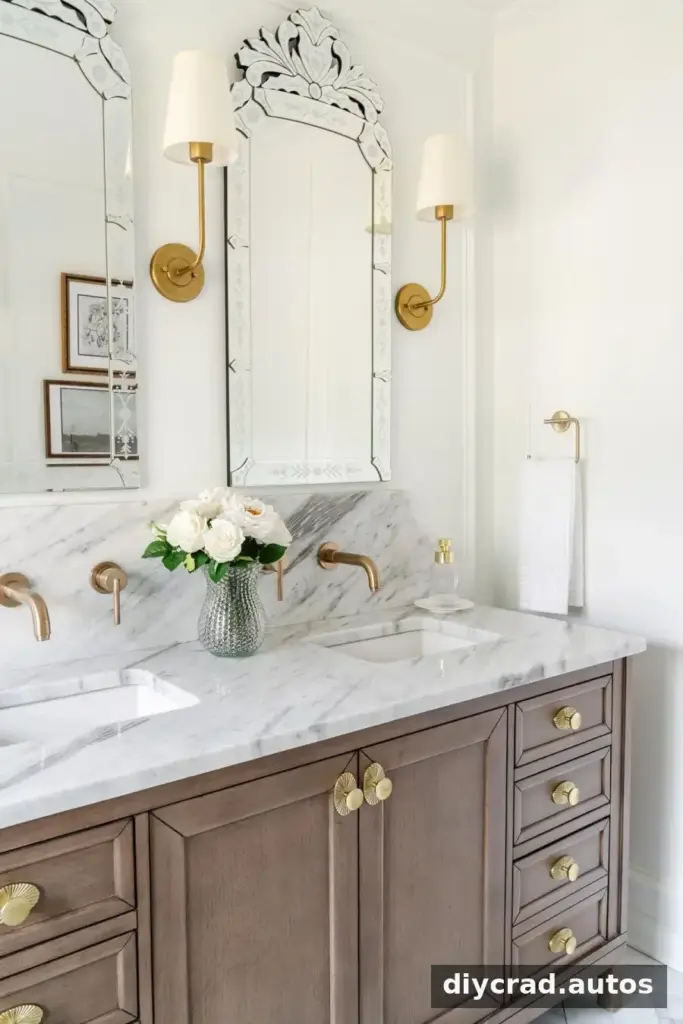
Six Practical Ways to Declutter Rooms in a Weekend
1. Make a Zone Checklist
Write down the rooms or small areas you want to work on, then begin with an easy, limited task. Completing a drawer or shelf can build momentum before you move on to a larger space. Keep the list realistic so the plan does not become overwhelming.
2. Sort One Area at a Time
Choose a specific space, such as one closet shelf, and make decisions about the items there before moving on. Avoid pulling everything from several rooms at once; that can leave you with more mess than you started with.
3. Prepare Four Sorting Categories
Label containers or designate clear areas for Keep, Donate, Relocate, and Trash. Put belongings back in their proper places, and check that donated items are clean and usable. Follow local rules for disposing of broken, hazardous, or recyclable items.
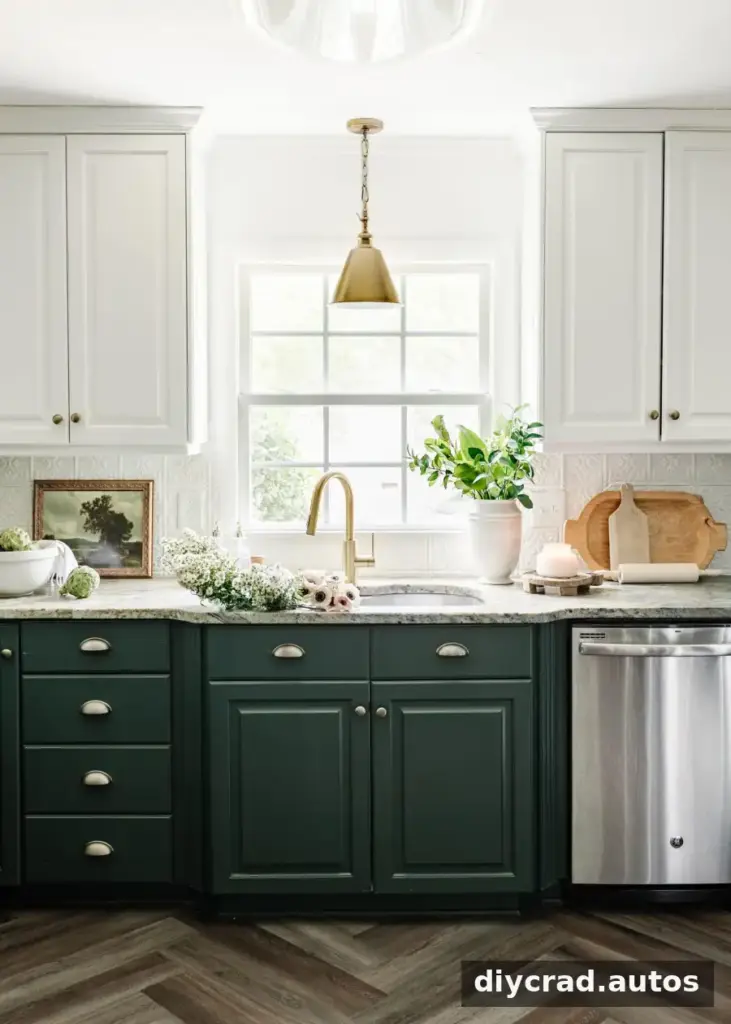
4. Look at the Room with Fresh Eyes
Stand at the entrance and notice what draws your attention. Ask whether walkways are clear and whether the room supports the activities you use it for. Write down a few specific changes rather than trying to solve everything at once.
5. Ask Someone You Trust to Help
A friend or family member can provide company and help you stay focused. They can ask useful questions, but the final decision about personal belongings should remain yours. For shared household items, agree on decisions with the people who use them.
6. Set a Realistic Schedule
Give each area a defined time block, with breaks between sessions. For example, you might spend 9:00–11:00 on a bedroom, 11:00–12:00 on the living room, and 12:00–2:00 on the garage. Adjust the schedule to the size of each space and stop before fatigue leads to rushed decisions.
How to Keep Your Home Clutter-Free
Small, repeatable habits can help prevent belongings from building up again. Choose a routine that fits your household rather than relying on occasional, exhausting clean-outs.
- Be mindful about new items. Consider whether you need an item and where it will live before bringing it home.
- Do a brief weekly reset. Return misplaced items to their usual spots and deal with obvious discards or donations.
- Review belongings regularly. A monthly or seasonal check can help you notice items that are no longer useful.
- Try a one-in, one-out rule. When appropriate, let go of a similar item when a replacement comes in, such as donating an old shirt after buying a new one.
Keep donation bags in a convenient, safe place, but arrange to take them out regularly. Otherwise, the bags can become another source of clutter.

Questions to Ask While Decluttering
If you are unsure about an item, pause and use a few consistent questions. Avoid making a decision based on guilt or pressure; consider the item’s condition, usefulness, and available storage.
- Would I choose to bring this item to a new home?
- Have I used it in the past year?
- Do I have a specific plan to use it soon?
- Is it damaged, and do I realistically intend to repair it?
- Do I own duplicates or similar items that serve the same purpose?
- Is it worth the storage space it takes up?
- Does keeping it add value to my life or household?
Some items need special consideration, including important documents, safety equipment, and belongings with personal or family significance. Set these aside for a careful review instead of making a rushed decision.

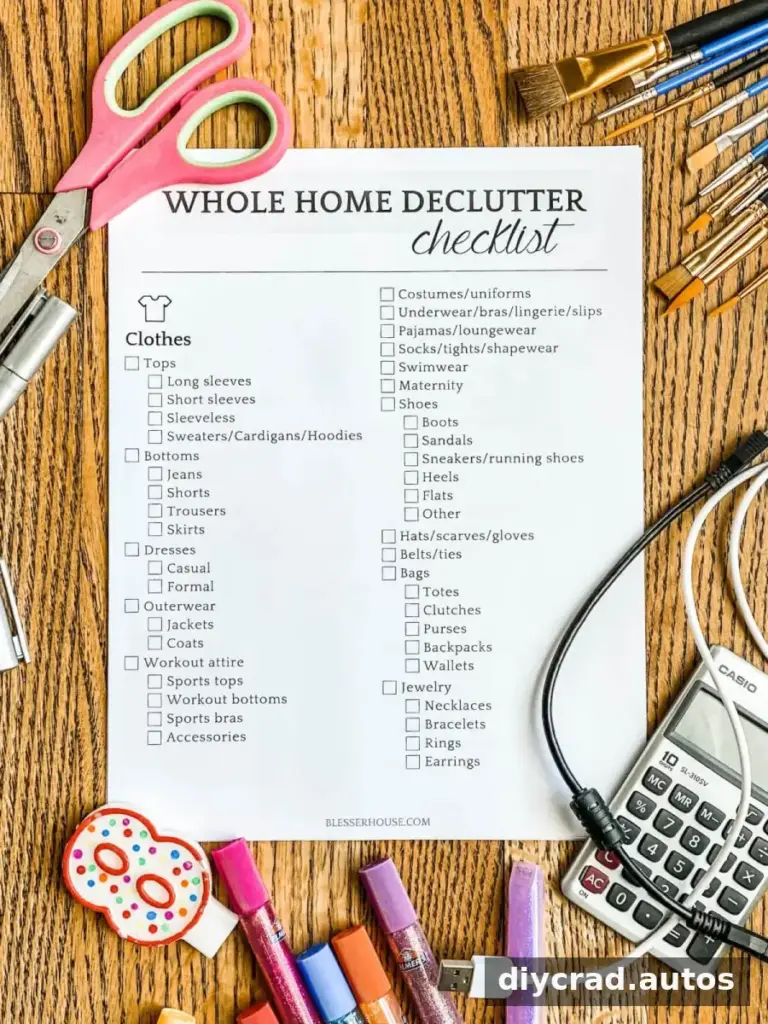
Make a Whole-Home Decluttering Checklist
A written checklist can help you track progress room by room. Include smaller areas such as drawers, closets, and entryways, along with digital tasks like reviewing unused apps or old emails. Check off completed areas and note anything that needs a separate decision or disposal plan.
Conclusion: How to Declutter Your Home Quickly
The most practical way to learn how to declutter your home quickly is to start small, sort items into clear categories, and work within a realistic time limit. Once each area is finished, return useful belongings to accessible places and remove donations or rubbish from the home. Regular short resets can help maintain your progress without turning decluttering into a major project.

