

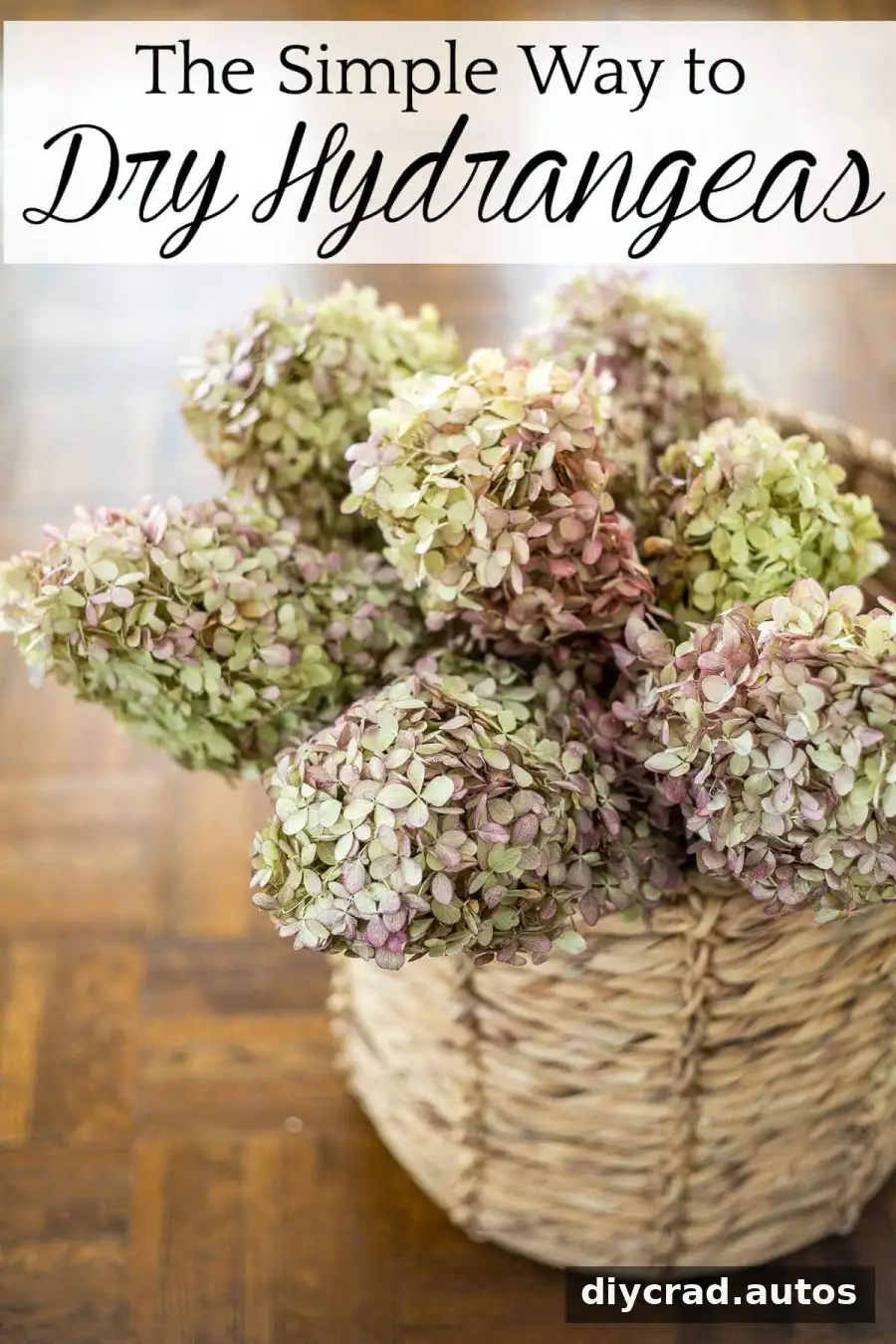
Learning how to dry hydrangeas is a simple way to preserve garden blooms for fall decorations and other arrangements. The key is to cut flowers at the right stage, remove their leaves, and let them dry gradually in a suitable spot. You can use a vase with a small amount of water or hang the blooms upside down.
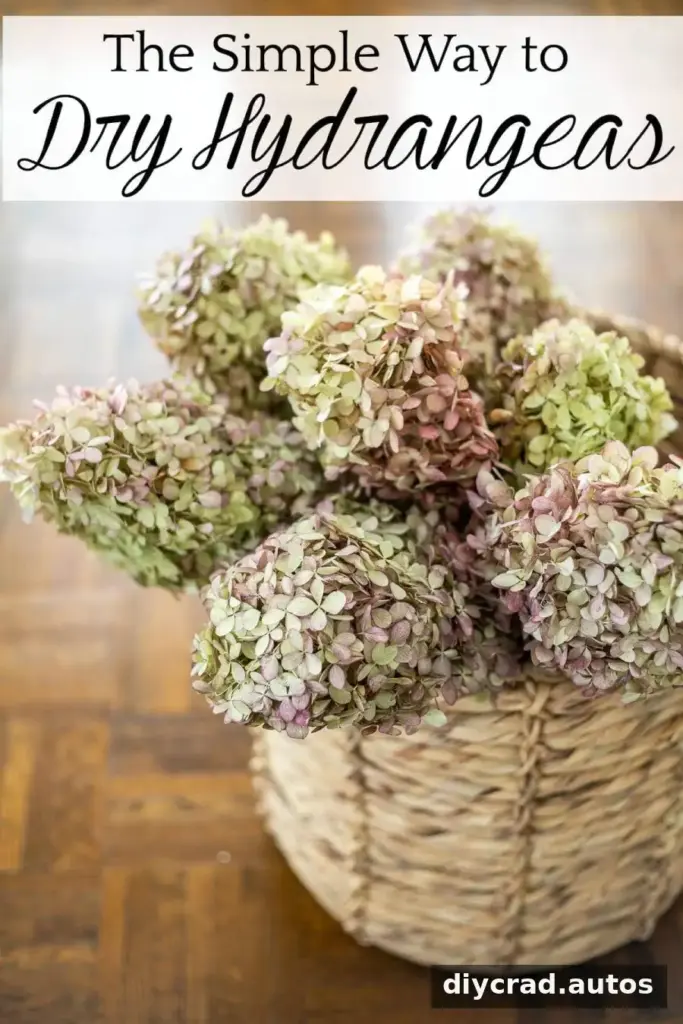
How to Dry Hydrangeas the Easy Way
The vase method requires little preparation and lets you enjoy the flowers while they dry. Hydrangeas from your garden can often be kept for future decorating instead of being discarded at the end of the growing season. Choose sturdy blooms that have started to mature, and handle them gently because dried petals can become delicate.
Before cutting, check that the flowers are dry rather than wet from rain or watering. If the blooms are damp, allow them to dry naturally first. This helps prevent extra moisture from lingering during the drying process.
When to Cut Hydrangeas for Drying
Look for mature blooms from late August to early October. The exact timing can vary with local weather and growing conditions, so use the flower’s texture and appearance as your guide. Blooms that are ready usually have less vivid color, and their petals feel firmer or slightly crisp rather than soft and fresh.
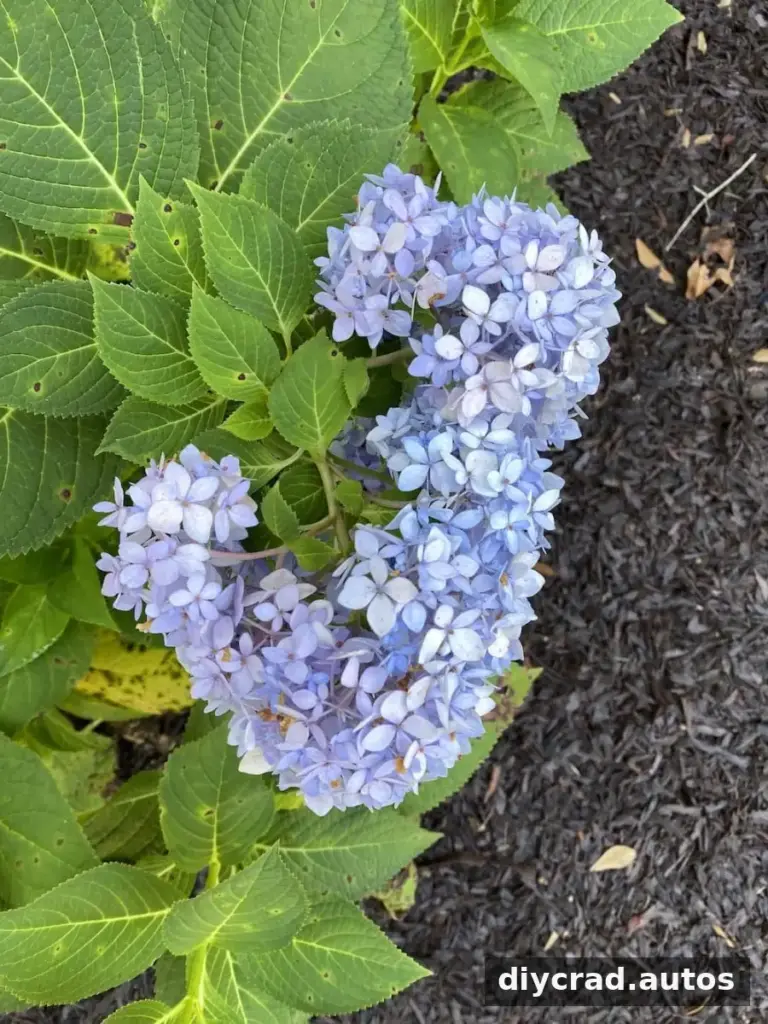
Too early to cut: Fresh, colorful flowers with soft petals may wilt instead of drying into a lasting shape.
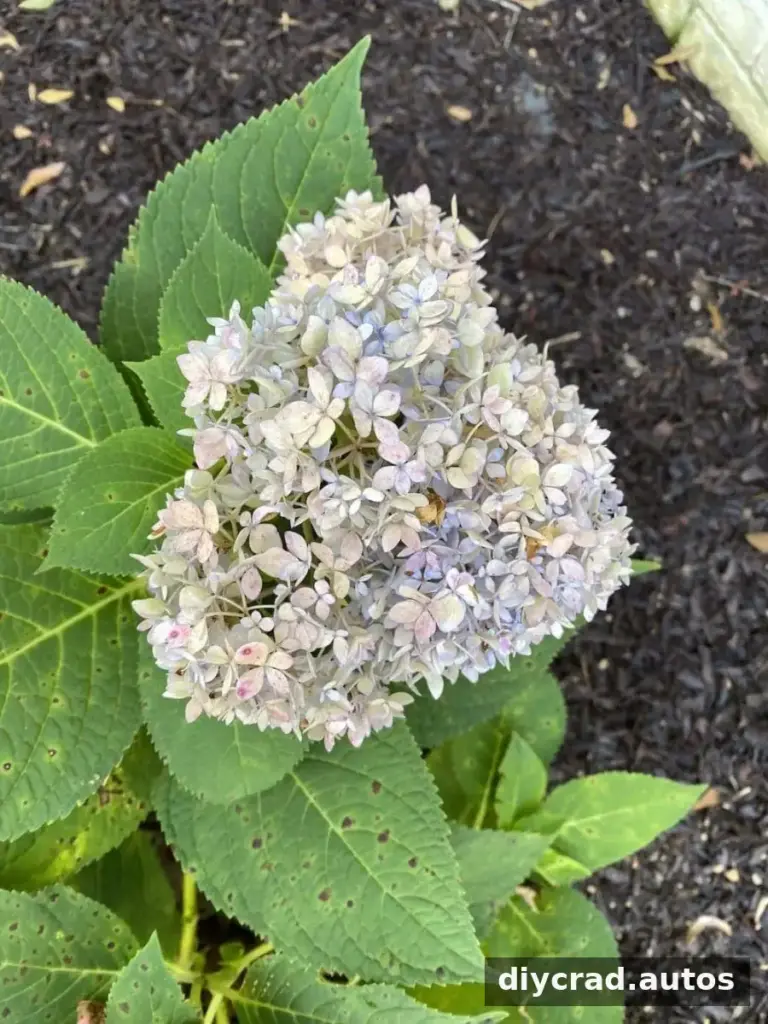
Ready to cut: Mature blooms with faded color and a drier, slightly crunchy feel are generally better suited to drying.
Use clean, sharp garden shears to make a neat cut. Avoid cutting every flower from a plant at once; leaving some blooms in place can maintain the garden’s appearance through the season.
How to Dry Hydrangeas in a Vase
For a straightforward, low-maintenance approach, arrange the stems in a vase with a small amount of water. Follow these steps:
- Cut each stem to about 12–18 inches long, adjusting the length to suit your vase or display.
- Remove the leaves from the stems so they do not crowd the flowers or sit in the water.
- Place the stems in a vase containing about 1 inch of water.
- Set the vase indoors in a cool location away from direct sunlight.
- Leave the flowers undisturbed for about 1–2 weeks. The water will gradually evaporate as the blooms dry.
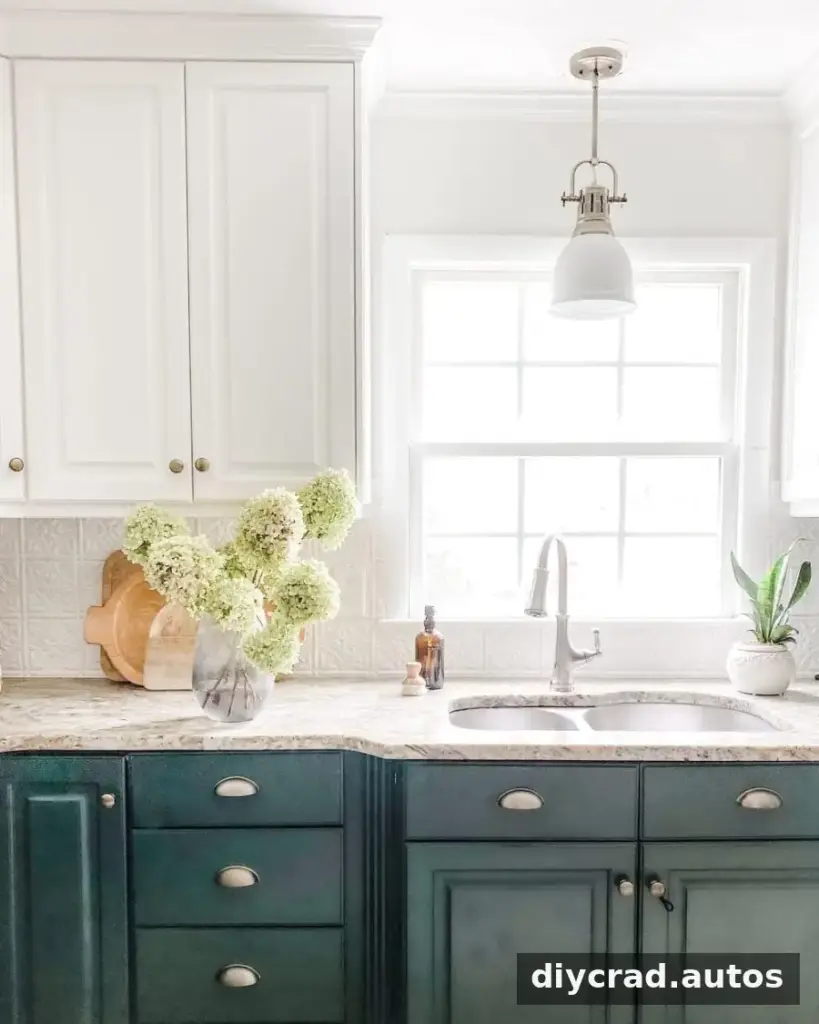
Check the arrangement occasionally, but avoid moving the stems more than necessary. Keeping the vase out of direct sun can help limit fading, while a calm location reduces the chance of the drying petals being bumped or scattered.
How to Dry Hydrangeas by Hanging
Hanging is another option, particularly if you want to dry blooms without using a vase. Remove the leaves, then attach the end of each stem to a clothesline or coat hanger with a clothespin. Position the flower upside down in a cool, dark, dry place, such as a closet.
A dim location can help the blooms retain more of their color as they dry. Leave enough space between flowers so they are not pressed together, and choose a spot where they will not be disturbed. Drying time can vary depending on the room and the condition of the blooms, so wait until the petals feel dry before arranging them.
The vase method is convenient if you would like to display the flowers while they dry. Hanging can be useful when you have several blooms or limited space on a tabletop.
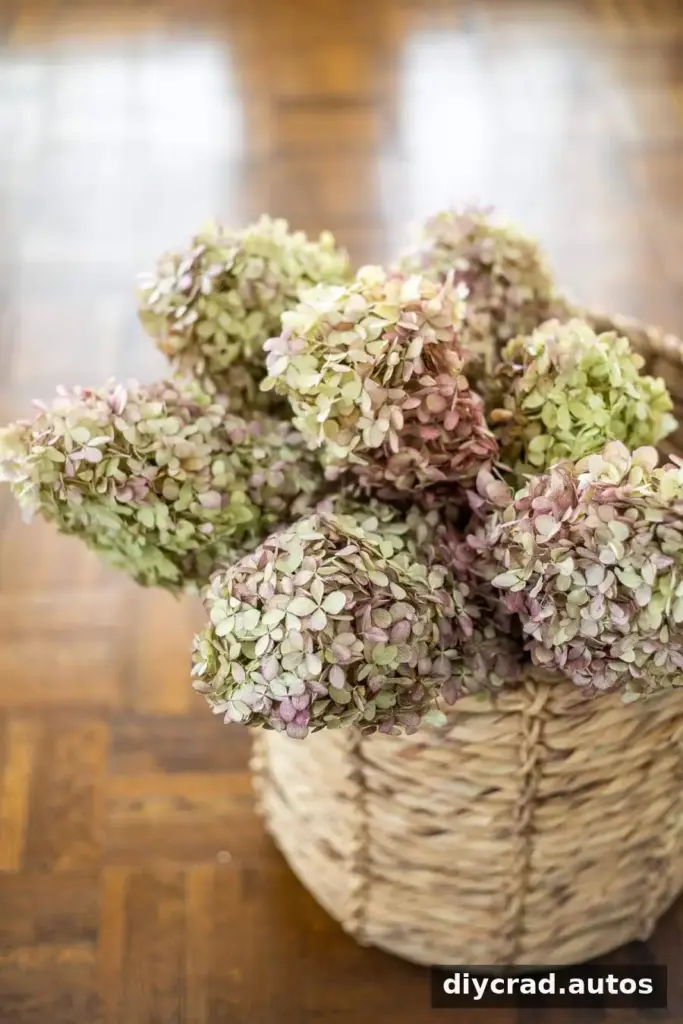
How to Preserve and Decorate with Dried Hydrangeas
Once the flowers are fully dry, you can lightly coat them with aerosol hairspray to help reduce petal movement. Hold the can far enough away that the spray does not disturb the bloom, and apply a light, even layer over the flower, including the underside. Use the product according to its label, in a well-ventilated area, and keep it away from heat or open flames.
Arrange dried hydrangeas in a vase, bowl, or basket, or use them in a wreath. Their soft, muted colors and textured petals can add a natural accent to seasonal displays. Handle the blooms gently when placing them, since dried flowers are more fragile than fresh ones.
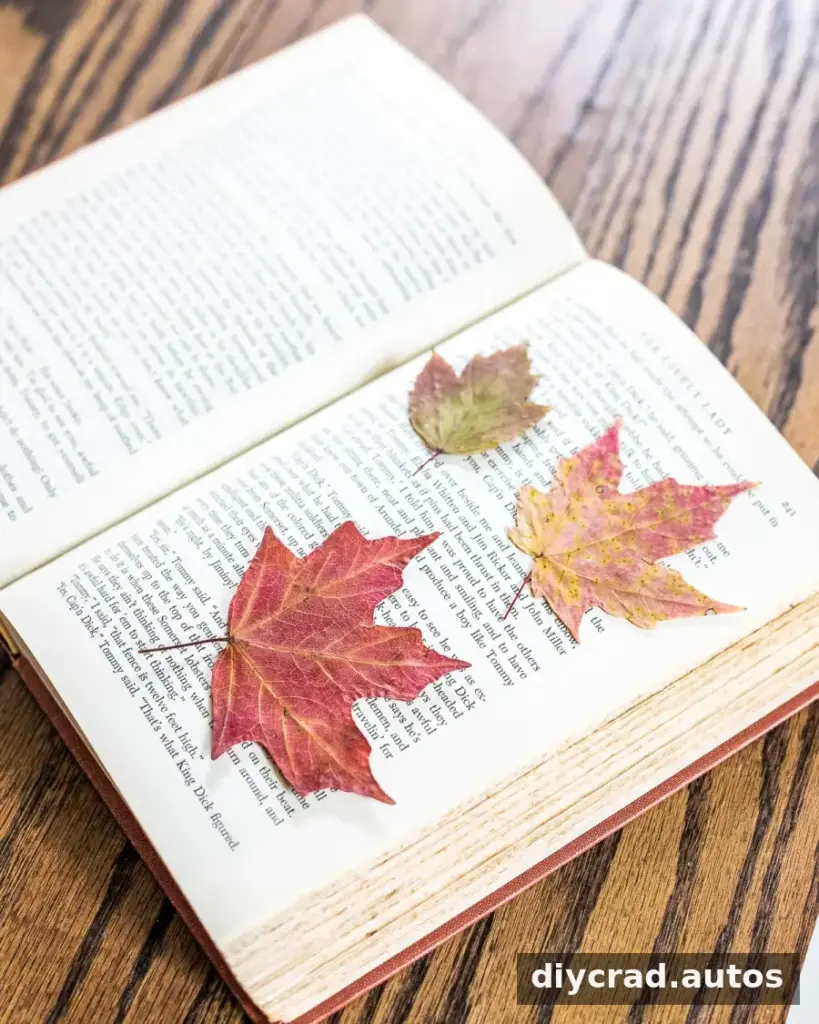
Pressed leaves can also complement dried flowers in fall projects. If pressing leaves in a book, place them between sheets of paper to help protect the pages and absorb moisture. Keep finished botanical decorations away from damp areas and direct sunlight to help them stay in good condition.
Conclusion
Knowing how to dry hydrangeas makes it easy to turn mature garden blooms into decorations that last beyond the flowering season. Cut them when their petals feel firmer and less vibrant, then dry them in a vase with about 1 inch of water or hang them upside down in a cool, dark place. Once completely dry, handle them carefully and use them in arrangements, wreaths, and other fall displays.

