


Learning how to make a bed fluffy does not have to mean buying expensive bedding. A few thoughtful choices—such as using fuller pillow inserts, layering lightweight duvet inserts, and arranging blankets strategically—can create a soft, inviting look without luxury-level spending.
Fluffiness comes from both the bedding itself and how it is arranged. The tips below focus on practical ways to add volume, make a bed look balanced, and keep the layers comfortable for everyday use.

How to Make a Bed Fluffy: 7 Affordable Tricks
Use these ideas individually or combine several to build a fuller-looking bed. Before buying anything, check the dimensions of your pillow covers, duvet cover, and mattress so new bedding fits properly.
- Choose pillow inserts about 2 inches larger than their covers.
- Look for discounted inserts in clearance or seasonal decor sections.
- Layer two duvet inserts inside one duvet cover for extra loft.
- Stack sleeping pillows to give the bed more height.
- Fold the top layers of bedding down to create a soft, layered edge.
- Drape a throw blanket loosely across the foot of the bed.
- Gently shape decorative pillows so they look relaxed rather than rigid.
1. Size pillow inserts up by about 2 inches
For decorative pillows, buying covers and inserts separately can make storage easier and may cost less than purchasing complete pillows. For a fuller finish, choose an insert around 2 inches larger than the cover. For example, a 24-inch cover can be paired with a 26-inch insert.
On a queen- or king-size bed, larger accent pillows—around 22 inches or more—can look more proportionate than small cushions. Check the cover’s dimensions and fabric stretch before choosing an insert; a very firm or oversized insert may strain the seams.

2. Check clearance and seasonal decor sections
Clearance aisles and end-of-season home decor sections can be useful places to look for discounted pillows. If the cover is not a good match for the room, the insert may still be useful if it is clean and in good condition. Compare its size and feel with the cover you plan to use before buying.
Inspect clearance items for stains, damage, odors, and care-label information. Avoid used inserts if you are concerned about cleanliness or cannot check their condition.
3. Layer two duvet inserts for more loft
Putting two lighter, more affordable duvet inserts inside one duvet cover can create a fuller appearance than using a single thin insert. Make sure both inserts fit the cover and can be secured in place, if the cover has ties or loops. This approach adds warmth as well as volume, so consider your room temperature and sleeping preferences.
Follow the care instructions for both inserts. If an insert becomes compressed, check its label before using a dryer; only use dryer-safe bedding and the recommended settings. Some dryer-safe pillows and inserts can be gently fluffed with clean dryer balls, but this is not suitable for every fill or fabric.
A separate duvet cover can also be easier to wash and replace than a bulky comforter, and changing the cover can refresh the bedroom’s color scheme without replacing the insert.

4. Stack your sleeping pillows
Stacking sleeping pillows against the headboard gives the bed extra height and creates a useful backdrop for decorative cushions. Place accent pillows in front, keeping the arrangement simple enough that the bed remains practical to use at night.
5. Fold the bedding back at the top
Fold the top sheet, duvet, or quilt down about one-third of the way toward the foot of the bed. This exposes the layers and creates a soft, cushion-like band across the top. If you prefer not to show the top sheet, fold the bedding back over itself so the upper layer remains visible.
Keep the fold even on both sides for a tidy finish, and avoid piling on too many heavy layers if you want the bed to remain comfortable.

6. Add a relaxed throw at the foot of the bed
Drape a throw blanket across the lower part of the bed, letting it fall naturally rather than pulling it perfectly flat. A little texture can make the arrangement feel relaxed and add another layer of visual depth. Choose a throw that is easy to wash and appropriate for the season.
7. Gently shape decorative pillows
After placing throw pillows, lightly press or shape the top edge so the cushions look soft rather than stiff. This small finishing touch works best with inserts that fill their covers well. Avoid forceful bending, which can damage the insert or leave a sharp crease.
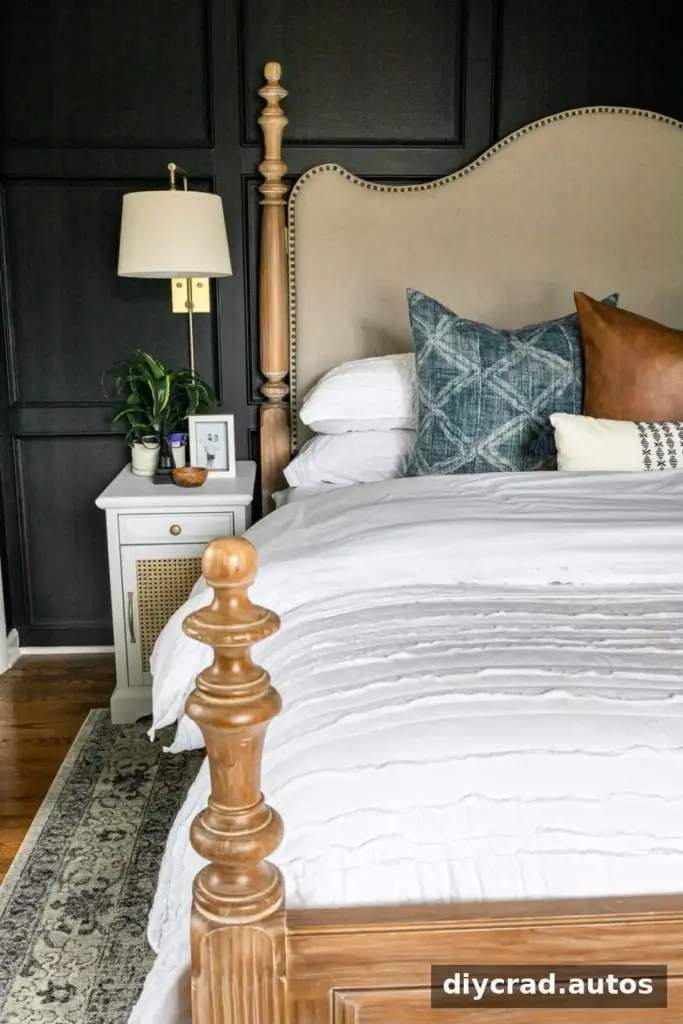
Simple bedding choices for a fuller look
You can build a layered bed with a fitted sheet, sleeping pillows, a duvet and cover or comforter, a quilt, decorative pillow inserts and covers, and a throw blanket. Choose pieces that work together in both size and care requirements. A consistent color palette, such as white bedding with a few textured accents, can make the layers look coordinated without requiring matching sets.
Frequently asked questions
How can I make my bed fluffy without a duvet?
Use a quilt or comforter, fold its top edge back about one-third of the way, and add a textured throw across the foot of the bed. Stacking sleeping pillows and using correctly sized decorative inserts can also add height and fullness without a duvet.
How do hotels make beds look fluffy?
Many hotels use layered bedding and lofty duvet inserts to create a full, neatly arranged look. The materials and construction vary, so the appearance does not depend on one specific type of fill. If down is unsuitable because of allergies or personal preference, a suitable down-alternative insert is another option. Check product care instructions and choose warmth levels that suit the sleeper.
Conclusion
To learn how to make a bed fluffy for less, focus on proportion and layering: use inserts about 2 inches larger than pillow covers, arrange sleeping pillows for height, fold back the bedding, and finish with a relaxed throw. Choose layers that fit your bed, suit your comfort needs, and are easy to care for.

