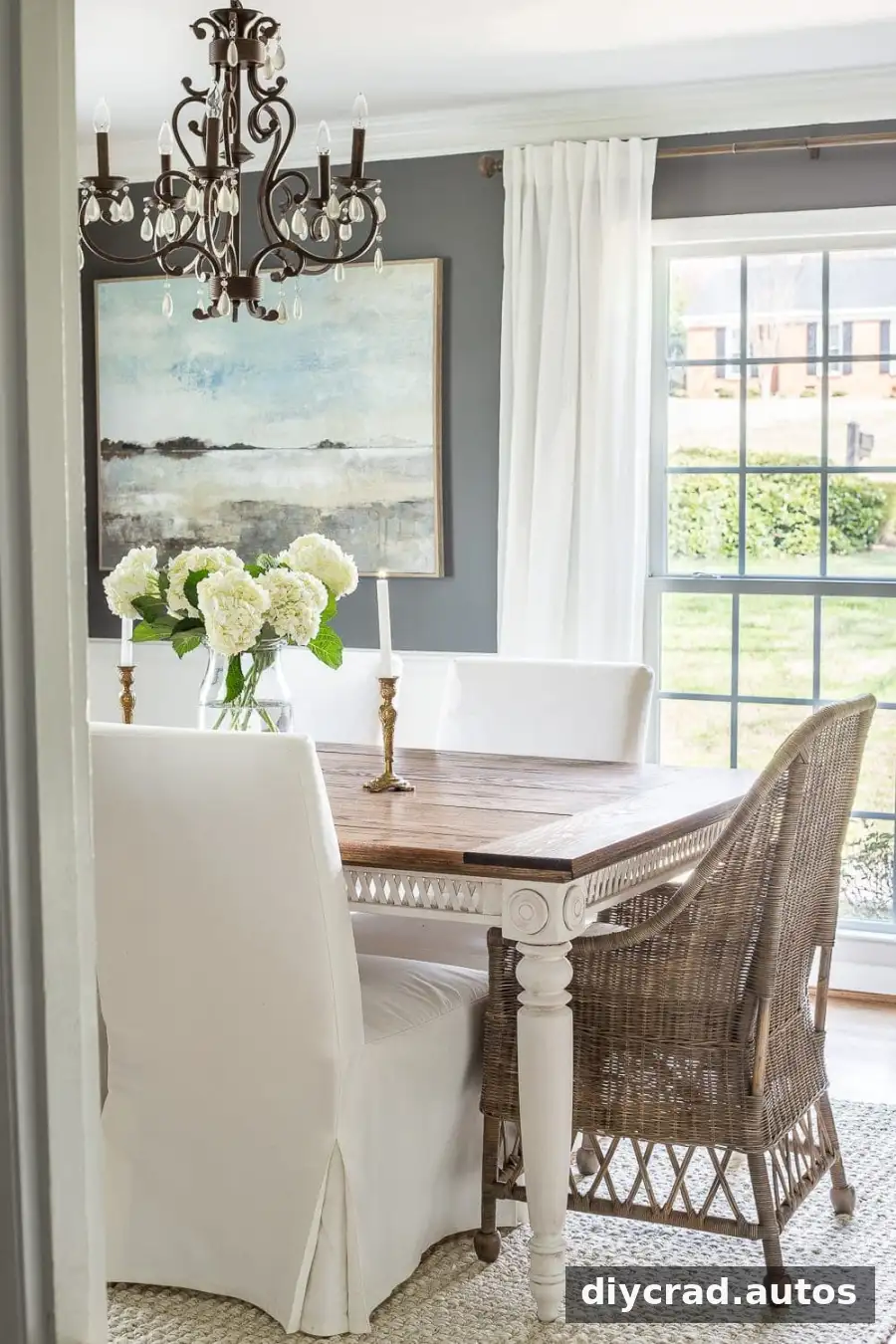
Open box deals can help shoppers save on home furnishings and other products without buying them brand new. These items are often returns or products with opened packaging, and some may have minor cosmetic marks. Checking several types of online listings—and reviewing the condition and return details before checkout—can help you decide whether a discount is worthwhile.
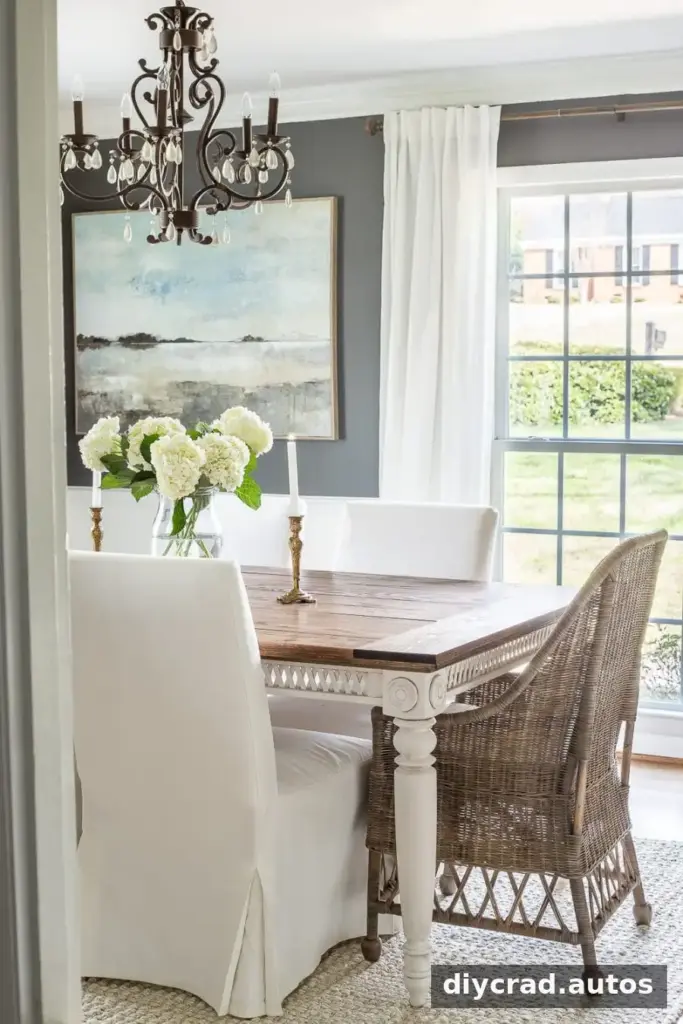
A home refresh is one occasion when it can be useful to look beyond standard retail listings. Updating a dining room, for example, might involve replacing a light fixture or finding a new rug. Before paying full price, compare the regular listing with discounted open-box options. The item’s condition, included parts, and return terms matter just as much as the price.
Where to find open box deals online
Open-box products are generally items that have been purchased and returned, or whose packaging has been opened. The reason for a return can vary: an item may not have suited the buyer, its box may be damaged, or the product may have a small cosmetic flaw. Retailers may offer these goods at a reduced price, but condition and availability differ from one listing to another.
1. Look for retailer open-box sections
Some retailers organize returned or inspected products in a dedicated open-box or clearance section. Search the retailer’s website using terms such as “open box,” “returned,” or “clearance,” then compare the listing with the new-item price. Read the item description carefully; a markdown alone does not explain the product’s condition.
Practical tip: Check whether the listing specifies missing accessories, packaging damage, or visible wear. For furniture and lighting, confirm the dimensions and what components are included.
2. Check warehouse-style deal listings
Online warehouse listings can include returned goods and products sold in varying conditions. Use the condition notes to distinguish an item described as like new from one that has visible damage or incomplete packaging. When possible, compare the discounted product with a new version to see whether the savings justify any trade-offs.
Practical tip: Review the return and warranty information before ordering. These terms may differ by product or seller, so do not assume they match the policy for a brand-new item.
3. Browse liquidation listings
Liquidation sellers may offer overstock, customer returns, or other discounted inventory. Listings can vary widely, so confirm who is selling the item and whether the description provides enough detail to assess its condition. If the information is unclear, consider looking for a listing with more complete product details.
Practical tip: Include delivery costs in your comparison. A low listed price may be less appealing once shipping or other charges are added.
How to compare open box deals before buying
Discounts may sometimes be combined with coupons or other offers, but eligibility depends on the retailer and the item. Check the final price at checkout rather than assuming that promotions can be stacked. A simple comparison can help keep the decision focused:
- Compare the open-box price with the current price of a new item.
- Read the condition description and inspect any available product photos.
- Check what is included, especially parts needed for assembly or installation.
- Review shipping costs, return terms, and warranty details.
- Save the listing details until the item arrives in case you need to check what was promised.
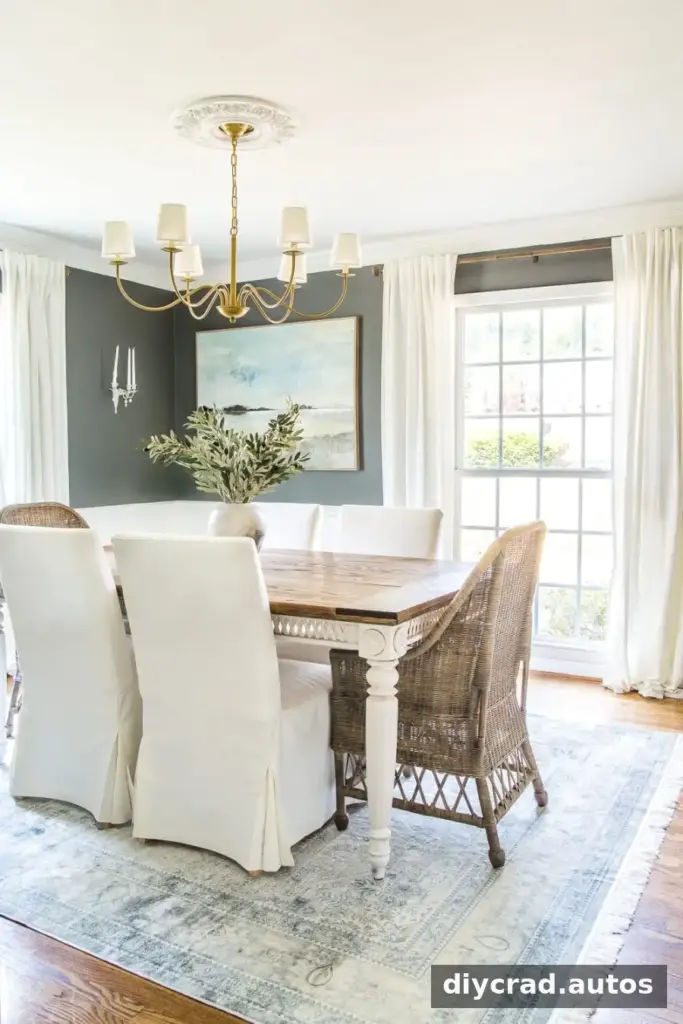
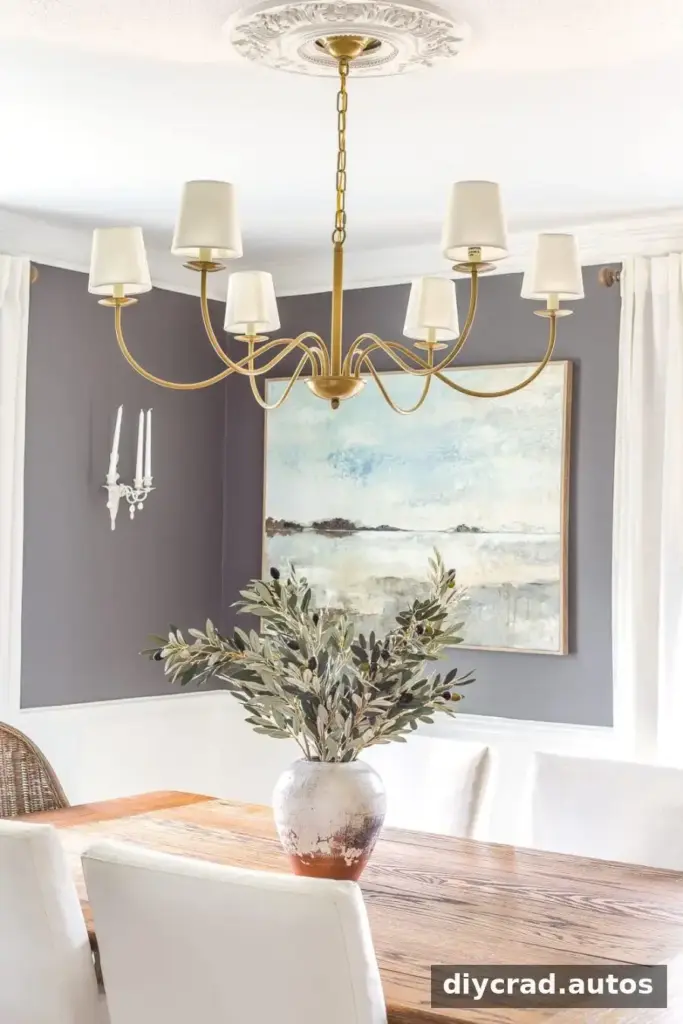
For a dining room update, an open-box search can be worthwhile for items such as a chandelier or rug. In one such refresh, the chandelier cost about 60% less than its regular price, and no visible issue was apparent on arrival. Individual results vary, so inspect the product promptly after delivery and compare it with the listing.
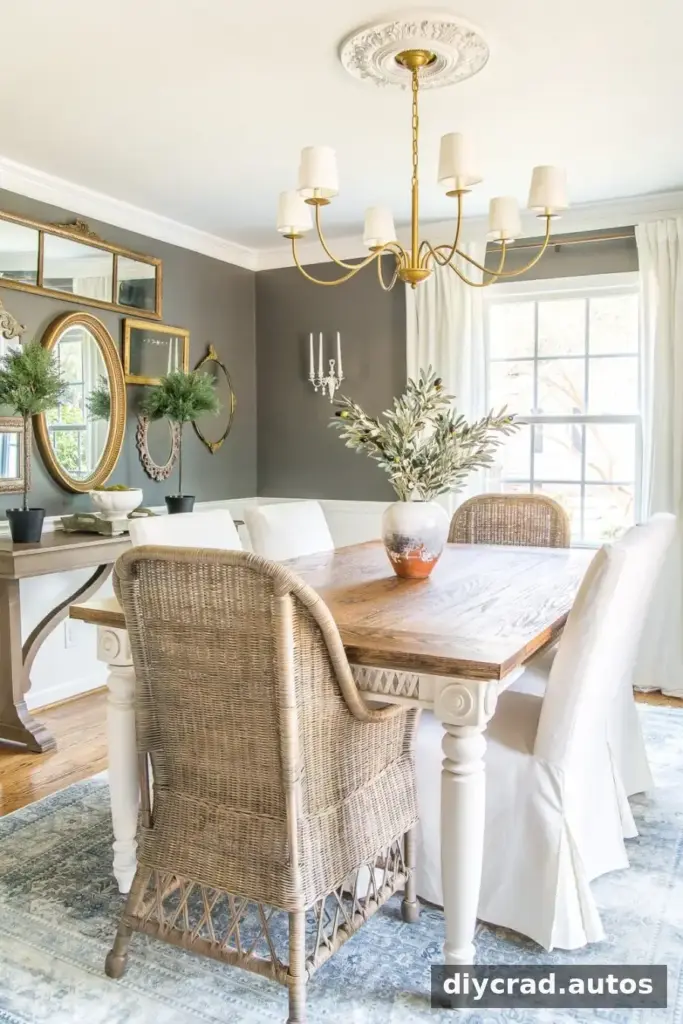
Before buying new, checking retailer outlet sections, warehouse-style listings, and liquidation sales can reveal useful open box deals. Take a few minutes to compare condition, total cost, and return terms. That way, the discount is easier to evaluate and the product is more likely to suit the room and the budget.
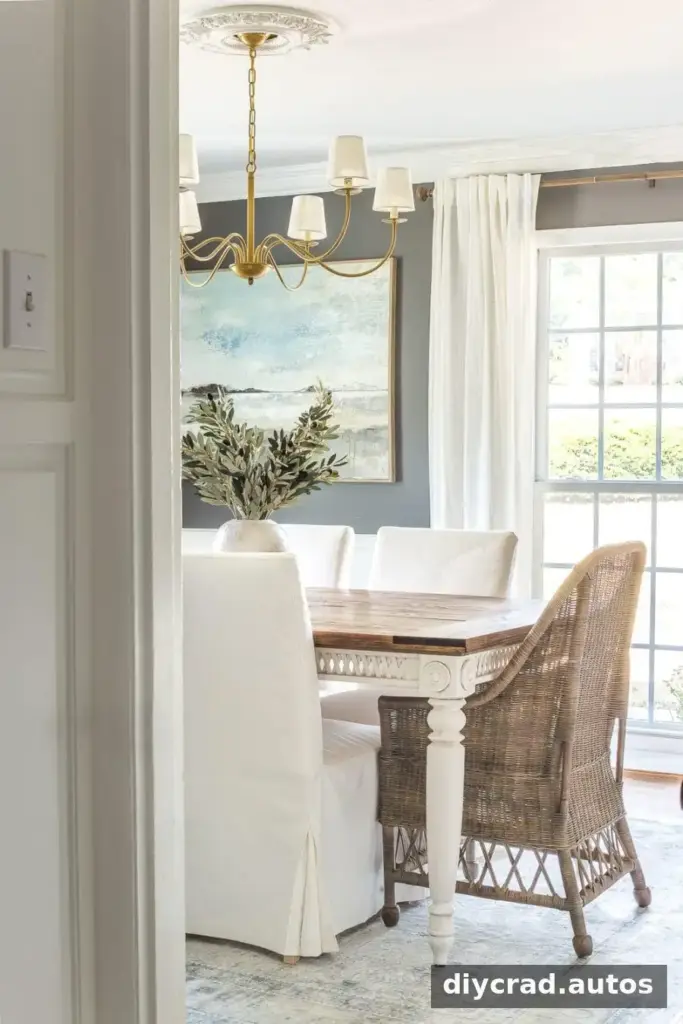
A refreshed dining room does not need to rely on a large number of new purchases. Existing furniture, secondhand pieces, and carefully chosen accessories can all be part of the plan. Keep measurements handy when shopping online, particularly for rugs, chairs, and light fixtures, so a discounted find is also a practical fit.
- Wall and trim colors: charcoal and white
- Table: secondhand makeover with a DIY-built top
- Curtains, slipcovered chairs, and wicker chairs
- Artwork, chandelier, rug, and mirror gallery wall
- Olive branches, vase, and sconces
With the room ready well ahead of the holiday, simple seasonal accents can be added later if desired. The same measured approach applies to any online purchase: compare options, check the details, and choose the item that meets your needs—not just the one with the biggest markdown.