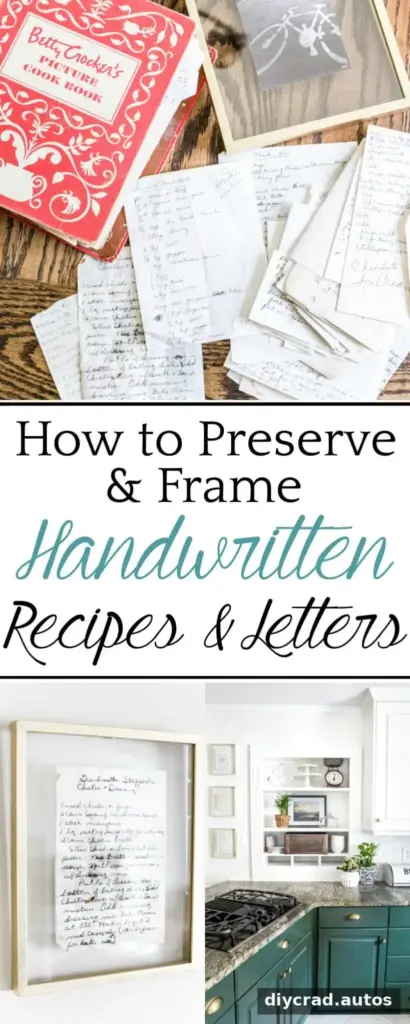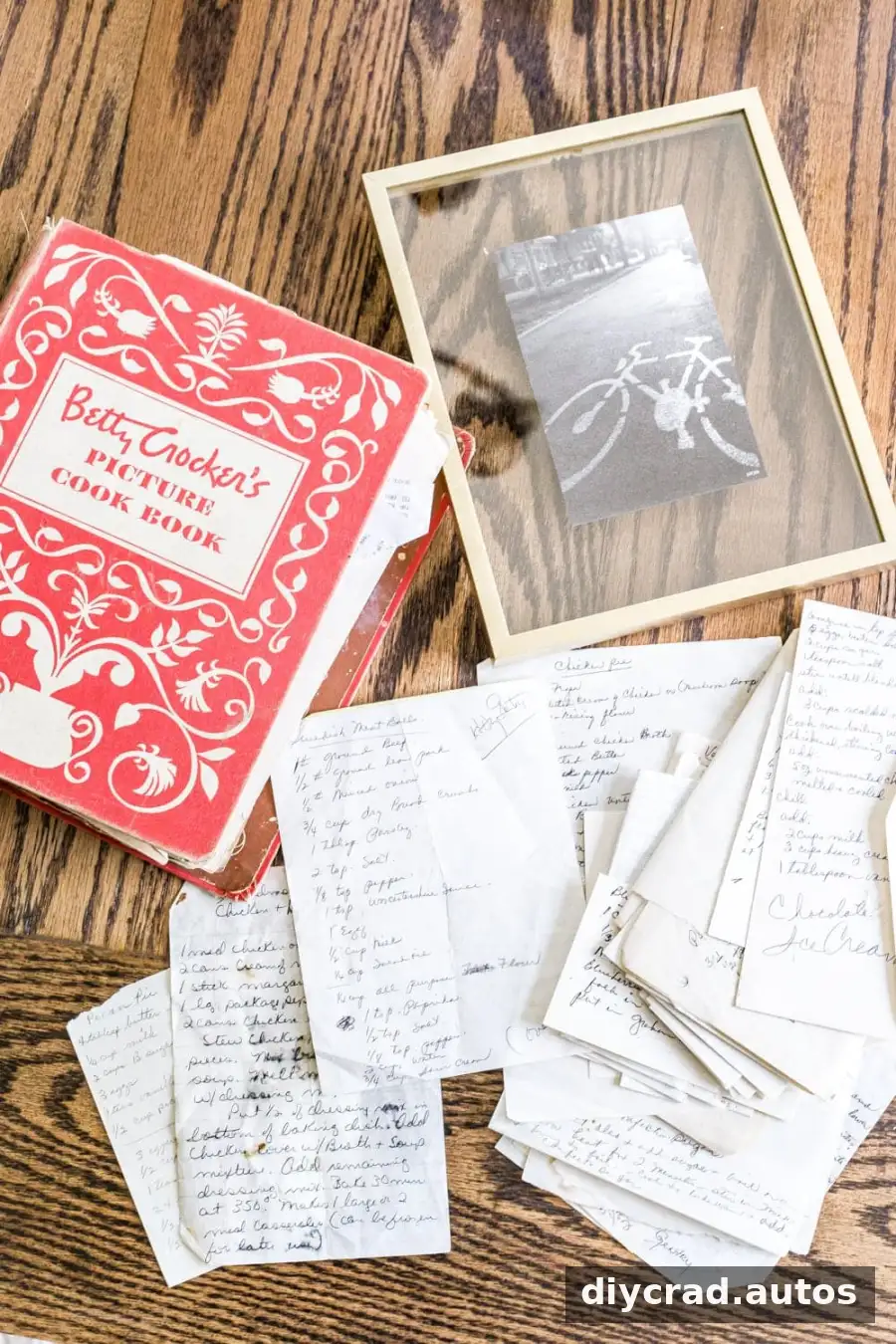
Family recipes and letters can carry memories in the handwriting, worn paper, and stains left behind by years of use. To preserve handwritten recipes for display, you can place them in a frame with UV-filtering laminating film. This method can make paper less vulnerable to tears during handling, but it is permanent and is not suitable for historically important documents.
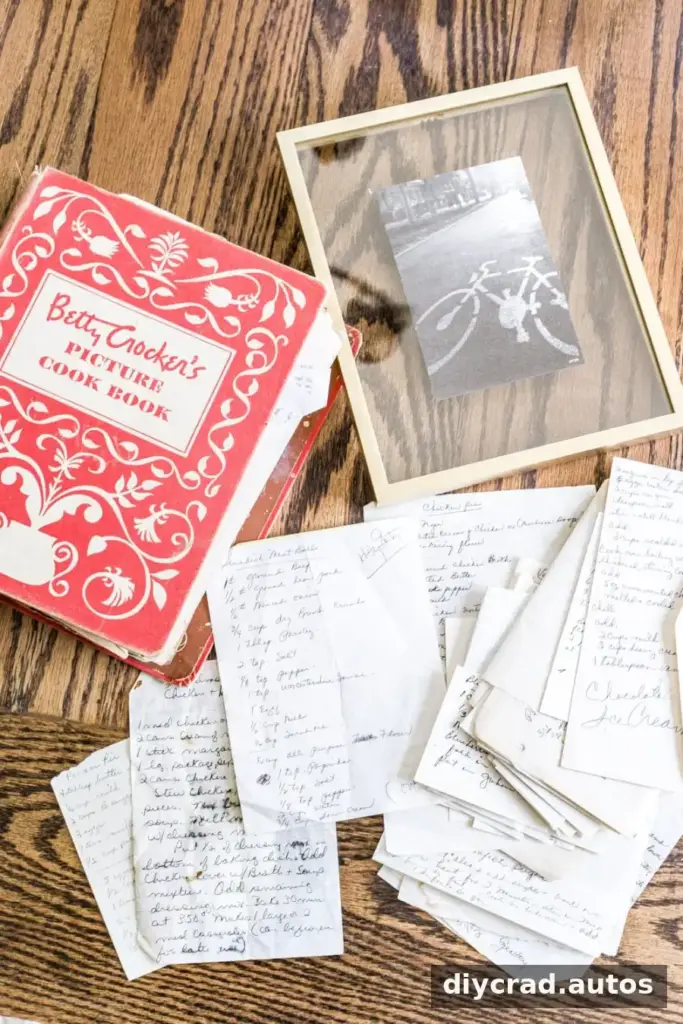
Old recipe pages often show signs of frequent use, such as wrinkles, smudges, or splatters. Those marks can be part of their charm, so consider how much of the original paper you want visible before choosing a frame. A float frame is one option because it leaves the paper edges in view.
How to Preserve Handwritten Recipes for Display
The method below uses heat to seal laminating film around a recipe or letter. It is intended for sentimental items that will be displayed at home, not for archival conservation. Once the film is attached, it cannot be removed without risking damage to the paper or handwriting.
For valuable, rare, or historically significant documents, avoid home lamination and seek advice from a qualified paper conservator. If you want a less permanent display option for a family keepsake, use UV-blocking acrylic in a frame instead. This can help reduce UV exposure while keeping the paper unlaminated.
Materials
- 8×10 float frames
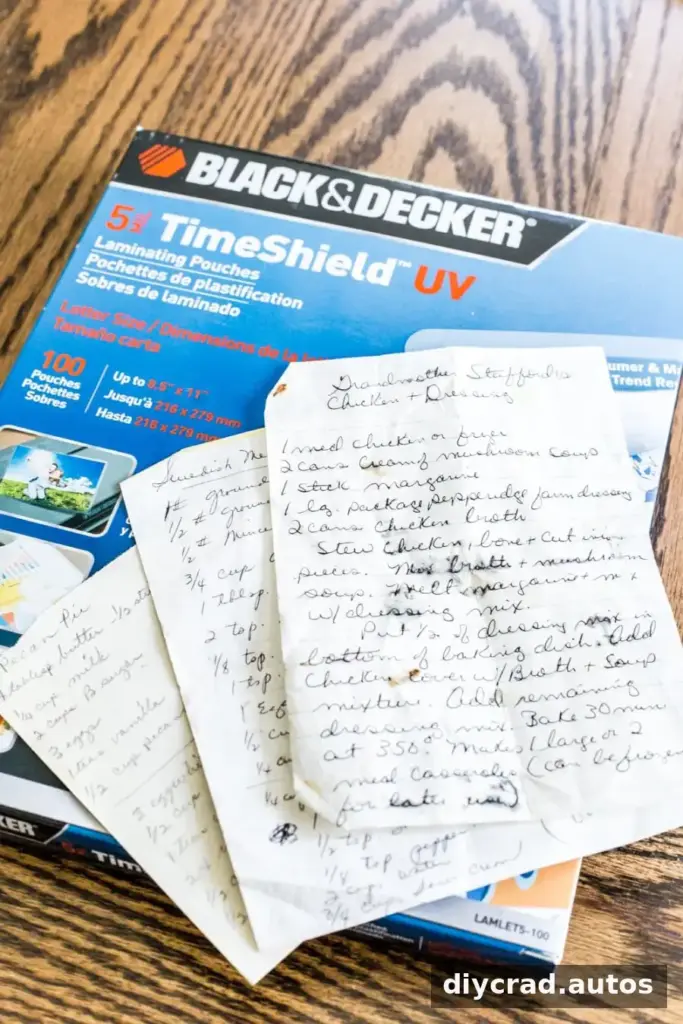
- UV-filtering laminating film
- An iron and ironing board
- Scissors
- A handwritten recipe or letter suitable for display
- A piece of cardboard to place beneath the laminating film while ironing
Why Use UV Protection?
Sunlight and indoor lighting can contribute to fading over time. UV-filtering film can help limit UV-related damage to the ink, although it cannot prevent every kind of fading. Displaying a keepsake away from direct sunlight is also a practical way to reduce exposure.
Keep in mind that heat-sealing film onto an original is an irreversible choice. If you are unsure about altering the paper, frame it behind UV-blocking acrylic without laminating it. Follow the frame material’s care instructions and handle the document with clean, dry hands.
Laminating film is often designed for use with a laminator, but the process described here uses an iron. Use low heat first and increase it gradually only if needed. Because papers and inks can react differently to heat, do not use this method on fragile, valuable, or heat-sensitive items.
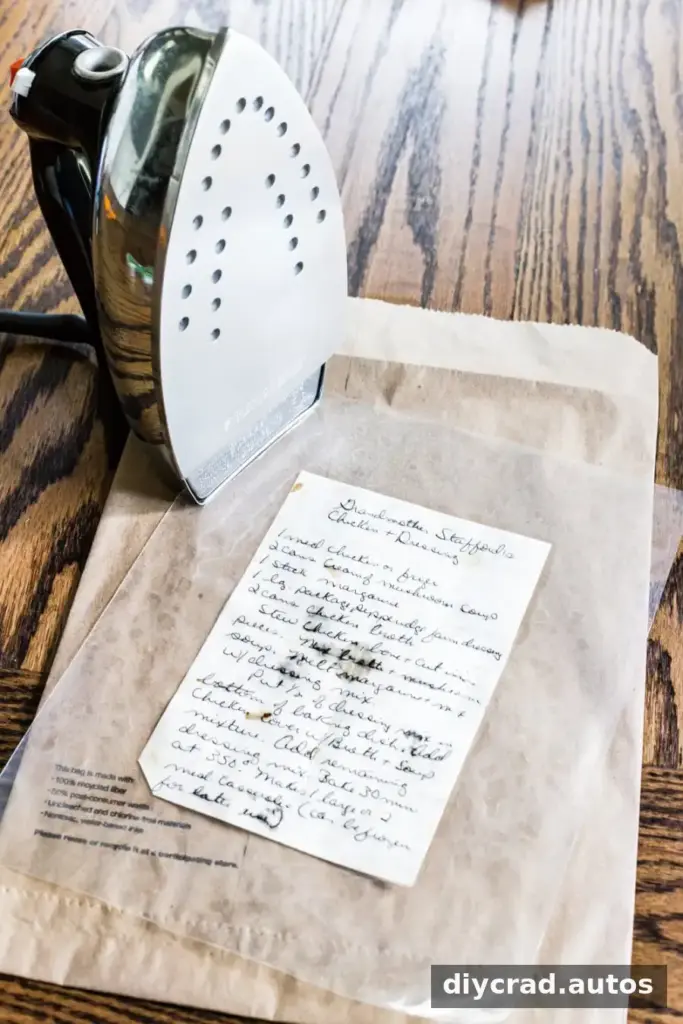
Step 1: Place the Paper Between the Film
Separate the laminating sheets and position the recipe or letter between them. Check that the paper lies flat and that the film covers the area you want to seal. Take a moment to align the sheet before applying heat, since repositioning may not be possible afterward.
Step 2: Apply Heat Carefully
Place the film pouch on the ironing board, with cardboard underneath to create a firm, even surface. Press with an iron set to low heat, then increase the temperature gradually if the film does not adhere. Keep the iron moving carefully and aim for a smooth finish without wrinkles or bubbles.
Do not rush this step. Uneven heat or pressure can leave creases, and excessive heat may damage paper or ink. Allow the sealed film to cool fully before trimming or handling it further.
Step 3: Trim and Frame
When the film has cooled and adhered, trim it to the size needed for the frame. Leave enough sealed margin around the paper so the edges remain enclosed. Place the piece in the frame, taking care not to bend the laminated sheet.
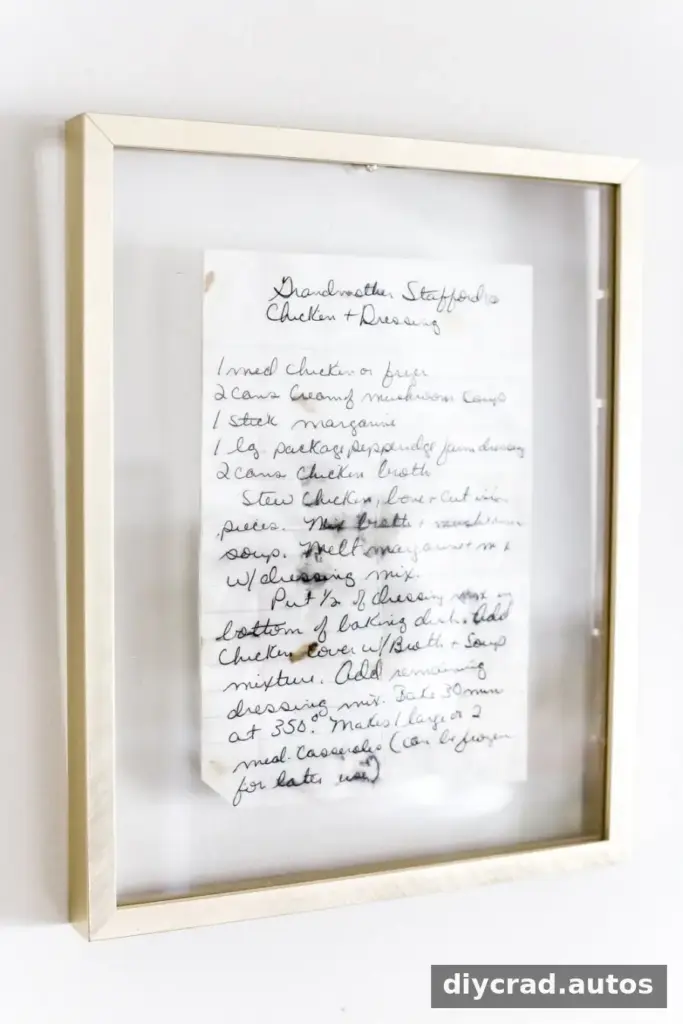
Floating frames can suit handwritten recipes because they show the paper’s uneven edges and well-loved appearance. Before hanging the frame, check that the recipe is secure and that the frame’s backing is fitted properly.
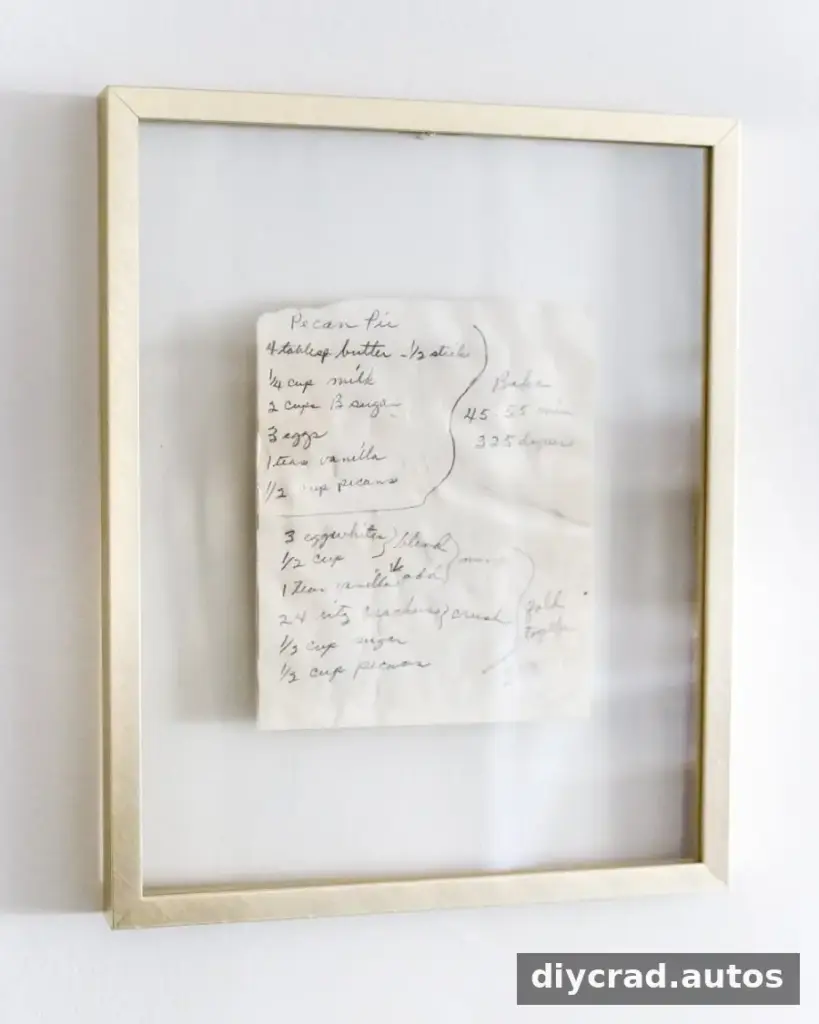
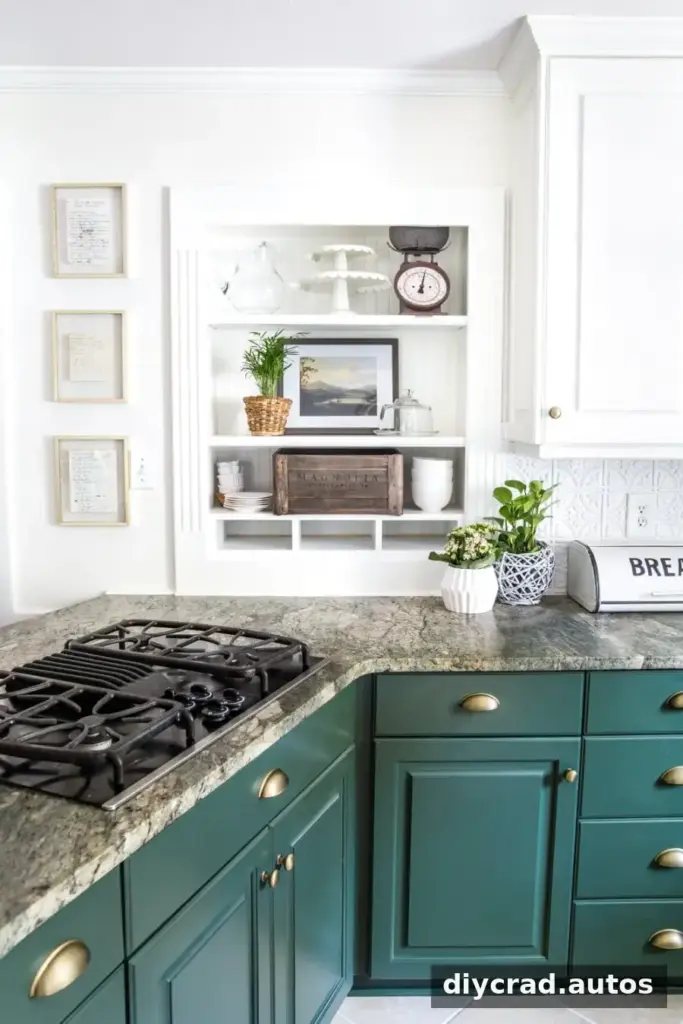
Recipes passed down through generations can be displayed alongside other family keepsakes. Grouping a few pieces together can create a meaningful kitchen display, while leaving space around each frame helps the handwriting remain easy to see.
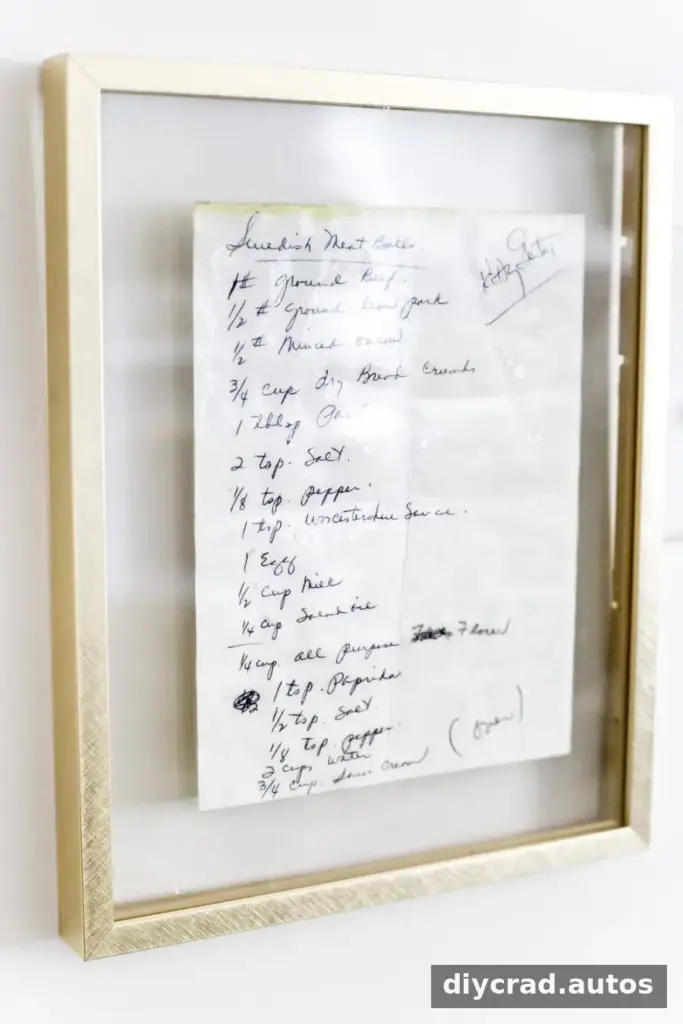
A signed recipe or a page written by a relative can be especially distinctive. If several items are displayed near a cooking area, choose a spot away from direct heat, steam, grease, and splashes. These conditions can affect both paper and framing materials.
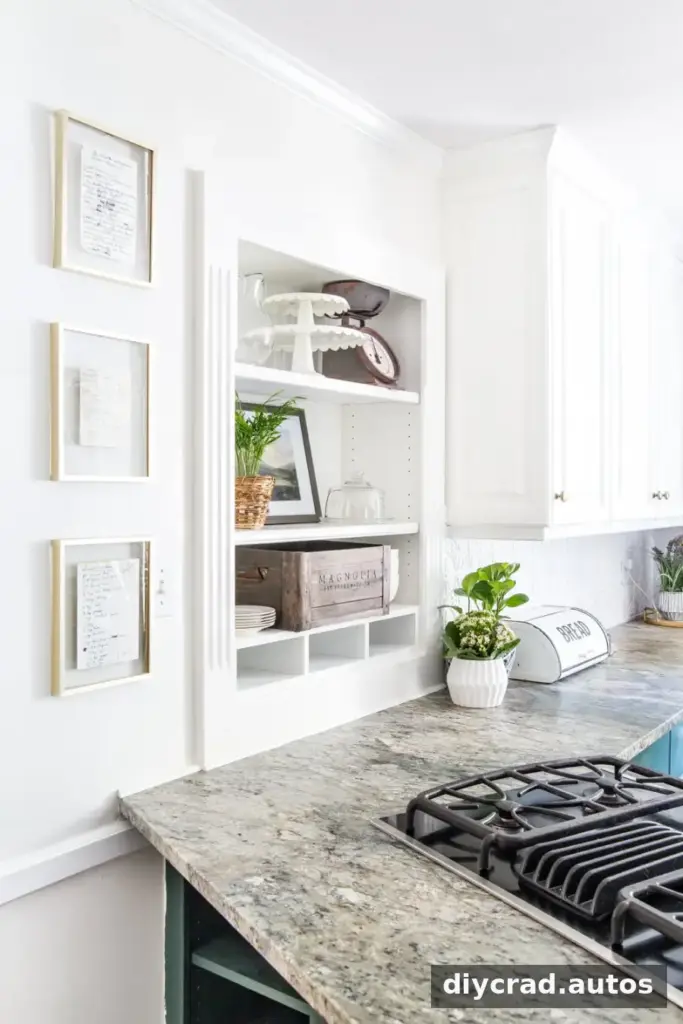
Small decorative objects or artwork can complement recipe frames, but avoid overcrowding the display. A little space around each item makes the handwriting the main focus.
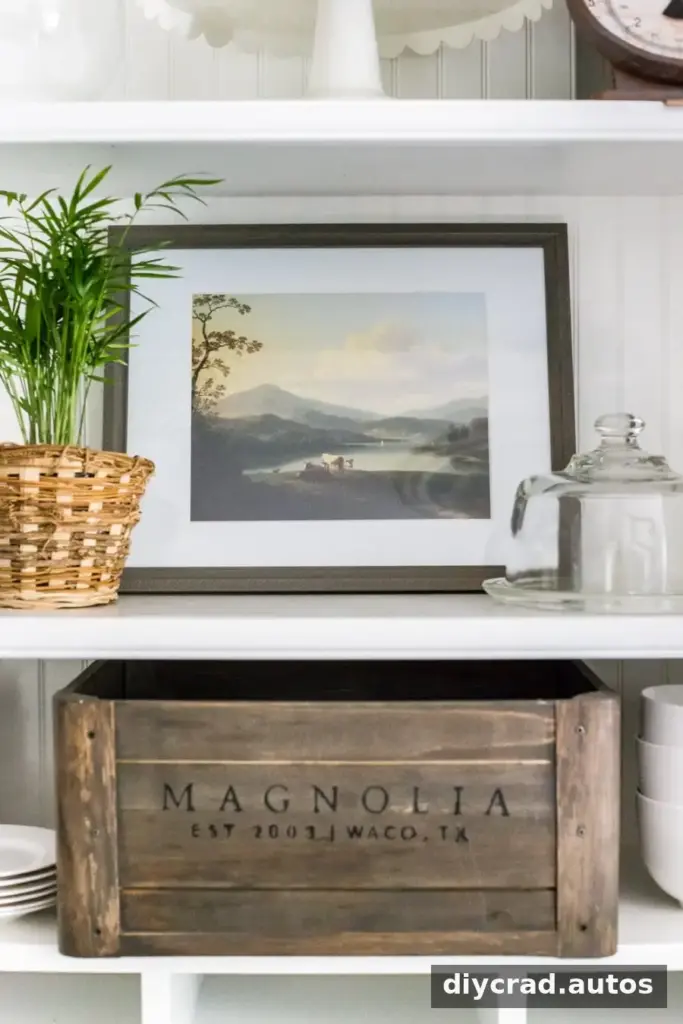
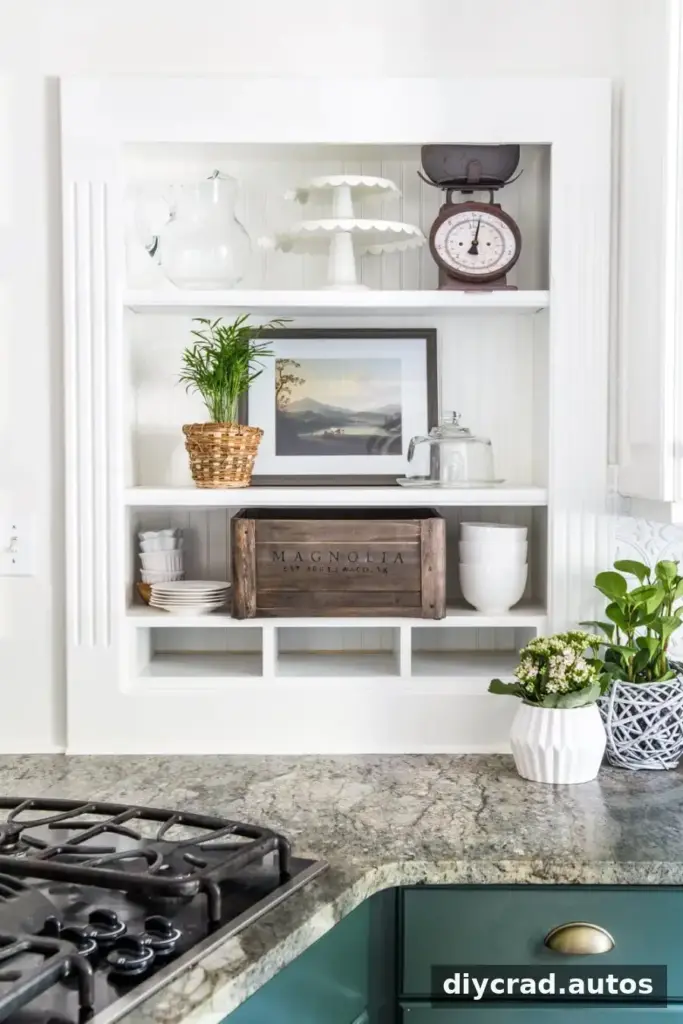
A nearby shelf can also hold practical items, provided they do not press against or obstruct the framed keepsakes. Keep the area easy to clean and avoid placing objects where they could fall onto the frames.
Preserved handwriting can turn an ordinary kitchen corner into a personal display. Choose a location that is visible but protected from direct sunlight and everyday cooking mess.
This project also highlights the value of handwritten notes and recipes as family keepsakes. If you are preparing new recipes for the future, write them on clean, dry paper and store the originals in a safe place. A display copy can be used when you want to keep the original untouched.
Frequently Asked Questions
What are some ways to preserve handwriting as a gift?
Handwriting can be reproduced on items such as cutting boards, jewelry, plates, or dish towels. Check how the seller transfers the writing and whether the original document must be provided. Keep the original safe, and use a clear scan or copy when possible.
Can handwriting be turned into a font?
Handwriting can be digitized and converted into a font using handwriting-font software or a specialist service. Results depend on the quality and completeness of the samples, so use a clear, high-resolution scan and follow the provider’s instructions.
Is lamination the best way to preserve handwritten recipes?
Not always. Lamination is a permanent home-display option and may not be appropriate for fragile or historically valuable paper. For those items, consult a paper conservator. For a sentimental recipe you want to display without sealing it, consider framing it behind UV-blocking acrylic.
To preserve handwritten recipes for display, weigh the convenience of lamination against its irreversible nature. Protect the paper from direct sunlight, heat, steam, and handling, and choose a framing method that suits the recipe’s condition and importance.