Jute rugs can add natural texture and warmth to a room, but their woven fibers feel different from plush or shag rugs. Before buying jute rugs, consider how you plan to use the space, how much cleaning it may need, and whether you prefer a firm, textured surface. Here is what to expect so you can decide if this style suits your home.
What jute rugs feel like underfoot
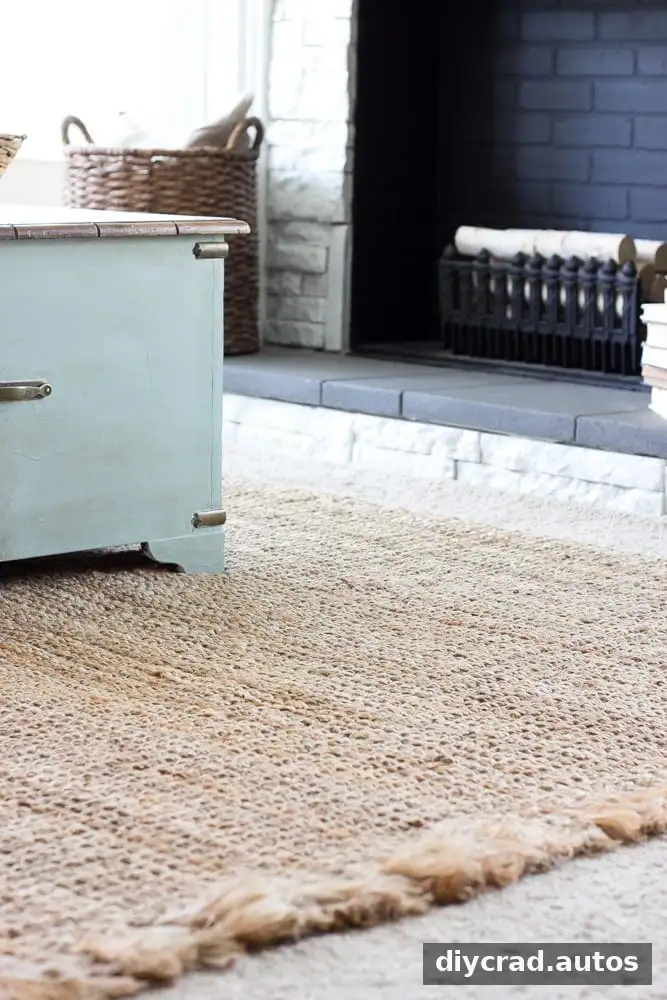
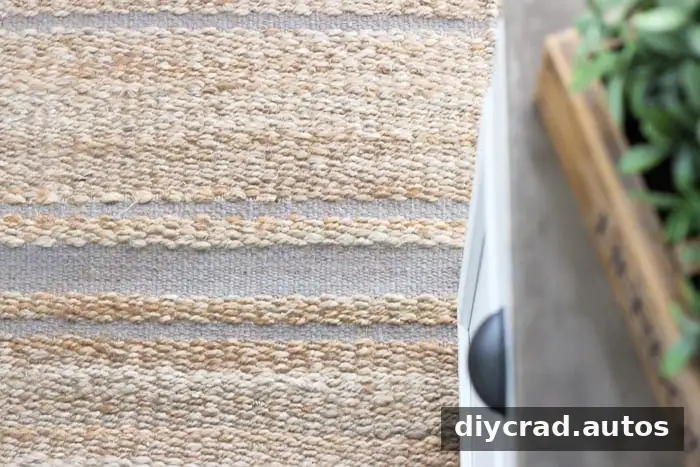
Jute rugs are made from plant fibers and often have a visibly woven, slightly nubby surface. They are generally firmer and less soft than a shag or plush carpet. The raised knots and texture may feel pleasant underfoot, but they are not usually the kind of rug you would choose for lying down or lounging directly on the floor.
Texture varies by weave. A chunky loop design, for example, can feel more pronounced than a flatter woven style. If possible, check a sample or see the rug in person before choosing one for a room where you will often sit or walk barefoot.
Where jute rugs work well
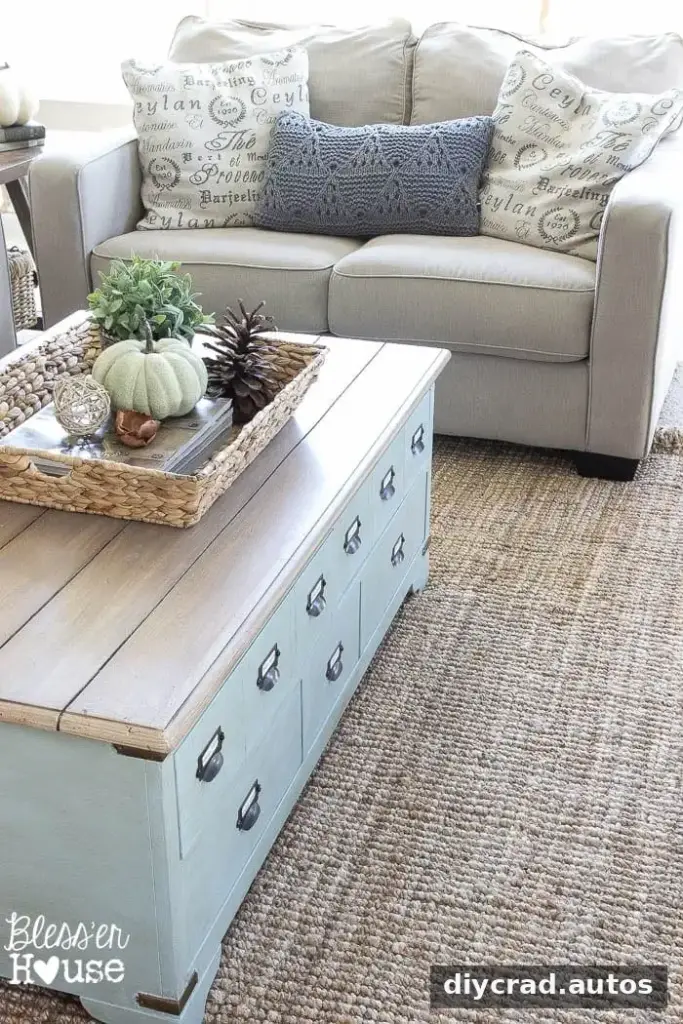
Their natural, neutral appearance makes jute rugs relatively easy to coordinate with different colors and decor styles. They can bring warmth and visual interest to a room that feels plain, while still allowing furniture, artwork, and accent colors to change over time.
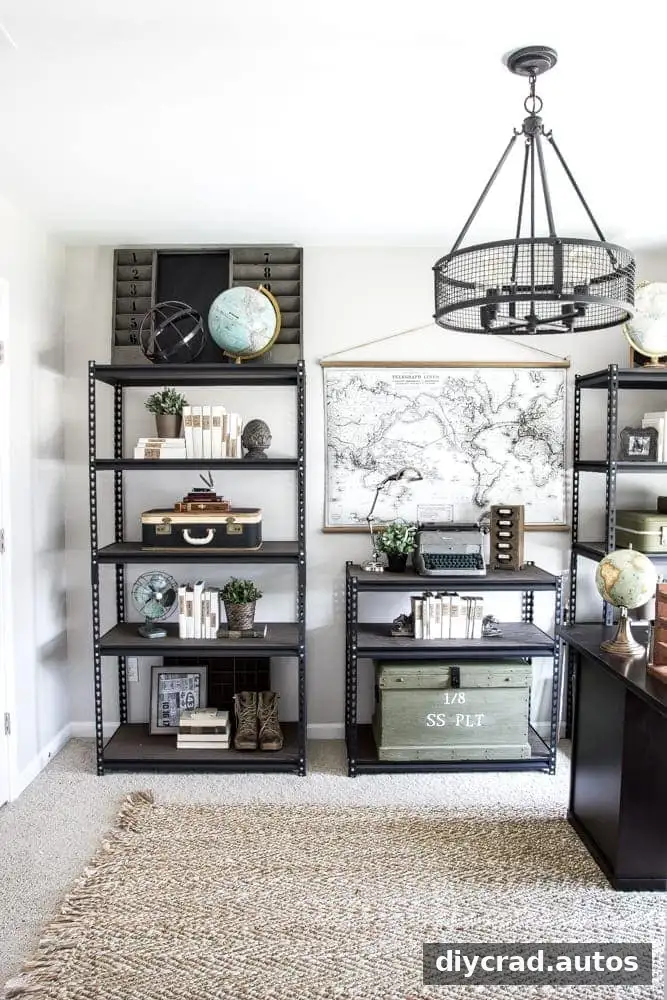
They can also suit busy areas where a little texture is welcome, such as a dining room, office, or kitchen. A runner beside a work area can add a small amount of cushioning on a hard floor, although it will not feel as padded as a thick rug. For a kitchen, consider how close the rug will be to spills and food debris before deciding on its placement.
Cleaning, shedding, and everyday upkeep
Regular vacuuming can remove loose dirt and crumbs from many jute rugs. Use an attachment that is appropriate for the rug’s weave, and follow the care instructions supplied with the specific product. A gentle approach is helpful if the loops or fibers could catch on a beater bar.
Some jute rugs shed, particularly when new. Loose fibers may become less noticeable with time, and vacuuming can collect them. The effect may be more visible on dark tile or hardwood than on a carpeted floor, so account for your flooring color and tolerance for frequent sweeping.
Jute’s textured, variegated surface can make everyday dust or small crumbs less obvious, but that does not mean the rug is dirt-proof. For a spill, act promptly: gently blot rather than rubbing, and check the rug’s care guidance before using water or a cleaning product. The right method depends on the rug’s construction and any backing or finish.
Choosing a rug for homes with children or pets
A jute rug may be a practical-looking choice for a household with children or pets because its texture can disguise minor debris between cleanings. However, it is not automatically stain-proof or suitable for every accident. Think about the likelihood of spills, the ease of cleaning, and whether a washable or softer rug would better fit your household’s needs.
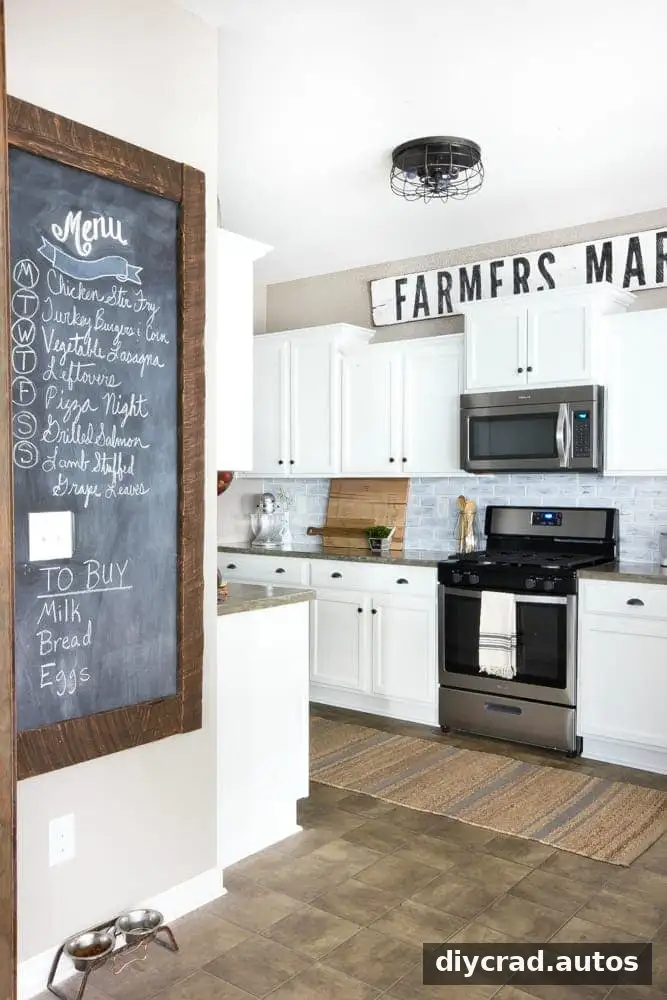
In a kitchen or other high-use area, a narrow runner can define the space and provide a little comfort while standing. Vacuuming with a suitable attachment can help pick up crumbs, but frequent messes may call for a rug material that is easier to wash. Check the product’s care label before placing any rug where spills are likely.
Smell, sensitivities, and natural fibers
When first unpacked, some jute rugs have a temporary earthy scent, often compared with rope or burlap. Allowing the rug to air out in a well-ventilated area may help the smell fade. If you have significant sensitivities to dust, grass, or natural fibers, consider how you might react before bringing one home.
Jute is a plant-based fiber, but the materials and treatments used in a finished rug can vary. If fiber content or finishing products are important to you, review the product details and ask the seller for specific information rather than assuming every jute rug is made or treated the same way.
How to style jute rugs
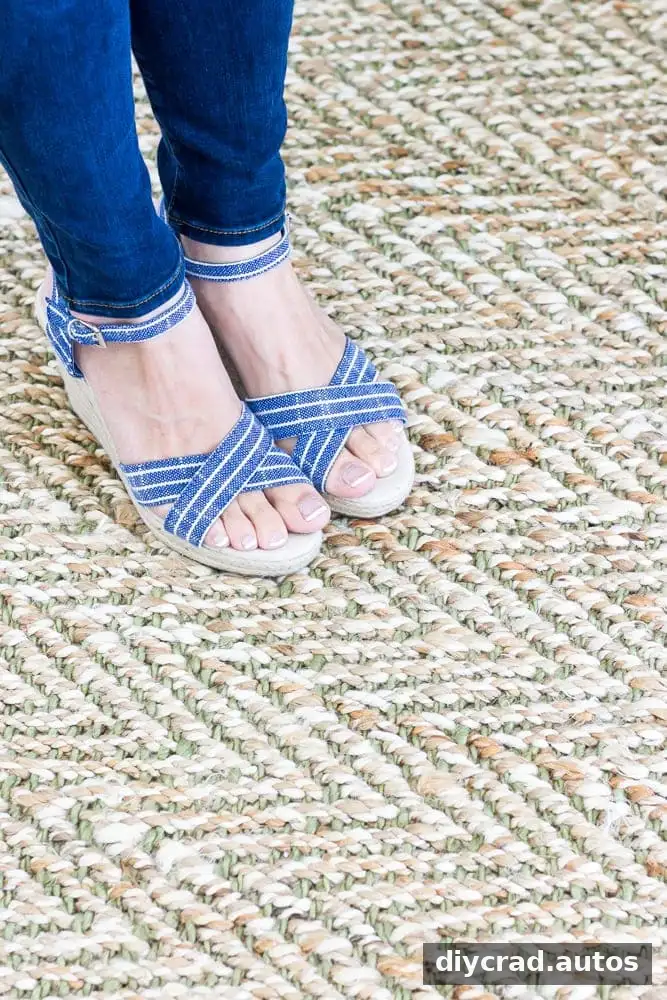
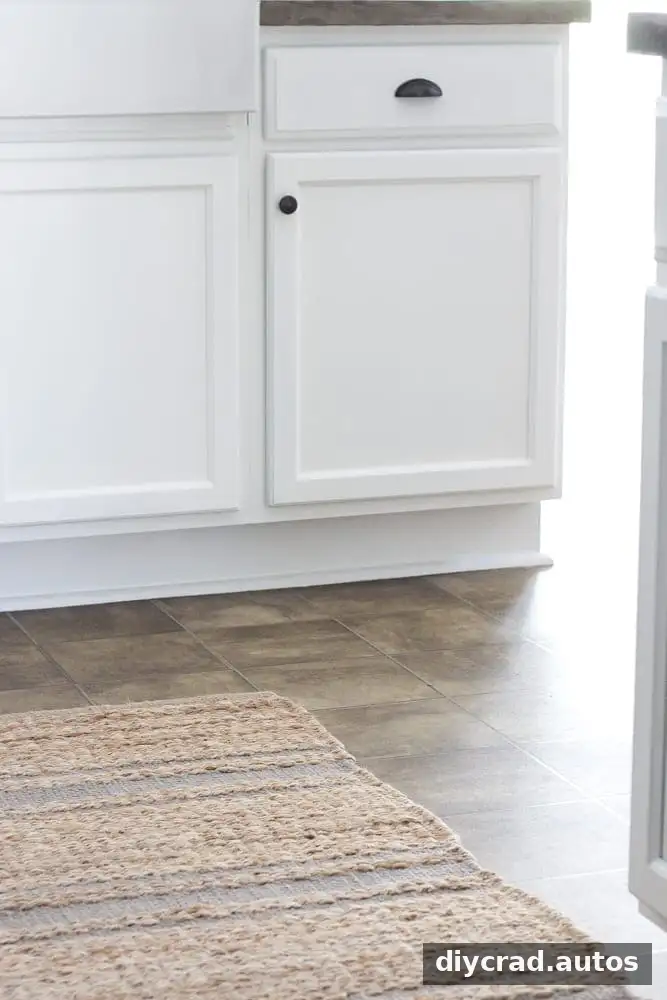
Jute’s natural color and woven texture can make it a flexible base for a room. It pairs well with a range of palettes, and its tactile surface can make a space feel warmer without adding a strong color or pattern. A striped or patterned design can provide more visual definition while retaining the look of woven fibers.
Before ordering, measure the area and consider how the rug will sit in relation to furniture, doors, and walkways. A rug that is too small may look disconnected from the room, while a suitable size can help make the layout feel more intentional. For extra softness, some people layer a smaller decorative rug over a larger natural-fiber rug; make sure the layers lie securely and do not create a trip hazard.
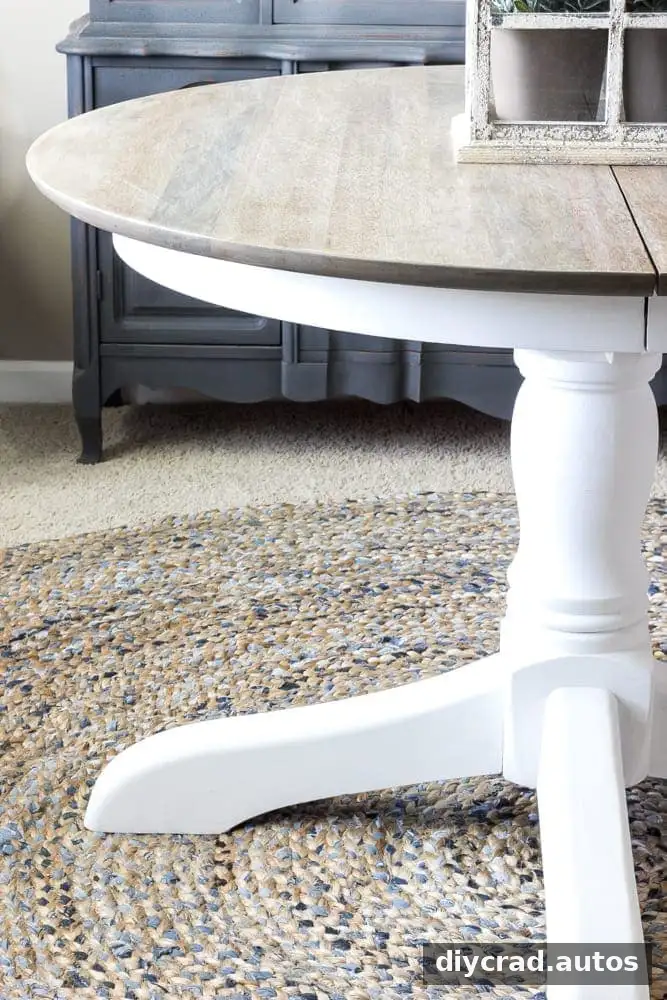
In a dining room, a jute rug can add texture and make the space feel more inviting. Measure the table and chairs in their usual positions, including the space needed to pull chairs out. This helps you judge whether the rug will remain useful during everyday meals.
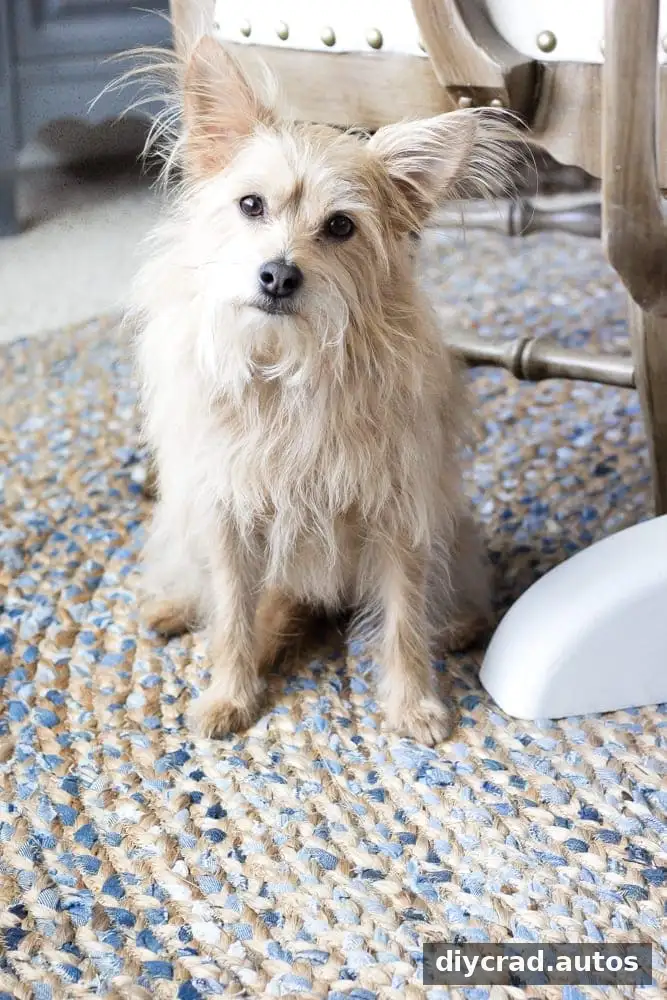
Are jute rugs right for you?
Jute rugs may be a good fit if you like natural texture, prefer a neutral foundation, and are comfortable with a firmer feel and some routine fiber upkeep. They may be less suitable if you want a very soft surface, need a rug that can handle frequent wet spills, or have sensitivities to natural fibers.
In short, jute rugs can bring warmth and an easy-to-coordinate look to many rooms, but their texture and care needs are worth considering before you buy. Compare the weave, size, fiber details, and cleaning instructions to find an option that fits your home and daily routine.